Opinion — Analysis by MMNN
MANDALAY – There is a particular kind of disorientation that comes not from being lost, but from finding your own hometown unrecognisable.
Walk through the commercial heart of Mandalay today and the signs above the shopfronts are increasingly in Mandarin. The conversations on the pavement are in Yunnanese dialect. The music drifting across the moat of the old royal palace is Chinese. The city that was once described as the cultural soul of Myanmar — home to its most refined Burmese speakers, its most revered monks, its most celebrated artists — is, by many accounts, no longer quite itself.

“I feel that I am no longer a resident of Mandalay,” said Nyi Nyi Zaw, a local journalist, adding that tensions arising from the shifting demographics had become a regular subject of his reporting. Voice of America
He is not alone in that feeling. And the numbers go some way toward explaining why.
Since Myanmar’s post-1988 shift toward economic liberalisation, large numbers of Chinese migrants have poured into Mandalay, purchasing most of the shops and real estate in the city centre and transforming its economic dynamics. The influx accelerated sharply after that period, and it has not slowed since. Wikipedia
Today, ethnic Han Chinese are estimated to make up around 50 percent of Mandalay’s population, with those of Yunnanese origin alone accounting for an estimated 30 percent — nearly equal to the ethnic Bamar population that once defined the city. Wikipedia
The economic dominance is even more concentrated. According to Win Htay, vice president of the Mandalay Region Chamber of Commerce, seven of the city’s ten top entrepreneurs are Chinese. He estimates that around 60 percent of Mandalay’s economy, including its key industries, is now in Chinese hands. Voice of America
The mechanism of displacement has been quiet, transactional, and devastatingly effective.
Chinese buyers — many backed by capital from mainland China through Yunnan border networks — have entered a property market where local purchasing power is simply no match for theirs. The results are visible not in any single dramatic event, but in the slow migration of original residents from city centres to the outskirts.
“The local property market has been in the hands of Chinese for years now,” said one Mandalay realtor. “Myanmar citizen-owned plots in the downtown area have grown fewer and fewer in number. Most locals have moved to the outskirts.” Nation Thailand
Land prices in formerly modest areas have reflected this pressure acutely. In eastern villages near Taungthaman Lake, prices reportedly rose from millions to hundreds of millions of kyat — a surge that has nothing to do with local wage growth, and everything to do with who is buying. Nation Thailand
Compounding the problem is the legal opacity surrounding many transactions. Local realtors note that Chinese buyers rarely complete deals under their own names — some contracts are signed by Myanmar citizens acting as proxies, making it difficult to establish the true scale of foreign land acquisition. Identity cards obtained through black market channels have allowed some Chinese immigrants to bypass legal barriers on foreign ownership of businesses and property entirely. Nation ThailandWikipedia
What has happened in Mandalay is now being replicated, with varying degrees of intensity, across Myanmar’s secondary cities.
In northern Shan State, the picture has taken on an even sharper edge. Following the Myanmar National Democratic Alliance Army’s takeover of Hsenwi, many original residents fled. Chinese investors moved quickly to occupy homes and government buildings, while local authorities reportedly leased seized administrative buildings and fire stations to businesspeople who demolished older structures to build high-rise complexes. The Irrawaddy
“They’re replacing everything,” one resident said. “People who fled haven’t returned, but their homes are already occupied.” The Irrawaddy
In Laukkai, the Kokang capital, authorities have launched a reconstruction campaign offering permanent residency to Chinese and foreign investors who contribute at least 500,000 yuan, with land plots provided in return. Myanmar citizenship, in other words, is being sold — and the buyers are not Myanmar nationals. The Irrawaddy
There is a lived, daily indignity to all of this that statistics do not quite capture.
Myanmar citizens navigating their own cities are stopped at checkpoints, asked for identification, and required to account for their movements. Meanwhile, Chinese nationals who cannot speak Burmese move through the same spaces with conspicuously less friction — welcomed as investors, as tourists, as economic contributors.
A local resident in Chanayethazan Township described the transformation starkly: “Previously there were no more than three or four Chinese households. Now the table has turned. Some houses are closed with signs written only in Chinese. I am afraid Mandalay is becoming a province of China.” Nation Thailand
That fear — of an undeclared, incremental colonisation conducted not by soldiers but by capital — is not new. Ludu Daw Amar, the celebrated Mandalay journalist, described it decades ago as feeling like “an undeclared colony of Yunnan.” The fact that her words still resonate today, and have only grown more apt, is itself a statement about how little has changed — and how much has been lost. Wikipedia
None of this requires a conspiracy to explain. It requires only the meeting of two asymmetries: a population with constrained purchasing power under political instability, and a wave of capital from one of the world’s most economically aggressive nations, flowing through networks of clan, kinship, and state-backed Belt and Road ambition.
The tragedy is not that it is happening. The tragedy is that too many people who should be paying attention are instead debating which township sounds more prestigious to live in — as the ground beneath them changes hands, quietly and without ceremony.
The guest, as one local writer observed, has become the landlord. And the landlord is beginning to forget they ever owned anything at all.
Sources: VOA News, The Irrawaddy, Nation Thailand, Wikipedia (Mandalay), KhamPhaung (original Burmese text)
Translation, adaptation and extended the following Burmese post:
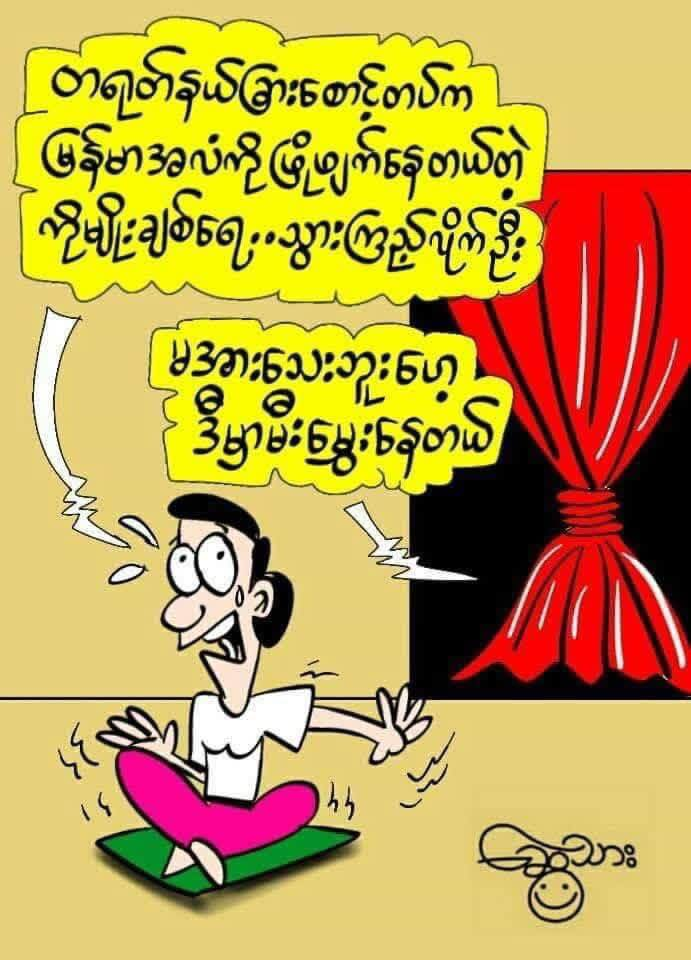
U Sein Htay
ဧည့်သည်ဖြစ်သွားသော အိမ်ရှင်
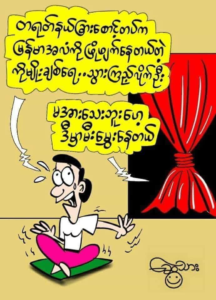
ခရီးသွားဖို့လမ်းမပေါ်တက်လိုက်တာနဲ့ကျနော်တို့ကဧည့်သည်ထက် ပိုဧည့်သည်ဆန်သွားပါတယ်။
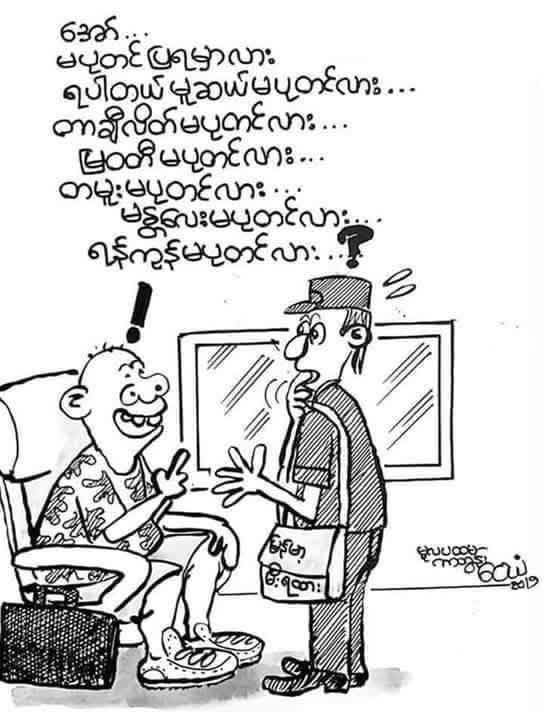
ဂိတ်တစ်ခုရောက်တိုင်း “ဘယ်ကလာလဲ၊ ဘယ်သွားမလဲ၊ မှတ်ပုံတင်ထုတ်ပါ” ဆိုတဲ့မေးခွန်းတွေက ရွတ်ဖတ်သံတွေလိုဆက်တိုက်ပဲ။
ဒါပေမယ့်ဘေးကနေဖြတ်သွားတဲ့ မြန်မာစကားတောင်မပြောတတ်တဲ့ ‘ကျားဖြန့်’ လိုလိုလူတွေကိုကျတော့ “Welcome” ဆိုတဲ့အပြုံးနဲ့လက်ပြနှုတ်ဆက်လိုက်တာမြင်ရင်၊ ကိုယ့်မှတ်ပုံတင်ကိုကိုယ်ပြန်ကြည့်ပြီး “ငါကရောဘယ်နိုင်ငံသားပါလိမ့်” လိုတွေးမိစေပါတယ်။
အိမ်ခြံမြေကွက်စျေးနဲ့ “အပျင်းပြေ” ဝယ်သူများမြေကွက်စျေးနှုန်းတွေကိုကြည့်လိုက်ရင်တော့ပိုတောင်ရင်နာဖို့ကောင်းပါသေးတယ်။
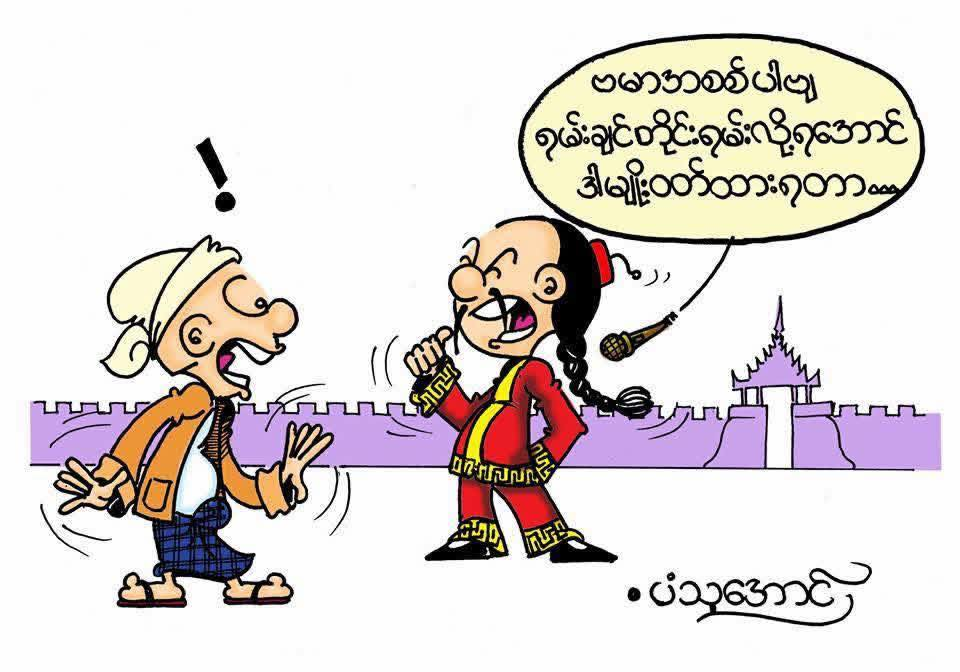
မြေစျေးတက်တာအကြောင်းမဲ့ မဟုတ်။ သွားရည်စာလိုပက်ခနဲ ဝယ်နိုင်တဲ့သူတွေရှိလို့ပါ။
ကျနော်တို့နိုင်ငံသားတွေအတွက်ကတော့တစ်သက်လုံးရှာသမျှ စုဆောင်းပြီး ‘တစ်ကွက်’ ရဘို့ နတ်ပြည်တက်ရသလိုခက်ခဲနေချိန်မှာ၊ အဲဒီလူတွေအတွက်ကတော့ အဲဒီစျေးနှုန်းက ‘ညစာစားတဲ့ ဘီလ်’ လောက်ပဲရှိတာပါ။
မိမိနိုင်ငံသားအတွက်: “ဒီမြေကွက်လေးရဖို့ဆယ်သက်လောက်စုရမလားမသိဘူး။”
ထိုသူတို့ အတွက်: “အိုး… ဒီနေရာလေးကရှုခင်းလှသားပဲ။ စျေးကလည်းအပျင်းပြေဝယ်ထားလို့ရတဲ့ စျေးလေးပဲ။ တစ်မြို့လုံးသိမ်းလိုက်ရင်ကောင်းမလား”
စစ်တိုက်စရာမလိုပါဘူး။ ငွေစက္ကူလေးတွေနဲ့တင်အဓိကနေရာတွေကိုဝယ်သိမ်းပြီး ‘ဧည့်သည်က အိမ်ရှင်၊ အိမ်ရှင်ကအိမ်ငှါး’ ပြန် ဖြစ်နေကြတာပါ။
Brand new ကားတစ်စီးဆိုတာ မြန်မာနိုင်ငံသားတွေအတွက်တော့ showroom မှန်လုံအိမ်ထဲမှာပဲ ထားကြည့်ရတဲ့ ‘ပြတိုက်ထဲက ပစ္စည်း’ လိုဖြစ်နေပါပြီ။
စျေးနှုန်းက ဂဏန်းတွေအများကြီးနဲ့အလှမ်းဝေးလွန်းလို့အိပ်မက်တောင်သေသေချာချာမမက်ရဲဘူး။ နှစ်ဆွေးကားတွေ ကို တသသစီးနေရတယ်။
ဒါပေမယ့်အဲဒီလူတွေအမြင်မှာတော့အဲဒီကားစျေးက ‘စက်ဘီးတစ်စီး ဝယ်ရသလောက်’ ပဲစျေးပေါနေသလိုမျိုး။
ကိုယ့်တိုင်းပြည်မှာကိုယ်နေရတာတခါတလေကျတော့ ဟိုတယ်တစ်ခုမှာခဏလာတည်းတဲ့ဧည့်သည်လိုပါပဲ။
စစ်ဆေးမေးမြန်းမှုတွေကြားမှာ ခေါင်းငုံ့နေရပြီး၊ စျေးနှုန်းတွေကြားမှာအသက်ရှူကျပ်နေရတယ်။
ဧည့်သည်တွေကတော့ အိမ်ရှင်ထက်ပိုပြီးလွတ်လပ်၊ ပိုပြီးချမ်းသာ၊ ပိုပြီးပိုင်စိုးပိုင်နင်းနဲ့။
တကယ်တော့ကျနော်တို့က အိမ်ရှင်တွေမဟုတ်တော့ပါဘူး။ ‘အိမ်လခမပေးနိုင်လို့နှင်ထုတ်ခံရတော့မယ့်အိမ်ငှားတွေ’ ဖြစ်နေပြီလားလို့တောင်သံသယဝင်မိပါတော့တယ်။
အချင်းချင်း “ငါကဘယ်မြို့နယ်မှာ နေတာကွ။ ငါက EV ၊ ငါက ဆီကား။ တွေ့လား။ ငါဝယ်တာမှန်တယ်။ မင်းတို့ဒုက္ခရောက်ပြီမဟုတ်လား” ဆိုပြီးဘဝတူ
အချင်းချင်းကြွားစရာမဟုတ်တာကိုပြိုင်ဆိုင်ကြွားဝါနေချိန်မှာအဲဒီလူတွေက ‘ကိုယ့်အခွင့်အရေးနဲ့ အနာဂါတ်တွေကိုတဖြည်းဖြည်း ဝါးမျိုနေပြီ’ ဆိုတာသတိချပ်ကြဖို့ လိုပါတယ်။
* #KhamPhaung ထံမှယူလာသည်။

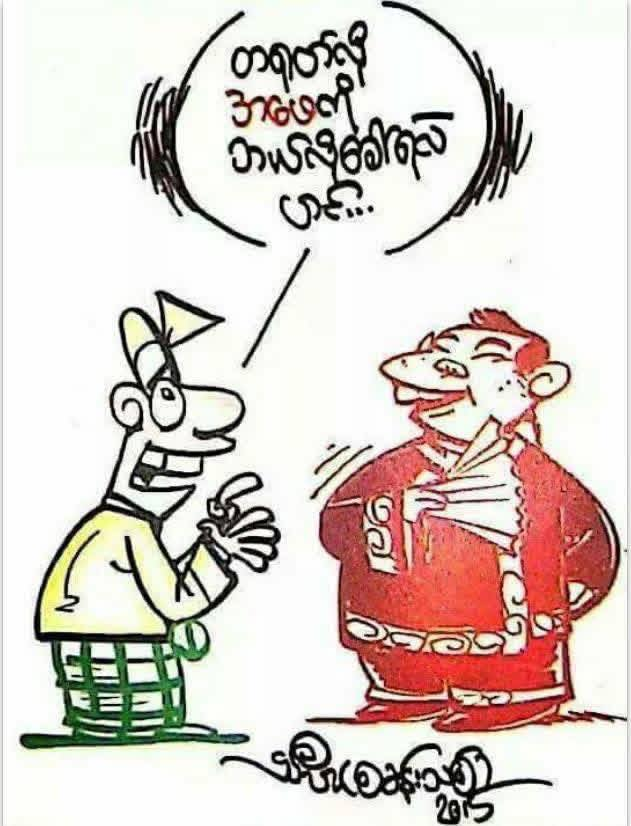
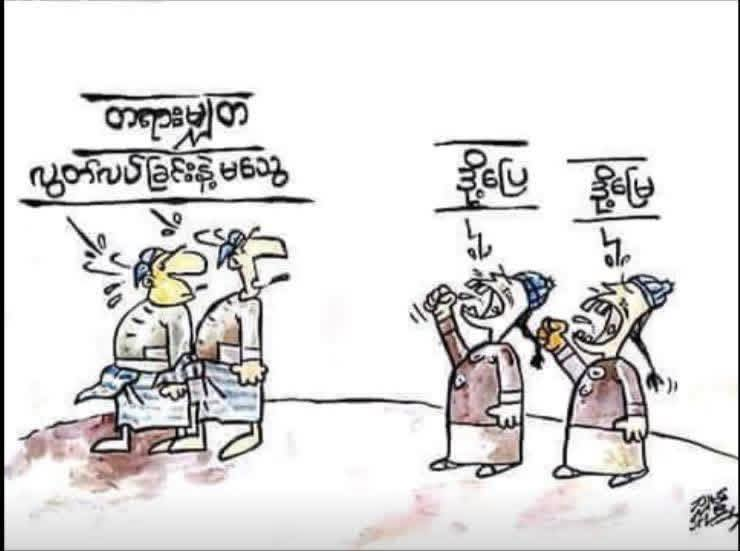
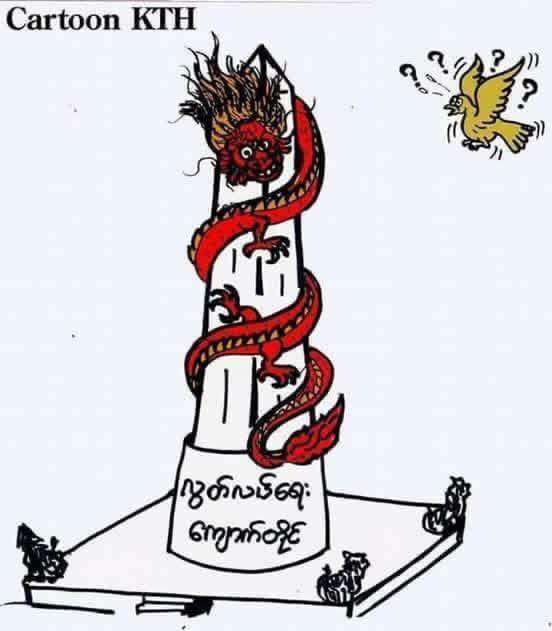
Cartoon collection from U Aung Tin’s FB page
Myat Maw
ရန်ကုန် တရုတ်တွေ သတိထားနေရတော့မည်။
တရုတ်ဆန့်ကျင်ရေးကို ရှမ်းမှာ လုပ်ရင် သိန်းစိန်တက်ခါစ က လုပ်တဲ့ ရိုဟင်ဂျာ ဆန့်ကျင်ရေးလို AA က ရခိုင်မှာ စားသွားသလို ရှမ်းမှာ SSPP က စားသွားမယ်။
ဒါကြောင့် တရူတ်ဆန့်ကျင်ရေးဟာ ၁၉၆၇ မှာ တုံးကလို ရန်ကုန်မှာလာပါမယ်။
ရန်ကုန် မှာ က တရုတ်တွေ ဘယ်လိုချမ်းသာသလဲ ဆိုတာ တရုတ်သူဌေးတွေပိုင်တဲ့ လုပ်ငန်းတွေ၊ စားသောက်ဆိုင်တွေ ၊ KTVတွေ၊ ဟော်တယ်တွေက အစ အများကြီးပါ။ အင်းယားကန်ဘောင်၊ ပြည်သူ့ရင်ပြင် စတဲ့ လမ်းလျောကိတဲ့နေရာမှာ ရုပ်မတူတဲ့လူတွေ အများကြီးတွေ့ရပါတယ်။
ဦးနု လက်ထက်မှာ ခိုးဝင်လာပြီး ၁၉၆၂ နောက်ပိုင်း လဝက မှာ ငွေပေး၍ နိုင်ငံသား သို့မဟုတ် အစိမ်းကဒ်စသည်ဖြင့် မြေတွေလယ်တွေ ဝယ်ပြီး ရွာအူပ်ကြီးတွေနှင့် ကစားနေတယ်။ မြောက်ဒဂုံမှာ ဆို အဆိုးဆုံးဖြစ်တယ်။
ရန်ကုန်သားတွေ က အိမ်တွေရောင်းပြီး မြို့စွန်ဒါမှမဟုတ် တိုက်ခန်းအသေးလေးတွေနှင့်နေနေရတာပါ။
ဒါကြောင့် တရုတ်တွေ ချမ်းသာတယ်၊ ဒေသခံတွေ ဆင်းရဲတယ် ဆိုတဲ့ ကွာဟ ချက်ဟာ ရန်ကုန်မှာသာ မြင်နိုင်ပါတယ်။
ဒါကြောင့် စစ်တပ်က ၂၀၁၁ အစိုးရသစ် တက်ချ်ီန်မှာ အမေရိကန်ပြန် သီတဂူ၊ မိုးဟိန်းတို့ နှင့် အတူရိုဟင်ဂျာ မုန်းတီးရေးတွေ လုပ်တယ်ဆိုရင် ယနေ့အချိန် မှာ လည်း စစ်တပ်အစိုးရတက်ပြီဖြစ်၍ လုပ်မှာက ကြိမ်းသေပါတယ်။
ဒါကြောင့် ရန်ကုန် က တရုတ်တွေ အနေဖြင့် ကန်တော်လေးက မူဆလင်တွေလို အုပ်စုဖွဲ့ နေခြင်း၊ ပတ်ဝန်းကျင်ကို အထူးဂရုစိုက်နေကြဖို့လိုပါမယ်။