Picture credit: By Albert Mestre, CC BY-SA 3.0, https://commons.wikimedia.org/w/index.php?curid=6957560
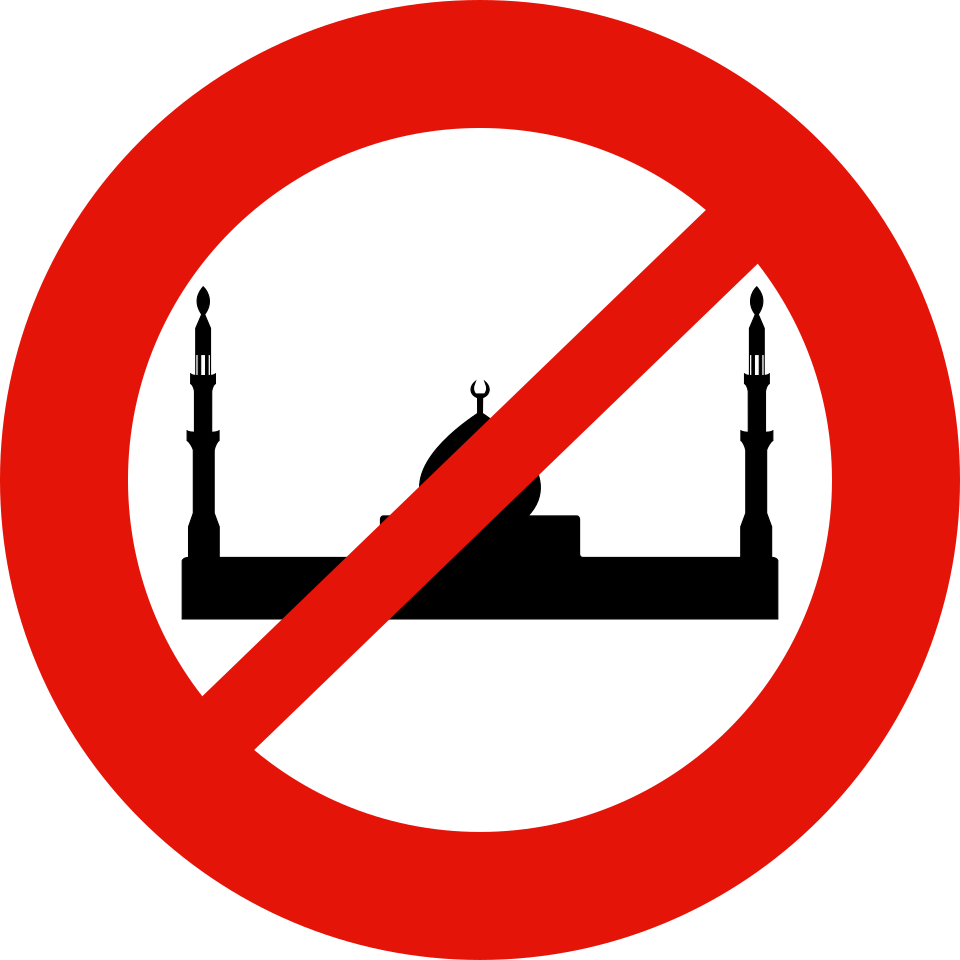
Yangon – The persecution of Muslims in Myanmar is not a recent phenomenon. From royal decrees in the 16th century to modern-day riots, Myanmar’s Muslim communities have faced waves of discrimination and violence. Rights groups and historians say these patterns reveal a long-standing hostility that continues to shape the country’s politics and society.
Historical Roots
Muslims first appeared in Burmese chronicles in the 11th century. They served kings and integrated into society, but rulers often imposed restrictions. King Bayinnaung banned Islamic rituals in the 16th century, while King Bodawpaya executed imams who resisted forced assimilation.
The Shrine of the Four Martyr Saints of Shwebo
“These episodes show that intolerance was embedded in state policy long before colonial times,” notes historian Carl L. Bankston III, who has studied Myanmar’s religious conflicts.
Colonial Tensions
Under British rule, Muslims were often lumped together with Indian migrants and branded “kala” (foreigners). Economic competition and nationalist agitation led to riots in 1930 and 1938.
According to the Minority Rights Group, “Muslims who had lived in Burma for centuries were suddenly treated as outsiders, stripped of recognition, and targeted in violent campaigns.”
Military Rule and Citizenship Stripped
The 1962 coup by General Ne Win marked a turning point. Muslims were expelled from the army, marginalized politically, and disenfranchised under the 1982 Citizenship Law.
Human Rights Watch has documented how “the denial of citizenship effectively rendered many Muslims stateless, cutting them off from education, healthcare, and employment.”
Violence in the Modern Era
Riots in Mandalay (1997) and Taungoo (2001) saw mobs attack mosques and burn Qur’ans, often with authorities standing by. Nationalist movements like the 969 campaign entrenched hostility, framing Muslims as outsiders despite centuries of presence.
The UN Human Rights Office has warned that “systematic persecution of Muslims in Myanmar is not isolated—it is part of a broader pattern of ethnic cleansing and denial of basic rights.”
International Spotlight
While Myanmar’s broader Muslim community has endured waves of persecution, the plight of the Rohingya has drawn global attention. Genocide allegations are now before the International Court of Justice (ICJ), with cases also filed in Indonesia and Argentina.
UN Secretary-General António Guterres has described the violence as “a catastrophic humanitarian situation that demands accountability.”
Read my Wikipedia article with more than a million hit.
Persecution of Muslims in Myanmar
Read also:
- Islam in Myanmar
- Talk:Islam in Myanmar
- Burmese Indians
- Talk:Burmese Indians
- Indians in Burmese History as it was deleted by reckless Wiki editor without even arguing the facts validity (could still search and read in edit history of Wiki, I hereby publish in my own blog Indians or KALARS in Burmese History..As my article is already a GA or Good Article I wished not to tarnish by adding back my chapter. @ http://drkokogyi.wordpress.com/2011/04/29/indians-or-kalars-in-burmese-history/
- Origin of Burmese Indians
- List of Burmese Indians Although erased, this chapter is revised, edited and put back in the main article as one heading.
- Panthay
- Burmese Chinese
- Burmese Malays
- My Wikipedia USER PAGE
- Myanmar government must stop the widespread anti-Muslim HATE CAMPAIGN by radical Buddhists: Many Bamas are swallowing the hook, line, and sinker
- မြန်မာ လူနည်းစုတွေရဲ့ အိပ်မက်
- မြန်မာနိုင်ငံသား အစ္စလာမ်ဘာသာဝင်တို့အား ရှေးမြန်မာမင်းများက ချီးမြှင့်ခဲ့ပုံ
- မြန်မာရာဇဝင်လာ သမိုင်းဝင် အိန္ဒိယလူမျိုးများ (၁+၂)
- လူပိန်းကြိုက် နှင့် အမုန်းစကား
- လူ့အခွင့်အရေး Universal Declaration of Human Rights in Burmese
- “မြန်မာ့လက်ရှိ အခြေအနေများကို မီးမောင်းထိုးပြလျက် ရှိသော ဗိုလ်ချုပ်အောင်ဆန်း၏ အဆိုအမိန့်များ”