“If Myanmar cannot yet build a nation where all can live together, it must at least build a system where none are forced to die apart.”
By Dr. Ko Ko Gyi (Revised & Expanded)
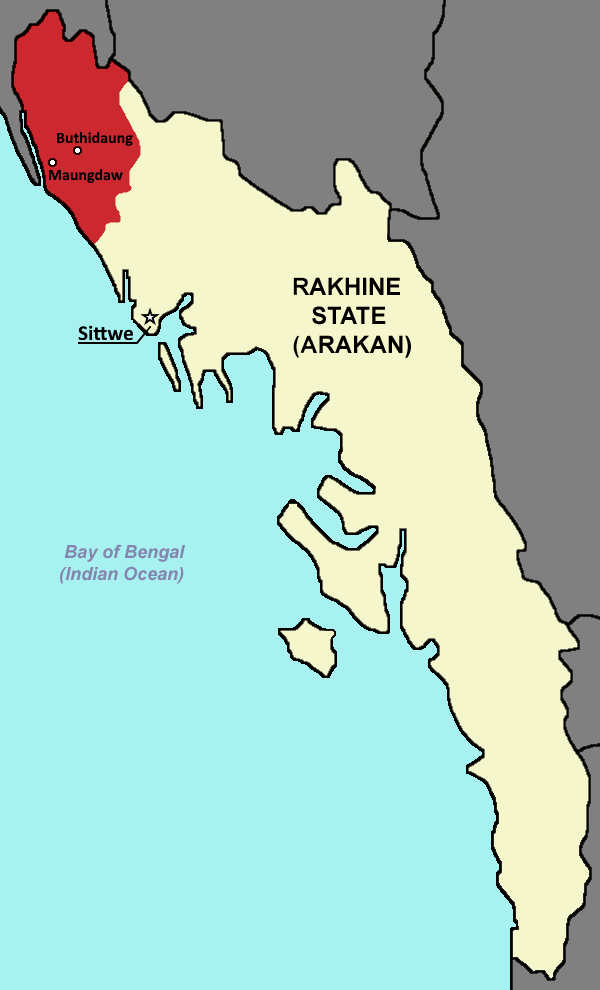
Mayu Frontier District – Wikipedia
Background: A Crisis Without Easy Answers
The crisis facing the Rohingya in Rakhine State remains one of the most protracted and politically sensitive humanitarian disasters in modern Southeast Asia. Decades of statelessness, discrimination, and violence culminated in the mass displacement following the Rohingya crisis 2017.
Today, millions remain either confined within Myanmar or living as refugees, particularly in camps across Cox’s Bazar.
The central dilemma persists:
- Forced expulsion is unacceptable and illegal
- Genocide is a crime against humanity
- Full coexistence, given current hostility, remains deeply fragile
This creates what some observers describe as a “no-solution trap.”
One possible solution—controversial but worth examining—is the revival of the Mayu region concept.
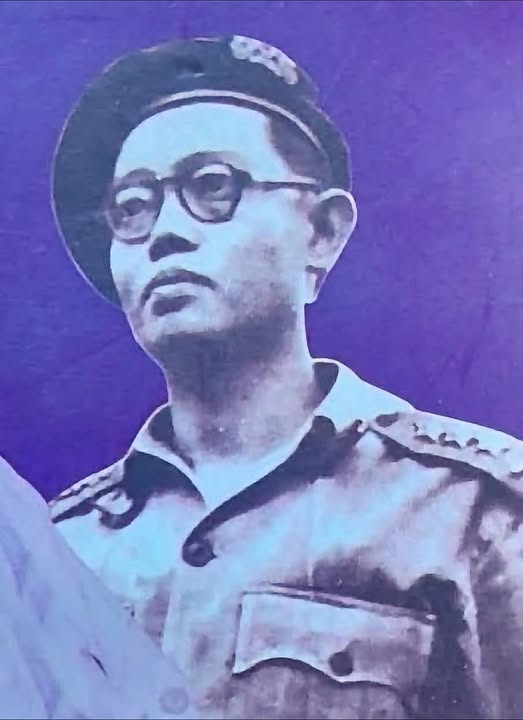
The Mayu Frontier Administration (1961–1964), under Ne Win, once governed parts of northern Rakhine separately, recognizing the unique demographic composition of the area.
Proposal (Updated)
Transform the Mayu region into a Special Autonomous Region within a future Federal Myanmar, with:
- Local self-administration involving Rohingya professionals and community leaders
- Continued presence of Union-level institutions (police, immigration, customs) under strict legal frameworks
- International oversight (e.g., United Nations, Organisation of Islamic Cooperation)
- Massive development investments:
- Schools, universities
- Hospitals
- Infrastructure (port, airport, digital economy)
1. Immediate Protection
A designated autonomous region could offer physical safety and administrative control, reducing the risk of further violence.
2. Pathway to Citizenship
With proper legal reform, it could serve as a structured pathway to restoring citizenship rights, rather than leaving Rohingya in indefinite limbo.
3. Economic Development Model
With international backing, Mayu could become a development hub, similar to how neglected regions elsewhere transformed with targeted investment.
4. Conflict De-escalation
Separating administrative control—at least temporarily—may reduce direct friction between communities, buying time for reconciliation.
1. Institutionalizing Segregation
Critics will argue this resembles apartheid-like separation rather than integration. History shows such systems often become permanent.
2. Legitimizing Ethnic Cleansing
Creating a “Rohingya-only” region risks validating the outcomes of past expulsions—effectively rewarding perpetrators.
3. Political Resistance
Strong opposition is expected from:
- Rakhine nationalist groups such as Arakan National Party
- Myanmar military establishment (Tatmadaw)
4. Geopolitical Sensitivities
Neighboring countries and ASEAN may resist internationalization of Myanmar’s internal affairs.
5. Economic Viability Questions
Without sustained funding and governance capacity, the region could become:
- Aid-dependent
- Politically unstable
- Vulnerable to corruption or armed groups
Any solution must align with:
- The International Court of Justice proceedings on genocide allegations
- Principles of voluntary, safe, and dignified repatriation
- The right of return to original homes, not forced relocation
Rather than a single-track solution, a multi-layered strategy may be more viable:
1. Federal Reform Across Myanmar
A genuine federal system granting autonomy to all ethnic regions—not just one—could reduce zero-sum ethnic politics.
2. Citizenship Reform
Amending or replacing the 1982 Citizenship Law is essential to resolve statelessness.
3. Truth and Reconciliation Mechanisms
Long-term coexistence requires acknowledgment of past atrocities and trust-building.
4. Phased Reintegration
Pilot zones (including Mayu) could be tested, but must remain voluntary and reversible, not imposed segregation.
The conversation you cited—reported by journalist Carlos Sardiña Galache—captures a dangerous mindset:
“We can’t kill them, we can’t expel them, and we can’t coexist.”
History shows that such thinking often precedes atrocity. Indeed, within two years, mass violence erupted.
But accepting “non-coexistence” as permanent truth is equally dangerous. It risks turning temporary fear into permanent division.
The Mayu autonomous region idea should not be dismissed outright—but neither should it be romanticized.
At best, it could serve as:
- A transitional safe zone
- A pilot for federal governance
- A platform for rebuilding dignity and institutions
At worst, it could:
- Entrench segregation
- Freeze injustice into geography
- Delay real national reconciliation
The real solution must remain broader:
A just, inclusive, federal Myanmar where all communities—Rohingya, Rakhine, and others—can coexist with equal rights.
“If Myanmar cannot yet build a nation where all can live together, it must at least build a system where none are forced to die apart.”