Strategic Analysis — MMNN
History rarely announces itself before it repeats. Yet in Myanmar today, the conditions that triggered one of Southeast Asia’s most consequential geopolitical crises — the 1967 anti-Chinese riots and China’s subsequent military intervention through the Communist Party of Burma — are quietly reassembling themselves, with modern actors, modern weapons, and far higher stakes.
The question is not whether Myanmar’s military establishment understands this history. They do — intimately. The question is whether they are cynically prepared to exploit it anyway.
Ma Ba Tha — the Association for the Protection of Race and Religion — is not simply a religious organisation. It functions, by considerable evidence, as a state-adjacent narrative weapon: deployable when needed, deniable when convenient.
Its cyber-trooper network operates across Facebook — still the dominant information ecosystem in Myanmar — flooding timelines with content designed to redirect public anger. The template was perfected during the Rohingya crisis of 2011–2017, when a population’s legitimate grievances about poverty, corruption, and military misrule were successfully redirected toward a vulnerable Muslim minority. The international community called it a genocide. The military called it a security operation. Ma Ba Tha called it patriotism. And the Chinese called it “victory, mission accomplished’ as they finished construction of O&G Pipeline while locals were diverted with riots.
The pattern is now potentially being reloaded — this time with a new target: the Chinese migrant presence in Myanmar’s urban centres.
The logic, from the military’s perspective, is not irrational — it is simply reckless.
By allowing or quietly encouraging anti-Chinese sentiment to build — particularly in Yangon, where the wealth disparity between Chinese business owners and local residents is most visible and most visceral — the military achieves several objectives simultaneously.
First, it redirects public fury. A population that is angry about checkpoints, land prices, lost livelihoods, and a collapsing currency is a population that might march toward Naypyidaw. A population angry at Chinese shopkeepers stays in its own neighbourhood.
Second, it manufactures nationalist credibility. The military has haemorrhaged legitimacy since the 2021 coup. Positioning itself as defender of Burmese identity against foreign economic encroachment — however hypocritically, given its own deep financial ties to Chinese investment — offers a crude but historically effective political lifeline.
Third, it tests Beijing’s tolerance. In the complex transactional relationship between Naypyidaw and Beijing, occasional low-level anti-Chinese sentiment may serve as a bargaining chip — a reminder that the military can either contain or release popular pressure, depending on how cooperative China chooses to be.
It is a high-wire act performed over a volcano.
The 1967 anti-Chinese riots in Rangoon provided Beijing with what was essentially a convenient pretext for intervention it had already been planning. On New Year’s Day 1968, heavily armed Communist Party of Burma units crossed from Yunnan Province into northeastern Burma, supplied by China with assault rifles, machine guns, rocket launchers, anti-aircraft guns, and military vehicles. Frontier Myanmar
Beijing bore primary responsibility for the 1967 crisis through its deliberate export of the Cultural Revolution into Burma’s Chinese communities — and it responded to the riots by openly intervening in Burma’s civil war, a posture that estranged Sino-Burmese relations throughout the following two decades. Mingalarrealestateconversation
The crucial difference between 1967 and 2026 is this: China no longer needs to build a proxy from scratch. The infrastructure already exists — and it is formidable.
Where Beijing in 1967 had to rebuild the CPB from near-collapse, today it holds a far stronger hand — multiple armed groups across Myanmar’s north and east, each with varying degrees of Chinese support, supply, and strategic alignment.
UWSA (United Wa State Army) — with an estimated 30,000 troops, modern weaponry, and direct Chinese supply lines — is effectively the most powerful non-state military force in Southeast Asia. It answers, ultimately, to no one in Naypyidaw.
MNDAA (Kokang) — ethnically Chinese, Mandarin-speaking, and operating with Chinese construction crews and investors moving in behind its military advances — has already demonstrated in Lashio what Chinese-aligned territorial control looks like in practice.
The Northern Alliance — comprising MNDAA, TNLA, AA, and KIA — showed during Operation 1027 in 2023 that coordinated offensives can collapse military positions across vast territory in weeks, not months.
AA (Arakan Army) in the west and PDF forces across the country add further dimensions to a military encirclement that, should Beijing choose to activate it fully, could move with devastating speed.
As you correctly noted — if China gives the green light and provides full logistical support to the Northern Alliance, KIA, AA, and PDF simultaneously, Naypyidaw and Mandalay could fall within two weeks. That is not hyperbole. That is a sober reading of current force dispositions.
Yangon is where the tinderbox sits closest to the flame.
The visible wealth of Chinese-owned businesses — restaurants, KTV establishments, hotels, real estate portfolios along Inya Lake and People’s Park — against the backdrop of local families selling ancestral homes and retreating to small apartments in distant townships creates exactly the kind of raw, daily resentment that extremist networks can weaponise overnight.
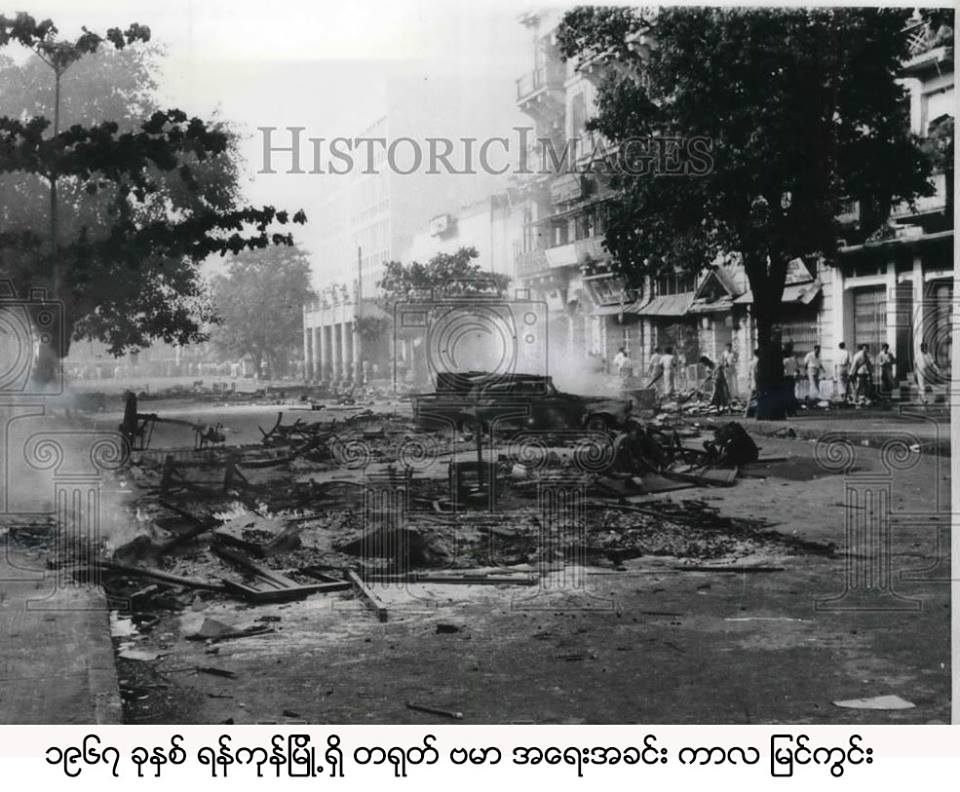
In 1967, it took only a dispute over Mao badges in a Rangoon school to trigger riots that killed dozens, destroyed hundreds of businesses, and ultimately brought Chinese military forces to Myanmar’s border. Voice of America
In 2026, the triggers are everywhere — and social media means they no longer need a physical flashpoint. A single viral video, a fabricated incident, a coordinated Ma Ba Tha campaign across Facebook, and Yangon’s streets could ignite within hours.
The military knows this. That, arguably, is precisely the point.
It must be stated plainly: the vast majority of ethnic Chinese residents in Myanmar — many of them families who have lived here for three and four generations, who speak Burmese, who built businesses, raised children, and buried parents in Myanmar soil — bear no responsibility for Beijing’s geopolitical ambitions or for the wave of new economic migrants reshaping Mandalay and Yangon.
Anti-Chinese riots would not punish the Chinese Communist Party. They would burn the homes and livelihoods of people who are, in the most meaningful sense, also Myanmar’s own.
The military’s cynicism lies precisely here: it would sacrifice innocent lives — both local and Chinese — on the altar of its own survival calculus.
The legitimate grievance is real. Land appropriation, economic displacement, proxy governance through Chinese-aligned armed groups, and the erosion of Myanmar’s urban identity are serious, documentable, urgent problems.
But the response to those grievances must be political, journalistic, diplomatic, and legal — not communal and violent.
Myanmar’s people are caught between a military that may cynically manufacture ethnic hatred for survival, and a superpower neighbour that has demonstrated, repeatedly and decisively, that it will respond to threats against its citizens and interests with overwhelming force.
The space between those two dangers is narrow. Navigating it requires exactly what the military fears most: an informed, morally grounded, internationally connected civil society that names the problem clearly — without burning anyone’s house down.
That is the work. And it begins with pieces exactly like the ones being published at MMNN.
Strategic Analysis — Myanmar Muslim News Network For republication with attribution
Read also:
1/1967 anti-Chinese riots in Burma
Myat Maw
ရန်ကုန် တရုတ်တွေ သတိထားနေရတော့မည်။
တရုတ်ဆန့်ကျင်ရေးကို ရှမ်းမှာ လုပ်ရင် သိန်းစိန်တက်ခါစ က လုပ်တဲ့ ရိုဟင်ဂျာ ဆန့်ကျင်ရေးလို AA က ရခိုင်မှာ စားသွားသလို ရှမ်းမှာ SSPP က စားသွားမယ်။ ဒါကြောင့် စစ်တပ်က ရှမ်းပြည်မှာ တရုတ်ဆန့်ကျင်ရေးလုပ်ရဲမယ်မထင်ဘူး။ နောက်က ရှမ်းက မုန်းတာ ပအို့ဖြစ်တယ်။ တရုတ်မဟုတ်ဘူးဖြစ်နေတယ်။ တရုတ်ခွန်တာ ရှမ်းပြည်မှာ ရှမ်းစကားပြောပြီး တော်လှန်ရေးလုပ်ခဲ့တာတောင် အောင်မြင်တာဖြစ်၍ ရှမ်းပြည်မှာ တရုတ်ဆန့်ကျင်ရေးက ခက်ပါမယ်။
ဒါကြောင့် တရူတ်ဆန့်ကျင်ရေးဟာ ၁၉၆၇ မှာ တုံးကလို ရန်ကုန်မှာလာဖို့သာ ပို၍ သေချာပါလိမ့်မယ်။ ရန်ကုန် မှာ က တရုတ်တွေ ဘယ်လိုချမ်းသာသလဲ ဆိုတာ တရုတ်သူဌေးတွေပိုင်တဲ့ လုပ်ငန်းတွေ၊ စားသောက်ဆိုင်တွေ ၊ KTVတွေ၊ ဟော်တယ်တွေက အစ အများကြီးပါ။ အင်းယားကန်ဘောင်၊ ပြည်သူ့ရင်ပြင် စတဲ့ လမ်းလျောကိတဲ့နေရာမှာ ရုပ်မတူတဲ့လူတွေ အများကြီးတွေ့ရပါတယ်။ ဦးနု လက်ထက်မှာ ခိုးဝင်လာပြီး ၁၉၆၂ နောက်ပိုင်း လဝက မှာ ငွေပေး၍ နိုင်ငံသား သို့မဟုတ် အစိမ်းကဒ်စသည်ဖြင့် မြေတွေလယ်တွေ ဝယ်ပြီး ရွာအူပ်ကြီးတွေနှင့် ကစားနေတယ်။ မြောက်ဒဂုံမှာ ဆို အဆိုးဆုံးဖြစ်တယ်။ ရန်ကုန်သားတွေ က အိမ်တွေရောင်းပြီး မြို့စွန်ဒါမှမဟုတ် တိုက်ခန်းအသေးလေးတွေနှင့်နေနေရတာပါ။ ဒါကြောင့် တရုတ်တွေ ချမ်းသာတယ်၊ ဒေသခံတွေ ဆင်းရဲတယ် ဆိုတဲ့ ကွာဟ ချက်ဟာ ရန်ကုန်မှာသာ မြင်နိုင်ပါတယ်။
ဒါကြောင့် စစ်တပ်က ၂၀၁၁ အစိုးရသစ် တက်ချ်ီန်မှာ အမေရိကန်ပြန် သီတဂူ၊ မိုးဟိန်းတို့ နှင့် အတူရိုဟင်ဂျာ မုန်းတီးရေးတွေ လုပ်တယ်ဆိုရင် ယနေ့အချိန် မှာ လည်း စစ်တပ်အစိုးရတက်ပြီဖြစ်၍ လုပ်မှာက ကြိမ်းသေပါတယ်။ ဒါကြောင့် ရန်ကုန် က တရုတ်တွေ အနေဖြင့် ကန်တော်လေးက မူဆလင်တွေလို အုပ်စုဖွဲ့ နေခြင်း၊ ပတ်ဝန်းကျင်ကို အထူးဂရုစိုက်နေကြဖို့လိုပါမယ်။
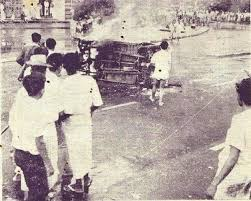
The Day Anti-Chinese Riots Erupted in Myanmar
Rioting (26 June 1967)
Chinese students in Burma were defying the Burmese government’s instruction to not wear badges depicting Mao Zedong with support of the Chinese embassy in Rangoon.[2] On 22 June 1967, discord occurred between students and teachers at the Rangoon Number 3 National Elementary School (the former Chinese Girls’ Middle school). A similar dispute took place at the nearby Zhong Zheng Middle school and continued until the police intervened.
It was alleged that on 22 June 1967, Yu Min-Sheng, a correspondent of the Xinhua News Agency and Red Guards from the embassy were distributing Chairman Mao badges and “Little Red Book” to Chinese students.
On 26 June 1967, Burmese citizens attacked the Overseas Chinese Middle school, Chinese Teachers’ League, the Irrawaddy River glee club, the Chinese Clerks’ Association, the Chinese embassy and associated communities. At the embassy, stones and tiles were thrown and the Chinese national emblem was stolen.
On 27 June 1967, Burmese rioters attacked the Xinhua New Agency offices, the Chinese Civil Aviation Administration, and the office of the Economic and Commercial Counsellor. The Burmese government ordered the closure of nine Chinese schools.
On 28 June 1967, riots at the embassy resulted in the death of Liu Yi, a Chinese aid technician and the injury of several diplomats. Chinese owned entities such as beauty parlors, cinemas, shops, and restaurants were burned or trashed. Thirty-one Chinese were dead and others were injured or arrested.
On 29 June 1967, the Burmese government initiated martial law.
China’s response
On 28 June 1967, the Chinese vice foreign minister, Han Nianlong delivered a letter of protest to Burma’s ambassador to China. The contents were published the next day in the People’s Daily. On 29 June 1967, Xiao-Ming, the Chinese Chargé d’affaires in Rangoon demanded the Burmese government punish the rioters, recompense the families of the victims, make a public apology, and ensure the safety of embassy staff and Chinese citizens in Burma. On the same day, 200,000 people rallied outside the Burmese embassy in Beijing. Red Guards removed the Burmese flag and national emblem.
Between August and October 1967, China pressured Burma with accusations and threats through direct communication and through the newspaper and radio. Between June 1967 and November 1970, the Chinese media praised the actions of the Burmese communist party. In 1968, Zhou Enlai assumed control of the Chinese foreign ministry. At a memorial rally for Liu Yi, the vice-chairman of the central committee of Burma Communist Party called for the removal of Ne Win’s government. This news appeared in the People’s Daily and the Red Flag.
Travel between Burma and China was restricted. China accused Burmese delegates of spying. No high level Chinese officials visited Burma for three years.
Sequelae
The immediate victims of the riots were the Chinese community in Burma. Their lives were threatened and their property destroyed. Many were disappointed that China had not done more to protect them. Tens of thousands fled to China, while 30,000 to 40,000 resettled in Hong Kong and Macao, and additional numbers resettled in Taiwan, Malaysia, Singapore and the west.[3] Chinese who remained assimilated with the native population by wearing longyi, using Burmese names and identifying with the Shan people. They lived quiet lives and avoided any involvement in politics.
As diplomatic relations between Burma and China failed, embassies were directed by Chargé d’affaires. This arrangement continued until 1970. Between 1967 and 1969, the value of trade between Burma and China decreased by ninety-three percent. Burmese Communist Party insurgents were openly supported with weapons and training from China.