Summary of U Kyaw Tun’s Post
- Observation of Diaspora Dynamics: U Kyaw Tun notes that while Myanmar’s diverse ethnic groups (Bama, Karen, Mon, Chin, Kachin, Kayah, Rakhine, Pa-O, Shan, and Myanmar-born South Asians) coexist in the United States, sectarian and ethnic divisions often intensify rather than lessen.
- Intra-Ethnic and Inter-Religious Fragmentation: Even within specific ethnic communities (such as Karen or Chin), assistance is frequently withheld due to differences in religious affiliation (Christian vs. Buddhist) or linguistic dialects, leading to broken community networks.
- Perceptions of the Bama Majority: The author argues that while Bama people are often accused by ethnic armed leaders of practicing “majoritarian hegemony,” Bama individuals in the U.S. frequently offer aid to all Myanmar groups without religious or ethnic discrimination, including supporting Myanmar-born Muslims.
- Highlighting Interfaith Assistance: The post cites an example in Fort Wayne, Indiana, where Buddhist monks at the Jetawun Monastery, under the leadership of U Kuthala, actively provided assistance to Myanmar-born Muslims.
- Call for Broad-Minded Unity: The author concludes that extreme ethno-nationalism and insular mindsets hinder progress. He advocates for broad-minded, inclusive leadership and national unit principles based on human rights and rule of law, drawing parallels to how pluralistic societies thrive in the U.S.
Reconciliation and the Challenge of Federal Unity in Myanmar
By Dr. Ko Ko Gyi @ Abdul Rahman Zafrudin
I. Understanding Ethnic Fragmentation in the Diaspora
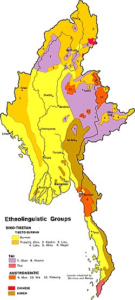
Reflecting on the observations made by U Kyaw Tun regarding the Myanmar diaspora in the United States, one is confronted with a striking paradox: geographical relocation to a democratic nation does not automatically erase long-standing sectarian and ethnic fractures. Across various cities in North America, members of the Myanmar diaspora—comprising Bama, Karen, Mon, Chin, Kachin, Kayah, Rakhine, Pa-O, Shan, and Myanmar-born South Asian communities—continue to navigate deep-seated identity divisions.
In many instances, sub-community support networks remain fragmented along religious and dialectal lines. For example, Christian and Buddhist sub-groups within the same ethnic umbrella often operate in parallel rather than together, while linguistic variations among Chin communities have led to the formation of separate local organizations and places of worship.
Despite persistent narratives regarding historical majoritarian hegemony, individual acts of interfaith and inter-ethnic solidarity remain evident. A notable example is found in Fort Wayne, Indiana, where the monks of Jetawun Monastery, led by Sayadaw U Kuthala, extended direct humanitarian assistance to Myanmar-born Muslims relocating from other states. Such instances demonstrate that ground-level empathy can transcend traditional ethnic and religious divides when guided by inclusive leadership rather than insular politics.
II. The Allegory of the Union: Reframing the Domestic Crisis
The challenge of holding a multi-ethnic nation together requires examining both systemic governance failures and the emotional toll of historical mistrust. In an earlier reflection written under the pseudonym Bo Aung Din (“A Valentine Music DVD with Love for Dear Nan Sai”), the complex relationship between the central authority and Myanmar’s ethnic minority communities was framed through the metaphor of a strained marriage.
"If you wish to stay, then stay according to your own decision.
But if you truly no longer wish to remain with me, then go.
I will not force you to stay...
If you believe someone else can care for you better than I can, then go ahead."
Listening to the timeless compositions of Sai Kham Leik as sung by Sai Htee Saing, one is reminded of the deep-seated grievances felt across our state. Yet, blaming a single group for national collapse ignores the broader systemic structural failures. If a roof leaks, one cannot blame only the house while ignoring the storm outside. For decades, authoritarian rule has kept the country in darkness, suppressing the democratic aspirations symbolized by the Fighting Peacock and halting the natural blossoming of popular sovereignty.
When ethnic minority regions contemplate separation or seek alignment with external regional powers, the long-term geopolitical risks must be carefully evaluated:
- Geopolitical Realities: External powers and neighboring states prioritize their own strategic and economic security interests. Securing external alliances or pursuing regional integration without internal cohesion risks trading domestic marginalization for external dependency.
- Lessons from Regional History: Regional separations in Southeast Asia and South Asia demonstrate that political detachment often converts internal disputes into permanent bilateral friction over resources, borders, and airspace, rather than resolving underlying economic or social vulnerabilities.
- The Universal Challenge of Pluralism: Inter-ethnic friction, minority disenfranchisement, and federal tensions are not unique to Myanmar; neighboring states across South and Southeast Asia continue to grapple with constitutional autonomy, internal conflicts, and minority representation.
III. Charting a Way Forward: Rule of Law and Inclusive Governance
Neither total central dominance nor complete internal Balkanization offers a stable future for the nation. Building a functional, multi-ethnic society requires moving away from ethno-nationalist isolation and establishing modern democratic principles:
- Shift from Rule by Law to the Rule of Law: Governance must be anchored in institutional justice where fundamental human rights are guaranteed for all individuals, regardless of ethnicity, language, or religious background.
- Rejection of Ethno-Centric Chauvinism: True national strength is derived from diversity. Civil society and political leadership must actively discourage exclusionary rhetoric and majoritarian bias.
- Commitment to Genuine Federal Cooperation: Inspired by regional frameworks such as the ASEAN Charter and institutional models like the European Union, Myanmar’s diverse communities must work toward a mutually agreed-upon federal framework that balances regional autonomy with shared economic and security goals.
Progress cannot be achieved through narrow, isolationist policies. Only by fostering broad-minded leadership, safeguarding civil liberties, and recognizing our shared human dignity can Myanmar build a peaceful, equitable, and resilient Union for future generations.
မြန်မာနိုင်ငံက လာတဲ့ လူမျိုးစုံ အမေရိကားမှာ ရှိတယ်။ ဗမာ၊ ကရင်၊ မွန်၊ ချင်း၊ ကချင်၊ ကယား၊ ရခိုင်၊ ပအို့၊ ရှမ်းနဲ့ အခြားသော လူမျိုးစု မျိုးစုံ တွေ့ရတယ်။ မြန်မာနွယ်ဖွား ကုလားလူမျိုးတွေလည်း အများအပြား ရှိတယ်။ တစ်နိုင်ငံတည်းက လာကြသူတွေ ဖြစ်ပေမယ့်လည်း အမေရိကား ရောက်တော့ လူမျိုးစွဲစိတ် ပိုမိုကြီးမားလာတယ်။ မညီညွတ်ကြတာ ထင်ထင်ရှားရှား တွေ့ရတယ်။
ကရင်ကလည်း ကရင်လူမျိုးချင်းမှ ကူညီတယ်။ ကရင်လူမျိုးမှာလည်း ကိုးကွယ်တဲ့ ဘာသာကွဲကြပြန်တယ်။ ဘာသာ မတူရင် ကရင်လူမျိုးချင်းလည်း မကူညီကြပါ။ ခရိယန်ဘာသာ ကိုးကွယ်တဲ့ ကရင်က ဗုဒ္ဓဘာသာ ကိုးကွယ်တဲ့ ကရင်လူမျိုးကို မကူညီ။ ဗုဒ္ဓဘာသာ ကရင်ကလည်း အခြားဘာသာ ကိုးကွယ်သူ ကရင်လူမျိုးကို မကူညီ။ ချင်းလူမျိုးကလည်း ချင်းတိုင်းရင်းသား အချင်းချင်းကိုသာ ကူညီတယ်။ ချင်းလူမျိုး ဖြစ်လင့်ကစား ချင်းဘာသာ စကား မတူတဲ့အခါ မကူညီကြ။ ချင်းဘာသာစကား ကွဲပြားမှုနဲ့အတူ ဘုရားကျောင်းလည်း ကွဲကြတယ်။ ချင်းကော်မြူနီတီတွေလည်း အများအပြား ကွဲကုန်ကြတယ်။ လူမျိုးတူသော်လည်း စကားမတူတာကို အခြေခံပြီး ကွဲကုန်တယ်။
မွန်ကလည်း မွန်လူမျိုးပဲ ကူညီတယ်။ ကချင်ကလည်း ကချင်လူမျိုးပဲ ကူညီတယ်။ သူတို့ရဲ့ လူမျိုးစွဲ ကြီးမားမှုက အမေရိကားမှာ ထင်ထင်ရှားရှား တွေ့လာတယ်။ မြန်မာနိုင်ငံမှာ နေစဉ်က ဗမာကို လူမျိုးကြီးဝါဒ ကျင့်သုံးတယ်၊ ခွဲခြား ဆက်ဆံတယ်လို့ ပြောခဲ့ကြတယ်။ အမေရိကား ရောက်တော့ ဗမာလူမျိုးက ခွဲခြားဆက်ဆံတဲ့စိတ် မရှိတာ တွေ့ရတယ်။ မြန်မာနိုင်ငံက လာကြသူတွေကို ကူညီတဲ့ဆီမှာ လူမျိုး၊ ဘာသာ မခွဲခြားပဲ ဗမာက ကူညီတယ်။ အမေရိကားရောက် မူဆလင်လူမျိုးတွေကို ဗမာက ကူညီတယ်။ အခြားသော မြန်မာနွယ်ဖွား တိုင်းရင်းသားတွေက မကူညီကြ။
မြန်မာပြည်ဖွား မူဆလင်တွေကို ဘယ်ခရိယန် ဓမ္မဆရာကမှ မကူညီပါ။ ဒါပေမယ့် မြန်မာဘုန်းကြီးက ကူညီတယ်။ အင်ဒီယားနားပြည်နယ်၊ ဖို့ဝိန်းမြို့မှာ ဇေတဝန် ဘုန်းကြီးကျောင်းရှိတယ်။ အဲဒီကျောင်းက မြန်မာဘုန်းကြီးတွေက မူဆလင်တွေကို ကူညီနေတာ အံ့သြဖွယ်ရာ တွေ့ခဲ့တယ်။ မူဆလင်တွေကလည်း ဘုန်းကြီးကို အကူညီတောင်းတယ်။ ဇေတဝန်ကျောင်းက ဘုန်းကြီးတွေထဲမှာ ထင်ရှားတာ ကျောင်းတိုင်ဆရာတော် ဥူးကုသလပါ။ ဖို့ဝိန်းမှာ မြန်မာတွေ များလာအောင် အခြားသော ပြည်နယ်က မြန်မာတွေကို ကိုယ်တိုင်ခေါ်ဆောင်ပြီး မြို့စည်ကားအောင် တည်ထောင်ခဲ့တဲ့ ဘုန်းတော်ကြီးပါ။
ဗမာလူမျိုးကြီးဝါဒ ကျင့်သုံးတယ်လို့ အများဆုံး ကြားခဲ့ရတာက တောတွင်းလက်နက်ကိုင် တိုင်းရင်းသား လူမျိုးစု ခေါင်းဆောင်တွေ ဆီကပါ။ ဗမာမုန်းတဲ့ သူတွေက ဗမာ မဟုတ်တဲ့ အခြားသော တိုင်းရင်းသားတွေနဲ့ ဘာကြောင့် ပူးပေါင်း မနေနိုင်ရတာလဲ စဉ်းစားစရာပါ။ ဗမာကို ခဏ ဖယ်ထားပြီး ဗမာ မဟုတ်တဲ့ တိုင်းရင်းသား လူမျိုးစုတွေ အချင်းချင်းလည်း ညီညွတ်အောင် မနေနိုင်ကြပါ။ လက်တွေ့မှာ ဗမာကို မဆိုထားနဲ့ ကိုယ့်လူမျိုးစု အချင်းချင်းတောင် စကားမတူ၊ ဘာသာ မတူရင် မကူညီကြ။
ကျွန်တော်နေတဲ့ ဆော့လိတ်မြို့မှာ ဗမာတိုင်းရင်းသား မပါပဲ အခြားတိုင်းရင်းသား လူမျိုးစုတွေချည်း ဖွဲ့ထားတဲ့ အဖွဲ့တဖွဲ့ ရှိခဲ့ဘူးတယ်။ ဆော့လိတ်မြို့မှာ ပထမဦးဆုံး မြန်မာကော်မြူနီတီကို ၂၀၀၈ ခုနှစ်မှာ လူမျိုးစုံနဲ့ ဖွဲ့ခဲ့တယ်။ နောက်ပိုင်းမှာ လူမျိုးစု နာမည်တွေနဲ့ အဖွဲ့များစွာ ပေါ်လာတယ်။ ထူးထူးခြားခြား ဗမာမပါတဲ့ တိုင်းရင်းသား လူမျိုးစု အဖွဲ့တဖွဲ့လည်း ပေါ်လာတယ်။ အဲဒီ အဖွဲ့မှာ ပါဝင်သူ တချို့ဟာ ၂၀၀၈ ခုနှစ်၊ မြန်မာကော်မြူနီတီ ဖွဲ့စဉ်က ပါဝင်ခဲ့သူ တချို့ ခွဲထွက် ဦးဆောင်ခဲ့ကြတယ်။ ဗမာ မပါစေချင်လို့ ခွဲထွက်ခဲ့ပေမယ့် သူတို့ အချင်းချင်းလည်း လူမျိုးမတူရင် မကူညီတာ ဖြည်းဖြည်းချင်း ဇာတိပေါ်လာတယ်။ သူတို့အချင်းချင်းလည်း လူမျိုး ဘာသာ ခွဲခြားစိတ်တွေ ရှိနေတာ ဖြည်းဖြည်းချင်း ရုပ်လုံးပေါ်လာတယ်။
စုပေါင်းနေထိုင်းခြင်း၊ စုပေါင်းဦးဆောင်ခြင်းဆိုတဲ့ အခြေခံ အားနည်းကြတယ်။ ဗမာကို မုန်းအောင် လှုပ်ဆော်ခဲ့ကြတယ်။ တကယ်တမ်းက လူမျိုးစု တိုင်းရင်းသား အချင်းချင်းလည်း လက်တွဲ လုပ်ဆောင်နိုင်ခြင်း မရှိကြ။
မြန်မာနိုင်ငံ မြို့ကြီးတွေမှာ မွေးဖွားကြီးပြင်းတဲ့ လူမျိုးစုံဟာ ဘာသာစွဲ၊ လူမျိုးစွဲစိတ် မရှိကြတာ များတယ်။ အမြင်ကျယ်တာ များတယ်။ ပေါင်းသင်းရ လွယ်ကူတယ်။ မြို့ငယ်တွေနဲ့ နယ်ဖက်တွေမှာတော့ လူမျိုးစွဲရှိတာ များတယ်။ အမြင်ကျဉ်းသူ အများစုရဲ့ သဘာဝကို ကျေးလက်ဒေသမှာ များစွာ တွေ့ရတယ်။
အမေရိကား ရောက်ရင် လူမျိုးစွဲ နည်းသွားလိမ့်မယ်၊ ကင်းသွားလိမ့်မယ်လို့ မြန်မာနိုင်ငံက လူတွေ ထင်ကောင်း ထင်ကြပေလိမ့်မယ်။ မှားပါတယ်၊ မဟုတ်ပါ။ အမေရိကား ရောက်လာကြတဲ့ မြန်မာနွယ်ဖွားတွေ ကြားမှာ လူမျိုးစွဲ ပိုကြီးပါတယ်။ တကယ်တမ်း ဘာသာ၊ လူမျိုး မခွဲခြားပဲ ကူညီတာ ဗမာတိုင်းရင်းသားသာ ဖြစ်ကြောင်း အမေရိကားမှာ တွေ့ရတယ်။ လူမျိုးကြီးဆိုတဲ့ စကားလုံးကို လက်နက်ကိုင် လူမျိုးစု ခေါင်းဆောင်တွေဆီက ဘာကြောင့် စီးဆင်းခဲ့လဲ၊ ဘာရည်ရွယ်ချက်နဲ့ အဲဒီ စကားလုံး မှိုင်းဝအောင် သူတို့ လူမျိုးစုတွေကို ကျွေးခဲ့တာလဲဆိုတာ အမြင်ကျယ်ကျယ်နဲ့ စဉ်းစားသင့်ချိန် တန်ပါပြီ။
ဗမာမုန်းရင် ဗမာမဟုတ်တဲ့ တိုင်းရင်းသား လူမျိုးစုတွေ ရောနှောပေါင်းစည်း နေထိုင်သင့်တယ်။ ဗမာ မဟုတ်တဲ့ လူမျိုးစု အချင်းချင်း ယိုင်းပင်း ကူညီသင့်တယ်။ လက်တွေ့မှာ အဲဒီလို ဖြစ်မနေပါ၊ ကရင် အချင်းချင်းလည်း ဘာသာ မတူရင် မကူညီ။ ချင်းကလည်း ချင်းစကားမတူရင် မကူညီ။ တစ်စစီ ပြိုကွဲပြီး ဖဲ့ထွက်ချင်စိတ်သာ ဖြစ်နေကြတယ်။
အမေရိကားဟာ လူမျိုးစုံ၊ ဘာသာစုံ ညီညွတ်အောင် ဆောင်ရွက်နိုင်တာကြောင့် တစ်ကမာ္ဘလုံးက လူတွေ အမေရိကားမှာ အခြေချ နေနိုင်ကြတယ်။ ဒါဟာ အတုယူ စရာပါ။ လူမျိုးတစ်မျိုးတည်းနဲ့ နိုင်ငံထူထောင်ချင်စိတ်ဟာ ဉာဏ်ပညာ အားနည်းခြင်းကို ဖော်ပြခြင်းပါ။ လူမျိုးစွဲ ပြင်းထန် အစွန်းရောက်လွန်းတာကိုလည်း ညွှန်ပြတယ်။ ဉာဏ်အမျှော်အမြင် အားနည်းသူတွေ ဦးဆောင်တဲ့ ဘယ်အဖွဲ့အစည်း၊ ဘယ် လူမျိုးစုမှ မအောင်မြင်ပါ။ ဉာဏ်ပညာ အားနည်းသူတွေ ဦးဆောင်တဲ့ ဘယ်နိုင်ငံမှ ကမ္ဘာ့အဆင့်မီ မအောင်မြင်ပါ။
တိုးတက်ပြီး အင်အားကြီးတဲ့ နိုင်ငံတိုင်းဟာ လူမျိုးစုံ၊ ဘာသာစုံ ပေါင်းစည်းနေထိုင်လို့ ရတဲ့ စည်းကမ်းတွေ၊ ဥပဒေတွေ ရှိတယ်။ ဘာသာစကား၊ အသားအရောင်၊ ကိုးကွယ်ယုံကြည်မှုတွေနဲ့လည်း ခွဲခြားမထားပါ။ လူသားဆိုတဲ့ အမြင်ပေါ်မှာ အခြေခံတယ်။ တရားမျှတမှုအတွက် စည်းကမ်း၊ ဥပဒေနဲ့ ထိန်းထားတယ်။ လူမျိုးတမျိုးတည်း ရှိတဲ့ နိုင်ငံထက် လူမျိုးစုံရှိတဲ့ နိုင်ငံက အင်အားကြီးတယ်။ ဘာသာတစ်ခုတည်း ရှိတဲ့ နိုင်ငံထက် ဘာသာစုံ ရှိတဲ့ နိုင်ငံက အင်အားကြီးတယ်။ ဒီလိုနဲ့ နိုင်ငံကြီးတိုင်းဟာ လူအင်အား၊ ဓနအင်အား များသထက် များပြီး နိုင်ငံလည်း တိုးတက်သထက် တိုးတက်သွားတယ်။
အင်အားကြီးချင်ရင် လူမျိုး၊ ဘာသာ၊ အသားရောင်၊ ဘာသာစကား ဘာကိုမှ မခွဲခြားပါနဲ့။ အခြားသူကို အမုန်းပွားစေတဲ့ စကားနဲ့ မျိုးဆက်သစ်တွေကို မစည်းရုံးပါနဲ့။ ဘယ် နိုင်ငံ၊ ဘယ် အဖွဲ့စည်း မဆို အမြင်ကျယ်သူကိုသာ ခေါင်းဆောင် တင်ပါ။ အမြင်ကျဉ်းသူကို နေရာ မပေးပါနဲ့။
လူမျိုးစွဲ၊ ဘာသာ အယူဝါဒစွဲ၊ ဘာ အစွဲ၊ ညာအစွဲ စသည်ဖြင့် အစွဲမျိုးစုံ ကင်းပါ။ အမြင်ကျယ်ကျယ်နဲ့ ကမာ္ဘကြီးတစ်ခုလုံးကို ကမာ္ဘကြည့် ကြည်မြင်ပါ။ လူသား အားလုံး အတူတူပဲ ဆိုတဲ့ လူသားအမြင်နဲ့ ဖြန့်ကျက်ကြည့်မြင်ပါ။ သို့မှသာ ဉာဏ်ပညာ ထက်ပြီး အမြင်ကျယ်ကျယ် အသိကြွယ်ကြွယ်နဲ့ တိုးတက်လာပါလိမ့်မယ်။
“အမြင်ကျယ်ကျယ် အသိကြွယ်စေဖို့”
ကျော်သူရိန်ထွန်း (အမေရိကား)