DrAung Soe Win
This isn’t just happening in healthcare alone:
- When people choose a CEO, they check LinkedIn.
- When they visit a restaurant, they read reviews.
- When booking a hotel, they check the ratings.
- Even when buying a house, they read the comments.
In the Digital Era, Reputation has become far more visible and influential than a formal Certificate.
However… At the very foundation of the healthcare process, what lies beneath is not merely Reputation—it is Trust. It is belief and faith.
When a person feels unwell… What they are searching for is not just a disease diagnosis; they are searching for Safety. They are looking for someone and asking: “Is there anyone who will truly listen to me?”
20 or 30 years ago… The relationship between doctor and patient was a Vertical Relationship (paternalistic/hierarchical).
Key Insights & Core Concepts Explained
The post explores the evolving dynamic between healthcare providers and patients in the digital age, drawing a distinction between modern consumerism and the fundamental nature of medical care:
1. Reputation vs. Trust
- Consumer Dynamics in the Digital Era: In almost every modern sector—such as executive hiring, dining, hospitality, and real estate—consumers rely heavily on crowd-sourced metrics like LinkedIn profiles, online reviews, ratings, and peer feedback rather than formal credentials alone.
- The Medical Exception: While healthcare is increasingly influenced by online ratings and digital reputations, medical decisions fundamentally rest on Trust rather than superficial marketing or review scores.
2. The Psychological Need for Psychological Safety
- More Than a Diagnosis: When patients seek medical care, they are not merely looking for a clinical label or technical treatment plan. They are fundamentally seeking psychological safety, reassurance, and active listening from a compassionate caregiver.
3. Shift in Doctor-Patient Relationships
- Past Paradigm (20–30 Years Ago): Healthcare operated primarily under a Vertical (Paternalistic) Relationship, where the physician acted as the absolute authority and the patient was a passive recipient of care.
- Modern Shift: In today’s information and digital AI era (where tools like Google, ChatGPT, and AI diagnostic aids are widely accessible to patients), the doctor-patient relationship is shifting toward a Horizontal (Collaborative) Model built on shared decision-making, mutual trust, and empathetic communication.
DrAung Soe Win
Google, Facebook, ChatGPT နဲ့ “ဘယ်ဆရာဝန်က စိတ်ရှည်လဲ”…
တစ်ချိန်တုန်းက လူနာတွေ ဆေးခန်းသွားမယ်ဆိုရင်…
“ဒီဆရာဝန်က ဘာဘွဲ့ရထားတာလဲ”
“ဘယ်ဆေးရုံမှာ တာဝန်ထမ်းဆောင်တာလဲ”
“ဘယ်နိုင်ငံမှာ သင်တန်းတက်ထားလဲ”
ဒါမျိုးတွေကို စုံစမ်းတတ်ကြတယ်
ဒါပေမယ့် အခုနောက်ပိုင်းတော့ မေးခွန်းတွေ ပြောင်းသွားပြီ
“ဒီဆရာဝန်က စိတ်ရှည်လား”
“လူနာကို သေချာရှင်းပြတတ်လား”
“မေးတာတွေကို စိတ်မတိုဘဲ ဖြေပေးလား”
“စကားပြောရတာ အဆင်ပြေလား”
“လူနာကို လေးလေးစားစား ဆက်ဆံလား”
ဆိုတာတွေကို အရင်စုံစမ်းလာကြတယ်
Facebook Group တွေထဲမှာလည်း…
“ဘယ်ဆရာဝန်က အတော်ဆုံးလဲ”
ဆိုတာထက်
“ဘယ်ဆရာဝန်က စိတ်ရှည်လဲ”
ဆိုတဲ့ Post တွေ ပိုများလာတာတွေ့ကြလိမ့်မယ်
ပထမကြည့်လိုက်ရင်တော့…
လူတွေ ပညာအရည်အချင်းထက် Communication ကို ပိုကြည့်လာကြတယ်လို့ ထင်ရတာပေါ့
ဒါပေမယ့်…
နည်းနည်းပိုပြီး ထဲထဲဝင်ဝင် ကြည့်လိုက်ရင်
ဒီဖြစ်စဉ်က ဆရာဝန်တစ်ယောက်အကြောင်းထက် လူ့အဖွဲ့အစည်းတစ်ခုလုံး ပြောင်းလဲသွားတဲ့အကြောင်းကို ပိုပြောပြနေတယ်
အမှန်တော့ဗျာ…
လူနာအများစုဟာ ဆေးပညာကို မသိကြဘူး
ECG ကို မဖတ်တတ်ဘူး
MRI Report ကို နားမလည်ဘူး
Clinical Guideline တွေကို မသိဘူး
ဒါကြောင့် ဆရာဝန်တစ်ယောက် တကယ်တော်မတော်ဆိုတာကို သူတို့တိုက်ရိုက်မတိုင်းတာနိုင်ဘူး
သူတို့ တိုင်းတာနိုင်တာက…
“ဒီလူ ငါ့စကားကို နားထောင်လား”
“ငါကြောက်နေတာကို နားလည်ပေးလား”
“ငါ့ကို လူတစ်ယောက်လို ဆက်ဆံလား”
ဆိုတာတွေပဲ ဖြစ်နေတာပါ
တစ်နည်းပြောရရင်…
Clinical Competence ကို မမြင်ရတဲ့အခါ Human Experience ကို တိုင်းတာလာကြတာပေါ့
ဒါဟာ Healthcare တစ်ခုတည်းမှာ ဖြစ်နေတာ မဟုတ်ဘူး
လူတွေက CEO ရွေးရင် LinkedIn ကိုကြည့်တယ်
စားသောက်ဆိုင်သွားရင် Review ဖတ်တယ်
ဟိုတယ်တည်းရင် Rating ကြည့်တယ်
အိမ်ဝယ်ရင်တောင် Comment ဖတ်တယ်
Digital Era မှာ Reputation ဆိုတာ Certificate ထက် ပိုပြီး မြင်သာလာတဲ့သဘောပေါ့
ဒါပေမယ့်…
ဒီကျန်းမာရေးဖြစ်စဉ်ရဲ့ အောက်ခြေမှာ ရှိနေတာက Reputation မဟုတ်ဘူး
Trust ဖြစ်တယ်
ယုံကြည်မှု ဖြစ်တယ်
လူတစ်ယောက် နေမကောင်းတဲ့အချိန်မှာ…
သူရှာနေတာက ရောဂါအမည် တစ်ခုတည်း မဟုတ်ဘူး
Safety ကို ရှာနေတာ
“ငါ့ကို နားထောင်ပေးမယ့်သူ ရှိလား” ဆိုတာကို ရှာနေကြတာ
လွန်ခဲ့တဲ့ နှစ် ၃၀၊ ၄၀ လောက်ကဆိုရင်တော့..
ဆရာဝန်နဲ့ လူနာကြားက ဆက်ဆံရေးဟာ Vertical Relationship ဖြစ်ခဲ့တာဗျ
ဆရာဝန်က အပေါ်မှာ
လူနာက အောက်မှာ
“ဆရာပြောတာ လုပ်”
“ဆေးသောက်”
“နောက်လ ပြန်လာ”
ဆိုတာနဲ့ ပြီးသွားတယ်
လူနာက မေးခွန်းမထုတ်ဘူး။ ရှားတယ်ပေါ့
မေးဖို့ အချက်အလက်လည်း မရှိသလောက်ရှားတယ်
ဒါပေမယ့် အခုတော့ အရာအားလုံး ပြောင်းလဲသွားပြီ
လူနာတစ်ယောက်ဟာ ဆေးခန်းထဲ မဝင်ခင်…
Google မှာ ရှာပြီးပြီ
Facebook Group မှာ မေးပြီးပြီ
YouTube Video တွေ ကြည့်ပြီးပြီ
ChatGPT ကို မေးပြီးပြီ
တချို့ဆို PubMed Abstract တောင် ဖတ်လာကြသေးတယ် (မယုံမရှိနဲ့ တကယ်ဗျ)
ဒါကြောင့် Consultation Room ထဲ ဝင်လာတဲ့ လူနာဟာ Information မရှိတဲ့ လူတစ်ယောက် မဟုတ်တော့ဘူး
အချက်အလက်တွေ အများကြီးနဲ့ အာရုံထွေပြားနေတဲ့ လူတစ်ယောက် ဖြစ်လာတယ်
အရင်တုန်းက…
ဆရာဝန်ရဲ့ အဓိကအလုပ်က Information ပေးဖို့ ဖြစ်တယ်
အခုတော့…
Information ကို Filter လုပ်ပေးဖို့ ဖြစ်လာနေပြီ
အရင်တုန်းကလူနာတွေက…
“ဘာဖြစ်တာလဲ”
လို့ မေးတယ်
အခုကတော့…
“Google မှာတော့ Cancer ဖြစ်နိုင်တယ်လို့ ရေးထားတယ်”
“Facebook မှာတော့ Vitamin D ချို့တဲ့တာလို့ ပြောတယ်”
“ChatGPT ကတော့ Anxiety ဖြစ်နိုင်တယ်လို့ ပြောတယ်”
ဆိုပြီး လာပြောတယ်
ဒါကြောင့် အခုခေတ် ဆရာဝန်တွေက ရောဂါကိုပဲ ကုနေရတာ မဟုတ်တော့ဘူး
Internet ကြောင့် ဖြစ်လာတဲ့ Fear တွေကိုပါ ကုနေရတယ်
Misinformation ကိုပါ ကုနေရတယ်
Information Overload ကိုပါ ကုနေရတယ်
ဒါပေမယ့်…
ဒီဇာတ်လမ်းမှာ လူနာတွေဘက်ကပဲ ပြဿနာရှိနေတာတော့ မဟုတ်ဘူးဗျ
ဆရာဝန်တွေဘက်မှာလည်း ဖိအားတွေ ရှိတယ်
OPD တစ်ခုမှာ လူနာ ၁၀၀ ကျော် စောင့်နေတယ်
(ကျနော့်အိုပီဒီမဟုတ်ချေ၊ စာကိုစာလိုဖတ် )
ဆရာဝန်က တစ်ယောက်တည်း ဖြစ်နေတယ်
Documentation တွေ ရှိတယ်
Administration တွေ ရှိတယ်
Burnout တွေ ရှိတယ်
Exhaustion တွေ ရှိတယ်
ဒီလိုအခြေအနေထဲမှာ…
လူနာတိုင်းကို မိနစ် ၃၀ စီ ထိုင်ရှင်းပြဖို့ဆိုတာ လက်တွေ့မကျပါဘူး
ဒါကြောင့် အခုကျန်းမာရေးစနစ် ထဲမှာ ဖြစ်နေတာက…
တစ်ဖက်က Attention လိုချင်တယ်
တစ်ဖက်က Time မရှိဘူး
တစ်ဖက်က Explanation လိုချင်တယ်
တစ်ဖက်က Exhaustion ဖြစ်နေတယ်
တစ်ဖက်က Fear နဲ့ ရောက်လာတယ်
တစ်ဖက်က Burnout နဲ့ အလုပ်လုပ်နေတယ်
ကျွန်တော်တို့ မြင်နေရတဲ့ ပွဲ အများစုဟာ…
လူကောင်းနဲ့ လူဆိုးကြားက ပြဿနာ မဟုတ်ဘူး
Fear နဲ့ Fatigue ကြားက ပြဿနာ ဖြစ်နေတာ
လူနာက ကြောက်လို့ စိတ်ဆိုးတယ်
ဆရာဝန်က ပင်ပန်းလို့ စိတ်တိုတယ်
နှစ်ဖက်လုံးက မကောင်းတဲ့ လူတွေ မဟုတ်ကြဘူး
နှစ်ဖက်လုံးက ဖိအားတွေအောက်မှာ
ရှင်သန်နေကြရတာ
ဒီအချိန်မှာ AI တွေ ပေါ်လာတယ်
ChatGPT လို AI တွေကို လူတွေ ဘာကြောင့် အရင်သွားမေးကြတာလဲ
အဖြေကတော့ ရိုးရှင်းပါတယ်
AI က မျက်နှာမပျက်ဘူး
မေးခွန်း ၁၀ ခါ မေးလည်း စိတ်မတိုဘူး
ည ၂ နာရီမှာ မေးလည်း ဖြေတာပဲ
တူညီတဲ့မေးခွန်းကို ၅ ခါ မေးလည်း ဖြေတာပဲ
AI က လူနာတွေ လိုချင်နေတဲ့ Psychological Safety ကို တစ်စိတ်တစ်ပိုင်း ပေးနိုင်တယ်
ဒါပေမယ့်…
 AI က တာဝန်မယူနိုင်ဘူး
လူနာကို စမ်းသပ်မပေးနိုင်ဘူး
မျက်နှာအရောင်ကို မမြင်နိုင်ဘူး
အသက်ရှူပုံကို မကြည့်နိုင်ဘူး
လက်နဲ့ မစမ်းသပ်နိုင်ဘူး
AI က ဆရာဝန်ကို အစားထိုးဖို့ ရောက်လာတာ မဟုတ်ဘူးဗျ
AI ဆိုတာ လူနာတွေ ဘာလိုအပ်နေတယ်ဆိုတာကို ထင်ဟပ်ပြတဲ့ မှန်တစ်ချပ်လိုမျိုးနဲ့ ပိုတူတယ်
လူတွေက Diagnosis တစ်ခုတည်း မလိုချင်ဘူး
 ရှင်းပြတာတွေကို လိုချင်တယ်
ဆေးသောက်ဖို့ရေးပေးတာ တစ်ရွက်တည်း မလိုချင်ဘူး
အပြန်အလှန်ဆွေးနွေးမှု တစ်ခုကို လိုချင်ကြတယ်
လူနာတွေက Treatment တစ်ခုတည်းကို လိုချင်ကြတာမဟုတ်ဘူး
နားလည်ပေးနိုင်စွမ်း ကို လိုချင်ကြတယ်
ဒီတော့…
“ဘယ်ဆရာဝန်က စိတ်ရှည်လဲ”
ဆိုတဲ့ မေးခွန်းက
ဆရာဝန်တစ်ယောက်အကြောင်း မေးနေတာသက်သက်ပဲ မဟုတ်တော့ဘူး
Healthcare System တစ်ခုလုံးအကြောင်း မေးနေတာ
Information Age တစ်ခုလုံးအကြောင်း မေးနေတာ
AI ခေတ်ရဲ့ လူသားတွေအကြောင်း မေးနေတာ
နောက်ဆုံးတော့…
ဒီမေးခွန်းဟာ ပိုပြီး လေးနက်လာတယ်
ပိုပြီး လူသားဆန်လာတယ်
Follower ၅၀,၀၀၀ ရှိတယ်
Friend ၅,၀၀၀ ရှိတယ်
Information တွေ မကုန်နိုင်အောင် ရှိတယ်
ဒါပေမယ့်…
စိုးရိမ်စိတ်တစ်ခုကို တကယ်နားထောင်ပေးမယ့်သူ မရှိဘူးဗျ ရှားပါးလာပြီ
ဒါကြောင့် လူနာတွေက
“ဘယ်ဆရာဝန်က စိတ်ရှည်လဲ”
လို့ မေးနေတဲ့အခါ…
သူတို့ ရှာနေတာ ဆရာဝန်တစ်ယောက်ရဲ့ နာမည်ပဲ မဟုတ်ဘူး
“ကျွန်တော့်ကို လူတစ်ယောက်လို ဆက်ဆံပေးမယ့်သူ ရှိသေးလား” ဆိုတဲ့
မေးခွန်းရဲ့ အဖြေကို ရှာနေတာ ဖြစ်နိုင်တာပေါ့
 သေချာလေးတွေးကြည့်ရင်ဗျာ
နည်းပညာတွေ ပိုတိုးတက်လာလေလေ…
Information တွေ ပိုများလာလေလေ…
လူတွေ ပိုပြီးရှာလာကြမှာက Artificial Intelligence မဟုတ်နိုင်တော့ဘူး
Authentic Human Connection ဖြစ်လာနိုင်တယ်
ပြီးတော့…
လူတွေက ကျွမ်းကျင်မှုကို ရှာနေတယ်လို့ ထင်ရပေမယ့်…
တကယ်တမ်းမှာ “ယုံကြည်လို့ရတဲ့ လူတစ်ယောက်” ကို ရှာနေတာလည်း ဖြစ်နိုင်တယ်
ယုံကြည်လွန်ပြီးနားရင်းအုပ်ခံကြရတာတွေကတော့ တပိုင်းပေါ့ဗျာ
အဲဒီ ယုံကြည်မှုဆိုတာ…
Certificate တွေကနေ မလာဘူးဗျ
“ကျွန်တော့်စကားကို သူ တကယ်နားထောင်ပေးခဲ့တယ်”
ဆိုတဲ့ ခံစားချက်ကနေ စလာတတ်တယ်
Credit:Kyaw Zwal Lin
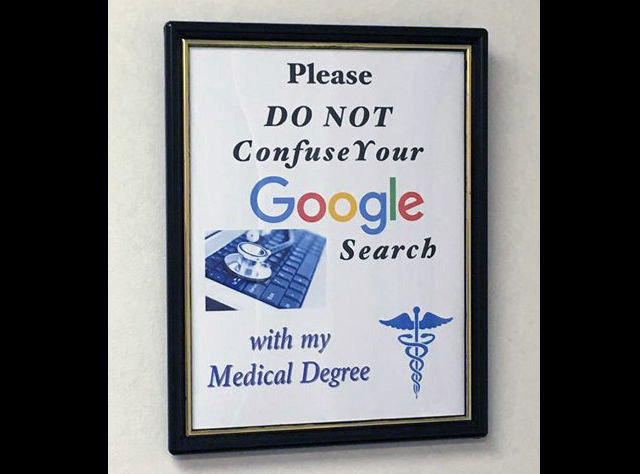
Nowadays, as the employers or companies pay or bought Health care Insurances from, HMOs, a littlebit complicated. Employers wish to control the MCs or Medical leave certificates and staff sometimes want to misuse that. Sometimes IF rain or esp after watching World Cup in the early hours of morning, they slept whole day, and after office hours, just give minor complaints like Head ache/migraine, back pain period pain and demanded MCs. If we repremind a bit, (after giving what they want) but remind them to come early next time…they would be angry and sometimes write in our Google comments giving one star.
This brings up a massive issue in modern private practice—the collision between HMO/employer-driven healthcare, patient misuse of Medical Certificates (MCs), and retaliatory online reviews (Google 1-star reviews).
When patients view healthcare as a transactional consumer good, any friction—even gentle, professional feedback—can trigger negative online reviews that threaten a clinic’s reputation.
1. The Dynamic: Why This Conflict Happens
                   +---------------------------------------+
                   |  Employers & HMOs                     |
                   |  • Cost containment & oversight      |
                   |  • Scrutinize "frequent flier" MCs    |
                   +-------------------+-------------------+
                                       |
                                       v
+--------------------------------------+--------------------------------------+
|  Employees / Patients                |  Healthcare Providers (Doctors)      |
|  • Seeking retrospective/convenient  |  • Bound by medical ethics & law     |
|    MCs (e.g., post-event/after-hours)|  • Pressured by clinic Google ratings|
|  • Expect instant "satisfaction"     |  • Caught between employer audit and |
|  • Leverage retaliatory 1-star reviews|    patient demands                   |
+--------------------------------------+--------------------------------------+
- The Employer/HMO Dilemma: Employers purchase group insurance from Health Maintenance Organizations (HMOs) and demand strict monitoring of absenteeism. When employees misuse MCs for late nights, bad weather, or minor, non-verifiable symptoms (e.g., tension headache, mild lower back strain), employers put pressure back on the HMOs and panel clinics.
- The Patient-Consumer Mindset: Armed with corporate coverage, some employees expect an MC on demand. When presented late in the evening for a condition that supposedly occurred in the morning, their primary goal is covering their absence rather than seeking active treatment.
- The Weaponization of Reviews: Because Google Business Profiles treat medical practices like restaurants or retail stores, disgruntled patients use 1-star reviews to penalize doctors who do not comply or who politely remind them of proper medical etiquette.
2. Practical Strategies to Safeguard Your Practice & Reputation
Clear Clinic Guidelines & Waiting Room Notices
Reduce verbal confrontation by establishing firm, objective policies in writing so the “rule” comes from institutional policy, not personal judgment:
- Same-Day Consultation Requirement: State clearly that MCs cannot be backdated under ethical codes and must reflect an evaluation conducted at the time of illness.
- After-Hours / Late Clinic Policies: Post notices clarifying: “Consultations during evening hours evaluate present symptoms. Retrospective certification for symptoms occurring earlier in the day is subject to strict clinical evaluation.”
Strategic Clinical Communication & Documentation
When patients present late in the day demanding an MC for subjective symptoms:
- Objective Medical Documentation: Document exact timelines in your clinical notes (e.g., “Patient reports headache started at 08:00; presented to clinic at 19:30. Vital signs normal, neurological examination unremarkable.”). Detailed notes protect you if an employer or medical council reviews the file.
- Shift the Onus to Medical Ethics: Frame your position around professional regulations rather than personal reluctance:“I understand you felt unwell this morning. However, medical council ethics regulations strictly prohibit us from issuing MCs covering hours prior to a clinical examination unless you were hospitalized or evaluated earlier. I can document your visit this evening, but I cannot backdate morning coverage.”
Handling Retaliatory Google Reviews
If a patient leaves a 1-star review after being refused an improper MC or taking offense to advice:
- Maintain HIPAA/PDPA Compliance (Crucial): Never confirm the reviewer was a patient, acknowledge their specific symptoms, or disclose medical details in a public reply.
- Professional, Standardized Public Response: Craft a neutral reply that demonstrates professionalism to prospective patients reading the reviews:“Thank you for your feedback. At our clinic, we are committed to delivering ethical, high-quality patient care in accordance with medical governance guidelines. While we cannot discuss individual patient visits publicly due to privacy regulations, our doctors always prioritize accurate clinical evaluations and medical council standards. Please feel free to contact our clinic management directly to discuss your experience.”
- Flag Unreasonable Reviews: If the review contains false allegations or violates platform guidelines, flag it with Google for removal under non-relevant or harassment policy categories.
3. Navigating the HMO Relationship
- Align with Panel Guidelines: Most HMO agreements explicitly instruct panel doctors not to issue invalid or retrospective MCs.
- Communicate with Corporate HR/HMO Medical Directors: If a specific company’s staff frequently exhibits patterns of absenteeism (e.g., post-major sports events or holidays), notify the HMO representative. Panels appreciate clinics that uphold medical integrity while managing corporate costs.