This research essay, prepared at the London School of Economics and Political Science (LSE), examines the Monk–Dayaka Project (ဆရာ–ဒကာ စီမံချက်) initiated under Myanmar’s military regime. It is part of a larger book project co-authored with Dr. Islinn, based on extensive interviews with monks, religious leaders, journalists, and military figures. The essay explores how a traditional Buddhist lay–monk relationship was transformed into a political instrument of authoritarian control.
Origins of the Project
- The term dayaka (ဒကာ) in Pali refers to lay supporters of the Sangha. In Myanmar, the “teacher–dayaka relationship” traditionally meant the bond between monks and their donors.
- Around 1993, General Khin Nyunt institutionalized this relationship into a state project. Some sources attribute the directive to General Ne Win, others to Senior General Than Shwe. The aim was to prevent another alliance between monks and students like the 1988 democracy uprising.
- The Ministry of Home Affairs and Religious Affairs jointly oversaw the program, embedding it into state structures.
Function and Mechanism
- The project linked the military regime with leading monks across all townships, providing them with support and privileges.
- Over three decades, this network was used to discipline pro-democracy monks, suppress dissent, and promote regime ideology.
- It was not a new invention: Myanmar’s rulers historically cultivated ties with religious leaders, social elites, and cultural figures. What was unique was the systematic conversion of tradition into political technology.
Institutional Conversion
- The military did not abolish the cultural institution of monk–donor relations. Instead, it repurposed it:
- Donations became mechanisms of dependency.
- Monastic prestige became a resource for regime legitimacy.
- Religious networks became channels for political mobilization and surveillance.
- This reflects state co-optation theory: rather than crushing the Sangha outright, the regime absorbed it into its own dependency networks, enabling “soft control.”
Legitimacy and Hegemony
- The military had coercive power but lacked moral authority. Monks had moral authority but no coercive power. By fusing the two, the regime created a legitimacy bridge.
- As Antonio Gramsci argued, authoritarian rule requires not only fear but also consent. The Teacher–Dayaka Project manufactured consent by presenting the military as “defenders of the religion” and aligning itself with revered monks.
State Corporatism
- The project resembled state corporatism: civil society groups were not allowed independence but were absorbed into state-guided structures.
- Monks, monasteries, donor associations, and religious officials were woven into a state-managed religious corporatism, appearing traditional outwardly but functioning as authoritarian machinery.
Historical Examples
- In 1992, the Yangon Command distributed green booklets titled “The Nation’s Precious Heritage” to monasteries nationwide, embedding political ethics into Buddhist teachings.
- Official duties of regional religious officers included “strengthening teacher–dayaka relations” across Buddhist and non-Buddhist communities.
- After 1988, the military infiltrated religious organizations, using networks to spread misinformation, control protests, and channel people into meditation centers or astrology groups.
- During the 1996 student protests, the slogan “three sons” (soldiers, students, monks) was used to prevent monk participation.
- Anti-Muslim propaganda was disseminated through books and films such as “Kyauk Taw Karuna” by director Shwe Done Bi Aung.
- In the 2007 Saffron Revolution, the regime used the Teacher–Dayaka network to isolate protesting monks, enforce loyalty, and station soldiers inside monasteries to restrict mobilization.
Strategic Importance
- By 2014, even the pro-regime Myanmar Herald acknowledged that the two most important projects of the ruling party were rural development and the Teacher–Dayaka Project.
- Ultimately, this was not a mere donation program but a regime survival strategy: an authoritarian innovation that converted cultural traditions into instruments of political control.
Key Takeaway
The Monk–Dayaka Project exemplifies how Myanmar’s military regime weaponized religion. By embedding itself into the moral authority of the Sangha, it created a hybrid system of coercion and consent, ensuring survival through cultural legitimacy. What looked like ordinary donations and patronage was, in reality, a sophisticated authoritarian engineering project.
Phyo Wai is at The London School of Economics and Political Science – LSE.
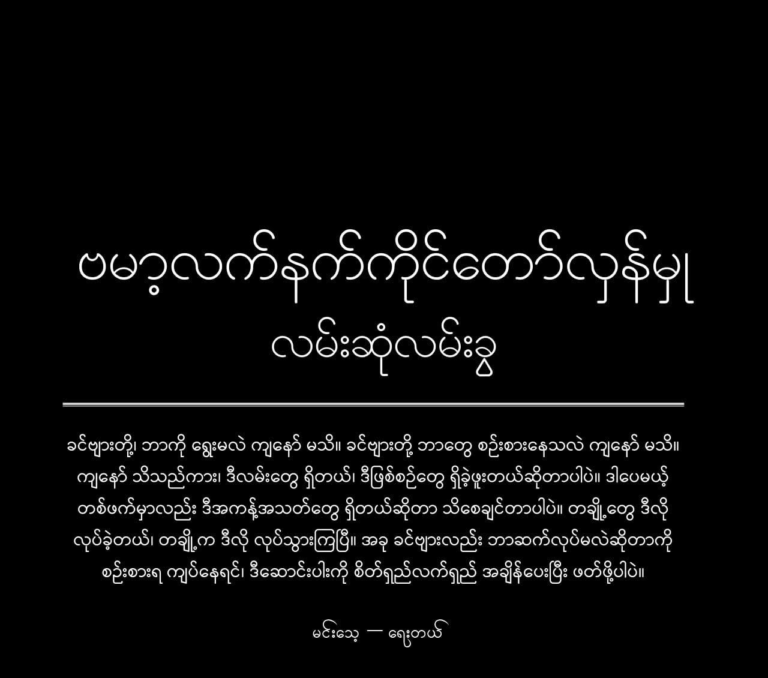
(နဝတ လက်ရာ ဆရာ-ဒကာ စီမံချက်-၁)
ဒီအကြောင်းအရာက ရှည်လွန်းလို့ ၃ ပိုင်းခွဲပြောရပါမယ်။ ဒါတောင် အကျဥ်းချုပ်ပဲ ရှိသေးတာပေမယ့် မြန်မာလို စာမျက်နှာ ၃၀ နီးပါးရှိနေပါပြီ။ ဘာသာရေးဆိုင်ရာ နိုင်ငံရေးသိပ္ပံသုတေသနအနေနဲ့ရေးတာဖြစ်ပါတယ်ခင်ဗျာ။
တကယ်တော့ ဒီ ဆရာ-ဒကာစီမံချက် ဆောင်းပါးဟာ ကျနော့်ရဲ့သုတေသနပါ။ ကျနော်နဲ့ ကျနော့်သူငယ်ချင်း ဒေါက်တာအိစလင်းတို့ ရေးနေတဲ့စာအုပ်ရဲ့အခန်းတခန်းအနေနဲ့လည်း ပါဝင်မှာ ဖြစ်ပါတယ်။ ဒီသုတေသနကိုလုပ်နေစဉ်မှာ နဝတခေတ်က စစ်ဖက်အရပ်ဖက်က ပုဂ္ဂိုလ်တွေ၊ ဘာသာရေးနဲ့လူမှုရေးခေါင်းဆောင်တွေ၊ သတင်းစာဆရာနဲ့သတင်းထောက်တွေအပါအဝင် ဗုဒ္ဓဘာသာ ဘုန်းတော်ကြီးများစွာကိုလည်း တွေ့ဆုံမေးမြန်းခဲ့ပါတယ်။ ဆက်လုပ်နေဆဲ သုတေသနဖြစ်တာမို့ အသေးစိတ်အချက်အလက်တွေကိုမပြောဘဲ အကျဉ်းချုပ်အနေနဲ့ပဲ ပြောပါ့မယ်။ ဒါတွေအားလုံးကို ဒီပို့စ်မှာ အသေးစိတ်မပြောနိုင်သလို ..ကျနော်ဘယ်သူတွေကို တွေ့ဆုံမေးမြန်းခဲ့တယ် ..ဘယ်ရင်း မြစ်တွေ ကနေ အချက်အလက်တွေယူခဲ့တယ်ဆိုတာကိုလည်း ဖော်ပြနိုင်မှာ မဟုတ်ပါဘူး ။နဝတခေတ်က စခဲ့တဲ့ ဆရာ-ဒကာစီမံချက်ရဲ့ လာရာ.၊သက်ရောက်မှုနဲ့လားရာတွေကိုသာ ဆန်းစစ်ပြမှာ ဖြစ်ပြီးတော့ ဘာသာရေး ဆိုင်ရာနိုင်ငံရေးသုတေသနလုပ်ဆောင်ပုံဥပမာတခုအနေနဲ့သာ ရည်ရွယ်ပါတယ်။
ထေရဝါဒဗုဒ္ဓဘာသာနိုင်ငံတွေမှာ အဆင့်မြင့်နိုင်ငံရေးခေါင်းဆောင်တွေက ထိပ်တန်းဆရာတော် ကြီးတွေကို ပံ့ပိုးတာဟာ အထူးအဆန်းမဟုတ်ပါဘူး။ ဒါပေမယ့် ၂၀၂၁ အာဏာသိမ်းပြီးနောက် မြန်မာနိုင်ငံမှာ ပေါ်လာတဲ့ စစ်တပ်-သံဃာ complex ကို နားလည်ချင်ရင် ဒီနီးကပ်တဲ့ ဆက်ဆံရေးတွေဟာ သာမန်ဓလေ့ထုံးစံသက်သက်မဟုတ်ဘဲ ၁၉၈၈ ဒီမိုကရေစီလှုပ်ရှားမှုကို ဖိနှိပ်ပြီးနောက် စစ်တပ်က သံဃာနဲ့ပိုနီးကပ်ဖို့ စီစဉ်ထားတဲ့ စနစ်တကျအစီအစဉ်ရဲ့ ရလဒ်အဖြစ် မြင်ရပါမယ်။ အဲ့ဒီအစီအစဉ်ကတော့ ဆရာ-ဒကာစီမံချက်ပါပဲ။
Pali စကားလုံး dayaka၊ မြန်မာလို ဒကာ ဆိုတာ သံဃာ့အဖွဲ့အစည်းကို ပံ့ပိုးတဲ့ lay supporter ကိုဆိုလိုပါတယ်။ မြန်မာလို ဆရာ-ဒကာဆက်ဆံရေးဆိုတာ သံဃာနဲ့ အလှူရှင်/လူထုကြား ဆက်ဆံရေးကို ဆိုလိုပါတယ်။ ဗိုလ်ချုပ်ကြီးခင်ညွန့်က ဆရာ-ဒကာစီမံချက်ကို ၁၉၉၃ ဝန်းကျင်မှာ စတင်ခဲ့တယ်လို့ ဆိုကြပါတယ်။ ကျနော်တွေ့ဆုံမေးမြန်းခဲ့တဲ့အချက်တွေအရ နဝတဟာ ၁၉၈၈ လိုမျိုး သံဃာထုနဲ့ ကျောင်းသားထု ပေါင်းမိပြီး စစ်သားထုရဲ့ နိုင်ငံရေးအမြင်ကိုချေဖျက်လွှမ်းမိုးနိုင်လောက်တဲ့ လှုပ်ရှားမှုမျိုးထပ်မဖြစ်စေရေးအတွက် သား ၃ သား ကို သေချာကိုင်တွယ်ဖို့ နှုတ်မိန့်နဲ့ ညွှန်ကြားတာကြောင့် ဗိုလ်ခင်ညွန့်က စကိုင်တွယ်ခဲ့တယ် ဆိုတာပါ။ညွန်ကြားသူကိုတော့ ကျနော်မေးမြန်းခဲ့သူတွေကနေ အဖြေနှစ်မျိုးကွဲထွက်ပါတယ်။ တမျိုးက သွားလေသူဗိုလ်နေဝင်းပါ။ နောက်တမျိုးကတော့ ဗိုလ်သန်းရွှေလို့ဆိုကြပါတယ်။ အဲ့ဒီအချက်ကိုတော့ အတည်မပြုနိုင် ခဲ့ပါဘူး။တခုစဥ်းစားစရာရှိတာက အဲ့တုန်းက ပြည်ထဲရေးနဲ့သာသနာရေးက ဝန်ကြီးဌာန တခုတည်းအောက်မှာဖြစ်ပါတယ်။
ဒီစီမံချက်ဟာ စစ်အစိုးရနဲ့ တနိုင်ငံလုံးက မြို့နယ်တိုင်းရှိ ထိပ်တန်းဆရာတော်ကြီးတွေကို ထောက်ပံ့မှုအမျိုးမျိုးနဲ့ ချိတ်ဆက်ဖို့ နိုင်ငံတော်ဝါဒဖြန့်ရေးကိရိယာတစ်ခုဖြစ်ခဲ့ပါတယ်။နှစ် သုံးဆယ်အတွင်း စစ်အစိုးရဟာ ဒီစီမံချက်နဲ့ချိတ်ဆက်ထားတဲ့ စစ်တပ်လိုလားတဲ့ကွန်ရက်တွေကို အသုံးပြုပြီး ဒီမိုကရေစီလိုလားတဲ့ သံဃာတော်တွေကို ယဉ်ပါးစေခဲ့တယ်၊ ဆန့်ကျင်သံတွေကိုလည်း ဖိနှိပ်ခဲ့တယ်လို့ ဆိုနိုင်ပါတယ်။
ဒီနေရာမှာ ထပ်ဖြည့်စဉ်းစားသင့်တာတခုက ဆရာ-ဒကာဆက်ဆံရေးဆိုတာ နဝတအစိုးရလက်ထက် မှ တီထွင်လိုက်တဲ့အရာမဟုတ်ဘူးဆိုတာပါ။ မြန်မာ့နိုင်ငံရေးသမိုင်းကိုကြည့်ရင် တက်လာသမျှအစိုးရ တိုင်းဟာ ဘာသာရေးခေါင်းဆောင်တွေ၊ လူမှုရေးအသင်းအဖွဲ့တွေ၊ စီးပွားရေးနယ်ပယ်က သြဇာရှိသူတွေ၊ ယဉ်ကျေးမှုနယ်ပယ်က ထင်ရှားသူတွေ၊ သမိုင်းကြောင်းရှိတဲ့ လူပုဂ္ဂိုလ်တွေ၊ အဖွဲ့အစည်းတွေနဲ့ မဟာမိတ်ဆက်ဆံရေးတည်ဆောက်ကြတာ ထုံးစံလိုဖြစ်နေခဲ့ပါတယ်။ ဘုရင်ခေတ် ကတည်းက မင်းနဲ့သံဃာ၊ အာဏာနဲ့သာသနာ၊ ဒကာနဲ့ဆရာ ဆက်ဆံရေးဟာ မြန်မာ့နိုင်ငံရေး ယဉ်ကျေးမှုထဲမှာ ရှိပြီးသား political culture တခုပါပဲ။
နိုင်ငံရေးသိပ္ပံအမြင်နဲ့ကြည့်ရင် ဒါဟာ patronage politics ရဲ့ ရိုးရာပုံစံပါ။ အာဏာရှိသူက သြဇာရှိတဲ့ social actors တွေနဲ့ဆက်ဆံရေးတည်ဆောက်တယ်။ သူတို့ကို အသိအမှတ်ပြုတယ်။ အထောက်အပံ့ ပေးတယ်။ ဂုဏ်ပြုတယ်။ အခမ်းအနားတွေမှာနေရာပေးတယ်။ အဲဒီအပြန်အလှန်အနေနဲ့ အစိုးရဟာ လူထုထဲမှာ moral legitimacy, social acceptance, symbolic authority တွေကို ရရှိတယ်။ ဒီလိုဆက်ဆံရေးမျိုးဟာ ဒီမိုကရေစီအစိုးရတွေမှာလည်း ရှိနိုင်တယ်။ အာဏာရှင်အစိုးရတွေမှာလည်း ရှိနိုင်တယ်။ အစိုးရတစ်ခုဟာ လူထုထဲမှာ သြဇာရှိတဲ့အဖွဲ့အစည်းတွေနဲ့ မိတ်ဖက်ဆက်ဆံရေး တည်ဆောက်တာကို အံ့သြစရာလို့ မပြောနိုင်ဘူးပေါ့။
ဒါပေမယ့် နဝတအစိုးရရဲ့ ထူးခြားချက်က ရှိပြီးသားရိုးရာဆက်ဆံရေးတခုကို စနစ်တကျ political technology အဖြစ် ပြောင်းလဲနိုင်ခဲ့တာပါ။ ဆရာ-ဒကာဆက်ဆံရေးဟာ မြန်မာ့လူ့အဖွဲ့အစည်းထဲမှာ ရှိပြီးသား cultural institution တခု ဖြစ်တယ်။ နဝတက အဲဒီ cultural institution ကို သာမန်လှူဒါန်းမှု၊ သာမန်ဆက်ဆံရေးအဆင့်မှာ မထားတော့ဘဲ လူထုစည်းရုံးရေး၊ သံဃာထိန်းချုပ်ရေး၊ နိုင်ငံရေးဝါဒဖြန့်ရေး၊ opposition neutralisation အတွက် စီမံချက်တခုအဖြစ် ပြောင်းလဲအသုံးပြုခဲ့တာပါ။
ဒီဟာကို institutional conversion လို့လည်း ပြောလို့ရတယ်။ ရှိပြီးသားအဖွဲ့အစည်း၊ ရှိပြီးသားထုံးစံ၊ ရှိပြီးသားယုံကြည်မှုကွန်ရက်ကို ဖျက်မပစ်ဘူး။ အသစ်တည်ဆောက်စရာလည်းမလိုဘူး။ အဲဒီရှိပြီးသား အရာကိုပဲ ရည်ရွယ်ချက်အသစ်နဲ့ ပြန်အသုံးပြုတယ်။ ဆရာ-ဒကာဆိုတဲ့ သာသနာရေး အဓိပ္ပါယ်ရှိတဲ့ relationship ကို state-society control relationship အဖြစ် ပြောင်းတယ်။ အလှူဆိုတဲ့ moral act ကို dependency-building mechanism အဖြစ် ပြောင်းတယ်။ သံဃာ့ဂုဏ်သိက္ခာကို regime legitimacy ထုတ်လုပ်ရေးအတွက် resource အဖြစ် ပြောင်းတယ်။
ဒါကို state co-optation theory နဲ့ကြည့်ရင် နဝတအစိုးရဟာ သံဃာ့အဖွဲ့အစည်းကို တိုက်ရိုက်ဖိနှိပ်တာတင်မဟုတ်ဘဲ co-opt လုပ်တဲ့နည်းကို ပိုမိုစနစ်တကျသုံးခဲ့တယ်လို့ ပြောနိုင်တယ်။ Co-optation ဆိုတာ opposition ဖြစ်လာနိုင်တဲ့အင်အားစုကို ဖျက်ဆီးတာမဟုတ်ဘဲ ကိုယ့် system ထဲဆွဲသွင်းတာပါ။ ဆရာတော်ကြီးတွေ၊ ဘုန်းကြီးကျောင်းတွေ၊ ဒကာကွန်ရက်တွေကို အာဏာရှင်စနစ်ရဲ့ dependency network ထဲ ထည့်သွင်းနိုင်ရင် သံဃာ့အဖွဲ့အစည်းတစ်ခုလုံးကို တိုက်ရိုက်အမိန့်ပေး စရာမလိုဘဲ soft control လုပ်နိုင်လာတယ်။
နဝတရဲ့ နိုင်ငံရေးအမျှော်အမြင်က ဒီနေရာမှာပေါ်တယ်လို့ဆိုရပါမယ်။ သူတို့သိတာက မြန်မာလူထုကို စစ်တပ်က တိုက်ရိုက်သြဇာလွှမ်းမိုးဖို့ ခက်တယ်ဆိုတာပါ။ စစ်တပ်မှာ coercive power ရှိတယ်။ ဒါပေမယ့် moral authority မရှိဘူး။ သံဃာမှာ coercive power မရှိဘူး။ ဒါပေမယ့် moral authority ရှိတယ်။ အဲ့ဒီ moral authority ကို ကိုယ့်ဘက်ကသုံးနိုင်အောင် ဆရာ-ဒကာစီမံချက်နဲ့ ချိတ်ဆက်တာဟာ authoritarian legitimation strategy တစ်ခုဖြစ်တယ်။ လူထုက စစ်တပ်ကိုမယုံရင်တောင် ဆရာတော်ကြီးတွေကို ယုံနိုင်တယ်။ အစိုးရအမိန့်ကို သံသယရှိရင်တောင် ဘာသာရေးခေါင်းဆောင်ရဲ့ ဩဝါဒကို လက်ခံနိုင်တယ်။ ဒီလိုနေရာမှာ သံဃာ့အာဏာဟာ စစ်တပ်အတွက် legitimacy bridge ဖြစ်သွားတယ်။
ဒါကြောင့် ဆရာ-ဒကာစီမံကိန်းကို နားလည်ဖို့အတွက် “စစ်တပ်က သံဃာကို လှူတယ်” ဆိုတဲ့အဆင့်မှာ မရပ်သင့်ဘူး။ ပိုနက်နက်ရှိုင်းရှိုင်းကြည့်ရင် ဒါဟာ ရိုးရာမပျက်လှူဒါန်းမှုကို political mobilisation structure အဖြစ် ပြောင်းထားတာပါ။ ထုံးစံကို စီမံချက်ဖြစ်အောင်လုပ်တာပါ။ သာမန်မဟာမိတ် ဆက်ဆံရေးကို အစိုးရထိန်းချုပ်တဲ့ patron-client network အဖြစ် ပြောင်းတာပါ။ ဒီနေရာမှာ နဝတအစိုးရရဲ့ ပါးနပ်မှုဟာ အလွန်ထင်ရှားတယ်လို့ဆိုရပါမယ်။ သူတို့က လူထုယဉ်ကျေးမှုထဲမှာ ရှိပြီးသားအရာကို အသုံးချတယ်။ အသစ်ဖန်တီးတာမဟုတ်ဘူး။ ရှိပြီးသား ယုံကြည်မှုလမ်းကြောင်းထဲ စစ်အာဏာကို ထည့်သွင်းလိုက်တာပါ။
ဒီဟာက ကျနော်မကြာခဏကိုးကားတဲ့ Gramsci ပြောတဲ့ hegemony နဲ့လည်း ချိတ်ဆက်လို့ရတယ်။ အာဏာရှင်စနစ်ဟာ လူထုကို ကြောက်အောင်လုပ်ရုံနဲ့ မတည်မြဲဘူး။ လူတွေက လက်ခံလာအောင်၊ သဘောတူလာအောင်၊ အဲ့ဒီအာဏာကို သဘာဝကျတယ်လို့ ထင်လာအောင် consent ကို ထုတ်လုပ်ရတယ်။ ဆရာ-ဒကာစီမံကိန်းဟာ အဲဒီ consent ထုတ်လုပ်ရေးကိရိယာတခုပါ။ စစ်တပ်ဟာ သံဃာကို အလှူပေးခြင်းအားဖြင့် “သာသနာစောင့်ရှောက်သူ” ပုံရိပ်ကို တည်ဆောက်တယ်။ ဆရာတော်ကြီးတွေနဲ့နီးစပ်ခြင်းအားဖြင့် “ဘာသာရေးအာဏာကလည်း ကျွန်တော်တို့နဲ့ရှိတယ်” ဆိုတဲ့ message ကို ထုတ်တယ်။ ဒီလိုနဲ့ coercion ကို moral cover နဲ့ဖုံးနိုင်လာတယ်။
State corporatism အမြင်နဲ့လည်း ဆရာ-ဒကာစီမံကိန်းကို ကြည့်လို့ရတယ်။ State corporatism ဆိုတာ လူမှုအဖွဲ့အစည်းတွေကို လွတ်လပ်တဲ့ civil society အဖြစ် မထားဘဲ state-controlled representation structure ထဲ ထည့်သွင်းတာပါ။ နဝတက သံဃာ့အဖွဲ့အစည်းကို တရားဝင်အစိုးရဌာန အဖြစ်ပြောင်းတာမဟုတ်ဘူး။ ဒါပေမယ့် ထိပ်တန်းဆရာတော်တွေ၊ ဘုန်းကြီးကျောင်းတွေ၊ ဒကာအဖွဲ့တွေ၊ သာသနာရေးအရာရှိတွေ၊ ကြံ့ခိုင်ရေး cadre တွေကို ချိတ်ပြီး state-guided religious network တခု တည်ဆောက်တယ်။ အပြင်ပန်းမှာ ဆရာ-ဒကာဆက်ဆံရေးလိုပဲမြင်ရတယ်။ အတွင်းပိုင်း မှာတော့ state-managed religious corporatism ဖြစ်နေတယ်။
ဒီလိုကြည့်ရင် နဝတအစိုးရရဲ့ ပါးနပ်မှုက ရိုးရာကို မဖျက်ဘဲ ပြန်သုံးနိုင်ခြင်းမှာရှိတယ်။ သူတို့က မြန်မာ့ လူ့အဖွဲ့အစည်းထဲက moral hierarchy ကိုနားလည်တယ်။ လူထုက ဘယ်သူ့စကား နားထောင်သလဲဆိုတာ သိတယ်။ ဘယ်အဖွဲ့အစည်းတွေမှာ သမိုင်းကြောင်းရှိသလဲ၊ ဘယ်ပုဂ္ဂိုလ်တွေမှာ သြဇာတိက္ကမရှိသလဲ၊ ဘယ်ကွန်ရက်တွေက ရပ်ရွာထဲကို အလျင်အမြန်ဝင်နိုင်သလဲဆိုတာ သိတယ်။ အဲဒီသိမြင်မှုကို political engineering အဖြစ် ပြောင်းလဲအသုံးချခဲ့တာပါ။
အဲ့ဒါကြောင့် ဆရာ-ဒကာစီမံချက်ဟာ အလှူစီမံချက်တခုမဟုတ်ဘူး။ Regime survival strategy တခုလို့ဆိုရပါမယ်။ လူထုထဲက သြဇာအရင်းအမြစ်တွေကို state power နဲ့ချိတ်ဆက်တဲ့ network-building project တခုပါ။ ရိုးရာဆက်ဆံရေးကို နိုင်ငံရေးထိန်းချုပ်ရေးယန္တရားအဖြစ် ပြောင်းလဲခဲ့တဲ့ authoritarian innovation တခုပါ။ နဝတအစိုးရက သေနတ်နဲ့အုပ်ချုပ်ခဲ့တာမှန်ပေမယ့် သေနတ်တခု တည်းနဲ့ မလုံလောက်ဘူးဆိုတာကိုလည်း သိခဲ့တယ်။ ဒါကြောင့် သံဃာ့ moral authority ကို အာဏာရှင်စနစ်ရဲ့ legitimacy infrastructure ထဲ ထည့်သွင်းဖို့ ကြိုးစားခဲ့တာပါ။ ကဲဒါဆိုရင် ဆရာ-ဒကာစီမံချက်အကြောင်း ဆက်ပြောကြရအောင်ပါခင်ဗျာ။
၁၉၉၂ ခုနှစ်မှာ ရန်ကုန်တိုင်းစစ်ဌာနချုပ်က “ရင်နှစ်သည်းချာ နိုင်ငံရတနာ” ဆိုတဲ့ စာအုပ်အစိမ်းတွေကို ထုတ်ဝေခဲ့ပြီး မြို့တိုင်းက ဘုန်းကြီးကျောင်းတိုင်းကို ဖြန့်ဝေခဲ့ပါတယ်။ ဒီစာအုပ်တွေကို ဗုဒ္ဓဘာသာ ယဉ်ကျေးမှု၊ မြန်မာစာ/စာပေမှထုတ်ယူထားတဲ့ ကိုယ်ကျင့်တရားနဲ့ နိုင်ငံရေးကျင့်ဝတ်၊ အဘိဓမ္မာ စတဲ့သင်တန်းတွေကို မြန်မာနိုင်ငံအနှံ့အပြားက ဘုန်းကြီးကျောင်းတွေမှာ သင်ကြားပေးတဲ့ အခါ ထည့်သွင်းဖို့ ဖြန့်ဝေခဲ့တာပါ။
ဒီယူဆချက်ကို ထောက်ခံတဲ့အချက်တခုအနေနဲ့ သာသနာရေးနဲ့ယဥ်ကျေးမှုဝန်ကြီးဌာန ဝဘ်ဆိုဒ်မှာဖော်ပြထားတဲ့ တိုင်းဒေသကြီး သာသနာရေးအရာရှိတစ်ဦးရဲ့ တာဝန် ၉ ချက်ထဲမှာ အမှတ် ၇ တာဝန်အဖြစ် “ဗုဒ္ဓဘာသာသံဃာ့အဖွဲ့အစည်းအတွင်း ဆရာ-ဒကာဆက်ဆံရေး ခိုင်မာစေရန်၊ အခြားဘာသာဝင်များအတွင်းလည်း ဆရာ-ဒကာဆက်ဆံရေး ခိုင်မာစေရန်” ဆိုတဲ့အချက် ပါဝင်နေတာကို သက်သေအဖြစ်ကြည့်နိုင်ပါတယ်။
ဒါ့အပြင် ၁၉၈၈ ဒီမိုကရေစီလှုပ်ရှားမှုနောက်ပိုင်း စစ်တပ်ဟာ ဘာသာရေးအဖွဲ့အစည်းအများအပြားထဲ ဝင်ရောက်ထိုးဖောက်ခဲ့တယ်လို့ မှတ်တမ်းတွေ သုတေသနတွေက ဆိုပါတယ်။ ဆန္ဒပြမှု ဒါမှမဟုတ် အုံကြွမှုတခုခုဖြစ်လာတိုင်း စစ်တပ်ဟာ သူတို့ရဲ့ သံဃာ့အဆက်အသွယ်တွေကို အသုံးပြုပြီး သတင်းမှားဖြန့်တာ၊ ထိန်းချုပ်တာတွေ လုပ်ခဲ့ပါတယ်။ သူတို့လူတွေကို ဝိပဿနာရိပ်သာတွေထဲ ပို့တယ်၊ တရားပွဲတွေမှာ ရှိနေစေတယ်၊ ဗေဒင်အသင်းတွေထဲ ဝင်စေတယ်၊ ဘုရားဂေါပကအဖွဲ့တွေထဲ ဝင်စေတယ်..စတဲ့လုပ်ဆောင်ချက်တွေကို စနစ်တကျ လုပ်ခဲ့တာဖြစ်ပါတယ်။
၁၉၉၆ ဒီဇင်ဘာလမှာ ကျောင်းသားတွေဦးဆောင်တဲ့ ဆန္ဒပြမှုတွေ ဖြစ်တဲ့အချိန်မှာ စစ်တပ်က သံဃာတော်တွေ မပါဝင်နိုင်အောင် “သားသုံးသား” ဆိုတဲ့ဆောင်ပုဒ်ကို အသုံးပြုခဲ့ပါတယ်။ အဲ့ဒါက စစ်သား၊ ကျောင်းသား၊ ဘုရားသားတော် ဖြစ်တဲ့ သံဃာ ဆိုတဲ့ “သားသုံးသား” ကိုဆိုလိုတာပါ။ ဒီလိုလုပ်ဆောင်မှုတွေနဲ့အတူ ရိုဟင်ဂျာဆန့်ကျင်ရေးစာတမ်းတွေကိုလည်း ဖြန့်ဝေခဲ့ပါတယ်။ ဒ့ါအပြင် ရုပ်ရှင်ဒါရိုက်တာ ရွှေဒုံးဘီအောင်ရဲ့ “ကိုယ့်တော်ကရုဏာ” လို anti-Islamic Buddhist propaganda စာအုပ်တွေကိုလည်း ကျယ်ကျယ်ပြန့်ပြန့် ဖြန့်ခဲ့ပါတယ်။ကျနော်၈တန်းနှစ်မှာ အဲလိုစာအုပ်တွေကို အိမ်နီးချင်းမွတ်ဆလင်ဦးလေးတဦးကပေးဖတ်လို့ ဖတ်ဖူးခဲ့တာပါ။
၂၀၀၇ ရွှေဝါရောင်တော်လှန်ရေးမှာ စစ်တပ်ဟာ သံဃာ့အသိုင်းအဝိုင်းက ဆန္ဒပြမှုထဲ ပါဝင်တာကို တားဆီးဖို့ ဆရာ-ဒကာကွန်ရက်ကို အသုံးပြုခဲ့တာကိုလည်းတွေ့ရပါတယ်။ သံဃာတော်တပါးချင်းစီ ကိုလည်း ဖိနှိပ်ခဲ့တဲ့အပြင် သံဃာ့ hierarchy ထဲမှာ discipline နဲ့ loyalty ကို အတင်းအကျပ် ထည့်သွင်းခဲ့ပါတယ်။ ဆန္ဒပြမှုအတွင်း စစ်သားတွေကို ဘုန်းကြီးကျောင်းတွေထဲ ချထားပြီး လှုပ်ရှားမှုတွေကို ကန့်သတ်ခဲ့ပါတယ်။ ဆရာ-ဒကာစနစ်ကိုသုံးပြီး စစ်တပ်ဟာ တနိုင်ငံလုံးက သံဃာတော်တွေအပေါ် ထိန်းချုပ်မှုကို ဆက်လက်ထိန်းထားနိုင်ခဲ့ပြီး နိုင်ငံရေးပါဝင်မှုကို ကန့်သတ်နိုင်ခဲ့ပါတယ်။ ငွေကြာယံကျောင်းတိုက်နဲ့ ကြခတ်ဝိုင်းကျောင်းတိုက်တွေကို နမူနာကြည့်နိူင်တယ်ပေါ့ဗျာ။ဒါတွေဟာ ကျနော်အလွတ်ပြောတာမဟုတ်ပါဘူး။အင်တာဗျူးအချက် အလက်တွေနဲ့စာအုပ်စာတမ်းတွေမှာပါပြီးသားအချက်တွေဖြစ်ပါတယ်။
၂၀၁၄ ခုနှစ် ဇန်နဝါရီလ ကတည်းက Myanmar Herald မှာ မောင်ရေစက် ရေးသားခဲ့တဲ့ ဆောင်းပါးတွေထဲမှာ ကြံ့ခိုင်ရေးပါတီရဲ့ အဆင့်ဆင့်ခေါင်းဆောင်တွေ အကောင်အထည်ဖော်ခဲ့တဲ့ အရေးကြီးစီမံကိန်းနှစ်ခုက ကျေးလက်ဖွံ့ဖြိုးရေးစီမံကိန်းနဲ့ ဆရာ-ဒကာစီမံချက်ဖြစ်တယ်လို့ ဖော်ပြထားပါတယ်။ ဗိုလ်ချုပ်မှူးကြီးသန်းရွှေက ဆရာ-ဒကာစီမံချက်ကို တိုက်ရိုက်အမိန့် မပေးခဲ့သော်လည်း ပြည်ထောင်စုဝန်ကြီးတွေနဲ့ ကြံ့ခိုင်ရေးအရာရှိတွေက ထုတ်ပြန်တဲ့ညွှန်ကြားချက် တွေကြောင့် မြို့နယ်အလိုက် သြဇာရှိတဲ့ဆရာတော်ကြီးတွေ ဦးစီးတဲ့ဘုန်းကြီးကျောင်းတွေထဲ ကြံ့ခိုင်ရေး cadre တွေ ထည့်သွင်းဖို့ စနစ်တကျလုပ်ငန်းစဉ်တွေ ဖြစ်လာခဲ့တယ်လို့ ဆိုထားပါတယ်။
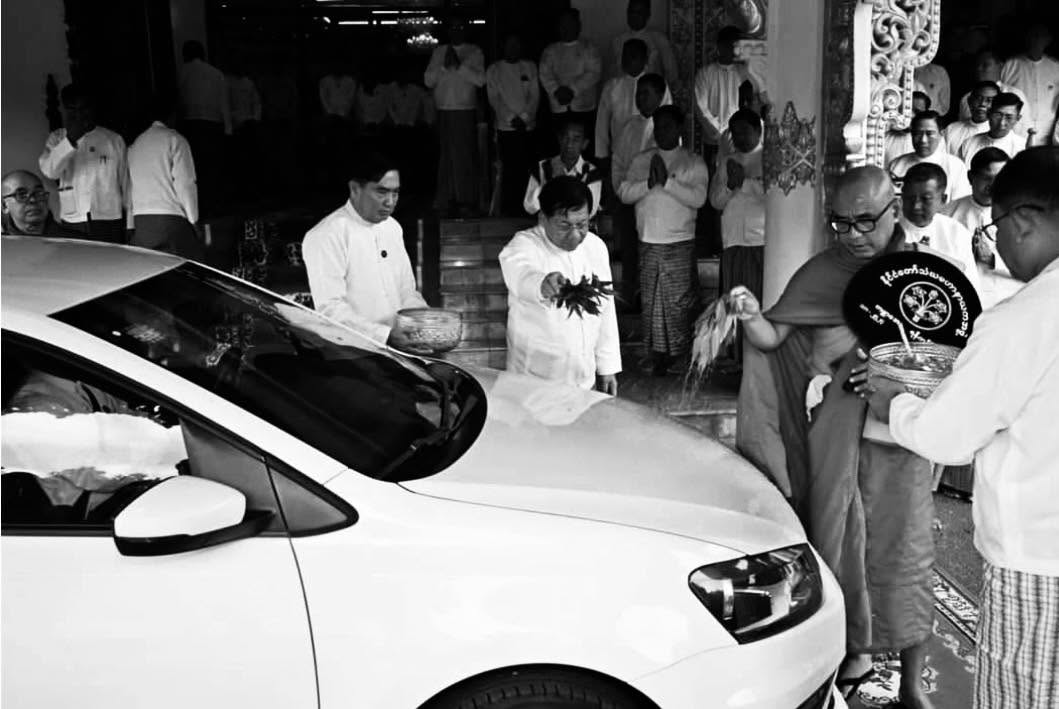
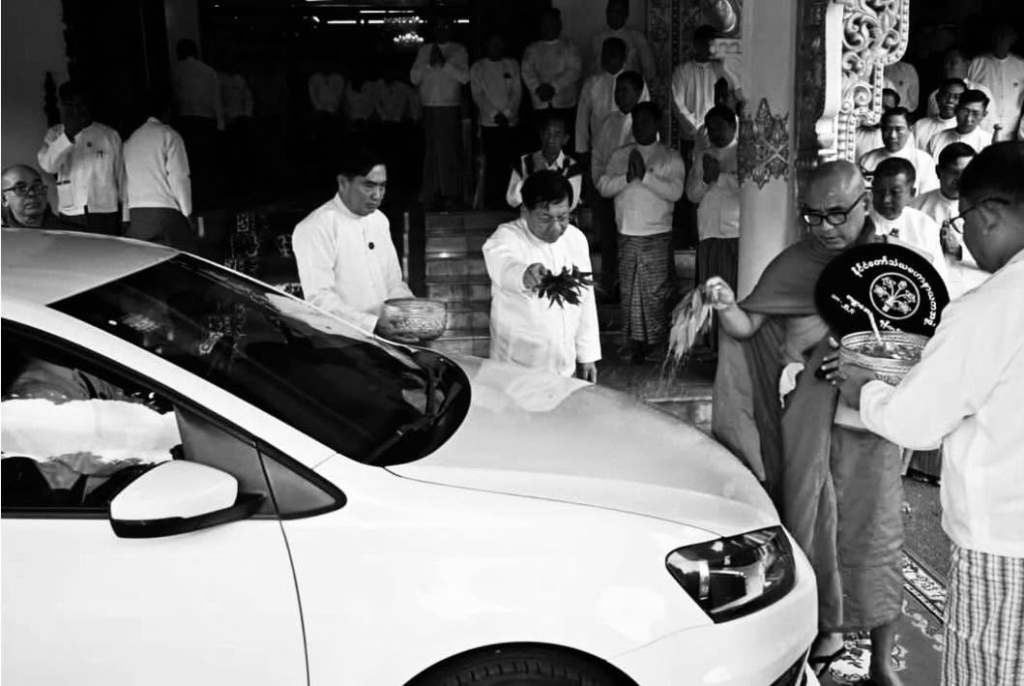
ဒီ mobilising activities တွေထဲမှာ ထင်ရှားတဲ့ဘုန်းကြီးကျောင်းတွေကို ပုံမှန်သွားရောက်တာ၊ သွေးလွန်တုပ်ကွေးကာကွယ်ဖို့ ခြင်ဆေးဖြန်းပေးတာ၊ ဆန်အိတ်၊ ဆီ၊ ကြက်သွန်၊ ငရုတ်၊ ဆား စတာတွေ လှူဒါန်းတာတွေ ပါဝင်ပါတယ်။ ထိပ်တန်းဆရာတော်ကြီးတွေကို ကြံ့ခိုင်ရေးရုံးတွေကို ပင့်ဖိတ်ပြီး တရားဟောစေတာ၊ ဩဝါဒပေးစေတာတွေလည်း ပါဝင်ပါတယ်။ ဒီနည်းလမ်းက စစ်တပ်နဲ့ ကြံ့ခိုင်ရေးပါတီ၊ ထိပ်တန်းသံဃာတော်တွေကြား သုံးပွင့်ဆိုင် ခိုင်မာတဲ့ဆက်ဆံရေးကို တည်ဆောက်နိုင်ခဲ့ပါတယ်။ ဒါကြောင့် ၂၀၀၇ ရွှေဝါရောင်တော်လှန်ရေးကာလမှာ စစ်တပ်ဦးဆောင်တဲ့ ကြံ့ခိုင်ရေး cadre တွေက သံဃာ့ကွန်ရက်အတွင်း ပါဝင်မှုကို လျော့ချနိုင်ခဲ့ကြတယ်လို့ ဆိုထားပါတယ်။
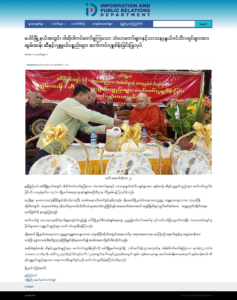
ကျနော့်စာတမ်းထဲပါတဲ့ ဓာတ်ပုံတစ်ပုံမှာ ၂၀၀၉ ခုနှစ်ကာလမှာ ရန်ကုန်တိုင်းအတွင်း ကြံ့ခိုင်ရေးပါတီခေါင်းဆောင်တွေက ဆရာ-ဒကာစီမံကိန်းအောက်မှာ ပြုလုပ်ခဲ့တဲ့ လုပ်ငန်းဆောင်တာ တွေကို ဇယားနဲ့အသေးစိတ်ဖော်ပြထားတဲ့ဟာပါတယ်။ ဒီအထောက်အထားက ဆရာ-ဒကာစီမံချက်ဟာ သန်းရွှေ သို့မဟုတ် ခင်ညွန့်တို့လို စစ်ခေါင်းဆောင်တွေက တခါတည်း ထွက်ပေါ်လာတဲ့ အမိန့်တခုသက်သက်မဟုတ်ဘဲ၊ စစ်တပ်နဲ့ ကြံ့ခိုင်ရေးပါတီခေါင်းဆောင်အဆက်ဆက် အကောင်အထည်ဖော်ခဲ့တဲ့ စနစ်တကျစီမံချက်တစ်ခုဖြစ်ကြောင်း ပြပါတယ်။
အကျဉ်းချုပ်ပြောရရင် ဆရာ-ဒကာစီမံချက်ဟာ မြန်မာစစ်အစိုးရအတွက် ဗုဒ္ဓဘာသာသံဃာ့ အဖွဲ့အစည်းကို co-opt လုပ်ဖို့၊ ထိန်းချုပ်ဖို့ အရေးကြီးတဲ့ကိရိယာတစ်ခုဖြစ်ပါတယ်။ ဒီစီမံချက်ကြောင့် သံဃာတော်တွေ စစ်အစိုးရကို ဆန့်ကျင်တဲ့ နိုင်ငံရေးလှုပ်ရှားမှုတွေထဲ ပါဝင်နိုင်စွမ်း ကန့်သတ်ခံခဲ့ရပါတယ်။ ၂၀၀၇ ရွှေဝါရောင်တော်လှန်ရေးနောက်ပိုင်း စစ်တပ်က သံဃာ့အဖွဲ့အစည်းထဲ informants တွေ ထည့်ခဲ့တယ်၊ ဆရာ-ဒကာစီမံကိန်းကို ပြန်လည်အသက်သွင်းခဲ့တယ်၊ တနိုင်ငံလုံးကအရေးပါတဲ့ ဘုန်းကြီးကျောင်း ၁၇၅ ကျောင်းအတွင်း သံဃာ၊ သီလရှင်နဲ့ lay attendants တွေကို စောင့်ကြည့်ဖို့ ရဲတပ်ဖွဲ့ကို တာဝန်ပေးခဲ့တယ်လို့ ထုတ်ပြန်ချက်တခုမှာ အတိအလင်း ဆိုထားပါတယ်။
၂၀၁၁ နောက်ပိုင်း ဗုဒ္ဓဘာသာကာကွယ်ရေးအဖွဲ့တွေ ပေါ်လာတာကိုလည်း ဆရာ-ဒကာစီမံချက်ရဲ့ extension တခုအဖြစ် မြင်နိုင်ပါတယ်။ သို့သော် ဒီလို သံဃာ့ mobilization တွေအားလုံးကို စစ်တပ်ကဖန်တီးတာပဲလို့ လျှော့ချပြောလိုက်ရင်လည်း မပြည့်စုံပါဘူး။ ၂၀၁၁ ကနေ ၂၀၁၆ အတွင်း ဗုဒ္ဓဘာသာကာကွယ်ရေး mobilization တွေဖြစ်လာတာဟာ နိုင်ငံရေးနဲ့ စီးပွားရေး liberalisation အလျင်အမြန်ဖြစ်လာမှုကြောင့် လူတွေကြုံတွေ့လာတဲ့ ontological insecurities တွေကြောင့်လည်း ဖြစ်ပါတယ်။ သို့သော် သေချာတာက ဒီလိုဗုဒ္ဓဘာသာအဖွဲ့အစည်းတွေဟာ သမ္မတဦးသိန်းစိန် ဦးဆောင်တဲ့ semi-civilian အစိုးရကာလမှာ အကာအကွယ်အောက်မှာ အားကောင်းလာခဲ့တာပါ။ နောက်ရက်မှာ ဆက်ပြောပါရစေခင်ဗျာ။
Photo credit to Myay Latt Athan (2024)