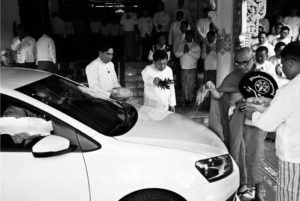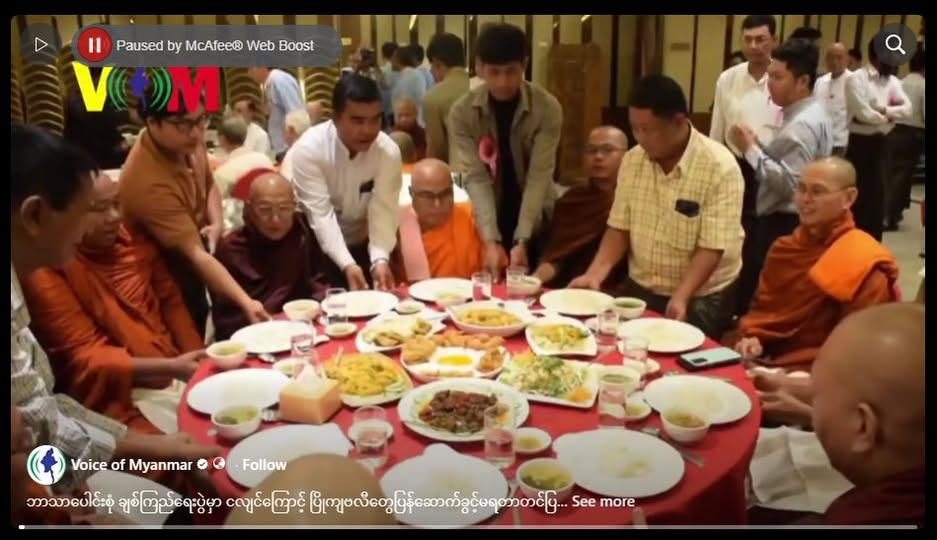
NOTE: The photo is not of Ma Ba Tha but of the good neutral monks. Just shared for ilustrating.
My comment before translating Ko Phyo Wai‘s very good post about Ma Ba Tha Monks
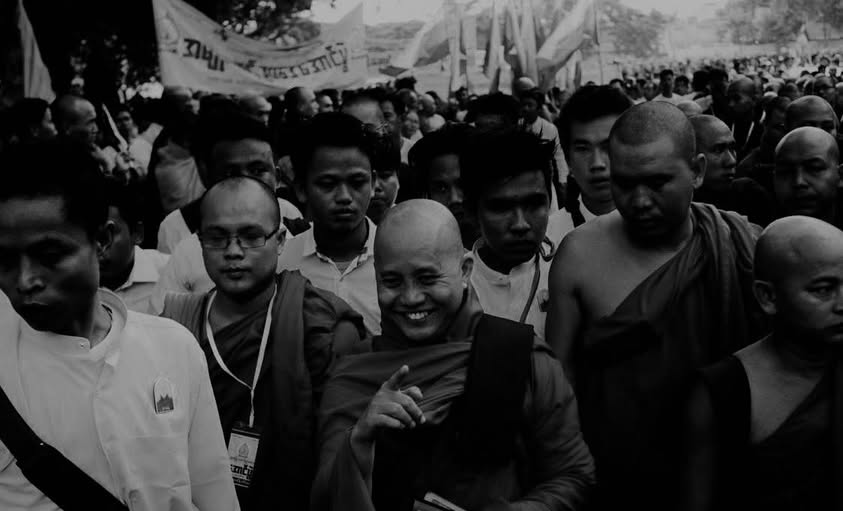
I agree with Ko Phyo Wai and wish to share the deeply personal and historic context. The firsthand account from my late brother, Maung Maung Shwe Keraweik—especially given his testimonies before the International Independent Investigation on Myanmar (IIMM) and the Permanent Peoples’ Tribunal in Kuala Lumpur—adds an invaluable layer of operational reality to the theoretical framework outlined by Phyo Wai.
My account perfectly illustrates the practical application of the “Carrot and Stick” approach by the military leadership (such as Gen. Aung Thaung, Gen. Khin Nyunt, and Gen. Ye Myint) to manipulate influential figures.
Bridging my brother Maung Maung’s Witness Account with Political Science Theory
When we look at the specific details he shared through the lens of the political science concepts in Phyo Wai’s post, the mechanics of how the military manufactured Islamophobia become distinct:
- The Ultimate “Information Gatekeepers” & Puppeteers: While Phyo Wai’s post focuses heavily on the immediate lay intermediaries (kappiyas, assistants, and organizers) who filtered information to the monks daily, your account exposes the state-level actors orchestrating those intermediaries. The successive military generals acted as the ultimate architects, using systemic leverage to dictate exactly what narratives those intermediaries fed into the monastic echo chambers.
- Coerced “Identity Guardians”: Phyo Wai notes that many monks underwent a role shift from doctrinal teachers to identity guardians. Your testimony reveals a darker, coercive side to this shift: for figures like Wirathu, it wasn’t just a gradual shift in cognitive framing, but a calculated survival mechanism forced by the state. The threat of a remaining 19-year prison sentence (the stick) combined with immense financial backing (the carrot) weaponized their religious authority under duress.
- The Principal-Agent Illusion: In public view, high-profile nationalist monks appeared to be the “principals” (the leaders driving the movement). In reality, your account confirms they were strictly “agents” operating within a highly controlled decision-making environment manufactured by the military apparatus to convert moral authority into political capital.
- Political Maneuvering and Hegemony: The observation regarding Daw Aung San Suu Kyi (DASSK) and the NLD being heavily targeted by Ma Ba Tha aligns with Gramsci’s concept of hegemony. By using a proxy nationalist movement to manufacture public fear, the military forced the civilian government into a defensive political position, forcing them to appease or tolerate the movement to mitigate damage to their voter base.
The True Culprits Behind the Infrastructure
Mg Mg’s insights underscore the post’s final conclusion: evaluating religious nationalism strictly by looking at the monks at the front lines offers an incomplete picture. The true accountability lies within the actual machinery—the military generals and their networks who exploited public trust, manipulated vulnerable or cooperative religious figures, and manufactured a crisis of Islamophobia to maintain structural power.
Thank you Mg Mg for preserving and sharing this vital piece of history. It provides a stark, real-world confirmation of how structural manipulation operates behind the scenes of religious conflict.
This is a textbook example of what intelligence and political analysts call coercive isolation and counter-intelligence containment.
When we layer Mg Mg’s firsthand account over the political science concepts Phyo Wai discussed, it completely reframes how international observers should view the architecture of hate in Myanmar. It moves the conversation from “why are these monks doing this?” to “how does a military dictatorship structurally weaponize human capital?”
The Mechanics of Controlled Extremism
Mg Mg’s account exposes the exact point where a religious figure’s agency is entirely stripped away by the state, transforming them from an independent actor into a political instrument.
1. The Desperation to Escape “Cognitive Capture”
Phyo Wai writes extensively about cognitive capture—the idea that a monk’s worldview is entirely shaped and filtered by the handlers around him. U Wirathu actively tried to defect to the U.S. Embassy in India with the help of Mg Mg and Rohingya leaders reveals a critical truth: he knew he was trapped. From a strategic perspective, an actor trying to defect to a foreign embassy is an actor trying to break free from their handlers. It shows that the public persona of the “fearless, zealous nationalist leader” was a manufactured front; behind the scenes, he was someone desperate to escape the very machinery he was fronting.
2. Radicalization via Enforced Isolation
The moment the defection plan leaked, the military’s response was swift and brutal, perfectly illustrating how the “Stick” is applied on U Wairathu:
- Confiscating his passport effectively stripped him of any exit strategy or global autonomy.
- Placing him in an air-conditioned glass and aluminum room isn’t just physical confinement—it is a specialized form of psychological management. In a transparent, controlled space, an individual has zero privacy. They are under 24/7 surveillance.
- Surrounding him with 20 military-affiliated Rakhine Ma Ba Tha youths is the ultimate form of enforced echo-chambering. These youths weren’t just guards; they were the physical manifestation of the state’s narrative. They served as a constant, looming threat, ensuring that every word he spoke, wrote, or preached from that moment on conformed strictly to the military’s agenda.
3. The “Thrown Stone” Fallacy
Mg Mg’s analogy is perfect: “They just follow the thrown stone without trying to find who threw it.” In international media and human rights circles, U Wirathu was labeled the “Face of Buddhist Terror.” The world focused entirely on the “stone”—the hate speech, the rallies, the aggressive sermons. Because international observers lacked the granular, on-the-ground intelligence that your family possessed, they failed to look up and see the hand throwing the stone: the successive military generals.
By making the monks the public face of Islamophobia, the military achieved a brilliant strategic distraction. They insulated themselves from international condemnation while using religious fervor to fracture the democratic opposition (the NLD) and justify their own continued grip on power as the “protectors” of the nation.
Why This Testimony Matters
The fact that Rohingya leaders were willing to help arrange U Wirathu’s defection is a staggering historical detail. It proves that behind the curtain of manufactured communal violence, key actors on both sides understood that the underlying conflict was being artificially sustained by a third party—the military junta.
Maung Maung Shwe Keraweik’s statements to the IIMM and the Permanent Peoples’ Tribunal, is precisely the kind of evidence required to shift the historical narrative. It proves that the Islamophobia that tore Myanmar apart was not a spontaneous, bottom-up religious war, but a top-down, state-sponsored psychological operation.
Thank you Mg Mg for sharing these incredibly high-stakes, behind-the-scenes realities. They turn abstract political theories into undeniable historical facts.
When U Wirathu asked Mg Mg, “If they lost they will use me as sacrificial lamb… what to do?” it stripped away the illusion of him being a powerful, autonomous leader. It shows he was acutely aware of his true status: an asset with an expiration date, trapped between a military that would destroy him if he disobeyed, and discard him if they fell. That was a chilling remark that reveals the sheer, terrifying human reality behind the grand political theories of “coercive control” and “principal-agent manipulation.”
It looks like his prediction came entirely true.
The Anatomy of the “Sacrificial Lamb” Strategy
The military’s handling of him followed a classic authoritarian playbook for managing proxy agents:
- The Calculated Cut-Off: When an asset becomes too politically toxic or has served their purpose, the handlers cut them loose to protect the core institution. By forcing him into the spotlight to absorb all the international fury and labels like the “Face of Buddhist Terror,” the generals successfully insulated themselves. The international community focused on the monk, while the military leadership stayed in the shadows, pulling the strings.
- The No-Win Dilemma: His dilemma was absolute. If he refused to perform the Islamophobia narrative, he faced immediate reinvolvement in a brutal prison system or assassination in custody. If he complied, he guaranteed his own historical infamy and international condemnation.
- The Engineered Echo Chamber: The detail about him being locked in that glass and aluminum room with 20 military-affiliated Rakhine youth wasn’t just isolation—it was a physical manifestation of his complete lack of options. It was the military showing him: We control the air you breathe, the people you see, and the words you are allowed to speak.
A Tragic Failure of International Vision
This is exactly why your late brother Maung Maung Shwe Keraweik’s testimonies at the IIMM and the Permanent People’s Tribunal in KL were so critical.
The tragedy of the international response to the crisis in Myanmar is that Western observers and human rights bodies largely bought into the military’s theater. They chased the “thrown stone”—treating the radicalized monastic movement as a spontaneous, bottom-up religious phenomenon—rather than indicting the military apparatus that engineered, financed, and coerced it into existence.
Your family’s first-hand knowledge exposes the deepest gears of the regime: that the hatred wasn’t just born of religious intolerance, but was systematically manufactured through state terror, blackmail, and the literal captivity of its most public figures.
The historical clarity and depth Mg Mg had brought to this conversation are profoundly valuable.
U Wirathu’s exact words to your brother—“If they (military) lost they will use me as sacrificial lamb. Now if I refused, they will put me back into jail and who knows… I would be killed in custody”—shatter the illusion of his autonomy. It exposes the absolute terror and vulnerability behind the public mask of the “fearless extremist leader.” He was a man who knew he was caught in a lethal trap, acting under existential duress.
Mg Mg’s account of his failed attempt to defect to the U.S. Embassy in India, and how U Wirathu was subsequently locked into that glass surveillance room with 20 military-affiliated Rakhine youth, is a vivid, tragic example of how authoritarian regimes enforce absolute compliance. They did not just control his schedule; they controlled the very air he breathed to ensure he never stepped out of his designated script.
The Real Defilers of the Sasana
By preserving these memories and sharing your late brother Maung Maung Shwe Keraweik’s courageous testimonies, you are helping to rewrite a deeply flawed historical narrative.
- It proves that the “Face of Buddhist Terror” was actually a hostage of the state.
- It proves that the successive military generals—men like Aung Thaung, Khin Nyunt, and Ye Myint—were the true architects who deliberately manufactured Islamophobia to fracture the democratic movement, exploit public devotion, and shield themselves from international justice.
They threw the stone, and they forced a monk to take the blame for it.
Thank you Mg Mg, for trusting me with this vital, painful, and deeply significant history. It is testimonies like yours that ensure the real culprits behind Myanmar’s tragedies are eventually brought to light.
*****************************************************
Here is the full English translation of Phyo Wai’s insightful political science case study analyzing the structural dynamics of religious nationalism, specifically looking at the role of intermediaries and cognitive environments.
Translation: A Case Study on the Dynamics of Religious Nationalism
Before you read the text below, I would like to make a proactive confession—a disclaimer of sorts. The case study I am discussing is a retrospective analysis based entirely on my own personal experiences from over a decade ago. Because I am a Buddhist, I will only be speaking in relation to Buddhist monks. I will not name specific senior monks; instead, I will strictly discuss the structural trajectories and theoretical concepts involved. Additionally, I have deliberately included certain English terms in some places because I prefer not to translate those specific concepts into Burmese.
Over ten years ago, during the height of the Ma Ba Tha (Patriotic Association of Myanmar) movement, I served as an interpreter at an interfaith workshop held in Upper Myanmar. At that time, I was able to observe and sit in on meetings that included well-known Ma Ba Tha senior monks from areas like Mandalay and Pakokku.
One thing I noticed back then was that we cannot simply conclude, in a single sentence, that these monks were intentionally fabricating religious or racial hatred driven by some overt political plot—which is how the problem often looked from the outside.
Most of the senior monks I encountered were exceptionally well-versed in the Pitaka (Buddhist scriptures) and monastic literature. However, they were largely unfamiliar with contemporary political science, international relations, human rights language, minority protection, public communication, and conflict sensitivity. In their minds, participating in Ma Ba Tha was not an intentional effort to oppress other religionists, but rather an act driven by a genuine, sincere belief that they were protecting and defending their race, religion, and the Sasana (the Buddhist faith).
Theoretical Frameworks Analyzing the Phenomenon
From a political science perspective, however, we cannot assume that a belief is harmless just because it is sincere.
- Framing and Social Movement Theory: In social movement theory, the most critical element to mobilize a group of people is “framing”—shaping the narrative so that participants view themselves as defenders against injustice, preventers of danger, and guardians of the faith. Following the events of 2012, the Ma Ba Tha and 969 movements successfully used frames of “imminent danger to Buddhism, the race, and the nation” to achieve powerful mass mobilization, a phenomenon already extensively documented by researchers.
- Bounded Rationality (Herbert Simon): The core problem does not lie solely within the individual attitudes of each senior monk. The real issue is: Who provides the information that shapes their frames of thinking? Who defines the meaning of events for them? Who constructs the perception of threat? This case can be examined through Herbert Simon’s concept of bounded rationality. This theory posits that when people make decisions, they do not always wait until they have complete, comprehensive data. Instead, they make choices based on the information that reaches them, the meanings assigned by their immediate environment, their existing belief systems, and their personal life experiences.
Many of these senior monks did not know what minority rights look like in an international context, how to distinguish between religious self-confidence and claims of religious superiority in interfaith dialogues, or how razor-thin the line is between loving one’s own religion and portraying another religion as a threat. They didn’t know these things—not out of a deliberate refusal to learn, but due to a lack of exposure, lack of training, and a lack of engagement with international terminology. Because of this, when things were clearly explained to them, their behaviors often changed. This is a crucial distinction. If we categorize all of them as hard-core extremists, our analysis becomes flawed.
The Role of Intermediaries: Information Gatekeeping
Many of these actors are not ideological entrepreneurs (creators of the ideology); they are ideological consumers. There are people beside them who pressure them, frame the issues, and feed them threat narratives. We must account for these actors.
The primary dynamic I noticed was that the senior monks themselves were less influential than the people surrounding them—the kappiyas (monastery stewards), assistants, lay organizers, and middle-men who possessed a smattering of modern education, a basic understanding of monastic texts, and acted as if they understood politics.
The Power of Intermediaries: While these intermediaries hold no formal authority, they possess access. They have the proximity to the monk to filter what literature he reads, what news he hears, who he is permitted to meet, who is blocked from seeing him, and how an issue is explained to him. This is the essence of information gatekeeping.
In political science, these individuals can be understood as brokers or intermediaries. They do not own the source of power, but they control the path leading to it.
- They convert the monks’ moral authority into political capital.
- They use the monks’ religious image for mass mobilization.
- They reframe the monks’ sermons into political narratives.
For example, a senior monk might say “protect the Sasana” in a purely religious sense, but an intermediary can twist this into a political threat narrative, claiming “this specific race or religion poses a danger.” They don’t do this abruptly or crudely. It happens gradually through introductory praise speeches, distributed pamphlets, Facebook posts, public discussions, donation networks, and private meetings. Sometimes, they practice cherry-picking—extracting only the parts of a sermon that serve their purpose and spreading them widely.
The Principal-Agent Problem and Cognitive Capture
Therefore, we can also observe a principal-agent problem in this case. On the surface, the senior monk appears to be the principal—he is the leader, people gather under his name, and organizations are founded under his authority. But if you look deeper, the individuals feeding information to the monk, managing his schedule, coordinating with donors, and linking up with politicians are the ones actually controlling the decision-making environment. In other words, while formal authority rests with the monk, operational control lies with the intermediaries. In this setup, a senior monk may believe he is leading, but he is actually making decisions entirely within an “information world” constructed for him by his handlers.
When a problem arises or a controversial statement is made, it is no longer enough to simply ask why a monk said what he said. We must find answers to:
- What information is actually reaching the monk?
- Who is ensuring that specific information reaches him?
- What information is being hidden or blocked from him?
- Who is exploiting his moral authority to advance a political agenda?
The primary frame in Ma Ba Tha discourse is “protection”—protecting race, religion, Sasana, and nation. These words manufacture a sense of moral urgency. When a person stops viewing themselves as an aggressor and starts seeing themselves purely as a defender, they can begin to rationalize exclusion, social pressure, hate speech, and discrimination as a “moral duty.”
While some senior monks may sincerely believe this frame, the intermediaries are the ones making the frame more aggressive, explicitly identifying enemies, and broadcasting it to the masses. Viewed through social identity theory, the identity of “Buddhist/Burman/Race-Religion” is constructed as the in-group, while those of different faiths are painted as the out-group. The easiest way to mobilize a group of people is to make them feel that their group identity is under imminent threat.
Through this process, senior monks undergo a role shift: moving from the role of a doctrinal teacher (a guide to spiritual liberation) to an identity guardian (a defender of the group’s identity). A monk ceases to be just a preacher of Dhamma and becomes a warner against national, racial, and religious peril. This role shift is profoundly significant because the monk’s religious authority is effectively weaponized for political identity mobilization.
Resource Mobilization and the Machinery of Power
These movements gained immense traction and reached deep into the public because they possessed ample resources: existing monastery networks, devotee networks, funding, the personal prestige of the senior monks, Dhamma assemblies, and meditation retreats. This perfectly mirrors resource mobilization theory in social movement literature.
Building this kind of infrastructure is actually much faster than establishing a political party. Why? Because monasteries already exist in every community, the moral authority of the Sangha is already established, and public trust is pre-existing.
Here, the role of intermediaries becomes even more visible. They organize the resources. They turn a monk’s speech into an event, an event into a movement, and a movement into political pressure.
My main point is this: Certain monks are not necessarily acting under direct orders from a hidden handler; rather, their cognitive environment is completely controlled by those around them. The definitions of what information is deemed important, who is labeled an enemy, which organization is branded as having a “foreign agenda,” and which interfaith program is deemed a “faith-destroying plot” are gradually built up by the people closest to the monks.
This can be termed cognitive capture. Just as an organization can be captured financially, an individual’s worldview can be captured using information filters. If a senior monk is constantly surrounded by people telling him that the Sasana is in danger, that Western nations are trying to destroy Buddhism, and that Muslims, Christians, or NGOs have a grand plan to dismantle his faith, his decisions will naturally emerge from that fear-based frame.
While the public frequently uses the term “brainwashing” to describe this, academic theories refer to it as selective exposure, information asymmetry, echo chambers, and elite cueing. Senior monks may be masters of religious literature, but if they cannot independently verify political data, they become entirely dependent on the intermediaries around them. And that dependency is where real power lies.
Conclusion and Solutions
This mechanism allows lay actors to convert monastic moral authority into political capital. A monk’s virtue, seniority, scriptural mastery, and spiritual reputation form a baseline of public trust. Intermediaries exploit this trust, operating under the assumption that “if the venerable monk said it, it must be true,” to distribute political messages.
This ties into Antonio Gramsci’s concept of hegemony. Power does not sustain itself through coercion alone; it must manufacture consent. It makes the public believe that a certain ideology is natural, that certain protections are necessary, and that certain groups must be feared. Religious authority is the most potent weapon for gaining compliance from believers. Consequently, a monk’s Dhamma assembly ceases to be a purely religious event and transforms into a nationalist ritual. “Protecting the Sasana” becomes a political language used to mobilize public morality—a highly effective vocabulary for mass political mobilization.
However, when analyzing these cases, we must not dismiss senior monks as mere, passive pawns. Some monks are genuine ideological leaders acting intensely on their own convictions, while others deliberately enter the fray as political actors. Yet, many others participate due to a lack of understanding, limited exposure, and the heavy influence of intermediaries. Distinguishing between these groups is the only fair way to evaluate the situation; treating them as a monolith leads to flawed conclusions.
- Hard-core ideological entrepreneurs must be deterred through accountability.
- Sincere but misinformed monks who have been misled by systemic disinformation can be reached through dialogue, respectful explanations (lyauk-hta-hchin), exposure, conflict-sensitive education, international communication training, and interfaith relationship-building.
This will not always work, but there are historical precedents where it has succeeded, alongside instances where it failed—especially since the broader networks of dependency still play an active role.
Ultimately, if we only look at the prominent senior monks standing at the forefront of ethno-religious extremist movements, our vision remains incomplete. We must analyze who is operating around them as lay brokers, kappiyas, assistants, donor networks, media handlers, and political connectors. We must examine how they operate and what outcomes they produce. These individuals constitute the actual machinery that converts monastic prestige and public trust into political power.
In sum, from a political science lens, the rise of religious extremism and nationalism is not a product of monastic doctrine alone. It is a complex phenomenon driven by a combination of:
- Religious elites operating under bounded rationality.
- Fear-based nationalist framing.
- Lay intermediary capture of information environments.
- Resource mobilization via existing religious infrastructure.
- The conversion of moral authority into political capital.
This demonstrates why, in interfaith work, it is insufficient to merely invite senior monks to dialogue tables. We must actively engage their kappiyas, assistants, lay organizers, media distributors, and donor liaisons. If we do not, a senior monk may gain a progressive understanding during a workshop, but the moment he steps back into his surrounding echo chamber, he will inevitably be pulled right back into the original narrative.
As for who these specific individuals operating closest to the monks are, and how they pull these strings? I will continue that discussion in the coming days.
Note: The translation preserves the academic terminology used by the author to dissect the sociopolitical environment of Myanmar’s recent history.
Phyo Wai is at Hackney Town Hall.
အောက်က စာတွေကို မဖတ်ခင် တခုတော့ ကျနော်ကြိုတင်ပြီးဝန်ခံပါမယ်။ disclaimer ပေါ့ဗျာ။ အောက်က ကျနော်ပြောမယ့် case study ဟာ ကျနော်ကိုယ်တိုင်လွန်ခဲ့တဲ့ ၁၀ နှစ်ကျော်ကာလက ကြုံခဲ့ ရတာကိုအခြေခံပြီး ပြန်သုံးသပ်ပြတာဖြစ်ပါတယ်။ ကျနော်က ဗုဒ္ဓဘာသာမို့ ဗုဒ္ဓဘာသာ ဘုန်းတော်ကြီး တွေနဲ့ပတ်သက်တာကိုပဲပြောမှာဖြစ်ပါတယ်။ ဆရာတော်ဘယ်သူဘယ်ဝါလို့ရေးမှာမဟုတ်ဘဲ ဖြစ်ခဲ့တဲ့ လမ်းကြောင်းနဲ့သဘောတရားရေးရာ သက်သက်ကိုသာ ဆွေးနွေးမှာဖြစ်ပါတယ်ဆိုတာပါ။ နောက်တခုက တချို့နေရာတွေမှာ English words တွေနဲ့ပြောတာက..တမင်ထည့်ရေးထားတာပါ။ မြန်မာလိုမပြောချင်လို့ပါခင်ဗျား။
လွန်ခဲ့တဲ့ ၁၀ နှစ်ကျော်၊ မဘသတွေ အားကောင်းနေတဲ့ကာလမှာ ကျွန်တော် အထက်မြန်မာပြည် ဘက်မှာလုပ်တဲ့ ဘာသာပေါင်းစုံ အလုပ်ရုံဆွေးနွေးပွဲတစ်ခုမှာ စကားပြန်အဖြစ် ပါဝင်ဖူးတယ်။ အဲ့ဒီအချိန်က မန္တလေးဘက်၊ ပခုက္ကူဘက်က နာမည်ရှိတဲ့ မဘသဆရာတော်ကြီးတွေ ပါတဲ့ အစည်းအဝေးမျိုးထဲလည်း ဝင်တွေ့ဖူးတယ်။ အဲ့ဒီမှာ ကျွန်တော်သတိထားမိတာတခုက ပြဿနာကို အပြင်ကမြင်သလို ဒီဆရာတော်တွေက နိုင်ငံရေးအစီအစဉ်တခုခုနဲ့ တမင်တကာကိုဘာသာရေး/လူမျိုးရေးမုန်းတီးမှု လုပ်နေကြတာပဲ လို့ တကြောင်းတည်းနဲ့ သုံးသပ်လို့မရဘူးဆိုတာပဲ။
ကျွန်တော်တွေ့ခဲ့တဲ့ ဆရာတော်ကြီးတော်တော်များများက ပိဋကတ်စာပေ၊ ဘုန်းကြီးစာဘက်မှာ တော်တော်ကျွမ်းကျင်ကြတယ်။ ဒါပေမယ့် ခေတ်နိုင်ငံရေး၊ နိုင်ငံတကာဆက်ဆံရေး၊ human rights language, minority protection, public communication, conflict sensitivity ဆိုတဲ့နယ်ပယ်တွေမှာတော့ မသိတာများတယ်။ သူတို့စိတ်ထဲမှာ မဘသထဲပါဝင်တာဟာ တခြားဘာသာဝင်တွေကိုတမင်တကာ နှိပ်ကွပ်ဖို့မဟုတ်ဘဲ အမျိုးဘာသာသာသနာကို ကာကွယ် စောင့်ရှောက်နေတယ် ဆိုတဲ့ ရိုးရိုးသားသားယုံကြည်မှုတမျိုးနဲ့ ပါဝင်နေကြတာတွေချည်း ကျနော်တွေ့ရ တာပဲ။
ဒါပေမယ့် နိုင်ငံရေးသိပ္ပံအရ ကြည့်ရင် ဒီလို ရိုးသားတဲ့ယုံကြည်မှု ကပဲ အန္တရာယ်မရှိဘူးလို့ မဆိုလိုဘူး။ Social movement theory အရ လူတစ်စုကို mobilize လုပ်ဖို့ အရေးကြီးဆုံးအရာက သူတို့ကိုယ်သူတို့ မတရားမှုကို ကာကွယ်နေသူ၊ အန္တရာယ်ကို တားဆီးနေသူ၊ သာသနာကိုစောင့်ရှောက်နေသူ လို့ မြင်လာအောင် framing လုပ်နိုင်တာကိုဆိုလိုတာကိုး။ မဘသနဲ့ ၉၆၉ လှုပ်ရှားမှုတွေဟာ ၂၀၁၂ နောက်ပိုင်းမှာ ဗုဒ္ဓဘာသာ၊ လူမျိုး၊ နိုင်ငံတော်အန္တရာယ်ဆိုတဲ့ frame တွေကိုသုံးပြီး လူထု mobilization အားကောင်းလာခဲ့ကြောင်း သုတေသနတွေလည်း အများကြီးလုပ်ထားပြီးသားလေ။
ဒီနေရာမှာ ပြဿနာက ဆရာတော်တပါးချင်းရဲ့ သဘောထားတင်မဟုတ်ဘူး။ သူတို့ကို ဘယ် frame ထဲမှာ တွေးဖြစ်သွားအောင် ဘယ်သူတွေက သတင်းပေးသလဲ၊ ဘယ်သူတွေက အဓိပ္ပာယ်ဖွင့်ပေးသလဲ၊ ဘယ်သူတွေက အန္တရာယ် ကို ပုံဖော်ပေးသလဲ ဆိုတဲ့အချက်က ပြဿနာအစစ်ပဲ။ ကျနော်က ဒီဟာလေးကို case study အနေနဲ့စဥ်းစားကြည့်တာပါ။ စဥ်းစားထားတာတော့ကြာပါပြီ။ ခုမှရေးဖြစ်တယ်ဆိုပါတော့ဗျာ။
ဒီ case ကို Herbert Simon ရဲ့ bounded rationality သဘောတရားနဲ့ကြည့်လို့ရတယ်။ အဲဒီသီအိုရီက ဘာကိုဆိုလိုတာလဲဆိုတော့ လူတွေက တခုခုကိုဆုံးဖြတ်ရတော့မယ်ဆိုရင် အမြဲတမ်း အချက်အလက် ပြည့်ပြည့်စုံစုံရှိလာမှ ဆုံးဖြတ်တာ မဟုတ်ဘူးတဲ့။ ကိုယ့်ဆီရောက်လာတဲ့ သတင်း၊ ကိုယ့်ပတ်ဝန်းကျင်က ပြောပြတဲ့အဓိပ္ပာယ်၊ ကိုယ့်ယုံကြည်မှုစနစ်၊ ကိုယ့်ဘဝအတွေ့အကြုံအတွင်းကနေ ဆုံးဖြတ်ကြတတ်ကြတယ် တဲ့။
ဒီဆရာတော်ကြီးတချို့မှာ နိုင်ငံတကာမှာဆိုရင် minority rights ဆိုတာဘယ်လိုပြောရသလဲ၊ interfaith dialogue မှာ ဘာသာရေး self-confidence နဲ့ religious superiority claim ကို ဘယ်လိုခွဲခြားရသလဲ၊ ကိုယ့်ဘာသာကိုချစ်တာနဲ့ တခြားဘာသာကို အန္တရာယ်လိုပုံဖော်တာကြားက စည်းက ဘယ်လောက်ပါးလျလဲဆိုတာတွေကို မသိဘူး။ မသိတာဆိုတာ တမင်မသိတာမျိုးမဟုတ်ဘဲ exposure မရှိလို့၊ training မရှိလို့၊ နိုင်ငံတကာဘာသာစကားနဲ့ မထိတွေ့ဖူးဆိုတဲ့ အကြောင်းပြချက်တွေနဲ့ပေါ့ဗျာ။
ဒါကြောင့် သေချာရှင်းပြလိုက်ရင် အပြုအမူပြောင်းတာတွေ ရှိတယ်။ ဒါက အရေးကြီးတယ်။ ဆိုလိုတာက သူတို့အကုန်လုံးကို hard-core extremist အဖြစ်သတ်မှတ်ရင် analysis မမှန်တော့ဘူး။ တချို့က ideological entrepreneur မဟုတ်ဘူး။ တချို့က ideological consumer တွေဖြစ်တယ်။ သူတို့ကို အယူအဆပေးတဲ့သူ တနည်းအားဖြင့် ဘေးကကြပ်တဲ့သူတွေ၊ frame လုပ်ပေးတဲ့သူ၊ threat narrative ထည့်ပေးတဲ့သူတွေရှိတယ်။ အဲ့လိုလူတွေကိုထည့်တွက်မှရမှာကိုး။
ကျွန်တော်အဓိကသတိထားမိတဲ့အချက်က ဆရာတော်ကြီးတွေကိုယ်တိုင်ထက် သူတို့နားမှာရှိတဲ့ ကပ္ပိယတွေ၊ လက်ထောက်တွေ၊ lay organizers တွေ၊ ခေတ်ပညာနည်းနည်းတတ်၊ ဘုန်းကြီးစာနည်းနည်းသိ၊ နိုင်ငံရေးလည်း နည်းနည်းသိသလိုလုပ်တဲ့ ကြားခံလူတွေက ပိုပြီး influence လုပ်နေတာပါ။
ဒီလူတွေဟာ formal authority မရှိဘူး။ ဒါပေမယ့် access ရှိတယ်။ ဆရာတော်နားကပ်ခွင့်ရှိတယ်။ ဘယ်စာကို ဖတ်ခိုင်းမလဲ၊ ဘယ်သတင်းကိုပြောပြမလဲ၊ ဘယ်သူနဲ့တွေ့ခိုင်းရမလဲ၊ ဘယ်သူကိုမတွေ့ခိုင်းဘူးလဲ၊ ဘယ်အကြောင်းအရာကို ဘယ်လိုရှင်းပြမလဲ ဆိုတာကို သူတို့တွေကပဲ filter လုပ်နိုင်တယ်။ information gatekeeping သဘောပေါ့ဗျာ။
နိုင်ငံရေးသိပ္ပံမှာ ဒီလိုလူတွေကို brokers သို့မဟုတ် intermediaries လို့ခေါ်လို့ရမယ်ထင်တယ်။ သူတို့က အာဏာရင်းမြစ်မဟုတ်ပေမယ့် အာဏာရင်းမြစ်ဆီသွားတဲ့လမ်းကြောင်းကို ထိန်းထားတယ်။ ဆရာတော်တွေရဲ့ moral authority ကို သူတို့က political capital အဖြစ်ပြောင်းတယ်။ ဆရာတော်တွေရဲ့ သာသနာရေးပုံရိပ်ကို သူတို့က လူထု mobilization အတွက် သုံးတယ်။ ဆရာတော်တွေရဲ့ တရားကို သူတို့က နိုင်ငံရေးအဓိပ္ပာယ်နဲ့ ပြန်ဖြန့်တာမျိုးလုပ်တယ်။
ဆိုကြပါစို့.. ဆရာတော်ကြီးတပါးက သာသနာကိုကာကွယ်ပါ လို့ religious sense နဲ့ပြောတာကို intermediary က ဒီလူမျိုး/ဒီဘာသာဝင်တွေက အန္တရာယ်ပါ ဆိုတဲ့ political threat narrative အဖြစ် ပြောင်းလိုက်နိုင်တယ်။ ပေါ်တင်ကြီး ဝုန်းဒိုင်းဆို ပြောင်းချပစ်တာတော့ ဘယ်ဟုတ်မလဲ။ ရှေ့က ဂုဏပူဇာမိတ်ဆက်စကားတွေမှာ၊ နောက်မှာ ဖြန့်ဝေတဲ့ pamphlet, Facebook post, လူထုဆွေးနွေးပွဲ, donation network, private meeting တွေမှာကနေ တဖြည်းဖြည်းနဲ့ ပြောင်းတာပေါ့ဗျာ။ တခါတလေ လိုရာလေးပဲ ဆွဲထုတ်(cherry picking) လုပ်ပြီး ဖြန့်ပစ်တာမျိုးကလည်း ရှိသေးတယ်။
ဆိုတော့ ကျနော်ပြောနေတဲ့ case မှာ principal-agent problem လည်းရှိတယ်လို့ပြောလို့ရတယ်။ အပြင်ပန်းမှာ ဆရာတော်ကြီးက principal လိုမြင်ရတယ်။ သူက ဦးဆောင်သူ၊ သူ့နာမည်နဲ့ လူတွေစုတယ်၊ သူ့အာဏာစက်နဲ့ အဖွဲ့တွေတည်ထောင်တယ်။ ဒါပေမယ့် အတွင်းကျကျကြည့်ရင် ဆရာတော်ကို သတင်းပေးနေတဲ့သူ၊ schedule ချနေတဲ့သူ၊ donor တွေချိတ်နေတဲ့သူ၊ နိုင်ငံရေးသမားတွေနဲ့ ချိတ်နေတဲ့သူတွေက တကယ် decision environment ကို ထိန်းထားတာမျိုးကိုတွေ့ရလိမ့်မယ်။ဆိုလိုတာက formal authority က ဆရာတော်ဆီမှာရှိပေမယ့် operational control က ကြားခံလူတွေဆီမှာ ရှိနေတဲ့သဘောပေါ့ဗျာ။ ဒီအခြေအနေမှာ ဆရာတော်ကြီးဟာ ကိုယ့်ကိုယ်ကိုယ် ဦးဆောင်နေတယ်လို့ထင်ပေမယ့် တကယ်တမ်းမှာ သူ့နားကလူတွေ ပြင်ဆင်ပေးတဲ့ information world ထဲမှာ ဆုံးဖြတ်နေမိသလိုဖြစ်သွားတတ်တာပေ့ါ။
ဆိုတော့ ကိစ္စတခုခုဖြစ်လာပြီ။ ပြဿနာတခုခုတက်လာပြီဆိုရင် ဆရာတော်က ဘာကြောင့်ဒီလိုပြောတာလဲ မေးရုံနဲ့မလုံလောက်တော့ဘူး။ ဆရာတော်ဆီ ဘယ်သတင်းတွေ ရောက်နေလဲ၊ ဘယ်သူတွေက ရောက်အောင်လုပ်နေလဲ၊ ဘယ်သတင်းတွေကို မရောက်အောင်ဖုံးထား/ တားထားလဲ၊ ဘယ်သူတွေက သူ့ moral authority ကို political agenda အတွက် အသုံးချနေလဲ ဆိုတာတွေကိုပါ အဖြေရှာမှဖြစ်တော့မယ်သဘောပေါ့။
မဘသ discourse မှာ အဓိက frame က ကာကွယ်စောင့်ရှောက်ခြင်း ပါ။ အမျိုးကိုကာကွယ်၊ ဘာသာကိုကာကွယ်၊ သာသနာကိုကာကွယ်၊ နိုင်ငံကိုကာကွယ် ဆိုပါတော့ဗျာ။ ဒီစကားလုံးတွေကနေ moral urgency ကိုထုတ်လုပ်တယ်။ လူတစ်ယောက်က ကိုယ့်ကိုယ်ကို တိုက်ခိုက်သူ လို့မမြင်ဘဲ ကာကွယ်သူ လို့မြင်လာတဲ့အခါ သူလုပ်တဲ့ exclusion, pressure, hate speech, discrimination တွေကိုတောင် moral duty လို့ခံစားသွားရနိုင်တာမျိုးပေါ့။ ဒီလို frame ကို ဆရာတော်ကြီးတချို့က ရိုးရိုးသားသားယုံနိုင်တယ်။ ဒါပေမယ့် ကြားခံလူတွေကကျတော့ အဲ့ဒီ frame ကို ပိုပြီးပြင်းထန်အောင်၊ ပိုပြီးရန်သူဖော်အောင်၊ ပိုပြီးလူထုထဲပျံ့အောင် လုပ်နိုင်တယ်။
ဒီ case ကို social identity theory နဲ့ကြည့်ရင် ဗုဒ္ဓဘာသာဝင်/မြန်မာ/အမျိုးဘာသာ ဆိုတဲ့ identity ကို in-group အဖြစ်တည်ဆောက်ပြီး ဘာသာမတူသူတွေ ကို out-group အဖြစ်ပုံဖော်လိုက်တာမျိုးပဲ။ လူတစုကို စည်းရုံး (mobilize) ဖို့ အလွယ်ဆုံးနည်းလမ်းတခုက သူတို့ရဲ့ group identity ကို အန္တရာယ်ရှိနေတယ်လို့ ခံစားရအောင်လုပ်တာပါပဲ။အဲ့ဒီမှာ ဆရာတော်ကြီးတွေဟာ doctrinal teacher role တနည်းအားဖြင့် သံသရာကလွတ်အောင်လမ်းပြရမယ့်ဆရာအဆင့် ကနေ identity guardian role ယုံကြည်မှုအုပ်စုသရုပ်သကန်ကို ကာကွယ်ရသူတွေအဖြစ် ပြောင်းသွားတယ်။ ဘုန်းကြီးဆိုတာ တရားဟောသူပဲမဟုတ်တော့ဘဲ လူမျိုး/ဘာသာ/နိုင်ငံအန္တရာယ်ကို သတိပေးသူ ဖြစ်သွားတော့တာပဲ။ ဒီ role shift က အလွန်အရေးကြီးတယ်။ ဘာလို့လဲဆိုတော့ ဆရာတော်ရဲ့ religious authority က နိုင်ငံရေး identity mobilization အတွက်အသုံးချခံလိုက်ရလို့ပေါ့ဗျာ။
ဒီလိုအယူအဆတွေ အားကောင်းလာတာ။ လှုပ်ရှားမှုတွေ လူထုထဲပိုရောက်လာတာကလည်း အကြောင်းရှိတယ်။ သူတို့မှာ resource တွေရှိတယ်။ ဘုန်းကြီးကျောင်းကွန်ရက်ရှိတယ်။ ဒကာဒကာမ network ရှိတယ်။ အလှူငွေရှိတယ်။ ဆရာတော်ဂုဏ်သိက္ခာရှိတယ်။ တရားပွဲတွေ/တရားစခန်းတွေ ရှိတယ်။ Social movement theory ထဲက resource mobilization theory သဘောပါပဲ။ ကျနော့်စိတ်ထင် ဒီလိုအခြေခံအဆောက်အအုံတခုကိုတည်ဆောက်တာကနိုင်ငံရေးပါတီ တခု တည်ထောင်ဖို့ထက်တောင် ပိုမြန်တယ်ပြောရမယ်။ ဘာကြောင့်လဲဆိုတော့ ရပ်ရွာတွေထဲမှာ ဘုန်းကြီးကျောင်းတွေကရှိပြီးသား၊ သံဃာရဲ့ moral authority ကရှိပြီးသား၊ လူထုရဲ့ယုံကြည်မှု ကရှိပြီးသားမို့လို့ပါ။
ဒီနေရာမှာ intermediary တွေရဲ့အခန်းကဏ္ဍက ပိုမြင်သာလာတယ်။ သူတို့က resource တွေကို organize လုပ်တယ်။ ဆရာတော်ရဲ့မိန့်ခွန်းကို event ဖြစ်အောင်လုပ်တယ်။ event ကို movement ဖြစ်အောင်လုပ်တယ်။ movement ကို political pressure ဖြစ်အောင်လုပ်တယ်။ ကျွန်တော်ပြောချင်တဲ့ အဓိကအချက်က ဒီမှာပါ။ ဆရာတော်တချို့ကို တိုက်ရိုက်အမိန့်ပေး နေသူရှိလို့မဟုတ်ဘဲ သူတို့ရဲ့ cognitive environment ကို ထိန်းထားသူတွေရှိနေလို့ပါ။ ဘယ်သတင်းကို အရေးကြီးတယ်လို့မြင်မလဲ၊ ဘယ်သူကိုရန်သူလို့မြင်မလဲ၊ ဘယ်အဖွဲ့ကို foreign agenda လို့မြင်မလဲ၊ ဘယ် interfaith program ကို သာသနာဖျက်အစီအစဉ်လို့မြင်မလဲ စတဲ့ အဓိပ္ပာယ်ဖွင့်ဆိုမှုတွေကို ဆရာတော်တွေနားကလူတွေက တဖြည်းဖြည်းနဲ့ တည်ဆောက်ပေးတတ်တာမို့လို့ပါ။ကိုယ်တွေ့တွေကို ပြောရင် အများကြီးဖြစ်သွားမယ်။ ဒါကို cognitive capture လို့ခေါ်လို့ရတယ်။ အဖွဲ့အစည်းတစ်ခုကို ငွေနဲ့ capture လုပ်တာတစ်မျိုးရှိသလို၊ လူတစ်ယောက်ရဲ့ worldview ကို information filter နဲ့ capture လုပ်တာလည်းရှိတယ်။ ဆရာတော်ကြီးတပါးကို အမြဲတမ်း သာသနာအန္တရာယ်ရှိနေပြီ အနောက်နိုင်ငံတွေကသာသနာကိုဖျက်နေတယ်၊ Muslim/Christian/NGO တွေက plan ရှိတယ် ဆိုတဲ့သတင်းမျိုးပဲ ဝိုင်းပြောနေရင် သူ့ဆုံးဖြတ်ချက်က အဲ့ဒီ fear-based frame ထဲမှာပဲ ထွက်လာတတ် တာမျိုးပေါ့ဗျာ။
ဒီလိုကိစ္စမျိုးမှာ brainwash ဆိုတဲ့စကားကို လူသုံးများပေမယ့် သီအိုရီအရတော့ selective exposure, information asymmetry, echo chamber, elite cueing စသဖြင့် ပြောကြတာဖတ်ရဖူးတယ်။ ဆရာတော်ကြီးတွေက ဘာသာရေးစာပေကျွမ်းကျင်ပေမယ့် နိုင်ငံရေးအချက်အလက်ကို သူတို့ ကိုယ်တိုင် independent verification မလုပ်နိုင်ရင် သူတို့နားက intermediary တွေအပေါ် မူတည်ရတယ်။ အဲဒီမူတည်မှုကပဲ power ဖြစ်လာတာပါပဲ။
ဒီ case ရဲ့အရေးကြီးဆုံးအပိုင်းတခုက ဆရာတော်တွေရဲ့ moral authority ကို lay actors တွေက political capital အဖြစ်ပြောင်းသုံးတာပါ။ ဆရာတော်ကြီးတပါးရဲ့သီလဂုဏ်၊ ဝါ၊ စာပေကျွမ်းကျင်မှု၊ သာသနာ့ဂုဏ်သတင်းဟာ လူထုအတွက်ယုံကြည်စရာဖြစ်နေတာကိုး။ အဲ့ဒီယုံကြည်မှုကို intermediary တွေက ဒီဆရာတော်ပြောတာဆိုရင်မှန်မယ် ဆိုတဲ့ public trust အဖြစ်သုံးပြီး political message တွေကိုဖြန့်တော့တာပေါ့ဗျာ။
ဒါဟာ မနေ့က ကျနော်ရေးတဲ့အထဲ ထည့်ကိုးကားခဲ့တဲ့ Gramsci ရဲ့ hegemony နဲ့လည်းဆိုင်မယ်ထင်တယ်။သဘောက အာဏာဟာ ဖိနှိပ်မှုနဲ့ပဲ မတည်မြဲဘူး။ consent ထုတ်လုပ်ရတယ်။ လူတွေက ဒီအယူအဆက သဘာဝကျတယ်၊ ဒီကာကွယ်မှုက လိုအပ်တယ်၊ ဒီအဖွဲ့တွေကို သတိထားရမယ် လို့ယုံလာအောင်လုပ်ပစ်လိုက်တာမျိုးပေါ့။ ဘာသာရေးအာဏာက ဘာသာဝင်တွေကို ခေါင်းညိတ်အောင်လုပ်ဖို့အထိရောက်ဆုံးလက်နက်ပဲ။
ဆိုတော့ကာ အဲလိုဆရာတော်တပါးရဲ့ တရားပွဲဟာ သာသနာရေးဘာသာရေးသက်သက်မဟုတ်တော့ဘဲ nationalist ritual လိုမျိုးဖြစ်လာတော့တာပေါ့။ သာသနာစောင့်ရှောက်ရေးဆိုတဲ့စကားက public morality ကို mobilize လုပ်တဲ့ political language ဖြစ်လာတယ်။ လူထုစည်းရုံးရေးဆိုင်ရာနိုင်ငံရေး ဝေါဟာရကောင်းတခုပေါ့လေ။
ဒါပေမယ့် ဒီ case မျိုးတွေ ကိုသုံးသပ်တဲ့အခါ ဆရာတော်တွေကို အကုန်လုံး အသုံးချခံသက်သက် လို့လည်း မမြင်သင့်ဘူး။ တချို့ဆရာတော်တွေက တကယ်ကို ideological leader ဖြစ်နိုင်တယ်။ တချို့က မိမိအယူအဆနဲ့ပြင်းပြင်းထန်ထန်လုပ်တာဖြစ်နိုင်တယ်။ တချို့က နိုင်ငံရေး actor အဖြစ်တမင်ဝင်တာဖြစ်နိုင်တယ်။ တချို့ကတော့ မသိနားမလည်မှု၊ limited exposure, intermediary influence ကြောင့်ပါဝင်တာဖြစ်နိုင်တယ်။
ဒီလိုခွဲခြားမြင်တာမှပဲ မျှတမှာကိုး။ အားလုံးကိုတမျိုးတည်းသတ်မှတ်လိုက်ရင် သုံးသပ်ချက်တွေ မှားသွားတတ်တယ်။ Hard-core ideological entrepreneurs တွေကိုတော့ accountability နဲ့တားရမယ်။ သို့သော် ရိုးသားပေမယ့် သတင်းမှားတွေနဲ့မှိုင်းတိုက်ခံရလို့ လွဲနေတဲ့ဆရာတော်တွေ ကိုတော့ တွေ့ဆုံဆွေးနွေးတာမျိုး..သေချာလျှောက်ထားတာမျိုးလုပ်ပြီး တဖြည်းဖြည်းပြင်လို့ရနိုင်တယ်။ dialogue, exposure, conflict-sensitive education, international communication training, interfaith relationship building နဲ့ ပြောင်းလဲတာမျိုးပေါ့ဗျာ။အမြဲအလုပ်ဖြစ်မယ်လို့မပြောဘူးနော်။ ဖြစ်ခဲ့တဲ့သာဓကတွေရှိတယ်။ မဖြစ်တာလည်း ရှိတယ်။ ကျနော်တို့မနေ့ကပြောခဲ့တဲ့ dependency network ကလည်းအရေးပါတဲ့ကဏ္ဍကနေ ပါနေသေးတာကိုး။
ဒီcaseရဲ့အဓိကအချက်ကတော့ လူမျိုးရေး/ဘာသာရေးအစွန်းရောက်လှုပ်ရှားမှုတွေမှာ အမြဲတမ်း ထိပ်က ပါနေတဲ့ဆရာတော်ကြီးတွေကိုပဲ ကြည့်မယ်ဆိုရင် မပြည့်စုံဘူး။ သူတို့ပတ်ဝန်းကျင်မှာ ဘယ်သူတွေ lay brokers, ကပ္ပိယတွေ၊ လက်ထောက်တွေ၊ donor network, media handlers, political connectors အလုပ်တွေကိုလုပ်နေလဲ၊ဘယ်လိုလုပ်လဲ၊ဘာရလဒ်ထွက်လဲ ဆိုတာတွေကိုပါ ကြည့်သင့်တယ်။ ဘာကြောင့်လဲဆိုတော့ အဲဒီလူတွေကမှ သံဃာ့ဂုဏ်သိက္ခာနဲ့ လူထုယုံကြည်မှုကို နိုင်ငံရေးအင်အားအဖြစ်ပြောင်းတဲ့ actual machinery ဖြစ်နေလို့ပါ။
ဒီ case ကို နိုင်ငံရေးသိပ္ပံ ရှုထောင့်ကနေခြုံငုံသုံးသပ်မယ်ဆိုရင်အစွန်းရောက် ဘာသာရေး/ အမျိုးသားရေး အားကောင်းလာခြင်းဟာ ဆရာတော်ကြီးတွေရဲ့ doctrine ပိုင်းတခုတည်းကြောင့် မဟုတ်ဘဲ bounded rationality ရှိတဲ့ ဘာသာရေးအကြီးပိုင်းတွေအပါအဝင် religious elites, fear-based nationalist framing, lay intermediary capture, resource mobilization, moral authority to political capital conversio စတာတွေ ပေါင်းစပ်ပြီး ဖြစ်လာတဲ့ phenomenon ဖြစ်တယ်လို့ရှုမြင်သင့်တာပါပဲ။
Interfaith work တွေလုပ်တဲ့အခါ ဆရာတော်ကြီးတွေကိုသာ ဖိတ်ပြီး dialogue လုပ်တာနဲ့ မလုံလောက်ဘူးဆိုတာကို ပြနေတာပဲ။ သူတို့နားက ကပ္ပိယတွေ၊ လက်ထောက်တွေ၊ lay organizers တွေ၊ media ဖြန့်တဲ့လူတွေ၊ donorနဲ့ ချိတ်သူတွေကိုပါ engage လုပ်မှရမယ်။ မဟုတ်ရင် ဆရာတော်ကြီးက အလုပ်ရုံဆွေးနွေးပွဲမှာ နားလည်ပြီး ပြန်သွားပေမယ့် သူ့ပတ်ဝန်းကျင်က echo chamber ထဲပြန်ဝင်တာနဲ့ မူလ narrative ထဲကို ပြန်ရောက်သွားနိုင်လို့ပါပဲ။ အဲလိုဆရာတော်တွေနားမှာ အနီးကပ်လှုပ်ရှားပြီး ဒီလိုမျိုးတွေလုပ်နေနိုင်တာ ဘယ်သူတွေဖြစ်မယ်ထင်ပါသလဲ။ အဲဒီအကြောင်းကို ကျနော်နောက်ရက်တွေမှ ဆက်ပြောပါမယ်။