We were once trained and inspired to reach for the stars.
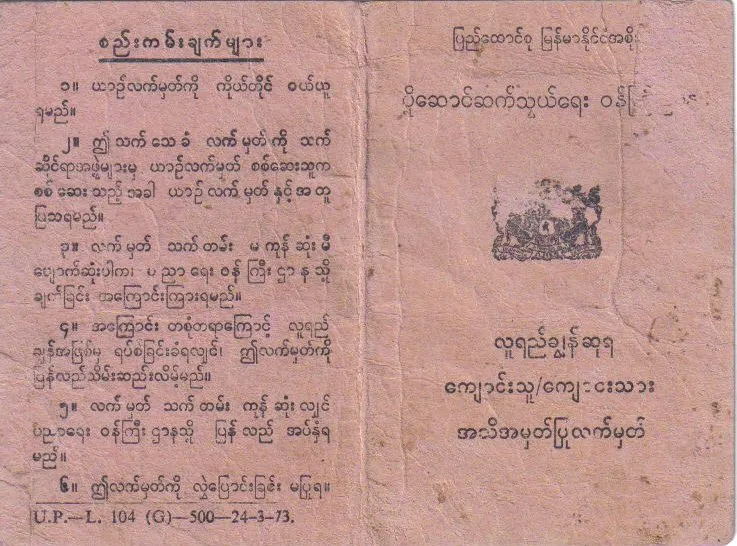
As Luyechun—“Outstanding Students”—we were selected, celebrated, and nurtured as the brightest of our generation. The system told us we were the future of the nation. We believed it. We carried that pride in our hearts for decades.
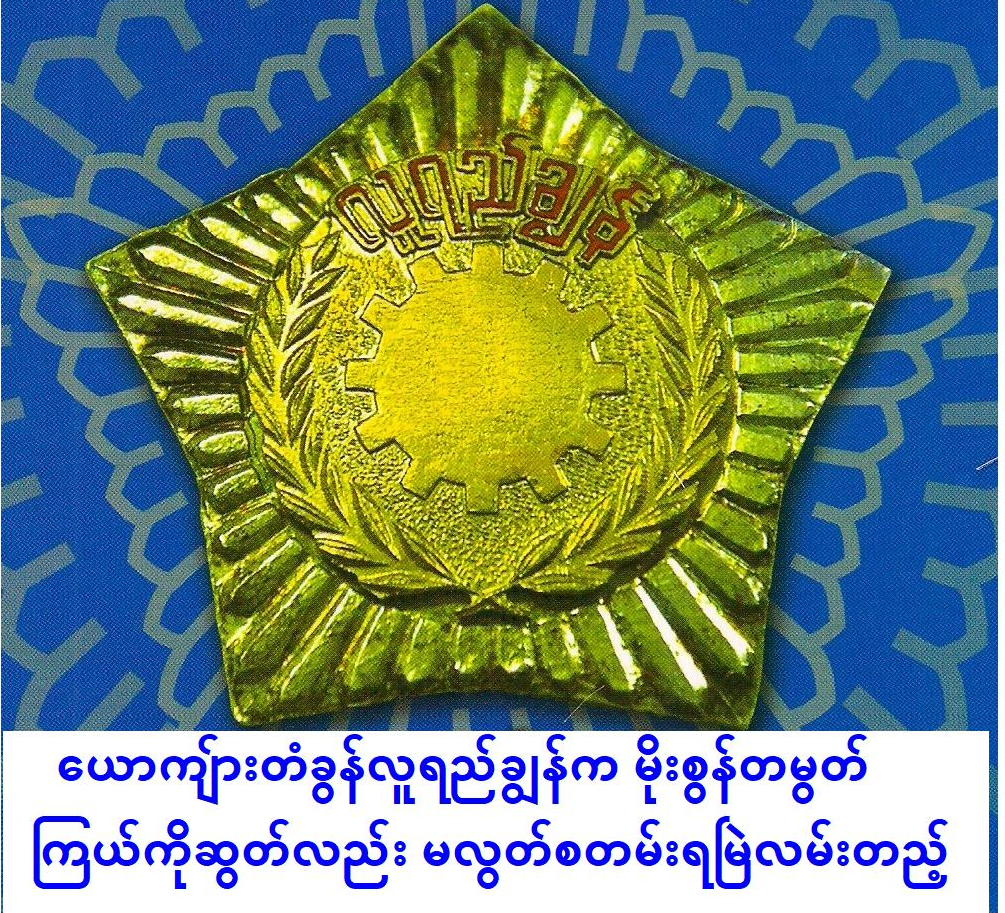
Today, more than half a century later, we look around—and we see where those “stars” have taken us.
Recently, members of the Luyechun (1964–1988) cohort proudly announced that at least twelve of our fellow Luyechuns have been appointed to high-ranking positions in the current administration under Senior General Min Aung Hlaing. Ministers, deputy ministers, council members—positions of power and influence.
Yes, it is an achievement. But is it a moment for pride—or for reflection?
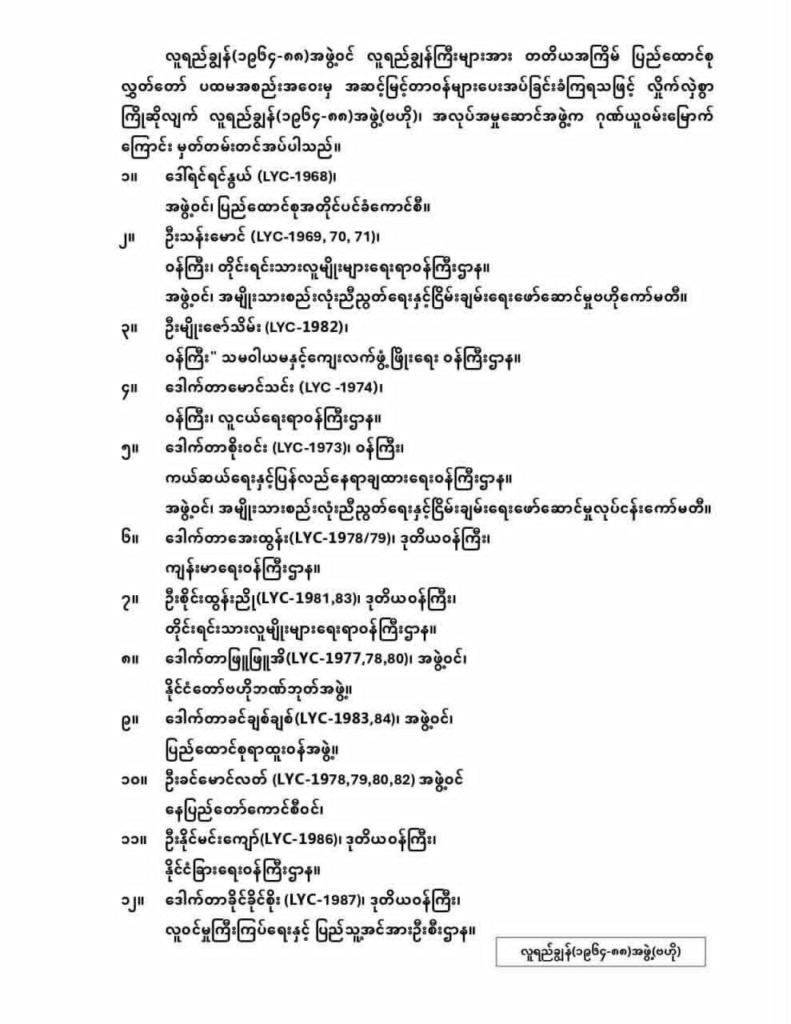
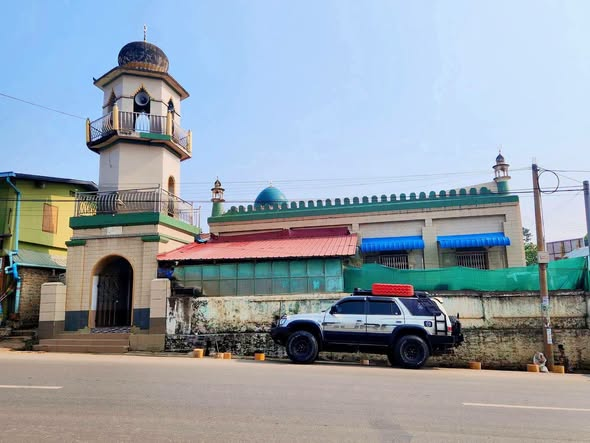
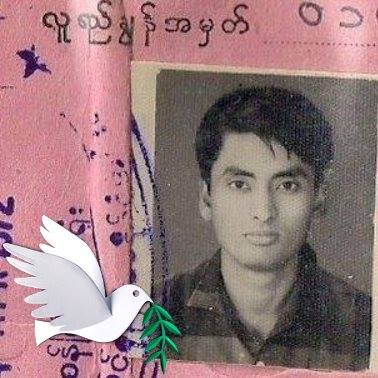
By the way, there were about ten LYC Generals, one LYC Monk, one Rohingya LYC and many Muslim LYCs.
From Stars to Orbits

We were trained to soar high. But not all trajectories are the same.
Some Luyechuns, like a spacecraft, merely circle the system—never escaping its gravitational pull. Like NASA’s Artemis II mission, they orbit, observe, and return safely to where they began.
Some, tragically, took a different path. They joined movements for change, stood on the side of justice as they saw it, and paid a heavy price—imprisonment, suffering, even death.
A few, perhaps, rose above all divisions—earning respect across communities, reaching what one might metaphorically call “heaven.”
But we must also confront an uncomfortable truth:
Many, sadly, have descended into what can only be described as a moral “hell”—not by fate, but by choices. By aligning themselves with systems that oppress, exclude, or harm others.
A System That Shaped Us
The Luyechun project, born during the era of General Ne Win, did not merely identify academic excellence. It also shaped minds—subtly, persistently—within a particular national narrative.
We were exposed to state institutions, honored by authorities, and guided—consciously or unconsciously—toward loyalty and conformity.
To be fair, not all were “brainwashed.” That would be too simplistic, and unjust.
But it would also be naïve to deny that many were influenced—deeply.
The result?
A generation of high achievers:
- Some became respected doctors, engineers, professors, and professionals
- Some became generals, ministers, and pillars of the establishment
- Some resisted and paid the price
- Some remained silent
Across Divides—Even Then
In those earlier years, there was less visible discrimination within the Luyechun selection itself.
There were Muslim Luyechuns. There were even Rohingya Luyechuns.
One example is Dr. A. H. Kamal, now living in Australia as a refugee—an irony that should give us pause. From “Outstanding Student” to stateless exile.
What does that say about the system? About the nation? About us?
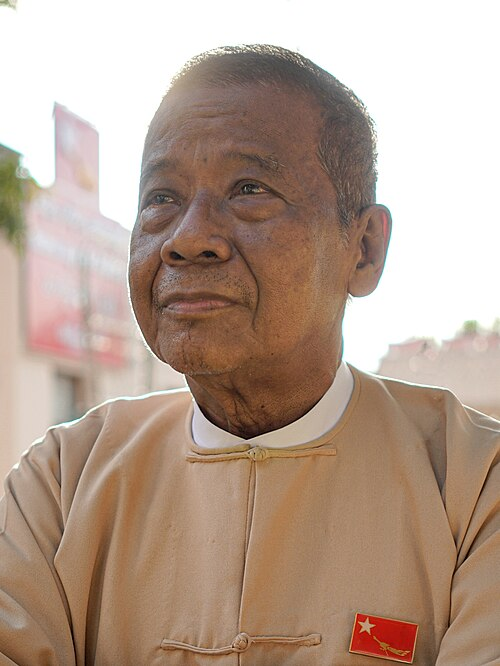
Dr Zaw Myint Maung
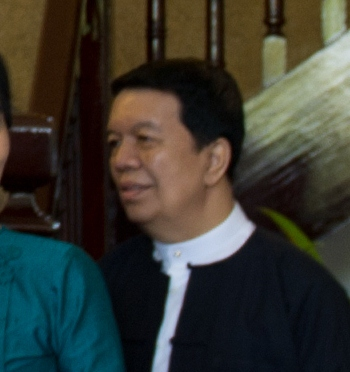
Chief Surgeon Dr Tin Myo Win of Muslim Free Hospital, Yangon, (Personal Physician of DASSK)
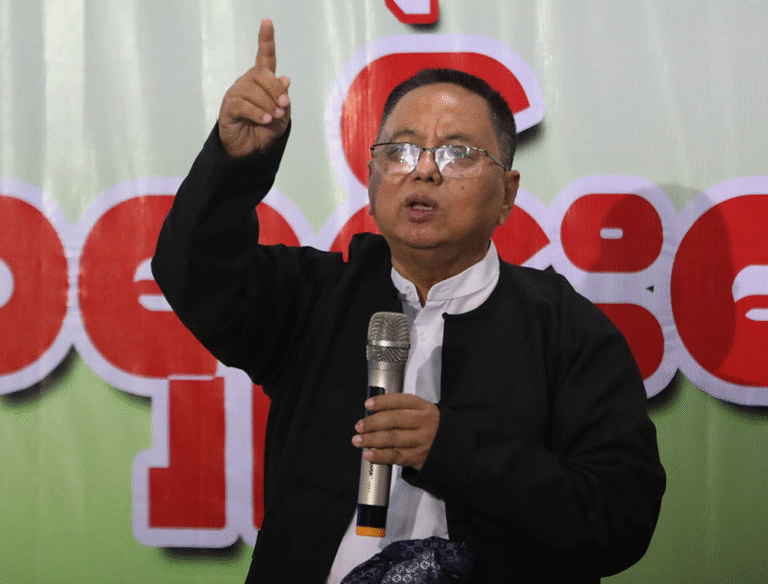
Lawyer U Thein Than Oo Irrawaddy Photo
Pride, Pain, and Responsibility
Today, we cannot simply celebrate titles and positions.
We must ask:
- What did we do with the privilege we were given?
- Did we serve truth—or power?
- Did we uplift others—or become instruments of exclusion?
Among Luyechuns, there are now:
- Generals on opposing sides
- Professionals across the world
- Victims of political persecution
- Beneficiaries of political power
Even death has not spared division—some Luyechuns have died on both sides of Myanmar’s political divide.
The Final Question
We were once told:
“The Outstanding Student will always find the path to reach the highest star.”
But today, the question is no longer whether we reached the stars.
It is this:
Where did we land?
And perhaps more importantly:
At what cost—to others, and to our own conscience?
For the new generation of Luyechuns, the challenge is clear.
Do not merely inherit the title.
Redefine it.
Become not just the brightest minds—but the bravest hearts.
Only then can Luyechun truly mean what it was always meant to mean.
ဝီကီပီးဒီးယား မှ
ယောက်ျားတံခွန်၊ လူရည်မွန်က၊ ကောင်းကင်တမွတ်၊ ကြယ်ကိုဆွတ်လည်း၊ မလွတ်စတမ်း၊ ရမြဲလမ်း သည် မြန်မာဆိုရိုးစကား ဖြစ်သည်။
အဓိပ္ပာယ်
“ယောက်ျားတံခွန်၊ လူရည်မွန်က၊ ကောင်းကင်တမွတ်၊ ကြယ်ကိုဆွတ်လည်း၊ မလွတ်စတမ်း၊ ရမြဲလမ်း” ဆိုသည်မှာ လက်ရုံးရည် နှလုံးရည်နှင့် ပြည့်စုံသော “ယောက်ျား” သည် “ကောင်းကင်တမွတ်၊ ကြယ်ကိုဆွတ်” (ကောင်းကင်မှ ကြယ်များကိုပင် ဆွတ်ခူးနိုင်သည်) ဆိုသကဲ့သို့ ယောက်ျားကောင်းပီပီ ကြိုးစားအားထုတ်ပါက မည်သည့်အရာကိုမဆို ရရှိနိုင်သည်ဟု ဆိုလိုသည်။ ဤဆိုရိုးစကားသည် ကြိုးစားမှု၊ ဇွဲလုံ့လနှင့် စိတ်ဓာတ်၏ အရေးပါမှုကို ဖော်ပြသည်။ အခက်အခဲများ မည်မျှပင်ကြီးမားစေကာမူ စိတ်ဓာတ်ခိုင်မာပြီး ကြိုးစားအားထုတ်ပါက အောင်မြင်မှု ရရှိနိုင်သည်ဟု ယူဆကြသည်။ “ယောက်ျားတံခွန်၊ လူရည်ချွန်က… မိုးစွန်တမွတ်ကြယ်ကိုဆွတ်လည်း မလွတ်စတမ်းရမြဲလမ်းတည့်” ဟူ၍လည်း အသုံးပြုသည်။
ကိုးကားချက်များ
- “ယောက်ျားတံခွန်၊ လူရည်မွန်က၊ မိုးစွန်အထွတ်၊ ကြယ်ကိုဆွတ်သို့၊ မလွတ်တူပျဉ်၊ စက်ဖော်ယှဉ်သား၊”
- “ကောင်းကင်တမွတ်၊ ကြယ်ကိုဆွတ်လည်း၊ မလွတ်စတမ်း၊ ရမြဲလမ်းဆိုသော ရှေးလူကြီးစကားစဉ်အလာ သူကလေးကို ရဖို့အရေးဟာ ကောင်းကင်က ကြယ်ကို ဆွတ်သလောက် မခက်ခဲပါဘူး။”
ကိုးကား
- မြန်မာဆိုရိုးစကား (ပထမအကြိမ် ed.)။ မြန်မာစာအဖွဲ့ဦးစီးဌာန။ အောက်တိုဘာ ၁၉၉၆။
- [၉၀၄] ဘုံ ၁၁။
- [၁၂၉၂] ကဝိမှန်၊ ၄၊ ၂။ ၉၄။
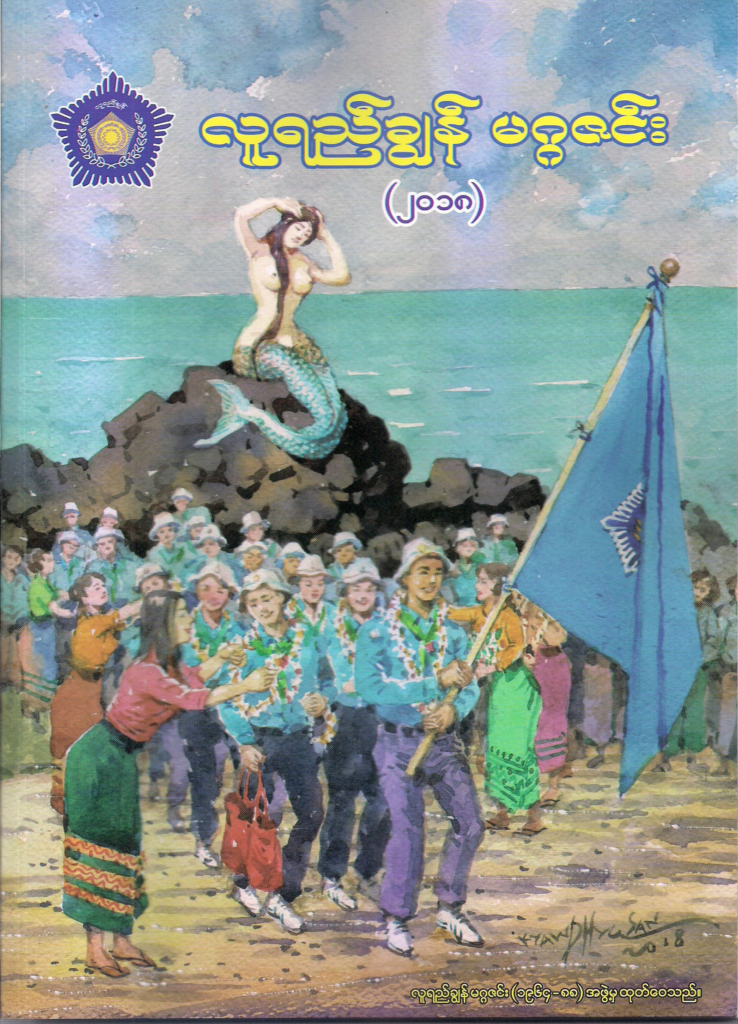

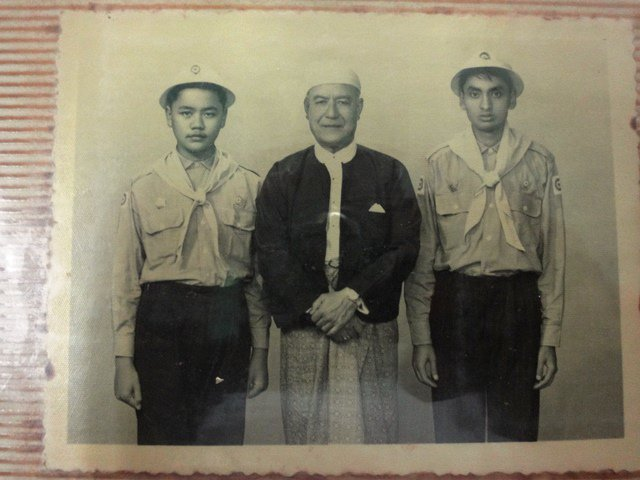
St Peters No 9 BEHS Headmaster U Ba Thaw, Than Win and Ko Ko Gyi
Read also:
1/ Muslim Luyechuns or Outstanding Students
2/ Outstanding Student (Lu-Ye Chun လူရည်ချွန်) Project
4/ Crème de la crème of Myanmar Gen Z LYCs Vs scum of sh*t of Gen L old LYCs