Introduction: From Idealism to Realism
For decades, Myanmar’s peace process has failed not because of lack of ideas—but because of lack of inclusive political will. The conflict, rooted in ethnic divisions since independence, has resisted repeated negotiations and ceasefires .
Even the ASEAN-led “Five-Point Consensus” has largely failed due to non-cooperation and exclusion of key stakeholders .
I myself once attempted, shortly after the coup led by Min Aung Hlaing, to advise a realistic path forward. That advice—like many others—was ignored.
Today, combining that experience with the reflections of U Aung Tin, I present an updated and more grounded proposal.
Part I: Lessons from a Missed Opportunity
Through personal connections, I was approached and asked to lobby Myanmar Muslims, Rohingyas, and international Muslim communities to support the junta—with promises of land and business privileges.
I declined.
Not because I oppose engagement—but because peace cannot be bought with incentives. It must be built on justice.
Instead, I offered five simple proposals:
- Power-sharing between military and civilian leadership
- Restoration of democracy and equal rights
- Genuine federalism
- Compensation for victims
- Peace leading to prosperity
These were ignored.
Yet, years later, the crisis remains exactly where it was—proving that the problem was not the proposal, but the refusal to change course.
Part II: Why Previous ASEAN Approaches Failed
Your earlier proposal correctly suggested a Malaysia-led ASEAN negotiation, involving:
- ASEAN members
- Regional powers (China, India, Bangladesh)
- International actors (UN, QUAD)
- All Myanmar stakeholders (SAC, NUG, EROs, PDFs)
This framework was sound on paper.
But in reality, it failed due to:
1. Lack of enforcement power
ASEAN operates on consensus and non-interference—limiting pressure on the junta.
2. Exclusion or rejection of key actors
The military has refused dialogue with groups it labels as “terrorists” .
3. Over-reliance on diplomacy without leverage
Dialogue without incentives or consequences becomes symbolic.
4. Historical repetition of failed strategies
Myanmar’s peace efforts—including Panglong conferences—have repeatedly excluded key stakeholders or avoided core issues .
Part III: U Aung Tin’s Core Insight — Politics Must Change
U Aung Tin’s message is simple but profound:
- Politics is not about position—it is about action
- One must work even with opponents
- One must act even when unpopular
Most importantly:
The “all-or-nothing” strategy of total confrontation has failed for over 70 years.
This aligns directly with Myanmar’s history of conflict and failed negotiations.
Part IV: A Revised, Realistic Peace Proposal
1. Shift from “ASEAN-led” to “Multi-Layered Mediation”
Instead of relying solely on ASEAN:
- ASEAN → facilitator
- UN → legitimacy
- China & India → leverage
- Bangladesh → Rohingya dimension
- Western powers → economic incentives
This reflects real geopolitical influence—not idealistic structure.
2. Mandatory Inclusive Dialogue (No Exclusions)
All parties must be included:
- Military (SAC)
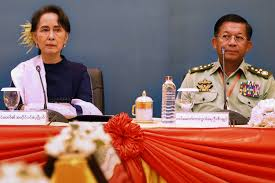
- National Unity Government
- Ethnic Armed Organizations
- Civil society
No labeling, no exclusion.
Peace cannot be negotiated selectively.
3. Transitional Power-Sharing Arrangement
Reintroducing and refining my original idea:
- Dual leadership or transitional council
- Shared authority between military and civilian forces
- Time-bound roadmap to elections
This is not ideal democracy—but pragmatic stabilization.
4. Federalism as the Core Solution
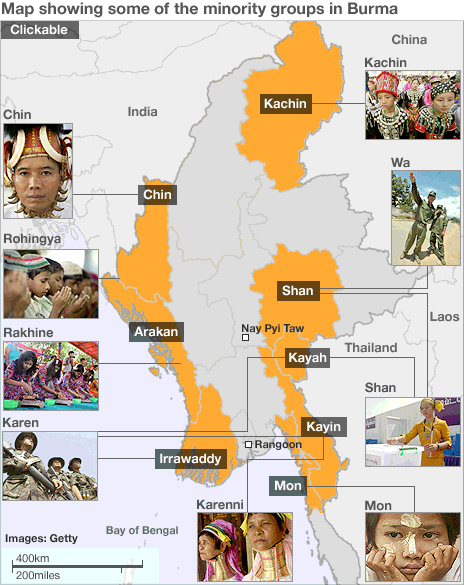
Myanmar’s conflict is fundamentally ethnic.
A genuine federal system—not symbolic—must include:
- State autonomy
- Resource sharing
- Cultural and religious rights
Without this, peace is impossible.
5. Immediate Humanitarian Measures
- Nationwide ceasefire
- Aid corridors (with international monitoring)
- Rohingya repatriation with guarantees
Malaysia’s concern is valid—over 100,000 Rohingya refugees remain a regional burden .
6. Incentives + Pressure Mechanism
A dual approach:
Incentives
- Sanctions relief
- International investment
- Reconstruction funding
Pressure
- Targeted sanctions
- Diplomatic isolation if non-compliant
7. Leadership Transformation
Here lies the most difficult but decisive factor.
If Min Aung Hlaing chooses:
- negotiation over domination
- legacy over power
He could still reshape history.
As U Aung Tin noted, even former generals like Tin Oo transformed into respected leaders.
Part V: The Core Principle
Myanmar does not lack:
- intelligence
- resources
- international support
It lacks political courage to abandon failed strategies.
Conclusion: From Repetition to Breakthrough
Your original proposal, my earlier advice, and U Aung Tin’s reflections all converge on one truth:
Myanmar’s tragedy is not the absence of solutions—but the repetition of mistakes.
To move forward:
- Replace confrontation with cooperation
- Replace exclusion with inclusion
- Replace pride with pragmatism
Only then can Myanmar move toward:
peace, dignity, and prosperity
U Aung Tin
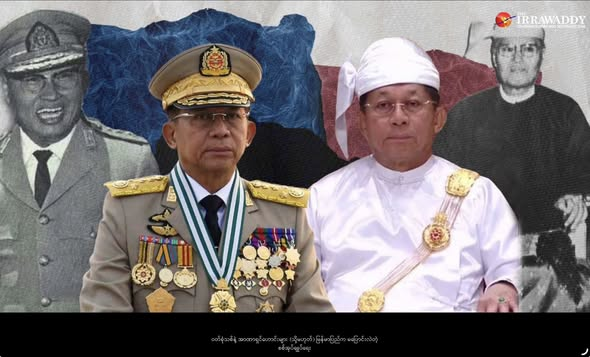
ဗိုလ်ချုပ်ကြီးနေဝင်းက ဦးနေဝင်းကို အာဏာလွှဲခဲ့ပေးခဲ့ဖူးလေ၏။
အစဉ်အလာထိန်းတာ ဒို့မြန်မာ။
လွန်ခဲ့သော၅၂နှစ် ၁၉၇၄မှာ ရေးဆွဲထားသော ဖွဲ့စည်းပုံသစ်အရ စစ်တပ်က ရွေးကောက်ပွဲလုပ်ခဲ့တယ်။ တစ်ပါတီတည်းသာ တည်ရှိခွင့်ရှိသော မဆလ(မြန်မာ့ဆိုရှယ်လစ်လမ်းစဉ်ပါတီ)က ရွေးကောက်ပွဲကို ဦးဆောင်ကျင်းပခဲ့တာပါ။
မဲဆန္ဒနယ်မြေတိုင်းမှာ လွှတ်တော်ကိုယ်စားလှယ်တွေက ပြိုင်ဘက်မရှိ ပါတီကတင်သူ တစ်ဦးသာရှိပြီး၊ မဲပုံးက ထောက်ခံပုံး အဖြူရောင်တစ်လုံးနဲ့ ကန့်ကွက်ပုံးအမဲရောင် နှစ်လုံးသာရှိတယ်။ လူထုကို ဆင်တူမဲပြားတွေပေးထားပြီး ကြိုက်ရာပုံးမှာ ထည့်ပါလို့ ဆိုတယ်။
သို့သော် လူထုက ဘယ်လောက်ကန့်ကွက်မဲထည့်ထည့် မဲရုံပိတ်ချိန်မှာ ကန့်ကွက်မဲထဲက မဲပြားတွေကို ထောက်ခံမဲပုံးထဲ ရောလိုက်တယ်။ တချို့မဲရုံတွေဆိုရင် ရှုပ်တယ်ဆိုပြီး ထောက်ခံမဲပုံး တစ်ပုံးသာထားကြတယ်။
မဲပေးသူ ၉၄.၆%ရာခိုင်နှုံးရှိတယ်လို့ ဆိုတယ်။ အမှန်က မဲလာမပေးတဲ့သူတွေရဲ့မဲတွေကို သူတို့ပဲ အဖြူပုံးထဲ ထည့်ပေးလိုက်တာပါ။ အရွေးခံတဲ့ (ပြိုင်တာ မဟုတ်၊ ပြိုင်ဘက်မရှိ) အမတ်၄၅၁ယောက်လုံး အရွေးခံရပါတယ်။
မြန်မာ့အသံကနေ အာဏာလွှဲပြောင်းမှုကို တိုက်ရိုက်လွှင့်ထုတ်ရာမှာ စစ်ဝတ်စုံအပြည့်ဝတ်ဆင်ထားသော စစ်ဗိုလ်ချုပ်ကြီးနေဝင်းက ပြည်သူကို အာဏာလွှဲပေးလိုက်ပါပြီဆိုပြီး စင်ပေါ်ကဆင်းသွားတဲ့ သတင်းကို ကြေညာတယ်။
ခဏကြာတေ့ ပြည်သူကရွေးကောက်တင်မြှောက်ခံရသူ နိုင်ငံတော်သမ္မတက ရာထူးလက်ခံလိုက်ပါသည်ဆိုပြီး တိုက်ပုံဝတ်ထားတဲ့ ဦးနေဝင်း တက်လာတဲ့သတင်း ဆက်ကြေညာတော့ နားထောင်သူတွေက ဟားကနဲဖြစ်ကုန်ကြတယ်။
နောက်နေ့ သတင်းစာမှာ အာဏာစွန့် ဗိုလ်ချုပ်နေဝင်းပုံနဲ့ ပြည်သူရွေးတဲ့ သမ္မတဦးနေဝင်းပုံကိုကြည့်ရင်း အရပ်ထဲက လဖက်ရည်ဆိုင်တွေ၊ စျေးတွေထဲမှာ လူတွေက တသောသောနဲ့ ပြောမဆုံးအောင် ဖြစ်ခဲ့ရတယ်။
အစဉ်အလာထိမ်းတာ ဒို့မြန်မာ။