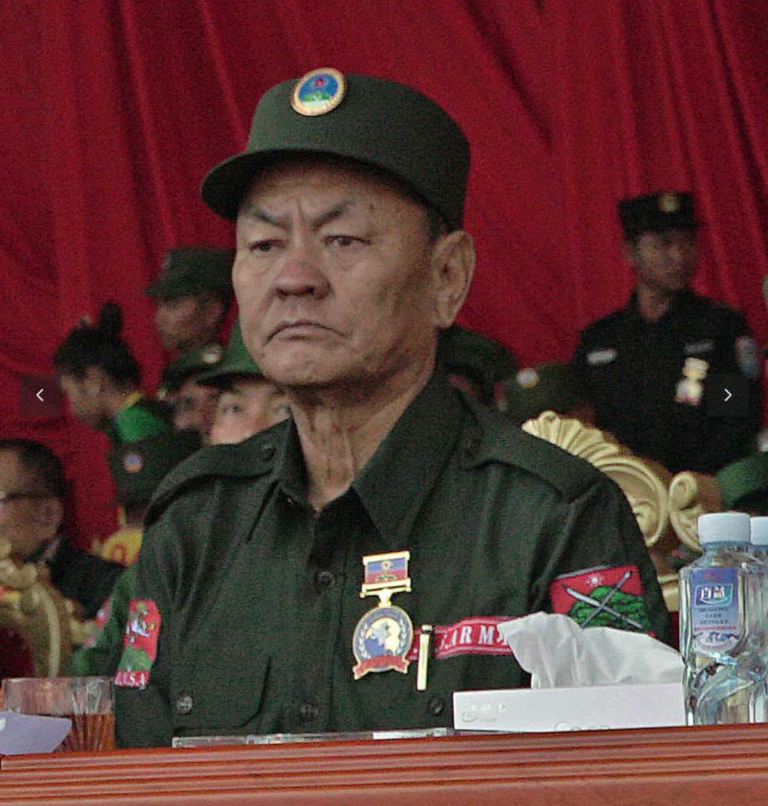
၂၀၂၆ ခုနှစ် အောက်တိုဘာ ၁၅ ရက်နေ့က နေပြည်တော်၌ ကျင်းပခဲ့သည့် တစ်နိုင်ငံလုံး ပစ်ခတ်တိုက်ခိုက်မှု ရပ်စဲရေးသဘောတူစာချုပ် (NCA) ၁၁ နှစ်ပြည့် နှစ်ပတ်လည်နေ့ အခမ်းအနားသို့ တရုတ်နိုင်ငံခြားရေးဝန်ကြီးဌာန၏ အာရှရေးရာ အထူးကိုယ်စားလှယ် မစ္စတာ တိန့်ရှီကျွမ်း (Deng Xijun) ပေးပို့ခဲ့သော ဗီဒီယိုသဝဏ်လွှာတွင် မြန်မာနိုင်ငံရှိ တိုင်းရင်းသားလူနည်းစုများအနေဖြင့် သင့်တော်သည့် သဘောတူညီချက်များမှတစ်ဆင့် “အဆင့်မြင့်မားသည့် ကိုယ်ပိုင်အုပ်ချုပ်ခွင့်ရ ပုံစံများ (High Autonomous Status / Heightened Self-administration)” ကို ရှာဖွေဖော်ထုတ်ကြရန် တိုက်တွန်း ပြောကြားချက် ပါဝင်ခဲ့သည်။
နိုင်ငံရေးနှင့် စစ်ရေးလေ့လာဆန်းစစ်သူများ၏ အမြင်အရ ဤပြောကြားချက်အပေါ် သုံးသပ်ချက်များမှာ အောက်ပါအတိုင်း ဖြစ်ပါသည်-
- တရုတ်နိုင်ငံ၏ ပုံစံကို ရည်ညွှန်းခြင်း- ဤတိုက်တွန်းချက်သည် တရုတ်နိုင်ငံအတွင်း ကျင့်သုံးနေသည့် “လူမျိုးစု ကိုယ်ပိုင်အုပ်ချုပ်ခွင့်ရဒေသ (Autonomous Regions)” ပုံစံမျိုး သို့မဟုတ် ဟောင်ကောင်၊ မကာအိုတို့ကဲ့သို့ အထူးအုပ်ချုပ်ရေးဒေသ ပုံစံမျိုးကို အတုယူရန် သွယ်ဝိုက်ရည်ညွှန်းခြင်း ဖြစ်နိုင်ကြောင်း သုံးသပ်ကြသည်။
- တရုတ်၏ မဟာဗျူဟာမြောက် ရပ်တည်ချက်- တရုတ်နိုင်ငံအနေဖြင့် မြန်မာနိုင်ငံမြောက်ပိုင်း တည်ငြိမ်ရေးနှင့် ၎င်းတို့၏ တရုတ်-မြန်မာ စီးပွားရေးစင်္ကြံ (CMEC) အပါအဝင် ခေတ်သစ်ပိုးလမ်းမကြီး (BRI) စီမံကိန်းများကို ဆက်လက်အကောင်အထည်ဖော်နိုင်ရန် စစ်ကောင်စီနှင့် တိုင်းရင်းသားလက်နက်ကိုင်အဖွဲ့များ (EAOs) အကြား ယာယီအပစ်ရပ်ရုံတင်မကဘဲ နိုင်ငံရေးအရ အပေးအယူလုပ်နိုင်မည့် လမ်းကြောင်းကို တွန်းအားပေးလိုသည့် သဘောဖြစ်သည်။
- ဝေဖန်ဆန်းစစ်မှုများ- အချို့သော နိုင်ငံရေးလေ့လာသုံးသပ်သူများ (ဥပမာ- စိုင်းဝမ်ဆိုင်း) ကမူ ဤချဉ်းကပ်မှုသည် တိုင်းရင်းသား လက်နက်ကိုင်များအနေဖြင့် ဗဟိုအစိုးရ (စစ်ကောင်စီ) ၏ အချုပ်အခြာအာဏာကို စိန်ခေါ်နေခြင်းကို စွန့်လွှတ်ပြီး ဒေသန္တရအဆင့် ခွဲတမ်းပေးမည့် အုပ်ချုပ်ရေးအာဏာအနည်းငယ်ကိုသာ လက်ခံရန် တိုက်တွန်းသည့် သဘောဖြစ်နေသဖြင့် ရေရှည်တည်ငြိမ်သော ငြိမ်းချမ်းရေးအတွက် အလုပ်မဖြစ်နိုင်ကြောင်း ဝေဖန်ထောက်ပြထားကြသည်။
တရုတ်အထူးကိုယ်စားလှယ် မစ္စတာ တိန့်ရှီကျွမ်း (Deng Xijun) ၏ ပြောကြားချက်အပေါ် သက်ဆိုင်ရာအဖွဲ့အစည်းများနှင့် နိုင်ငံရေးလေ့လာသူများ၏ တုံ့ပြန်မှုနှင့် ဝေဖန်ဆန်းစစ်ချက်များမှာ အောက်ပါအတိုင်း ပိုမိုနက်ရှိုင်းစွာ ကွဲပြားနေပါသည်-
၁။ စစ်ကောင်စီနှင့် တိုင်းရင်းသားအဖွဲ့များ၏ တုံ့ပြန်မှု/သဘောထား
- စစ်ကောင်စီ၏ အကြပ်ရိုက်မှုနှင့် ဝေဖန်မှုများ-
စစ်ကောင်စီ၏ မီဒီယာအချို့ (ဥပမာ- Eleven Media) တွင် ဖော်ပြချက်များအရ တရုတ်အထူးကိုယ်စားလှယ်၏ ဤချဉ်းကပ်မှုသည် မြန်မာနိုင်ငံ၏ အချုပ်အခြာအာဏာကို ထိပါးရာရောက်ပြီး တရုတ်၏ “ဝင်ရောက်မစွက်ဖက်ရေး” မူဝါဒနှင့် ဆန့်ကျင်နေကြောင်း သွယ်ဝိုက်ဝေဖန်ထားကြသည်။ စစ်ကောင်စီသည် ၎င်းတို့၏ ၂၀၀၈ ဖွဲ့စည်းပုံအခြေခံဥပဒေဘောင်ကို ကျော်လွန်သည့် “အဆင့်မြင့်မားသော ကိုယ်ပိုင်အုပ်ချုပ်ခွင့်” မျိုးကို ပေးရန် တွန့်ဆုတ်နေပြီး၊ တရုတ်ဘက်က နယ်စပ်ဆွေးနွေးပွဲများ (ဥပမာ- ဟိုင်ဂင်ဆွေးနွေးပွဲများ) မှတစ်ဆင့် တစ်ဖက်သတ်ဖိအားပေးနေသည်ဟု မြင်နေကြသည်။ - တိုင်းရင်းသားလက်နက်ကိုင်အဖွဲ့များ (EAOs) ၏ သဘောထား ကွဲပြားမှု-
- NCA လက်မှတ်ရေးထိုးထားသည့် အဖွဲ့ငယ်များ- အခမ်းအနားသို့ ALP၊ DKBA၊ LDU၊ NMSP၊ RCSS၊ KNU/KNLA-PC စသည့် အဖွဲ့များ တက်ရောက်ခဲ့သော်လည်း ၎င်းတို့သည် စစ်ရေး၊ နိုင်ငံရေးအရ အားနည်းနေသဖြင့် တရုတ်၏ တိုက်တွန်းချက်အပေါ် သိသာထင်ရှားသည့် တုံ့ပြန်မှု မပြုလုပ်နိုင်ကြပေ။
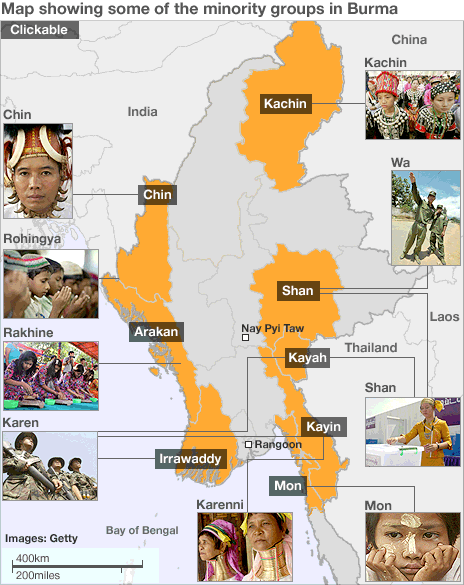
- မြောက်ပိုင်းမဟာမိတ်အဖွဲ့များ (ဥပမာ- ဝ၊ မိုင်းလား၊ ကိုးကန့်၊ တအာင်း၊ ရခိုင်)- တရုတ်နှင့် နီးစပ်သည့် မြောက်ပိုင်းအဖွဲ့များသည် ၎င်းတို့ကိုယ်တိုင် “ဝ မော်ဒယ်” သို့မဟုတ် “မိုင်းလား မော်ဒယ်” ကဲ့သို့သော ကိုယ်ပိုင်အုပ်ချုပ်ခွင့်ရစနစ်များကို လက်တွေ့ကျင့်သုံးနေကြသူများ ဖြစ်သည်။ သို့သော် ၎င်းတို့၏ ရည်မှန်းချက်မှာ စစ်ကောင်စီအောက်တွင် ခစားရသည့် အုပ်ချုပ်ရေးမျိုး မဟုတ်ဘဲ၊ ပိုမိုကျယ်ပြန့်သည့် ကွန်ဖက်ဒရိတ် (Confederation) သို့မဟုတ် ဖက်ဒရယ်အခွင့်အရေး ဖြစ်သဖြင့် တရုတ်၏ တိုက်တွန်းချက်သည် ၎င်းတို့၏ ရည်မှန်းချက်ထက် နိမ့်ကျနေနိုင်သည်ဟု ရှုမြင်ကြသည်။
၂။ နိုင်ငံရေးလေ့လာသုံးသပ်သူများ၏ အသေးစိတ်ဝေဖန်ချက်များ
နိုင်ငံရေးနှင့် စစ်ရေးလေ့လာသူများ (ဥပမာ- ရှင်ဟေရယ်သတင်းဌာနမှ စိုင်းဝမ်ဆိုင်း နှင့် အခြားအကဲခတ်များ) က တရုတ်၏ ဤမဟာဗျူဟာကို “ငြိမ်းချမ်းရေးအတုအယောင် သို့မဟုတ် ထာဝရပဋိပက္ခဆီသို့ ဦးတည်စေမည့် လမ်းညွှန်ချက်” ဟု ပြင်းပြင်းထန်ထန် ဝေဖန်ထားကြသည်-
က။ “နိုင်ငံရေး အဖြေ” မဟုတ်ဘဲ “စီးပွားရေးနှင့် တည်ငြိမ်ရေး” ကိုသာ ကြည့်ခြင်း
လေ့လာသူများက တရုတ်၏ စိတ်ဝင်စားမှုသည် မြန်မာပြည်သူများ လိုလားသည့် ဒီမိုကရေစီနှင့် လူ့အခွင့်အရေး မဟုတ်ဘဲ ၎င်းတို့၏ ဘီလီယံနှင့်ချီသော စီးပွားရေးစီမံကိန်းများ (BRI/CMEC) ကာကွယ်ရေးနှင့် နယ်စပ်ကုန်သွယ်ရေး ပြန်ဖွင့်နိုင်ရေးသာ ဖြစ်ကြောင်း ထောက်ပြကြသည်။ တိန့်ရှီကျွမ်း၏ မိန့်ခွန်းတွင် ဖွဲ့စည်းပုံအခြေခံဥပဒေ ပြုပြင်ပြောင်းလဲရေး သို့မဟုတ် အာဏာရှင်စနစ် ချုပ်ငြိမ်းရေးတို့ကို လုံးဝချန်လှပ်ထားခဲ့သည်။
ခ။ “ဝ မော်ဒယ် / မိုင်းလား မော်ဒယ်” များ၏ လိပ်ခဲတည်းလည်း အခြေအနေ
အချို့သော အကဲခတ်များက “ဝ” နှင့် “မိုင်းလား” ပုံစံများသည် ဒေသတွင်း စီးပွားရေးနှင့် စစ်ရေးအရ တဒင်္ဂတည်ငြိမ်မှု ပေးနိုင်သော်လည်း၊ ဗဟိုအစိုးရနှင့် တရားဝင် နိုင်ငံရေးအရ အဖြေရှာမထားနိုင်သဖြင့် “လိပ်ခဲတည်းလည်း (Warlord Status)” သာ ဖြစ်နေပြီး ရေရှည်ငြိမ်းချမ်းရေးကို မဖော်ဆောင်နိုင်ကြောင်း သုံးသပ်ကြသည်။
ဂ။ ဗဟိုအာဏာကို စွန့်လွှတ်ခိုင်းပြီး အပိုင်းအစ ဝေစုပေးသည့် သဘော (Crumbs Strategy)
စိုင်းဝမ်ဆိုင်း၏ သုံးသပ်ချက်အရ တရုတ်၏ ဗျူဟာသည် တိုင်းရင်းသားလက်နက်ကိုင်များအနေဖြင့် ဗဟိုချက် (နေပြည်တော်) ရှိ စစ်အာဏာရှင်စနစ်ကို ဖြုတ်ချမည့် ရည်မှန်းချက်များကို စွန့်လွှတ်ရန် တိုက်တွန်းခြင်း ဖြစ်သည်။ စစ်ကောင်စီ၏ စစ်အာဏာစိုးမိုးမှုကို လက်ခံပြီး ၎င်းတို့ပေးမည့် ဒေသန္တရအဆင့် အုပ်ချုပ်ရေးအာဏာ အပိုင်းအစလေးများ (Administrative Crumbs) ကိုသာ ယူရန် ညှိနှိုင်းပေးခြင်း ဖြစ်သဖြင့် ၎င်းသည် မြန်မာ့ပဋိပက္ခကို မဖြေရှင်းနိုင်ဘဲ အပစ်ရပ်စဲရေး သံသရာထဲတွင်သာ လည်ပတ်နေစေလိမ့်မည်ဟု ဆိုသည်။
ဃ။ အဓိက အင်အားစုများကို ချန်လှပ်ထားခြင်း
ဤချဉ်းကပ်မှုတွင် တော်လှန်ရေး၏ အဓိက မောင်းနှင်အားများဖြစ်သော အမျိုးသားညီညွတ်ရေးအစိုးရ (NUG)၊ PDFs များနှင့် လူထုတော်လှန်ရေး လှုပ်ရှားမှုများ ကို အင်အားစုများအဖြစ် ထည့်သွင်းစဉ်းစားခြင်း မရှိဘဲ ဥပေက္ခာပြုထားခြင်းက တရုတ်၏ ငြိမ်းချမ်းရေးဗျူဟာကို လမ်းဆုံး (Dead End) သို့သာ ပို့ဆောင်လိမ့်မည်ဟု ဝေဖန်ထားကြပါသည်။
During the 11th anniversary ceremony of the Nationwide Ceasefire Agreement (NCA) held in Naypyidaw, the Special Envoy for Asian Affairs of the Ministry of Foreign Affairs of China, Mr. Deng Xijun, sent a video message. In his address, he explicitly encouraged Myanmar’s ethnic minority groups to seek and explore “high-level autonomous models” (High Autonomous Status / Heightened Self-administration) through appropriate agreements.
Political and military analysts have offered the following initial assessments regarding his remarks:
- Reference to the Chinese Governance Model: Analysts interpret this recommendation as a subtle nudge toward adopting models similar to China’s own “Ethnic Autonomous Regions” or the Special Administrative Region (SAR) frameworks used in Hong Kong and Macau.
- China’s Strategic Stance: Beijing’s primary objective is ensuring stability in northern Myanmar to protect its massive investments, including the China-Myanmar Economic Corridor (CMEC) under the Belt and Road Initiative (BRI). Pushing for this model indicates that China wants the military junta and Ethnic Armed Organizations (EAOs) to move past temporary ceasefires and enter into a political compromise.
- Critical Interpretations: Some veteran political analysts, such as Sai Wansai, argue that this approach pressures ethnic armed groups to abandon their challenge against the central junta’s sovereignty. By urging them to settle for localized, devolved administrative powers instead, critics argue this framework fails to address the root causes of the conflict and will not lead to sustainable, long-term peace.
1. Responses and Stances of the Military Junta and Ethnic Armed Organizations (EAOs)
- The Military Junta’s Dilemma and Criticism:
According to reports from state-aligned and military-vetted media outlets, the junta implicitly views China’s proposed approach as an infringement on Myanmar’s national sovereignty. They argue that pushing for such regional autonomy directly contradicts Beijing’s long-standing policy of “non-interference” in the internal affairs of neighboring states. The junta remains highly reluctant to grant any form of “high autonomy” that goes beyond the parameters of the military-drafted 2008 Constitution, viewing China’s border-level negotiations as an attempt to exert unilateral pressure. - Divided Stances Among Ethnic Armed Organizations (EAOs):
- NCA Signatories: While smaller groups like the ALP, DKBA, LDU, NMSP, RCSS, and KNU/KNLA-PC attended the anniversary event, they currently lack the military and political leverage to formulate a strong, cohesive response to China’s proposal.
- The Northern Alliance (e.g., Wa, Mong La, Kokang, Ta’ang, Rakhine): These China-proximate border groups already practice de facto self-rule under models similar to the “Wa” or “Mong La” autonomous zones. However, their ultimate political objective is a broader, legally binding Federation or Confederation rather than an administrative status granted under the junta’s thumb. Therefore, China’s call for them to settle for localized autonomy falls short of their strategic ambitions.
2. Detailed Critiques by Political and Military Analysts
Prominent political analysts and commentators (including veteran ethnic affairs analysts like Sai Wansai) have sharply criticized China’s strategy, characterizing it as a “blueprint for a superficial peace” that will ultimately prolong the conflict:
A. Prioritizing Border Stability Over A Genuine Political Solution
Analysts point out that China’s primary interest does not lie in democratic transition or human rights for the people of Myanmar, but rather in safeguarding its billion-dollar Belt and Road Initiative (BRI) projects, specifically the China-Myanmar Economic Corridor (CMEC). Deng Xijun’s speech conspicuously omitted any mention of genuine constitutional reform, transitional justice, or the eradication of the military dictatorship.
B. The Legal Limbo of the “Wa/Mong La” Models
While the “Wa” and “Mong La” models have successfully maintained localized security and economic trade along the border, they exist in a legal and political limbo. Because these zones lack a formal constitutional agreement with the central government, analysts warn that expanding this blueprint will merely institutionalize a network of warlord-led fiefdoms rather than establishing a durable national peace.
C. The “Crumbs Strategy”: Abandoning the Core Political Struggle
Sai Wansai argues that China’s strategy is designed to pressure ethnic revolutionary forces into abandoning their primary objective—overthrowing the military regime in Naypyidaw. By asking them to accept the junta’s central authority in exchange for administrative crumbs (localized self-administration), Beijing is pushing a formula that fails to address the root causes of the civil war, trapping the country in an endless cycle of temporary ceasefires.
D. The Exclusion of Key Revolutionary Stakeholders
A fatal flaw in China’s diplomatic framework is its complete exclusion of the primary engines driving the current resistance—the National Unity Government (NUG), People’s Defense Forces (PDFs), and the mainstream pro-democracy movement. Analysts conclude that any peace initiative that ignores these core stakeholders is fundamentally a political dead end.