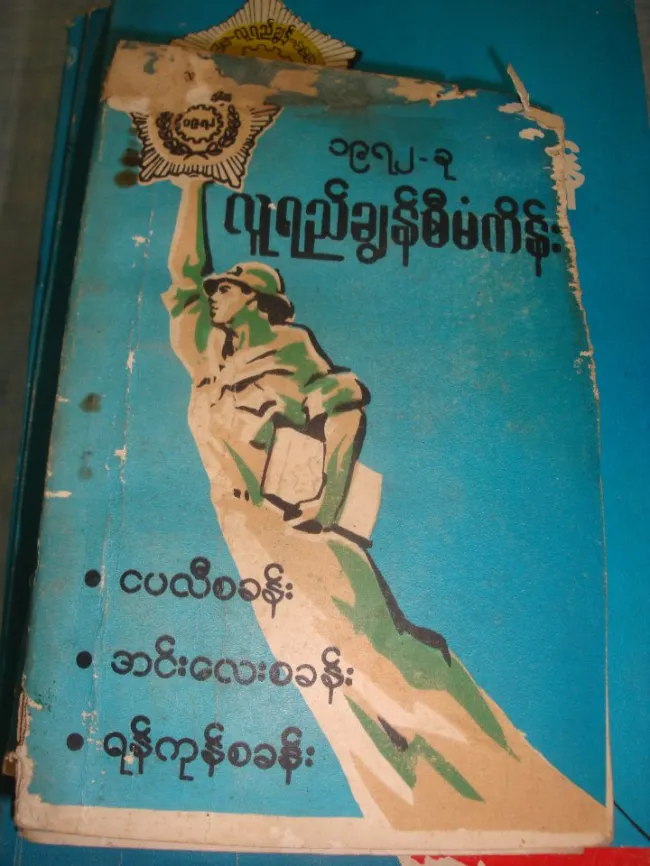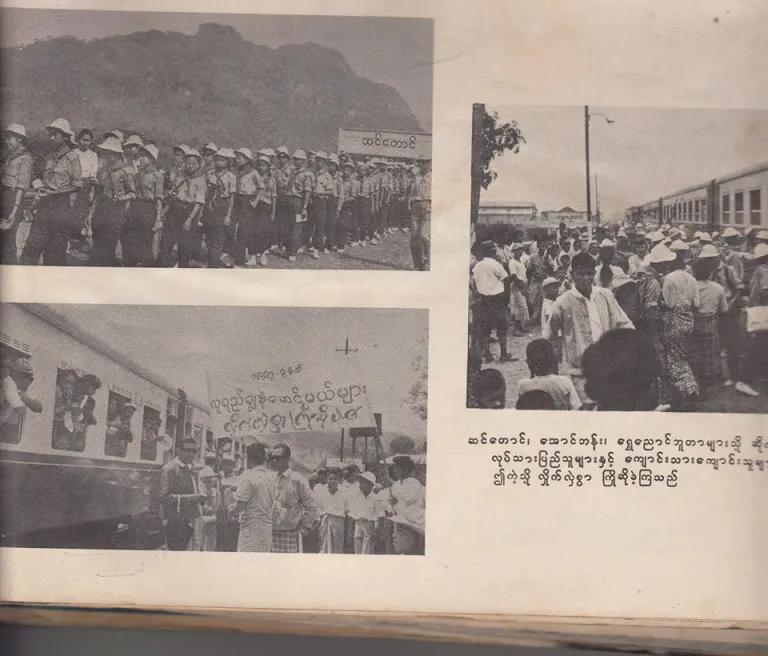
After the brutal crackdown on university students on 7 July 1962, General Ne Win’s regime understood that brute force alone would not be enough to control Myanmar’s future. What the military feared most were thinking, organized, and morally courageous youth. So, they turned to a more insidious weapon: indoctrination disguised as opportunity.
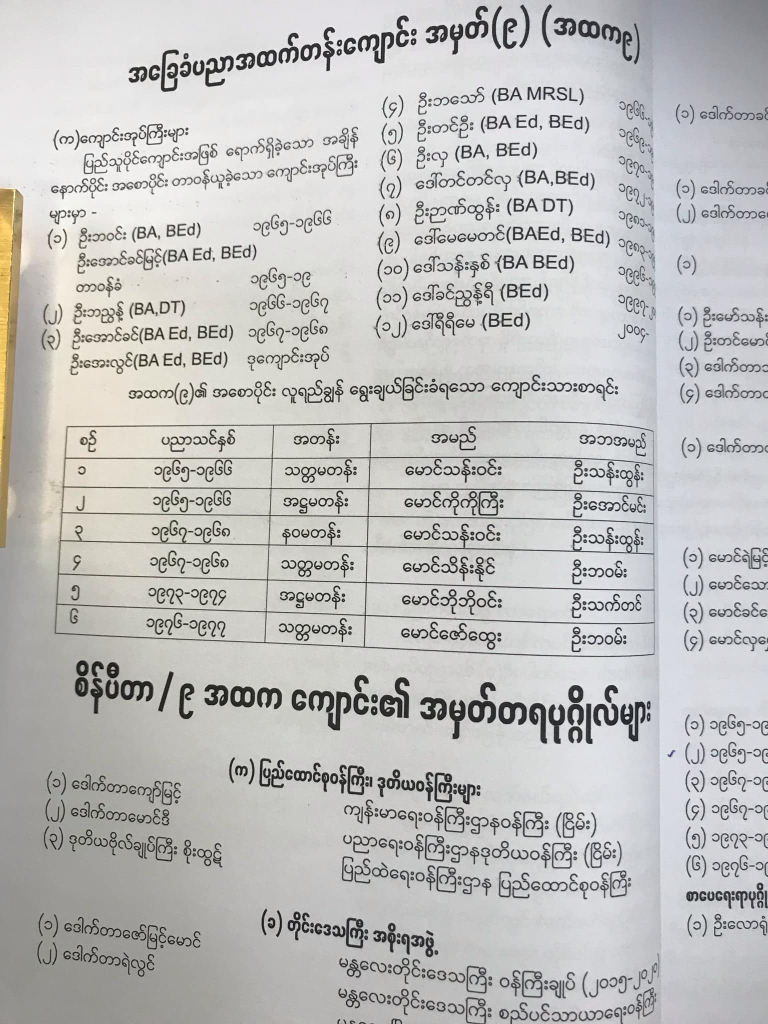
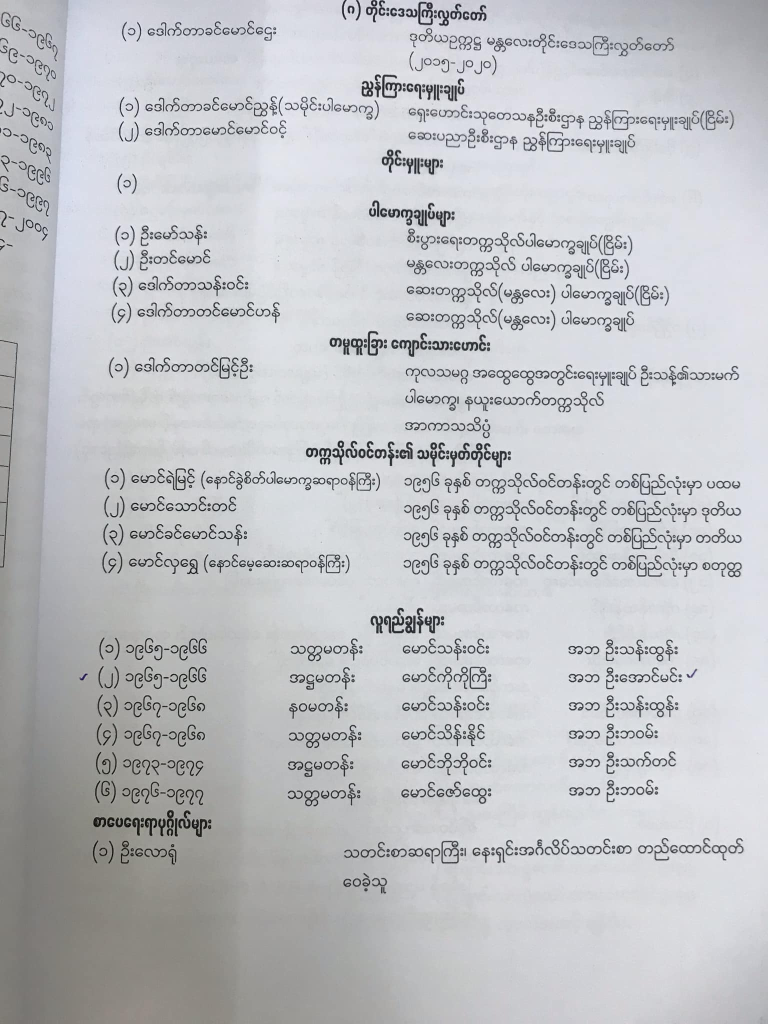
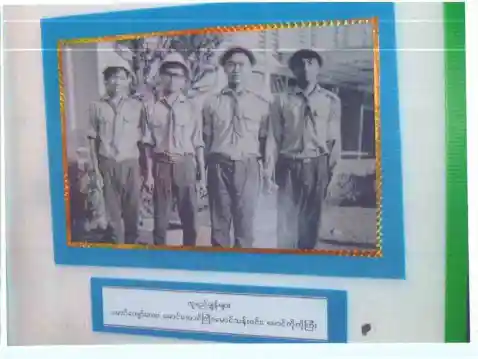
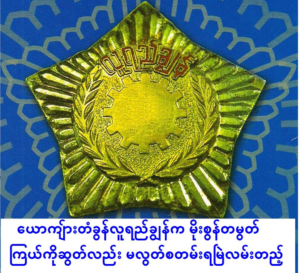
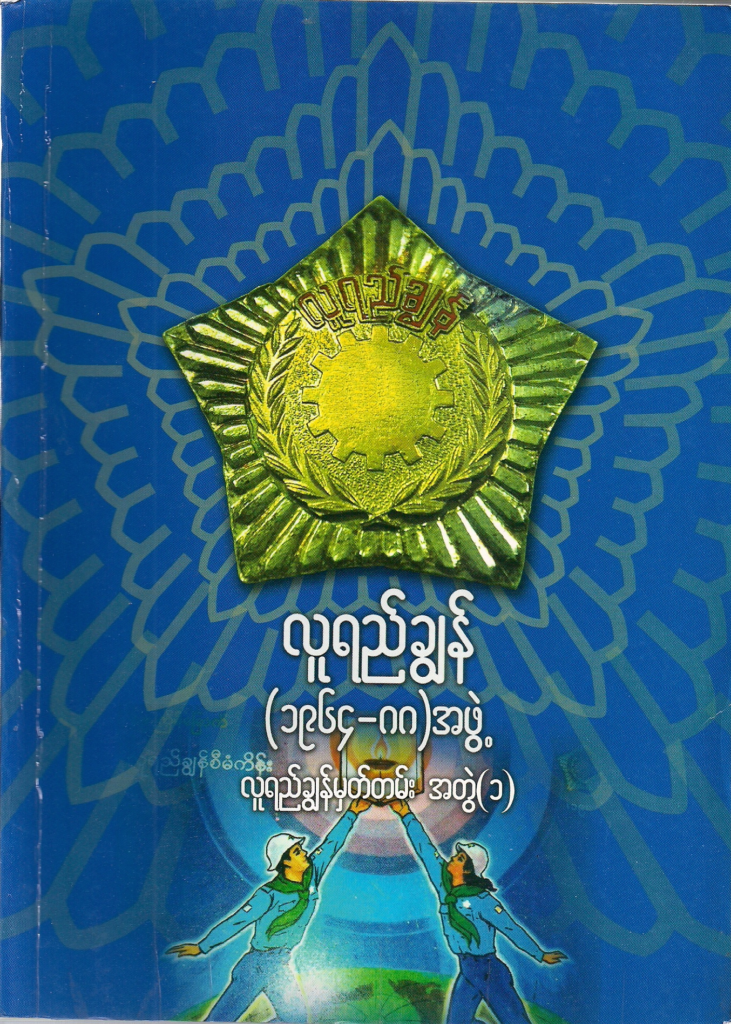
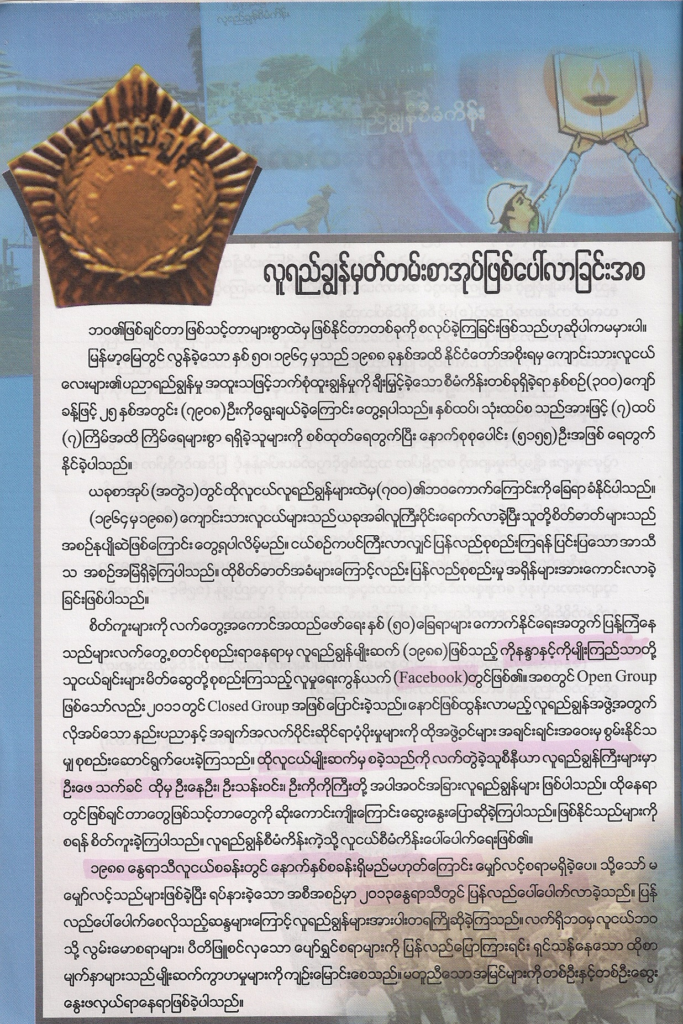
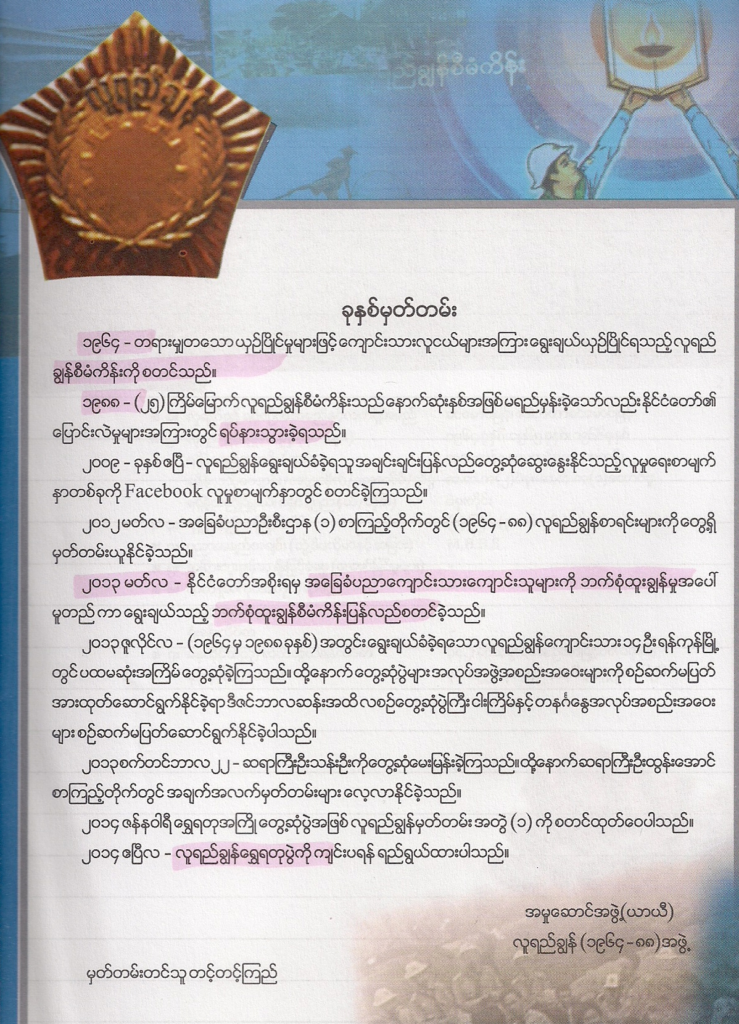
Thus was born the Lu Ye Chun (Outstanding Student) project — a nationwide selection process rewarding high-performing students in academic subjects like general knowledge, mathematics, and Burmese, as well as physical fitness and discipline. Competitions were held at inter-class, township, and district levels, with final selections made by the Ministry of Education.
On the surface, it was a meritocratic celebration of young talent. In reality, it was a calculated attempt to mold the next generation of state-loyal, apolitical, and obedient citizens.
What Lu Ye Chun Was — And What It Was Not
It is important to set the record straight, as a persistent misconception continues to circulate among both young people and older generations: Lu Ye Chun was never the core youth organisation of the Burma Socialist Programme Party (BSPP), also known as the Lanzin Party.
Burma Socialist Programme Party
မြန်မာ့ဆိုရှယ်လစ်လမ်းစဉ်ပါတီ
From Wikipedia..
Student wing
Main article: Lansin Lu-nge
The URC merged the Union of Burma Boy Scouts and the Union of Burma Girl Guides Association in 1962 to create the coeducational Union of Burma Boy Scouts and Girl Guides (UBBSGG). The URC dissolved the UBBSGG on 1 March 1964 and turned over its assets to the Ministry of Education, which subsequently formed the Programme Youth Organisation (PYO; လမ်းစဉ်လူငယ်အဖွဲ့, Lansin Lu-nge Aphwe) as the UBBSGG’s replacement.
All students, from elementary to university level, were required to join the PYO.[8] The organisation had three branches: The Glorious Youth (တေဇလူငယ်, Teiza Lu-nge) for primary school students (5 to 9 years old), the Pioneer Youth (ရှေ့ဆောင်လူငယ်, Sheihsaung Lu-nge) for middle and high school students (10 to 15 years old), and the Programme Youth (လမ်းစဉ်လူငယ်, Lansin Lu-nge) for college or university students and youths (16 to 25 years old). Upon reaching the age of 18 years old, members of the Programme Youth could apply to become provisional members of the BSPP. At the age of 21 years old, a provisional member could apply to become a full-fledged member of the BSPP.
Inspirations
Although the BSPP was anti-communist and neutral in Cold War politics, the student wings of BSPP were based on the model of the Young Communist Leagues of Eastern Bloc countries, particularly the Soviet Union’s Komsomol.
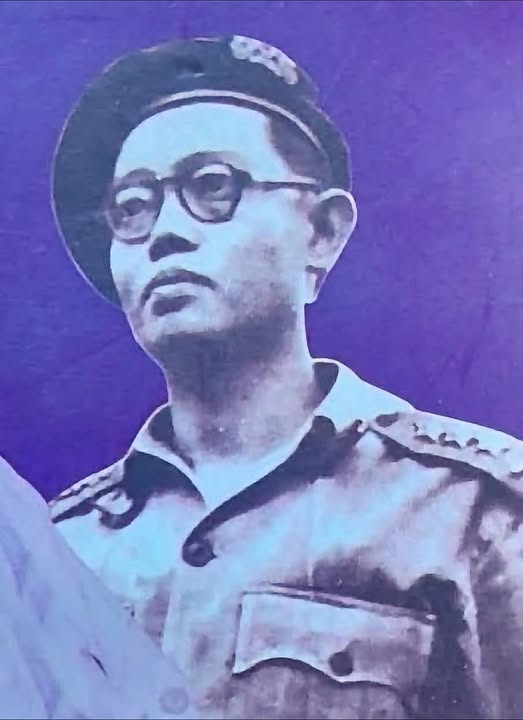
- တေဇလူငယ်: တေဇ (Teiza) has nothing to do with the meaning of its words, but it was the nom de guerre of Aung San (ဗိုလ်တေဇ, Bo Teiza), who was one of the Thirty Comrades. The photo of Aung San as Bo Teiza is their badge, and they wore blue scarf and uniform like children organisations from communist countries.[9]
- ရှေ့ဆောင်လူငယ်: ရှေ့ဆောင် (Sheihsaung) is translation of Pioneer. It was formed as the pioneer movement. They wore school uniform and the red scarf[10] like pioneer movement of communist countries.
- လမ်းစဉ်လူငယ်: လမ်းစဉ် (Lansin) means either “programme” (as in Burma Socialist Programme Party) or “way” (as in Burmese Way to Socialism) or “path” (as in Magga Path). They did not wear scarf, but top white and bottom blue uniform either westernised or traditional.[11]
The BSPP maintained its own structured youth wings, organised by education level:
- Teza Youth — for primary school students
- Shay Saung Youth — for middle school students
- Lanzin Youth — for upper secondary and university/college students
These were the party’s true ideological nurseries, supervised and controlled directly by the BSPP.
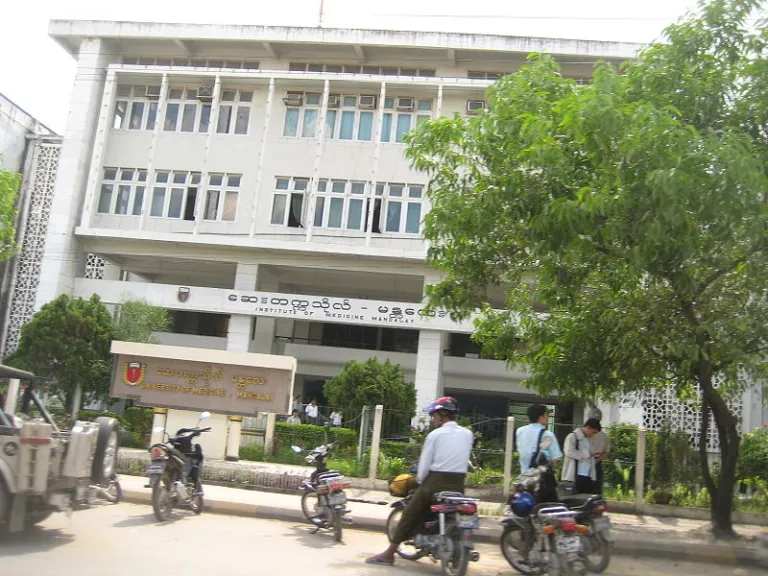
Lu Ye Chun, by contrast, was selected by the Ministry of Education — not the party — based on academic achievement, sportsmanship, and all-round excellence. It was a programme for outstanding students, not a party loyalty exercise.
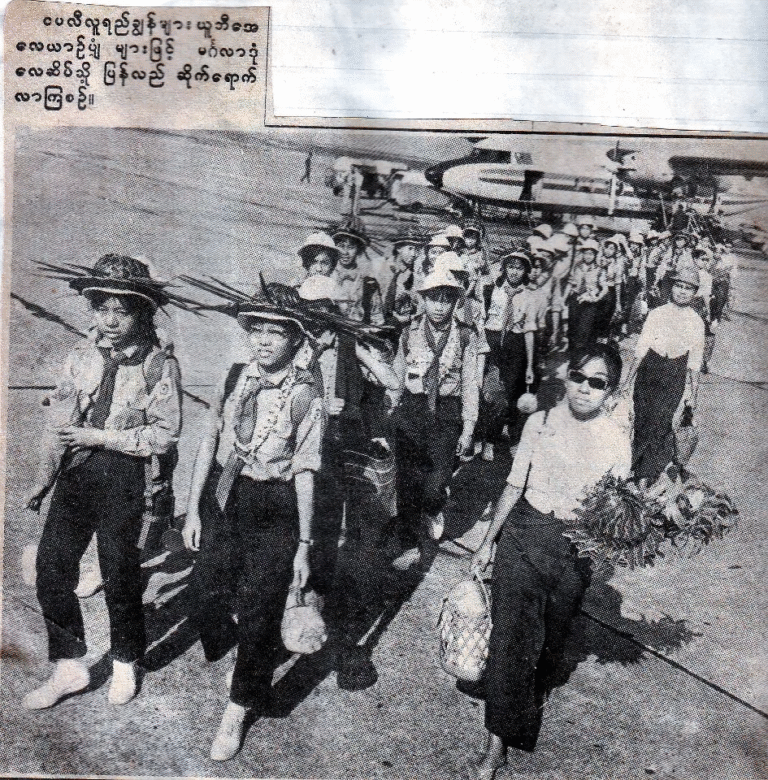
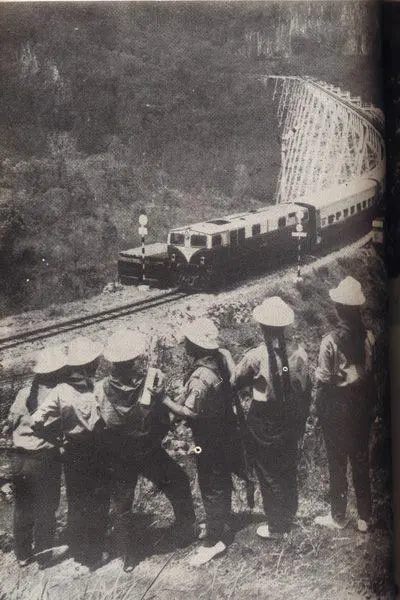
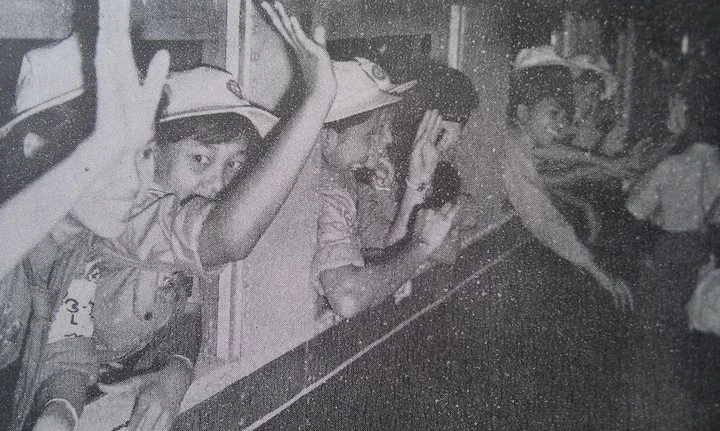
Each summer, the regime organised a joint gathering of youth from three distinct programmes:
- Lanzin Youth Leadership Training participants — selected by the party
- Model Red Cross Youth — selected by the Myanmar Red Cross Society
- Lu Ye Chun Outstanding Students — selected by the Ministry of Education
These were separate tracks, brought together for a single seasonal event — yet this proximity has caused many to conflate them ever since.
As one Lu Ye Chun alumnus recalls: “I received the Lu Ye Chun award in my first year at GTI. At that time, I was not a member of the Lanzin Youth organisation.” He adds that while being a Lanzin Youth member did carry a slight advantage in some settings, the two programmes were fundamentally distinct in purpose and selection criteria.
Born of the System, Not Defined by It
It is fair to acknowledge that Lu Ye Chun emerged during the era of BSPP rule, and so it bears the imprint of that period. The programme was a product of its time. But being born within a system does not mean being enslaved to it. Lu Ye Chun was not a loyalty instrument — it was an educational one.
Bright Minds, Diverging Paths
Indeed, the programme produced an impressive roster of future generals, ministers, deputy ministers, rectors, professors, and other establishment figures. For a while, it served the junta well.
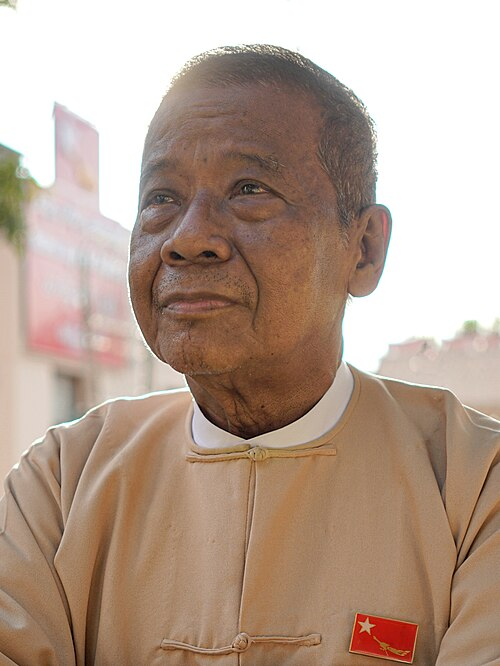
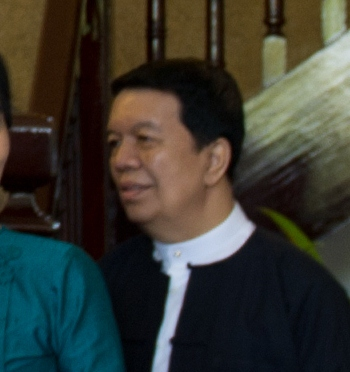
Dr Zaw Myint Maung Wikipedia
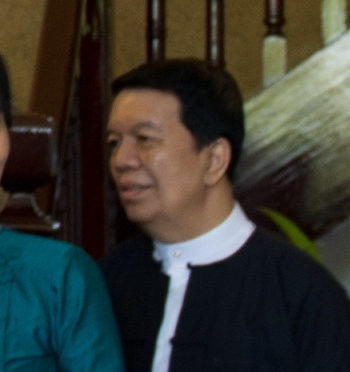
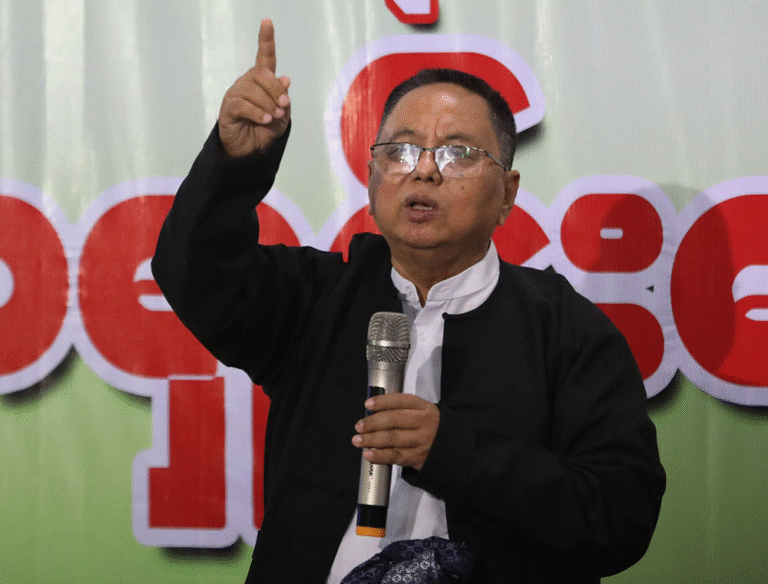
Lawyer U Thein Than Oo Irrawaddy Photo
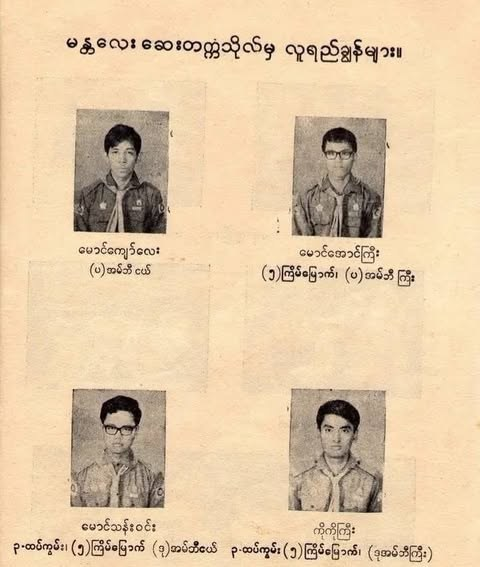
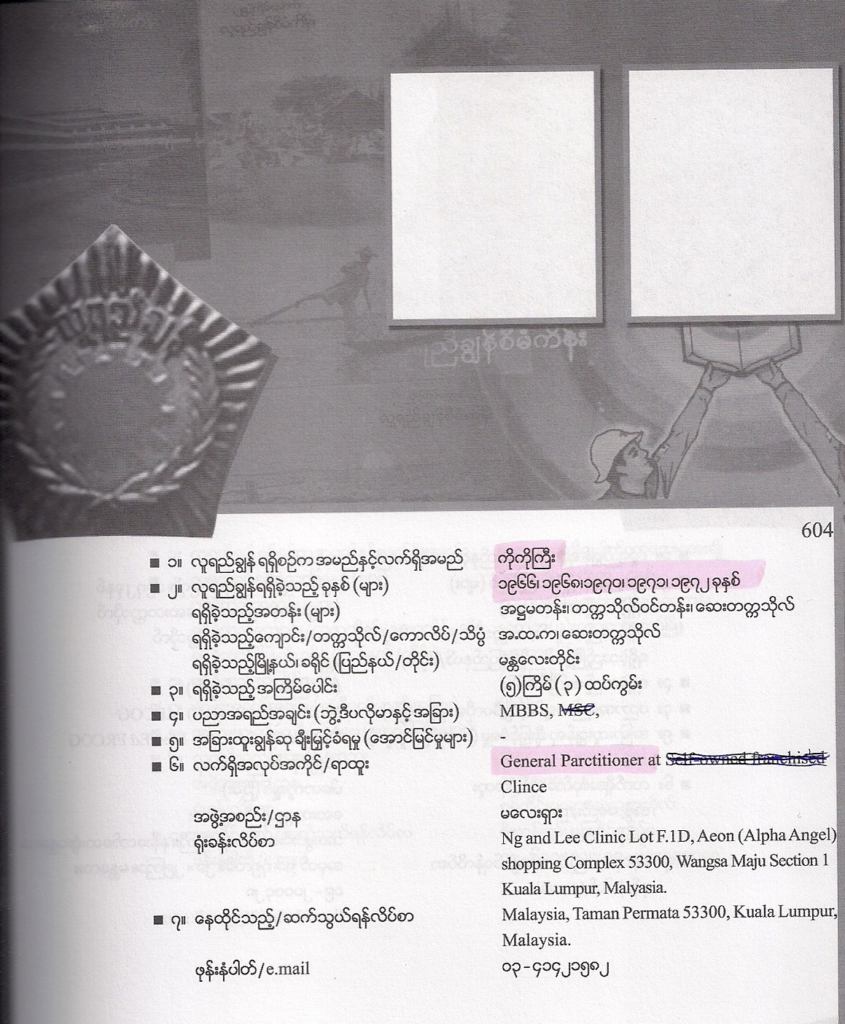
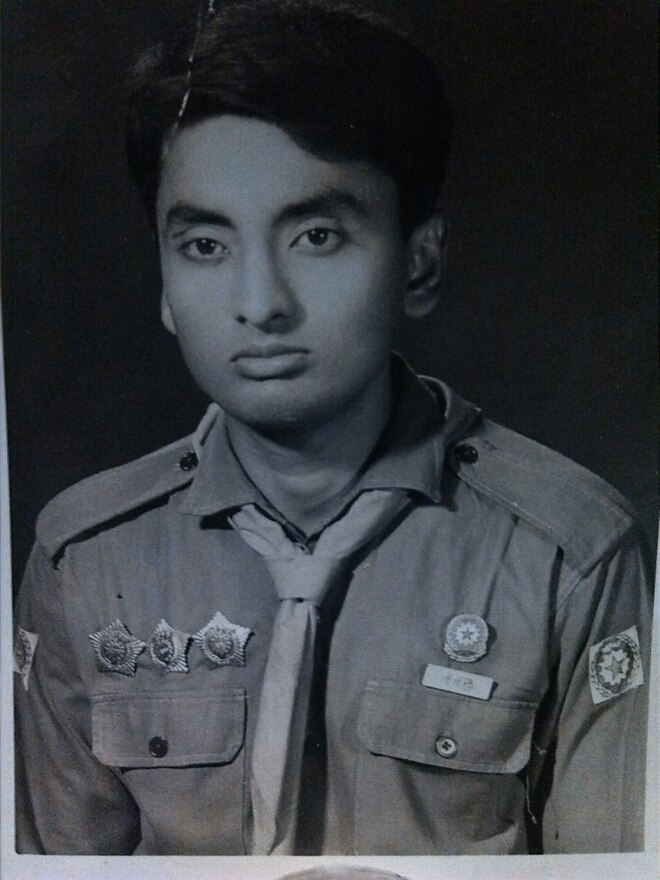
Below: Dr Ko Ko Gyi
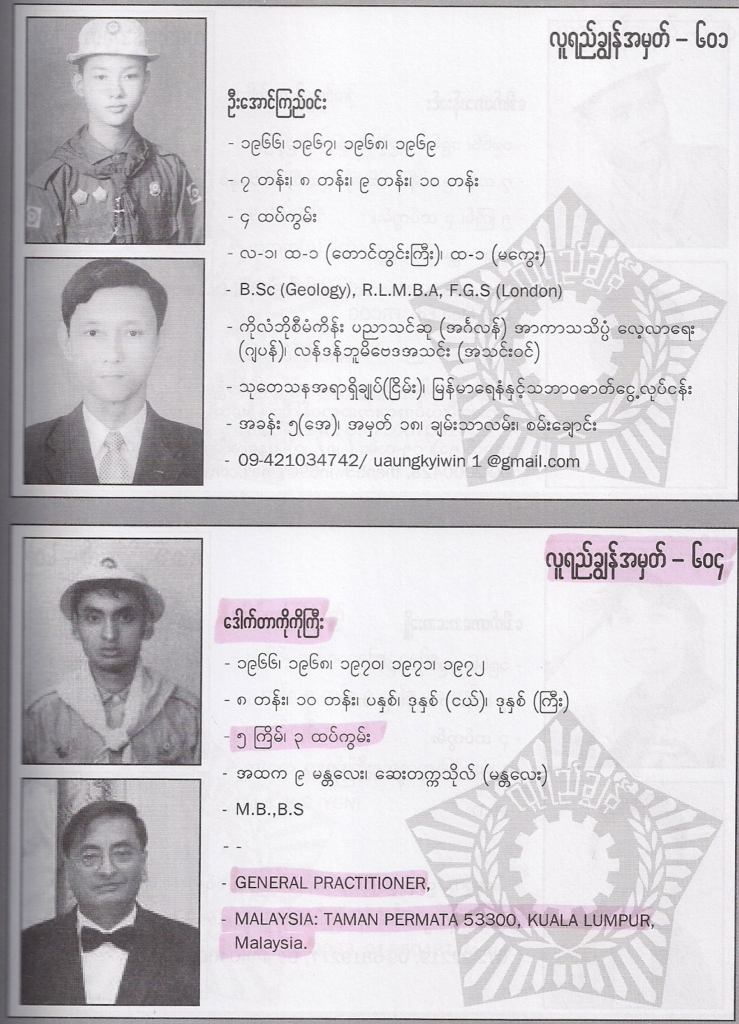
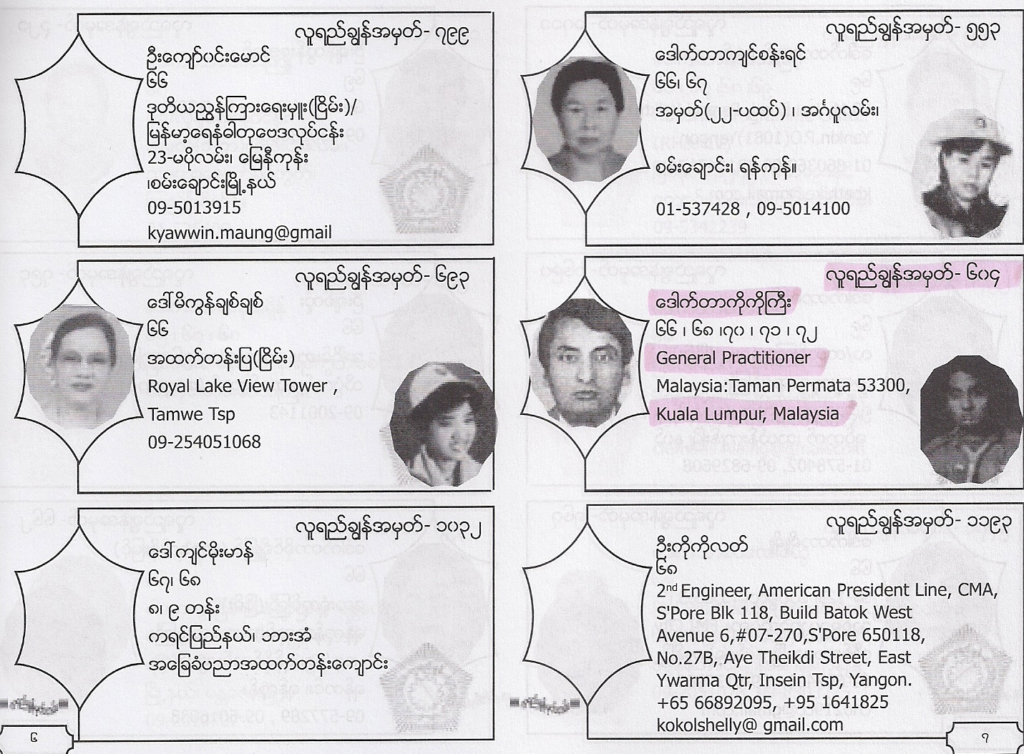
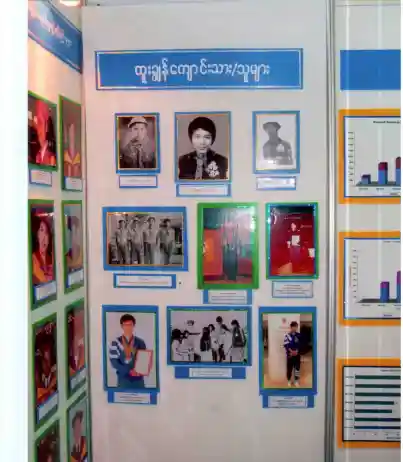
But alongside them were others — alumni who would later become outspoken critics of authoritarianism, defenders of democracy, and advocates for interfaith harmony and justice. Among the Lu Ye Chun ranks were individuals like the late Dr. Zaw Myint Maung, a respected physician who became Chief Minister under the NLD; U Thein Than Oo, a courageous lawyer who defended political prisoners; Dr. Tin Myo Win, a former political prisoner and long-time personal physician of Daw Aung San Suu Kyi — and numerous silent rebels whose names may not be public, but whose actions challenged military dogma.
Many of these critical thinkers were, ironically, the very students who had been uplifted by a system designed to silence independent thought. They excelled not merely because of the regime, but often in spite of it.
A Brief Moment of Inclusiveness
In its early years, the Lu Ye Chun programme included students of all backgrounds — among them Muslims and ethnic minorities. Selection was based on talent, not race or religion. This created a fleeting moment of hope: the illusion that even a military government might build a truly inclusive meritocracy.
Muslim Lu Ye Chuns — Outstanding Students Across Communities
But that illusion crumbled in the decades that followed. As racism and Bamar Buddhist nationalism were increasingly woven into the fabric of the junta’s ideology, some former Lu Ye Chuns turned against their peers who advocated for marginalised communities, especially the Rohingya. Those who spoke out were ostracised, expelled from alumni networks, and smeared simply for defending truth and justice.
What began as a competition of minds devolved into a bitter split between conformity and conscience.
A Legacy That Defied Its Creators
The irony is stark: a programme designed to shape loyal patriots instead produced some of the country’s most principled dissenters. The military’s attempt to erase critical thinking ended up nurturing it.
In that sense, the Lu Ye Chun project stands today as both a cautionary tale and a paradoxical success. It shows that even under authoritarian rule, truth can survive — quietly at first, then courageously. It reminds us that merit cannot be monopolised, and intelligence cannot be caged forever.
And most importantly, it reveals that even in systems built to suppress, a few will always choose to think, to question, and to rise — not as tools of power, but as servants of truth.
Final Reflection
The nostalgia of Lu Ye Chun is bittersweet. Yes, it gave many of us unforgettable memories, forged lifelong friendships, and honed our abilities. But behind that glitter was a political agenda — to depoliticise and pacify the youth after one of Myanmar’s darkest moments.
The fact that so many alumni still live with moral clarity and courage is a testament not to the junta, but to the human spirit.
In the end, Ne Win’s regime may have selected us — but we chose who we became.
And that choice makes all the difference.