Kaung Kin Ko
People in our country (regardless of ethnicity or religion) love to impose their preferred terms of address on others from the very start. I still remember Ko Benny Paul from Loikaw telling me about this. It goes back to the days of the state and division football matches, where they would forcibly rename ethnic names — like making Anthony into “Aung Thun Naing” by force. That’s different from David → Deva = voluntary, self-chosen (the person embraced a name with a meaningful Sanskrit/divine connotation) Anthony → Aung Tun Naing = forced, top-down, policy-driven renaming with no consent.
Names are conventions (pannatta), as I’ve read from writer Tin Maung Than. When U Thein Maung said names are just conventions and you can call someone whatever you want, Thakhin Ba Thaung responded: “So can I call you U Thein Maung instead of Dr. Thein Maung?” — “Yes, that’s fine,” he said. “Then what if I just call you Thein Maung?” — “That’s also fine, it’s just a convention.” “What if I call you Khwe Thein Maung (Dog Thein Maung)?” — At that point, he had nothing to say.
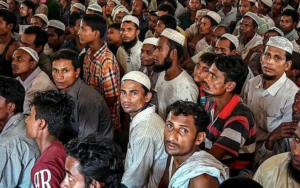
As you noted, the post goes on to discuss derogatory terms used against various groups — Muslims being called “Kalar” or “Kalar”, Rohingyas being called “Bengali” (not even spelled properly — written as “Bin-gali”), Chin people called “Chin Poke”, monks called bald head or “lime/orange”, “blind”, or “fatty”, and so on.
The author’s main points are:
- Words are conventions, but whether they cause pain depends on the speaker’s intent and the recipient’s feelings, combined with context.
- People know the difference between being called something affectionately versus being deliberately called something demeaning. When people object, it’s because they recognize the deliberate intent to demean — not because they misunderstand the linguistic origins.
- Those who use these slurs often justify themselves with etymological arguments (stale, recycled excuses), while simultaneously wanting to be seen as civilized and cultured — wanting a good reputation while deliberately insulting others.
- A truly empathetic person wouldn’t call someone by a name they dislike — even if that name isn’t technically a slur. It comes down to respecting your audience.
- He gives the example of Thailand, where Burmese people were called “Phamah” (a derogatory term). Once Thais understood it was offensive, even educated Thais corrected themselves and switched to saying “Myanmar.”
- His personal approach: He tries not to let hurtful words affect him personally, but when speaking to others or writing officially, he avoids terms they dislike regardless of etymological arguments.
Kaung Kin Ko
ကျွန်တော်တို့နိုင်ငံက လူတွေက (ဘာလူမျိုး ဘာဘာသာလို့မဆိုလို) အခေါ်အဝေါ်လေးက အစ ကပ်ပြီး တင်စီးချင်ကြတယ်။ လွိုင်ကော်က ကို Benny Paul ပြောပြတာ မှတ်မိသေးတယ်။ ဟိုးအရင် ပြည်နယ်နဲ့တိုင်း ဘောလုံးပွဲတွေတုံးက တိုင်းရင်းသားနာမည် အန်ထော်နီကို အောင်ထွန်းနိုင် အတင်း လုပ်ပစ်တာမျိုးက အစပေါ့။ အဲဒါက David ကို ဒေဝ လုပ်တာမျိုးနဲ့ မတူ။ ဒေးဗစ်ကနေ ဒေဝ ဖြစ်တာက ဟိုက လိုလိုချင်ချင်နဲ့ လုပ်တာ။ အန်ထော်နီကနေ အောင်ထွန်းနိုင် ဖြစ်တာက အဲဒီတုန်းက အာဏာပိုင်တွေက ပေါ်လစီနဲ့ အတင်းလုပ်တာ။
နာမည်ဆိုတာ ပညတ်တွေ ဆိုပေမဲ့ ဆရာတင်မောင်သန်း ရေးတာ ဖတ်ဖူးတယ်။ ဦးသိန်းမောင်က နာမည်ဆိုတာ ပညတ်တွေပဲ၊ ဘယ်လိုခေါ်ခေါ်ရတယ်ဆိုတဲ့ သဘောပြောလိုက်တော့ သခင်ဘသောင်းက ဒါဆို ဒေါက်တာသိန်းမောင် လို့ မခေါ်ဘဲ ဦးသိန်းမောင်လို့ ခေါ်မယ် ရလားဆိုတော့ ရပါတယ်တဲ့။ ဒါဆို သိန်းမောင်လို့ပဲ ခေါ်မယ်ဆိုရင်ရော အဲဒါလည်း ရပါတယ် ပညတ်ပါပဲတဲ့။ ဒါဆို ခွေးသိန်းမောင်လို့ ခေါ်မယ်ုဆိရင်ရော ဆိုတော့ကျ ဘာမှ ပြန်မပြောနိုင်တော့ဘူး။
ပြီးတော့ ခေါ်ခံရသူတွေ sensitive ဖြစ်ကြတယ်၊ မခေါ်သင့်ဘူး ပြောကြတယ်ဆိုတာက ချစ်စနိုးနဲ့ ခေါ်တာတွေကို (ခေါ်ခံရသူ အများစုကတော့) ဘယ်သူမှ စိတ်တိုနေမယ် မထင်ဘူး။ context ကို နားလည်ကြမှာ၊ sense အရ ချစ်လို့ခေါ်တာလား၊ ချစ်လို့စတာလား၊ တမင် မကြိုက်တဲ့အသုံးအနှုန်းကို ရွဲ့ခေါ်တာလားဆိုတာ sense အရ သိကြပြီး တမင်ခေါ်တာတွေကို မကြိုက်ကြောင်းပြောကြတာမျိုးပါ။ အဲလို အခေါ်အဝေါ်တွေက အများကြီး ရှိနေတာပဲ။ Kalar, ရခီး၊ ချင်းပုပ်၊ ဘုန်းကြီးတွေကို ခေါင်းတုံး၊ လိမ္မော်သီး၊ အကန်း၊ ဖက်တီးဘုတ် စသည်ဖြင့်ပေါ့။ ဘယ်သူမှတော့ Kalar Lay မဆလာကို နာမည်ပြောင်းပေးပါလို့ တောင်းဆိုနေကြမှာ မဟုတ်ပါဘူး။ အဲဒါက တမင်နှိမ်ချလိုတာ မဟုတ်မှန်း လူတိုင်းသိနေတနာပဲ။ ဒါပေမဲ့ သိသိကြီးနဲ့ ခေါ်ချင်သလို ခေါ်မယ်၊ ဘာဖြစ်လဲ ဆိုပြီး တမင် derogatory term သုံးမယ်ကွာဆိုတဲ့ ရည်ရွယ်ချက်ကြီးနဲ့ ခေါ်တာတွေကို မနှစ်မြို့ကြောင်း လူတွေက ပြောနေကြတာ။ ပြီေးတာ့ တချို့နေရာတွေမှာ officially သုံးနေကြတာကို ပြောကြတာမျိုးပါ။ အဲဒါကို ကပ်သီးကပ်သပ် နဲ့ ဆွဲပြီး အရှည်ကြီး အကြောင်းတွေပြ၊ ကာတွန်းတွေဆွဲ။ အဲဒိ အကြောင်းပြချက်တွေကလည်း အသစ်အဆန်းလည်း မဟုတ်ပါဘူး။ ခဏခဏ ကြားရနေကျ ခေါက်ရိုးကျိုးနေတဲ့ မွဲပြာပုဆိုး အကြောင်းပြချက်တွေ။ သိပြီးသားဟာတွေ။ အဲလိုအကြောင်းပြချက်တွေမှာကျ တမင် …. နှိမ်တယ်၊ ခွဲခြားတယ်ကွာ ဘာဖြစ်လဲဆိုတဲ့ သဘောမျိုးတွေ အထင်းသား တွေ့နေရရော။ ပိုဆိုးတာက တမင်တကာလည်း ရည်ရွယ်ချက်နဲ့ ခေါ်သေး။ တစ်ဘက်မှာကျ မရိုင်းစိုင်းသူတွေ၊ ယဉ်ကျေးသူတွေအဖြစ် နာမည်ကောင်းကလည်း လိုချင်ပြန်တော့ မဆီမဆိုင် စကားဇစ်မြစ်တွေကို ဆွဲထည့် အကြောင်းပြပြီး နာမည်ကောင်းကပါ လိုချင်ကြသေးတာ။ နာကြသူတွေ နာကြရခြင်း အကြောင်းရင်းက ဇစ်မြစ်ကြောင့် မဟုတ်။ (ခေါ်ခံရသူ အများစုက) ခေါ်သူရဲ့ ရည်ရွယ်ချက်ကြီးကို သိနေကြလို့။
စကားလုံးတွေက ပညတ်တွေဆိုတာ ဟုတ်တယ်။ ပြောသူရဲ့ ရည်ရွယ်ချက်နဲ့ ခံယူသူရဲ့ စိတ် နှစ်ခုပေါင်းစပ်ပြီး context အပေါ်မူတည်ပြီး နာစရာ ဟုတ်မဟုတ် ဖြစ်လာတာဆိုတာလည်း ဟုတ်တယ်။ ဒါပေမဲ့ ယဉ်ကျေးတဲ့သူဆိုရင် (အပေါ်ယံ ယဉ်ကျေးတာကို မဆိုလို။ စာနာတတ်သူဆိုရင်) တစ်ဘက်သူကို သူမကြိုက်တဲ့ နာမည်နဲ့ ခေါ်မလား။ စဉ်းစားကြည့်လေ။ derogatory term မဟုတ်တဲ့ အခေါ်အဝေါ်ကိုတောင်မှ တစ်ဘက်သူ မကြိုက်ရင် မခေါ်သင့်ဘူးလေ။ ဒါတွေက စကားလုံးရဲ့ ဇစ်မြစ်နဲ့ မဆိုင်ဘူး။ကိုယ် ပြောဆိုဆက်သွယ်ချင်တဲ့ နားထောင်သူတွေ ကြိုက်မကြိုက်ဆိုတဲ့ အခြေအနေအပေါ် မူတည်ရမှာ မဟုတ်လား။
ကျွန်တော်ကြုံခဲ့သလောက် ပြောရရင် ထိုင်းမှာ ဗမာတွေကို အရင်က ဖမာ့လို့ ခေါ်တယ်။ အဲဒါကို ဗမာတွေက derogatory term အဖြစ် မြင်မှန်း သူတို့ သိလာကြတယ်။ အဲဒီအခါမှာ အစိုးရက အစ စပြီးပြောင်းတယ်။ တခါတလေ ထိုင်းက သင်တန်းမှာ (တချို့က မြန်မာဆို သိပ်နားမလည်ကြသေးဘဲ ဖမာ့လို့ ပြောမှသိလို့) ကိုယ့်ကိုယ်ကိုယ် ဖမာ့လို့ ပြောလိုက်ရင်တောင် အဲဒီ သင်တန်းက လူတွေက (ခေတ်ပညာတတ်တာလည်းပါတယ်) သြော်… Myanmar ဆိုပြီး ပြောင်းပြောကြတာမျိုး။ ဖမာ့လို့ သုံးတာကို မကောင်းဘူးအဖြစ် ရှောင်ကြတယ်။
ဒါပေမဲ့ ကိုယ်တစ်ယောက်တည်းအတွက် ကိုယ့်မူဝါဒကတော့ ….ကိုယ့်ကိုပြောလာတာမျိုးုဆို စကားလုံးတွေကို မနာကျင်အောင် တတ်နိုင်သလောက် ကြိုးစားတယ်။ ဥပေက္ခာပြုတယ်။ သူများကို ဘာရှောင်ပါ ညာရှောင်ပါ ဆိုတာမျိုုးကို ကိုယ်တစ်ယောက်တည်းအတွက်တော့ မတိုက်တွန်းဘူး။ (အများအတွက် တိုက်တွန်းတာတော့ ရှိတယ်)။ ကိုယ်က တစ်ဘက်လူကို ပြောဆိုတာမျိုး၊ officially ရေးသားတာမျိုးဆိုရင်တော့ (စကားလုံးရဲ့ ဇစ်မြစ်အဓိပ္ပါယ်တွေ) ဘယ်လိုပဲ ဖြစ်နေပါစေ၊ တစ်ဘက်သူ မကြိုက်ရင် ရှောင်တယ်။ ချစ်လို့ စတာ၊ နောက်တာမျိုးနဲ့ ၊ နာမယ့်ကာယကံရှင် မရှိတဲ့အခါမျိုးမှာတော့ နှိမ်လိုတဲ့သဘောနဲ့ မဟုတ်ဘဲ သုံးမိတာမျိုးတော့ ရှိတာပေါ့။ ဥပမာ gay အကြောင်းပြောနေချိန်မှာ စကားဝိုင်းမှာ gay လည်း ရှိမနေဘူးဆိုရင် အခြောက်လို့ သာမန် သဘောမျိုး သုံးမိတာမျိုးတော့ ရှိတာပေါ့။ ဒါကလည်း (၁) အဲ့စကားလုံးကြောင့် စိတ်အနှောင့်အယှက်ဖြစ်မယ့်သူ အနားမှာ ရှိမနေလို့၊ public မှာ သုံးတာလည်း မဟုတ်လို့။ (၂) official ရေးသားတာမျိုး မဟုတ်လို့ (၃) စိတ်ထဲကလည်း သာမန် သဘောမျိုးပဲ သုံးတာမို့။
How many of you have discriminated against someone from another race? Perhaps even stereotyping them according to race. You know the drill — one group is lazy; the other is only interested in money; yet another are thugs or drunkards. It has become so commonplace that I can bet everyone of you knows exactly what I am talking about.
Religious bias: we R quick to make disparaging comments & judgement about other religion W/O learning them but
decided as wrong
It doesn’t stop at racism either but extends to religious bias as well. We are quick to make disparaging comments and judgement about someones religion. Hardly anyone takes the trouble to learn about other religions but rather makes it a point to dismiss religions other than their own as being wrong.
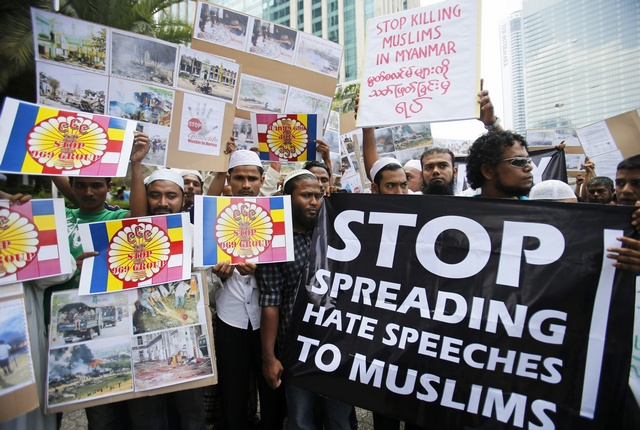
All religions teach peace & love BUT PEOPLE fight over RELIGION & deliver hate speech which R against ALL religions.
When all religions teach peace and love, isn’t it ironic that people choose to fight over whose religion is right or better than the other? It’s even more ironic when you consider the amount of hate speach and abhorrent comments that people make, especially on social media. Doesn’t this go directly against every religious doctrine?