“Dream, dream, dream. Dreams transform into thoughts and thoughts result in action.”
— Dr. A.P.J. Abdul Kalam
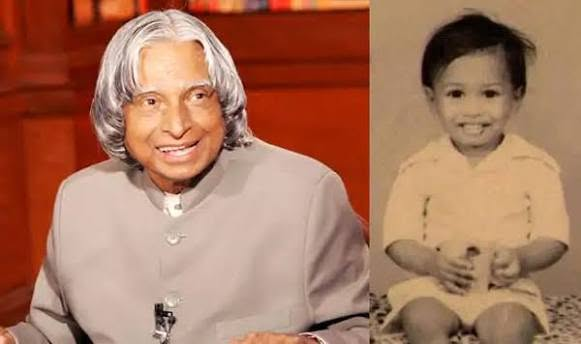
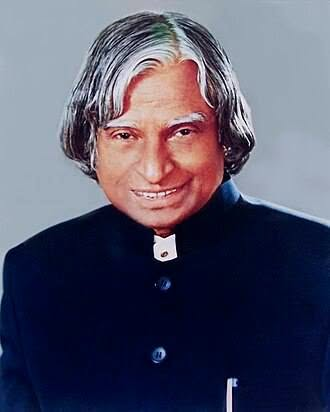
Dr. Avul Pakir Jainulabdeen Abdul Kalam (1931–2015), popularly known as A.P.J. Abdul Kalam, was one of the most admired Muslim scientists and statesmen of modern India. Revered as the”Missile Man of India” and affectionately called the”People’s President,” his life remains a remarkable example of humility, patriotism, integrity, and service to humanity.
Humble Beginnings
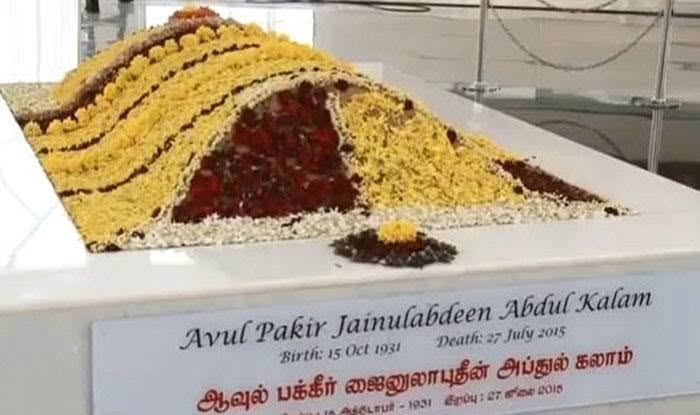
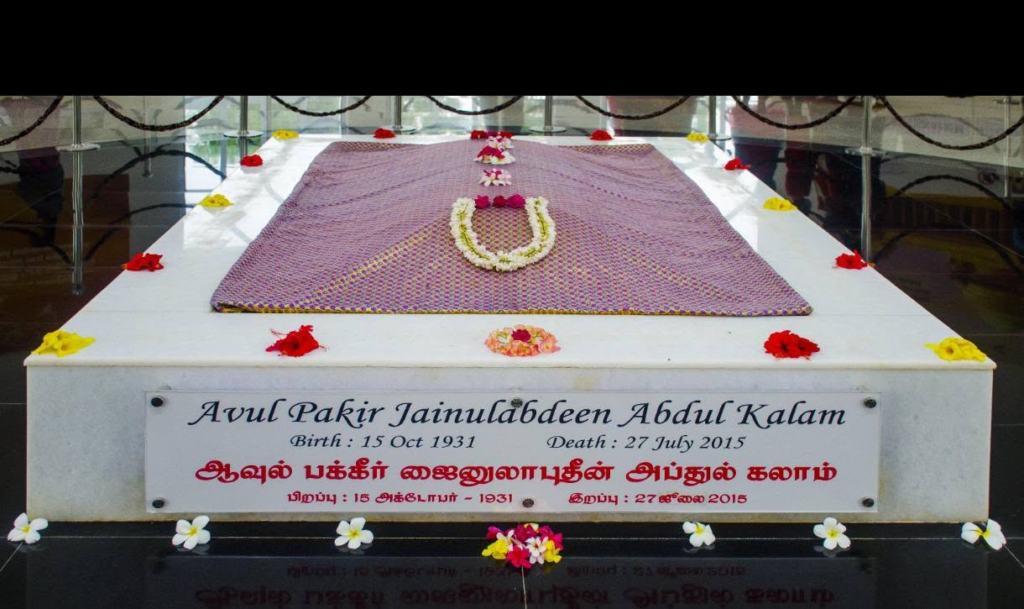
Dr. Kalam was born on 15 October 1931 in Rameswaram, Tamil Nadu, into a modest Tamil Muslim family. His father, Jainulabdeen, was a boat owner and imam of a local mosque, while his mother, Ashiamma, was a homemaker.
Although his family faced financial difficulties, young Kalam developed a strong work ethic from an early age. To help support the household, he assisted in the distribution of newspapers in Rameswaram, earning his first income while still a schoolboy.
He studied at Schwartz Higher Secondary School in Ramanathapuram, graduated from St. Joseph’s College, Tiruchirappalli, and later earned a degree in Aeronautical Engineering from the Madras Institute of Technology (MIT).
A Dream Delayed, Not Defeated
Kalam’s dream was to become a fighter pilot. He applied to join the Indian Air Force, but narrowly missed selection.
Rather than allowing disappointment to define him, he redirected his efforts toward science and engineering. This setback ultimately became the starting point of a journey that would change India’s technological future.
India’s “Missile Man”
Dr. Kalam joined India’s defence and space research programmes, serving in both the Defence Research and Development Organisation (DRDO) and the Indian Space Research Organisation (ISRO).
He played a leading role in the development of:
India’s first indigenous Satellite Launch Vehicle (SLV-3)
The Rohini Satellite launch in 1980
The Integrated Guided Missile Development Programme (IGMDP)
Strategic missile systems including Agni and Prithvi
India’s defence self-reliance initiatives
Because of these achievements, he became internationally known as the”Missile Man of India.”
He also participated in policy and scientific leadership related to the Pokhran-II nuclear tests of 1998.
President of India
In 2002, Dr. Kalam became the 11th President of India, serving until 2007.
Unlike many politicians, he remained approachable and deeply connected with ordinary citizens, especially students. His speeches consistently encouraged young people to pursue education, science, innovation, and national development.
His presidency earned him the popular title:
“The People’s President.”
Scholar, Author and Teacher
Dr. Kalam never stopped teaching.
After leaving the presidency, he returned to academia and public education, lecturing at universities and mentoring young people across India.
His most famous works include:
Wings of Fire (Autobiography)
Ignited Minds
India 2020
My Journey
Wings of Fire was translated into numerous languages and continues to inspire readers worldwide.
A Life of Extraordinary Simplicity
What makes Dr. Kalam particularly admired is not only his scientific accomplishments but also his personal integrity.
According to P. M. Nair, his former Secretary and the author of The Kalam Effect, Dr. Kalam maintained an exceptionally simple lifestyle:
He did not accumulate wealth.
He personally paid expenses incurred by visiting relatives.
Official gifts received from foreign dignitaries were catalogued and deposited in government archives.
He reportedly took none of those gifts with him when leaving office.
He encouraged independent thinking and welcomed disagreement from subordinates when it was based on reason and evidence.
The Iftar Incident
One widely cited episode from The Kalam Effect describes how Dr. Kalam questioned the cost of the traditional Presidential Iftar reception.
After learning the estimated expenditure, he reportedly instructed that the funds be redirected toward food, clothing, and assistance for orphanages. P. M. Nair further states that Dr. Kalam quietly contributed additional money from his personal savings and requested that the donation remain private.
This story has become one of the most frequently cited examples of his concern for the poor and his commitment to public accountability.
Final Years and Legacy
Dr. Kalam remained active until the very end of his life.
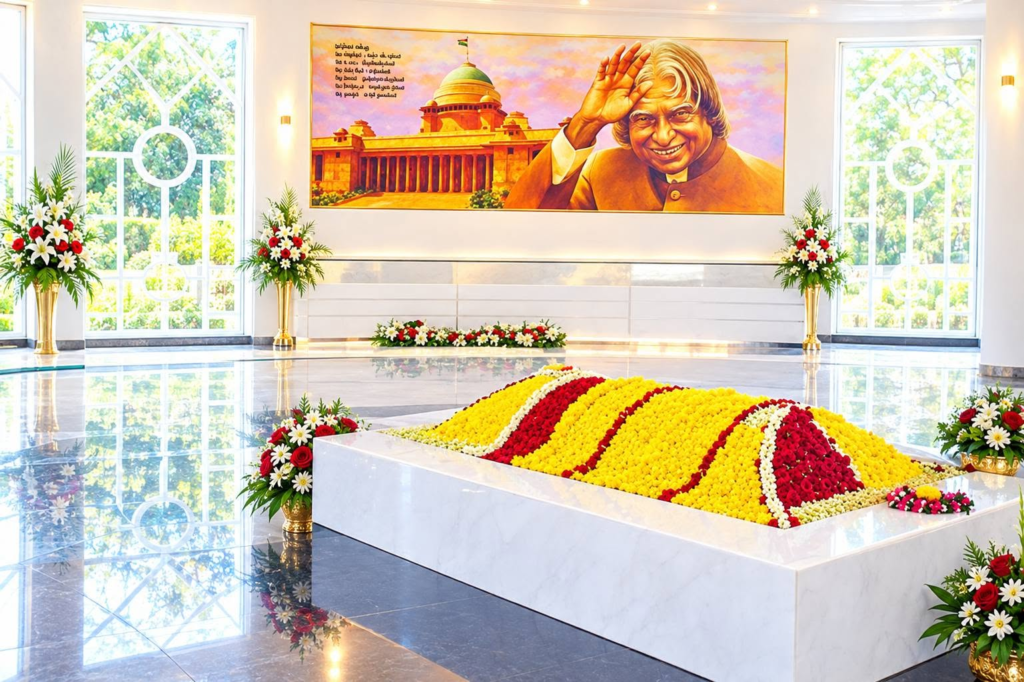
On 27 July 2015, while delivering a lecture at the Indian Institute of Management Shillong, he collapsed and passed away at the age of 83.
Even in death, he left behind a legacy far greater than material wealth:
A scientist who helped strengthen India’s technological capabilities.
A president respected across political and religious divides.
A teacher loved by millions of students.
A Muslim who practised humility, charity, and service.
A public servant remembered for honesty and simplicity.
His life demonstrates that true greatness is not measured by wealth or power, but by service, knowledge, integrity, and dedication to the welfare of others.
Fact-Check Notes
Verified Historical Facts
✅ Born on 15 October 1931 in Rameswaram, Tamil Nadu.
✅ Studied at St. Joseph’s College and Madras Institute of Technology.
✅ Worked at DRDO and ISRO.
✅ Key contributor to India’s missile programme, earning the title “Missile Man of India.”
✅ Project Director of SLV-3 which successfully launched the Rohini satellite.
✅ Played a major role in the development of Agni and Prithvi missiles.
✅ Received Padma Bhushan (1981), Padma Vibhushan (1990), and Bharat Ratna (1997).
✅ Served as the 11th President of India (2002–2007).
✅ Died on 27 July 2015 while delivering a lecture at IIM Shillong.
Anecdotes That Are Widely Reported but Primarily Sourced to P. M. Nair
⚠️ Iftar funds redirected to orphanages.
⚠️ Personal donation of Rs 100,000.
⚠️ Personally paying expenses for visiting relatives.
⚠️ Refusal to retain official gifts.
⚠️ Encouraging subordinates to openly disagree with him.
These stories are repeatedly cited in interviews and in P. M. Nair’s memoir The Kalam Effect: My Years with the President, but some are difficult to independently verify through official archival records.
References
Encyclopaedia Britannica,”A.P.J. Abdul Kalam”.
Official Website of the President of India, Dr. A.P.J. Abdul Kalam Profile.
Indian Institute of Space Science and Technology (IIST), Dr. A.P.J. Abdul Kalam Biography and Contributions.
Biography details and public record of honours and offices held.
P. M. Nair, The Kalam Effect: My Years with the President (for the Iftar, gifts, relatives, and simplicity anecdotes).
This edited version is more suitable for an MMNN English post because it separates confirmed historical facts from popular anecdotes, preserving credibility while still highlighting Dr. Kalam’s inspiring character.
Shaikh Abdullah
AI content
ဒုံးပျံလူသား
တမိလ်မွတ်စ်လင်မ်(တနည်းကျိုလီယာ
မွတ်စ်လင်မ်) အိန္ဒိယသမ္မတဟောင်း အေပီဂျေ
အဗ္ဗဒုလ် ကလာမ်
ဒေါက်တာ အဗုလ် ဖာခိရ် ဇိုင်နုလ် အာဘီဒီန်
အဗ္ဗဒုလ် ကလာမ် (အေပီဂျေ ကလာမ် ဟု ရေးသားကြသည်) ကို ၁၉၃၁ ခုနှစ် အောက်တိုဘာ ၁၅ ရက်တွင် တမီးလ်နာဒူးပြည်နယ်၊ ရာမက်ရှဝါရမ် ကမ်းရိုးတန်းကျေးရွာ၌ ဖခင်(မိမိဒေသပလီ၌အိမာမ်ဆောင်သူ မော်လဝီ) ဇိုင်နုလ်
အာဗိဒီန်+မိခင် (အာအိရှာအမ္မာ)အများအခေါ် အာရှိယမ္မာတို့မှမွေးဖွားခဲ့သည်။ သူ၏ဖခင်မှာ လှေတစ်စင်းရှိပြီး ထိုလှေသည်ပင် မိသားစု၏ ဝင်ငွေရလမ်း ဝမ်းစာ ဖြစ်ခဲ့သည်။ အဗ္ဗဒုလ် ကလာမ်၏ ယောက္ဖဖြစ်သူ ရှမ်ဆွဒ်ဒီန်မှာ စတင်ချိန်က ရာမက်ရှဝါရမ်တွင် တစ်ဦးတည်းသော သတင်းစာရောင်းသူ ဖြစ်သည်။ ထို့ကြောင့် ကလမ်သည်လည်း တမီးလ်သတင်းစာ (Dina Thanthi / Dinamani) များကို လိုက်လံပို့ဆောင်ပေးရင်း ဘဝ၏ ပထမဆုံး ဝင်ငွေကို ရရှိခဲ့သည်။ ရာမနသပူရမ် နှင့် တိရုချီ ရာပယ်လီ တို့တွင် ပညာသင်ကြားခဲ့ပြီးနောက် မဒရပ် နည်းပညာတက္ကသိုလ် (MIT Madras) သို့ တက်ရောက်ခဲ့သည်။ ထိုအဖွဲ့အစည်းသည် နည်းပညာပညာရေး၏ သရဖူဆောင်း ရတနာတစ်ခုအဖြစ် သတ်မှတ်ခြင်းခံရသည်။
သူသည် သူ၏သက်မွေးဝမ်းကျောင်းအတွက် အိန္ဒိယလေတပ်သို့ လျှောက်ထားခဲ့သော်လည်း အင်တာဗျူးတွင် ကျရှုံးခဲ့သည်။ သို့သော် နောက်ပိုင်းတွင် ထိုတပ်မတော်သုံးခုလုံး၏ အမြင့်ဆုံးစစ်သေနာပတိဖြစ်သော အိန္ဒိယသမ္မတရာထူးကို ရရှိခဲ့သည်။ သူ၏ ကြိုးစားအားထုတ်မှုနှင့် ထက်သန်မှုကြောင့် အိန္ဒိယ အာကာသသုတေသနကော်မတီတွင် ဒုံးပျံအင်ဂျင်နီယာရာထူး တာဝန်ပေးခြင်း ခံခဲ့ရသည်။ သူသည် နာဆာ (NASA) တွင်လည်း လေ့ကျင့်သင်တန်း တက်ရောက်ခဲ့သည်။ တဖြည်းဖြည်းနှင့် ကမ္ဘာကြီးသည် ဒေါက်တာ ကလမ်ကို “ဒုံးပျံလူသား” (Missile Man) အဖြစ် သိရှိလာခဲ့ကြသည်။
ဒုံးပျံနည်းပညာနှင့် ပတ်သက်၍ သူ၏စာအုပ်ထဲမှ ကောက်နုတ်ချက်တစ်ခုမှာ – “၂၀ ရာစုအတွင်း အိန္ဒိယဒုံးပျံ တိုးတက်ဖွံ့ဖြိုးမှုသည် ၁၈ ရာစုက တိပ္ပူ ဆူလ်တန် (Tipu Sultan) ၏ အိပ်မက် အကောင်အထည်ပေါ်လာခြင်းဟု ဆိုနိုင်သည်။ တိပ္ပူ ဆူလ်တန် ကျဆုံးခဲ့စဉ်က အင်္ဂလိပ်တို့သည် ၁၇၉၉ ခုနှစ် တိရုကတ္တာဟိလ္လီ တိုက်ပွဲမှ ဒုံးပျံ ၇၀၀ ကျော်နှင့် ဒုံးပျံဆက်စပ်ပစ္စည်း ၉၀၀ ကျော်ကို သိမ်းပိုက်ခဲ့သည်။ သူ၏တပ်မတော်တွင် ‘မရှ်ဟူးန်’ ဟုခေါ်သော တပ်မဟာ ၂၇ ခုရှိပြီး တပ်မဟာတစ်ခုစီ၌ ‘ဂျိုးရက်’ ဟုခေါ်သော ဒုံးပျံတပ်ဖွဲ့ ပါဝင်သည်။ ဝီလျံ ကွန်ဂရိဗ် (William Congreve) က ထိုအရာများကို အင်္ဂလန်သို့ ယူဆောင်သွားပြီး စမ်းသပ်မှုများ ပြုလုပ်ခဲ့သည်၊ ထိုအရာကို ပြောင်းပြန်အင်ဂျင်နီယာပညာရပ် (Reverse Engineering) ဟု ခေါ်သည်” ဟူ၍ ဖြစ်သည်။
ကလမ်သည် မူလတန်းနှင့် အထက်တန်းပညာကို ပြီးမြောက်ပြီးနောက် စိန့်ဂျိုးဇက်ကောလိပ်မှ ဘွဲ့ရရှိခဲ့ပြီး မဒရပ် နည်းပညာတက္ကသိုလ်သို့ တက်ရောက်ခဲ့သည်။ ထို့နောက်တွင် ပါမောက္ခ၊ စာရေးဆရာ နှင့် သိပ္ပံပညာရှင်အဖြစ် ကာလရှည် လျှောက်လှမ်းခဲ့သည်။ အန်နာတက္ကသိုလ်တွင် ပါမောက္ခအဖြစ် စာသင်ကြားမှုလုပ်ငန်းကို စတင်ခဲ့သည်။ သုတေသနဌာန ရာပေါင်းများစွာတွင် ဧည့်ပါမောက္ခနှင့် အဖွဲ့ဝင်အဖြစ်လည်း လုပ်ကိုင်ခဲ့သည်။ သူသည် ကမ္ဘာတစ်ဝှမ်းရှိ တက္ကသိုလ် ၃၀ ကျော်မှ ဂုဏ်ထူးဆောင်ဒေါက်တာဘွဲ့များကို ချီးမြှင့်ခြင်း ခံခဲ့ရသည်။
အိန္ဒိယနိုင်ငံမှသာမက ကမ္ဘာတစ်ဝှမ်းမှ ဆုတံဆိပ်မျိုးစုံ ချီးမြှင့်ခြင်း ဂုဏ်ပြုခံခဲ့ရသည်။ ထိုအထဲမှ အရေးကြီးဆုံးအချို့မှာ ၂၀၀၀ ပြည့်နှစ်တွင် ရာမာနုဂျန်ဆု၊ ၁၉၉၇ ခုနှစ်တွင် ဘာရတ် ရတ်တနာဆု (Bharat Ratna) နှင့် ၁၉၉၀ ပြည့်နှစ်တွင် ပဒ္မာ ဝိဘူရှန်ဆု (Padma Vibhushan) တို့ ဖြစ်ကြသည်။ နိုင်ငံတိုးတက်ရေးနှင့် ခေတ်မီနည်းပညာကဏ္ဍတွင် ပါဝင်ဆောင်ရွက်ရင်း တစ်ဘဝလုံးကို ပေးဆပ်ခဲ့သည်။ နိုင်ငံ၏ တိုးတက်သာယာရေးအတွက် အချိန်တိုင်း သူ၏စွမ်းရည်နှင့် ကြိုးပမ်းမှုများကို အသုံးချခဲ့သည်။ သူ၏ လုပ်ဆောင်ချက်များကို စာရင်းပြုစုမည်ဆိုလျှင် သူ၏ ကြီးကြပ်မှုအောက်တွင် တည်ဆောက်ခဲ့သော အိန္ဒိယ၏ ပထမဆုံး ဂြိုဟ်တုကို အာကာသသို့ အောင်မြင်စွာ လွှတ်တင်နိုင်ခဲ့ခြင်း ပါဝင်သည်။
အိန္ဒိယ၏ အမြင့်ဆုံး ကာကွယ်ရေးသုတေသနအဖွဲ့အစည်းဖြစ်သော DRDO တွင် ပင်မသိပ္ပံနည်းကျ အကြံပေးပုဂ္ဂိုလ်အဖြစ် တာဝန်ထမ်းဆောင်ခဲ့သည်။ အိန္ဒိယအစိုးရအတွက် ပင်မသိပ္ပံအကြံပေး၊ ပိုခရန် (Pokhran) နူကလီးယားစီမံကိန်း၏ ပင်မစီမံကိန်း ညှိနှိုင်းရေးမှူးနှင့် “အဂ္ဂနီ” (Agni) နှင့် “ပရစ်သဝီ” (Prithvi) ဒုံးပျံများ၏ ပင်မအရာရှိအဖြစ် တာဝန်ယူခဲ့သည်။ သူသည် သူ၏ဇွဲလုံ့လဖြင့် သမိုင်းသစ်ကို ရေးထိုးခဲ့သည်။
ထို့အပြင် သူသည် သုခိုအီ (Sukhoi) တိုက်လေယာဉ်ကို စီးနင်းလိုက်ပါခဲ့ဖူးပြီး အိန္ဒိယ၏ ရေငုပ်သင်္ဘောအတွင်းသို့ ဆင်းသက်ဖူးကာ အမြင့်ဆုံးတောင်တန်းနယ်စပ်ဖြစ်သော စီယာချင် (Siachen) နယ်စပ်သို့ သွားရောက်လည်ပတ်ခဲ့သည့် ပထမဆုံး အိန္ဒိယသမ္မတ ဖြစ်သည်။ ခေါင်းစဉ် အမျိုးမျိုးဖြင့် စာအုပ်များစွာ ရေးသားခဲ့သည်။ ထိုအထဲမှ “Wings of Fire” စာအုပ်မှာ ဘာသာစကား ၁၃ မျိုးဖြင့် ပြန်ဆိုခဲ့ရပြီး တစ်ဘဝလုံးကို ရိုးရှင်းစွာ ဖြတ်သန်းခဲ့သည်။ မိမိအတွက် ကား၊ တီဗီ၊ လေအေးပေးစက် သို့မဟုတ် အလှဆင်ပစ္စည်းများကို ဘယ်သောအခါမျှ မဝယ်ယူခဲ့ပါ။
သူ၏ အတွင်းရေးမှူးဖြစ်သူ မစ္စတာ ပီအမ် နာယာရ် (Mr. P. M. Nair) က ရုပ်သံအင်တာဗျူးတစ်ခုတွင် သူ၏ဘဝ အရေးကြီးသော ကဏ္ဍများကို ပြောကြားခဲ့ပြီး “Kalam-e-Effect” အမည်ရှိ စာအုပ်တစ်အုပ်ကိုလည်း ရေးသားခဲ့သည်။ မစ္စတာ နာယာရ်၏ အဆိုအရ ဒေါက်တာအဗ်ဒုလ် ကလာမ် သည် နိုင်ငံခြားမှ ရိုးရာအရ လက်ခံရရှိသော တန်ဖိုးကြီး လက်ဆောင်ပစ္စည်းများကို လက်ခံရရှိသည့်အခါမျိုးတွင် လုပ်ဆောင်ပုံမှာ အခြားနှင့် မတူပေ။ လက်ဆောင်များကို လက်မခံပါက နိုင်ငံ၏ ဂုဏ်သိက္ခာအတွက် မသင့်တော်ဟု ယူဆကြသည်။ ထို့ကြောင့် ရာထူးမှ ထွက်ခွာသည့်အခါ ထိုလက်ဆောင်များအားလုံးကို ဓာတ်ပုံရိုက်၍ ကတ်တလောက်ပြုလုပ်ကာ အမျိုးသားစာကြည့်တိုက်နှင့် မော်ကွန်းတိုက်သို့ ပေးပို့ရန်နှင့် လက်ဆောင်အားလုံးကို ရာသထရာပတီ ဘာဝန် (သမ္မတအိမ်တော်) တွင် ထားရစ်ခဲ့ရန် ပြောကြားခဲ့သည်။ ထိုအထဲမှ ခဲတံတစ်ချောင်းကိုမျှပင် သူယူဆောင်မသွားခဲ့ပါ။
မစ္စတာ နာယာရ်၏ အဆိုအရ ၂၀၀၂ ခုနှစ် ဇူလိုင်/ဩဂုတ်လတွင် သမ္မတအဖြစ် တာဝန်စတင်ယူချိန်သည် ရမ်ဇာန်ဥပုသ်လ ဖြစ်နေခဲ့သည်။ သမ္မတအိမ်တော်၏ အစဉ်အလာအရ အစ်ဖတာရ် (Iftar) ဝါဖြေစာ စားပွဲ ကျင်းပပေးရလေ့ရှိသည်။ သို့သော် မစ္စတာ အဗ်ဒုလ် ကလာမ်က နာယာရ်အား “ချမ်းသာသူများကို အဘယ်ကြောင့် အစ်ဖတာရ်အတွက် ဖိတ်ကြားရမည်နည်း၊ နှစ်စဉ် ထိုပါတီအတွက် ကုန်ကျစရိတ် မည်မျှရှိသနည်း” ဟု မေးမြန်းခဲ့သည်။ ရူပီး ၂၂ သိန်း ကုန်ကျကြောင်း လျှောက်ထားသောအခါ ဒေါက်တာ ကလာမ်က ထိုငွေများကို မိဘမဲ့ဂေဟာများရှိ ကလေးများ၏ အစားအသောက်၊ အဝတ်အထည်နှင့် စောင်းခြုံထည်များအတွက် ပေးလှူရန် မိန့်ကြားခဲ့သည်။ ထိုမိဘမဲ့ဂေဟာ ရွေးချယ်သည့်ကိစ္စကိုပင် သူကိုယ်တိုင် မကိုင်တွယ်ခဲ့ပေ။
ထို့အပြင် မစ္စတာ နာယာရ်အား သီးသန့်ခေါ်ယူ၍ သီးခြား မိဘမဲ့ဂေဟာတစ်ခုသို့ မိမိ၏ ကိုယ်ပိုင်ငွေထဲမှ ရူပီး ၁ သိန်း ပေးလှူရန်နှင့် ထိုအကြောင်းကို မည်သူ့ကိုမျှ မပြောရန် မှာကြားခဲ့သည်။ ထိုငွေမှာ သူ၏ ကိုယ်ပိုင်စုဆောင်းငွေထဲမှ ဖြစ်သည်။ နာယာရ်က “ဆရာ၊ လူတွေအနေနဲ့ အစိုးရဘဏ္ဍာတင်မကဘဲ ကိုယ်ပိုင်ငွေကိုပါ ဆင်းရဲသားတွေကို ခွဲဝေပေးကြတယ်ဆိုတာ သိစေချင်လို့ ပြောပြချင်ပါတယ်” ဟု ဆိုခဲ့သည်။ သူသည် စိတ်ဓာတ်ခိုင်မာသော မူဆလင်တစ်ဦး ဖြစ်သော်လည်း သမ္မတရာထူးတိုက်တွင် ရှိနေစဉ်အတွင်း ထိုပါတီအတွက် အစိုးရငွေကို မသုံးစွဲခဲ့ပေ။
တစ်ကြိမ်တွင် အိန္ဒိယ တရားသူကြီးချုပ်သည် သူ၏ထံသို့ လာရောက်လည်ပတ်ပြီး ကိစ္စတစ်ခုအား ဆွေးနွေးခဲ့ကြသည်။ ထိုစဉ် ဒေါက်တာ အဗ်ဒုလ်
ကလာမ်က မစ္စတာ နာယာရ်အား သဘောထားမေးမြန်းရာ နာယာရ်က “ဆရာ၊ ကျွန်တော် သင်နှင့် သဘောမတူပါ” ဟု ပြန်လည်ဖြေကြားခဲ့သည်။ ထိုစကားကို ကြားသောအခါ တရားသူကြီးချုပ်မှာ အံ့အားသင့်သွားပြီး သမ္မတတစ်ဦးသည် မိမိ၏ အတွင်းရေးမှူးထံမှ သဘောထားတောင်းခံသည်ကို
မယုံနိုင်အောင် ဖြစ်ခဲ့ရသည်။ ဝန်ထမ်းတစ်ဦးသည် အိန္ဒိယသမ္မတနှင့် အမြင်မတူသည်ကို ပွင့်ပွင့်လင်းလင်း မည်သို့ပြောနိုင်ရသနည်းဟု အံ့ဩခဲ့သည်။ နောက်ပိုင်းတွင် ဒေါက်တာ အဗ်ဒုလ်ကလာမ်သည် မစ္စတာ နာယာရ်ထံမှ သဘောမတူရသည့် အကြောင်းအရင်းနှင့် အကျိုးအကြောင်းများကို မေးမြန်းပြီးနောက် မိမိ၏ သဘောထားကို ပြောင်းလဲခဲ့သည်။
ဒေါက်တာ ကလာမ်သည် ဒေလီမြို့သို့ လည်ပတ်ရန်အတွက် သူ၏ ဆွေမျိုး ၅၀ ကို သမ္မတအိမ်တော်သို့ ဖိတ်ကြားခဲ့သည်။ သူသည် သူတို့အတွက် ဘတ်စ်ကား စီစဉ်ပေးခဲ့ပြီး ကုန်ကျစရိတ်အားလုံးကို ကိုယ်တိုင် ကျခံခဲ့သည်။ အစိုးရကားကို လုံးဝ မသုံးခဲ့သလို သူတို့၏ တည်းခိုစရိတ်နှင့် စားသောက်စရိတ် စုစုပေါင်း ရူပီး ၂ သိန်းကိုလည်း ကိုယ်တိုင် ပေးချေခဲ့သည်။ နိုင်ငံသမိုင်းတွင် ဤသို့ ဘယ်တုန်းကမျှ မရှိခဲ့ဖူးပါ။ ထို့အပြင် ဒေါက်တာ ကလမ်၏ အစ်ကိုကြီးသည် သူ၏အခန်းတွင် တစ်ပတ်မျှ လာရောက်တည်းခိုခဲ့ရာ သမ္မတ
ကလာမ်က အစ်ကိုကြီး ပြန်သွားသောအခါ “သူတည်းခိုခဲ့တဲ့ အခန်းခကိုပါ ကျွန်တော် ပေးချေပါမယ်” ဟု ပြောခဲ့သည်။ စဉ်းစားကြည့်ပါ၊ သမ္မတတစ်ဦးသည် မိမိကိုယ်တိုင် နေထိုင်သော အခန်းအတွက်ပင် အခန်းခ ပေးချေလိုခြင်း ဖြစ်သည်။
ဒေါက်တာ ကလမ်သည် သမ္မတသက်တမ်း ကုန်ဆုံး၍ သမ္မတအိမ်တော်မှ ထွက်ခွာတော့မည် ဖြစ်ရာ ဝန်ထမ်းများအားလုံး လာရောက် နှုတ်ဆက်ကြသည်။ မစ္စတာ နာယာရ်မှာမူ ဇနီးဖြစ်သူ ခြေထောက်ကျိုးသွားသောကြောင့် တစ်ဦးတည်း ရောက်ရှိလာခဲ့သည်။ ဒေါက်တာ ကလမ်က “ဇနီး ဘာလို့ ပါမလာတာလဲ” ဟု မေးရာ အကူအညီမဲ့ အိပ်ရာထဲတွင် ရှိနေကြောင်း ဖြေကြားခဲ့သည်။ ထိုအခါ ဒေါက်တာ ကလမ်သည် မစ္စတာ နာယာရ်၏ အိမ်သို့ ကိုယ်တိုင် သွားရောက်ကြည့်ရှုခဲ့ပြီး အယးပေးနှစ်သိပ်စကား များ ပြောကြားခဲ့သည်။ အိန္ဒိယသမ္မတတစ်ဦးသည် အသေးအဖွဲ ကိစ္စဖြင့် မိမိ၏ ဝန်ထမ်းအိမ်သို့ ကိုယ်တိုင်ကြွရောက်ခြင်းမျိုး အတိတ်တွင် ဘယ်တုန်းကမျှ မရှိခဲ့ဖူးပါ။
သူ၏ ညီငယ်မှာ ယခုထက်ထိ ထီးပြင်ဆိုင်ကို ဖွင့်လှစ်ထားဆဲ ဖြစ်သည်။ ဒေါက်တာ ကလာမ်၏ ဈာပနပွဲတွင် မစ္စတာ နာယာရ်သည် ထိုညီငယ်နှင့် တွေ့ဆုံစကားပြောခဲ့သည်။ ဒေါက်တာ ကလာမ် ကွယ်လွန်ပြီးနောက် သူ၏ ကိုယ်ပိုင်ပစ္စည်းအဖြစ် ဘောင်းဘီ ၆ ထည်၊ ရှပ်အင်္ကျီ ၄ ထည်၊ ဝတ်စုံ (Suits) ၃၀၊ စာအုပ် ၂၅၀ အုပ်၊ တိုက်ခန်းတစ်ခန်း (နောက်ပိုင်းတွင် လှူဒါန်းခဲ့သည်)၊ ပဒ်မာရှရီဆု (Padma Shri) တစ်ခု၊ ပဒ်မာ
ဝိဘူရှန် ဆု တစ်ခု၊ ဘာရတ် ရတ်တနာဆု တစ်ခု၊ ဒေါက်တာဘွဲ့ ၁၆ ခု၊ ဝဘ်ဆိုက်တစ်ခု၊ တွစ်တာအကောင့်တစ်ခု နှင့် အီးမေးလ် အိုင်ဒီ တစ်ခုတို့သာ ကျန်ရစ်ခဲ့သည်။
သူ့ထံတွင် တီဗီ၊ ကား၊ လေအေးပေးစက်၊ လက်ဝတ်ရတနာ၊ စျေးကွက်ရှယ်ယာ၊ မြေကွက် သို့မဟုတ် ဘဏ်စုငွေ လုံးဝ မရှိခဲ့ပါ။ သူသည် သူ၏ ပင်စင်လစာ၏ နောက်ဆုံး ၈ လစာကို မိမိရွာ၏ တိုးတက်ရေးအတွက် လှူဒါန်းခဲ့သည်။ သူသည် စစ်မှန်သော မျိုးချစ်စိတ်ရှိသူနှင့် စစ်မှန်သော အိန္ဒိယနိုင်ငံသားတစ်ဦး ဖြစ်ရုံမက လောဘက် ရမက် ကင်းရှင်းသောအစ္စလာမ် တရားအဆုံးအမအပေါ်အပြည့်အဝရပ်တည်သူဖြစ်ပေသည်။
မြန်မာပြည်အလည်အပတ်ရောက်ရှိခဲ့စဉ်ကဇဖရ်
ရှားဟ်ဒါရ်ဂါဟ်တော်ကိုဇီယာရသ်ရောက်ရှိခဲ့ပါသည်
မှတ်တမ်းပုံများဇဖရ်ဒါရ်ဂါဟ်မြေအောက်ခန်းတွင်ရှိပါသည် သွားရောက်ကြည့်ရှုနိုင်ပါသည်
ဆရာ S. ရှေခ်အဗ်ဒုလ္လာဟ် ၁၇ ၊ ၉ ၊ ၂၀၂၆