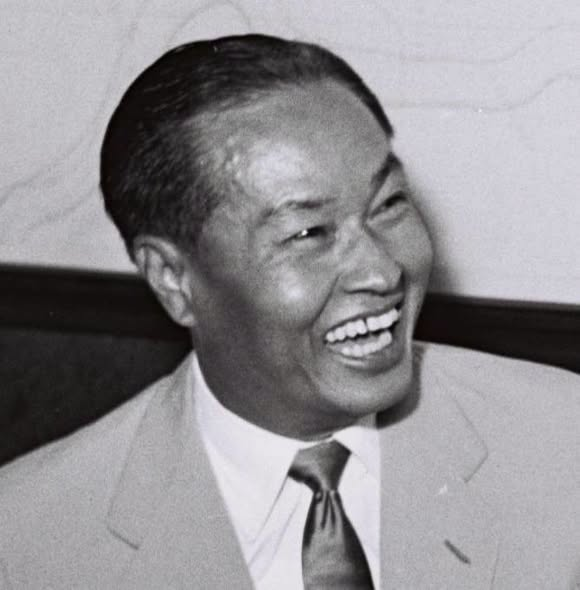
By “Nasty Rat” (ကြွက်စုတ်ကြီး)—
#FarFromThePeople, #ConsolationVerse
When one alone attains the good, another must fall — that consolation verse is destined only for one side. It is like the nature of trees on a riverbank: when one grows tall, another must be low.
#ConsolationForTheMany
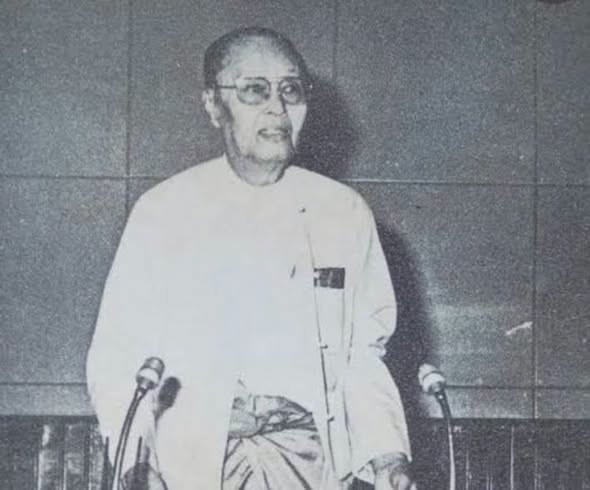
But I want to write, having reflected on how the many had to cross an ocean of suffering so that one alone could prosper.
When one man alone is to prosper, another must fall — that is simply the way of things. The “consolation verse” [myet-hpyay linka] at the very start of [our literature] was, after all, composed for one man’s own sake.
The opening lines of “Nasty Rat’s” post are almost certainly alluding directly to Ananda Thuriya’s Law of Nature — the four-stanza linka he composed at his own execution site, historically remembered in Burmese literature precisely as a “consolation verse” (မျက်ဖြေလင်္ကာ). It was written for one man’s own sake: Ananda Thuriya wrote a four-stanza poem to be presented to the king, titled The Law of Nature, only a few minutes before his execution, hoping it would move the king to spare him. And it very nearly worked: Sithu II pardoned the minister immediately after having read the poem, but it was too late — he was informed that the old minister had already been executed.
(It’s like riverbank trees — when one grows tall, the other beside it is forced low.)

The implicit argument then becomes: Ananda Thuriya’s verse was one man pleading, in his final minutes, to be spared for his own sake alone — and even that single man’s plea arrived one tragic minute too late. The essayist is using that image to frame what follows: not one man’s few minutes of suffering, but an entire population’s decades of suffering, so that one man (Ne Win) alone could “prosper.” The riverbank-tree image and the “one up, one down” logic of the essay’s title device both extend that same idea outward from a single courtier to a whole country.
That’s a genuinely well-built opening — it’s quietly borrowing the emotional authority of one of the oldest and most famous poems in the Burmese literary canon to indict a 20th-century ruler. Worth noting in any serious treatment or footnoted translation of the piece, since a reader unfamiliar with Ananda Thuriya would miss the allusion entirely, as I did on the first pass.
#OnceUponATime
One day in July 1995, U Chit Hlaing and U Tin Aung Hein — who had come down from Shwebo, Khin Oo township — met one another.
#PeopleOfHistory
U Chit Hlaing was a principal figure in laying down the BSPP’s ideological line, “the dialectical correlation of man and his environment.” U Tin Aung Hein was the man tasked with reporting on events during ’88, and — whether he wanted democracy or not — went on to become chairman of the People’s Referendum Commission.
#MeetingTheOldChairman
When the two met, the idea arose of meeting their former leader [Ne Win]. On July 24, they went and spoke to Daw Ni Ni Myint about it… She advised them to submit a written request. On the 25th, a reply came back. They would meet on the 26th.
#TheSpeakerAndTheListener
The conversation, which began around 9 a.m., lasted until past 2:30 in the afternoon. Those who had gone originally had intended to raise current politics and future prospects, but they were vetoed [on this]:
“Today let’s talk calmly, but let’s not talk about politics or economics. Let’s just talk about religion and culture.”
Their host [Ne Win] led off, expounding at length on the influence of Indian and Chinese culture on Burmese society — and the visiting guests, who had assumed he was not a well-read man, listened in astonishment, since he turned out to be well-read after all.
After lunch, the conversation turned to religion. This time it was U Tin Aung Hein who spoke with him, on matters of meditation practice that were beyond the “dialectical” theorist’s grasp. U Ne Win spoke at length about following the teachings of the Ledi Sayadaw, and so on.
#ThePowerOfDhamma
Past 2 p.m., the conversation paused for a moment. It was at that moment that he cut in and said:
“Let me just say this to my own people, while I have the chance — if, back then, I had understood these truths of samsara, of conditioned phenomena, of impermanence and non-self the way I understand them today, I would not have done what I did in March 1962…”
The two listeners were stunned. He himself seemed to pause and think for a moment, then continued:
#SoAsNotToFallIntoTheDitch
“Yes — if I had known these truths back then, I would not have done the kind of thing I did in 1962.”
[Here “1962” was written in English/Roman numerals, “E.”]
#TheEdgeOfTheCliff
He ought to have — as is customary — passed on to his disciples, sons, and grandsons the special spiritual attainment he himself had gained, teaching it in the proper manner; but he failed to do so, and now the “ditch” [pit] has become harder and harder to climb out of.
Source: … “Once Upon a Time, As I Knew It” (Ko Ko Maung Gyi)
Fact-check and context
I searched but could not find independent corroboration of this specific alleged 1995 conversation or the quoted “confession” about 1962 — it appears to be a personal reminiscence circulating on Burmese social media, attributed to a pen name (“Ko Ko Maung Gyi”), not a documented interview or archival record. Treat the direct quotes as unverified secondhand testimony, not established historical fact. Here’s what I could verify about the real people and context named in the piece:
U Chit Hlaing was real and exactly as described: the Marxist-turned-BSPP ideologue who, on Ne Win’s direct instruction, authored both the Burmese Way to Socialism and its elaboration, The System of Correlation of Man and His Environment (commonly called innya myinnya), the BSPP’s official ideology from 1962–1988. He remained in periodic contact with Ne Win even after leaving the party in the 1970s, and was later close to Than Shwe. He died in 2018 at age 92. He was the author of the political treatise of the BSPP—”The System of Correlation between Man and His Environment” and worked alongside General Ne Win throughout the 1960s and remained close to later junta chief Snr-Gen Than Shwe during the 1990s, and even in his early 80s he was still following the political intrigues of the nation, with memories still fresh — consistent with him being alive and lucid enough for a 1995 meeting as described.
Obituary: Junta Insider Dies at 92 +2
Daw Ni Ni Myint was indeed Ne Win’s wife — a university history professor whom he married, divorced, and remarried — matching the post’s detail that she was the gatekeeper contacted to arrange access to him. His wife was Ni Ni Myint, and after his marriage to June Rose Bellamy lasted only a few months, he remarried Ni Ni Myint as his fourth wife.
BaiduWiki
ResearchGate
1962 coup and Ne Win’s later denials: Ne Win did, on other occasions, distance himself from specific 1962-era events — for instance in 1988, denying involvement in the dynamiting of the Student Union building and blaming his deputy Brigadier Aung Gyi instead. That’s a documented pattern of him deflecting blame for 1962-era violence, but it’s a different claim from “regretting the coup itself,” and I found no independent source confirming he ever said the latter.
Wikipedia
U Tin Aung Hein and the “People’s Referendum Commission” (ပြည်သူ့ဆန္ဒခံယူရေးကော်မရှင်) he’s said to have chaired — I could not verify this individual or commission through search; this detail remains unconfirmed on my end.
Ledi Sayadaw, referenced as the meditation teacher Ne Win said he followed, is a real and major figure in Burmese Vipassana history — a scholarly monk instrumental in reviving the traditional practice of Vipassana meditation and making it available to lay people.
Dhamma
Bottom line: the surrounding historical scaffolding (who U Chit Hlaing was, his ideological role, his relationship with Ne Win, who Daw Ni Ni Myint was) checks out. The core anecdote — the private July 1995 meeting and Ne Win’s alleged remorse over 1962 — is not something I can confirm or deny from available sources; it should be read as one person’s unverified personal recollection, not documented history.
ျကြက္စုတ္ျကီး
#လူထုနှင့်ဝေးသော
#မျက်ဖြေလင်္ကာ။
သူတည်းတစ်ယောက် ကောင်းဖို့ရောက်မူ သူတစ်ယောက်မှာ ပျက်
လင့်ကာသာ ဓမ္မတာတည်း အစချီ မျက်ဖြေ
လင်္ကာ က ဝမ်းဘိုင်ဝမ်း
အတွက်ဖြစ်သည်။
ကမ်းနားသစ်ပင် တို့၏
သဘာဝ တစ်ယောက်
မြင့်လျှင် ကျန်တစ်ယောက်က နိမ့် ရသည့်
သဘော။
#အများအတွက်မျက်ဖြေ။
သို့သော် တစ်ယောက်ထည်း ကောင်းစားဖို့အတွက် အများ ဒုက္ခ
ပင်လယ် ဝေခဲ့ကြရ
သည့် အကြောင်းစဥ်းစားမိ၍ ရေးချင်လာသည်။
#တစ်ရံရောအခါက။
၁၉၉၅ ၏ ဇူလိုင်လ၊
တစ်နေ့သ၌ ဦးချစ်လှိုင်နှင့် ရွှေဘို ခင်ဦးနယ်
မှ ဆင်း လာသော
ဦးတင်အောင်ဟ်ိန်းတို့ တွေ့ကြ လေ၏။
#သမိုင်းလူသားများ။
ဦးချစ်လှ်ိုင်ကား လူနှင့်
ပတ်ဝန်းကျင်တို့၏
အညမည သဘော
တရား( dialectical
correlation of man
and his environme
nt) ဟူသည့် မဆလ
ဂိုက်လိုင်း ချမှတ်ရာ ကဏ္ဍတွင် အဓိကလူ။
ဦးတင်အောင်ဟိန်း က
၈၈ တွင်၊ဖြစ်ပျက်နေသမျှကို အစီရင်ခံရန်
တာဝန်ပေးခြင်းခံခဲ့ရ
သူနှင့် ဒီမိုကရေစီ လို
ချင် မလိုချင်၊ပြည်သူ့ဆန္ဒခံယူရေး ကော်မရှင်
ဥက္ကဌ လုပ်လာသူ။
#ဥက္ကဌကြီးနှင့်တွေ့ရန်။
သူတို့ တွေကြချိန်တွင်
သူတို့၏ ခေါင်းဆောင်
ဟောင်းနှင့်တွေ့ကြရန်
အကြံဖြစ်ကြသည်။
ဇူလိုင် ၂၄ ၌၊ဒေါ်နီနီမြင့်
ကို သွားပြောကြရာ…
စာဖြင့် တင်ကြရန်အကြံပေး၊၂၅ရက်နေ့
တွင် အကြောင်းပြန်ကြားလာ။၂၆ ရက်နေ့
တွေ့မည်။
#ပြောသူနှင့်နားထောင်ရသူ။
မနက် ၉နာရီခန့်မှ စတင်
သည့် စကားဝိုင်းသည်
နေ့လည် ၂နာရီခွဲကျော်
အထိ ကြာမြင့်ခဲ့သည်။
မူလက သွားတွေ့သူများ
က လက်ရှိ နိုင်ငံရေးက
အစ နောက် အလားအ
လာတွေပါ ပြောကြရန်
မောင်းတင် ထားခဲ့ကြ
သော်လည်း ဗီတိုဖြင့်
ပိတ်ပင်ခံကြရသည်။
” ဒီနေ့ စကားတွေ အေး
အေးဆေးဆေးပြောကြ
မယ်၊ဒါပေမဲ့ နိုင်ငံရေး
စီးပွားရေးအကြောင်းတွေ မပြောကြပါ နဲ့။
ဘာသာရေးနဲ့ယဥ်ကျေး
မှု အကြောင်းတွေပဲ ပြောကြတာပေါ့. “
အိမ်ရှင်က ဦးဆောင်ပြီး
မြန်မာ့ လူ့ဘောင်အပေါ်
၌ အိန္ဒြိယ၊တရုတ်တို့၏
ယဥ်ကျေးမှုများလွှမ်းမိုး
ခြင်းကို အကျယ်တဝင့်
ရှင်းလင်းဆွေးနွေးလေ
ရာ သူ့အား စာမဖတ်သူ
ဟု ထင်ထားခဲ့သော စာ
ဖတ်သည့် ဧည့်သည်တို့ တအံ့တဩနားထောင်ခဲ့ကြရသည်။
နေ့လည်စာ စားချိန်အပြီး၌ စကားဝိုင်းက
ဘာသာရေး ဘက်ရောက်သွားသည်။
ဤ အကြိမ်တွင်တော့
အညမညဆရာအတွက်
ဉာဏ်မမီ လောက်သော တရားထိုင်ခြင်းကိစ္စ
များဖြစ်လျက် ဦးတင်အောင်ဟိန်း နှင့်ပြော
ကြ ခြင်းဖြစ်သည်။
ဦးနေဝင်းက လယ်တီ
ဆရာတော်၏ မူများ
ကို လိုက်နာကျင့်သုံးကြောင်း စသည်ဖြင့်
အကျယ်တဝင့် ဆွေး
နွေးသွားသည်။
#တရားတန်ခိုး။
မွန်းလွဲ ၂နာရီ ကျော်လာ
ချိန် စကားဝိုင်းခဏနား
လိုက်သည်။ထိုအချိန်၌
ပင် သူက ယခုလို ဖြတ်
ပြောလိုက်သည်။
” ကိုယ့်လူတွေနဲ့ ကြုံတုန်းပြောလိုက်ဦးမယ်၊
ကိုယ့်အနေနဲ့ ဒီသံသရာ
တရားတွေ၊ သင်္ခါရတရားတွေ၊အနိစ္စ အနတ္တ တရားတွေကို
ဒီနေ့ သိမြင်သလိုများ ဟ်ိုတုန်းက သိခဲ့မယ်
ဆိုရင် ၁၉၆၂ မတ်လ
ကိစ္စကို ကိုယ်မလုပ်ခဲ့
ပါဘူး..”
နားရှိ၍ ကြားလိုက်ရသူ
နှစ်ယောက် အံ့အားသင့်
သွားကြချိန်၊သူက ခဏ
စဥ်းစားပုံ ဖြစ်သွားကာ
ဤ သို့.စကားဆက်လိုက်ပါသည်။
#ဂျောက်ထဲမကျဖို့။
.” ဟုတ်တယ်၊အဲ့ဒီတုန်းကသာ ဒီတရားတွေ
ကိုသိနေခဲ့ရင် ၁၉၆၂ ကလုပ်ခဲ့တဲ့ အလုပ်မျ်ိုးကို ကိုယ် မလုပ်ခဲ့ဘူး “
ဤနေရာတွင် 1962
ဟု E လို ဖော်ညွှန်းသွားသည်။
#ချောက်ကမ်းပါး။
သူသည် သူ ရခဲ့လေသော တရားထူး ကို
တပည့်၊သား၊မြေးများ
ကို ထုံးစံအတိုင်းအမိန့်
ပေး တရားပြ ခဲ့ဖို့ကောင်းသော်လည်း
ပျက်ကွက်ခဲ့လေရာ
ယခု ဂျောက်က ပို၍
ပို၍ အတက်ရခက်လာလေပြီ။
စာကိုး…
ကျွန်တော်သိသော တစ်ရံရော အခါများ(ကိုကို
မောင်ကြီး)။