The military dictatorship in Myanmar has lost control over much of the country to rebel forces. The status of the Rohingya people, victims of genocide, will be a crucial test of the new political order that appears to be taking shape.
Jacobin magazine
The Rohingya genocide in Myanmar was the sharpest expression of a political order built on Burman-Buddhist supremacy and a center that has always treated its ethnic peripheries as territory to be subdued rather than nations to be included:
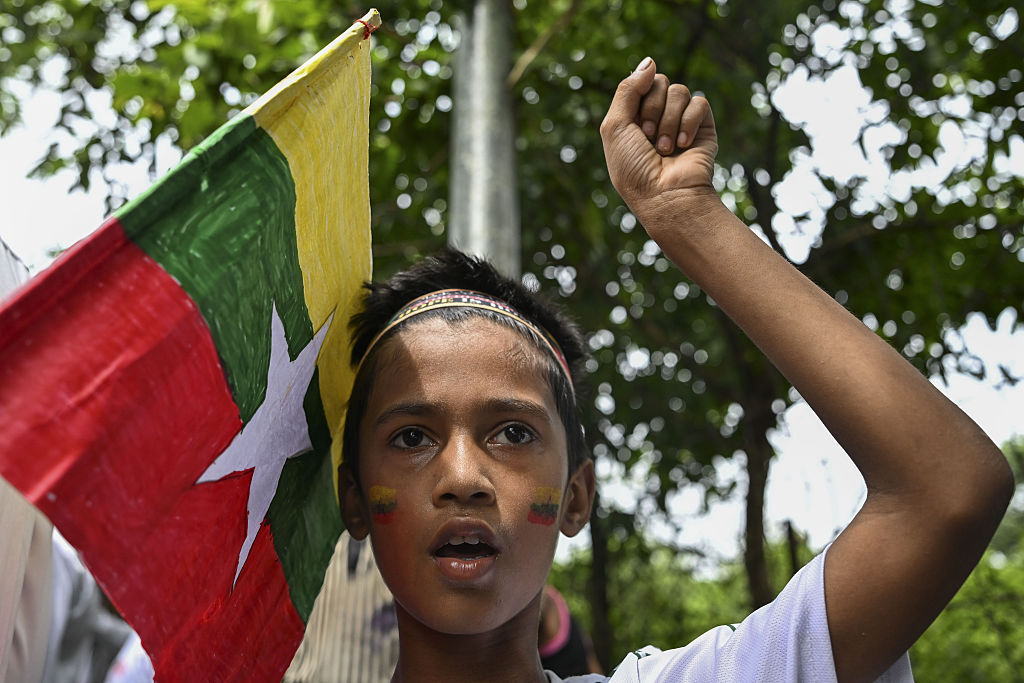
Nine years ago, the Myanmar state expelled the Rohingya in a genocidal campaign. That state is now falling apart in the face of armed rebellion, but the Rohingya are still waiting to learn whether anything different is being built in its place. (Abdul Goni / Anadolu via Getty Images)
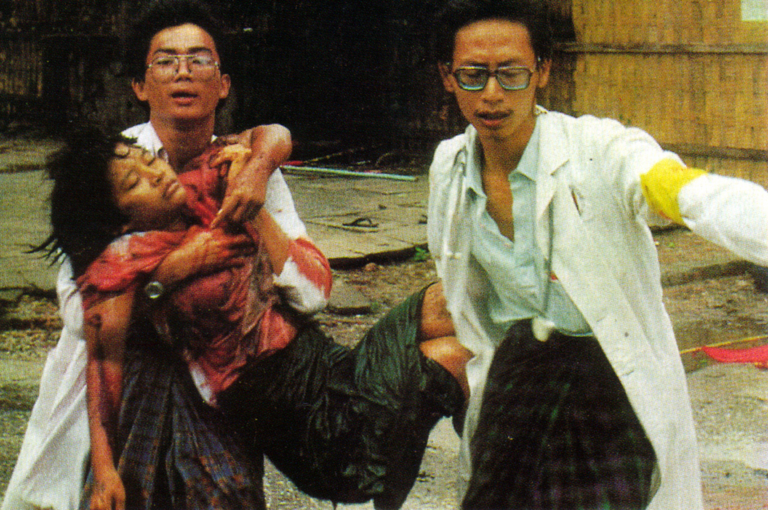
n August 2024, Rohingya families gathered on the banks of the Naf River in Maungdaw, waiting to cross into Bangladesh as the fighting closed in. Drones and mortars found them there. Roughly two hundred people were killed, another entry in a catalogue of atrocity the Rohingya have been forced to keep for decades.
What made this massacre different was who stood accused of it. The killing was attributed not to the Myanmar military, the army that drove three-quarters of a million Rohingya into exile in 2017, but to the Arakan Army, the ethnic Rakhine force that has spent the past two years dismantling that same military’s grip on the state. The genocidaire was in retreat but the Rohingya were dying anyway.
That is the contradiction at the heart of Myanmar today, and it is why we should mark the ninth anniversary of the 2017 genocide as something other than a humanitarian remembrance. The Rohingya are usually cast as victims of a specific army and a specific campaign of expulsion. But the genocide was never only a crime committed by soldiers.
In September 2026, Jacobin Magazine published a comprehensive article titled “The Fate of the Rohingyas Is Crucial for Myanmar’s Future”, analyzing the escalating and deeply complex crisis impacting the Rohingya people amidst the shifting realities of Myanmar’s ongoing civil war. [1, 2]
The piece explores a dark paradox within the current conflict: while the oppressive Myanmar military dictatorship is steadily losing ground to armed resistance factions, the vulnerabilities and casualties among the stateless Rohingya population have only intensified. [1, 2]
Key Themes of the Analysis
- The Maungdaw Massacre & The Arakan Army: The article centers heavily on a tragic August 2024 massacre at the Naf River in Maungdaw, where approximately 200 fleeing Rohingya civilians were killed by drone and mortar strikes. Crucially, the text points out that the blame for this specific atrocity fell not on the traditional perpetrators—the Myanmar military—but on the Arakan Army, an ethnic Rakhine rebel force fighting against the state military. [1]
- A Contradictory Rebellion: This creates a profound moral and political contradiction. The retreat of the genocidal central military has not inherently translated into safety for the Rohingya, as regional ethnic rebel groups continue to exhibit hostility toward them. [1]
- Systemic Elitism vs. Ethnic Politics: The publication argues that the structural erasure of the Rohingya is not merely a military policy but a product of deep-rooted political manipulation by regional elites. Rather than relying on simple cultural explanations or relying exclusively on academic moralizing, the analysis emphasizes a pro-poor political strategy to combat the economic and social anxieties that elites exploit to foster internal divisions. [1, 2]
- A Litmus Test for a New Order: Ultimately, the article posits that how the emerging anti-junta political order addresses Rohingya citizenship, safety, and indigenous rights will serve as the definitive test of whether a truly democratic Myanmar is being built, or if the structural violence of the old state will merely be replicated by the victors. [1, 2]
Hla Soewai
တိုင်းပြည် အနာဂတ်သည် ရိုဟင်ဂျာ အရေး နှင့် ဆက်စပ်လာ
*******************
ယခု ဖေါ်ပြမည့် ဆောင်းပါးသည် အမေရိကန် လက်ဝဲ သမား များ၏ အသံကို ကိုယ်စားပြုနေသော ထိပ်ထိပ်ကျဲ မဂ္ဂဇင်း ကြီး ဖြစ်သည့် Jacobin တွင် ဆောင်းပါးရှင် ဆူရှိူဗန် ဒါက ရေးသား ထားသည်ကို ကောက်နှုတ် ဖေါ်ပြလိုပါသည်။
၂၀၂၁ အာဏာသိမ်းပြီးနောက် မြန်မာနိုင်ငံတွင် ဖြစ်ပေါ်နေသော စစ်ပွဲကို “ဒီမိုကရေစီနှင့် အာဏာရှင်စနစ်” အဖြစ်သာ မမြင်သင့်ဟု ဆောင်းပါးက ဆိုသည်။ ယင်းစစ်ပွဲသည် မည်သူက နိုင်ငံကို အုပ်ချုပ်မည်ဆိုသည့် ပြဿနာအပြင် မည်သည့်နိုင်ငံရေးစနစ်ကို တည်ဆောက်မည်၊ လူမျိုးအားလုံး၏ ကိုယ်ပိုင်ပြဋ္ဌာန်းခွင့်နှင့် နိုင်ငံသားဖြစ်ခွင့်ကို မည်သို့သတ်မှတ်မည် ဆိုသည့် အခြေခံပြဿနာများနှင့်လည်း ဆက်စပ်နေသည်။
ဆောင်းပါး၏ အမြင်အရ ရိုဟင်ဂျာလူမျိုးသုဉ်းသတ်ဖြတ်မှု၏ အရင်းအမြစ်သည် ၂၀၁၇ ခုနှစ်တွင်သာ စတင်ခဲ့ခြင်းမဟုတ်ပဲ မြန်မာနိုင်ငံ၏ လွတ်လပ်ရေးနောက်ပိုင်း နိုင်ငံရေးစနစ်တွင် လူမျိုးအလိုက် “မည်သူက နိုင်ငံသားဖြစ်ခွင့်ရှိသလဲ” ဟူသော ခွဲခြားသတ်မှတ်မှု မှ အခြေတည်လာခဲ့ခြင်း ဖြစ်သည်။ အထူးသဖြင့် ၁၉၈၂ နိုင်ငံသားဥပဒေသည် “တိုင်းရင်းသားလူမျိုးများ” ကို သတ်မှတ်ပေးပြီး ရိုဟင်ဂျာများကို ထိုအုပ်စုထဲမှ ချန်လှပ်ခဲ့သည်။ ထိုကြောင့် မျိုးဆက်များစွာ ရခိုင်ဒေသတွင် နေထိုင်လာသူများပင် နိုင်ငံခြားသားများအဖြစ် သတ်မှတ်ခံရနိုင်သည့် အခြေအနေ ဖြစ်လာခဲ့သည်။
လွတ်လပ်ရေးရရှိပြီးနောက် မြန်မာနိုင်ငံသည် ဗြိတိသျှကိုလိုနီအုပ်ချုပ်ရေးထံမှ အလယ်ဗဟိုတွင် ဗမာ-ဗုဒ္ဓဘာသာ အများစု အာဏာရှိပြီး၊ ထိုအလယ်ဗဟိုကို ဝန်းရံထားသည့် ကချင်၊ ရှမ်း၊ ကရင်၊ ချင်း၊ ရခိုင် စသည့် လူနည်းစုတိုင်းရင်းသားဒေသများကို အစွန်အဖျားနယ်မြေများအဖြစ် သတ်မှတ်ထားသည့် နိုင်ငံရေးပထဝီအနေအထားကို အမွေဆက်ခံခဲ့သည်။ ကိုယ်ပိုင်အုပ်ချုပ်ခွင့်ပေးမည်ဟူသော ကတိများသည် လွတ်လပ်ရေးရပြီး မကြာမီပင် စစ်တပ်၏ အာဏာလွှမ်းမိုးမှုဆိုသည့် လက်တွေ့အခြေအနေအောက်တွင် ပျောက်ကွယ်သွားခဲ့သည်။
စစ်တပ်သည် ထိုနိုင်ငံရေးအစီအစဉ်ကို စောင့်ရှောက်ထိန်းသိမ်းသူအဖြစ် ကြွေးကြော် ရင်း ၎င်းတို့ ၏အာဏာကို အမြစ်တွယ် အောင် လုပ်လာခဲ့သည်။ ၎င်းသည် ‘ဘိုနာပါတစ်’ ပုံစံရှိသော အာဏာယန္တရားတစ်ရပ်ဖြစ်ပြီး၊ မိမိအောက်တွင် ရှိနေသော အုပ်စု ပဋိပက္ခများကို တဖက်နှင့်တဖက် ချိန်ညှိအသုံးချကာ အုပ်ချုပ်ခဲ့သည်။
ပြင်သစ် တော်လှန်ရေး အပြီး နိုင်ငံရေးအုပ်စုများ၊ လူတန်းစားအလွှာအသီးသီး နှင့် ၊ အင်အားစုများ အချင်းချင်း ပဋိပက္ခပြင်းထန်လာခဲ့ရာမှ အားလုံးအပေါ်ကနေ အာဏာချုပ်ကိုင်ထားသည့် နပိုလီယန် ဦးဆောင်သော စစ်တပ် ပေါ်ပေါက်လာပြီး ကျင့်သုံးလာ သော အာဏာပုံစံကို နောက်ပိုင်းတွင် ဘိုနာပတ် ဝါဒ ဟု ခေါ်ဆိုလာခြင်း ဖြစ်သည်။
ထို့ကြောင့် ရိုဟင်ဂျာများ၏ နိုင်ငံမဲ့အခြေအနေသည် မတော်တဆ ဖြစ်ပေါ်လာခြင်းမဟုတ်ဘဲ နိုင်ငံရေးနှင့် ဥပဒေစနစ်အတွင်း ဖန်တီးထားသော အခြေအနေဖြစ်သည်ဟု ဆောင်းပါးက သုံးသပ်သည်။ မြန်မာစစ်တပ်သည် ထိုစနစ်ကို ထိန်းသိမ်းလာသူဖြစ်ပြီး ၂၀၁၇ ခုနှစ်၏ “နယ်မြေရှင်းလင်းရေး” သည် ထိုရှည်လျားစွာ အမြစ်တွယ်လာခဲ့သော လူမျိုးရေးဖယ်ထုတ်မှု၏ အထင်ရှားဆုံး သက်သေပြချက် တခုဖြစ်လာသည်။
ရခိုင်ပြည်နယ်တွင် AA ၏ နယ်မြေ စိုးမိုးလာမှုသည် ထိုပြဿနာကို ပိုမိုရှင်းလင်းစေသည်။ AA သည် ရခိုင်လူမျိုးများအတွက် ကိုယ်ပိုင်ပြဋ္ဌာန်းခွင့်နှင့် ဗမာ တို့ ချုပ်ကိုင်ထားသည့် ဗဟိုအာဏာမှ လွတ်မြောက်ရေးကို တောင်းဆိုနေသည်။ သို့သော် AA ထိန်းချုပ်သည့် နယ်မြေများတွင် ရိုဟင်ဂျာများအပေါ် ရွာများဖျက်ဆီးခြင်း၊ ဖမ်းဆီးသတ်ဖြတ်ခြင်း၊ အလုပ်ခိုင်းစေခြင်း၊ သွားလာခွင့်ကန့်သတ်ခြင်းနှင့် မြေယာသိမ်းယူခြင်း စသည့် စွပ်စွဲချက်များ ထွက်ပေါ်လာခဲ့သည်။ AA က ထိုစွပ်စွဲချက်များကို ငြင်းဆိုထားသော်လည်း နိုင်ငံတကာလူ့အခွင့်အရေးအဖွဲ့များက အလားတူ ဖြစ်ရပ်များကို မှတ်တမ်းတင်ထားကြသည်ဟု ဆောင်းပါးက ဖော်ပြသည်။
၂၀၂၄ ခုနှစ် ဩဂုတ်လတွင် မောင်းတောအနီး နတ်မြစ်ကမ်း၌ ဘင်္ဂလားဒေ့ရှ်ဘက်သို့ ထွက်ပြေးရန် စောင့်ဆိုင်းနေကြသော ရိုဟင်ဂျာများကို ဒရုန်းနှင့် မော်တာများဖြင့် တိုက်ခိုက်ခဲ့ရာ လူ ၂၀၀ ခန့် သေဆုံးခဲ့သည်ဟု ဆောင်းပါးက ဆိုသည်။ ထူးခြားသည်မှာ ထိုတိုက်ခိုက်မှုကို ၂၀၁၇ ခုနှစ်တွင် ရိုဟင်ဂျာ ၇၅၀,၀၀၀ ခန့်ကို နိုင်ငံပြင်ပသို့ ထွက်ပြေးစေခဲ့သော မြန်မာစစ်တပ်အပေါ် မဟုတ်ဘဲ၊ ယခုအခါ ရခိုင်ပြည်နယ်မှ စစ်တပ်ကို တွန်းလှန်နေသော အာရက္ခတပ်တော် (AA) အပေါ် စွပ်စွဲထားခြင်း ဖြစ်သည်။
ထိုအဖြစ်အပျက်ကို ယနေ့ မြန်မာနိုင်ငံ၏ အဓိကဆန့်ကျင်ဘက်ဖြစ်ရပ်အဖြစ် သတ်မှတ်သည်။ တဖက်တွင် ရိုဟင်ဂျာများကို နှိပ်စက်ခဲ့သည့် မြန်မာစစ်တပ်သည် အင်အားချိနဲ့ ကျဆင်းလာရာမှ အခြားတဖက်တွင် စစ်တပ်ကို တိုက်ခိုက်နေသော AA ထိန်းချုပ်နယ်မြေများတွင်လည်း ရိုဟင်ဂျာများအပေါ် အကြမ်းဖက်မှုနှင့် ဖယ်ထုတ်မှုများ ဖြစ်ပေါ်နေသည်ဟု ဆိုသည်။
ငါးနှစ်ကြာပြီးနောက်တွင် စစ်အာဏာရှင်အဖွဲ့သည် နိုင်ငံ၏ ငါးပုံတပုံခန့်ကိုသာ ထိန်းချုပ်နိုင်တော့ သော်လည်း ထိုအဖွဲ့သည် အတုအယောင်ရွေးကောက်ပွဲများကို ကျင်းပခဲ့ပြီး၊ လူမျိုးသုဉ်းသတ်ဖြတ်မှုနှင့် အာဏာသိမ်းမှု နှစ်ခုစလုံး၏ လက်သည် တရားခံ ဖြစ်သူ မင်းအောင်လှိုင်ကို အရပ်သား အမည်ခံ သမ္မတအဖြစ် တင်မြှောက်ခဲ့သည်။ တချိန်တည်းမှာပင် ၎င်းတို့ လက် အောက်မှ တဖြည်းဖြည်း လွတ်မြောက်သွားနေသော နယ်မြေများရှိ ဆေးရုံများကိုလည်း ဗုံးကြဲတိုက်ခိုက်နေသည်။
မြန်မာနိုင်ငံ၏ ယခင်နိုင်ငံရေးအဆောက်အအုံ ပြိုကွဲပျက်စီးနေမှု၏ မရေရာရှုပ်ထွေးသော သဘောသဘာဝကို ရခိုင်ပြည်နယ်ထက် ပိုမိုထင်ရှားစွာ မြင်တွေ့ရသည့်နေရာ မရှိသလောက်ဖြစ်ပြီး၊ ထိုမရေမရာရှုပ်ထွေးမှုကို အာရက္ခတပ်တော် (AA) ထက် ပိုမိုပြည့်စုံစွာ ကိုယ်စားပြုသည့် အင်အားစုလည်း မရှိပေ။ AA ၏ အင်အားတိုးတက်လာမှုမှာ အမှန်တကယ်ပင် ထူးခြားလှသည်။ ၂၀၀၉ ခုနှစ်ကမှ စတင်ဖွဲ့စည်းခဲ့သော အဖွဲ့ဖြစ်သော်လည်း ယခုအခါ ရခိုင်ပြည်နယ်၏ နယ်မြေ ၉၀ ရာခိုင်နှုန်းခန့်ကို သိမ်းပိုက်ထိန်းချုပ်နိုင်ခဲ့ပြီး၊ ဘင်္ဂလားဒေ့ရှ်နှင့် ထိစပ်နေသော နယ်စပ်တလျှောက်လုံးကိုလည်း ထိန်းချုပ်နိုင်ခဲ့သည်။ ထို့အပြင် မျိုးဆက်ပေါင်းများစွာ အစဉ်အဆက် တည်ရှိခဲ့သော ဒေသဆိုင်ရာ စစ်ဌာနချုပ်တခုကိုပင် အနိုင်ယူသိမ်းပိုက်နိုင်ခဲ့သည်။”
ဤနေရာတွင် ဆောင်းပါးက ဖိနှိပ်ခံလူမျိုးတမျိုး၏ အမျိုးသားရေးလှုပ်ရှားမှုသည် အာဏာရလာသည့်အခါ အခြားလူနည်းစုကို ပြန်လည်ဖိနှိပ်နိုင်သည် ဟူသော အန္တရာယ် ရှိလာသည်ကို ထောက်ပြသည်။ လူမျိုးတမျိုးစီအတွက် သီးခြား “အမျိုးသားနယ်မြေ” တည်ဆောက်သည့် စနစ်သည် ရိုဟင်ဂျာများကဲ့သို့ မည်သည့်နယ်မြေကိုမှ မိမိတို့၏ အမျိုးသားပိုင်နက်အဖြစ် မသတ်မှတ်နိုင်သော လူမျိုးများအတွက် နောက်ထပ် နိုင်ငံမဲ့အခြေအနေကို ဖြစ်စေနိုင်သည်။
အမျိုးသားညီညွတ်ရေးအစိုးရ (NUG) သည်လည်း ၂၀၂၁ ခုနှစ်တွင် ၁၉၈၂ နိုင်ငံသားဥပဒေကို ဖျက်သိမ်းရန်၊ နိုင်ငံသားဖြစ်ခွင့်ကို လူမျိုးရေးအစား မွေးဖွားခြင်းနှင့် နိုင်ငံအတွင်း နေထိုင်မှုအပေါ် အခြေခံရန်နှင့် ရိုဟင်ဂျာများအပေါ် ကျူးလွန်သည့် ရာဇဝတ်မှုများကို နိုင်ငံတကာတရားရုံးများတွင် စီရင်နိုင်ရန် ကတိပြုခဲ့သည်။ သို့သော် ယင်းကတိများကို လက်တွေ့အကောင်အထည်ဖော်နိုင်ရန် NUG တွင် ရခိုင်ပြည်နယ်အတွင်း လိုအပ်သည့် အာဏာနှင့် နယ်မြေထိန်းချုပ်မှု မရှိသေးကြောင်း ဆောင်းပါးက ထောက်ပြသည်။
နောက်ဆုံးတွင် ဆောင်းပါးက ရိုဟင်ဂျာများ၏ အနာဂတ်သည် မြန်မာ့တော်လှန်ရေး၏ အောင်မြင်မှုကို စမ်းသပ်မည့် အရေးကြီးဆုံး စံတစ်ခု ဖြစ်သည်ဟု ဆိုသည်။ စစ်တပ်ကို အနိုင်ယူခြင်း တခုတည်းဖြင့် မလုံလောက် တော့။ လူမျိုးရေးအလိုက် “ဘယ်သူက ပိုင်ရှင်၊ ဘယ်သူက ဧည့်သည်” ဟူသော အယူအဆကို ဖျက်သိမ်းပြီး လူမျိုးမခွဲခြားဘဲ တန်းတူနိုင်ငံသားအခွင့်အရေး ပေးနိုင်သည့် နိုင်ငံရေးစနစ်တစ်ခု တည်ဆောက်နိုင်မှသာ ယခင်စနစ်နှင့် အမှန်တကယ် ကွဲပြားသော မြန်မာနိုင်ငံသစ် ဖြစ်လာမည်ဟု ဆောင်းပါးက အဆုံးသတ်ထားသည်။
ဤဆောင်းပါး၏ အဓိကအယူအဆမှာ ရိုဟင်ဂျာလူမျိုးသုဉ်းသတ်ဖြတ်မှုသည် မြန်မာစစ်တပ်တခုတည်း၏ ရာဇဝတ်မှုမဟုတ်ဘဲ လူမျိုးရေးအပေါ် အခြေခံထားသော နိုင်ငံသားဖြစ်ခွင့်စနစ်နှင့် ဗမာဗဟိုပြု နိုင်ငံရေးအဆောက်အအုံမှ ပေါ်ပေါက်လာခြင်းဖြစ်သောကြောင့် စစ်တပ်ပြုတ်ကျရုံဖြင့် ရိုဟင်ဂျာပြဿနာ ပြေလည်မည်မဟုတ်ကြောင်း ထောက်ပြထားခြင်း ဖြစ်သည်။
ယနေ့ စစ်အာဏာရှင်စနစ်ကို ဖြိုချနေသည့် တော်လှန် ရေးအင်အားစုများကလည်း လူမျိုးရေးအခြေပြု ဖယ်ထုတ်မှုစနစ်ကို ဆက်လက်ကျင့်သုံးမည်ဆိုပါက အာဏာရှင်ဟောင်းနေရာတွင် အာဏာရှင်အသစ်သာ အစားထိုးသကဲ့သို့ ဖြစ်သွားနိုင်သည်။ ထို့ကြောင့် မြန်မာ့တော်လှန်ရေး၏ အောင်မြင်မှုကို စစ်တပ်ကို အနိုင်ယူနိုင်ခြင်းတစ်ခုတည်းဖြင့် မတိုင်းတာဘဲ ရိုဟင်ဂျာများအပါအဝင် လူမျိုးအားလုံးကို တန်းတူနိုင်ငံသားအခွင့်အရေး ပေးနိုင်သည့် နိုင်ငံရေးစနစ်သစ် တည်ဆောက်နိုင်ခြင်းရှိ၊ မရှိ ဖြင့် တိုင်းတာရမည်ဟူ၍ ဖြစ်သည်။
ပြည်သူတို့၏ တရားသော စစ် မုချ အောင်ရမည်!!!