Proud to be Myanmar
Uncle, it was back in 2013, during President U Thein Sein’s administration.
I wasn’t in Myanmar back then. I was working at an Indian restaurant in Rawang, Malaysia. I was the only Myanmar worker there, and I had only been on the job for about a month.
One day, the owner’s eldest son came in to cover the counter for his mother. It was the first time I’d ever seen him since he hadn’t been around since I started. During a slow period, he looked at me and asked, “Are you from Myanmar?”
“Yes, I am,” I replied. “From mainland Myanmar.”
He said, “I just got back from watching the SEA Games in your country. Honestly, it blows my mind that people from your nation are coming over here to work manual jobs.”
I froze, not quite catching his drift.
After my shift, I dropped by my usual internet café and searched for “2013 SEA Games Myanmar.” The very first result was Ni Ni Khin Zaw’s song, “Thawawra Thitsa” (Eternal Loyalty).
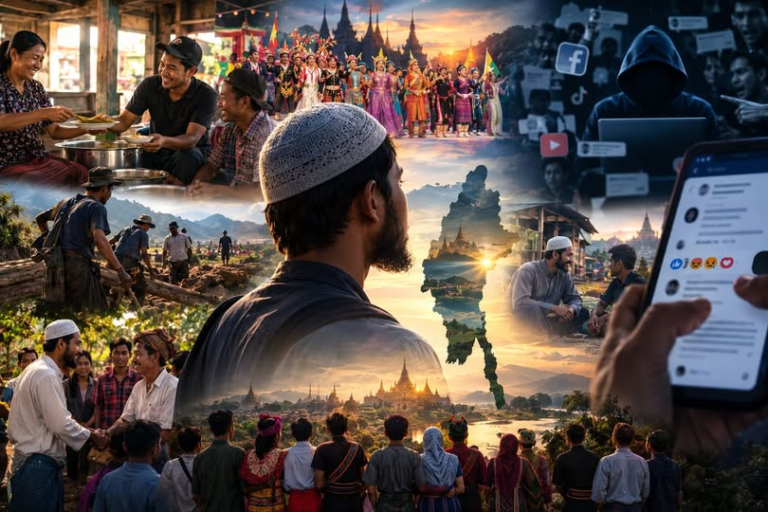
As you know, Uncle, the internet café headphones were massive with heavy bass. 😂 Watching the video while listening to the track, I saw hundreds of people on stage performing traditional dances in diverse ethnic attire. My mind was completely blown by how grand and powerful it looked.
When it reached the lines: “Beautiful land of Myanmar, Ethnic brothers and sisters in unity, Holding hands firmly, always, Eternal loyalty…”
I felt tears welling up, and goosebumps broke out all over my arms. I’m truly not exaggerating. If you don’t believe me, listen to “Thawawra Thitsa” while living abroad. When you are far from home, a song about your country and your people hits completely differently—you realize what home truly means.
Anyway, I went on to look up the opening ceremonies of SEA Games hosted by other nations, all while reflecting on what my boss’s son had said. To him, Myanmar was a nation rich in culture, history, and vibrant ethnic diversity. Yet, there I was—just a migrant laborer in his country.
In that moment, alongside a rush of national pride, a heavy question surfaced: Why is a country blessed with natural resources, sea access, rich culture, and naturally helpful people torn apart by such endless civil war?
Back then, as a Muslim, I was part of the group often labeled as “Kalar” in Myanmar—viewed by many as ethnically mixed outsiders.
Yet, when I first arrived abroad, the very person who saved me was an alcoholic named U Tun Oo from the Myingyan-Taungtha region—an area known for strong anti-Muslim sentiment. Later, when I returned to Myanmar and ran into trouble at the Myawaddy border checkpoint, it was ethnic Rakhine folks who stepped up and paid out of their own pockets to clear things up for me.
Did they view me as “Kalar”? I don’t know. But in those moments, all they saw was a fellow human being in need of help.
Those experiences made me reflect deeply. While people preach hate over race and religion online, real life shows us that a supposed “enemy” can save your life, while someone you consider “one of your own” can cause you harm. So how do we truly define who is “us” and who is “them”?
I read books and study history, but the more I study, the more confusing it gets.
Reality is one thing. The online world is another. History books say something else. And every individual’s personal experience is unique.
Still, for the young man sitting in a small internet café in Rawang back in 2013—headphones on, getting goosebumps to the words “Beautiful land of Myanmar…”—”Myanmar” was no longer just a word in a textbook. It became a feeling born from distance, a question raised only after meeting the wider world.
That is why to this day, I keep asking: I am proud to be Myanmar, but what does “Myanmar” truly mean?
မြန်မာဖြစ်ရတာ ဂုဏ်ယူတယ်
အန်ကယ်ရေ
ခုနှစ်က ၂၀၁၃။ ဦးသိန်းစိန်လက်ထက်ပေါ့ဗျာ။
အဲ့အချိန် ကျွန်တော် မြန်မာပြည်မှာ မဟုတ်ဘူး။ မလေးရှားနိုင်ငံ၊ ရာဝမ်းမြို့က အိန္ဒိယစားသောက်ဆိုင်တစ်ဆိုင်မှာ အလုပ်လုပ်နေတယ်။ ဆိုင်မှာ မြန်မာအလုပ်သမားဆိုလို့ ကျွန်တော်တစ်ယောက်ပဲရှိတယ်။ အဲ့ဒီတုန်းကလည်း အလုပ်ဝင်တာ တစ်လလောက်ပဲရှိသေးတယ်။
တစ်ရက် ဆိုင်ပိုင်ရှင်ရဲ့သားအကြီး ရောက်လာပြီး သူ့အမေအစား ကောင်တာထိုင်တယ်။ သူ့ကို ကျွန်တော် အဲ့ဒီနေ့မှ ပထမဆုံးမြင်ဖူးတာ။ ကျွန်တော် အလုပ်စဝင်ကတည်းက သူက ဆိုင်မှာ မရှိဘူးလေ။
စားသုံးသူနည်းတဲ့အချိန် သူက ကျွန်တော့်ကို မေးတယ်။
“မင်း မြန်မာလား”
“ဟုတ်တယ်။ ကျွန်တော် မြန်မာပါ။ ပြည်မထဲက မြန်မာပါ” လို့ ပြန်ပြောလိုက်တယ်။
သူက ပြန်ပြောတယ်။
“ငါ မင်းတို့နိုင်ငံကို ဒီရက်ထဲက SEA Games သွားကြည့်ပြီး ပြန်လာတာကွ။ မင်းတို့ မြန်မာပြည်သားတွေ ငါတို့နိုင်ငံမှာ အလုပ်လာလုပ်နေတာကို ငါ့စိတ်ထဲ မယုံနိုင်ဘူးဖြစ်နေတယ်ကွတဲ့။”
ကျွန်တော် ကြောင်သွားတယ်။
“ဘာကိုဆိုလိုတာလဲ” ဆိုတာ နားမလည်ဘူး။
အလုပ်ဆင်းတော့ ကျွန်တော် ဝင်နေကျ အင်တာနက်ဆိုင်ကို ဝင်ပြီး ၂၀၁၃ မြန်မာ SEA Games အကြောင်း ရှာကြည့်တယ်။
“ 2013 SEA Games Myanmar” လို့ ရိုက်ရှာလိုက်တော့ ပထမဆုံးထွက်လာတာက နီနီခင်ဇော်ရဲ့ “ထာဝရသစ္စာ” သီချင်း။
အင်တာနက်ဆိုင်က နားကြပ်တွေကလည်း အန်ကယ် သိတဲ့အတိုင်း ဟဲဗီးတွေ၊ စောက်ရမ်းကြမ်းတာလေ။ 
ဗီဒီယိုကိုကြည့်ရင်း သီချင်းကို နားထောင်လိုက်တယ်။
စတိတ်စင်ပေါ်မှာ တိုင်းရင်းသားဝတ်စုံပေါင်းစုံနဲ့ လူတွေ ရာနဲ့ချီပြီး ကိုယ့်ရိုးရာအကတွေနဲ့ ကနေကြတယ်။
ကျွန်တော် စိတ်ထဲမှာ—
“ဟာ… စောက်ကြိုးနဲ၊ ကြမ်းလှချည်လား”
လို့တောင် ဖြစ်သွားတယ်။
ပြီးတော့ သီချင်းထဲက—
“လှတဲ့ပြည် မြန်မာ
သွေးချင်းတွေ ညီညာ
တွဲလက်ခိုင်မာအမြဲ
ထာဝရသစ္စာ…”
ဆိုတဲ့နေရာ ရောက်လာတော့ ကျွန်တော် ငိုချင်စိတ်တောင် ပေါက်လာတယ်။ ကြက်သီးကလည်း တဖြန်းဖြန်းထတယ်။
တကယ်ပြောတာ။
အန်ကယ် မယုံရင် အဲ့ဒီ့ ထာဝရသစ္စာဆိုတဲ့ သီချင်းကို နားထောင်ကြည့်ဗျာ ပြည်ပလိုနေရာမျိုးမှာ ကိုယ့်နိုင်ငံအကြောင်း၊ ကိုယ့်လူတွေအကြောင်း သီချင်းတစ်ပုဒ်နားထောင်ကြည့်။
ကိုယ့်နိုင်ငံနဲ့ ဝေးသွားတဲ့အခါမှ ကိုယ့်နိုင်ငံဆိုတာ ဘာလဲဆိုတာ အန်ကယ် ပိုသိလ်ိမ့်မယ်။ထားတော့
ဒါနဲ့ ကျွန်တော်လည်း တခြားနိုင်ငံတွေရဲ့ SEA Games ဖွင့်ပွဲတွေကို လိုက်ရှာကြည့်တယ်။
အဲ့ဒီအချိန်မှာပဲ ကျွန်တော့်အလုပ်ရှင်ရဲ့သား ပြောခဲ့တဲ့စကားကို ပြန်စဉ်းစားမိတယ်။
“မင်းတို့မြန်မာပြည်သားတွေ ငါတို့နိုင်ငံမှာ အလုပ်လာလုပ်နေတာကို ငါ မယုံနိုင်ဘူး”
သူ့အမြင်မှာ မြန်မာဆိုတာ အဲ့ဒီလို အားကောင်းတဲ့ ယဉ်ကျေးမှု၊ တိုင်းရင်းသားမျိုးစုံ၊ ကိုယ့်ရိုးရာအက၊ ကိုယ့်သမိုင်းနဲ့ ကိုယ့်နိုင်ငံရှိတဲ့ လူတွေ။
ဒါပေမယ့် ကျွန်တော်ကတော့ အဲ့ဒီအချိန်မှာ သူ့နိုင်ငံမှာ အလုပ်လာလုပ်နေတဲ့ အလုပ်သမားတစ်ယောက်။
အဲ့ဒီအခိုက်အတန့်မှာ ကိုယ့်နိုင်ငံအပေါ် ဂုဏ်ယူစိတ်နဲ့အတူ မေးခွန်းတစ်ခုလည်း ပေါ်လာတယ်။
ဒီလောက်သယံဇာတတွေရှိတဲ့နိုင်ငံ၊ ပင်လယ်ထွက်ပေါက်ရှိတဲ့နိုင်ငံ၊ ယဉ်ကျေးမှုတွေ ဒီလောက်ကြွယ်ဝတဲ့နိုင်ငံ၊ လူတွေကလည်း ကိုယ့်လူကိုယ် ကူညီတတ်ကြတဲ့နိုင်ငံမှာ ဘာကြောင့် ပြည်တွင်းစစ်တွေ ဒီလောက်ရှည်နေရတာလဲ။
အဲ့ဒီအချိန်က ကျွန်တော်ဟာ အစ္စလာမ်ဘာသာဝင်တစ်ယောက်ဖြစ်ပြီး မြန်မာပြည်အခေါ် “Kalar” လို့ ခေါ်ခံရတဲ့ လူတစ်ယောက်ပေါ့။
လူမျိုးရေးအရ သွေးနှောတယ်လို့ မြင်ခံရတဲ့လူတစ်ယောက်။
ဒါပေမယ့် ပြည်ပရောက်သွားတဲ့အခါ ကျွန်တော့်ကို ပထမဆုံးကူညီကယ်တင်ခဲ့တဲ့သူက Kalar မုန်းတီးရေးအားကောင်းတယ်လို့ ကျွန်တော်တို့ပြောလေ့ရှိတဲ့ ဒေသက မြင်းခြံတောင်သာသား ထွန်းဦးဆိုတဲ့ အရက်သမားကြီးတစ်ယောက် ဖြစ်နေတယ်။
မြန်မာပြည်ပြန်လာတဲ့အခါ မြဝတီကမ်းကူးတဲ့နေရာမှာ ဂိတ်က ရစ်တဲ့ပြဿနာတစ်ခုဖြစ်တော့လည်း ကျွန်တော့်အတွက် ပိုက်ဆံစိုက်ပြီး ကူညီရှင်းပေးခဲ့တာ ရမ်းဗြဲသား ရခိုင်စစ်စစ်တွေ။
သူတို့က ကျွန်တော့်ကို “Kalar” လို့မြင်ခဲ့ကြသလား၊ မမြင်ခဲ့ကြဘူးလား ကျွန်တော်မသိဘူး။
ဒါပေမယ့် အဲ့ဒီအချိန်မှာတော့ သူတို့မြင်တာက အကူအညီလိုနေတဲ့ လူတစ်ယောက် ပဲ ဖြစ်နေတယ်။
အဲ့ဒီအတွေ့အကြုံတွေကြောင့် ကျွန်တော် စဉ်းစားမိတယ်။
ကျွန်တော်တို့ online ပေါ်မှာ တစ်ယောက်နဲ့တစ်ယောက် လူမျိုးရေး၊ ဘာသာရေးနဲ့ အမုန်းတွေ ပြောနေကြပေမယ့် လက်တွေ့ဘဝမှာတော့ တစ်ခါတလေ ကျွန်တော်တို့ထင်ထားတဲ့ “ရန်သူ” တစ်ယောက်က ကိုယ့်အသက်ကို ကယ်ပေးနိုင်တယ်။
ကိုယ်ချစ်ခင်တဲ့ “ကိုယ့်လူ” တစ်ယောက်ကလည်း ကိုယ့်ကို ထိခိုက်စေနိုင်တယ်။
ဒါဆို “ကိုယ့်လူ” နဲ့ “သူ့လူ” ဆိုတာ တကယ်ဘယ်လိုသတ်မှတ်ကြတာလဲ။
ကျွန်တော် စာဖတ်တယ်။ သမိုင်းလေ့လာတယ်။
ပိုလေ့လာလေလေ တစ်ခါတလေ ပိုရှုပ်လာတယ်။
အပြင်မှာက တစ်မျိုး။
Online မှာက တစ်မျိုး။
သမိုင်းထဲမှာက တစ်မျိုး။
လူတစ်ယောက်ချင်းစီရဲ့ အတွေ့အကြုံကတော့ တစ်မျိုး။
ဒါပေမယ့် ၂၀၁၃ ခုနှစ်က မလေးရှားနိုင်ငံ၊ ရာဝမ်းမြို့က အင်တာနက်ဆိုင်လေးထဲမှာ နားကြပ်တပ်ပြီး “လှတဲ့ပြည် မြန်မာ…” ဆိုတဲ့ သီချင်းကို နားထောင်ရင်း ကြက်သီးထခဲ့တဲ့ ကျွန်တော့်အတွက်တော့ အဲ့ဒီနေ့မှာ မြန်မာဆိုတာ သမိုင်းစာအုပ်ထဲက စကားလုံးတစ်လုံး မဟုတ်ခဲ့ဘူး။
ဝေးသွားတဲ့အခါမှ ကိုယ့်အိမ်ကို ပြန်သိလာသလို၊
တခြားလူတွေနဲ့ တွေ့တဲ့အခါမှ ကိုယ့်လူဆိုတာ ဘာလဲဆိုတာ ပြန်မေးမိတဲ့ အရာတစ်ခု ဖြစ်ခဲ့တယ်။
ဒါကြောင့် ဒီနေ့ထိ ကျွန်တော် မေးနေတုန်းပဲ—
မြန်မာဖြစ်ရတာကို ကျွန်တော် ဂုဏ်ယူတယ်။
ဒါပေမယ့် “မြန်မာ” ဆိုတာ ဘာလဲဗျာ။