Based on the reflections of Kadu Tin Myo Tun of the Peace Hands Group and the peace teachings attributed to Wa Shaung Sayadaw — translated, fact-checked, edited and developed for Myanmar Muslims News Network (MMNN).
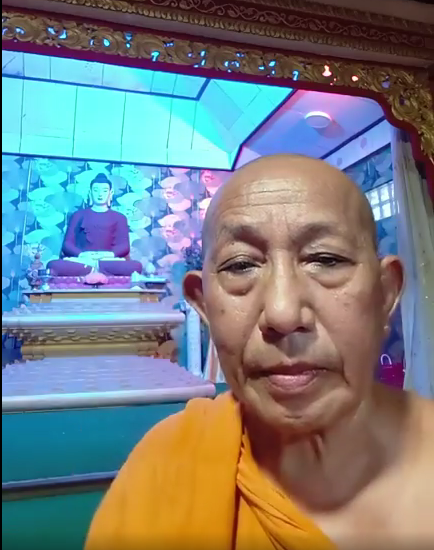
Myanmar Is Trapped in a War — But War Cannot Be the Destination
Myanmar has now been trapped in a devastating cycle of armed conflict for years.
The question before the country is no longer simply:
Who can win the war?
The more important question is:
How can Myanmar stop destroying itself and create a political settlement in which its people can finally live in peace?
The United Nations has repeatedly emphasized that a viable political solution requires an immediate cessation of violence and genuine, inclusive dialogue involving the relevant stakeholders. ASEAN likewise continues to regard its Five-Point Consensus as the principal regional framework for addressing the crisis.
This should be the starting point for a new peace initiative.
1. EVERY SIDE NEEDS A WAY OUT
The military has not been able to end the conflict through force.
The armed resistance has not been able to end the conflict through force either.
Ethnic armed organisations have their own territorial, political and security interests.
The National Unity Government and other democratic forces have their own political objectives.
Millions of ordinary people, meanwhile, are paying the price.
The humanitarian and human-rights situation remains catastrophic. UN human-rights reporting found that 2025 was the deadliest year for children since the 2021 coup, while civilian deaths from airstrikes reached the highest level verified since the coup. It also documented abuses by both the military and anti-military armed groups.
Therefore, a realistic peace initiative cannot begin with the assumption that one side must first achieve total military victory.
It should begin by asking:
What minimum guarantees would allow every major stakeholder to stop fighting and enter negotiations without believing that dialogue means surrender?
2. A NECESSARY DISTINCTION: ENDING THE WAR IS NOT THE SAME AS ACCEPTING THE STATUS QUO
Calling for peace does not mean asking the people of Myanmar to forget the suffering, killings, displacement, political imprisonment or destruction of their communities.
Nor does it mean granting immunity to anyone who has committed serious crimes.
Peace and justice must eventually be addressed together.
But there is a fundamental difference between:
ending violence, and
deciding the final political settlement.
A ceasefire does not decide Myanmar’s future constitution.
A ceasefire does not decide who will govern.
A ceasefire does not erase accountability.
A ceasefire simply creates the space in which those questions can be discussed without people continuing to die.
That distinction is essential.
3. DAW AUNG SAN SUU KYI REMAINS AN IMPORTANT STAKEHOLDER
Kadu Tin Myo Tun’s argument that Daw Aung San Suu Kyi remains important to any possible political settlement deserves serious consideration.
She is now 81 and has spent more than five years in detention following the February 2021 military takeover. In August 2026, she was permitted to meet an International Committee of the Red Cross representative — the first confirmed international contact after years of uncertainty concerning her condition and whereabouts.
In April 2026, the United Nations Secretary-General called for the swift and unconditional release of arbitrarily detained persons, including Daw Aung San Suu Kyi, and stressed that a viable political solution requires an immediate cessation of violence and genuine inclusive dialogue.
Therefore, her freedom and ability to participate in Myanmar’s political future should be regarded as part of the peace process rather than merely as an issue belonging to one political party.
However, we should avoid making Myanmar’s entire future dependent upon one individual.
That was one of the weaknesses of Myanmar’s previous political system.
A sustainable democracy must ultimately be based on institutions, laws and citizens — not on one personality.
4. THE NLD QUESTION MUST NOW BE UPDATED
The original argument that the NLD should prepare to contest a 2030 election needs to be reconsidered because circumstances have changed.
The NLD was among the parties dissolved after failing to re-register under the military authorities’ 2023 political-party rules.
The military-organised election subsequently took place in three phases between December 2025 and January 2026, and the military-backed political establishment emerged dominant. Min Aung Hlaing was elected president in April 2026.
Therefore, the real question for a future peace settlement is no longer simply:
“How can the NLD enter the 2030 election?”
It is:
How can Myanmar create conditions under which all legitimate political forces can freely organise, participate and compete in a genuinely credible political process?
That should include democratic parties, ethnic political organisations, civil society and minority communities.
The objective should be political inclusion, rather than the restoration of one particular party as the sole vehicle of democracy.
5. WE SHOULD NOT MAKE THE BATTLE FOR YANGON THE CONDITION FOR PEACE
One of the most dangerous ideas in the original discussion is the proposition that:
“Political change requires fighting in Yangon.”
We respectfully disagree.
Yangon is home to millions of civilians.
A major urban war would not automatically produce democracy.
It could instead produce:
- mass civilian casualties;
- destruction of homes and infrastructure;
- mass displacement;
- interruption of food, water and medical supplies;
- economic collapse;
- revenge killings;
- communal violence; and
- another generation carrying trauma and hatred.
Myanmar does not need to destroy Yangon in order to change Myanmar.
The road to political change should be opened through negotiation, ceasefire, political inclusion and institutional reform — not by turning the country’s largest city into a battlefield.
This does not require abandoning the legitimate political aspirations of the resistance.
It means refusing to make urban warfare the mechanism for achieving them.
6. ETHNIC ARMED ORGANISATIONS MUST BE PART OF THE SOLUTION
It would also be too simplistic to say that all EAOs have identical objectives or that none seek major political change.
Myanmar’s ethnic armed organisations are diverse.
They have different histories, territories, leadership structures and political objectives.
Some seek federal democracy; some seek extensive autonomy; some have primarily territorial or security objectives; and their relationships with one another and with the central authorities vary considerably.
Therefore:
They cannot simply be treated collectively as either “heroes” or “spoilers.”
They must be treated as political stakeholders.
Any durable settlement must address the legitimate grievances that produced decades of ethnic armed conflict.
7. PDF AND OTHER ARMED ACTORS ALSO HAVE RESPONSIBILITIES
The same principle must apply to anti-military armed groups.
Opposition to military rule does not provide unlimited permission to harm civilians.
The UN has documented violations committed by anti-military armed groups as well as extensive abuses by the military.
A future democratic Myanmar cannot be built upon a culture in which:
“Our side may do anything because our cause is righteous.”
Every armed actor must ultimately accept civilian protection, humanitarian law and accountability.
8. THE MOST IMPORTANT IDEA FROM WA SHAUNG SAYADAW: CHANGE THE CULTURE OF HATRED
This may be the most profound part of the speech attributed to Wa Shaung Sayadaw.
Stopping today’s fighting is not enough.
We must also prevent tomorrow’s fighting.
That means addressing the causes that reproduce hatred from one generation to another.
Young people must not inherit hatred simply because their parents fought.
They must learn:
- Metta — loving-kindness
- Karuna — compassion
- empathy;
- respect for human dignity;
- tolerance;
- peaceful disagreement;
- responsibility toward opponents;
- and the ability to see a conflict from the other side’s perspective.
The driving analogy is particularly powerful:
When another vehicle is coming toward you, do not think only from your own side of the road. Try to understand what the other driver sees, fears and intends.
This does not mean accepting the other driver’s mistake.
It means understanding the situation before reacting.
That is precisely the attitude required in political negotiation.
9. DO NOT LOOK ONLY AT THE DESTINATION — LOOK AT THE ROAD
Another important lesson is:
Do not look only at the destination. Look carefully at the road by which you intend to reach it.
Everyone may claim to want:
democracy, federalism, justice, freedom and prosperity.
But if the road to that destination consists of hatred, indiscriminate violence, revenge and destruction, the destination itself may become poisoned.
The means matter.
Myanmar therefore needs not merely a peaceful destination, but a peaceful road to reach it.
10. RELIGIOUS LEADERS HAVE A SPECIAL RESPONSIBILITY
Myanmar’s religious leaders possess enormous moral influence.
That influence should be used to reduce hatred, not intensify it.
But this responsibility must apply to all religions.
Buddhist monks, Muslim scholars, Christian clergy, Hindu religious leaders and leaders of other faith communities should jointly promote:
Metta — loving-kindness.
Karuna — compassion.
Forgiveness without forgetting justice.
Respect without surrendering principles.
Peace without surrendering human dignity.
A particularly important message should be directed toward the treatment of minorities.
Myanmar cannot build a peaceful future while any religious or ethnic community is portrayed as an enemy of the nation.
11. A MESSAGE TO RELIGIOUS LEADERS
Senior religious leaders who possess influence over political actors should use that influence to encourage:
- an immediate cessation of violence;
- protection of civilians;
- humanitarian access;
- release of arbitrarily detained people;
- dialogue between opposing political and armed stakeholders;
- rejection of religious hatred;
- reconciliation between communities; and
- a peaceful political settlement.
Religious authority should be measured not by the size of monasteries, churches or mosques, nor by the luxury of vehicles or buildings, but by how much suffering it can help remove from ordinary people.
The rural poor, internally displaced people and families who have lost homes and livelihoods must never become invisible to religious institutions.
12. LET THE ELDERS LEAVE A BETTER LEGACY
One of the most moving observations in the speech is that today’s older generation may not be alive 20 or 30 years from now.
But the conflict could still be alive.
Therefore:
What legacy will we leave?
Will future generations remember us as the generation that continued the cycle of revenge?
Or as the generation that finally broke it?
Power, military rank, political office and wealth are temporary.
A person’s name and historical legacy may survive much longer.
Myanmar’s elders therefore have a particular responsibility:
Do not leave your hatred as an inheritance to your grandchildren.
13. FROM A “PEACE MEDIATION GROUP” TO A NATIONAL PEACE BRIDGE
The proposal for a Myanmar Peace Facilitation Group deserves serious consideration.
Rather than becoming another political party or another armed organisation, such a body should be designed as a non-partisan Peace Bridge.
Its purpose would be to:
A. Facilitate contact
Open confidential communication channels between parties that cannot or do not wish to communicate publicly.
B. Promote a ceasefire
Work toward local, regional and eventually nationwide ceasefires.
C. Secure humanitarian access
Support safe delivery of food, medicine and other humanitarian assistance.
D. Facilitate political dialogue
Bring together representatives of the military authorities, democratic forces, ethnic organisations, political parties, civil society, women, youth and minority communities.
E. Promote release of political detainees
Seek confidence-building measures beginning with vulnerable and humanitarian cases and progressing toward broader releases.
F. Develop a transitional political framework
Help stakeholders discuss constitutional reform, federalism, civilian government, minority rights, security-sector reform and elections.
G. Protect the future
Ensure that peace negotiations do not simply stop today’s fighting while leaving the causes of tomorrow’s war untouched.
14. WHO SHOULD PARTICIPATE?
The names proposed in the original appeal — including Wa Shaung Sayadaw, U Mya Aye and U Nyo Ohn Myint, with possible participation by respected religious and public figures such as Sitagu Sayadaw, Yaw Sayadaw, former President Thein Sein, comedian and activist Zarganar and Cardinal Charles Maung Bo — may be considered as possible individuals, not as an already constituted committee.
No individual should be presumed to represent an organisation without that organisation’s consent.
Most importantly, the initiative must not become exclusively Buddhist or exclusively male.
A credible national peace bridge should include:
- Buddhist representatives;
- Muslim representatives;
- Christian representatives;
- Hindu representatives;
- ethnic and minority representatives;
- women;
- youth;
- political parties;
- civil society;
- humanitarian actors;
- ethnic armed organisations;
- democratic opposition representatives; and
- appropriate international or regional facilitators.
15. ASEAN ALREADY PROVIDES AN IMPORTANT REGIONAL FRAMEWORK
This initiative need not compete with ASEAN.
It could complement it.
ASEAN’s Five-Point Consensus calls for:
- cessation of violence;
- constructive dialogue;
- humanitarian assistance;
- appointment of a Special Envoy; and
- engagement with all relevant stakeholders.
ASEAN reaffirmed in 2025 that the 5PC remains the main reference for addressing Myanmar’s crisis and called for a nationwide ceasefire and inclusive national dialogue.
In 2026, ASEAN again reaffirmed the framework and appointed the Philippine Foreign Secretary, Ma. Theresa P. Lazaro, as Special Envoy of the ASEAN Chair on Myanmar. ASEAN ministers have also been discussing ways to establish clearer benchmarks for progress.
Therefore, a Myanmar-based Peace Bridge could become a national civil-society complement to ASEAN diplomacy, rather than another competing diplomatic mechanism.
16. A POSSIBLE FIVE-STEP PEACE ROADMAP
MMNN proposes that the ideas raised by Kadu Tin Myo Tun and Wa Shaung Sayadaw be developed into a practical five-step process:
STEP 1 — STOP THE BLEEDING
A nationwide cessation of violence, beginning with humanitarian and local ceasefires where nationwide agreement is initially impossible.
STEP 2 — OPEN THE DOORS
Release or facilitate access to political detainees and establish communication channels among all major stakeholders.
STEP 3 — BUILD THE TABLE
Create an inclusive dialogue mechanism involving the military authorities, democratic forces, EAOs, political parties, civil society, women, youth and ethnic and religious communities.
STEP 4 — NEGOTIATE THE FUTURE
Discuss federal democracy, constitutional reform, equal citizenship, minority rights, civilian supremacy, security-sector reform, justice and economic reconstruction.
STEP 5 — RETURN POWER TO THE PEOPLE
Only after adequate conditions for peace, freedom and participation have been created should Myanmar conduct a genuinely credible political process in which citizens can freely choose their representatives.
This sequencing is consistent with the UN’s repeated emphasis on cessation of violence and inclusive dialogue as foundations for a viable political solution.
17. PEACE DOES NOT MEAN FORGETTING
There is an important misunderstanding that must be avoided.
Peace is not surrender.
Peace is not forgetting.
Peace is not pretending that crimes did not happen.
Peace is not asking victims to forgive before justice is addressed.
Peace means stopping new victims from being created while creating a political and legal mechanism capable of addressing the past.
Myanmar will eventually need a serious process of:
truth + justice + accountability + reconciliation.
But justice becomes much harder when the war continues indefinitely.
18. THE REAL ENEMY IS THE CYCLE
Myanmar’s greatest danger is not simply one person, one army, one party or one armed organisation.
It is the cycle:
fear → hatred → violence → revenge → more fear → more hatred → more violence.
Breaking that cycle requires courage.
Not only the courage to fight.
But also the courage to negotiate.
The courage to listen.
The courage to compromise.
The courage to forgive where forgiveness is possible.
And the courage to say:
“Our children should not have to continue our war.”
19. A MESSAGE TO THE YOUNG GENERATION
Today’s young people will inherit whatever Myanmar’s present generation leaves behind.
We should not leave them:
- destroyed cities;
- ruined villages;
- landmines;
- hatred between ethnicities;
- hatred between religions;
- hatred between political camps;
- broken institutions;
- economic ruin;
- and a permanent culture of armed revenge.
We should leave them:
peace, freedom, federal democracy, equality, justice, education, economic opportunity and the freedom to disagree without killing one another.
20. MMNN’S APPEAL
The original proposal contains an important moral question:
If we know that continuing the war will cause more suffering, should we not at least try every possible avenue for peace?
Our answer is:
Yes.
We therefore call for the formation of a broad, inclusive and independent Myanmar Peace Facilitation and Reconciliation Initiative.
Its first task should not be to decide who wins.
Its first task should be:
STOP THE SUFFERING.
Then:
OPEN THE DIALOGUE.
Then:
NEGOTIATE THE FUTURE.
And finally:
LET THE PEOPLE DECIDE.
Myanmar does not need another generation of heroes who die in war.
Myanmar needs a generation of leaders brave enough to end the war.
A FINAL MESSAGE
We may disagree profoundly about politics.
We may disagree about the military.
We may disagree about the NLD.
We may disagree about the NUG.
We may disagree about the EAOs and PDFs.
We may disagree about federalism, the Constitution and the future political system.
But there is one point on which every side should be able to agree:
Myanmar’s children deserve a future in which they do not have to inherit the hatred of their parents.
Let us therefore fight hatred with Metta.
Fight suffering with Karuna.
Fight fear with Courage.
Fight misunderstanding with Dialogue.
And fight the endless cycle of war with Peace.
PEACE IS NOT THE END OF THE STRUGGLE FOR JUSTICE.
PEACE IS THE BEGINNING OF THE POSSIBILITY OF JUSTICE.
THE TWO “VIRUS-INFECTED SOFTWARES” OF MYANMAR
One of the strongest and most thought-provoking ideas in Wa Shaung Sayadaw’s speech was his metaphor that Myanmar’s society is operating with two important “softwares” that have become infected by a virus.
His message was not that every monk or every celebrity is bad.
Rather, he was asking society to examine what influential people are transmitting into the minds of the population — particularly the younger generation.
If the software is producing hatred, division, selfishness and indifference to suffering, then simply changing the people using the software will not be enough.
The software itself has to be changed.
1. THE FIRST “SOFTWARE”: RELIGIOUS LEADERS
Wa Shaung Sayadaw placed particular responsibility on Buddhist monks and religious leaders.
In his criticism, some monks who possess considerable influence over society have become too comfortable with urban life, luxurious monasteries and expensive vehicles while ordinary people — particularly those in rural areas — are suffering from war, poverty, displacement, destroyed homes and economic hardship.
More seriously, religious teachings can become contaminated when they encourage hatred toward people of another religion, ethnicity or political belief.
The answer, he argued, should be a fundamental change in the message being transmitted:
From hatred → to Metta
From hostility → to Karuna
From prejudice → to compassion
From division → to reconciliation
From condemnation → to understanding
Metta — loving-kindness.
Karuna — compassion.
These should not remain merely words recited during religious ceremonies.
They should become living principles applied to society and politics.
A monk who teaches loving-kindness should be able to say:
“Even when you disagree with another person, do not dehumanise him.”
A religious leader should be able to say:
“Even when you believe your side is right, do not teach your followers to hate another community.”
And when people are suffering, religious institutions should be among the first places where they find compassion, shelter, humanitarian assistance and moral courage.
The proposed “software update” is therefore:
RELIGION → FROM HATRED TO LOVING-KINDNESS.
2. THE SECOND “SOFTWARE”: CELEBRITIES AND CULTURAL INFLUENCERS
The Sayadaw also directed his attention toward celebrities and people with large public platforms.
Myanmar’s singers, actors, entertainers and other public figures possess something extremely valuable:
attention.
Millions of people, particularly young people, watch them, listen to them and imitate them.
Entertainment itself is not the problem.
People need music.
People need laughter.
People need art.
People need moments of happiness even during difficult times.
But Wa Shaung Sayadaw’s challenge is:
Can those with public influence use their platforms for something greater than entertainment alone?
Instead of using their enormous reach merely for dancing, singing and entertainment, celebrities could also become ambassadors for:
peace,
loving-kindness,
compassion,
tolerance,
interfaith harmony,
reconciliation,
human dignity,
and non-violence.
Imagine Myanmar’s most popular singers producing songs about reconciliation.
Imagine actors making short films about families separated by war.
Imagine celebrities visiting displaced communities.
Imagine Buddhist, Muslim, Christian and Hindu artists appearing together and saying:
“We may belong to different communities, but we are all Myanmar’s children.”
That would be a far more powerful use of celebrity influence than simply entertaining an audience.
The proposed “software update” is therefore:
CELEBRITY CULTURE → FROM DISTRACTION TO POSITIVE SOCIAL INFLUENCE.
3. WHY THE “SOFTWARE” METAPHOR MATTERS
This is where the Sayadaw’s message becomes particularly profound.
If hatred is continually downloaded into the minds of children and young people, tomorrow’s Myanmar will reproduce today’s conflict.
A peace agreement alone cannot solve that problem.
We need a generational software update.
The young generation must not inherit:
our hatred,
our prejudices,
our revenge,
our communal fears,
or our political intolerance.
They should inherit:
Metta.
Karuna.
Empathy.
Critical thinking.
Respect for difference.
Dialogue.
Peaceful disagreement.
Human dignity.
4. FROM “WHO IS RIGHT?” TO “WHAT ARE WE TRANSMITTING?”
This is perhaps the most important question for Myanmar’s elders and opinion leaders.
Before asking:
“Which side is right?”
we should also ask:
“What are we teaching the next generation?”
If a child grows up hearing that another ethnic group is the enemy, that another religion is dangerous, or that political opponents deserve hatred, the conflict does not end when the guns stop.
It simply moves from the battlefield into the next generation.
That is why peace must be both:
A POLITICAL PROCESS
and
A SOCIAL AND MORAL TRANSFORMATION.
5. THE SAYADAW’S FINAL MESSAGE: UPDATE THE SOFTWARE BEFORE THE NEXT GENERATION INHERITS THE VIRUS
The older generation may not be alive 20 or 30 years from now.
But the consequences of today’s decisions could still be alive.
Our children and grandchildren may inherit the houses we build.
They may inherit our businesses.
They may inherit our religious institutions.
They may inherit our political organisations.
But most dangerously:
they may also inherit our hatred.
We therefore have a choice.
We can leave them the virus of hatred.
Or we can leave them the software of Metta and Karuna.
The choice is ours.
A FINAL MMNN MESSAGE
Myanmar does not need only a ceasefire.
It needs a peace culture.
It does not need only new political arrangements.
It needs a new social mindset.
It does not need only leaders who can win arguments.
It needs leaders who can reduce hatred.
Religious leaders must ask:
“Am I teaching people to love, or teaching them whom to hate?”
Celebrities must ask:
“Am I merely entertaining people, or am I using my influence to make society better?”
Politicians must ask:
“Am I mobilising people’s hopes, or exploiting their fears?”
Armed organisations must ask:
“What kind of society will remain after the fighting ends?”
And every adult must ask:
“What kind of Myanmar are we downloading into the minds of our children?”
Let us delete the virus of hatred.
Let us install Metta.
Let us install Karuna.
Let us install empathy.
Let us install respect.
Let us install dialogue.
Let us install peace.
Because if we change the political system but leave the culture of hatred untouched, the next generation may simply reproduce the same war under a different name.
Myanmar needs not only a political transition.
Myanmar needs a PEACEFUL SOFTWARE UPDATE.
— Myanmar Muslims News Network (MMNN)
Kadu Tin Myo Tun
မြန်မာပြည်ငြိမ်းချမ်းရေးအတွက် မြန်မာပြည်
ငြိမ်းချမ်းရေးအကျိုးဆောင်အဖွဲ့ ဖွဲ့စည်းဖို့လိုအပ်ပါတယ်။
မြန်မာပြည်ဟာ ဒီအတိုင်းဆက်သွားလျှင်ပိုပျက်စီးရုံသာရှိပြီး ပြည်သူတွေအတွက်ပိုကောင်းတဲ့အနာဂတ်မရှိတော့ပါဘူး။
စစ်ပွဲတွေရပ်နိုင်တာကပြည်သူတွေအတွက် အကျိုးအများဆုံးပါ။စစ်ပွဲတွေရပ်ဖို့ ကြားထဲကစေ့စပ်ညှိနှိုင်းပေးဖို့အတွက် ငြိမ်းချမ်းရေးအကျိုးဆောင်အဖွဲ့ကို ဖွဲ့စည်းပြီးပြည်သူတွေအတွက် အပြောင်းအလဲဖြစ်နိုင်ဖို့ ကြိုးစားကြည့်သင့်ပါတယ်။စစ်ပွဲတွေနှစ်ဖက်ရပ်ဖို့ လုပ်ဆောင်ပေးနိုင်တဲ့အခြေနေရှိသူတွေ ကြိုးပမ်းအားထုတ်ပေးသင့်ပါတယ်။
ငြိမ်းချမ်းရေးအကျိုးဆောင် အဖွဲ့မှာ ကနဦးအနေနဲ့ ဦးညိုအုန်းမြင့်၊ဝါရှောင်ဆရာတော်၊ဦးမြအေးတို့ ကနဦးစုဖွဲ့ပြီးကြိုးပမ်းသင့်ပါတယ်။
ငြိမ်းချမ်းရေးအကျိုးဆောင်အဖွဲ့မှာ သီတဂူဆရာတော်၊ယောဆရာတော်၊သမ္မတဟောင်းဦးသိန်းစိန်၊ဦးဇာဂနာ၊ကာဒီနယ်ချားလ်မောင်ဘိုတို့ ထပ်မံပါဝင်လာနိုင်ဖို့စည်းရုံးသင့်ပါတယ်။
မြန်မာပြည်ဟာ ဒုက္ခသံသရာထဲနှစ်မွန်းနေပြီ။ဒေါ်အောင်ဆန်းစုကြည်လွတ်မြောက်ရေးအတွက် ငြိမ်းချမ်းရေးအကျိုးဆောင်အဖွဲ့က ညှိနှိုင်းပေးသင့်ပါတယ်။
ပြီးလျှင်အားလုံးပါဝင်တဲ့ တွေ့ဆုံဆွေးနွေးရေးတွေဖြစ်လာဖို့ စစ်ပွဲတွေရပ် လုံးဝရပ်တန့်သွားဖို့ ဆောင်ရွက်ကြရမှာပါ။
ကျနော်တို့ကလူငယ်တွေပါ လုပ်ချင်စိတ်ရှိပေမယ့် လုပ်လို့ရတဲ့နေရာမှာရှိမနေသလို လုပ်နိုင်
စွမ်းလည်းမရှိလှပါဘူး။နောင်အနှစ်၃၀မှာဒီလူကြီးတွေရှိချင်မှ ရှိတော့မှာပါ။ဒါပေမယ့်စစ်ပွဲနဲ့ ပဋိပက္ခတွေတော့ကျန်နေခဲ့မှာပါ။
အပြောင်းအလဲဖြစ်ဖို့ ကြိုးပမ်းအားထုတ်ပေးကြဖို့ တောင်းဆိုလိုက်ရပါတယ်။
ကတူးမာတင် (ဥက္ကဌ)
ငြိမ်းချမ်းရေးကမ်းလက်များအဖွဲ့
ဝါရှောင်ဆရာတော် မေတ္တာနဲ့ ပညာ –
မြန်မာ့အနာဂတ်အတွက် ငြိမ်းချမ်းရေး မျှော်လင့်ချက်အမြင်သစ်
ယနေ့ခေတ် မြန်မာ့လူဦးရေကြားမှာ အမုန်းတရားတွေနဲ့ အားပြိုင်မှုတွေ အထူးမြင့်တက်နေပါတယ်။ ကျွန်ုပ်တို့နိုင်ငံရဲ့ လက်ရှိအခြေအနေကို ပြန်ကြည့်ရင် ဗြဟ္မစိုရ်တရားတွေ ခန်းခြောက်နေပြီး တစ်ဦးအပေါ်တစ်ဦး မေတ္တာတရား ထားရှိဖို့ အင်မတန် ခက်ခဲနေတဲ့ အခြေအနေကို ရောက်ရှိနေတာကို တွေ့ရမှာပါ။ ဒီလိုအကျပ်အတည်းတွေကြားမှာ “မေတ္တာနဲ့ ပညာ” ကို အခြေခံတဲ့ ငြိမ်းချမ်းရေးအမြင်သစ်တစ်ခုက အလွန်အရေးကြီးနေပါတယ်။
Software နှစ်ခုရဲ့ ပျက်စီးယိုယွင်းမှု
မျက်မှောက်ခေတ် မြန်မာ့အရေးမှာ အရေးအပါဆုံးဖြစ်တဲ့ “ဘာသာရေးခေါင်းဆောင်တွေနဲ့ အနုပညာရှင်တွေ” ဆိုတဲ့ Software နှစ်ခုဟာ Virus ကိုက်နေသလို ပျက်စီးနေတယ်လို့ ဆိုနိုင်ပါတယ်။ သေနတ်မကိုင်ဘဲ ပြည်သူ့နှလုံးသားကို ဖမ်းစားနိုင်တဲ့ ဒီပုဂ္ဂိုလ်တွေဟာ လူထုကို ငြိမ်းချမ်းရေးနဲ့ ကရုဏာဘက်ကို ဦးဆောင်ပေးနိုင်စွမ်း ရှိရမှာပါ။ ဒါပေမဲ့ လက်ရှိမှာတော့ ဒီကဏ္ဍနှစ်ခုလုံးဟာ လက်တွေ့ကျကျ အလုပ်မဖြစ်ဘဲ ရှိနေပါတယ်။ ဘာသာရေးခေါင်းဆောင်တွေအနေနဲ့လည်း ငြိမ်းချမ်းရေးအတွက် လက်တွေ့ကျတဲ့ လမ်းညွှန်မှုတွေထက် သီအိုရီတွေကြားမှာပဲ နစ်မွန်းနေတတ်တာကို သတိပြုမိကြမှာပါ။
လူငယ်တွေရဲ့ အသည်းကွဲမှု (၅) ချက်
ယနေ့ ဖြစ်ပွားနေတဲ့ ပဋိပက္ခတွေရဲ့ နောက်ကွယ်မှာ လူငယ်တွေဟာ အဓိက အချက် ၅ ချက်ကြောင့် အသည်းကွဲနေကြရပါတယ်။
၁။ *အိပ်မက်တွေ ပျက်စီးခြင်း:* အာဏာမသိမ်းခင်က မက်ခဲ့တဲ့ အနာဂတ်အိပ်မက်တွေ၊ ပညာရေးနဲ့ ဘဝရည်မှန်းချက်တွေ ရိုက်ချိုးခံလိုက်ရတာပါ။
၂။ *မိဘတွေကို အားကိုးမရခြင်း:* အမှန်တရားကို သိသော်လည်း ကိုယ့်စီးပွားရေးနဲ့ ကိုယ့်လုံခြုံရေးအတွက် ငြိမ်နေဖို့ပဲ ပြောတတ်တဲ့ မိဘတွေကြောင့် လူငယ်တွေ စိတ်ပျက်ရပါတယ်။
၃။ *ဆရာသမားတွေအပေါ် ယုံကြည်မှု ပျက်ပြားခြင်း:* အမှားအမှန် သိသာနေချိန်မှာတောင် မသိမသာ ရှောင်နေတတ်တဲ့ ဆရာတွေကြောင့် အားကိုးရာမဲ့နေကြပါတယ်။
၄။ *ဒေသန္တရ အုပ်ချုပ်ရေး အားနည်းခြင်း:* ပညာမတတ်တဲ့သူတွေက အုပ်ချုပ်ရေးပိုင်းမှာ နေရာယူလာတာက လူငယ်တွေအတွက် စိတ်ပျက်စရာပါ။
၅။ *လက်နက်ကိုင်လမ်းစဉ်ထဲ ရောက်ရှိခြင်း:* အောက်ခြေလူငယ်တွေကို နိုင်ငံရေးနဲ့ စစ်ရေးသမားတွေက အသုံးချပြီး လက်နက်တွေ ထည့်ပေးလိုက်တဲ့အခါ လူငယ်တွေရဲ့ ဘဝတွေဟာ ပြန်လမ်းမရှိ ပျက်စီးကုန်ပါတယ်။
နည်းဗျူဟာထက် မဟာဗျူဟာက ပိုအရေးကြီးတယ်
စစ်ပွဲတွေ အဆုံးသတ်ဖို့ထက် “စစ်ပွဲတွေ ဖြစ်လာနိုင်တဲ့ နိဒါန်းတွေကို အဆုံးသတ်ဖို့” က ပိုပြီး အရေးကြီးပါတယ်။ ဒါကို လုပ်ဆောင်ဖို့အတွက် KG (မူကြို) အဆင့်ကတည်းက “ကရုဏာနဲ့ ပညာ” ကို အခြေခံတဲ့ ပညာရေးကို စတင်သင်ကြားပေးရပါမယ်။ တစ်ယောက်နဲ့တစ်ယောက် အနိုင်ကျင့်တာ မကောင်းကြောင်း၊ ဝေစားမျှစား လုပ်တာကသာ ငြိမ်းချမ်းရေးဖြစ်ကြောင်းကို ငယ်စဉ်ကတည်းက နှလုံးသားထဲ စွဲမြဲသွားအောင် သင်ကြားပေးဖို့ လိုအပ်ပါတယ်။
လမ်းကိုကြည့်မလား၊ ပန်းတိုင်ကိုကြည့်မလား
ကျွန်ုပ်တို့ဟာ ပန်းတိုင်ကိုပဲ ကြည့်ပြီး လမ်းကို မကြည့်ဘဲ လျှောက်လှမ်းမယ်ဆိုရင် ပန်းတိုင်ရောက်တဲ့အခါမှာလည်း စိတ်ချမ်းသာမှု ရမှာမဟုတ်ပါဘူး။ ကားမောင်းတဲ့အခါ ကိုယ့်စိတ်နဲ့ကိုယ် မမောင်းဘဲ “သူ့စိတ်နဲ့ ကိုယ်နဲ့” ညှိပြီး မောင်းရသလိုပါပဲ။ ငြိမ်းချမ်းရေးကို တကယ်လိုလားရင် ဒုက္ခရောက်နေတဲ့ ပြည်သူတွေရဲ့ စိတ်နဲ့ လျှောက်လှမ်းရမှာ ဖြစ်ပါတယ်။
သမိုင်းရဲ့ မှတ်တမ်း
အသက်အရွယ်ကြီးရင့်လာတဲ့ ခေါင်းဆောင်တွေအနေနဲ့ မိမိတို့ မသေခင်မှာ ဘယ်လိုသမိုင်းမျိုး ချန်ထားခဲ့မလဲဆိုတာ အလေးအနက် စဉ်းစားဖို့ လိုပါတယ်။ သေသွားတဲ့အခါမှာ နာမည်ကောင်းနဲ့ ကျန်ရစ်မလား၊ ဒါမှမဟုတ် အဆဲခံရပြီး ရွံရှာခံရတဲ့သူအဖြစ် ကျန်ရစ်မလားဆိုတာက မိမိတို့ရဲ့ လက်ရှိလုပ်ရပ်တွေအပေါ်မှာပဲ မူတည်နေပါတယ်။ နိဂုံးချုပ်အနေနဲ့ ပြောရရင် နာကျင်မှုတွေကို ကြင်နာမှုနဲ့ မကုစားနိုင်ရင် နာကျည်းမှုတွေပဲ ဖြစ်ပေါ်လာမှာပါ။ ဒါကြောင့် အမုန်းတရားတွေကြားမှာ မေတ္တာတရားကို ပြန်လည်အသက်သွင်းပြီး အနာဂတ်မျိုးဆက်သစ်တွေအတွက် ငြိမ်းချမ်းတဲ့ လမ်းစကို ဖော်ဆောင်ပေးဖို့ အချိန်တန်ပြီ ဖြစ်ပါတယ်။
Kadu Tin Myo Tun
မြန်မာ့နိုင်ငံရေးအနာဂတ်အလားအလာ
ဘာတွေလုပ်မှအပြောင်းအလဲဖြစ်မလဲ?
နိုင်ငံဟာစစ်ပွဲအတွင်းမှာ ပိတ်မိနေပြီ။စစ်ပွဲ ဝ င်္ကဘာထဲ လမ်းပျောက်နေပြီ။စစ်အုပ်စုဟာ နိုင်ငံအတွက်ထွက်ပေါက်ရှာနေတာမဟုတ်ဘူး အာဏာတည်မြဲရေးအတွက် ရှေ့ဆက်တိုးနေတာ။
လက်နက်ကိုင်တော်လှန်ရေးဟာ အချိန်ရဲ့တိုက်စားမှုကို ဘယ်လောက်ထိတောင့်ခံထားနိုင်မလဲ?EAOsတွေဟာ အပြောင်းအလဲကြီးကြီးမားမားလုပ်ပစ်ဖို့ အစီစဉ်မရှိသလိုယုံကြည်ချက်လည်းမရှိပါဘူး။ရှင်သန်ရပ်တည်ရေးနှင့်နယ်မြေစိုးမိုးရေးလောက်သာအားသန်ကြတာပါ။ညီညွတ်မှုမရှိဘူး လိုချင်တာတွေမတူကြဘူး စစ်တပ်ကိုအပြီးဖြိုဖို့လည်းလုံးဝအစီစဉ်မရှိကြပါဘူး။
စစ်ပွဲတွေရပ်ဖို့ ဒေါ်အောင်ဆန်းစုကြည်ဟာ အရေးပါတဲ့သော့တစ်ချောင်းဖြစ်ပါတယ်။စစ်ပွဲရဲ့တံခါးတွေကို ပိတ်ပေးနိုင်တယ်။ဒုက္ခတွေကိုပိုမများအောင်တားဆီးပေးနိုင်တယ်။အပြောင်းအလဲဖြစ်အောင်လုပ်ပေးနိုင်ပါတယ်။
ဒေါ်အောင်ဆန်းစုကြည်ဟာ အသက်၈၁ နှစ်ရှိပါပြီ။၂၀၃၀ဆို ၈၅နှစ်ရှိတော့မှာပါ။ဒေါ်အောင်ဆန်းစုကြည် ဘယ်လိုပြန်လာမလဲ?ဒေါ်အောင်ဆန်းစုကြည်ရဲ့လက်နက်ကမြေပေါ်နိုင်ငံရေးပါတီဖြစ်တယ်။နိုင်ငံရေးပါတီဟာ ရွေးကောက်ပွဲကနေမှ အာဏာရနိုင်မယ်။ဒေါ်အောင်ဆန်းစုကြည်အတွက်ပေးထားချက်ဟာ ပါတီနိုင်ငံရေးနည်းလမ်းသာဖြစ်တယ်။လက်နက်ကိုင်လမ်းစဉ်ကိုဦးဆောင်လို့မရ၊အားပေးလို့မရ ပါ။လက်နက်ကိုင်နည်းလမ်းဖြင့်ဒီမိုကရေစီအတွက်တိုက်ပွဲဝင်မည့်သူမဟုတ်။
၂၀၃၀မှာ NLDပါတီရွေးကောက်ပွဲပြန်ဝင်နိုင်ဖို့လုပ်ရပါမယ်။ဒါမှသာအမေစုဟာ နိုင်ငံရေးလမ်းကြောင်းပေါ်ကိုပါတီနိုင်ငံရေးနဲ့ပြန်လာလို့ရမှာပါ။၂၀၃၀မှာ NLDရွေးကောက်ပွဲမဝင်နိုင်ရင် ၂၀၃၅မှာ အမေစုအသက်၉၀ရှိသွားတော့မှာပါ။အသက်အရွယ်က အကန့်သတ်တွေရှိလာပါပြီ။
NLDပါတီဟာ အမေစုမရှိရင် ဘာမှမလုပ်တတ်တော့ဘူး။ပါတီရှင်သန်ရပ်တည်ရေးလည်းမလုပ်နိုင်ကြသလို ပါတီရဲ့မူဝါဒကိုလည်းမထိန်းကျောင်းနိုင်ကြပါဘူး။တဦးတယောက်ကိုသာ မှီခိုလွန်းနေတော့စနစ်ကလူတွေကိုမောင်းနှင်မပေးနိုင်ဘူး။
စစ်တပ်က NLDပါတီကို ဒီတခေါက်၂၀၂၁အခင်းအကျင်းမှာအပြီးဖြိုတာပါ။အမေစုကိုလွှတ်ပေးဖို့အစီစဉ်မရှိသေးသလို လွှတ်ပေးရင်လည်း နိုင်ငံရေးလမ်းကြောင်းပေါ်ပြန်တက်မလာနိုင်အောင်စီစဉ်တားဆီးထားမှာပါ။၂၀၃၀ရွေးကောက်ပွဲမှာ NLDပါတီကိုရွေးကောက်ပွဲပြန်မဝင်နိုင်အောင်လုပ်မှာပါ။No vote အော်စေချင်ပြီး ကြံ့ဖွံ့ပါတီကိုနိုင်အောင်ကစားအုံးမှာပါ။မင်းအောင်လှိုင် ၂၀၃၀မှာလည်း သမ္မတသက်တမ်းဆက်ယူအုံးမှာပါ။ကြံ့ဖွံ့ကပဲအမြဲနိုင်မယ့် ဒီဇိုင်းကိုအပီအပြင်တည်ဆောက်သွားမှာပါ။စစ်တပ်နဲ့ကြံ့ဖွတ်ခွဲကစားပြီး ကိုင်ပါလိမ့်မယ်။စစ်တပ်ကိုစစ်မှုထမ်းဥပဒေနဲ့ အင်အားကြီးအောင်တည်ဆောက်ပါလိမ့်မယ်။တစ်တိုင်းပြည်လုံး စစ်တပ်နဲ့မကင်းသူတွေဖြစ်ကုန်ပြီး စစ်တပ်စနက်နဲ့ပဲအသက်ရှုကြရတော့မှာပါ။
စစ်တပ်ဟာ EAOsတွေနှင့် တစ်ဖွဲ့ချင်းအပစ်ရပ်ဖို့ကြိုးစားလိမ့်မယ်။PDFတွေကိုအားနည်းသွားအောင်ဖိမယ်။NLDပါတီပြန်လည်
ရပ်တည်မလာအောင်ဖြိုပါလိမ့်မယ်။
နိုင်ငံရေးအပြောင်းအလဲဖြစ်ဖို့ ရန်ကုန်မှာစစ်ဖြစ်ဖို့လိုပါမယ်။ရန်ကုန်မှာ စစ်ဖြစ်ရင် PDFရဲ့အခန်းကဏ္ဍကြီးမားလာမယ် အပြောင်းအလဲအတွက် ရွှေ့လို့ရနိုင်မယ်။
NLDပါတီပြန်လည်ရပ်တည်ရေးကို ပြည်တွင်းမှာကျန်နေတဲ့ CECတွေရဲ့ဝံ့စွာဦးဆောင်ကြရမယ်။လက်နက်ကိုင်လမ်းစဉ်နဲ့ မဆက်စပ်သေးတဲ့ပါတီဝင်တွေပါတီပြန်လည်ရပ်တည်ရေးနဲ့ ၂၀၃၀မှာ NLDပါတီရွေးကောက်ပွဲပြန်ဝင်
နိုင်ရေးလုပ်ကြရပါမယ်။
ပြည်သူတွေဟာ အမေစုဒေါ်အောင်ဆန်းစုကြည်လွတ်မြောက်ရေးအတွက် ငြိမ်းချမ်းရေးအကြောင်းပြုကာ လမ်းပေါ်ထွက်ဆန္ဒပြတောင်းဆိုပေးကြဖို့လိုအပ်ပါတယ်။
ဘာသာရေးခေါင်းဆောင်တွေဟာ စစ်ပွဲတွေရပ်ဖို့ ငြိမ်းချမ်းရေးတောင်းဆိုပွဲတွေကို ဦးဆောင်ပေးကြရပါမယ်။
မြန်မာ့နိုင်ငံရေးအပြောင်းအလဲဖြစ်ဖို့ စစ်တပ်ကိုတန်ပြန်ကစားနိုင်ဖို့ လုပ်ဆောင်ကြရမယ့်အနှစ်ချုပ်ကတော့။
လက်နက်ကိုင်လမ်းစဉ်ကိုရွေးချယ်ထားကြတဲ့သူတွေဟာ မြို့သေးသေးလေးတွေမသိမ်းဘဲ ရန်ကုန်ကိုသိမ်း။အမြန်လမ်းနှင့်ကုန်သွယ်ရေးလမ်းကြောင်းတွေကိုထိန်း။နယ်စပ်မြို့တွေကိုဝိုင်းထားရမှာပါ။
လက်နက်ကိုင်လမ်းစဉ်နဲ့မဆက်စပ်သေးတဲ့ ပြည်တွင်းကျန် NLDတွေဟာ ပါတီပြန်လည်ရပ်တည်ရေးနှင့် ၂၀၃၀မှာNLDပါတီရွေးကောက်ပွဲပြန်ဝင်နိုငိရေးလုပ်ကြရမှာပါ။
ပြည်သူတွေဟာ အမေစုအတွက် တာဝန်ကျေပေးကြဖို့လိုပါတယ်။နောင်ခါလွန်မှ ငိုကြွေးဝမ်းနည်းပြတာမျိုးမလုပ်ဘဲ အမေစုသက်ရှိထင်ရှားရှိစဉ်ခုချိန်ခါမျိုးမှာ အမေစုလွတ်မြောက်ရေးအတွက် စုပေါင်းညီညာစွာတောင်းဆိုပေးကြဖို့လိုအပ်ပါတယ်။
ဘာသာရေးခေါင်းဆောင်တွေကတော့ စစ်ပွဲတွေရပ်ဖို့နှင့် ငြိမ်းချမ်ရေးတရားတွေဟောပေးဖို့လိုသလို ငြိမ်းချမ်းရေးလှုပ်ရှားမှုတွေကိုဦးဆောင်ပေးဖို့လိုအပ်ပါတယ်။
EAOsတွေတော့ သူတို့ရှင်သန်ရပ်တည်ရေး နယ်မြေစိုးမိုးရေးအတွက် သူတို့အစီစဉ်အတိုင်းရှင်သန်ကြပါလိမ့်မယ်။အပြောင်းအလဲကြီးကြီးမားမားလုပ်မှာမဟုတ်သလို့ EAOsတွေဟာ ဘယ်တော့မှပျောက်ကွယ်သွားမှာမဟုတ်ပါဘူး။ရှေ့မတိုးနောက်မဆုတ် ဒုံးရင်းပဲသွားပါလိမ့်မယ်။
မာတင်
Kadu Tin Myo Tun
မြန်မာ့နိုင်ငံရေးအပြောင်းအလဲကြီးကြီးမားမားဖြစ်ဖို့ ရန်ကုန်မှာစစ်ဖြစ်ဖို့လိုတယ်။
ရန်ကုန်မြို့ကြီးကိုသိမ်းပိုက်နိုင်စရာမလိုပါဘူး ရန်ကုန်မှာစစ်ဖြစ်ရုံနဲ့ အပြောင်းအလဲမြန်မယ်။ရန်ကုန်မှာ လေယာဉ်သံ၊ဗုံးသံ၊အမြှောက်သံတွေဟာအကြာကြီးမညံနိုင်ပါဘူး ။အားလုံးရပ်ဖို့လမ်းရှာတွေ့ကြလိမ့်မယ် ရှာကြလိမ့်မယ်။
ရန်ကုန်ဟာ ဦးခေါင်း၊နှလုံးသားလည်းဖြစ်တယ်။
နယ်မြို့လေးတွေမသိမ်းနဲ့မြို့ပျက်တယ် မြို့ကိုမှီပြီးအခြေတည်ရတဲ့ရွာပေါင်းများစွာဟန်ချက်ပျက်တယ်။အခြေခံလူတန်းစားတွေဘဝပိုပျက်တယ်။အမြန်လမ်းတွေထိန်း။ကုန်သွယ်ရေးလမ်းကြောင်းအားလုံးကိုထိန်း။နယ်စပ်မြို့တွေကိုဝိုင်း။မြို့မသိမ်းနဲ့စခန်းကုန်းတွေပဲသိမ်း။
တရုတ်-ဗမာ အဓိကရုဏ်းဖြစ်အောင်ဖန်တီး။လောက်ကိုင်မှာ ဗမာရပ်ကွက်တွေဖြိုခံရတာ ဗမာတွေအသတ်ခံရတာနဲ့စပြီးမီးမွှေး။
တရုတ်တွေရဲ့ကျားဖြန့်ငွေနဲ့ အိမ်ခြံမြေတွေထဲခြေဝင်ရှုပ်နေတာတွေ အကုန်ချယ်လှယ်နေတာတွေချပြ။
တရုတ်မယားအဖြစ်ရောင်းစားခံရတဲ့ဘဝတွေအကြောင်းဇာတ်နာအောင်ရေး။
ဗမာတွေကိုဒေါသထွက်အောင်လုပ် တရုတ်နဲ့တည်ပေးလိုက်။
ဗမာတွေကိုစည်းလုံးစေချင်ရင် ဘာသာရေးအဓိကရုဏ်းနည်းနည်းဖန်တီးပေးလိုက်။
ရန်ကုန်မှာစစ်ဖြစ်ရမယ်။ပြီးရင်လက်နက်မချနဲ့ စစ်ပွဲတွေရပ်ရမယ်။
ပြည်သူတွေကိုဆန္ဒပြတဲ့အလေ့အကျင့်ဖြစ်အောင်လေ့ကျင့်ပေး။
ဘာကိုပဲဆန္ဒပြပြ။စစ်တပ်ကိုမှမဟုတ်ဘူး တခုခုဆိုဆန္ဒပြရဲလမ်းပေါ်ထွက်ရဲတဲ့စိတ်ဖြစ်အောင်
မွေးမြူလေ့ကျင့်ပေးရမယ်။ဆန္ဒပြစရာဇာတ်လမ်းတွေဖန်တီးပေး စစ်တပ်ကဖမ်းလို့မရတဲ့အရာကနဦးစစ်တပ်ကိုဆန့်ကျင်တဲ့ဆန္ဒပြမှုမျိုးတွေမဟုတ်သေးဘဲ ရပ်ကွက်တွေထဲ ဆန္ဒပြစရာဇာတ်လမ်းတွေဖန်တီးပြီးလေ့ကျင့်ပေးရမယ်။
ဘာပဲဖြစ်ဖြစ် လူအုပ်ကြီးကဆန္ဒပြပြီးအနိုင်ယူတဲ့ ဇာတ်လမ်းတွေဖြစ်အောင်လုပ်ရမယ်။
ပျံနေတဲ့ငှက်ကိုပစ်ဖို့ခက်တယ် အိပ်တန်းဝင်နေတဲ့ငှက်တွေလိုက်ဖမ်းရတာပိုလွယ်ပါတယ်။
ပျံနေတဲ့လေယာဉ်တွေကို ပစ်ချဖို့ထက်ပျံမနေတဲ့လေယာဉ်တွေကိုဖျက်ဆီးလို့ရမယ့်နည်းလမ်းမျိုးစုံကြိုးစားသင့်တယ်။
ဝါဒဖြန့်ချိရေးအတွက်ငွေအများကြီးသုံးသင့်တယ်။ဝန်ကြီးတွေ၇၀ရာခိုင်နှုန်းဖြုတ်ပစ်။တော်လှန်ရေးမှာဝန်ကြီးတွေသိပ်မလိုအပ်ဘူးစစ်သားတွေနဲ့စစ်လက်နက်တွေပဲလိုအပ်တယ်။တော်လှန်ရေးကာလဝန်ကြီးဆိုတာ ကွန်မြူနစ်စကားနဲ့ပြောရရင် ဇိမ်ခံပစ္စည်းပဲ။ဝန်ကြီးတွေအသုံးစရိတ်အစား ဝါဒဖြန့်ချိရေးအတွက်သုံး။
စစ်တပ်သတ်လို့သေသွားတဲ့ပြည်သူတွေရဲ့ဘဝတွေ စစ်မှုထမ်းဥပဒေကြောင့်လူရောင်းစားခံနေရတဲ့ဘဝတွေကို ဇာတ်နာအောင်ရေးပြီး အမြဲပြည်သူတွေဆီမမြင်ချင်လည်းမြင်နေရအောင်စဉ်ဆက်မပြတ်ထုတ်လွှင့်နေရမယ်။တခြားပွဲတွေအဖြစ်မခံနဲ့။တခြားအကြောင်းအရာတွေနာမည်ကြီးမခံနဲ့ ။စစ်တပ်ကြောင့်ဒုက္ခရောက်ကြရတဲ့ဇာတ်လမ်းပေါင်းများစွာကိုနေ့စဉ်မပြတ်ဇာတ်နာအောင်ရေးပြီးတင်ဆက်နေရမယ်။
တော်လှန်ရေးရံပုံငွေရမှ ဇာတ်ကားပြတာထက် ဇာတ်လမ်းမျိုးစုံရိုက်အလကားပြ။ဇာတ်လမ်းတွေအများကြီးရိုက် quality ကောင်းစရာမလိုဘူး ဖုန်းနဲ့ပဲရိုက်ရိုက်ဇာတ်လမ်းဖြစ်ရင်ပြီးရောအရေအတွက်များပြီးနေ့စဉ်နဲ့အမျှ Social Media မှာဖြန့်ဝေပေးနေရမယ်။
လူထုအာရုံကိုတခြားဆီမရောက်စေနဲ့။
စစ်တပ်သတ်လို့ ဒုက္ခရောက်ကြရတဲ့ဘဝတွေအကြောင်းပဲ သူတို့အတွေးတွေထဲ စကားဝိုင်းတွေထဲလွှမ်းမိုးနေအောင်လုပ်။
ဒါတွေမလုပ်နိုင်ရင်တော့ အပြောင်းအလဲဖြစ်ဖို့မျှော်လင့်စရာမရှိဘူး။အီလည်လည်နဲ့ ဒုက္ခများနေမှာ။ဘယ်တော့မှ Ending pointကိုရောက်မှာမဟုတ်ဘူး။
မာတင်
### မေတ္တာနဲ့ ပညာ – မြန်မာ့အနာဂတ်အတွက် ငြိမ်းချမ်းရေး မျှော်လင့်ချက်အမြင်သစ် ယနေ့ခေတ် မြန်မာ့လူဦးရေကြားမှာ အမုန်းတရားတွေနဲ့ အားပြိုင်မှုတွေ အထူးမြင့်တက်နေပါတယ်။ ကျွန်ုပ်တို့နိုင်ငံရဲ့ လက်ရှိအခြေအနေကို ပြန်ကြည့်ရင် ဗြဟ္မစိုရ်တရားတွေ ခန်းခြောက်နေပြီး တစ်ဦးအပေါ်တစ်ဦး မေတ္တာတရား ထားရှိဖို့ အင်မတန် ခက်ခဲနေတဲ့ အခြေအနေကို ရောက်ရှိနေတာကို တွေ့ရမှာပါ။ ဒီလိုအကျပ်အတည်းတွေကြားမှာ “မေတ္တာနဲ့ ပညာ” ကို အခြေခံတဲ့ ငြိမ်းချမ်းရေးအမြင်သစ်တစ်ခုက အလွန်အရေးကြီးနေပါတယ်။
#### Software နှစ်ခုရဲ့ ပျက်စီးယိုယွင်းမှု မျက်မှောက်ခေတ် မြန်မာ့အရေးမှာ အရေးအပါဆုံးဖြစ်တဲ့ “ဘာသာရေးခေါင်းဆောင်တွေနဲ့ အနုပညာရှင်တွေ” ဆိုတဲ့ Software နှစ်ခုဟာ Virus ကိုက်နေသလို ပျက်စီးနေတယ်လို့ ဆိုနိုင်ပါတယ်။ သေနတ်မကိုင်ဘဲ ပြည်သူ့နှလုံးသားကို ဖမ်းစားနိုင်တဲ့ ဒီပုဂ္ဂိုလ်တွေဟာ လူထုကို ငြိမ်းချမ်းရေးနဲ့ ကရုဏာဘက်ကို ဦးဆောင်ပေးနိုင်စွမ်း ရှိရမှာပါ။ ဒါပေမဲ့ လက်ရှိမှာတော့ ဒီကဏ္ဍနှစ်ခုလုံးဟာ လက်တွေ့ကျကျ အလုပ်မဖြစ်ဘဲ ရှိနေပါတယ်။ ဘာသာရေးခေါင်းဆောင်တွေအနေနဲ့လည်း ငြိမ်းချမ်းရေးအတွက် လက်တွေ့ကျတဲ့ လမ်းညွှန်မှုတွေထက် သီအိုရီတွေကြားမှာပဲ နစ်မွန်းနေတတ်တာကို သတိပြုမိကြမှာပါ။
#### လူငယ်တွေရဲ့ အသည်းကွဲမှု (၅) ချက် ယနေ့ ဖြစ်ပွားနေတဲ့ ပဋိပက္ခတွေရဲ့ နောက်ကွယ်မှာ လူငယ်တွေဟာ အဓိက အချက် ၅ ချက်ကြောင့် အသည်းကွဲနေကြရပါတယ်။
၁။ *အိပ်မက်တွေ ပျက်စီးခြင်း:* အာဏာမသိမ်းခင်က မက်ခဲ့တဲ့ အနာဂတ်အိပ်မက်တွေ၊ ပညာရေးနဲ့ ဘဝရည်မှန်းချက်တွေ ရိုက်ချိုးခံလိုက်ရတာပါ။
၂။ *မိဘတွေကို အားကိုးမရခြင်း:* အမှန်တရားကို သိသော်လည်း ကိုယ့်စီးပွားရေးနဲ့ ကိုယ့်လုံခြုံရေးအတွက် ငြိမ်နေဖို့ပဲ ပြောတတ်တဲ့ မိဘတွေကြောင့် လူငယ်တွေ စိတ်ပျက်ရပါတယ်။
၃။ *ဆရာသမားတွေအပေါ် ယုံကြည်မှု ပျက်ပြားခြင်း:* အမှားအမှန် သိသာနေချိန်မှာတောင် မသိမသာ ရှောင်နေတတ်တဲ့ ဆရာတွေကြောင့် အားကိုးရာမဲ့နေကြပါတယ်။
၄။ *ဒေသန္တရ အုပ်ချုပ်ရေး အားနည်းခြင်း:* ပညာမတတ်တဲ့သူတွေက အုပ်ချုပ်ရေးပိုင်းမှာ နေရာယူလာတာက လူငယ်တွေအတွက် စိတ်ပျက်စရာပါ။
၅။ *လက်နက်ကိုင်လမ်းစဉ်ထဲ ရောက်ရှိခြင်း:* အောက်ခြေလူငယ်တွေကို နိုင်ငံရေးနဲ့ စစ်ရေးသမားတွေက အသုံးချပြီး လက်နက်တွေ ထည့်ပေးလိုက်တဲ့အခါ လူငယ်တွေရဲ့ ဘဝတွေဟာ ပြန်လမ်းမရှိ ပျက်စီးကုန်ပါတယ်။
#### နည်းဗျူဟာထက် မဟာဗျူဟာက ပိုအရေးကြီးတယ် စစ်ပွဲတွေ အဆုံးသတ်ဖို့ထက် “စစ်ပွဲတွေ ဖြစ်လာနိုင်တဲ့ နိဒါန်းတွေကို အဆုံးသတ်ဖို့” က ပိုပြီး အရေးကြီးပါတယ်။ ဒါကို လုပ်ဆောင်ဖို့အတွက် KG (မူကြို) အဆင့်ကတည်းက “ကရုဏာနဲ့ ပညာ” ကို အခြေခံတဲ့ ပညာရေးကို စတင်သင်ကြားပေးရပါမယ်။ တစ်ယောက်နဲ့တစ်ယောက် အနိုင်ကျင့်တာ မကောင်းကြောင်း၊ ဝေစားမျှစား လုပ်တာကသာ ငြိမ်းချမ်းရေးဖြစ်ကြောင်းကို ငယ်စဉ်ကတည်းက နှလုံးသားထဲ စွဲမြဲသွားအောင် သင်ကြားပေးဖို့ လိုအပ်ပါတယ်။
#### လမ်းကိုကြည့်မလား၊ ပန်းတိုင်ကိုကြည့်မလား ကျွန်ုပ်တို့ဟာ ပန်းတိုင်ကိုပဲ ကြည့်ပြီး လမ်းကို မကြည့်ဘဲ လျှောက်လှမ်းမယ်ဆိုရင် ပန်းတိုင်ရောက်တဲ့အခါမှာလည်း စိတ်ချမ်းသာမှု ရမှာမဟုတ်ပါဘူး။ ကားမောင်းတဲ့အခါ ကိုယ့်စိတ်နဲ့ကိုယ် မမောင်းဘဲ “သူ့စိတ်နဲ့ ကိုယ်နဲ့” ညှိပြီး မောင်းရသလိုပါပဲ။ ငြိမ်းချမ်းရေးကို တကယ်လိုလားရင် ဒုက္ခရောက်နေတဲ့ ပြည်သူတွေရဲ့ စိတ်နဲ့ လျှောက်လှမ်းရမှာ ဖြစ်ပါတယ်။
#### သမိုင်းရဲ့ မှတ်တမ်း အသက်အရွယ်ကြီးရင့်လာတဲ့ ခေါင်းဆောင်တွေအနေနဲ့ မိမိတို့ မသေခင်မှာ ဘယ်လိုသမိုင်းမျိုး ချန်ထားခဲ့မလဲဆိုတာ အလေးအနက် စဉ်းစားဖို့ လိုပါတယ်။ သေသွားတဲ့အခါမှာ နာမည်ကောင်းနဲ့ ကျန်ရစ်မလား၊ ဒါမှမဟုတ် အဆဲခံရပြီး ရွံရှာခံရတဲ့သူအဖြစ် ကျန်ရစ်မလားဆိုတာက မိမိတို့ရဲ့ လက်ရှိလုပ်ရပ်တွေအပေါ်မှာပဲ မူတည်နေပါတယ်။ နိဂုံးချုပ်အနေနဲ့ ပြောရရင် နာကျင်မှုတွေကို ကြင်နာမှုနဲ့ မကုစားနိုင်ရင် နာကျည်းမှုတွေပဲ ဖြစ်ပေါ်လာမှာပါ။ ဒါကြောင့် အမုန်းတရားတွေကြားမှာ မေတ္တာတရားကို ပြန်လည်အသက်သွင်းပြီး အနာဂတ်မျိုးဆက်သစ်တွေအတွက် ငြိမ်းချမ်းတဲ့ လမ်းစကို ဖော်ဆောင်ပေးဖို့ အချိန်တန်ပြီ ဖြစ်ပါတယ်။
— မှတ်ချက် – ဤဆောင်းပါးသည် ပေးထားသော ရင်းမြစ်ပါ ဆွေးနွေးချက်များကို အခြေခံ၍ ရေးသားထားခြင်း ဖြစ်ပါသည်။