The complex web of inter-ethnic conflict and historic revisionism in Myanmar often leads to shifting political narratives, especially during times of territorial tension like the dispute over Paletwa.
Key Dynamics at Play
- Political Framing vs. Historical Reality: Disputed historical claims are frequently deployed as ideological weapons during territorial control battles between armed groups or ethnic factions (such as the Arakan Army and Chin regional organizations). Stripping away a group’s claim to indigeneity is a common strategy to delegitimize their presence.
- Cycles of Exclusion: Rhetoric initially used to marginalize one group—such as questioning citizenship legitimacy, altering territorial boundaries, or weaponizing historical lists—is often repurposed against other groups when power dynamics shift.
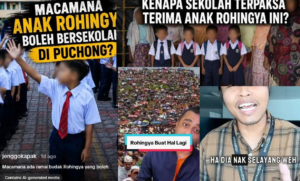
- Diaspora and Cross-Border Spillover: Online hate speech and ethno-nationalist narratives often ripple beyond Myanmar’s borders, fueling anti-immigrant sentiment and xenophobia in host countries like Malaysia, where refugees and asylum seekers from various ethnic groups already face precarious legal statuses.
#Don’t_Get_Arrogant_Just_Because_You_Swallowed_A_Pack_Of_Lies
Translation & Conceptual Edit:
I have read every piece of Rakhine Ngapi history—I know exactly who wrote what and when. I don’t care if you eat your Ngapi and break wind, but swallowing this massive Jin (pounded ginger lie) seems to have made you lose your mind.
The word “Rakhine” in ancient Burmese was originally used to refer to South Asians (Kalar). Go read the historical list of the 101 ethnic groups carefully. You want to claim the Rakhine title, but if people ask whether you are South Asian, you claim you aren’t—you say you are pure Burmese. Yet if asked if you are Burmese, you say you aren’t—you claim to be Rakhine. It makes me want to curse: if you claim to be Rakhine, by historical definition, that meant South Asian!
The British took the term “Arakan” and Burmese-ized it into “Rakhine.” When the Rohingya emerged, Rakhines screamed until Ngapi flew out of their behinds claiming “there is no such thing as Rohingya,” even though “Arakan” and “Rohan” carry the exact same etymological origin—both derived from South Asian terminology.
Translating “Arakan” as “Rakhine” might have been acceptable in the past, but ever since the 1982 Citizenship Law officially created a “Rakhine ethnicity,” equating “Arakan” strictly with “Rakhine” is completely inaccurate. References to “Ancient Arakanese Kings” historically included South Asian rulers, Thet rulers, Mro rulers, Chin rulers, and Bamar-descent rulers. Creating a single “Rakhine ethnic group” falsely makes people assume all ancient kings belonged strictly to today’s Rakhine ethnicity.
A group of people with no distinct ancient origin fled under the “Rakhine” umbrella to claim indigenous status. These Burmese captives, so desperate for indigenous legitimacy, didn’t even exist during the Dhanyawaddy period. The founder of the Dhanyawaddy dynasty, King Marayu—who married the daughter of Mro chieftain Nga Aung La—was himself of South Asian descent. Because the Burmese called Dhanyawaddy “Rakhine Country,” the term “Rakhine” historically referred to South Asians.
Look at the people of Paletwa today—do any of them look South Asian? Not a single one. This proves we don’t need to fabricate history; the truth is blatantly clear. Wherever you go in Rakhine State, those speaking broken Burmese display South Asian physical traits. “Rakhine State” historically meant South Asian land, and “Rakhine people” referred to South Asians.
You might ask: Are the current group speaking broken Burmese actually South Asians? These people were originally recorded simply as “Burmese” in official census records right up to the 1953 census after independence. But out of a desire for statehood, they began adopting the “Rakhine” label.
When did they actually arrive in Arakan? The earliest arrived during the Lemro period. After attacking the Thet King Ngatone, Burmese governors were stationed there. That is when the Burmese language and script entered Arakan, though it was confined to the royal court and never reached the general public. Later, after the Toungoo King allied with the Arakanese King to destroy Bayinnaung’s Hanthawaddy Kingdom, over 60,000 captives were relocated to Arakan. The Toungoo King likely swept these undesirables out of his territory just to get rid of them.
After those 60,000-plus captives arrived, the Burmese-descended population speaking broken Burmese became dominant. When the British arrived, these descendants of captives took the opportunity to attend school while locals refused colonial education. Having learned to read and write, they began fabricating false historical chronicles around the 1880s.
If you want to boast about your own Ngapi, go ahead—we won’t argue whether it smells good or bad. But if you’re going to swallow a pack of lies (Jin) and blow hot air, check your surroundings first.
Thangpet Thanga
#ငပိနဲ့ဂျင်းထောင်းစားမိပြီး_ရောင့်တက်မလာနဲ့
ရခိုင်ငပိရာဇဝင်တွေ ကျနော်အကုန်ဖတ်တယ်
ဘယ်တုန်းကဘယ်သူရေးတာကအစ
အကုန်သိတယ်
ငပိစားပြီးလေလည်တာ အပြစ်မပြောဘူး
ခုက
ငပိနဲ့ဂျင်းထောင်းစားမိဘူး
ရူးသွားကြပြီနဲ့တူတယ်
ရခိုင် ဆိုတဲ့မြန်မာစကားဟာ
ရှေးမြန်မာမင်းတွေခေတ်မှာ
ကုလားတွေကိုဘဲ ရခိုင်လို့ခေါ်ခဲ့တာ
လူမျိုး ၁၀၁ ပါးစာရင်းမှာ
သေချာသွားဖတ်ကြ
ရခိုင်အမည်တော့ခံချင်တယ်
မင်းတို့က ကုလားလားမေးရင်
ကုလားမဟုတ်ဘူး မြန်မာကြီးတဲ့
ဒါဆို မြန်မာလားမေးပြန်ရင်
မြန်မာမဟုတ်ဘူး ရခိုင်တဲ့
မင်းမိကလိုး ရခိုင်ဆိုကုလားပေါ့ဟဆိုပြီး
ဆဲလိုက်ချင်တယ်
အင်္ဂလိပ်တွေရဲ့ Arakan(အာရကန်)ဆိုတာကို
ရခိုင် ဆိုပြီး မြန်မာမှုပြုလိုက်ကြတယ်
ရိုဟင်ဂျာပေါ်လာတော့
ရိုဟင်ဂျာမရှိဘူးဆိုပြီး
ဖင်ထဲကငပိ အတုံးလိုက်ထွက်အောင်
အော်ကြပြန်တဟ်
အာရကန် နဲ့ ရိုဟန် က
အဓိပ္ပာယ်တူတာကို
သိတော့သိရှာပုံဘဲ
၂ခုစလုံးက ကုလားစကားကလာတာကိုး
Arakan ကို မြန်မာမှုပြုရာမှာ
ရခိုင်လို့ရေးတာ လက်ခံလို့ရနိုင်ပေမယ့်
၁၉၈၂ နိုင်ငံသားဥပဒေမှာ
ရခိုင်လူမျိုးပေါ်လာတာကြောင့်
Arakan ကို ရခိုင်လို့ မြန်မာမှုပြုလို့
မမှန်တော့ဘုး
ရှေးရခိုင်မင်းများလို့ရေးရင်
ကုလားမင်းများ
သက်မင်းများ
မြိုမင်းများ
ချင်းမင်းများ
မြန်မာနွယ်မင်းများ
အားလုံးကိုရည်ညွှန်းတာဖြစ်တယ်
ရခိုင်လူမျိုးဖန်တီးလိုက်တာမှာ
ရခိုင်လူမျိုးမင်းတွေလို့
လူတွေအထင်ရောက်စေတယ်
မရှိဖူးတဲ့လူတစုက
ရခိုင်အမည်ထဲပြေးဝင်ခိုလှုံပြီး
လရှင်ခံလာတယ်
လရှင်ခံချင်လွန်းတဲ့
ဒီမြန်မာသုံ့ပန်းမျိုးတွေဟာ
ဓညဝတီခေတ်မှာလည်းမရှိဘူး
ဓညဝတီမင်းဆက်အစ
မာရယုမင်းဟာ
မြိုသင်းကြီးငအောင်လာသမီးနဲ့လက်ဆက်ပြီး
ဓညဝတီပြည်ကိုတည်ထောင်တဲ့
ကုလားဖြစ်တယ်
ဓညဝတီပြည်ကို မြန်မာတွေက
ရခိုင်ပြည်လို့ခေါ်တဲ့အတွက်
ရှေးကတည်းက
ရခိုင်ဆိုတာ
ကုလားကိုခေါ်တာဖြစ်တယ်
ပလက်ဝသားတွေ
ရခိုင်ကုလားလက်ထဲရောက်ဖူးလားဆိုရင်
ကုလားရုပ်ပေါက်တဲ့သူ
တယောက်မှရှိမနေတာကိုဘဲကြည့်ရင်
သမိုင်းလိမ်ရေးနေစရာမလိုဘူး
သိသိသာသာကြီးပါ
ရခိုင်ပြည်ဘယ်နေရာကြည့်ကြည့်
မြန်မာစကားပျက်ပြောတဲ့ရခိုင်လည်း
ကုလားရုပ်တွေနဲ့ဘဲ
ရခိုင်ပြည်ဆိုတာ ကုလားပြည်ကိုခေါ်တာ
ရခိုင်လူမျိုးဆိုတာ ကုလားကိုခေါ်တာ
ဒီလောက်ဆိုနားလည်ကြလောက်ပြီ
ခုရခိုင်စကားဆိုပြီး
မြန်မာစကားပျက်ပြောတဲ့အုပ်စုက
ကုလားတွေဘဲလားမေးချင်ကြမယ်
အဲဒါတွေက မြန်မာတွေ
လွတ်လပ်ရေးရပြီး
၁၉၅၃ သန်းခေါင်စာရင်းအထိ
မြန်မာလူမျိုးအဖြစ် စာရင်းဝင်တယ်
ပြည်နယ်ရချင်လာရာကနေ
ရခိုင်ကုလား အမည်ခံသွားကြတာဖြစ်တယ်
ဘယ်တုန်းက ရခိုင်ပြည်ကိုရောက်ခဲ့ကြတာလဲ?
အစောဆုံးရောက်လာတာက
လေးမြို့ခေတ်မှာဖြစ်တယ်
သက်မင်းငတုံကို
လာရောက်တိုက်ခိုက်ပြီးနောက်မှာ
မြန်မာနယ်စားမင်းတွေကို
လာချထားတာဖြစ်တယ်
အဲဒီချိန်ကစပြီး
မြန်မာစကားနဲ့မြန်မာစာ ဟာ
ရခိုင်ပြည်ထဲကိုရောက်လာတယ်
ဒါပေမယ့်
နန်းတွင်းလောက်မှာဘဲသုံးပြီး
ပြည်သူတွေဆီ မရောက်ခဲ့ပါဘူး
တောင်ငူမင်းက ရခိုင်မင်းနဲ့ပေါင်းပြီး
ဘုရင့်နောင်ရဲ့ ဟံသာဝတီပြည်ကြီးကို
သိမ်းပိုက်ဖျက်ဆီးအပြီးမှာ
သုံ့ပန်း ၆၀၀၀၀ ကျော်
ရခိုင်ပြည်ကိုခေါ်လာခဲ့တယ်
တောင်ငူမင်းကလည်း
ဒီမျောက်တွေ ငါ့မြေမှာမရှိရင်ပြီးရောဆိုပြီး
တိုင်းပြည်အမှိုက်တွေကို
ရခိုင်ဘက် လှည်းထုတ်လိုက်တာဖြစ်မယ်
အဲဒီ ၆၀၀၀၀ ကျော်ရောက်တဲ့နောက်ပိုင်းမှာ
မြန်မာစကားပျက်ပြောတဲ့
မြန်မာလူမျိုးက လွှမ်းမိုးသွားတယ်
အင်္ဂလိပ်တွေရောက်လာတော့
ဒီကျွန်ပေါက်လေးတွေက
ကျောင်းတက်ခွင့်တွေရလာတယ်
ဒေသခံတွေက
ကျောင်းတက်ဖို့ငြင်းတယ်
ကျောင်းတက်တဲ့ကျွန်ပေါက်တွေက
စာတတ်လာတယ်
ဒီလိုနဲ့ ၁၈၈၀ ဝန်းကျင်လောက်ကနေ
ရာဇဝင်လိမ်တွေပေါ်လာတာဖြစ်တယ်
ကိုယ့်ငပိ မွှေးချင် မွှေးတယ်ပြောပါ
မွှေးတယ် နံတယ် ငါတို့မပြောဘူး
ငပိနဲ့ဂျင်းထောင်းစားပြီး
လေလည်မယ်ဆို
ပတ်ဝန်းကျင်ကြည့်ပြီး
လေလည်ပါလို့