By Dr. Abdul Rahman Zafrudin @ Ko Ko Gyi
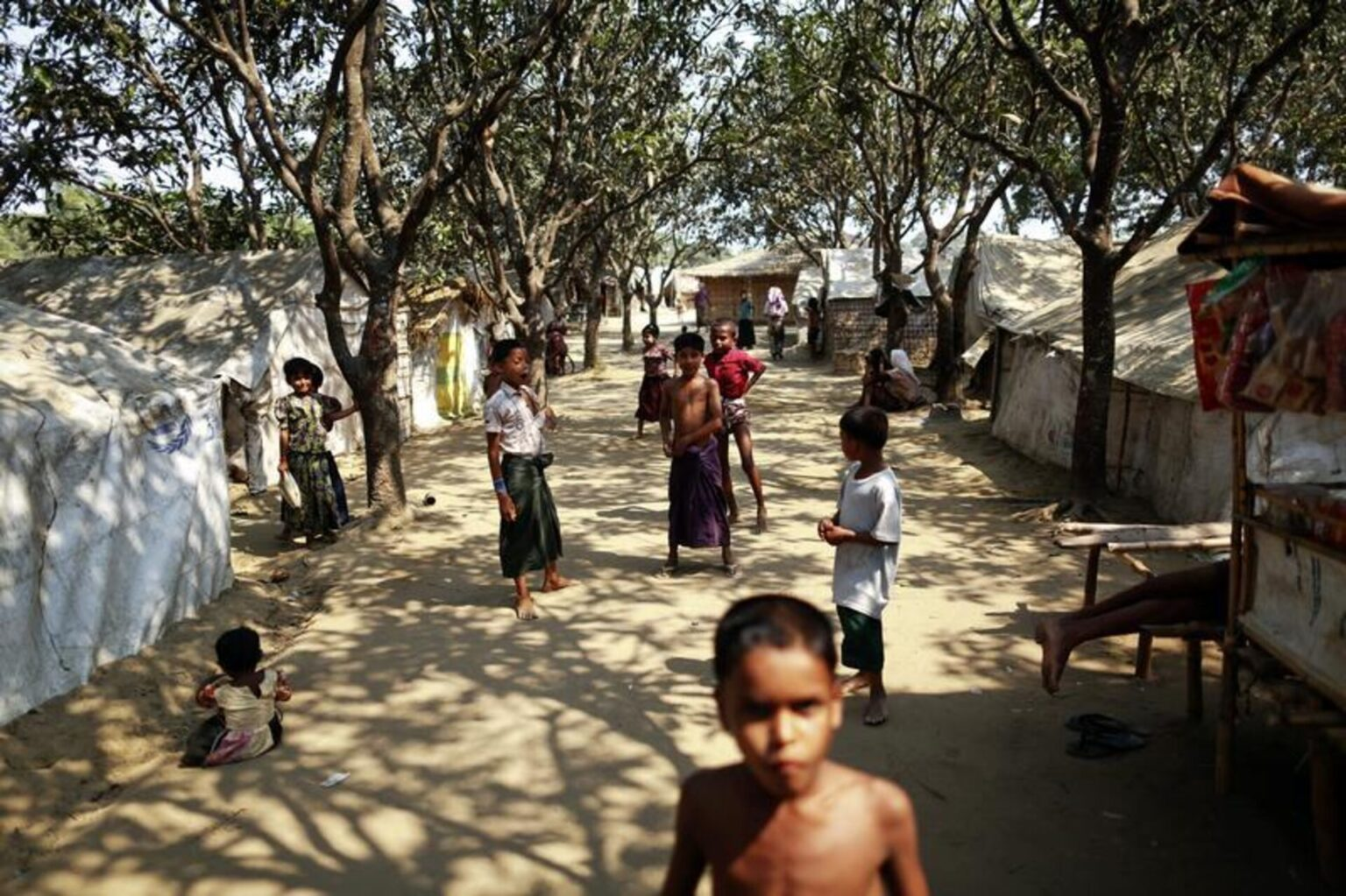
Every child enters the world with hope.

No child chooses where to be born. No child chooses his or her ethnicity, religion, language, or family background. Yet every child deserves the opportunity to grow, learn, contribute to society, and dream about the future.
For generations, Muslim families have lived in Myanmar alongside people of many other faiths and communities. Like countless other citizens, they have considered Myanmar their home, spoken its languages, shared its culture, and contributed to its development in many fields, including education, medicine, business, agriculture, and public service.
Many families also have deep roots stretching back several generations. Their parents and grandparents regarded themselves as citizens of the country and built their lives there.
Today, however, some families say that administrative procedures relating to identity and citizenship have become increasingly difficult. Some report being asked to accept ethnic descriptions that do not reflect how they identify themselves or how previous generations of their families were recorded. Others describe uncertainty about how future generations will be recognized.
These experiences have caused anxiety, not only because of legal or administrative consequences, but because identity is closely connected to dignity and a sense of belonging.
Regardless of ethnicity or religion, every child deserves to begin life with confidence rather than uncertainty.
History reminds us that Myanmar has always been home to diverse communities. Over many centuries, people moved, traded, married, settled, and contributed to the country’s rich cultural heritage. That diversity should be understood as part of Myanmar’s history rather than as a reason for division.
A peaceful and prosperous nation is strengthened when all citizens feel that they belong and that they have an equal opportunity to contribute according to their abilities.
The purpose of citizenship documents should be to recognize and protect the rights of citizens, not to create unnecessary barriers or deepen social divisions. Fair, transparent, and consistent administrative practices help build trust between citizens and the state.
Myanmar has endured decades of conflict and hardship. The country’s future will depend not only on political agreements and economic development, but also on rebuilding confidence among all communities.
Children should not inherit distrust from previous generations.
They should inherit hope.
The dreams of a child are remarkably simple: to attend school, to make friends, to find meaningful work, to care for family, and to live in peace. These aspirations are shared by children everywhere, regardless of their religion or ethnicity.
Building an inclusive future does not require anyone to abandon their own identity. It requires recognising the equal dignity of others.
Our hope is for a Myanmar where every child grows up believing that this country belongs to all its citizens, where diversity is respected, and where every young person has the opportunity to contribute to the nation’s future.
Please give our children a chance to dream.