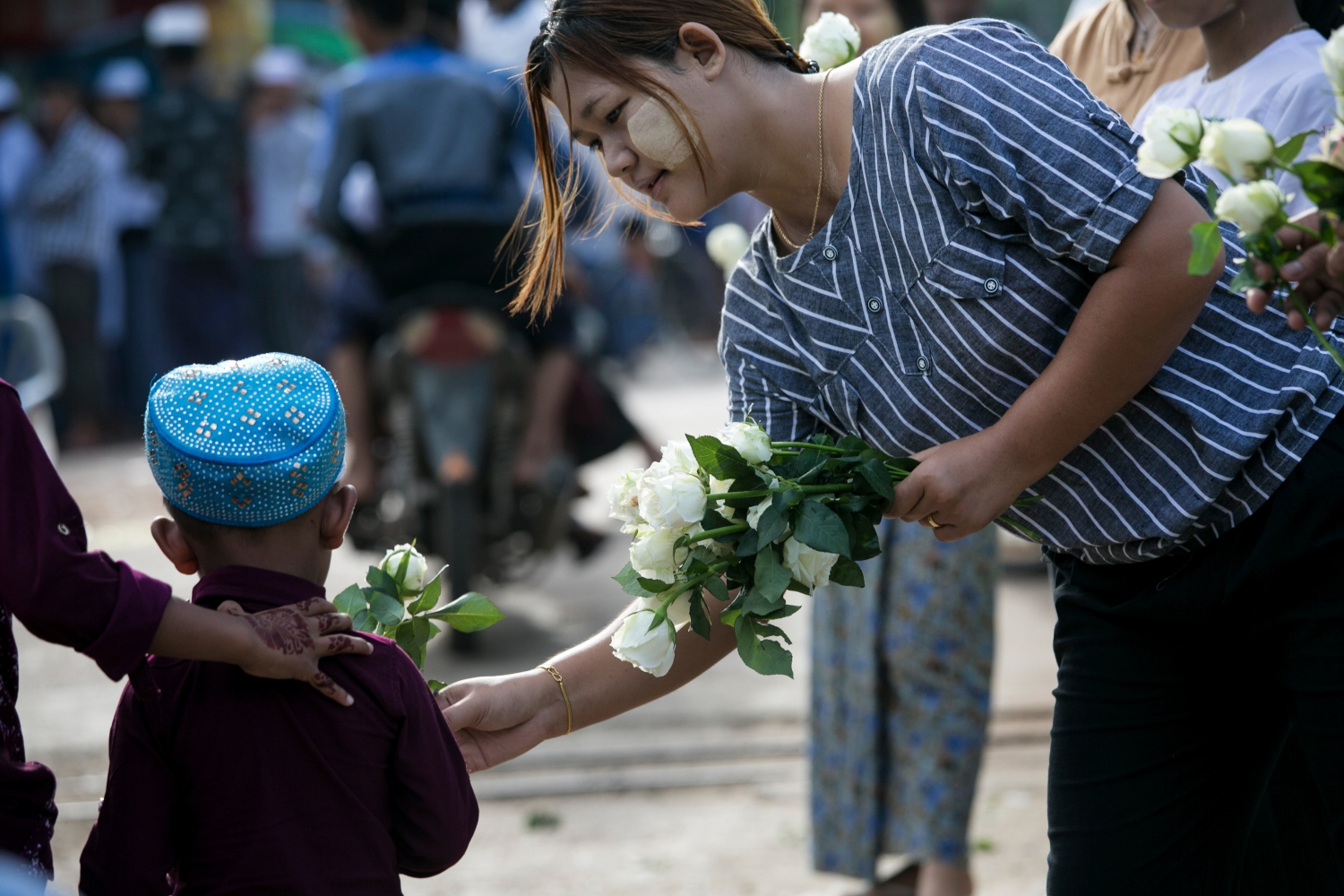
Various Types of South Asians in Myanmar
Photo Credit

(From the research by the late Saya Atta Kyaw)
“For those of us in the 1960s generation, we remember it well. There were Hindu, Punjabi, Mogul, Zedabhari, Mangyee-thee (Tamarind), Gawrinjee, Chettiar, Gurkha, Kalar-lay, and Muslim, among various other types. It is true that historically, a wide variety of these communities existed not only in Yangon, but also in Mandalay and many other towns across the country.”
The Many Faces of “Kala”: Indians in Myanmar
By Atta Kyaw (Pseudonym) — Translated for MMNN
The late writer Atta Kyaw once reflected on the controversial yet fascinating term “Kala” — a word deeply embedded in Myanmar’s history, language, and social memory. His essay explored how this term, often misunderstood, has carried multiple meanings across centuries, tied to migration, trade, and cultural exchange.
Origins of the Word
According to the Myanmar Dictionary (1978, revised 2008), “Kala” was defined as:
- Noun: People from India, particularly from the western regions.
- Adjective: Foreign, or originating from abroad.
This gave rise to countless expressions in Burmese: Kala rice, Kala beans, Kala stools, Kala gold, Kala curry, Kala bricks, and more. The word seeped into everyday vocabulary, shaping how foreignness was perceived.
Some scholars argue that “Kala” derived from Kalwar/Kalar/Kalal — Indian caste groups historically associated with brewing liquor. Others trace it to Kallar among Tamils in South India. Another theory suggests it evolved from “Ku-la” (to cross over), referring to migrants who came across borders. Still others connect it to the Pali word “Kula” (clan, lineage).
Who Were the “Kala”?
The term was never limited to Indians alone. In Myanmar’s past:
- Arabs and Persians arriving in Pagan-era Burma (7th century CE) were called Kala.
- Europeans — British, French, Dutch, Portuguese — were referred to as “white Kala.”
- South Asians of diverse faiths — Hindus, Muslims, Christians, Sikhs — were all grouped under the umbrella term.
Thus, “Kala” became a catch-all for outsiders, regardless of skin tone or religion.
Migration Waves
- Early Arab Traders: Records show Arabs reached Thaton and Martaban as early as 652–660 CE, trading in gold and textiles.
- Colonial Era: With British expansion in the 19th century, large numbers of Indians migrated as civil servants, engineers, soldiers, laborers, and merchants. Many settled permanently, intermarried, and became Burmese citizens.
- Pakistani Muslims: By the 1870s, migration from present-day Pakistan increased. After independence, the All Burma Pakistan Association (ABPA) boasted 300,000–500,000 members.
Prominent Figures of Indian Descent
Myanmar’s history is dotted with influential personalities of Indian heritage:
- U Razat and U Rashid — nationalist leaders.
- Dr. Basan Haq — Afghan-descended professor.
- U Goenka — renowned teacher of Vipassana meditation.
- Dr. Maung Dee — university rector.
- Maung Maung Ta — celebrated film star.
- Bahadur — legendary footballer of Gurkha origin.
Even within revolutionary movements, Indian-origin communists played significant roles, some meeting tragic ends during purges.
Literary Contributions
Indian-descended writers enriched Burmese literature:
- Maung Bo Khin (Muhammad Shamsuddin) translated Hindi and Urdu works into Burmese as early as 1889.
- James Hla Kyaw’s “Maung Yin Maung, Ma Me Ma” (1904) is considered the first Burmese novel, adapted from French sources.
- Dr. Sheikh Abdur Rahman (U Pho Thazin) published Pasi Tales in 1909, showcasing Muslim-Burmese storytelling traditions.
Everyday Encounters
Atta Kyaw recalled childhood memories in Mandalay, where Punjabi doctors were fixtures of local life. In films of the 1970s, doctors were often portrayed as turbaned Punjabis — a reflection of real social presence.
He also noted the Gurkhas (called “Gaurakha”), who arrived with the British army. Many settled in towns like Myitkyina and Taunggyi, their descendants Burmese-born yet still identified as Gurkhas.
Multiculturalism and Modern Lessons
The essay closes with a reflection: Myanmar has always been a land of mingling peoples. Just as Burmese, Shan, Kachin, and Kayah intermarried, so too did Hindus, Muslims, Christians, and Gurkhas. This is the essence of multiculturalism — treating all communities with equal dignity.
Atta Kyaw warned against narrow-mindedness: “Even in Britain, some minorities resent successful outsiders. Yet many of those they reject are citizens born on the same soil.” His call was clear — Myanmar must embrace diversity as strength, not division.
Conclusion
The word “Kala” may be controversial, but it is also a mirror of Myanmar’s layered history. It reflects centuries of migration, coexistence, and cultural blending. To understand it is to understand Myanmar itself — a nation built not by one people alone, but by many.
9 Commonly Categorized Groups
(Based on popular social and historical classifications in Myanmar during the colonial and post-colonial eras):
- Chettiar (ချစ်တီး): Moneylenders who came to own large agricultural landholdings (estimated at around 5 million acres during the colonial era).
- Way-lay (ဝေလေ): Agricultural laborers / paddy field workers.
- Marwari / Surati (မာရဝါရီ / စူရ်ရတီ): Merchants and traders, prominent in the cloth and textile trade (historically centered around Theingyi Zay in Yangon).
- Mogul (မဂို): Goldsmiths, jewelers, and gem traders (historically concentrated along Mogul Street / Shwe Bon Tha Street).
- Khortaw (ခေါ်တော): Boatmen, rowers, and water transport workers along rivers and ports.
- Punjabi (ပန်ချာပီ): Police officers, soldiers, and medical professionals.
- Kaka (ကာကာ): Tea shop owners and operators.
- Chulia (ကျူလီယာ): General store and grocery shop owners operating in villages and smaller towns.
- Gawrinjee (ဂေါ်ရင်ဂျီ): Rickshaw (lanche) pullers and manual cart operators.
(Note: The article notes that while some of these traditional occupations shifted significantly over the 20th century, these terms historically reflected the distinct socioeconomic roles, regional origins, and cultural communities that settled in Myanmar.)
Lynn Htet Swe
tSnsropode07121l c056t23,4g00 2m2ie3u1i11n7f107fl0t1h31Jul0f ·
ကွယ်လွန်သွားတဲ့ ဆရာအတ္တကျော်ရဲ့ ကုလားသုတေသန။ သူ့ဆောင်းပါးထဲမှာ ((နယ်ကျော်လာတဲ့ ဘင်္ဂါလီတွေ)) ဆိုတဲ့ အသုံးအနှုန်းလေးတစ်ခုကတော့ ကွန်ထရိုဗာရှယ် ဖြစ်စရာပေါ့။ ကျန်တာတွေကတော့ မှတ်သားစရာပါ။
————-
ကုလားရာဇဝင်
========
(ဆူဒိုနင်)
ပြောလည်း ပြောချင်တယ်၊ ပြောလည်း မပြောရဲဘူး
ဝေါဟာရ ဆင်းသက်ပုံ
ကုလားဆိုတဲ့ ဝေါဟာရနဲ့ ပတ်သက်လို့ ဖတ်ဖူး မှတ်ဖူး ကြုံဖူးထားတာလေး တွေ တင်ပြလိုက်ချင်ပါတယ်။
မြန်မာအဘိဓာန် အကျဉ်းချုပ်မှာတော့ ၁။ အိန္ဒိယနိုင်ငံသားများ။ ၂။ သာမန်အားဖြင့် မြန်မာနိုင်ငံ အနောက်ဘက်ဒေသများမှ လာသူများလို့ နာမ်အနေနဲ့ ဖွင့်ဆိုထားပါတယ်။ နာမဝိသေသန အနေနဲ့ကျတော့ နိုင်ငံခြား၌ ဖြစ်သော၊ နိုင်ငံခြားမှ လာသောလို့ ဖွင့်ဆိုထားပါတယ်။ ဒါ့ကြောင့် ကုလားကာ (ကန့်လန့်ကာ – အသံထွက် ကလဂါ)၊ ကုလားကင် ပွန်း၊ ကုလားစပါး (ဂျုံ)၊ ကုလားတက်၊ ကုလားတည်၊ ကုလားထိုင်၊ ကုလားနံ၊ ကုလားပဲ၊ ကုလားမခြေထောက်၊ ကုလားမ စည်းနင်း၊ ကုလားမောင်း၊ ကုလား ရွှေ၊ ကုလားသေ ကုလားမော၊ ကုလားဟင်း၊ ကုလားအော်၊ ကုလားအုတ်အစရှိ သဖြင့် မြန်မာဝေါဟာရတွေ ရှိလာတာပါ။
(သည်နေရာမှာ စာမနှံ့သူတချို့က ”ကုလားကာ” မဟုတ်ဘူး၊ ”ကန့်လန့် ကာ” သာ အမှန်လို့ ခြေကန်ငြင်းချင်တာလည်း ရှိပါ့မယ်။ ဟုတ်ကဲ့… ကျွန်တော် အလွှတ်မဲ့ရေးလိုက်တာ မဟုတ်ပါဘူး။ ၁၉၇၈ ခုနှစ် စက်တင်ဘာလမှာ ပြည်ထောင်စု ဆိုရှယ်လစ် သမ္မတ မြန်မာနိုင်ငံတော် ပညာရေးဝန်ကြီးဌာန မြန်မာစာအဖွဲ့က ထုတ်ဝေတဲ့ မြန်မာအဘိဓာန် အကျဉ်းချုပ် စာမျက်နှာ ၁၂ မှာ”ကုလားကာ [ကန့်လန့်ကာ]”လို့ အတိအလင်း ဖော်ပြထားပါတယ် ခင်ဗျ။ ဒါ့အပြင် ၂ဝဝ၈ ခုနှစ် ဩဂုတ်လမှာ အဆိုပါ အဖွဲ့ကပဲ ပြင်ဆင်တည်းဖြတ် ထုတ်ဝေထားတဲ့ မြန်မာအဘိဓာန် စာမျက်နှာ ၉ မှာလည်းပဲ အဲဒီ့ အတိုင်းပဲ ”ကုလားကာ”လို့ ပေးထားတာကို တွေ့ရနိုင်ပါတယ်။)
အမျိုးဇာတ်တွေ အများအပြား ကွဲပြားတဲ့ အိန္ဒိယနိုင်ငံမှာတော့ အူတာ ပရာဒက်(ရှ်)၊ ရာဂျက်(စ်)သန်၊ ပန်ဂျပ်(ဘ်) ပြည်နယ်များနဲ့တကွ အိန္ဒိယနိုင်ငံ မြောက်ပိုင်းနဲ့ အလယ်ပိုင်းမှာ သမိုင်းအစဉ်အဆက်ရှိခဲ့တဲ့ အမျိုးဇာတ်တစ်ခုကို ကလွား (ကလား) (Kalwar, Kalal, Kalar) လို့ ခေါ်ပါတယ်။ အရင်တုန်း ကတော့ အဲဒီ့ အမျိုးဇာတ်ဟာ အရက်ချက်တဲ့ အလုပ်ကို လုပ်ခဲ့ကြဖူးတယ်လို့ အဆိုရှိတယ်။ ၂ဝ ရာစုမှာတော့ အဲလို မဟုတ်တော့ပါဘူးတဲ့။
အိန္ဒိယနိုင်ငံသားတွေထဲက တမစ်(လ်) (Tamil) တွေရဲ့ အမျိုးဇာတ်ထဲမှာလည်း ကုလားက ရှိနေပြန်တယ်။ အိန္ဒိယနိုင်ငံ တောင်ပိုင်းက တစ်ခုနဲ့တစ်ခု ဆက်စပ်နေတဲ့ အမျိုးဇာတ် သုံးခုအနက်က တစ်ခုကို ကုလား (Kallar) လို့ ခေါ်ပြန်သတဲ့။
မြန်မာတချို့ကတော့ တခြားနိုင်ငံကနေ ကူးလာသူတွေကို ”ကူးလာ”လို့ ခေါ်ရင်းကနေ ကာလရွေ့လျောတဲ့အခါ ကူးလာ ကနေ ကုလားဖြစ်သွားတယ်လို့ လည်း ဆိုကြပါတယ်။ အမျိုးဇာတ်စနစ်ကို အခိုင်အမာ ဖက်တွယ်ထားသူတွေလို့ ဆိုလိုချင်တဲ့ အခါမှာလည်း ကုလားလို့ သုံးတယ်လို့ အဆိုရှိပြန်တယ်။ ဒါ့ကြောင့် ပါဠိလို ”ကုလ”၊ မြန်မာလို ”အမျိုးအနွယ်”လို့ အဓိပ္ပာယ်ရတဲ့ ”ကုလ”လို့ ခေါ်ရင်းကနေ ကုလားဖြစ်တယ်ဆိုတဲ့ အယူအဆတစ်ခုလည်း ရှိပါတယ်။
သေချာတာကတော့ မြန်မာ့သမိုင်းမှာ အနောက်တိုင်းသား မျက်နှာဖြူ အင်္ဂလိပ်၊ ပြင်သစ်၊ ဒတ်(ခ်ျ)၊ ပေါ်တူဂီတွေကို ကုလားဖြူလို့ ခေါ်ခဲ့ကြဖူးတာပါပဲ။
ကုလားဆိုတာ
တကယ်တော့ မြန်မာတွေ နှုတ်ကျိုးနေတဲ့ ကုလားဆိုတဲ့ ဝေါဟာရက ကျယ်ဝန်းပါတယ်။ အာရပ်တွေ၊ ပါရှားတွေလို အရှေ့အလယ်ပိုင်းဒေသက ရောက်လာတဲ့ အသားဖြူသူတွေကိုလည်း ကုလားလို့ ခေါ်ပါတယ်။ နက်မှောင် နေအောင် မည်းတဲ့သူတွေကိုလည်း ခေါ်ကြတာ ဖြစ်သလို အသားလတ်သူတွေ ကိုလည်း ခေါ်တာပါပဲ။ အလားတူ၊ ကိုးကွယ်ရာ ဘာသာမှာလည်း ဟိန္ဒူ၊ အစ္စလာမ်၊ ခရစ်ယာန်၊ (ပန်ချာပီလို့ မြန်မာတွေ သိကြတဲ့)ဆစ်(ခ်) အစရှိသူတွေ ကိုလည်း ခေါ်တာပါပဲ။
ကျွန်တော်တို့လို ၆ဝ တန်းတွေဆို ကောင်းကောင်း မီပါတယ်။ ဟိန္ဒူ ကုလား၊ ပန်ချာပီကုလား၊ မဂိုကုလား၊ ဇေဒဘရာရီ ကုလား၊ မန်ကျည်းသီးကုလား၊ ဂေါ်ရင်ဂျီကုလား၊ ချစ်တီးကုလား၊ ဂေါ်ရခါး၊ ကလယ်၊ မူစလင်ကုလား အစရှိသဖြင့် အမျိုးမျိုး အမယ်မယ် ရှိခဲ့ဖူးပါတယ်။ ရန်ကုန်တင်မက မန္တလေးမှာရော တခြားမြို့ အများအပြားမှာပါ တစ်ခေတ်ဆီက ကုလားပေါင်းစုံ ရှိခဲ့ဖူးတာလည်း အမှန်ပါပဲ။
ကျွန်တော်ကြံဖူးတဲ့ ပန်ချာပီကြီးတွေ
ကျွန်တော်ငယ်ငယ်တုန်းက မန္တလေးမှာ နေမကောင်းတဲ့အခါ ပန်ချာပီ ကုလားဆရာဝန်ကြီးနဲ့ချည်းပဲ အမြဲတမ်း ပြရပါတယ်။
ဘယ်လောက်များလဲဆိုရင် အဲဒီ့ခေတ် မြန်မာရုပ်ရှင်တွေထဲက ဆရာဝန်ခန်းမှာ ဆရာဝန်အဖြစ် ပင်တိုင်သရုပ်ဆောင်သူက ဗောင်းထုပ်ကြီးနဲ့ ပန်ချာပီ ကုလားကြီးဖြစ်နေခဲ့ဖူးပါတယ်။ ဆရာကြီး ဦးသုခရဲ့ စောစောပိုင်း ဇာတ်ကား တွေထဲမှာ တွေ့ရနိုင်ပါတယ်။
၁၉၇ဝ ပြည့်လွန်နှစ်များမှာတော့ အဲဒီ့သရုပ်ဆောင် ပန်ချာပီကြီးကို လူ ကိုယ်တိုင် အကောင်လိုက် ခဏခဏ မြင်ဖူးပါတယ်။ သူက ဗိုလ်အောင်ကျော်လမ်း နဲ့ ဗိုလ်ချုပ်လမ်းထောင့် စိန့်မေရီ (စိန်ပေါကျောင်းဘေး) ဘုရင်ဂျီ ဘုရားကျောင်း ရှေ့မှာ အမြဲတမ်း စက်ကျတတ်တာကိုး။ အဲဒီ့နားမှာ တစ်ချိန်က ရုပ်ရှင်ကုမ္ပဏီ ရုံးခန်းတွေ ရှိတာမို့ သူ့ကို အဲဒီ့နားမှာ မကြာခဏ တွေ့ရတာလည်း ဖြစ်ပါတယ်။
ကုလားပေါင်းစုံ မြန်မာပြည်ကို ဘယ်တုန်းက စရောက်လာတာလဲ
အများစု ယူဆကြတာက မြန်မာနိုင်ငံကို ကိုလိုနီ နယ်ချဲ့တွေ သိမ်းပိုက်ပြီး တဲ့နောက် သူတို့နဲ့အတူ ကုလားတွေပါ ပါလာတယ်လို့ပါပဲ။ သည်အယူအဆက မမှားပါဘူး။ ဒါပေမယ့် သမိုင်းမှတ်တမ်းတွေအရ အရှေ့အလယ်ပိုင်းက အာရပ် တွေ မြန်မာပြည်ကို စရောက်လာတာက ပုဂံခေတ်ဦး၊ ခရစ်သက္ကရာဇ် ၆၅၂-၆၆ဝ အတွင်းမှာပဲ ဖြစ်ပါတယ်။ အဲဒီ့အချိန်က သုဝဏ္ဏဘုမ္မိ သထုံတို့၊ မုတ္တမတို့ ဆီကို ကုန်သည်များအဖြစ် ရောက်လာခဲ့တာလည်း အမှန်ပါပဲ။
ကိုးရာစုမှာတော့ ဧရာဝတီ မြစ်ဝကျွန်းပေါ်၊ တနင်္သာရီဒေသတို့မှာလည်း အာရပ်ကုန်သည်တွေ ရောက်နေပါပြီ။ ဆိုတော့ကာ အာရပ်တွေ မြန်မာပြည်ကို ဥဒဟို ဝင်ထွက်သွားလာနေခဲ့ကြ၊ အခြေချနေထိုင်ခဲ့ကြတာပဲ နှစ်ပေါင်း တစ်ထောင်ကျော်ခဲ့ပြီလို့ ပြောနိုင်ပါလိမ့်မယ်။
သမိုင်းမှတ်တမ်းတွေအရ အိန္ဒိယနိုင်ငံဘက်ဆီက ပါခစ္စထာနီများလို မူစလင် အများအပြား မြန်မာနိုင်ငံကို ရွှေ့ပြောင်း အခြေချနေထိုင်ခဲ့တာကတော့ ၁၈၇ဝ ပြည့်လွန်စ နှစ်တွေမှာပါပဲ။ လွတ်လပ်ရေးရပြီးစမှာ မြန်မာနိုင်ငံလုံး ဆိုင်ရာ ပါကစ္စတန်အသင်း (All Burma Pakistan Association – ABPA) ဆိုတာတောင် ရှိခဲ့ဖူးပြီး အဖွဲ့ဝင် အင်အားက သုံးသိန်းကနေ ငါးသိန်းအထိ ရှိခဲ့ဖူးတယ်လို့ သိရပါတယ်။
တကယ်တော့ အိန္ဒိယနိုင်ငံနဲ့ မြန်မာနိုင်ငံတို့ဟာ ကုန်းမြေ နယ်နိမိတ်ချင်း ထိစပ်နေတာမို့ အစိုးရစနစ်တွေ မထွန်းကားခင်၊ နိုင်ငံသား ဘာညာတွေ မပေါ်ခင် ပဝေသဏီ လွန်ခဲ့တဲ့နှစ်ပေါင်း နှစ်ထောင်လောက်ကတည်းက ဟိုဘက်သည်ဘက် ကူးလူးသွားလာနေကြ၊ အခြေချနေထိုင်ခဲ့ကြတာပါပဲ။ တရုတ်တွေ၊ ထိုင်းတွေလည်းပဲ အလားတူပါပဲ။
ကိုလိုနီနယ်ချဲ့တွေနဲ့ကျတော့ အိန္ဒိယက လူမျိုးပေါင်းစုံဟာ နည်းပေါင်းစုံနဲ့ ပါလာခဲ့ပါတယ်။ ၁၉ ရာစု အလယ်ပိုင်း ကတည်းကပါပဲ။ အရပ်ဘက် ဝန်ထမ်းတွေ၊ အင်ဂျင်နီယာတွေ၊ မာလိန်မှူးတွေ၊ စစ်သားတွေ၊ အလုပ်သင်တွေ၊ အလုပ်ကြမ်းသမားတွေ၊ ကုန်သည်တွေအနေနဲ့ ပါလာတော့တာပါပဲ။ ပဲခူးတိုင်း ဇေယျဝတီမြို့နဲ့ အနီးတဝိုက်မှာ အဲဒီ့ခေတ် ကတည်းက မြန်မာပြည်မှာ အခြေချ နေခဲ့ကြရာက ပေါက်ဖွားလာသူတွေကို အထင်အရှား မြင်နေနိုင်ပါသေးတယ်။
အဲဒီ့လူတွေက မြန်မာပြည်မှာပဲ အခြေချနေကြ၊ မြန်မာနိုင်ငံသား လူမျိုး ပေါင်းစုံနဲ့ အိမ်ထောင် သားမွေးကြနဲ့ နေနေခဲ့ကြတာ နှစ်ပေါင်း ရာချီနေခဲ့ပါပြီ။ ဒါ ကုလားတွေတင် မဟုတ်ပါဘူး။ တရုတ်တွေလည်း အတူတူပါပဲ။
အထင်ကရ ကုလားကြီးများ
ကျွန်တော်ဆို အမေ့ရဲ့ အဘိုးအရင်းက ပြည်မကြီးကလာတဲ့ ပေါက်ဖော် စစ်စစ်ကြီးမို့ တရုတ်သွေး ၁၂ ပြားခွဲဖိုးပါတဲ့ ရွှေမြန်မာပါ။
အဖေ့ဘက်ကလည်း ဇစ်မြစ် မသိလို့သာပါ။ ဆံပင်ကောက်တာ၊ အမွှေး အမှင်ထူတာ၊ မျက်လုံးပြူးတာလို ကုလားနဲ့ ဆက်စပ်တဲ့ သဲလွန်စတွေ အများအပြားကတော့ ကျွန်တော့်သားဆီအထိ ပါနေပါသေးတယ်။
ကုလားတွေထဲမှာ အာဇာနည် ဦးရာဇတ်လို၊ ဝန်ကြီး ဦးရာရှစ်လို၊ အာဖဂန် အနွယ် ပါမောက္ခဒေါက်တာ ဘသန်းဟက်လို၊ ဆရာကြီး ဦးဂိုအင်ကာလို၊ ကျွန်တော်တို့ တက္ကသိုလ်တက်စဉ်က ပါမောက္ခချုပ် လုပ်သွားတဲ့ ဒေါက်တာ မောင်ဒီလို၊ မကြာခင်က ကွယ်လွန်သွားတဲ့ ရုပ်ရှင်မင်းသား မောင်မောင်တာလို၊ ဘောလုံးသမားကျော် ဗဟာဒူးလို ပုဂ္ဂိုလ်တွေ အများအပြား ပါဝင်ပါတယ်။ ယုတ်စွအဆုံး၊ သခင်သန်းထွန်းရဲ့ ဗမာပြည် ကွန်မြူနစ်ပါတီနဲ့အတူ တောခိုသွားပြီး ဖြုတ်ထုတ်သတ်ခံလိုက်ရတဲ့ ကွန်မြူနစ်ဝါဒ ယုံကြည်သူတွေထဲ မှာတောင် အထင်ကရ ကုလားတွေ ပါဝင်နေတာ သမိုင်းပါပဲ။
ဗဟာဒူးကို ထည့်ပြောလိုက်တော့ စကားစပ်လို့ ဂေါ်ရခါးဆိုတဲ့ ကုလား တစ်မျိုးကို ထည့်ပြောရပါမယ်။ ဂေါ်ရခါးဆိုတာက နီပေါနိုင်ငံသားတွေကို ရှေးက ခေါ်ခဲ့တဲ့ အခေါ်အဝေါ်ပါ။ စစ်သည်ကျော်တွေမို့ ကမ္ဘာမှာ ဂေါ်ရခါးဆိုရင် စစ်သားနဲ့ တွဲသိ ကြပါတယ်။ မြန်မာနိုင်ငံ အနှံ့အပြားမှာ ရောက်ရှိနေတဲ့ ဂေါ်ရခါး အများစုဟာ ဗြိတိသျှတို့နဲ့အတူ စစ်သည်တွေအနေနဲ့ ပါလာတာ ဖြစ်ဖို့များပါ တယ်။ ဘောလုံးသမားကျော် ဂေါ်ရခါးကြီး ဗဟာဒူးဆိုလည်း စစ်သားဟောင်းကြီး ပါပဲ။ အများစုက မြစ်ကြီးနား၊ တောင်ကြီး၊ မေမြို့လို နေရာတွေမှာ ယနေ့ထက် တိုင် ရှိနေကြဆဲပါပဲ။ သူတို့က ပေါက်ဖွားသူတွေဟာ မြန်မာနိုင်ငံမှာသာ မွေးဖွားတာဖြစ်ပြီး နီပေါနိုင်ငံဆိုတာ မြင်တောင် မြင်ဖူးကြမှာ မဟုတ်ပါဘူး။
စာပေသမိုင်းထဲက ကုလားကြီးတွေ
နောက်ထပ် ထင်ရှားတဲ့ ကုလားတွေဆိုရင် အာဇာနည်ဆရာကြီးဦးရာဇတ် ထက်တောင် စောပါသေးတယ်။
မြန်မာဝတ္ထု သမိုင်းမှာ (မွန်ထီ ခရစ္စထို မြို့စားခေါင်းစဉ်နဲ့ ပြင်သစ်ဝတ္ထုကို မှီးထားတဲ့) ဆရာကြီး ဂျိမ်း(စ်)လှကျော်ရဲ့ ”မောင်ရင်မောင်၊ မမယ်မ”ကို ပထမဆုံးအဖြစ် သတ်မှတ်ကြပါတယ်။ အဲဒီ့ဝတ္ထုကို ၁၉ဝ၄ ခုနှစ်မှာ ပုံနှိပ်ထုတ် ဝေခဲ့တာပါ။
အမှန်တော့ အဲဒီ့ထက် စောတဲ့ မြန်မာဝတ္ထု ရှိတာကို လူသိနည်းလှပါတယ်။ ”မောင်ရင်မောင်၊ မမယ်မ”ထက် ၁၅ နှစ် လောက် စောပြီး ၁၈၈၉ ခုနှစ် ဇွန် လ ၁၉ ရက် ကြာသပတေးနေ့မှာ မော်လမြိုင်မြို့ဇာတိ၊ ရန်ကုန် သံဖြူတန်းရပ် နေ၊ မူဟမ္မက် အီဆွတ်၏သား၊ မူဟမ္မက် ရှံရှူဒင်၊ မြန်မာအခေါ် စာရေး မောင်ဘိုးခင်က ဟိန္ဒီ၊ ကလယ်ဘာသာ ဝတ္ထုတွေကို မူရင်းဘာသာကနေမြန်မာ ဘာသာနဲ့ ပြန်ဆိုရေးသားထားတဲ့ ”ဟာတင်ကာယီ ဝတ္ထုတော်ကြီး”ကို ထုတ်ဝေ ခဲ့ပါတယ်။
ဒါ့အပြင် ‘မောင်ရင်မောင်၊ မမယ်မ”ထွက်တဲ့ ၁၉ဝ၄ ခုနှစ်မှာပဲ ”မန္တလေး သား ဦးကာစင်”ရေးတဲ့ ”ယူဇွတ်ဇို့လိုင်ခါ မင်းသား မင်းသမီး ဇာတ်ဝတ္ထုတော် ကြီး”ကိုလည်း ဇမ္ဗူ့မျက်မှန် ပုံနှိပ်တိုက်ပိုင်ရှင် မသက်တင်နဲ့ မဖုန်းခင်တို့က ထုတ်ဝေထားတာ ရှိခဲ့ဖူးပါတယ်။
အဲဒါတွေထက် ထင်ရှားတာကတော့ ၂ဝဝ၂ ခုနှစ် ဇွန်လမှာ ခင်ချိုထွန်း စာပေက တတိယအကြိမ် ထုတ်ဝေထားတဲ့ ”တထောင့်တည ပြောရသော ပသီပုံပြင်ဝတ္ထုကြီး”ပါပဲ။ ဆရာကြီး သခင်ဘသောင်းရော၊ ဆရာကျော်လှိုင်ဦး (မင်းကျော်) ရော အဲဒီ့ တထောင့်တည ပုံပြင်တွေကို ဘာသာပြန် ထုတ်ဝေခဲ့ဖူး ပါတယ်။ ဒါပေသည့် ၂ဝဝ၂ ခုနှစ်မှာ တတိယအကြိမ် ထုတ်ဝေခဲ့တဲ့ မူလ ပသီပုံပြင်တွေကိုတော့ ဗိလတ်ပြန် ခရိုင်ဆရာဝန်ကြီး ဒေါက်တာ ရှိတ်(ခ်)အဗ္ဗဒူရာမန် (မြန်မာနာမည် ဦးဖိုးသာဇံ)က ၁၉ဝ၉ ခုနှစ်မှာ ရေးသားထုတ်ဝေ ခဲ့တာပါ။ သူ့ရဲ့ မြန်မာစာ အရေးအသားကလည်း အံ့မခန်း ကောင်းမွန်လှတာကို ကိုယ်တိုင် ရှာဖွေဖတ်ရှုကြည့်ကြရင် တွေ့နိုင်ကြပါလိမ့်မယ်။ အဲဒီ့ ဆရာဝန်ကြီး က ပေါက်ဖွားသူကတော့ ဆရာကြီး ”ဒဂုဏ်ပ ဦးဘတင်” (သူ့မူရင်း သတ်ပုံ အတိုင်း) ဖြစ်ပါတယ်။ (”ပသီ”ဆိုတာ မြန်မာမူစလင်တွေကို ခေါ်တဲ့ ဝေါဟာ ရပါ။)
တချို့လူတွေများ အတော်ခက်
အဲတော့ကာ မြန်မာနိုင်ငံမှာ ကုလားပေါင်းစုံ ရောက်ရှိနေတာ အခုကာလ မတိုင်မီ ဟိုးအတီတေကတည်းကဆိုတာ ထင်ရှားနေပါပြီ။
ခက်တာက ဗြိတိန်လို နိုင်ငံမျိုးမှာတောင် အဖြစ်မရှိတဲ့ ဗြိတိန်နိုင်ငံသား လူနည်းစုတချို့က သူတို့ထက် ပိုပြီး အောင်မြင်ထွန်းပေါက်နေတဲ့ တခြားနိုင်ငံသား၊ သူတို့နဲ့ အသားအရောင်မတူသူ အာရှသားတွေ၊ ကုလားတွေကို နင်တို့ တိုင်းပြည် နင်တို့ပြန်ဆိုပြီး မတူမတန်သလို ဆက်ဆံချင်တတ်တာမျိုး ယနေ့ ထက်တိုင် ရှိနေသေးတာပဲ ဖြစ်ပါတယ်။
ခက်တာက သူတို့ ပြန်ခိုင်းနေတဲ့သူတွေက သူတို့နိုင်ငံမှာပဲ မွေး၊ သူတို့ မြေပေါ်မှာပဲနေ၊ သူတို့ ရေကိုပဲ သောက်ထားတဲ့ သူတို့နိုင်ငံသားစစ်စစ်တွေ ဖြစ်နေတာပါပဲ။
မြန်မာတစ်ယောက်နဲ့ ကချင်တစ်ယောက်သော်လည်းကောင်း၊ ရှမ်း တစ်ယောက်နဲ့ ကယားတစ်ယောက်သော်လည်းကောင်း အကြောင်းဆက် ပေါင်းဖက်ဖြစ်တာ မဆန်းပါဘူး။ အလားတူပဲ၊ မြန်မာနိုင်ငံအတွင်း ”မှီတင်း”နေကြသူချင်းမို့ ပန်ချာပီနဲ့၊ ဟိန္ဒူနဲ့၊ ခရစ်ယာန်နဲ့၊ ဂေါ်ရခါးနဲ့ ညားကုန်ကြတဲ့ ကျား မတွေလည်း ခေတ်အဆက်ဆက်မှာ မနည်းပါဘူး။
ဗဟုယဉ်ကျေးမှုဝါဒ ထွန်းကားပါစေသတည်း
Multiculturalism ဆိုတဲ့ ”ဗဟုယဉ်ကျေးမှုဝါဒ”ဆိုတာ လူ့ဘောင်တစ်ခု၊ နိုင်ငံတစ်နိုင်ငံအတွင်း မှီတင်းနေထိုင်ကြတဲ့ လူမှန်သမျှအပေါ် တလေးတစားနဲ့ တန်းတူနေရာပေး ဆက်ဆံရေး အယူအဆပါ။
အထူးသဖြင့် ကမ္ဘာကြီး ကျဉ်းသထက် ကျဉ်းလာနေတဲ့ သည်လို ခေတ်ကြီး မှာ အမြင်ကျဉ်းကျဉ်းနဲ့ မျိုးမတူ ဇာတ်ခြားသူတွေကို ရမယ်ရှာမနေတော့ဘဲ တော်တဲ့သူကို တော်တဲ့သူအလျောက်၊ တတ်တဲ့သူကို တတ်တဲ့သူ အလျောက်၊ နေရာပေးသွားမယ်ဆိုရင် လူ့ဘောင်တွေ ထွန်းကားတိုးတက်လာစမြဲဆိုတာ နိုင်ငံအများအပြားမှာ တွေ့ရနိုင်ပါတယ်။ အမေရိကန်နိုင်ငံက လူမည်း သမ္မတ က အထင်ရှားဆုံး နမူနာပါပဲ။ သူ့လောက် ရာထူးမကြီးပေမယ့် ရာထူးအသီးသီး မှာ တာဝန်ယူပေးနေကြလို့ အောင်မြင်နေတဲ့ တခြားနိုင်ငံတွေအပြင် တစ်ချိန်က အာရှမှာ အတိုးတက်ဆုံးအဖြစ် အောင်မြင်ခဲ့ဖူးတဲ့ မြန်မာနိုင်ငံမှာလည်း အဲလို နေရာပေးခဲ့တာတွေ အထင်အရှားရှိပါတယ်။
ကျွန်တော့် ကုလားရာဇဝင်ကို ချုပ်ရရင်တော့ ကုလားဆိုတာ မူစလင် တစ်မျိုးတည်းကို ခေါ်တာ မဟုတ်ဘူးဆိုတဲ့ အချက်ကလေးကို သတိမမေ့ကြ စေချင်တာပါပဲ။
တစ်ဆက်တည်းမှာ လူဦးရေ ပေါက်ကွဲမှုကြောင့် သည်ဘက်ကို လျှံထွက် လာတာဖြစ်သလို အုပ်ချုပ်ရေးပိုင်းရဲ့ အားနည်းမှုတွေ၊ လစ်ဟာမှုတွေကြောင့် နယ်ကျော်လာတဲ့ ဘင်္ဂါလီတွေကို ကာကွယ်ပေးဖို့ သည်စာကို ရေးလိုက်တာ မဟုတ်ကြောင်းကိုလည်း မပြောရဲ ပြောရဲနဲ့ ဇွတ်မှိတ်ပြောလိုက်ရပြန်ပါပြီ။ အားလုံးအတွက် တွေးဆဆင်ခြင်စရာ တစုံတရာ ရသွားတန်ကောင်းရဲ့လို့လည်း မျှော်လင့်နေမိကြောင်းပါခင်ဗျား။
Ref: ၂၃-၀၁-၂၀၁၆ ကြေးမုံသတင်းစာဆောင်းပါး။