The Stalemate No One Wants to Admit
Myanmar’s political forces remain without consensus, and no one seems to be building the space where consensus could form. Many do not even recognize that consensus is what’s missing. Without it, no path to resolution can emerge — and so the cycle repeats: those willing to use force turn on each other, while ordinary people are ground down in between.
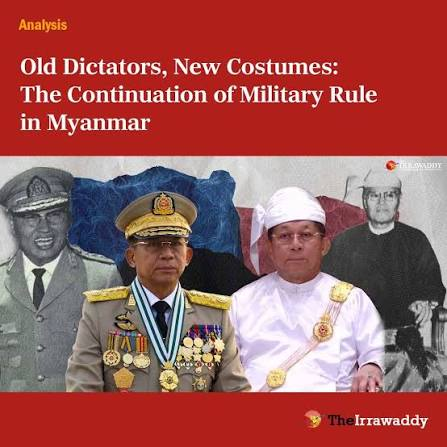
The military junta’s own propaganda insists that its collapse would mean the collapse of the nation. But history says otherwise. From Ne Win’s 1962 coup through the 1988 takeover and the 2021 seizure of power, each cycle of military rule has enriched a narrow circle of generals and their business cronies while the country’s resources, institutions, and people were steadily hollowed out. What the military actually fears losing is not the nation’s stability — it is the wealth and impunity it has accumulated for itself and its descendants. Recognizing this is not hatred; it is simply an honest reading of the record.
Neither Side Can Win Outright
At the same time, honesty requires acknowledging a second uncomfortable truth: neither the revolutionary forces nor the military can achieve total victory in the foreseeable future — realistically, not within the next five years at least. Both sides retain enough strength to prevent the other from winning outright, and both are inflicting enormous cost on the population in the process.
If either side did somehow force a total win, the defeated side would not simply disappear. It would fragment underground into rebel factions, armed gangs, and criminal networks, continuing to exploit and destabilize communities for decades — a pattern seen repeatedly in post-conflict states where victory was imposed rather than negotiated. A war “won” on the battlefield but not resolved politically simply changes shape; it does not end.
The Case for a Negotiated Peace
Given this reality, the only path that avoids decades of continued suffering is a negotiated peace, not a military or revolutionary knockout blow. Concretely, this means:
- A genuine peace negotiation among all major stakeholders — the military, the National Unity Government, ethnic armed organizations, and civil society — rather than a negotiation designed to simply freeze the status quo.
- A transitional Unity Government, time-bound to roughly five years, administered with UN facilitation and international technical support, so that no single armed actor can dominate the transition.
- Ministries, directorates, and technical posts staffed on merit, drawing technocrats from all of Myanmar’s ethnicities, not allocated as spoils to any one faction.
- Meritocratic governance built on four pillars: freedom from corruption, functioning democracy, genuine rule of law, and a federal structure that gives ethnic states real autonomy rather than nominal recognition.
- A new constitution, negotiated rather than imposed, alongside deliberate processes for national reconciliation, rehabilitation of those displaced or harmed, and compensation for the losses of war.
Learning from Other Post-Conflict Transitions
Myanmar would not be inventing this path from scratch. Other deeply divided societies have used internationally supported transitions to break comparable stalemates, and their experience offers useful — though not directly transferable — lessons:
- South Africa’s Truth and Reconciliation Commission (1990s) showed that a negotiated end to apartheid, paired with a formal process of acknowledging past atrocities in exchange for conditional amnesty, could avoid the civil war many predicted was inevitable. Its core insight for Myanmar: military and security forces are far more likely to accept a transition if it offers a credible, dignified exit rather than only the threat of total defeat and retribution.
- East Timor’s UN-administered transition (1999–2002), through the UN Transitional Administration in East Timor, showed how an international body can temporarily run core state functions — security, justice, public administration — while local institutions and leadership are rebuilt from near-total collapse. Its later Commission for Reception, Truth and Reconciliation offered a community-based reconciliation process for lower-level offenses, reserving formal prosecution for the most serious crimes. This model is close in spirit to the UN-facilitated Unity Government proposed above.
- Cambodia’s UN Transitional Authority (1992–93) organized elections and administrative functions after decades of conflict, demonstrating both the value and the limits of an internationally run transition — it succeeded in restarting a political process but struggled to fully dismantle the power of factions that retained territorial control, a caution Myanmar’s transition would need to take seriously given the entrenched position of the Tatmadaw.
- Colombia’s 2016 peace agreement with the FARC offers a more recent model for integrating former combatants into political life through negotiated power-sharing, transitional justice mechanisms, and rural reform — relevant to how Myanmar might eventually reintegrate ethnic armed organizations and resistance forces into a federal political structure rather than leaving them as permanent insurgencies.
None of these cases map onto Myanmar exactly, and each had significant failures alongside its successes. But together they point toward a consistent principle: durable peace after prolonged civil conflict has almost always required a negotiated, internationally supported transition with truth-telling and reconciliation mechanisms — not a purely military resolution imposed by either side.
The Choice Ahead
Myanmar’s soldiers, officers, resistance fighters, and ordinary citizens all have a stake in which of these paths is taken. A war fought to the finish, with no negotiated settlement, promises only further fragmentation — new rebel groups, new armed gangs, and a wounded state incapable of governing for another generation. A negotiated transition, backed by UN expertise, a time-bound Unity Government, meritocratic and federal governance, and a genuine reconciliation process, offers the only realistic route to a Myanmar where all citizens — regardless of ethnicity or which side of the conflict they stood on — can live with dignity.
The question is not whether Myanmar can afford to negotiate peace. It is whether it can afford not to.
U Aung Tin
ပြောမယ်ဆိုရင်လည်း ပြောစရာတွေဖြစ်နေပြီ။
မြန်မာ့နိုင်ငံရေး အင်အားစုတွေမှာ ဆုံချက်ဆိုတာ မရှိသေးဘူး။
ဆုံချက်နေရာကို ဖန်တီးပေးလိုသူတွေလည်း မမြင်မိဘူး။
ဆုံချက်လိုအပ်မှန်းတောင် သိကြဟန်မတူဘူး။
ဒီလိုလူတွေနဲ့ နိုင်ငံရေးပြသနာကို ဘယ်လိုဖြေရှင်းမလဲ။
ဖြေရှင်းရမယ့်နည်းလမ်းလည်း ဘယ်သောအခါမှ မပေါ်လာနိုင်တော့ဘူး။
အကောင်တွေ၊ အကောင်လုပ်ချင်သူတွေ အချင်းချင်းသတ်၊ လူထုကြားက မြေဇာပင်ဖြစ်။
သဒေါင်းစားသံသရာက မတက်။
See less
Henry Aung
စစ်တပ်ပြိုကွဲတဲ့နေ့ မြန်မာပြည်ကောင်းစားမယ့်နေ့ ။
ဒီစကားကို အခြေအမြစ်မရှိ လွယ်လွယ် ပြောလိုက်တာ မဟုတ်သလို အမုန်းတရား နဲ့ ပြောလိုက်ခြင်းလည်း မဟုတ်ပါ။
ဒီစကားကို ပကတိ အမှန်မြင် ဝါဒ နဲ့ ပြောခြင်းဖြစ်သည်။
စစ်တပ်ဆိုတဲ့ အင်အားကို အသုံးချပြီး ၁၉၆၂ ခုနှစ်မှာ နေဝင်း အာဏာသိမ်းခဲ့သည်။ ၂၆ နှစ်အတွင်းမှာ တိုင်းပြည်ရော ပြည်သူတွေရော စုတ်ပြတ်သတ်ပြီး ချွတ်ချုံကျသွားခဲ့သည်။
သူ နဲ့ သူ့မိသားစုတွေကတော့ ယနေ့အချိန်ထိ စားမကုန်အောင်ချမ်းသာသွားခဲ့သည်။
၁၉၈၈ ခုနှစ်မှာ နေဝင်းရဲ့စီမံမူ့နဲ့ စစ်တပ်ကိုဘဲ အသုံးချပြီး စောမောင် ၊ သန်းရွှေ ၊ ခင်ညွန့် တို့ စစ်အုပ်စုတွေက အာဏာသိမ်းသည်။
၈၈ ကနေ ၂၀၁၀ အထိ ၂၂ နှစ်အတွင်း တိုင်းပြည်က ပိုပြီး ချွတ်ချုံကျပြီး စုတ်ပြတ်သတ်သွားခဲ့ပြန်သည်။
ထို ၂၂ နှစ်တာ ကာလသည် တိုင်းပြည်ရဲ့ သယံဇာတတွေ အများဆုံး ကုန်ခမ်းပျက်စီးသွားသည့်ကာလ ဖြစ်သည်။
ဂွင်တွေ ဂွက်တွေ ပရောဂျက်တွေနဲ့ စစ်အုပ်စုနဲ့ လက်ဝေခံ ခရိုနီများအတွက် ဇီးသီးဗန်းကြီးမှောက်ကျသလို သူ့ထက်ငါ ဦးအောင် ပျော်ပျော်ကြီး ယူကြ ကောက်ကြ နှိုက်ကြ ခိုးလို့ အရမ်းကောင်းခဲ့သည့်ကာလဖြစ်ခဲ့သည်။
ထိုစဉ်က စစ်အုပ်စုနဲ့ ပေါင်း၍ ဇီးသီးဗန်းကြီးမှောက်ကျသည် ကို အားရ ပါးရ ဝိုင်းကောက်ပြီး ကြွယ်ဝခဲ့ကြသော ခေတ်ပျက်ခရိုနီ သူဌေးများဖြစ်သွားကြသည့်
ထူး ကုမ္ပဏီ တေဇ နဲ့အုပ်စု ။ KBZ အောင်ကိုဝင်း ခေါ် ဆရာကျောင်း ။ အေရှဝေါလ် က ဘိန်းဘုရင် လော်စစ်ဟန်ရဲ့သား ထွန်းမြင့်နိုင်တို့ အုပ်စု ။ FMI က သိမ်းဝေ ခေါ် ဆာ့ချ်ပန်း တို့အုပ်စု ။ MAX ဇော်ဇော် ။ ဇေကမ္ဘာ ခင်ရွှေ ။ မောင်ဝိတ် ။ CB ဘဏ် ခင်မောင်အေးတို့အုပ်စု။ ရွှေသံလွင်ကျော်ဝင်းအုပ်စု ။ တော်ဝင် ကိုကိုထွေးနဲ့ သားသမီးများအုပ်စု ။ ဧဒင် ချစ်ခိုင် နဲ့ အုပ်စု ။
နှစ်တွေကြာလာတော့ မမှတ်မိတော့လို့ နာမည်ကြီး သူခိုး အုပ်စုတွေမှ အများကြီးပါဘဲ။ ဒါတွေက စစ်အုပ်စု နဲ့ ပေါင်းစားခဲ့ကြတဲ့ အရပ်သား ခရိုနီအုပ်စုတွေ ။
စစ်အုပ်စု အစိုးရအဖွဲ့ထဲမှာ ပါပြီး စိတ်တိုင်းကျ ခိုးခဲ့ကြတဲ့ လူတွေကတော့ –
သန်းရွှေ နဲ့ သားသမီးများဖြစ်ကြတဲ့ ထွန်းနိုင်ရွှေ ၊ ဘာရွှေ ညာရွှေ အုပ်စုတောင့်သော သားသမီးများအုပ်စု ။
ရွှေမန်းနဲ့ သားများဖြစ်ကြတဲ့ အောင်သက်မန်းတို့ တိုးနိုင်မန်းတို့အုပ်စု။
ဒုချုပ် မောင်အေးရဲ့ မွေးစားသမီးအုပ်စု ။
ထိုစဉ်က စက်မူ့ ၁ ဝန်ကြီး ကြံ့ဖွတ် အောင်သောင်း နဲ့သားများဖြစ်ကြတဲ့ နေအောင် တို့ မိုးအောင်တို့ ဘာအောင်တို့ ညာအောင်တို့ အုပ်စု ။
ထိုစဉ်က သစ်တောဝန်ကြီးအောင်ဖုန်း နဲ့ သားများဖြစ်ကြတဲ့ စစ်တိုင်းအောင် ၊ ဘာတိုင်းအောင် ၊ ညာတိုင်းအောင်တို့ အုပ်စု။
၈ လုံးခေါ် သီဟသူရ တင်အောင်မြင့်ဦး နဲ့ သားများအုပ်စု ။
ရဲမြင့်ကြီး ၊ ရဲမြင့်လေး နဲ့ သားသမီးများအုပ်စု။
အားကစား ဝန်ကြီး ကြံ့ဖွတ် တင့်ဆန်းနဲ့ သားများဖြစ်ကြတဲ့ ဖြိုးကိုကိုတင့်ဆန်း ဘာတင့်ဆန်း ညာတင့်ဆန်း တို့အုပ်စု ။
ရေချုပ်ဟောင်း စိုးသိန်းနဲ့ သားဖြစ်သူ အေးချမ်း ဆိုတဲ့ ကောင်တွေ ရဲ့ အုပ်စု။
ဝန်ကြီး စိုးသာ ၊ ဝန်ကြီး တရုပ်ကြောက် အောင်မင်းရဲ့မိန်းမ ဝေဝေသာ ၊ နုနုသာ တို့ရဲ့ သာအုပ်စုတွေရဲ့ လုပ်စားမူ့တွေ ။
နယ်လှဲ့ ပါးရိုက်လာတာဆိုတဲ့ တိုင်းမှုးဟောင်း အုန်းမြင့်တို့ မိသားစုတွေရဲ့ လုပ်စားခဲ့မူ့တွေ ။
တချိန်က တိုင်းမူးတွေ ဖြစ်ခဲ့ဘူးတဲ့ ထွန်းကြည် ၊ မြင့်အောင် ၊ ကျော်ဘ ၊ အေးသောင် ၊ ညွန့်တင် ၊ ခင်မောင်သန်း ၊ စောထွန်း ၊ အောင်ထွေး ၊ ကျော်ဝင်း ၊ မောင်ဘို ၊ ပြောရင် ဆုံးမှာ မဟုတ်ဘူးဗျာ ။
ပျော်ပျော်ကြီး ခိုးလိုက်ကြတာမှ သောက်သောက်လဲ ။
ညွှန်ချုပ်တွေ နဲ့ ဘာမဟုတ်တဲ့ ညွှန်မှုး အဆင့်လောက်လူတွေကအစ
ဂွင်တွေ ဂွတ်တွေ နဲ့ တိုင်းပြည်ရဲ့ သယံဇာတ တွေကို စိတ်တိုင်းကျ ခိုးလိုက်ကြတဲ့ လူတွေမှ အများကြီးမှ အများကြီးပါဘဲ ။
အဲဒီလို ရှေ့က လူတွေ အကြီးအကျယ် ခိုးသွားကြလို့ ယဲ့ယဲ့ဘဲ ကျန်တော့တဲ့ တိုင်းပြည်ကို အခု ၂၀၂၁ မှာ မင်းအောင်လှိုင် နဲ့ အကြမ်းဖက်စစ်အုပ်စုက ထပ်မံ အာဏာသိမ်းပြီး ဇီးသီးဗန်းကြီး ထပ်မှောက်ပြီး
ယခု မအလ သားသမီးတွေနဲ့အတူ လက်သစ်ခရိုနီအုပ်စုတွေက ပျော်ပျော်ကြီး ခိုးကြ ဝှက်ကြ လုပ်စားကြပြန်သည်။
ဒီတိုင်းပြည်မှ မပျက် ဘယ်တိုင်းပြည် ပျက်တော့မှာလဲ ။
စစ်အာဏာရှင် အုပ်စုတွေ အားလုံးဟာ ပြောလိုက်ကြရင်တော့ တိုင်းပြည်ဖွံ့ဖြိုးတိုးတက်ဘို့ ဘယ်လိုတွေ ကြိုးစား ဆောင်ရွက်နေပါတယ် ဆိုတာက ပါးစပ်က မချ။
ကောင်းပြီ ။ အဲဒီစစ်အုပ်စု အာဏာရှင် သူခိုးတွေ နံပတ် ၁ အကြောက်ဆုံးက ဘာလဲဆိုတော့
တပ်မတော် ခေါ် စစ်တပ်ပြိုကွဲမှာကို သေလောက်အောင် အကြောက်ဆုံးဖြစ်သည်။
ဘာ့ကြောင့်လည်းဆိုတော့ စစ်တပ်ကအမြဲ အာဏာရနေမှ ပြည်သူတွေရဲ့အပေါ်မှာ သူတို့က အမြဲနေပြီး အာဏာ အား ငွေအား နဲ့ သားစဉ်မြေးဆက် စိတ်တိုင်းကျ ဆက်ပြီးခိုးနေ ချယ်လှယ် ဖိနှီပ် လို့ရမှာဖြစ်သည်။
ပြည်သူတွေကို ခေတ်အဆက်ဆက် သူတို့ ဝါဒမှိုင်း တိုက်ပြီး ပြောနေတဲ့စကားက တပ်မတော် ပြိုကွဲရင် တိုင်းပြည် ချောက်ထဲကျပြီး ပြိုကွဲသွားလိမ့်မယ်ဆိုတဲ့စကား။
တကယ်တော့ စစ်တပ်ပြိုကွဲတာနဲ့ သူတို့ မှာ အာဏာမရှိတော့ရင်
သူတို့ ခိုးထား ပိုင်ဆိုင်ထားတဲ့ စည်းစိမ်ဉစ္စာတွေ ပြန်ပါသွားမှာ ပျက်စီးသွားမှာကို ကြောက်တာ။ ဒါဟာ ပကတိအမှန်တရား နဲ့ အရှိတရား ။
ဒါ့ကြောင့် စစ်တပ်ပြိုကွဲမှာကို သူတို့သေလောက်အောင် ကြောက်ကြသည်။ တိုင်းပြည်အတွက်မဟုတ်။ သူတို့အကျိုးစီးပွါး တွေအတွက်ဖြစ်သည်။
ဒါ့ကြောင့် ခေတ်အဆက်ဆက်မှာ မြို့ရွာ ရပ်ကွက်တွေ နဲ့ လမ်းဆုံ လမ်းမတွေအပေါ်မှာ –
“ တပ်မတော်ဖြိုခွဲသူ ဒို့ရန်သူ “ တို့
“ ဘယ်သူခွဲခွဲ ဒို့မကွဲ အမြဲစည်းလုံးမည် “ တို့
“ တပ်မတော် အင်အားရှိမှ တိုင်းပြည် အင်အား ရှိမည် “
ဆိုတဲ့ ကမ္ဘာပေါ်မှာ ဘယ်တိုင်းပြည်မှာမှ မထောင်တဲ့ ဆိုင်းဘုတ်တွေကို အကြီးအကျယ် လိုက်ထောင်ပြီး ဝါဒမှိုင်း တိုက်နေရခြင်းဖြစ်သည်။
ယခုလည်း မင်းအောင်လှိုင် နဲ့ အကြမ်းဖက် စစ်အုပ်စုတွေ နံပတ် ၁ အကြောက်ဆုံးက ဘာလဲ ဆိုတော့
တပ်မတော် ခေါ် စစ်တပ် ပြိုကွဲမှာကို သေလောက်အောင် အကြောက်ဆုံးဖြစ်သည်။
အဲဒါဟာ ရာနူန်းပြည့် အမှန်တရား ။
ဒီအကြောက်တရားဟာ တိုင်းပြည်ပျက်စီးမှာထက် သူပိုင်ဆိုင်ထားတဲ့ သူ့စည်းစိမ်ဉစ္စာ အကျိုးစီးပွါးတွေ ပျက်စီးမှာကို ကြောက်လို့ ဖြစ်သည်။
သူ့သားသမီး မြေးမြစ်တွေ ရာသက်ပန် လုံခြုံနေဘို့ ဆယ်သက်စားမကုန်တဲ့ စည်းစိမ် ဉစ္စာတွေခိုင်မြဲနေဘို့ စစ်တပ်က အမြဲအာဏာရနေဘို့ အရေးကြီးသည်။
ပြည်သူတွေက မအလ နဲ့ သူ့သားသမီးတွေ စိတ်တိုင်းကျ ဂွင်တွေ ဂွတ်တွေ နဲ့ လုပ်စားနေကြတာကို ဝေဖန် ကြတော့
“ ပစ္စည်းမဲ့ လူတန်းစားတွေက မနာလိုလို့ မုဒိတာမပွါးနိုင်ကြလို့ ဒေါသတွေ မကျေနပ်တဲ့ စိတ်တွေနဲ့ ပြောနေကြတာ “
ဆိုပြီး တွေ့ဆုံမေးမြန်းခန်း တစ်ခုမှာ မအလ ကိုယ်တိုင် ပြောသွားတာကို မြင်ခဲ့ ကြားခဲ့ဘူးပါသည်။
တော်တော်ရယ် ရတဲ့ မအလ ။
အဲဒီတော့ မအလ ရဲ့ ကျေးကျွန်တွေ သဖွယ် အသက်ပေးပြီး တာဝန်ထမ်းနေကြတဲ့ အရာရှိ အရာခံ စစ်သားတွေ ၊ ရဲတွေ ကို မေးလိုသည်-
ခင်ဗျားတို့ မြန်မာပြည်ကြီးကို တကယ်ကောင်းစားစေချင်တဲ့ စိတ်ရှိလား ? ခင်ဗျားတို့ရဲ့ သားစဉ်မြေးဆက် တကယ်ဖွံ့ဖြိုးတိုးတက်စေချင်တဲ့စိတ်ရှိလား ?
အဲဒီနေ့ဟာ စစ်တပ်ပြိုကွဲတဲ့ နေ့ဘဲ ဆိုတာ ကျွန်တော် အပေါ်မှာ အထောက်အထားတွေနဲ့ ယုတ္တိဗေဒ ကျကျ ရှင်းပြလိုက်ပါပြီ။
မြန်မာပြည်ကြီး ဖွံ့ဖြိုးတိုးတက်
ကောင်းစားပြီး နိုင်ငံသားတွေ အားလုံး လူလို သူလို နေထိုင် နိုင်မယ့်နေ့ဟာ စစ်တပ်ပြိုကွဲတဲ့ နေ့ဘဲ ဆိုတာ အသက်နဲ့ လဲပြီး လောင်းလိုက်ချင်မိပါတယ်။
စစ်အာဏာရှင်တွေ အကြောက်ဆုံးဖြစ်လို့ ခေတ်အဆက်ဆက် ဝါဒဖြန့် မှိုင်းတိုက်နေတဲ့
“ တပ်မတော်ဖြိုခွဲသူ ဒို့ရန်သူ “ မဟုတ်ဘူး။
“ တပ်မတော်ကို ဖြိုခွဲနိုင်တဲ့လူ ဒို့ ပြည်သူတစ်ရပ်လုံးရဲ့ ရာသက်ပန် ကျေးဇူးရှင် “ လို့ ပြောချင်ပါသည်။
တပ်မတော် ပြိုကွဲတဲ့နေ့ တိုင်းပြည် နဲ့ ပြည်သူတွေ ကောင်းစား မယ့်နေ့ဘဲဆိုတာ အမြင်ကျယ်ကျယ် နဲ့ မြင်အောင် ကြည့်တတ်ဘို့လိုသည်။
တပ်မတော် ခေါ် စစ်တပ် မြန်မြန်ပြိုကွဲဘို့အတွက် ပြည်သူတစ်ရပ်လုံးမှာ တာဝန်ရှိသည်ဟု ပြောချင်သည်။
မြန်မာပြည်ကြီး နဲ့ ပြည်သူတွေကို တကယ် ဖွံ့ဖြိုးတိုးတက်စေချင်သလား ?
တပ်မတော်ကို ရတဲ့နည်းနဲ့ အမြန်ဆုံးပြိုကွဲအောင်ဖြိုခွဲ ။
တပ်မတော်ပြိုကွဲလို့ တိုင်းပြည်ပြိုကွဲလိမ့်မယ်ဆိုတာ သူတို့ရဲ့ ဂျင်းစကားတွေ။
ဘာမှမပြိုကွဲသွားဘူးစိတ်ချ။
ခင်ဗျားတို့ရဲ့ သားစဉ်မြေးဆက် လွပ်လပ်ပျော်ရွှင်ပြီး လူလိုသူလို ဘယ်သူ့ကိုမှ မကြောက်ရတဲ့ ဘဝမျိုးကို နေသွားစေချင်သလား ?
တပ်မတော် ခေါ် စစ်တပ်ကို မြန်မြန်ပြိုကွဲအောင် ရတဲ့နည်း ရတဲ့နေရာကနေ ကြိုးစားကြဘို့ အမှန်မြင်ဝါဒ နဲ့ အကြံပြုလိုက်ပါသည်။
Henry Aung ( Florida )
Translation of the above TWO Myanmar posts:
POV 1 — U Aung Tin (short post)
If I were to speak on this, there’s already a lot to say.
Among Myanmar’s political forces, there is still no common ground or consensus.
I don’t see anyone trying to create the space for that consensus, either.
It doesn’t even seem like people realize a consensus is needed.
How can this political problem be solved with people like this?
A way to solve it will never emerge, either.
The ruthless ones — and those who want to act ruthless — kill each other, while ordinary people caught in between become the ground trampled beneath them.
This wretched cycle of suffering will never lift.
POV 2 — Henry Aung (Florida)
The day the military collapses is the day Myanmar will prosper.
This isn’t said carelessly or out of hatred — it’s said from a purely factual standpoint.
Using the power of the military, Ne Win seized power in 1962. Within those 26 years, both the country and its people were drained into poverty. He and his family, meanwhile, grew so wealthy they still haven’t finished spending it today.
In 1988, following Ne Win’s design and again using the military, the clique of Saw Maung, Than Shwe, and Khin Nyunt seized power. From 1988 to 2010 — another 22 years — the country was drained even further. That period saw the greatest exhaustion of the nation’s natural resources, as military-linked deals and projects let the ruling clique and their cronies scramble to grab, dig up, and steal as much as they could, each trying to outdo the other.
The crony tycoons who grew rich in that era by partnering with the military included: Htoo Company’s Tay Za; KBZ’s Aung Ko Win (“Saya Kyaung”); Asia World, led by Tun Myint Naing, son of opium warlord Lo Hsing Han; FMI’s Serge Pun (“Chit Pan”); Max’s Zaw Zaw; Zaykabar’s Khin Shwe; Maung Weik; CB Bank’s Khin Maung Aye; Shwe Than Lwin’s Kyaw Win; the royal Ko Ko Htwe and his children; Eden’s Chit Khaing — and many more well-known names I can no longer all recall. These were the civilian crony groups aligned with the military.
Within the military government itself, those said to have profited freely included: Than Shwe’s children and their circle; Shwe Mann’s sons Aung Thet Mann and Toe Naing Mann and their circle; Vice Senior General Maung Aye’s adopted daughter’s circle; then-Industry Minister Aung Thaung and sons Nay Aung, Moe Aung and others; then-Forestry Minister Aung Phone and his sons; “Number 8” Thiha Thura Tin Aung Myint Oo and his sons; Ye Myint (senior and junior) and their children; Sports Minister Tint San and son Phyo Ko Ko Tint San; former Navy chief Soe Thein and son Aye Chan; Ministers Soe Tha and Aung Min, and Aung Min’s wife Wai Wai Thar and Nu Nu Thar; former regional commander Aung Myint’s family, said to have overstepped even their allotted bounds; and former regional commanders Htun Kyi, Myint Aung, Kyaw Ba, Aye Thaung, Nyunt Tin, Khin Maung Than, Saw Tun, Aung Htwe, Kyaw Win, Maung Bo, among others too numerous to list.
From directors-general down to junior officials, vast numbers of people helped themselves to the country’s resources through such deals.
Because those before them had already drained the country nearly dry, in 2021 Min Aung Hlaing and the military once again seized power — and now, together with his children, a new generation of cronies is once again profiting in secret. If this doesn’t ruin a country, what would?
Every military dictatorship claims, without end, that it is working for the nation’s development. But what are they really most afraid of? They are mortally afraid of the military itself collapsing — because only by holding power forever can they keep controlling, oppressing, and enriching themselves and their descendants at the people’s expense.
For generations they’ve drilled into the public the idea that if the military collapses, the country will collapse with it. In truth, what they actually fear is losing the wealth and property they’ve amassed — not the nation’s wellbeing. That’s why, for generations, towns and street corners across the country have been plastered with slogans found nowhere else in the world: “Anyone who tries to break up the Tatmadaw is our enemy,” “No matter who tries to divide us, we will stay united,” “Only a strong Tatmadaw makes a strong nation.”
Today, Min Aung Hlaing’s clique fears the exact same thing — the military’s collapse — and for the same reason: not love of country, but fear of losing what they’ve taken, and a wish to secure it for their children and grandchilders for generations.
When the public criticizes his family’s open profiteering, I’ve seen him say in an interview that “those without property speak out of envy and can’t feel happy for others’ success.” Quite something, coming from him.
So I want to ask the officers, soldiers, and police who serve him at the risk of their own lives: do you genuinely want Myanmar to prosper? Do you want your own children and grandchildren to truly thrive? I’ve laid out, with evidence and logic, why the day the military collapses is the day Myanmar prospers. I would stake my life on it: the day all citizens can live with dignity is the day the Tatmadaw falls.
It isn’t “anyone who breaks up the Tatmadaw is our enemy” — that’s just their fear talking. I’d say instead: “whoever helps break up the Tatmadaw is a lasting benefactor of the whole nation.” Nothing about the country will actually collapse — that’s their propaganda, not reality.
If you want your descendants to live freely and with dignity, fearing no one, then work by whatever means you can, from wherever you stand, to help bring the Tatmadaw down as quickly as possible.
— Henry Aung (Florida)