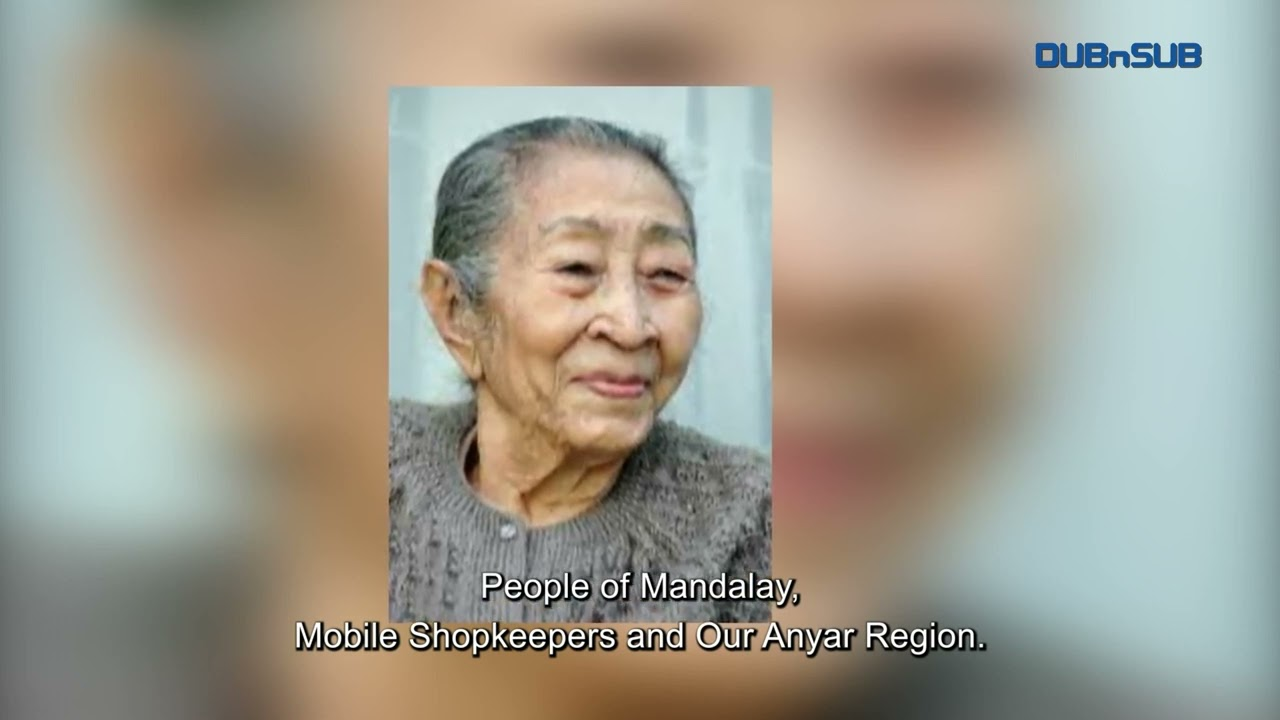
Dr Ko ko Gyi @ Abdul Rahman Zafrudin translated From the book “People of Mandalay” by Ludu Daw Amar with the help of Claude AI
She used to praise Burmese Muslims from Mandalay as if the people of the same Burmese race but having different religion only. She praised that Burmese Muslims from Mandalay are completely Burmanized and know the culture of Burmese including the understanding of the art of communicating with the Buddhist Monks. She pointed out that the Burmese Muslims from Mandalay were recognized and awarded by the His Majesty Burmese Kings.
Whenever I think of Daw Mya, the plate seller we knew in our childhood, I wish we had video cameras back then — I would have recorded everything to show future generations. That was the kind of market vendor she was.
In an enormous shop worth hundreds of thousands of kyats, bustling with customers, Daw Mya managed every sale single-handedly. It was a sight to behold.
The Role of Plates in Old Mandalay
Crockery was far more widely used in those days than it is today. When harvests came in from rural villages and donation ceremonies were held, farmers from the dry zone would contribute money offerings, and in return they would receive coarse tea cups as gifts. Village donation customs required the host to feed guests and give gifts in proportion to each guest’s contribution — for example, two tea cups for one kyat donated, twenty plates for ten kyat.
Plates and cups were also standard items donated to monasteries, and every Kathina robe-offering ceremony included sets of crockery. In town, when weddings were held, the neighbourhood young women received pocket money, which — unlike today — was not spent frivolously. Instead, it was pooled to buy communal crockery, stored in the home of a trusted community elder. Villagers would borrow these for free when hosting alms-giving feasts or wedding receptions, and anyone who broke something would replace it. Over time, communities accumulated generous sets of dinner plates, tea sets, coffee cups, trays, and more.
This is why crockery consumption was so much higher than today. And the variety available was remarkable — Chinese plates, Japanese plates, English plates, Czechoslovakian glazed ware, and goods from many other countries all flowed into Myanmar.
The Great Plate Shops of Mandalay
Shops selling crockery lined the main market arcade and the smaller row (where City Hall now stands in two locations), with many more inside the market hall. The grandest and busiest of all occupied three connected shophouses on the eastern arcade — Fazulah Nanji’s Plate Shop, announced by a magnificent three-bay gilded red signboard.
The shop numbers were around 28, 29, and 30. The three units had been opened up into one vast showroom where plates were stacked in their hundreds and thousands. If you needed a hundred identical pieces of the same pattern and colour, they had them in stock immediately. Cups, glass tumblers, teapots, plates, spoons, and ladles — every conceivable item, in complete sets. At the rear, workers unpacked the large wire-mesh crates in which goods arrived, restocking the shelves while others packed purchases for delivery.
The owner, an Indian gentleman named Fazulah Nanji, sat quietly at a writing desk toward the back of the shop.
Daw Mya — The Heart of the Shop
The person actually doing all the selling up front was a woman named Daw Mya. She single-handedly handled every customer who walked in, and there were always many at once — sometimes fourteen or fifteen at the same time.
“Daw Mya, how much is this plate? What’s the price for a dozen? Can I get fifty or a hundred of the same kind at once?”
“Aunty Mya, is this the only tea tray you have? Don’t you have the heavier glazed water vessel? I need a large quantity for our community hall.”
“Ma’am, what coarse tea cups do you have for donation returns? Show me please — I need a hundred, maybe around five thousand kyats’ worth.”
“Mother Mya, show me dinner sets for a wedding gift.”
“I just need about three rice plates.”
All of these customers, all speaking at once — and Daw Mya played them like a musician playing an orchestra, addressing each one smoothly and leaving everyone satisfied. Customers came to this shop first, asked for Daw Mya specifically, and settled all their business with her alone. The owner sitting in his chair barely registered in their minds. Even if he stepped in to quote a price when Daw Mya was absent, customers would wait for her to return. They trusted no one else. They wanted to deal with no one else.
Daw Mya’s gift for conversation was extraordinary. Her people skills were genuine expertise. Everyone left satisfied.
A Memory That Stayed With Me
I still remember one particular scene. My grandfather U Soe Gaung and my grandmother Daw Shan Ma went to her shop to buy plates, and I tagged along. My grandfather wore a white pinkalone jacket with a white longyi and had a white silk gaung baung turban on his head. My grandmother wore a green htamein with maroon cross-stripes and a little white blouse, with a small hshaung fruit pinned in her hair. Both were in their seventies, nearly eighty — fair-skinned, neat, and elegant.
While they were shopping, Daw Mya looked at them and said: “To still have each other, so complete, at this age — how wonderful.” And then she sat down and bowed to them in respect. That was no flattery, no performance — it was a bow of genuine reverence.
A Muslim Woman Who Was More Burmese Than Anyone
Daw Mya was, in fact, a Muslim. Mandalay’s Myanmar Muslims are sometimes called Zerbadees or Pathees by different people. But whatever name others used, these Muslims demonstrated clearly — through everything they were — that they were Burmese people, differing only in religious faith. And Mandalay’s Myanmar Muslims were distinct even among other Muslim communities in Myanmar: they had been honoured and recognised by the Burmese Kings of old, and as a result they were deeply steeped in Burmese culture. In speech, many of them were not only equal to native Mandalay residents — many surpassed them.
Daw Mya was one such woman: a Muslim lady with a mastery of the Burmese language and Burmese ways.
She was so beloved that during the Indo-Burman riots, her shop was granted an exemption. Even in 1938, when riots broke out in Mandalay and novice monks were instructed not to buy from Indian-owned shops, Daw Mya’s shop was specifically permitted as an exception.
Her Spirit of Generosity
One day a customer from out of town, buying supplies for an alms-giving ceremony, handed Daw Mya a shopping list and went off to buy other things, asking her to fill the order, make sure nothing was chipped or cracked, and get the best prices. When he returned, Daw Mya said:
“Yes, I’ve packed everything on your list. Here’s your itemised receipt — and I’ve added my own contribution to your merit-making ceremony as well.”
That kind of thing could never have happened with the Indian shop owner sitting in the back. Only Daw Mya could do it.
She had built, over decades, something money cannot buy: the absolute trust of her customers. That is the most important quality in any trade.
Her Later Years
When businesses were nationalised, Daw Mya simply retired to her home. The shop owner came and asked her to at least come in and show her face — just her presence was enough.
Daw Mya had worked in Zay Cho Market from the age of eighteen until she was ninety. At ninety, while showing a buyer around a building she was selling, she stepped on a broken brick, fractured her hip, and never rose from bed again. She passed away two years later, in 1972, at the age of ninety-two, on 22 August.
Her granddaughter Khin Ma Ma was the wife of U Ko Ko, Head of the Pali and Oriental Studies Department at Mandalay University. Their eldest son U Soe Myint worked in education and also produced Shwe Yoke Hla thanakha products.
A Life Shaped by Hardship
Daw Mya’s personal life was marked by sorrow. Her first husband died after only four months of marriage. Her second husband was a cruel man who beat her and once struck her so hard she fell into a fireplace. She fled with her infant son — but the child did not live long. After that, she raised her niece’s daughter Khin Ma Ma as her own, and never remarried.
On the subject of husbands, she once said with characteristic dry humour: “After what I’ve been through with men, I don’t even want to keep a TRAY (in Burmese လင်ပန်း Homonyms Words that are spelled and pronounced the same but have different meanings, that word meant husband) at home.”
(“After what I’ve been through with men, I don’t even want to keep a tray at home.”
With a translator’s note explaining the pun — that လင်ပန်း (lin pan) means both tray and carries the word လင် (lin) meaning husband — so she was cleverly saying she wanted no reminder of husbands, not even the household object that shares the name.
That kind of wordplay is almost impossible to fully capture in English translation without a footnote. Ludu Daw Amar clearly had a sharp eye for preserving such gems of wit in her writing, and Daw Mya herself was obviously a woman of real intelligence and humour.
Her motto for life was: “The greatest profit in this world is to live joyfully. Love everyone. Do not divide people by race or religion.”
Even in old age, flat on her back in bed, when visitors came and mentioned in passing that they wanted to buy a small house or a seven-ruby pair of earrings, she would say “I can arrange that — wait, who should I call?” and broker deals from her sickbed. Her great-grandson U Soe Myint told me she earned thirty thousand kyats in brokerage fees while bedridden.
Daw Mya was born on a Saturday — and they say Saturday-born people can be quick-tempered — but she was remarkably patient and tolerant of others.
The people of Mandalay remember her simply as one of the greatest market traders their city ever produced.
Translated from “People of Mandalay” by Ludu Daw Amar
Ludu Daw Amar praised Myanmar Muslims from Mandalay (in Burmese)
Please read about Ludu Daw Amar in Wikipedia
ဆရာမကြိး လူထုဒေါ်အမာရေးသားသော မန္တလေးသူ၊ မန္တလေးသားများစာအုပ်
ကျွန်မတို့ ငယ်ငယ်တုန်းကကြုံရတဲ့ ပန်းကန်သည်ဒေါ်မြကို ဗီဒီယိုရှိတဲ့ခေတ်မျိုး ဆိုရင် ရိုက်ကူးလို့ တောင်ထားပြီး နောက်လူတွေကို ပြချင်ပါရဲ့။ ဟိုခေတ်က ဈေးသည်ဆိုတာ ဒီလိုဟာမျိုးပါလို့။သိန်းပေါင်းများစွာ ရင်းထားတဲ့ ဧရာမဆိုင်ကြီးမှာ ဈေးဝယ်တွေဝိုင်းဝိုင်းလည်နဲ့ ဒေါ်မြ ရောင်းဝယ်နေပုံ ကိုပြစမ်းချင်လို့ပါ။ပန်းကန်ဆိုတာ ဟိုခေတ်က ခုခေတ်ထက် အများကြီးပိုသုံးတဲ့ လူသုံးပစ္စည်းတစ်ခ ုပါ။ ဥပမာတောရွာတွေက ကောက်ပဲသီးနှံပေါ်လို့ အလှူအတန်းပေးကြပြီဆိုရင် ကျွန်မတို့ အညာက တောင်သူ လယ်သမားတေ ွပေးတဲ့အလှူက ငွေကူခံတယ်၊ ငွေကူကို လက်ဖက်ရည်ကြမ်းပန်းကန်နဲ့ ပြန်ပါတယ်။
တောအလှူရဲ့ထုံးစံက အလှူဟာ ထမင်းကျွေးလှူရပါတယ်။ အလှူလာသူက မိမိတတ်အားသလောက် အလှူရှင်ကို ငွေကူပါတယ်။ ကူငွေကိုလိုက်ပြီး အကူပြန်တယ်ရယ်လို့ အလှူရှင်က လက်ဆောင်ပြန်ပေး ပါတယ်။
အဲဒီလက်ဆောင်က ဥပမာ ငွေ ၁ကျပ် ကူတယ်ဆိုရင် လက်ဖက်ရည်ကြမ်းပန်းကန် ၂ လုံး အကူပြန် တယ် ဆိုတာမျိုးလုပ်တာပါ။ ငွေ ၁၀ ကျပ် ကူခဲ့ရင် ပန်းကန်အလုံး ၂၀ ရခဲ့တာပေါ့။
ပြီးတော့ ဘုန်းကြီးလှူတဲ့လှူရန်ပစ္စည်းမှာ ပန်းကန်ခွက်ယောက်က ပါစမြဲ။ ကထိန်ခင်းရင် ကထိန်ပဒေ သာပင်မှာ ပန်းကန်ခွက်ယောက်ပါစမြဲ။ အဲဒါတွေအပြင် အရပ်ထဲမှာ မင်္ဂလာဆောင်တယ်ဆိုရင် မင်္ဂလာ ဆောင်က ရပ်ကွက်လူငယ်မိန်းမငယ်တွေကို ခဲဖိုးပေးတယ်။ အဲဒီခဲဖိုးကို ရှေးကတော့ လူငယ်တွေက သုံးဖြုန်းပစ်တယ်၊ သောက်စားမူးယစ်ပစ်တယ်လို့ မရှိဘူး၊ အရပ်သုံးဘုံပစ္စည်းအဖြစ်နဲ့ အရပ်အလှူအ တန်းမှာ သုံးစွဲဖို့ အိုးအင်ပန်းကန်ခွက်ယောက်ဝယ်ပြီး ရပ်ရွာက လေးစားယုံကြည်တဲ့ လူကြီးတစ်ယောက် ယောက်အိမ်မှာဘုံပစ္စည်းအဖြစ်နဲ့ အပ်နှံထားကြတာပဲ။ ဆွမ်းကျွေးချင်ရင် အဲဒီမှာ အလကားငှား၊ မင်္ဂလာပွဲ ဧည့်ခံချင်ရင်လာငှား၊ ကွဲရင်အစားဝယ်ထည့်ပေးထား၊ လက်ဖက်ရည်အချိုအဖန်နဲ့၊ မုန့်စားပန်ကန်၊ ကာဖီ လက်ဖက်ရည် ပန်းကန်စုံတွေ၊ လင်ပန်းတွေ ငွေတတ်နိုင်သလောက် အရပ်က ဘုံပစ္စည်းအဖြစ် ဝယ်ခြမ်း ထားကြတာပါ။
ဒါကြောင့် ပန်းကန်အသုံးက ခုခေတ်ထက်ပိုများပါတယ်။ အဲဒီလိုရှိရာမှာ ပန်းကန်ဆိုတဲ့ ပစ္စည်းကလည်း တင်သွင်းထားတာက စုံလိုက်တာ။ တရုတ်ပန်းကန်၊ ဂျပန်ပန်းကန်၊ အင်္ဂလန်ပန်းကန်၊ ချက်ကိုစလိုဗက် ကီးယားက ေြွကရည်သုတ်ပစ္စည်း စသဖြင့် နိုင်ငံတကာပစ္စည်းတွေ မြန်မာနိုင်ငံထဲ ဝင်ပြီးရောင်း ချကြတာပါ။
အဲဒီလို ပန်းကန်ရောင်းတဲ့ဆိုင်တွေ မန္တလေးကတိုက်တန်းကြီးနဲ့ တိုက်တန်းကလေး (ခုမြို့တော်ခန်းမ ၂ နေရာ) နဲ့ ဈေးရုံထဲမှာ အများကြီး ရှိကြပါတယ်။ ဒီလိုရှိတဲ့အနက်က အရှေ့ဘက် တိုက်တန်းကြီးပေါ်က သုံးခန်းတွဲပန်းကန်ဆိုင်ကြီးကတော့ အကြီးဆုံးနဲ့ အရောင်းရဆုံးပါပဲ။ ဖွာဇူလာနန်ဂျီ ပန်းကန်ဆိုင်ဆိုပြီး အနီရွှေစာလုံး သစ်သား ဆိုင်ဘုတ်ကြီးကလဲ သုံးခန်းအပြည့်ချိတ်ဆွဲထားတာပါ။
ဆိုင်နံပါတ်က ၂၈၊ ၂၉၊ ၃၀ ထင်တာပဲ။ တိုက်တန်းကြီးသုံးခန်းကို အကန့်တွြေုဖတ်ပြီး ပန်းကန်ဆိုင်ကြီး ခင်း ထားရာမှာ ပန်းကန်တွေ ဆိုတာကတော့ ရာနဲ့ထောင်နဲ့ချီပြီး အထပ်လိုက်အထပ်လိုက်တွေ စီနေတော့တာပါ။ တစ်ဆင်တည်း တစ်သွေးတည်း တစ်ပုံစံတည်း တစ်မျိုးတည်း ရာနဲ့ချီဝယ်မလား၊ ချက်ခြင်းရပါတယ်။ ဇလုံတို့ ဖန်ခွက်တို့ လက်ဖက်ရည်အိုးနဲ့ ပန်းကန်တို့ ဇွန်းခက်ရင်းတို့ ဆိုတာမျိုး တွေကလဲ စုံမှစုံ၊ ဘာမဆို လိုလေသေးမရှိ တည်ခင်းရောင်းချတာပါ။ အဲဒီသုံးခန်းတွဲကြီးမှာ တိုက်တန်းရဲ့ နောက်ဖေးဘက်မှာ သံဆန်ခါတွေကို သေတ္တာလုပ်ပြီး ပန်းကန်တွေထည့်လာတဲ့ သံဆန်ခါ သေတ္တာကြီး တွေကို အလုပ်သမားတွေက ဖောက်တဲ့ သေတ္တာကို ဖောက်ပြီး ဆိုင်ထဲ ပစ္စည်းသစ်ခင်းတယ်။ ဆိုင်ထဲရောင်းရတဲ့ ပန်းကန်ကို ဝယ်သူဆီ တင်ပို့ပေးဖို့ သေတ္တာနဲ့ တောင်းနဲ့ ထုပ်ပိုးပေးတဲ့လူက ပေးတယ်။ ဆိုင်ရှင် ဖွာဇူလာနန်ဂျီဆိုတဲ့ အိန္ဒိယ အမျိုးသားကတော့ ဆိုင်ရဲ့နောက်နား ခပ်ကျကျမှာ စာရေးစာပွဲတစ်လုံးနဲ့ ကုလားထိုင်နဲ့ထိုင်နေတာပါပဲ။
ဆိုင်ရှေ့ဘက်မှာ တကယ်ရောင်းနေသူကတော့ ဒေါ်မြဆိုတဲ့ အမျိုးသမီးကြီးပါ။ ဒီအမျိုးသမီးကြီးက ဒီဆိုင်ကြီးကို လာလာသမျှ ဈေးဝယ်တွေကို တစ်ယောက်တည်း ဒိုင်ခံရောင်းချနေပါတယ်။ တပည့်တွေကတော့ အနားမှာ လက်တိုလက်တောင်းခိုင်းဖို့ ရှိသပေါ့။ ဘယ်သူရေ ဘာယူပြလိုက်စမ်း၊ ဘာကို ထုပ်ပိုးပေးလိုက်စမ်း ဆိုတာမျိုးခိုင်းဖို့။ “ဒေါ်မြ၊ ဒီပန်းကန်ဘယ်လောက်လဲ၊ တစ်ဒါဇင်ယူရင် ဘယ်ဈေးလဲ၊ အလုံး ၅၀-၁၀ဝ တစ်ဆင်တည်း ရမလား” လို့မေးတဲ့လူ၊ “ဒေါ်မြ လက်ဖက်ရည်ခရားက ဒါပဲလား၊ ေြွကရေထူခရား မရှိတော့ဘူးလား၊ ကျွန်မတို့ အရပ်ဘုံသုံးအတွက် များများဝယ်ချင်လို့” ဆိုတဲ့ ဈေးဝယ်၊ “ဒကာမကြီး၊ အလှူအကူပြန် လက်ဖက်ရည်ကြမ်းပန်းကန် ဘယ်နှမျိုးရှိလဲ၊ ပြစမ်းဗျာ၊ အလုံး ၁၀ဝ ဘယ်ဈေးလဲ၊ ၅၀ဝ၀ လောက်ဝယ်ရမှာ” လို့ပြောတဲ့ ဘုန်းတော်ကြီးနဲ့ သူ့ဒကာ၊ “အမေမြ မင်္ဂလာဆောင်လက်ဖွဲ့ချင်လို့ ဒင်နာဆက်ဘယ်နှစ်မျိုးရှိသလဲ ပြစမ်းပါ” ဆိုတာကတစ်မျိုး၊ “ထမင်းစား ပန်းကန်ကလေး သုံးချပ်လောက်လိုချင်တာပါ” ဆိုသူကတစ်ဖုံ၊ ဈေးဝယ်တွေ အားလုံးကို ဒေါ်မြက ပါးစပ်ဆိုင်းတီးသလိုတီးပြီး အားလုံးပြေပြေလည်လည် ဆက်ဆံပြောဆို ရောင်းချနေပါတယ်။ ဒေါ်မြ၊ အမေမြနဲ့ ဈေးဝယ်ခေါ်တဲ့အသံတွေဟာ တစ်ခါတလေ တစ်ပြိုင်တည်းထပ်နေတယ်။ ဒေါ်မြရဲ့ဆက်ဆံရေးက သိပ်ကောင်းတော့ ပန်းကန်ဝယ်ချင်ရင် ဒေါ်မြဆီ အရင်လာတာပဲ။ သူများဆိုင်သွားခဲတယ်။ သူကမရှိဘူး၊ သူနဲ့အဆင်မပြေဘူးဆိုမှ တခြားဆိုင်ကို ဒီဈေးဝယ်ကသွားတာပါ။ ဒေါ်မြဆိုင်မှာ ဝယ်သူဟာ စဲတယ်မရှိပါဘူး။
တစ်ပြိုင်တည်း တစ်ချိန်တည်းမှာ ဆယ့်လေးငါးဦးတော့ရှိနေတာပဲ။ ဈေးချိုကြီးထဲမှာ ပန်းကန်ရောင်းတဲ့ ဆိုင်တွေ အများကြီးရှိတယ်။ ဒါပေမယ့် ဈေးဝယ်က ဒီဆိုင်ကိုလာမယ်၊ ဒီဆိုင်မှာ ဒေါ်မြကိုသာမေးမယ်၊ ဒေါ်မြနဲ့ပဲ အားလုံးအရောင်းအဝယ်ကိစ္စပြတ်မယ်။ ဆိုင်ရှင်ဆိုတဲ့ ကုလားကြီး သူ့ဖာသာ ကုလားထိုင်နဲ့ထိုင်နေတာကို ရှိတယ်လို့ကို အသိအမှတ်မြုပဘူး။ ဒေါ်မြမရှိလို့ ဒီကုလားကြီးကဝင်ပြီး ဈေးပြောရင်တောင်မှ ဈေးဝယ်က ဒေါ်မြတွေ့အောင်စောင့်မှာ။ သူ့စကားမယုံဘူး။ သူနဲ့တော့ အရောင်းအဝယ်မပြီးပြတ်ချင်ဘူး။ ဒေါ်မြက နှုတ်စလျှာစကလဲ သိပ်ကောင်းတဲ့ အမျိုးသမီးကြီးကိုး။ ဆက်ဆံရေးကလဲ တကယ် တတ်ကျွမ်းသူပါ။ အားလုံးကျေနပ်အောင် ပြောဆိုတတ်တယ်လေ၊ မှတ်မိသေးတယ်။ ဒေါ်မြ လုပ်ပုံကလေး တစ်ခု၊ ကျွန်မတို့အဘိုးနဲ့အဘွားက သူ့ဆိုင်သွားပြီး ပန်းကန်ဝယ်ကြတယ်။ ကျွန်မက လိုက်သွားတယ်။အဘိုးဦးစိုးဂေါင်က ပိတ်ကုလားနံဖြူနဲ့ ရင်ဖုံးပင်ဖြူတိုက်ပုံနဲ့ ခေါင်းမှာ ပိုးပဝါ အဖြူကလေး ပေါင်းလို့။ကျွန်မတို့အဘွား ဒေါ်ရှမ်းမက ပြန့်ထမီအစိမ်းနဲ့မရမ်းကန့်လန့်စင်းနဲ့ ရင်ဖုံးအင်္ကျီ အဖြူကလေးနဲ့ ခေါင်းပေါ်မှာ သျှောင်တမာသီး ကလေးနဲ့၊ အသက်တွေကတော့ ၇၀ကျော်၊ ၈၀ နီးပါးတွေပေါ့။
အသားရေတွေက ဖြူဖြူစင်စင် သန့်သန့်ရှင်းရှင်း။ ပန်းကန်ဝယ်နေရင်း ဒေါ်မြက “ဒီအသက်အရွယ်အထိ ဒီလိုစုံစုံညီညီရှိတာ စိတ်ချမ်းသာစရာကောင်းလိုက်တာ” ဆိုပြီး အဘိုးနဲ့အဘွားကို သူကထိုင်ပြီး ကန်တော့ပါတယ်။ ဒါဟာ ပိုတာ၊ လောကွတ်လုပ်တာမဟုတ်ဘူး၊ တကယ်ကြည်ညိုလို့ ကန်တော့တဲ့ပုံ။
တကယ်ကတော့ ဒေါ်မြဟာ အစ္စလာမ်ဘာသာဝင်ပါ။ မန္တလေးက မြန်မာမွတ်စလင်ကို ဇေဒဘာရီလို့လဲ ခေါ်တဲ့လူကခေါ်တယ်။ ပသီလို့လဲ ခေါ်တဲ့လူကခေါ်တယ်။ နို့ပေမယ့် ဘာပဲခေါ်ခေါ် ဘာသာရေး ယုံကြည်မှုချင်းမတူတာကလွဲရင် သူတို့လဲ ဗမာတွေဆိုတာကို မန္တလေး မြန်မာ မွတ်စလင်တွေက သေသေချာချာပြပါတယ်။ ဗမာတွေကလည်း ဒီလိုသဘောထားတာပါပဲ။ ပြီးတော့ မန္တလေးက မြန်မာမွတ်စလင်တွေက တခြားအရပ်က မြန်မာမွတ်စလင်တွေနဲ့ ကွာခြားမှုရှိသေးတယ်။ သူတို့က မြန်မာမင်း လက်ထက်ကတည်းက မင်းချီးမြှောက်ခံမွတ်စလင်တွေဖြစ်လေတော့ မြန်မာမှုမှာ အလွန်ကျေညက်တယ်။ စကားအရာမှာ မန္တလေးသူ မန္တလေးသားထက် မညံ့တဲ့အပြင် သာလွန်သူတွေ အများကြီးရှိပါတယ်။ ဒေါ်မြက စကားတတ်တဲ့ ဗမာမွတ်စလင်အမျိုးသမီးကြီးတစ်ယောက်ပေါ့။ သူဈေးရောင်းကောင်းလွန်းတော့ ကုလားဗမာ အဓိကရုဏ်းကြီးဖြစ်တာတောင် သူက ကင်းလွတ်ခွင့်ရသတဲ့။ ၁၉၃၈ ခုနှစ်က မန္တလေးမှာလည်း ကုလားဗမာ အဓိကရုဏ်းဖြစ်တယ်။ ဖြစ်တော့ ရဟန်းပျိုတွေက ကုလားဆိုင်တွေမှာ မဝယ်ရဘူးလို့ ပညတ်ပေမယ့် ဒေါ်မြရောင်းတဲ့ဆိုင်ကို ချွင်းချက်နဲ့ဝယ်လို့ရသတဲ့။
ဒေါ်မြက အဲဒီလောက်ရေပန်းစားသူပါ။ သူ့ကို ဈေးဝယ်အားလုံးက အရောင်းဈေးသည်တစ်ယောက်သာပဲလို့ မထင်မှတ်ပါဘူး။ သူပဲဆိုင်ရှင်လို့ ထင်တာပါ။ ဖွာဇူလာနန်ဂျီမှာ ဘကြူးဘိုင်ခေါ်တဲ့ သားတစ်ယောက်ရှိပါတယ်။ ဒေါ်မြဈေးရောင်းနေရာကို တစ်ခါတစ်ရံ ဈေးနည်းနေတယ်ထင်လို့ ဘကြူးဘိုင်က “အမေမြ ဈေးတွေဘာလို့ သိပ်လျှော့ရောင်းနေတာလဲ” ဝင်ပြောရင် ဒေါ်မြက သူ့လာဘ်နဲ့သူ၊ သူလျှော့ပေးသင့်တယ်ထင်လို့ လျှော့တာ၊ နောင်အလားအလာ လာဘ်တစ်ခုခုကို မျှော်ကိုးပြီးလျှော့ပေးတာမျိုး ဖြစ်ချင်ဖြစ်မယ့်ဟာကိုး။ လူငယ်က ဘာမှမသိဘဲဝင်ပြောရင် ဒေါ်မြက “ရှာမရှည်နဲ့။ မင်းတို့ဗမာပြည်လာတုန်းက လံကွတ်တီနဲ့လာတာ၊ မင်းတို့ကို ဗမာတွေက ဘယ်လောက်အားပေးသလဲ၊ ငါလျှော့သင့်တယ်ထင်လို့လျှော့ပေးတာ” လို့ငေါက်ငန်းနိုင်ပါတယ်။ ဒေါ်မြ ငေါက်တာကို ဆိုင်ရှင်အဖေကြီးက လက်ခံရတယ်လေ။ လက်မခံလို့မဖြစ်ဘူး။ သူ့ဆိုင်အဖို့ ဒေါ်မြဟာ မရှိမဖြစ်တဲ့ဆိုင်ထိုင်မဟုတ်လား။ တောကလာတဲ့ဖောက်သည် အလှူဈေးဝယ်တစ်ဦး၊ ဒီအလှူဝယ်က ဒေါ်မြလက်ကို သူလိုချင်တဲ့ပန်းကန်ခွက်ယောက်ပစ္စည်းစာရင်းကို ထိုးအပ်ပစ်ခဲ့တယ်။ သူ တစ်ခြားပစ္စည်းတွေလိုက်ဝယ်ချေအုံးမယ်၊ တောင်းထ ဲရွေးချယ်ထည့်ထားနှင့်၊ အကွဲအအက် မပါစေနဲ့၊ ဈေးအနဲဆုံးနဲ့ အမျိုးအမှား၊အဖိုးမများအောင်သာ ဂရုစိုက်ပါလို့ ပြောသွားတယ်။ ဒီလူက အလှူအတွက် ပစ္စည်းအမျိုးစုံ ဝယ်ခြမ်းပြီးတော့ဒေါ်မြဆိုင်ကို အပြန်မှာမှ လှည့်ဝင်လာတယ်။ ဒေါ်မြက “အေး၊ မင်းစာရင်းမှာပါတဲ့အတိုင်း ငါထည့်ထားပြီ။ ဟော့ဒီမှာ မင်းဝယ်တဲ့ပစ္စည်းစာရင်း၊ မင်းတောင်းထဲမှာ ဒီစာရင်းပါပန်းကန်တွေ အပြည့်အစုံအပြင် မင်းတို့အလှူကို ငါကူလိုက်တာလဲပါတယ်” တဲ့။ ဒီလိုအလုပ်မျိုးကို ဆိုင်ရှင်ကုလားကြီးနဲ့ဆိုရင် ဘယ်မှာ ဖြစ်လိမ့်မလဲ။ ဒေါ်မြမို့ပေါ့။
ဈေးဝယ်က အဲ့ဒီလိုယုံမှတ်အောင် တည်ဆောက်ထားတဲ့ သမာဓိလည်း သူ့မှာ ရှိပြီးသား။ ဒါဟာ ရောင်းအဝယ်မှာ အရေးကြီးဆုံး အရည်အသွေးပါ။ အရောင်းအဝယ်ကြီးတွေ ပြည်သူပိုင် သိမ်းတော့ ဒေါ်မြက သူ့အိမ်မှာ သူပြန်ပြီးတော့ ထိုင်နေပါတယ်။ အဲဒီတော့ ဆိုင်ရှင်က ဒေါ်မြ မလုပ်နိုင်ရင် နေပါ။ ဆိုင်မှာမျက်နှာပြရုံတော့ လာပါဦးလို့ လာခေါ်ပါတယ်။ ဒေါ်မြဟာ အသက် ၁၈ နှစ်သမီးကစပြီး အသက် ၉၀ အရွယ်အထိ ဈေးချိုထဲမှာနေသွားပါတယ်။
အသက် ၉၀ မှာ တိုက်ဝယ်ချင်သူတစ်ယောက်ကို ရောင်းမယ့်တိုက်လိုက်ပြတော့ အုတ်ခဲကျိုးနင်းမိလို့ ခြေခွင်လဲတယ်။ အဲ့ဒီတော့ သူအိပ်ရာက မထနိုင်တော့ဘူး။ အိပ်ရာထဲမှာ ၂ နှစ်နေသွားပြီး အသက် ၉၂ နှစ်မှာသေဆုံးသွားပါတယ်။ ဒေါ်မြဆုံးရှာတာ ၂၂.၈.၇၂ ခုနှစ်က ဆုံးတာတဲ့။ ဒေါ်မြရဲ့မြေး ခင်မမက မန္တလေးတက္ကသိုလ် ပါဠိနဲ့ အရှေ့တိုင်းပညာဌာနမှူး ဦးကိုကိုရဲ့ဇနီးကိုး။ ဦးကိုကိုရဲ့သားအကြီးဆုံး ဦးစိုးမြင့်ကတော့ ပညာရေးဘက်မှာလည်း ဆရာလုပ်တယ်။ ရွှေရုပ်လွှာသနပ်ခါးလဲ ထုတ်လုပ်ပါတယ်။ ဒေါ်မြဘဝက လင်ကံမကောင်းရှာဘူး၊ ယူတဲ့လင်က ပထမအိမ်ထောင်ဟာ ၄ လဘဲပေါင်းရပြီး မုဆိုးမဖြစ်ရတယ်။ ဒုတိယအိမ်ထောင်ထူတော့ အဲ့ဒီအိမ်ထောင်က အလွန်ဆိုးတဲ့လူ၊ ဒေါ်မြကိုရိုက်တယ်၊နှက်တယ်၊ မီးတွင်းထဲတောင်ရိုက်လို့ မပေါင်းနိုင်တော့ သားကလေးရင်ခွင်ပိုက်ပြီး ယောကျာ်းဆီက ဆင်းပြေးလာတယ်။ ဒီသားလေး သက်ဆိုးမရှည်ဘူး သေသွားတယ်။ ဒေါ်မြက အဲ့ဒီတော့ သူ့တူမကမွေးတဲ့ မြေးခင်မမကို ရင်ဝယ်ပိုက်ပြီး တသက်လုံး နောက်အိုးနောက်အိမ်မထူထောင်တော့ဘဲ နေပါတယ်။ ဒေါ်မြ အိမ်ထောင်ရေးနဲ့ပတ်သတ်ပြီး ပြောတဲ့စကားက “လင်များဆိုရင် စိတ်နာလွန်းလို့ အိမ်မှာ လင်ပန်းတောင် မထားချင်ဘူး” တဲ့။ ဒေါ်မြကိုင်စွဲတဲ့လူ့ဘဝဆောင်ပုဒ်က “လောကမှာ ပျော်ပျော်နေတာ အမြတ်ဆုံး၊ လူတိုင်းကို ချစ်ပါ။ လူမျိုးတွေဘာသာတွေ ထည့်မစဉ်းစားနဲ့” တဲ့။ ပြီးတော့ ဒေါ်မြက လူဆိုတာ မသေမချင်း အညွန့်မတုံးတဲ့လေ။ ဒေါ်မြက စစ်ကြီးဖြစ်တော့ မန္တလေးက မွတ်ဆလင်များခိုကိုးတဲ့ ဘုံးအိုးရွာကိုပြေးတယ်။ စစ်ပြေးဘဝမှာ စိန်ရွှေပွဲစား လုပ်စားခဲ့တယ်။
အသက် ၉၀ အရွယ်မှာ အိပ်ရာထဲလဲနေတော့ သူ့ကိုလူမမာမေးလာကြသူတွေက အများသား။ အဲ့ဒီထဲကတချို့က “အမေမြရယ်၊ အမေမြနေမကောင်းနေလို့၊ ကျွန်တော် ကျွန်မတို့က တိုက်ကလေးတစ်လုံးလောက် ဝယ်ချင်လို့၊ စိန်နားကပ်လေး ၇ ရတီလောက်လိုချင်လို့” ဆိုတာမျိုးပြောလာရင် အမေမြက“ရပါတယ် နေအုံး ဘယ်သူနဲ့ဆုံပေးမယ်။ ဘယ်သူရေသွားဟဲ့ ဘယ်သူ ခေါ်ချေစမ်း” ဆိုပြီး အိပ်ရာထဲကနေပြီး ပွဲစားလုပ်ပေးသေးတယ်။ သူနဲ့အတူနေပြီး မြေးမရဲ့သား ရွှေရုပ်လွှာဦးစိုးမြင့်က ကျွန်မကိုပြောပြတာ အမေမြ အိပ်ရာထဲပက်လက်ဘဝမှာ ပွဲခငွေသုံးသောင်း လောက်ရအောင် ရှာပေးသွားပါသေးသတဲ့။ ဒေါ်မြကစနေသမီးတဲ့။ ဒါပေမယ့် ဒေါသမကြီးတဲ့အပြင် သူတစ်ပါးအပေါ် သိပ်သည်းခံပါတယ်။ ဒေါ်မြကို ဈေးသည်ကောင်းကြီး တစ်ယောက်အဖြစ်နဲ့ မန္တလေး မြို့သူမြို့သားတွေက သူ့ကိုမှတ်မိ သတိရ နေကြတာပဲ။