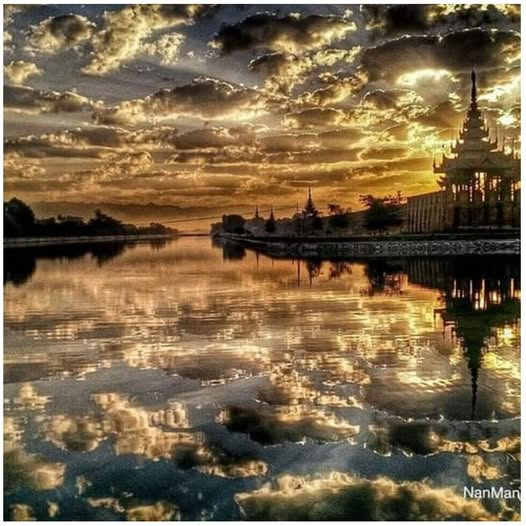
As the sun of my life moves from Asr (evening) toward Maghrib (sunset), I look back not with fear, but with gratitude. Like the setting sun, I wish to color the world with beauty before I fade, leaving behind a glow that others may remember.
Shukur Alhamdulillah! It was truly a blessing in disguise from Allah SWT that I was failed by Prof. Bo Ni in my first MSc Surgery interview, although my medical records and written examination results were much better than both U Han and Htoo Han, the sons of former Health Minister Colonel Hla Han under General Ne Win. One of my former Anatomy lecturers even told me that one of Colonel Hla Han’s sons had actually failed Anatomy and had to resit the supplementary examination a few months later.
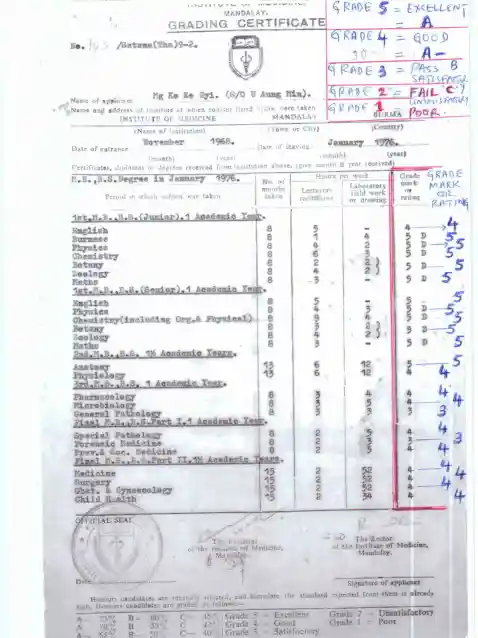
(Note: I obtained Grade 5 in Anatomy, and Anatomy marks carried significant weight in postgraduate Surgery examinations.)
Today, my children, grandchildren, and family are living safely in Malaysia, free from discrimination and away from the devastating effects of civil war. I am also able to be very active as an opposition activist, openly criticizing the generals, the NLD, the NUG, the AA, and even Daw Aung San Suu Kyi in her later years when she became, in my view, anti-Rohingya and anti-Islam while functioning as the power above the President.
Even on my fourth attempt for MSc Surgery, I was again failed by Bo Ni. Some of the specialists whom he favored have since passed away. MashaAllah, I am still alive and kicking, simply waiting for Allah SWT’s final calling. What saddened me most was that Bo Ni had the gall to award passing marks and even distinctions in the MSc final examinations to individuals who could not demonstrate “shifting dullness” in ascites, and who could not even answer the meaning of “phimosis.” This was personally told to me at my house by a Professor of Urology and another senior surgeon.
(Note: I studied for only six months and passed the MRCOG Part 1 examination from the UK, which was held in Singapore.)
After all, “Man proposes, but God disposes.” Neither is the way of man truly in his own hands. “There are many devices in a man’s heart; nevertheless, the counsel of Allah shall stand.”
“Oh Allah, I know that the way of a man is not in himself; it is not in man that walketh to direct his own steps.”
Shakespeare wrote: “There is a divinity that shapes our ends, rough-hew them how we will.”
Now, when I stand in my present condition and look back upon my past failures despite repeated attempts, I see all of them as blessings in disguise from God/Allah.
If I had been allowed to pursue MSc Surgery in Burma under General Ne Win, or had obtained MRCOG training earlier in Singapore, the UK, or Malaysia, my later life might have taken a very different and possibly more troubled path than the one I have now.
I will try to explain these issues further in the relevant chapters later.
I knew that I was unfairly discriminated against by Ne Win’s military government and the Ministry of Health simply because I was a Muslim.
(Note: I was selected as an Outstanding Student, Lu Ye Chun, five times — chosen by the Ministry of Education after examinations at class, school, township, district, and university levels.)
My Medical University marks are shown in the attached grading certificate. I obtained the highest marks in every subject and in every class throughout my university years. For your information, I was only applying for the local Master’s entrance examination. According to the University Act at that time, any student who obtained distinctions or all Grade 4s in the final examination was regarded as qualified. There was supposedly no need to sit for the Master’s entrance examination, and after one year of training under a consultant, the candidate would become eligible for the Master’s degree — perhaps needing only to sit for the viva voce examination.
Even if I had obtained the MSc Surgery or MRCOG qualifications, I would still have been forced to retire from government service at the age of 60. Even if I had continued later as a private specialist, after the age of 70 I would probably no longer be able to operate.
Now, as a simple GP, MashaAllah, I am still able to work and remain active. Looking back, perhaps Allah SWT planned a different and better path for me and my family.
Had I remained in Myanmar, my children might have been trapped there as well — facing military conscription, forced into the Civil Disobedience Movement (CDM), or even drawn into the Spring Revolution. Nowadays, migration itself has become extremely difficult.
My two children and their spouses are all medical doctors, and two of them are specialists. Yet even for qualified doctors from Myanmar, coming to Malaysia now as expatriates is almost impossible because there are already many unemployed local graduates here.
When I reflect upon all these realities, I increasingly see many of my past disappointments not as defeats, but as hidden blessings from Allah SWT.
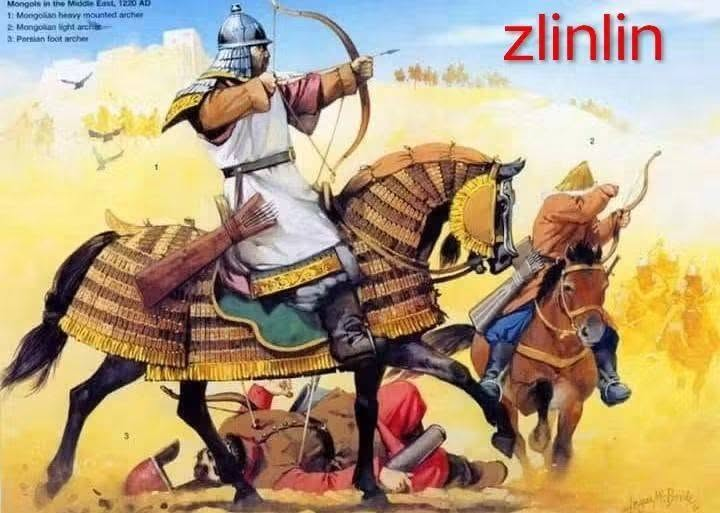
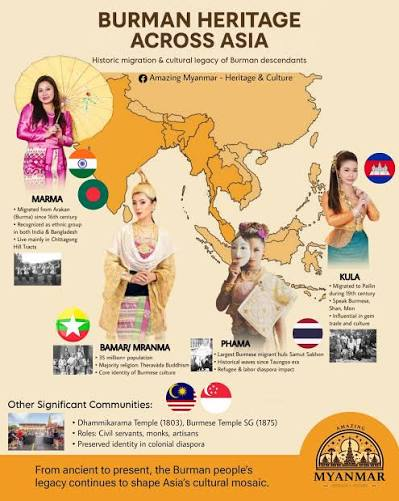
I am proud my heritage, a masala mosaic, to be mixed-blooded. My lineage is a long journey: from Persia to Baghdad, and to India, from Hyderabad to Myanmar, and finally to Malaysia. Along the way, my ancestors blended with Bama and Shan Buddhists, Chinese Muslims from Yunnan. My grandchildren carry this diversity proudly and added their other side parents’ Malays, Indonesians, and even a very distant Selangor royal blood.
My father once told us to put “SM” (Sheik Mohammad) before our names, claiming descent from Sheikh Abdul Qadir al-Jilani, the great saint of Baghdad. Only my late brother Abdul Razak Maung Maung Shwe Keraweik chose to carry that title. For me, official documents tied to my Burmese name made it impractical. But whether or not I use “SM,” my heritage remains rich and layered.
As a medical person, I learned early that genetic diversity is strength. Dominant mutations manifest when bloodlines are too close; recessive ones hide until both parents carry the same weakness. Royal families who married only among themselves suffered from hemophilia, dementia, and other diseases. That knowledge guided me to marry outside my race, refusing the offers of cousin marriages.
Faith confirmed what science taught: Allah created us from clay, and the Prophet Muhammad (peace be upon him) reminded us that no race or color is superior. We are all children of Adam.
In Burma, mixed-blooded Muslims were insulted as “unpure.”
The Bama Buddhists pretended to be “pure-blooded Sakian Aryans,” claiming descent from Buddha’s race, though history shows they migrated from Tibet and China. Even ethnic minorities, themselves mixed, looked down on others.
In Malaysia, Myanmar Muslims faced exclusion, denied privileges given to Western or Arab migrants. Even in so-called democracies, invisible barriers remain for migrants, especially Muslims.
Yet I stand firm. I am not “pure Aryan.” I am Masala — a rich blend of cultures and histories.
We are all migrants. More than 99% of humanity is mixed-blooded, shaped by centuries of movement, marriage, and exchange. Only a tiny fraction pretend to be “original pure-blooded superior races.” In truth, migration and mixing are the engines of human progress.
UNESCO’s Race Question (1950) already debunked racial superiority myths, urging the world to drop the term “race” and speak instead of ethnic groups.
The UNDP has shown that migrants boost economies, enrich societies, and send vital remittances home. Migrants are not a burden — they are a blessing.
My Declaration
To be mixed-blooded is not weakness. It is resilience. It is flavor. It is humanity itself. Those who cling to myths of purity deny both science and history.
So what if I am mixed-blooded? That is exactly what makes me whole.
And as my sun sets, I pray that my colors — my words, my family, my faith, my Masala heritage — will paint the sky with beauty, reminding the world that diversity is not something to hide, but something to celebrate.
XXXXXXXXXXXXXXXXXXXXXXXXXXXXXXXXXXXXXXXXXXXXXXXXXXX
Google search of Sheikh Abdul Qadir al-Jilani
Sheikh Abdul Qadir al-Jilani (1077–1166) was a highly influential Persian Sufi scholar, preacher, and the founder of the Qadiriyya order, one of the oldest and most widespread Sufi orders in Islam. Known as Muhiy-ud-Din (Reviver of Faith) and Sultan-ul-Awliyah (Sultan of the Saints), he taught in Baghdad and is revered for his deep spirituality, humanity, and devotion to feeding the hungry.
Life and Education
- Birth: Born in 470 AH (1077/1078 CE) in the town of Nif in the Gilan province of Persia.
- Baghdad Years: He moved to Baghdad, the center of Islamic learning, where he studied Hanbali jurisprudence and trained in Sufism.
- Isolation: He spent 25 years as a wandering hermit in the desert regions of Iraq before beginning his public preaching in 1127.
Teachings and Legacy
- Qadiriyya Order: He founded the Qadiriyya order, which remains influential across the world, including in Central Asia, China, and the Indo-Pak subcontinent.
- Preaching: His sermons in Baghdad were renowned for attracting large crowds, including Christians and Jews, due to their simple, direct, and compassionate nature.
- Philosophy: He emphasized, “A morsel of food for the stomach of a hungry person is better than building 1,000 mosques”.
- Works: He authored several, including Ghunyat al-Talibin (Way of the Seekers) and various collections of sermons.
Shrine and Recognition
- Death: He passed away in 1166 and was buried in Baghdad, Iraq.
- Shrine: His shrine, featuring a distinctive blue dome, remains a major pilgrimage destination, especially for Sufi devotees.
- Titles: He is widely recognized as a “Friend of Allah” (Wali Allah) and a leader of the Sufi masters.
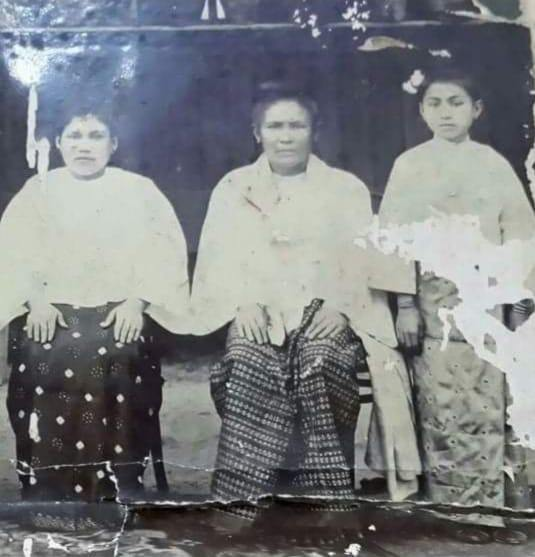
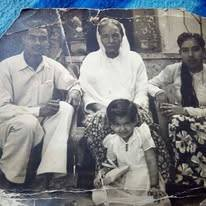
Young girl is my paternal grandma , Noor Bi @ Daw Nu’s mother, so my Great Grandma. Great Grandma name was Daw Oo.
Elder couple were my GREAT great grand parents.
They all had to fled the Mandalay Royal Palace during the Palace coup d’état. My great grandma was the Palace Staff of one of the Princess. The coup d’état and subsequent massacre at Mandalay Palace was a notorious event within the Konbaung dynasty of Burma.
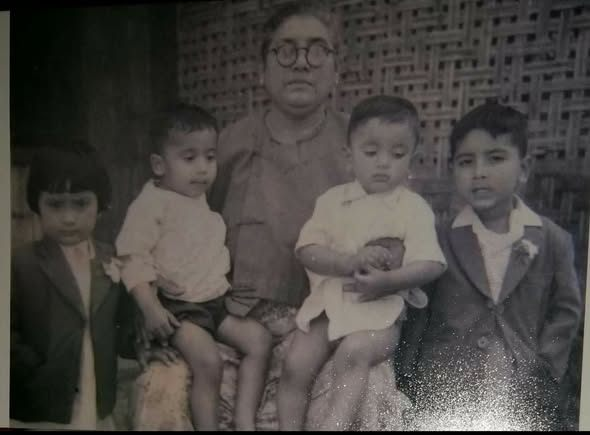
Above is my paternal grandma , Noor Bi @ Daw Nu. Rt. of photo is my only sister Aye Aye Nyunt @ Khatija. Lt of pic is Ko Ko Htay @ Abdul Rashid.
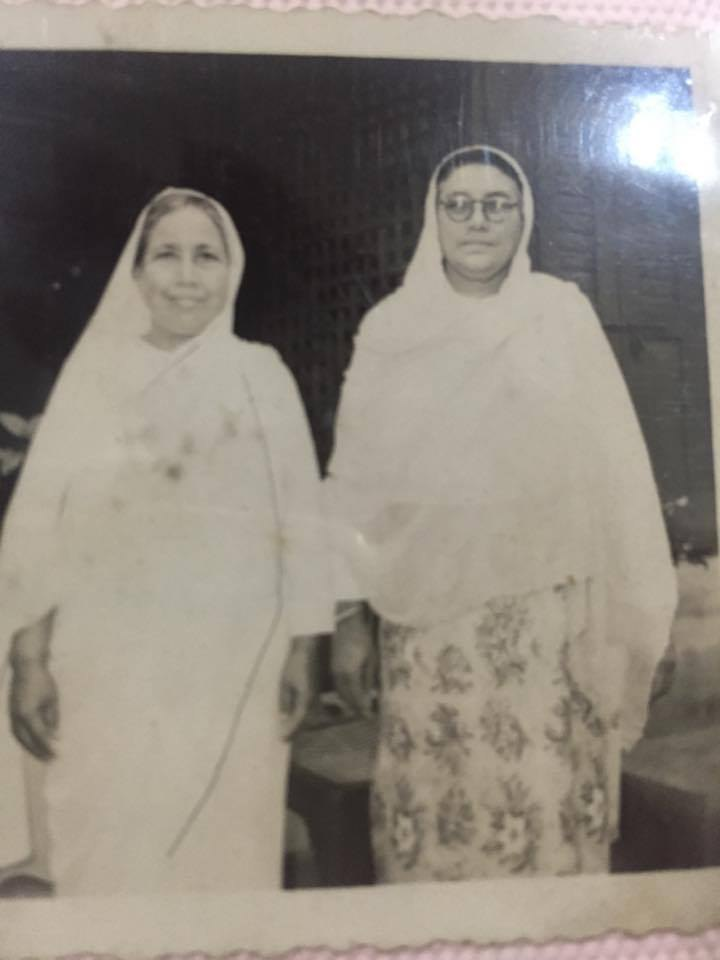
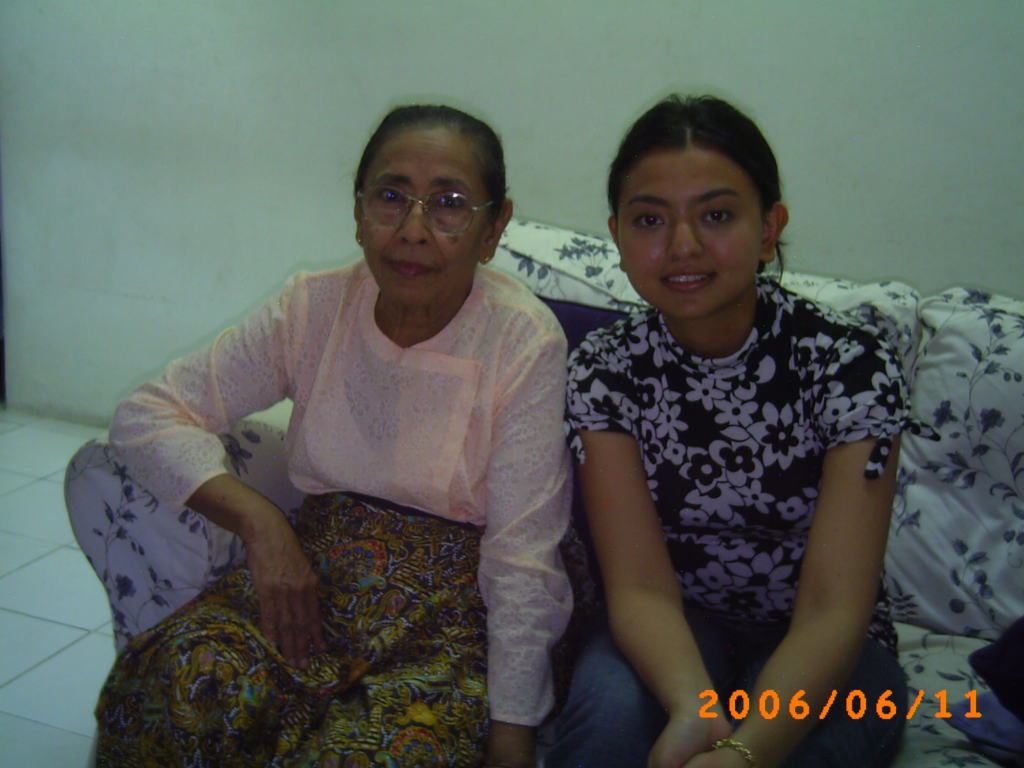
My grandma and her sister
This is my maternal grandma, Daw Htoo. Her son U Ko Lay @ Haroon and wife Asha Bi
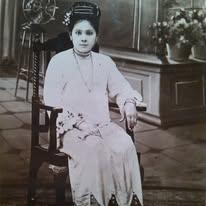
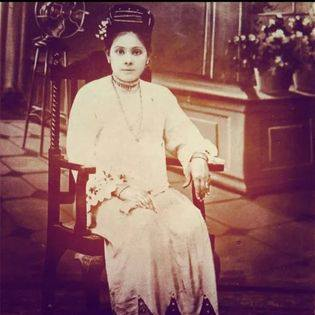
This is my mother’s mother Daw Daw Kyawt, she had adopted me and care till Kg age.
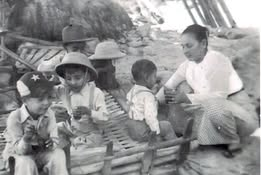
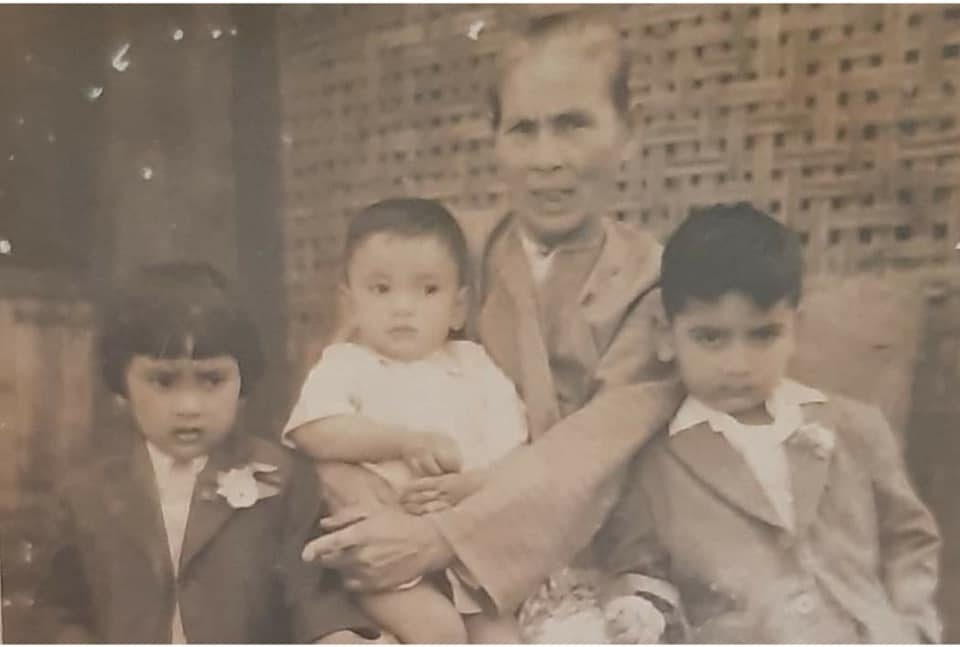
This is my grandma and me.
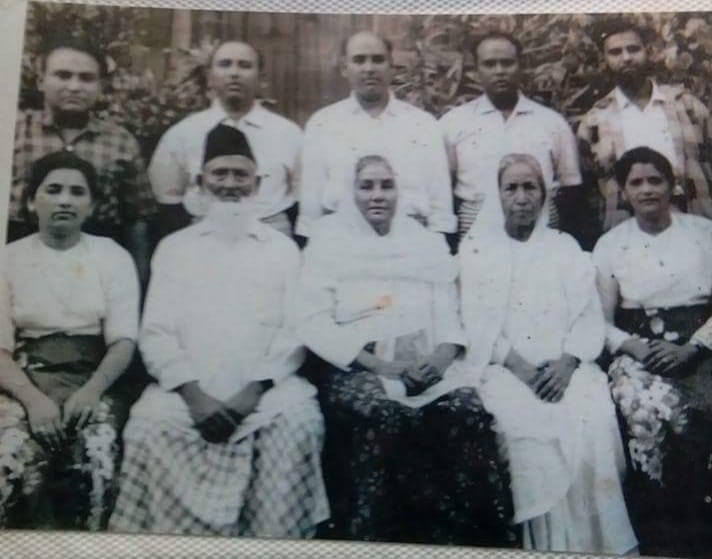
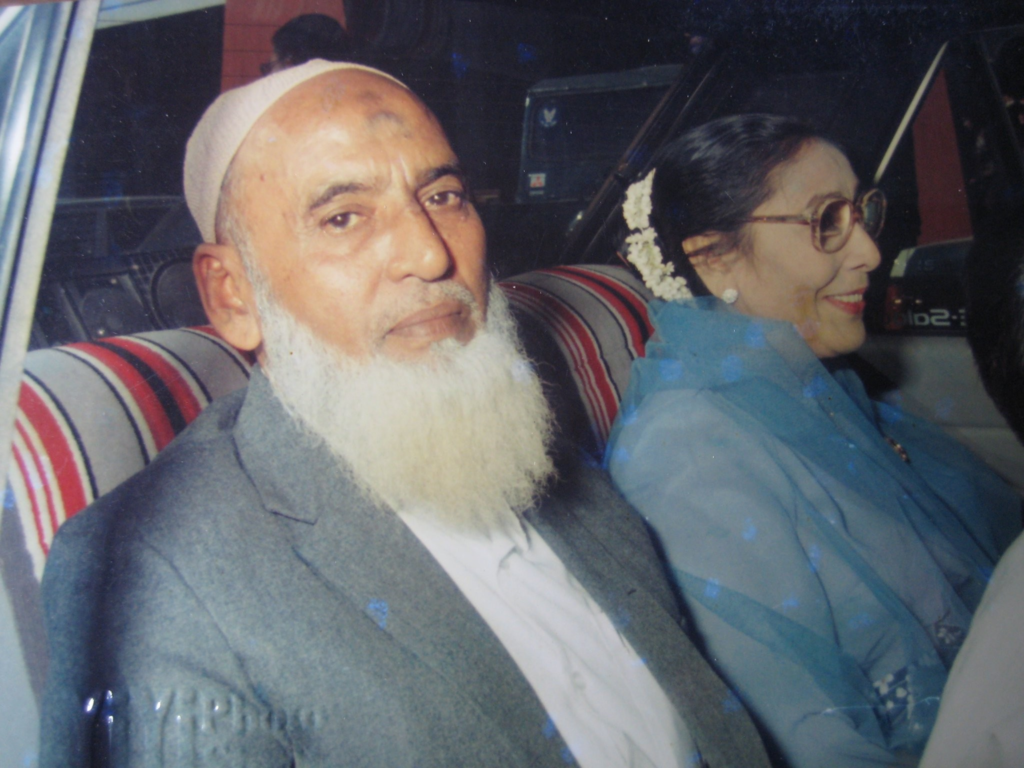
My parents
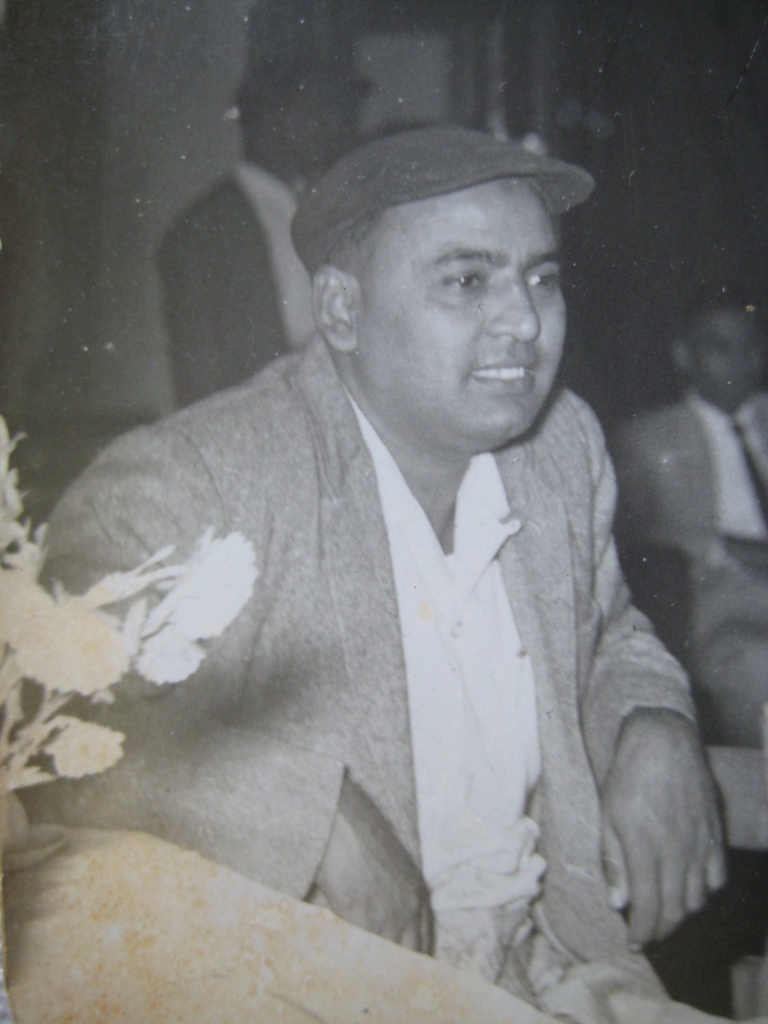
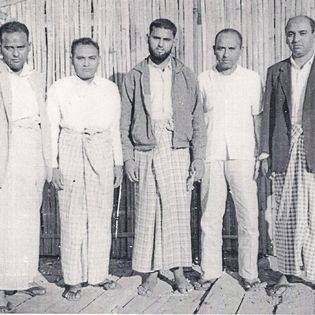
My father’s family
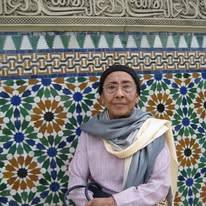
My mother Daw Khin Nyunt @ Kursun Bi
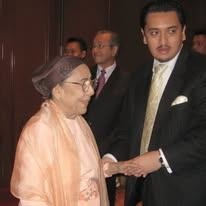
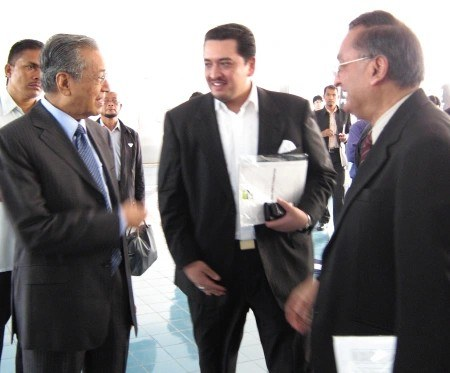
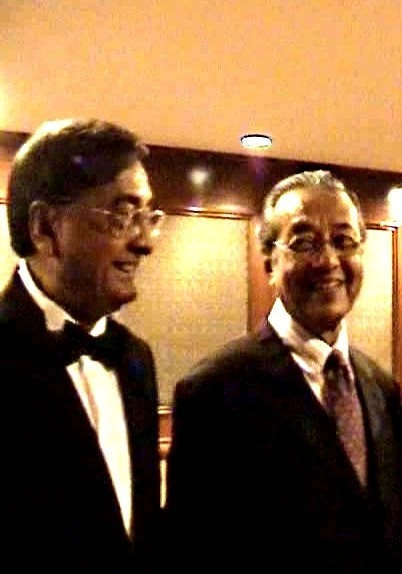
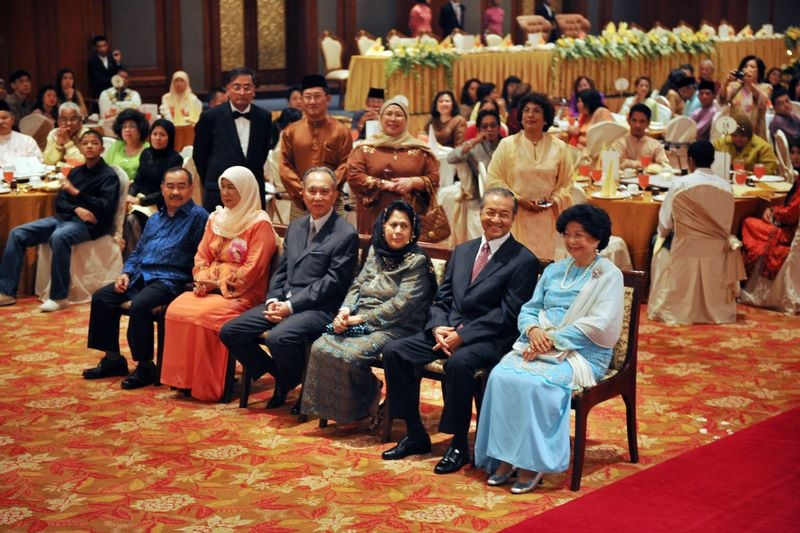
My mother, my eldest son and farback between them former PM Tun Dr Mahathir
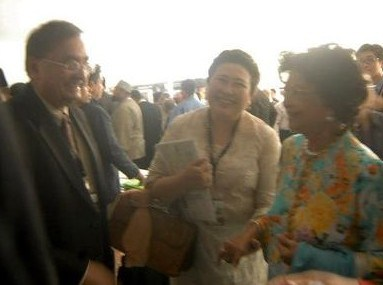
Tun Siti w/o TDM, my wife and me
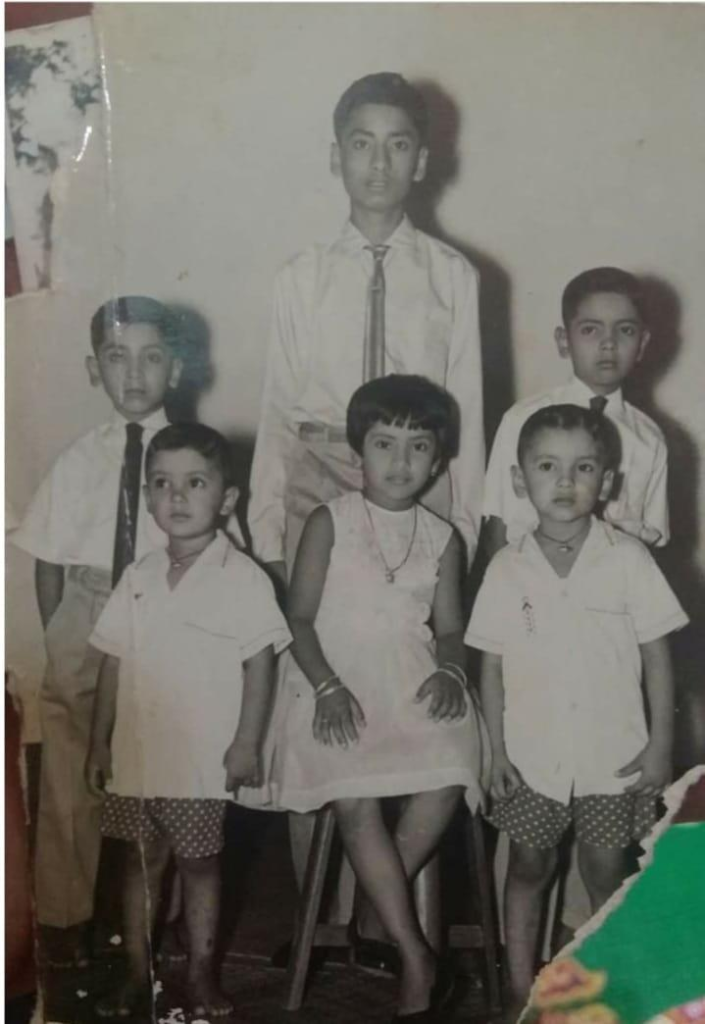
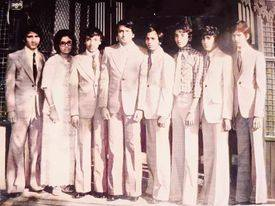
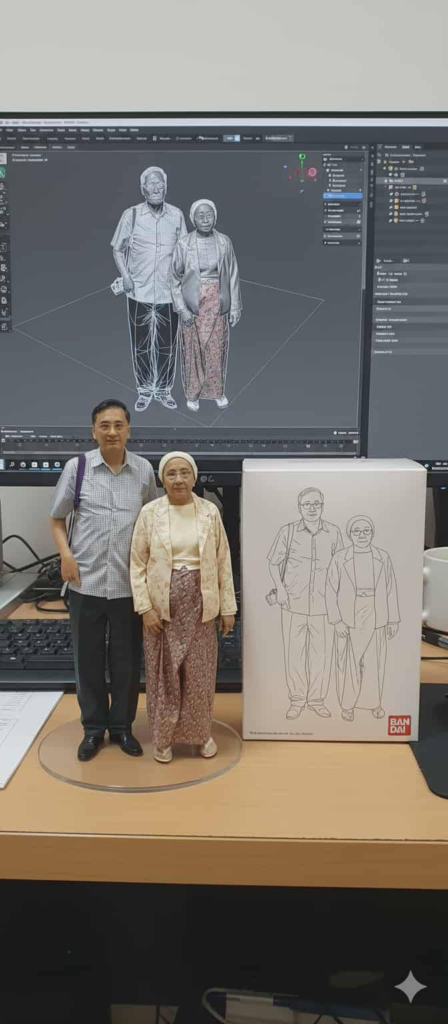
My bros, sis and me
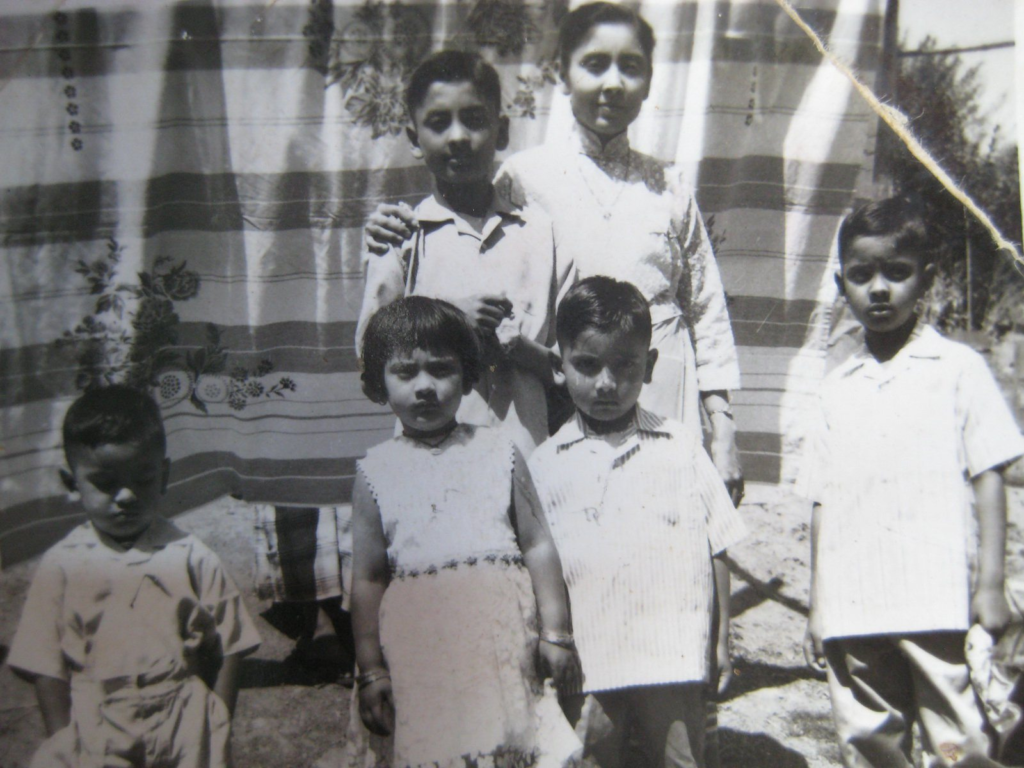
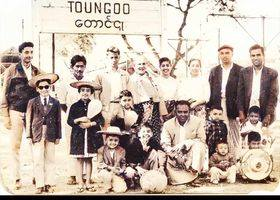
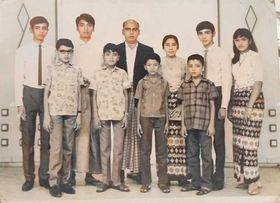
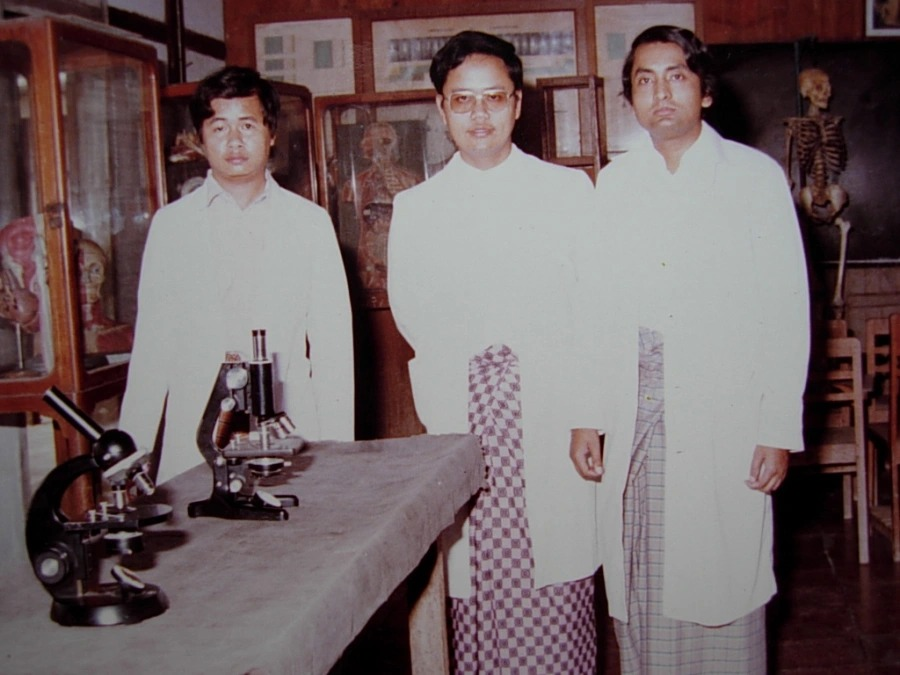
I was working in IMM Anatomy Dpt as a Demonstrator
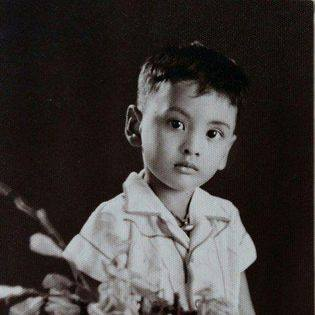
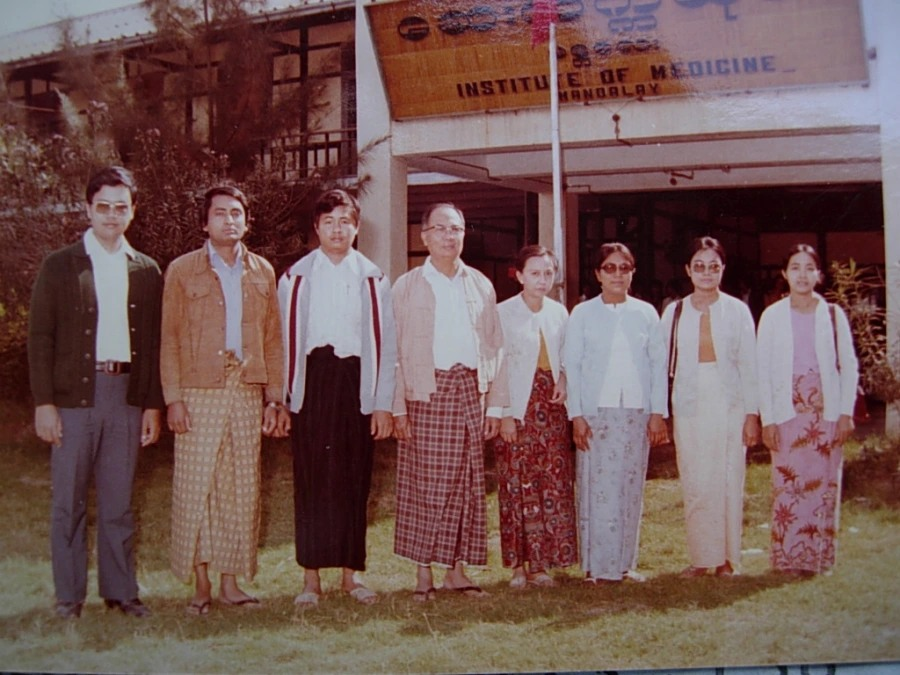
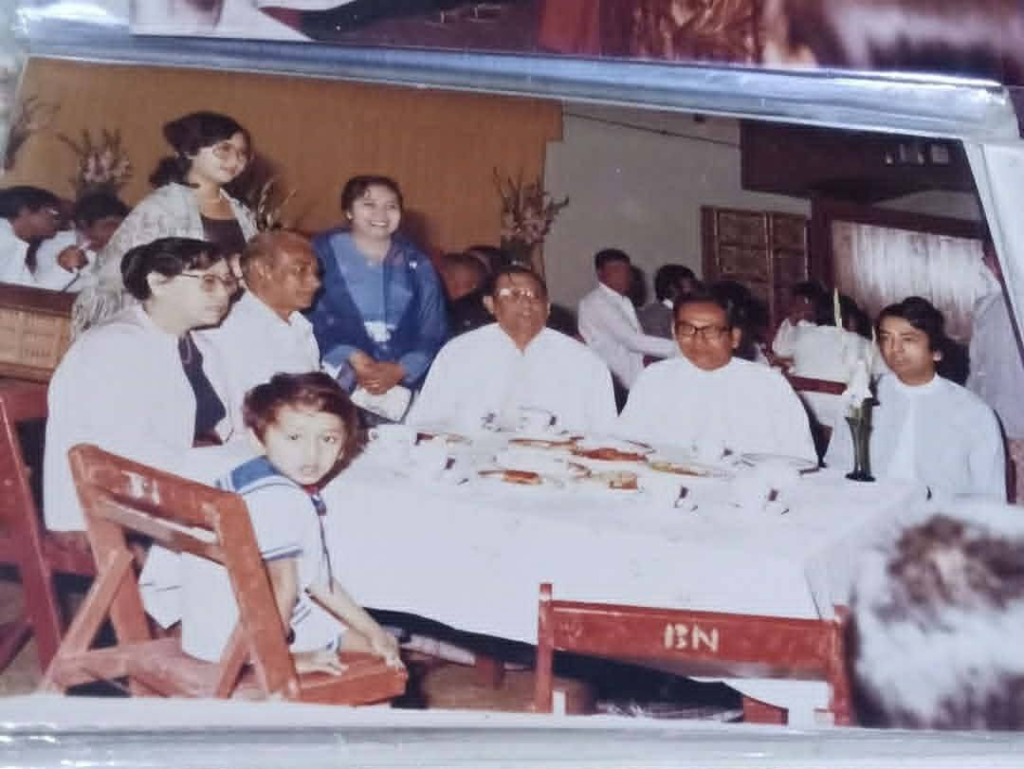
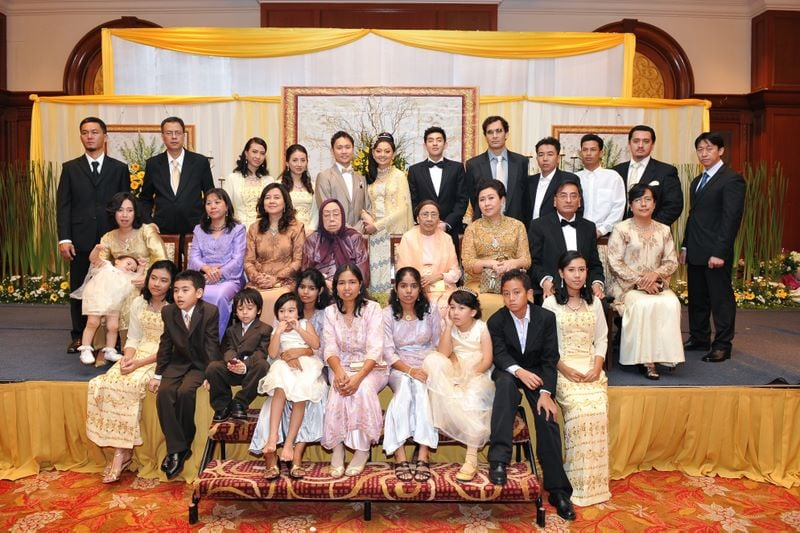
Our family, my wife, my eldest son me and my wife’s parents
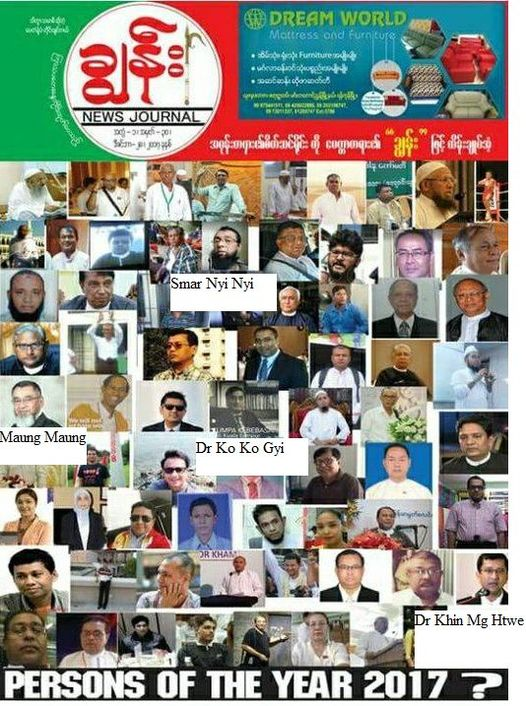
CONGRATULATIONS PA PA AND AMAR: U AUNG MIN & DAW KHIN NYUNT! FOUR OF YOUR SONS HAD BEEN CHOSEN …as the Persons of the year 2017.
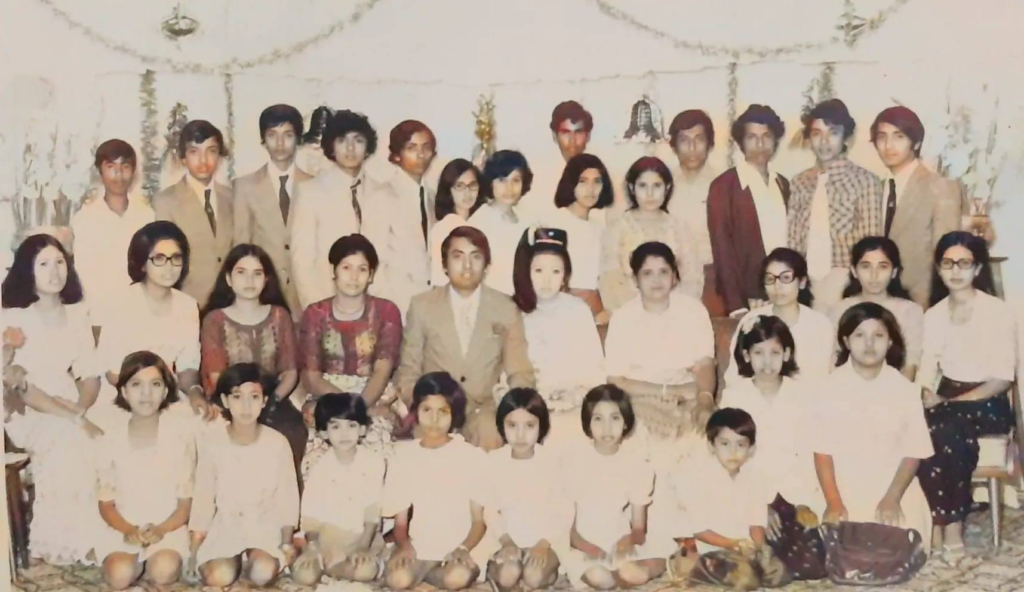
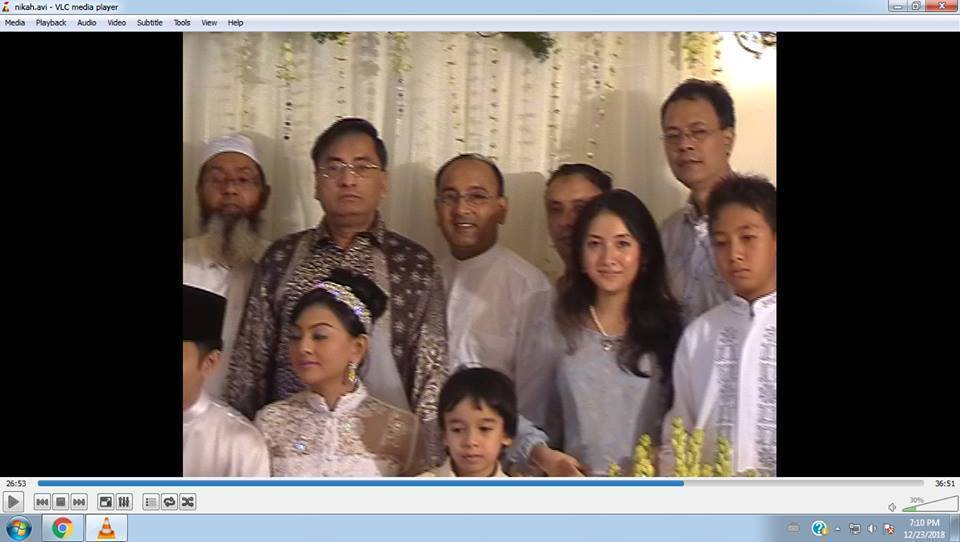
My side family of bros, siss, cousins @ our wedding
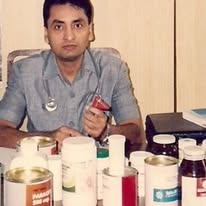
My first job @ PERKIM, Malaysia
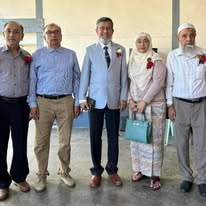
My bros and sisters
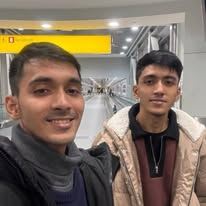
Ko Ko Htay’s 2 sons in US
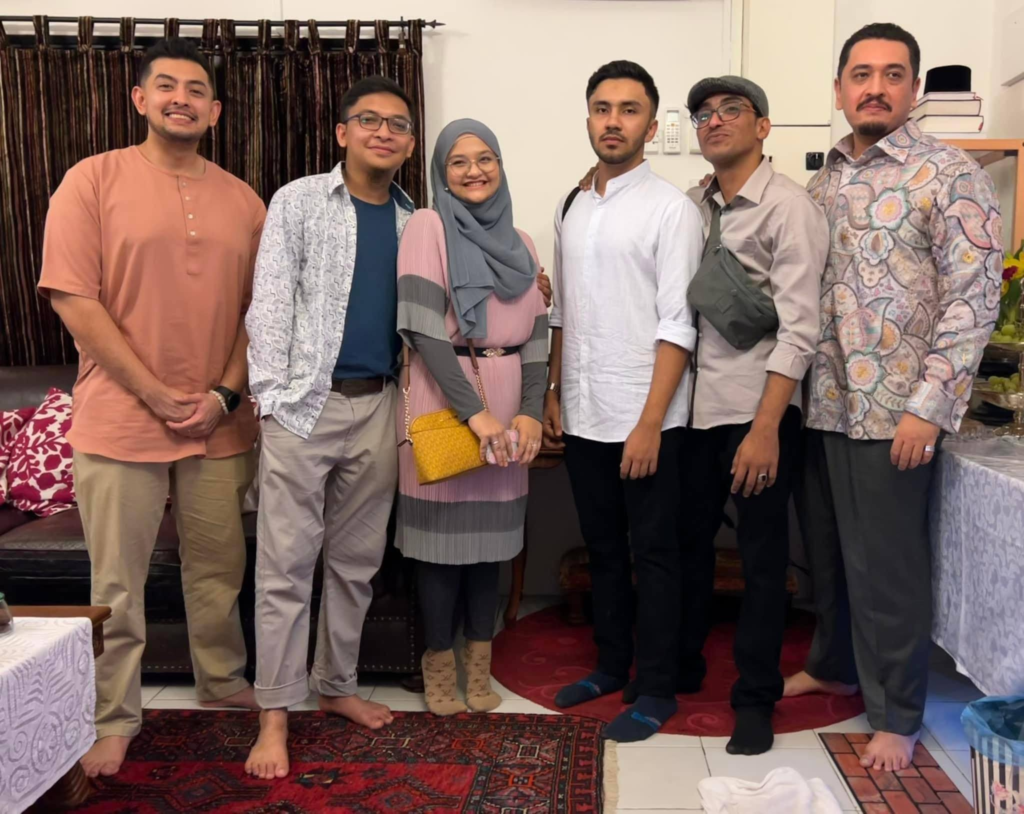
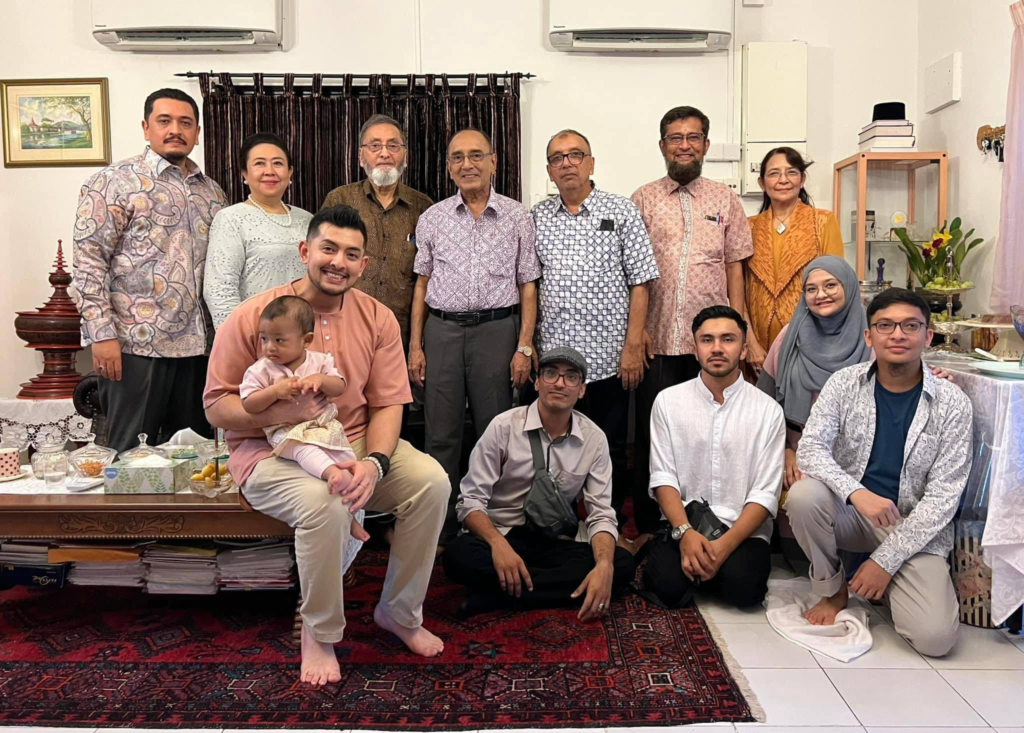
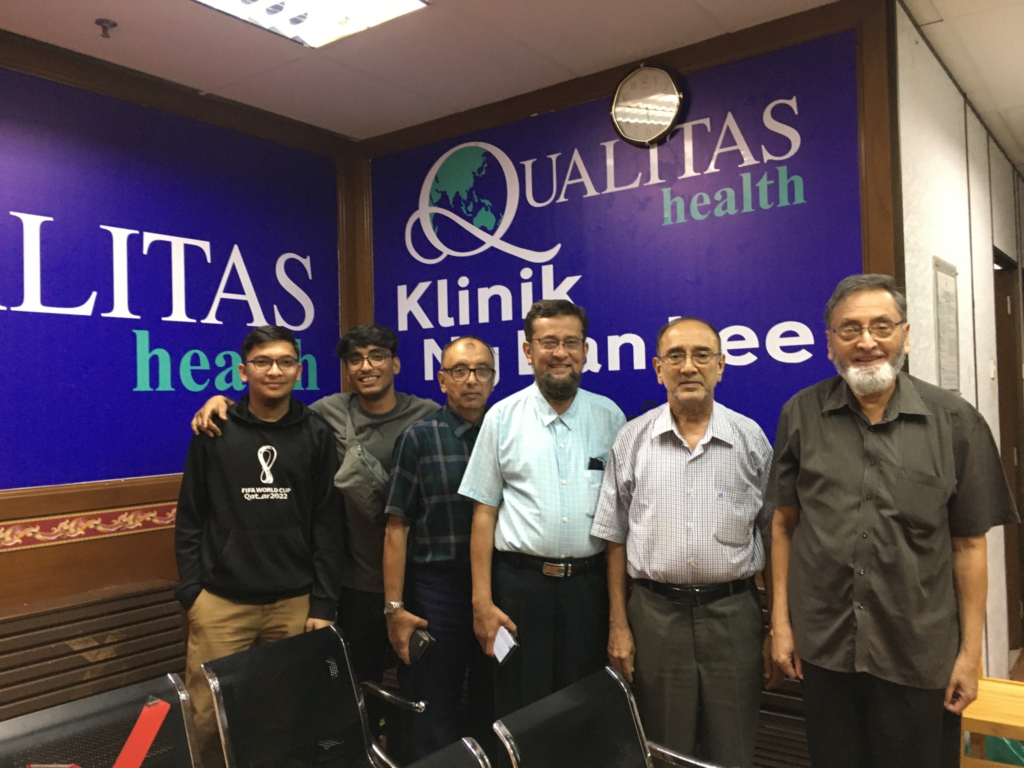
St. Peters 7th std.
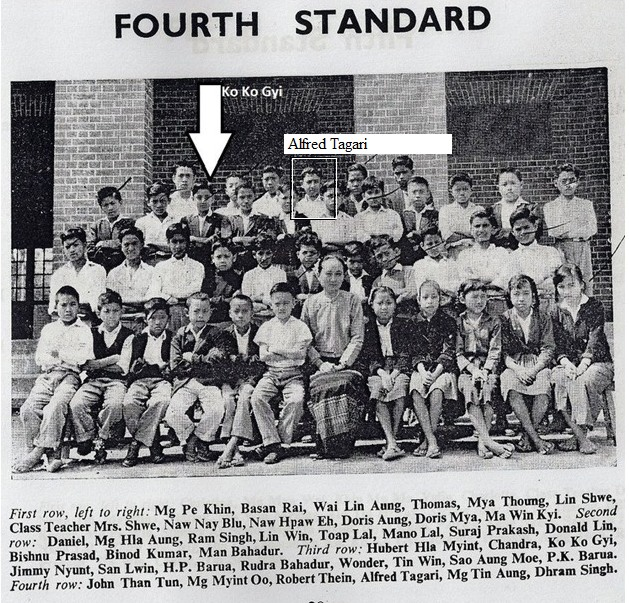
Kingswood High School Kalaw
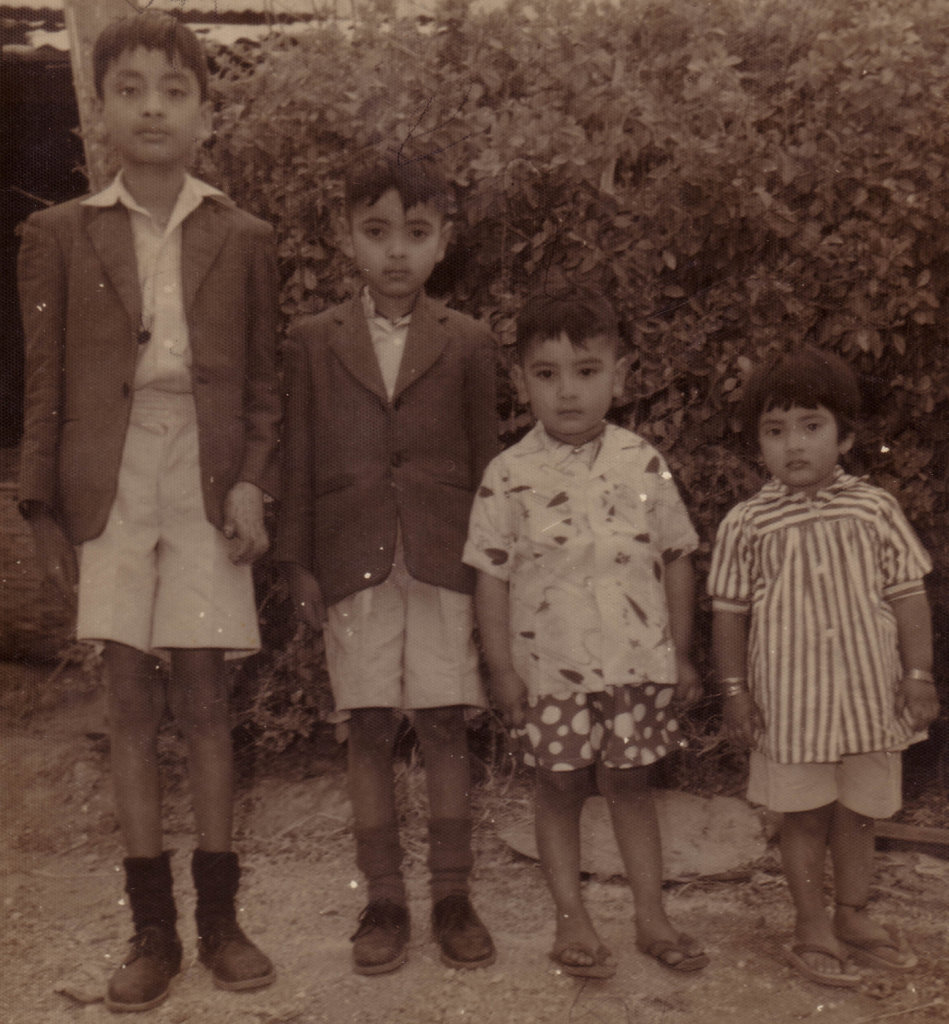
My handicapped childhood for about 3 years after fracture dislocation of Lt elbow
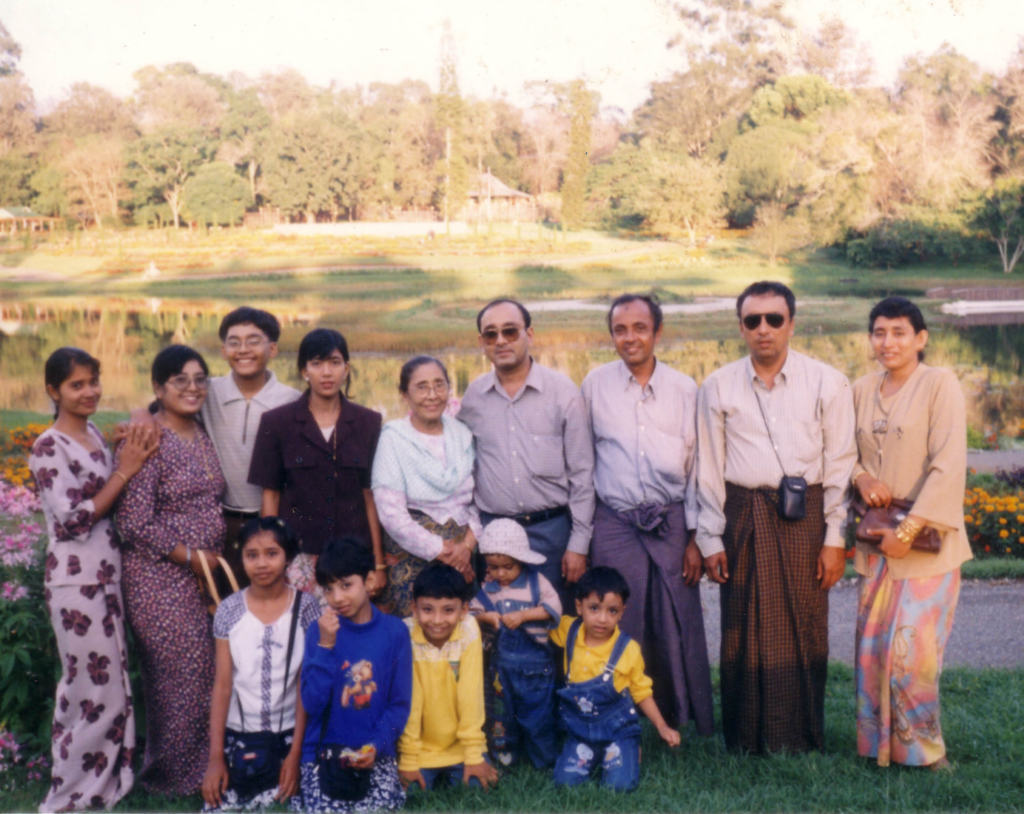
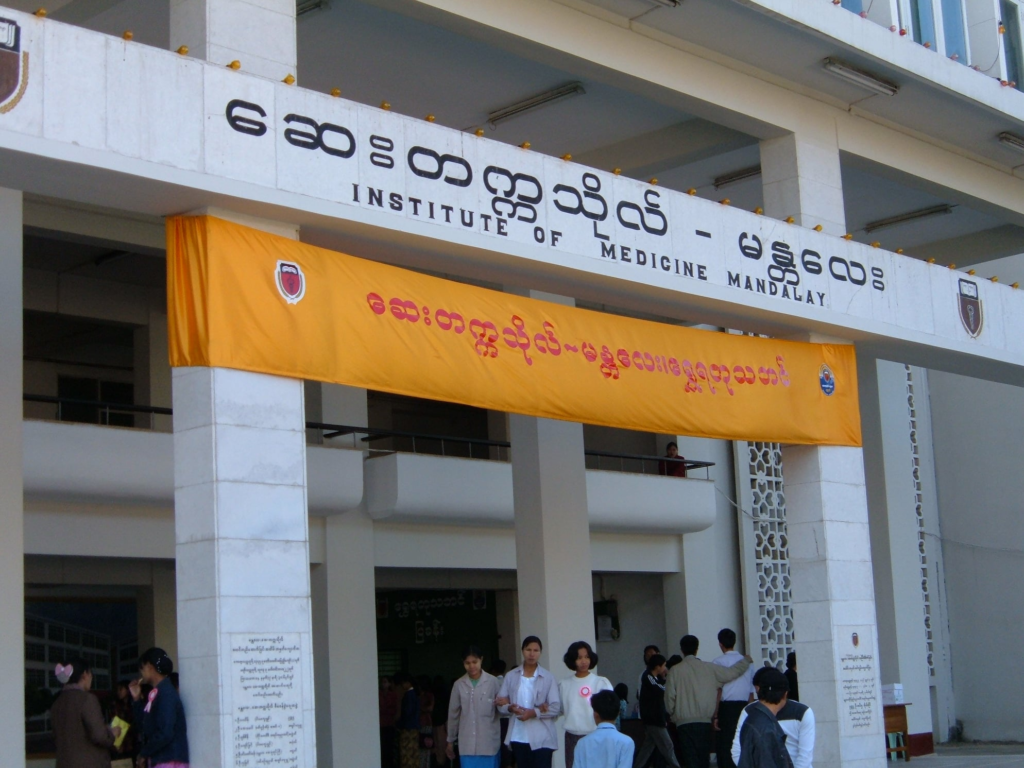
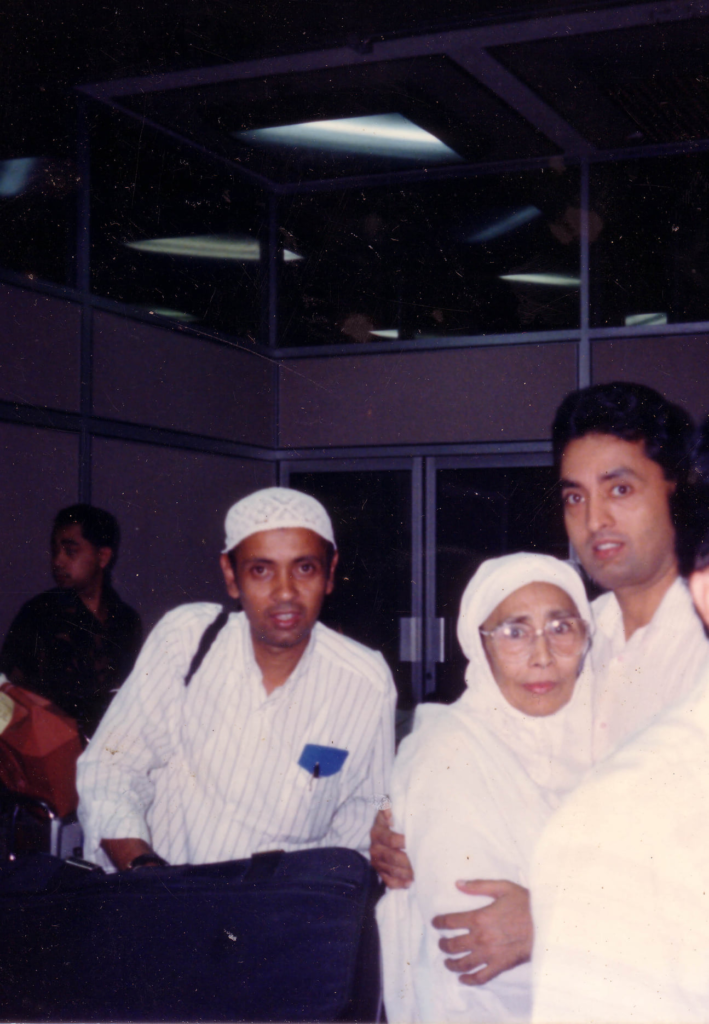
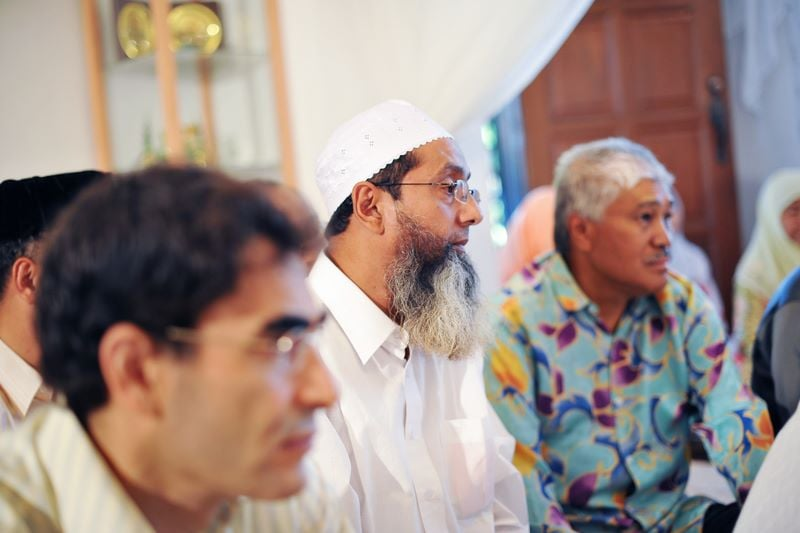
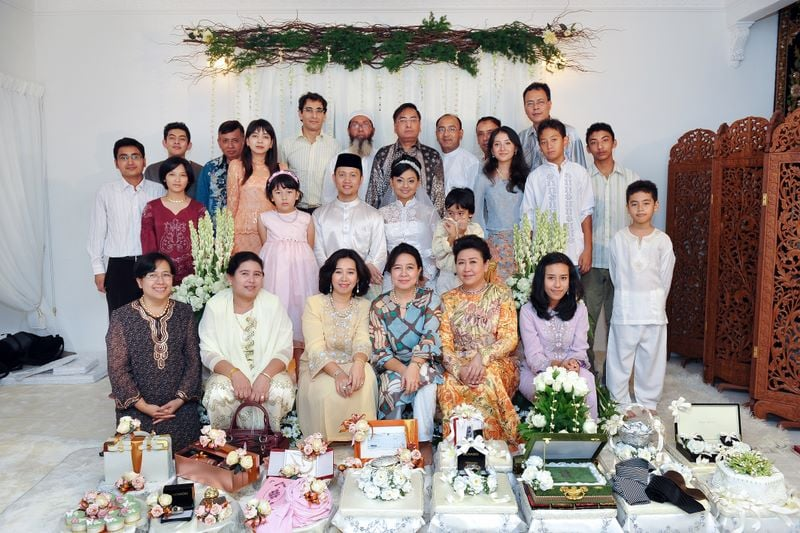
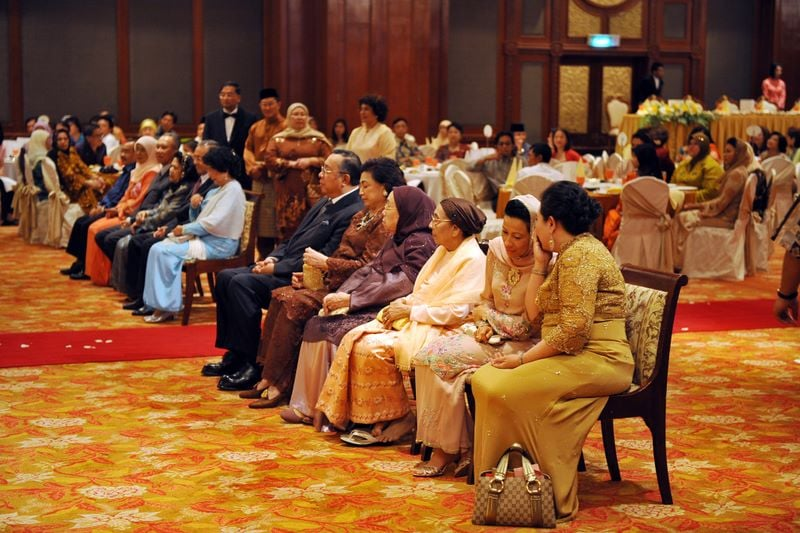
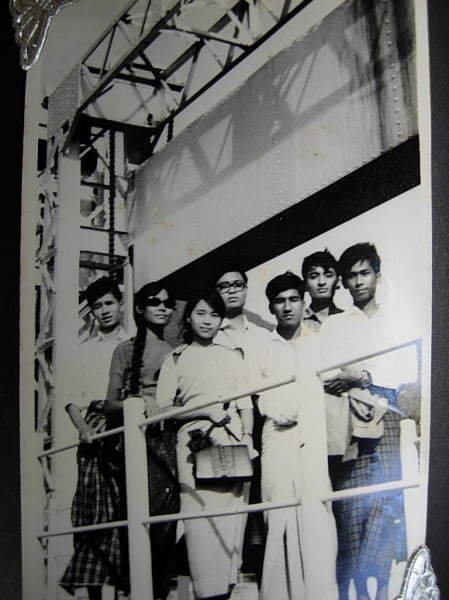
IMM student Final Part 1 PSM one month.