How chokepoints, Taiwan tensions, and a fractured global order are turning Myanmar into a decisive geopolitical pivot. From UN Paralysis to Great Power Chess: Why Myanmar May Become the Battleground.
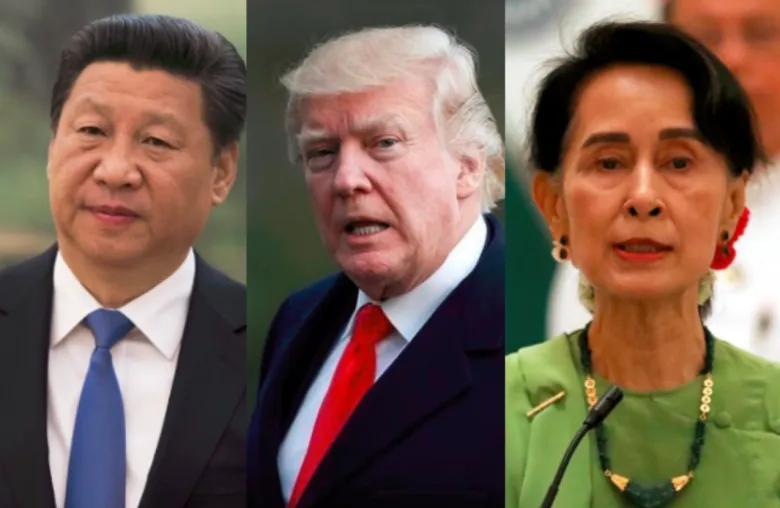
The post–Cold War international system—once anchored by the United Nations Security Council—is no longer functioning as intended. The repeated use of veto power by major states such as the United States, China, and Russia has effectively paralyzed collective action.
At the same time, escalating conflicts—from Ukraine to the Middle East—have demonstrated a growing willingness among major powers to sidestep international law in pursuit of strategic dominance.
The result: a de facto transition from a UN-led order to a fragmented, competitive multipolar system.
Recent geopolitical developments suggest a shifting balance:
- China’s technological and military backing has strengthened partners like Pakistan.
- Iran has demonstrated resilience against coordinated pressure from the United States and Israel.
- Western alliances, including NATO, show signs of strain amid internal divisions and shifting priorities.
Whether one agrees fully with these interpretations or not, perception itself shapes strategy. And perception today is that US dominance is no longer uncontested.
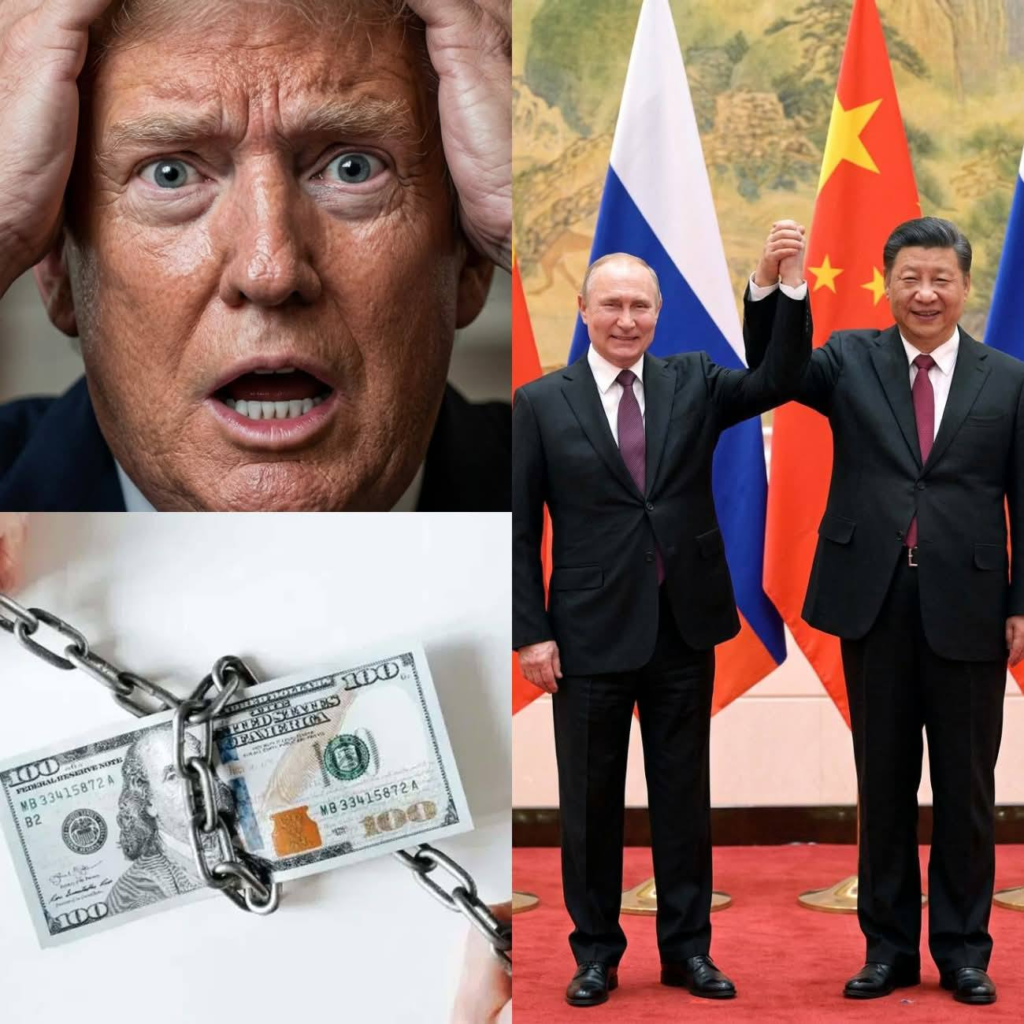
The most dangerous implication of this shifting balance lies in Taiwan.
If Beijing concludes that:
- US alliances are weakening,
- global attention is overstretched, and
- economic pressure tools (such as tariffs under Donald Trump-style policies) have alienated partners,
then the strategic temptation to act decisively on Taiwan may increase.
This is not inevitability—but it is a credible risk scenario.
Ref: “Behind the Riots: Questions of Hidden Hands in Myanmar’s Communal Violence”
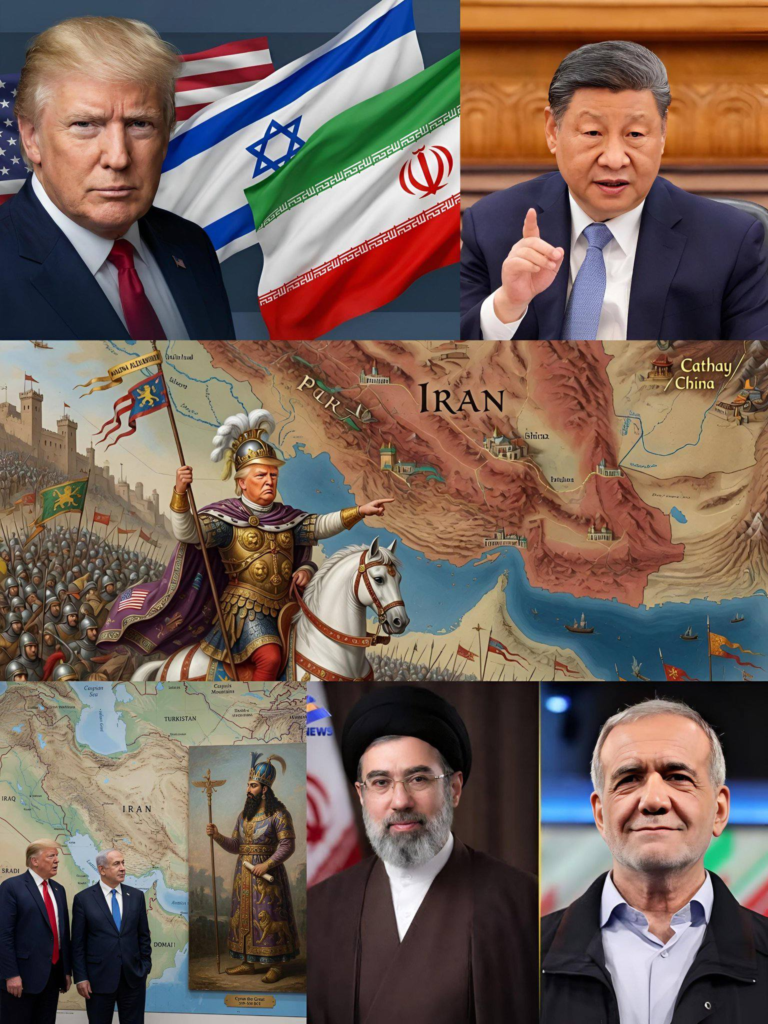
A key strategic lesson comes from Iran’s long-standing ability to threaten the Strait of Hormuz.
A future conflict could see similar tactics applied elsewhere:
- Strait of Malacca
- Sunda Strait
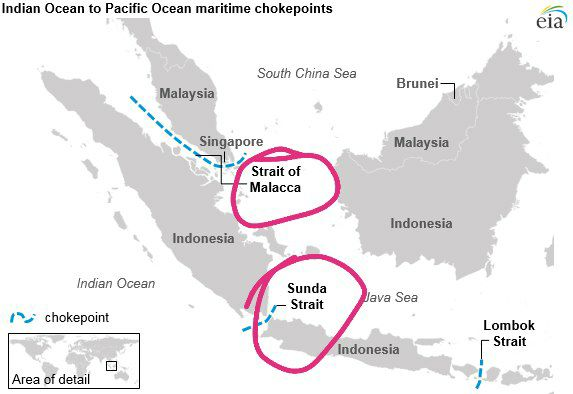
These are lifelines for China’s energy imports and trade.
Any attempt by the United States to restrict these routes would immediately elevate the importance of alternative access corridors.
This is where Myanmar becomes critical.
Geographically, Myanmar provides China with:
- Direct access to the Bay of Bengal
- Overland energy and trade routes bypassing maritime chokepoints
- Strategic depth in the event of naval containment
China has already cultivated deep ties across Myanmar’s fragmented landscape:
- The military regime under Min Aung Hlaing
- Ethnic armed organizations in northern Shan State
- Groups with cross-border ethnic links (Wa, Kokang, Kachin)
For Beijing, Myanmar is not just a neighbor—it is a strategic insurance policy.
At present, the United States appears overstretched:
- War in Ukraine
- Tensions in the Middle East
- Global alliance management
This has led to a perception of reduced direct engagement in Myanmar.
However, this should not be mistaken for disinterest.
Historically, the US has maintained relationships with:
- Ethnic resistance groups such as the Kachin Independence Organization
- The Karen National Union
- Regional partners including Thailand and India
And don’t forget some ERO leaders were desendents of Kuomintang remnants dealing drugs and benefitting from Scam operations, some are possibly or alleged CIA agents and could be use by US. Kachins, Karens also have good relations with US. Thailand, Malay, Indonesia, Brunei, India, Bangladesh, Pakistan etc could be useful alliances for US.
In a Taiwan contingency, Myanmar could re-emerge as a secondary but crucial theater.
Inside Myanmar, the opposition is evolving.
The National Unity Government is promoting the Steering Council for the Emergence of a Federal Democratic Union (SCEF):
- Aimed at unifying political and military strategy
- Based on legitimacy, accountability, and coordination
- Designed to implement a “one policy, one strategy” approach
If successful, this could transform fragmented resistance into a coherent national force—a factor both China and the US must consider.
One possible outcome—often unspoken but increasingly plausible—is functional division:
- Upper Myanmar: More closely aligned with China (north, east, central corridors)
- Lower Myanmar: More aligned with democratic forces and Western partners (Rakhine, Chin, delta regions)
Such a scenario would resemble historical precedents like:
- Korea
- Vietnam (pre-1975)
For some, stability might outweigh unity. But the long-term risks—proxy conflict, frozen instability, and external manipulation—would remain severe.
A provocative but realistic possibility is that both Washington and Beijing may converge—quietly—on the same approach:
Stabilize Myanmar first, compete later.
This could involve:
- Incentivizing all actors (military, NUG, ethnic groups)
- Offering economic packages and reconstruction promises
- Encouraging negotiated settlement over prolonged conflict
China, in particular, has both the proximity and economic leverage to attempt what might be called a “total engagement strategy”—effectively “buying stability.”
- If Iran withstands pressure, China may feel emboldened in Taiwan calculations.
- Maritime chokepoints will become central to great-power strategy.
- Myanmar’s strategic value will rise sharply in both US and Chinese planning.
- Internal unity (via SCEF or similar structures) will determine whether Myanmar becomes a pawn or a player.
- External powers may prioritize stability over ideology, even if it means dealing with uncomfortable partners.
Myanmar today is not merely a domestic crisis. It is a geopolitical hinge.
The real danger is not only war—but being shaped entirely by others’ strategies.
The real opportunity lies in something far more difficult:
Turning geography into leverage, and fragmentation into unity.
Without that, Myanmar risks becoming not a nation deciding its future—but a corridor others fight to control.
READ ALSO:
1/ “Five Years Lost: Why Myanmar Must Unite Now”