Palaung Spring: A Movement That Has Run Its Course
An Analytic Commentary
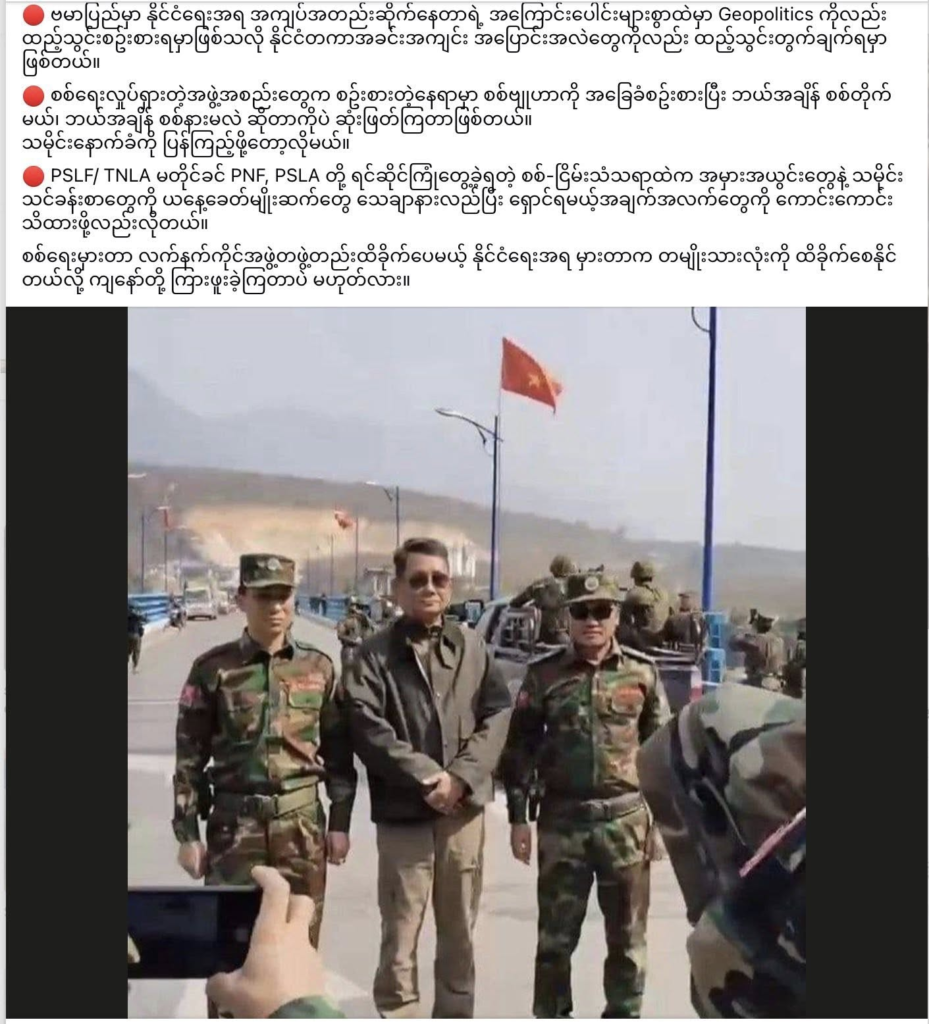
The Burmese political landscape is witnessing what some hoped was a landslide but what others are now beginning to recognise as something far more structural — and far more troubling.
U Aung Tin invokes a striking image borrowed from Dagon Taya: not falling bael fruit (Aegle marmelos), but a collapsing earth. The distinction matters. Mistaking a landslide for falling fruit — or the reverse — is precisely the kind of perceptual failure that has plagued Burma’s pro-democracy forces. The current moment, he argues, is not a tactical setback. It is a seismic shift.
The Spring Revolution, once rallying cry after the 2021 coup, has effectively come to a halt — much like the 8888 Uprising before it, much like Aung San Suu Kyi’s movement before that. In 2013, some declared the game over and went home. Then came Operation 1027, and those same voices pivoted — celebrating ethnic armed forces’ military gains as their own victory. But two foundational problems were never resolved:
First, ethnic minority groups do not view their interests through the same lens as the Burman majority. What reads as a liberation campaign from Naypyidaw looks very different from Shan hills or Chin mountains — or, for that matter, from within the National Unity Government itself.
Second, Operation 1027 was, at its core, China exerting pressure on the military junta — a green light that Beijing could, and ultimately did, switch to red. When China said stop, operations stopped. This was flagged repeatedly at the time, and the outcome has borne it out.
Ko Kyaw Ko Ko approaches the crisis from a different angle, focusing on the PSLF/TNLA’s decision to send a congratulatory message to Senior General Min Aung Hlaing. He identifies three layers of response in the public discourse that followed:
The first — and most dominant — is personal and emotional. Outrage, grief, a sense of betrayal. This is natural and legitimate, but it is not, by itself, an answer.
The second is organisational. Civil society groups, allied forces, and Palaung community organisations will issue statements and coordinate formal responses. This is already underway and is to be expected.
The third — and rarest — is strategic political analysis. Kyaw Ko Ko argues this is what is most needed, and most lacking.
What the public sees of this crisis, he cautions, is only the tip of the iceberg. Beneath the waterline lies a much larger and colder reality:
No ethnic armed group — including the Palaung — can be expected to sacrifice its entire constituency for a nationwide democratic transition. Their capacity has always been bounded by local realities: territorial control, taxation, resources, and the survival of their own communities. Expecting otherwise, and projecting national liberation leadership onto local commanders, creates false hope for the public and an impossible burden for those leaders themselves.
The fragmentation among ethnic armed organisations — rooted in disputes over territory, revenue, and resources — continues to divide revolutionary momentum. Meanwhile, geopolitics cannot be separated from this equation. The international order is shifting, and Myanmar’s internal crisis is inseparable from how great powers, particularly China, choose to position themselves.
Armed organisations, by their nature, make decisions on military logic: when to fight, when to pause. Political consequences — which fall on entire peoples, not just combatants — require a different calculus entirely.
U Aung Tin closes with a blunt message to those who once declared there was “nothing to discuss while blood has been shed” but are now quietly opening restaurants in Mae Sot, running KTV bars, rolling sushi in Western cities, or selling goods online. If you have funds set aside, he says, look to yourself. If you still want to fight from the jungle, do so — but stop compounding the suffering of ordinary people who already bear the full weight of junta brutality. Do not rob the wounded to feed the comfortable.
The NUG, he adds, now risks following the path of Dr. Sein Win’s NCGUB — a government in exile that gradually faded into irrelevance.
The lesson is one that has been spoken before but rarely heeded: a military misstep damages one armed group. A political misstep damages an entire nation.
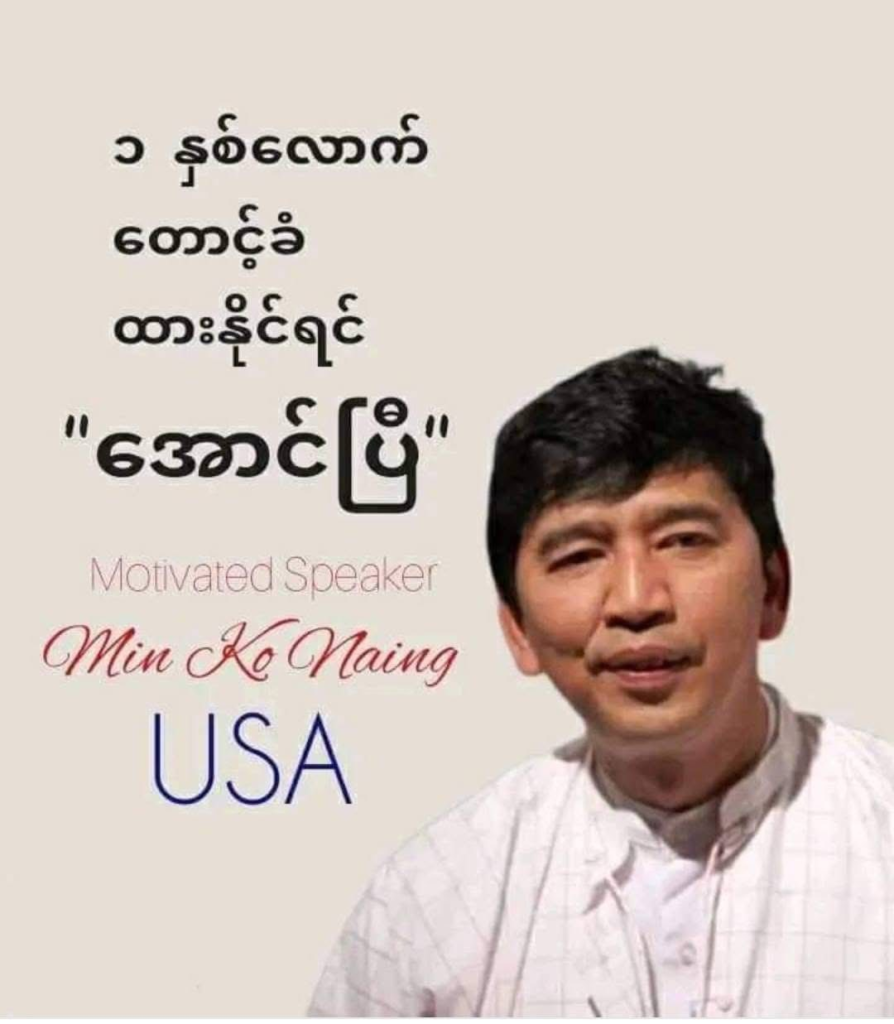
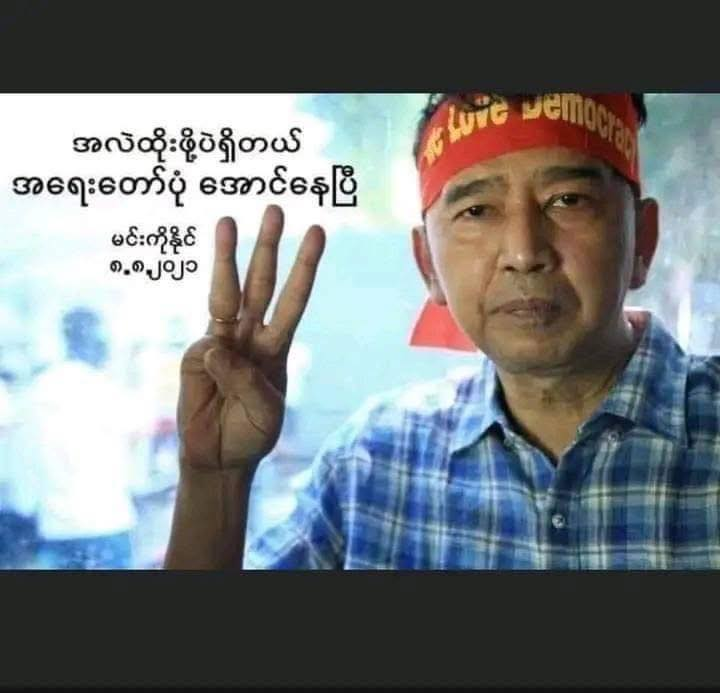
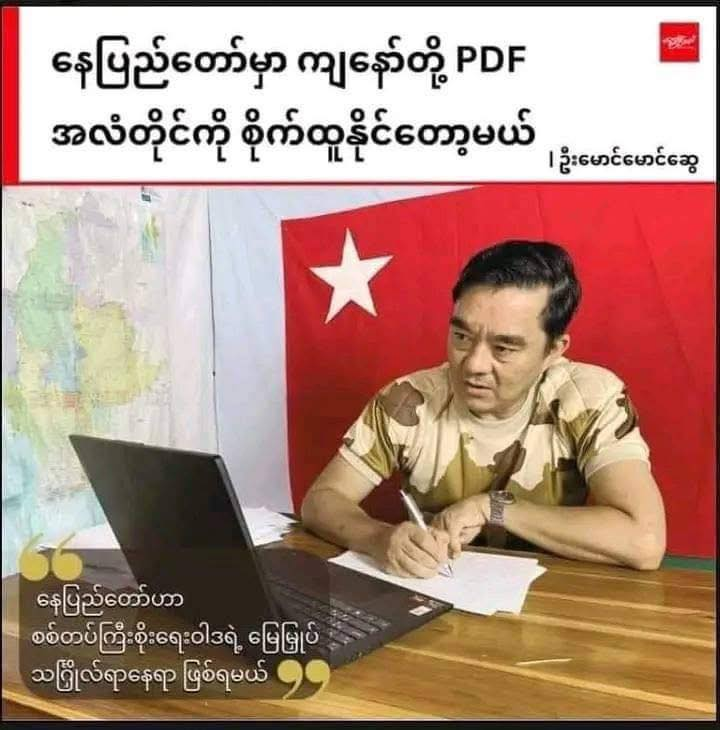
U Aung Tin
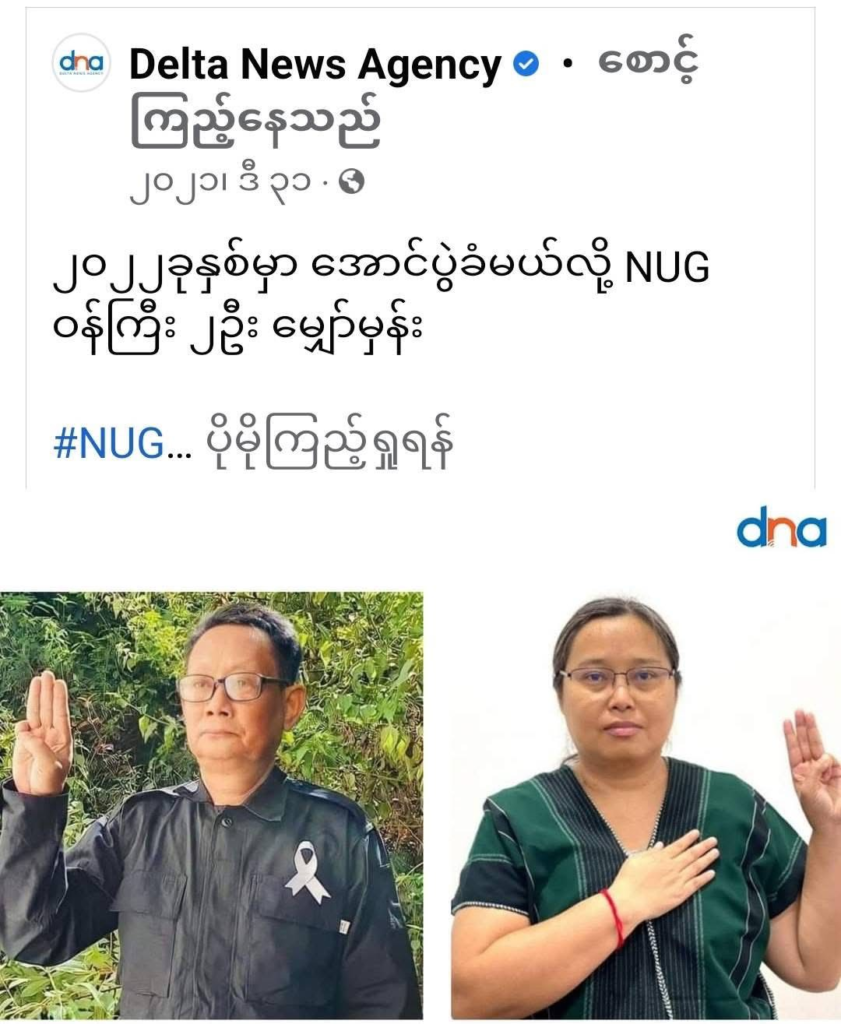
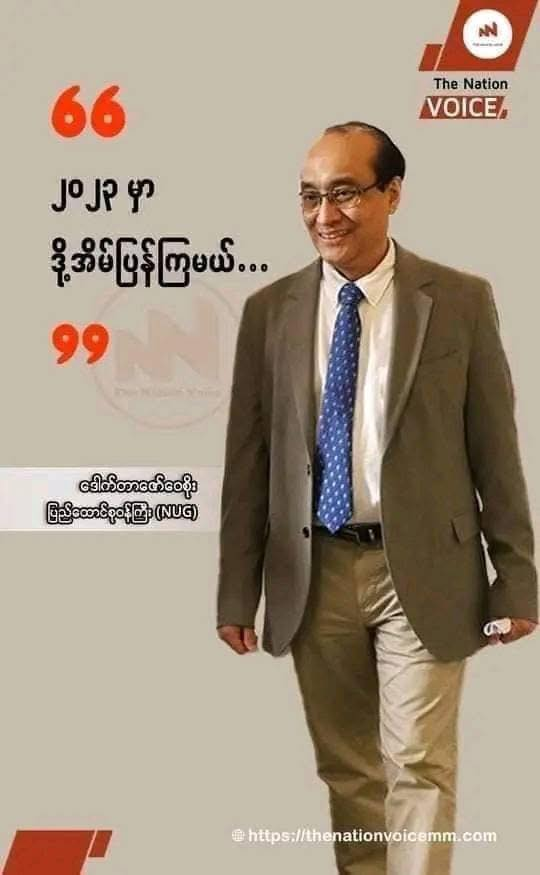
ဥသျှစ်သီးကြွေနေတာ မဟုတ်၊ မြေပြိုနေတာ။
အကောင်းကိုရှာ၏။ အကောင်းကားမရှိတော့။ (ဒဂုဏ်တာရာရဲ့မေ)
ဖွဲ့နွဲ့ပြီးငိုနေတဲ့ အမယ်အိုရဲ့ ငိုချင်းရှည်ကြီးကို ဖတ်လိုက်ရသလိုဖြစ်လို့ စိတ်မကောင်းပါဘူး ကိုကျော်ကိုကို။
ပြောစရာတွေကတော့ ပလောင်မှာရှိရင် ကရင် ကချင်း ချင်းမှာရှိသလို၊ NUGမှာလည်း ရှိမှာပါ။ ဘယ်လိုပဲ ဟိုအကြောင်းပြ ဒီအကြောင်းပြပြောစေကာမူ၊ ရှစ်လေးလုံးလို၊ ဒေါ်အောင်ဆန်းစုကြည်လို နွေဦးကလည်း တခန်းရပ်သွားပါပြီ။
၂၀၁၃မှာပွဲသိမ်းအိမ်ပြန်ပြီဆိုပြီး နွေဦးနွေဦးလို့အော်နေရာကနေ၊ ထင်တိုင်းမဖြစ်လာတော့ ၁၀၂၇ ၁၀၂၇ ပြောင်းအော်ပြီး သူတို့အောင်ပွဲကို ငါတို့အောင်ပွဲလုပ်နေကြတုန်းကလည်း
(၁) လူနည်းစု လူမျိုးစုတွေက သူတို့အကျိုးစီးပွါးကို လူများစုမြန်မာလူမျိုးတွေ မြင်သလို မမြင်ဘူး။
(၂) ၁၀၂၇က တရုတ်ရဲ့ စစ်အုပ်စုအပေါ် ဖိအားပေးဖို့ မီးစိမ်းပြလိုက်တာသာဖြစ်ပြီး တရုတ်ကရပ်ဆိုရင် ရပ်ရမယ်ဆိုတဲ့ နှစ်ချက်ကို ကြုံတိုင်းထောက်ပြခဲ့တယ်။
မည်သို့ပင်ဆိုစေကာမူ ကနေ့မျက်မှောက်နိုင်ငံရေး အခြေအနေက “ဥသျှစ်သီးပြိုကျတာကို ယုန်သူငယ်က မြေပြိုတယ်လို့ ထင်နေတာ မဟုတ်ဘူး။ မြေပြိုနေတာကို ယုန်သူငယ်က ဥသျှစ်သီးကြွေကျတယ်လို့ ထင်နေတာပါ”။
နွေဦးက ရှစ်ပူးလို ရပ်သွားပြီ။ NUGကလည်း ဒေါက်တာစိန်ဝင်းရဲ့ NCGUBလို နားသွားပြီ။
“သွေးကြွေးမှာ ဆွေးနွေးစရာမရှိဘူး”ဆိုသူတွေ မဲဆောက်မှာ ထမင်းဆိုင်ဖွင့်၊ KTVလုပ်ချင်လုပ်၊ အနောက်နိုင်ငံတွေမှာ ဆူရှီလိပ်ချင်လိပ်၊ အွန်လိုင်းစျေးရောင်းချင်ရောင်း၊ ခိုးထားဖွက်ထားတာရှိရင် မီလျှံနာလုပ်၊ အဲဒါမှမဟုတ်လို့ ကိုယ့်ဖာသာကိုယ် တောထဲမှာဆက်တိုက်ချင်ရင်လည်း တောပုန်းကြီးစံဖဲလုပ်ကြ။
စစ်အုပ်စုဒုက္ခပေးတာကို ရင်ကော့ခံနေရတဲ့ပြည်သူတွေကို ကိုယ့်ကြောင့် နှစ်ထပ်ကွမ်းဒုက္ခတွေဖြစ်ပြီး နူရာဝဲဆွဲ လဲရာသူခိုးထောင်း၊ မသာအိမ်မှာ ထမင်းကူစားပေးသလို မလုပ်ကြနဲ့တော့။
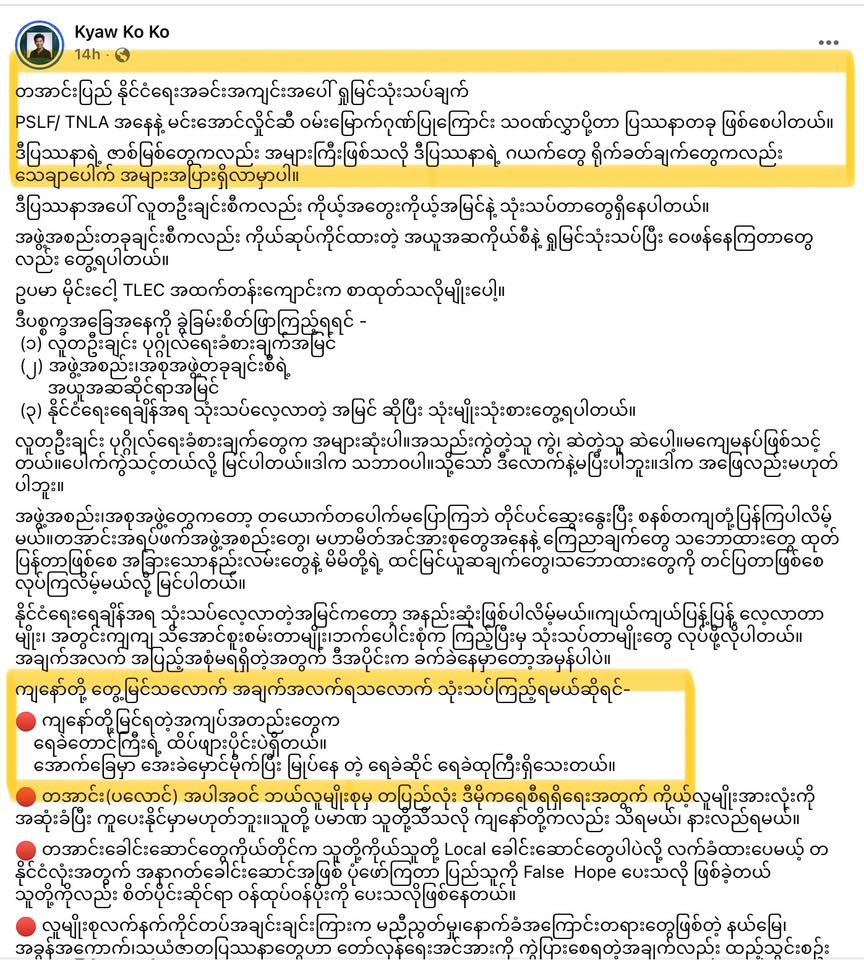
Kyaw Ko Ko
တအာင်းပြည် နိုင်ငံရေးအခင်းအကျင်းအပေါ် ရှုမြင်သုံးသပ်ချက်
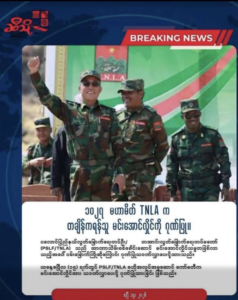
PSLF/ TNLA အနေနဲ့ မင်းအောင်လှိုင်ဆီ ဝမ်းမြောက်ဂုဏ်ပြုကြောင်း သဝဏ်လွှာပို့တာ ပြဿနာတခု ဖြစ်စေပါတယ်။
ဒီပြဿနာရဲ့ ဇာစ်မြစ်တွေကလည်း အများကြီးဖြစ်သလို ဒီပြဿနာရဲ့ ဂယက်တွေ ရိုက်ခတ်ချက်တွေကလည်း သေချာပေါက် အများအပြားရှိလာမှာပါ။
ဒီပြဿနာအပေါ် လူတဦးချင်းစီကလည်း ကိုယ့်အတွေးကိုယ့်အမြင်နဲ့ သုံးသပ်တာတွေရှိနေပါတယ်။
အဖွဲ့အစည်းတခုချင်းစီကလည်း ကိုယ်ဆုပ်ကိုင်ထားတဲ့ အယူအဆကိုယ်စီနဲ့ ရှုမြင်သုံးသပ်ပြီး ဝေဖန်နေကြတာတွေလည်း တွေ့ရပါတယ်။
ဥပမာ မိုင်းငေါ့ TLEC အထက်တန်းကျောင်းက စာထုတ်သလိုမျိုးပေါ့။
ဒီပစ္စက္ခအခြေအနေကို ခွဲခြမ်းစိတ်ဖြာကြည့်ရရင် –
(၁) လူတဦးချင်း ပုဂ္ဂိုလ်ရေးခံစားချက်အမြင်
(၂) အဖွဲ့အစည်း၊အစုအဖွဲ့တခုချင်းစီရဲ့
အယူအဆဆိုင်ရာအမြင်
(၃) နိုင်ငံရေးရေချိန်အရ သုံးသပ်လေ့လာတဲ့ အမြင် ဆိုပြီး သုံးမျိုးသုံးစားတွေ့ရပါတယ်။
လူတဦးချင်း ပုဂ္ဂိုလ်ရေးခံစားချက်တွေက အများဆုံးပါ။အသည်းကွဲတဲ့သူ ကွဲ၊ ဆဲတဲ့သူ ဆဲပေါ့။မကျေမနပ်ဖြစ်သင့်တယ်။ပေါက်ကွဲသင့်တယ်လို့ မြင်ပါတယ်။ဒါက သဘာဝပါ။သို့သော် ဒီလောက်နဲ့မပြီးပါဘူး။ဒါက အဖြေလည်းမဟုတ်ပါဘူး။
အဖွဲ့အစည်း၊အစုအဖွဲ့တွေကတော့ တယောက်တပေါက်မပြောကြဘဲ တိုင်ပင်ဆွေးနွေးပြီး စနစ်တကျတုံ့ပြန်ကြပါလိမ့်မယ်။တအာင်းအရပ်ဖက်အဖွဲ့အစည်းတွေ၊ မဟာမိတ်အင်အားစုတွေအနေနဲ့ ကြေညာချက်တွေ သဘောထားတွေ ထုတ်ပြန်တာဖြစ်စေ အခြားသောနည်းလမ်းတွေနဲ့ မိမိတို့ရဲ့ ထင်မြင်ယူဆချက်တွေ၊သဘောထားတွေကို တင်ပြတာဖြစ်စေ လုပ်ကြလိမ့်မယ်လို့ မြင်ပါတယ်။
နိုင်ငံရေးရေချိန်အရ သုံးသပ်လေ့လာတဲ့အမြင်ကတော့ အနည်းဆုံးဖြစ်ပါလိမ့်မယ်။ကျယ်ကျယ်ပြန့်ပြန့် လေ့လာတာမျိုး၊ အတွင်းကျကျ သိအောင်စူးစမ်းတာမျိုး၊ဘက်ပေါင်းစုံက ကြည့်ပြီးမှ သုံးသပ်တာမျိုးတွေ လုပ်ဖို့လိုပါတယ်။အချက်အလက် အပြည့်အစုံမရရှိတဲ့အတွက် ဒီအပိုင်းက ခက်ခဲနေမှာတော့အမှန်ပါပဲ။
ကျနော်တို့ တွေ့မြင်သလောက် အချက်အလက်ရသလောက် သုံးသပ်ကြည့်ရမယ်ဆိုရင်-
 ကျနော်တို့မြင်ရတဲ့အကျပ်အတည်းတွေက
ရေခဲတောင်ကြီးရဲ့ ထိပ်ဖျားပိုင်းပဲရှိတယ်။
အောက်ခြေမှာ အေးခဲမှောင်မိုက်ပြီး မြုပ်နေ တဲ့ ရေခဲဆိုင် ရေခဲထုကြီးရှိသေးတယ်။
တအာင်း(ပလောင်) အပါအဝင် ဘယ်လူမျိုးစုမှ တပြည်လုံး ဒီမိုကရေစီရရှိရေးအတွက် ကိုယ့်လူမျိုးအားလုံးကို အဆုံးခံပြီး ကူပေးနိုင်မှာမဟုတ်ဘူး။သူတို့ ပမာဏ သူတို့သိသလို ကျနော်တို့ကလည်း သိရမယ်၊ နားလည်ရမယ်။
တအာင်းခေါင်းဆောင်တွေကိုယ်တိုင်က သူတို့ကိုယ်သူတို့ Local ခေါင််းဆောင်တွေပါပဲလို့ လက်ခံထားပေမယ့် တနိုင်ငံလုံးအတွက် အနာဂတ်ခေါင်းဆောင်အဖြစ် ပုံဖော်ကြတာ ပြည်သူကို False Hope ပေးသလို ဖြစ်ခဲ့တယ်
သူတို့ကိုလည်း စိတ်ပိုင်းဆိုင်ရာ ဝန်ထုပ်ဝန်ပိုးကို ပေးသလိုဖြစ်နေတယ်။
လူမျိုးစုလက်နက်ကိုင်တပ်အချင်းချင်းကြားက မညီညွတ်မှု၊နောက်ခံအကြောင်းတရားတွေဖြစ်တဲ့ နယ်မြေ၊အခွန်အကောက်၊သယံဇာတပြဿနာတွေဟာ တော်လှန်ရေးအင်အားကို ကွဲပြားစေရတဲ့အချက်လည်း ထည့်သွင်းစဥ်းစားစရာဖြစ်နေတယ်။
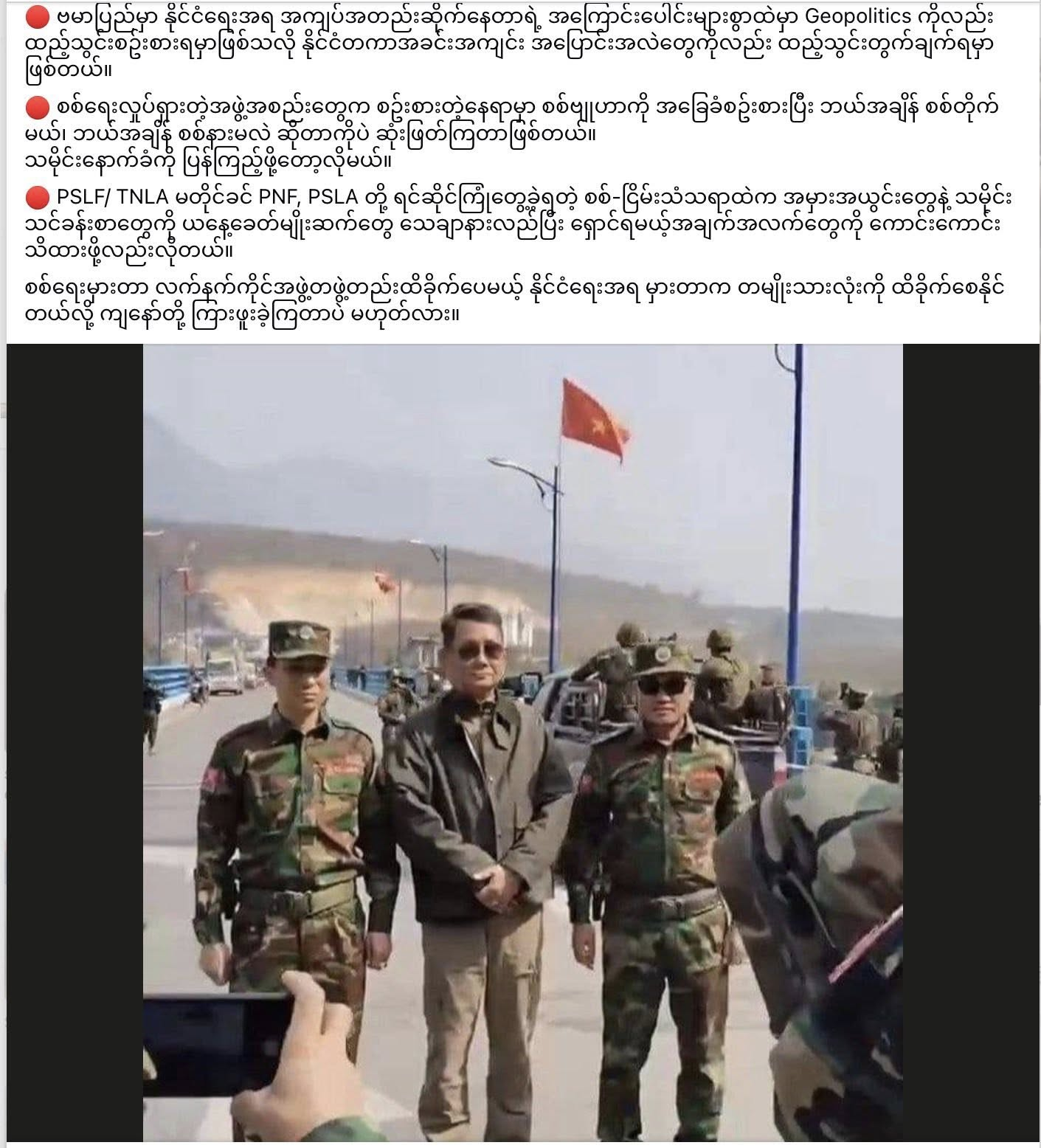
ဗမာပြည်မှာ နိုင်ငံရေးအရ အကျပ်အတည်းဆိုက်နေတာရဲ့ အကြောင်းပေါင်းများစွာထဲမှာ Geopolitics ကိုလည်း ထည့်သွင်းစဥ်းစားရမှာဖြစ်သလို နိုင်ငံတကာအခင်းအကျင်း အပြောင်းအလဲတွေကိုလည်း ထည့်သွင်းတွက်ချက်ရမှာဖြစ်တယ်။
စစ်ရေးလှုပ်ရှားတဲ့အဖွဲ့အစည်းတွေက စဥ်းစားတဲ့နေရာမှာ စစ်ဗျုဟာကို အခြေခံစဥ်းစားပြီး ဘယ်အချိန် စစ်တိုက်မယ်၊ ဘယ်အချိန် စစ်နားမလဲ ဆိုတာကိုပဲ ဆုံးဖြတ်ကြတာဖြစ်တယ်။
သမိုင်းနောက်ခံကို ပြန်ကြည့်ဖို့တော့လိုမယ်။
PSLF/ TNLA မတိုင်ခင် PNF, PSLA တို့ ရင်ဆိုင်ကြုံတွေ့ခဲ့ရတဲ့ စစ်-ငြိမ်းသံသရာထဲက အမှားအယွင်းတွေနဲ့ သမိုင်းသင်ခန်းစာတွေကို ယနေ့ခေတ်မျိုးဆက်တွေ သေချာနားလည်ပြီး ရှောင်ရမယ့်အချက်အလက်တွေကို ကောင်းကောင်းသိထားဖို့လည်းလိုတယ်။
စစ်ရေးမှားတာ လက်နက်ကိုင်အဖွဲ့တဖွဲ့တည်းထိခိုက်ပေမယ့် နိုင်ငံရေးအရ မှားတာက တမျိုးသားလုံးကို ထိခိုက်စေနိုင်တယ်လို့ ကျနော်တို့ ကြားဖူးခဲ့ကြတာပဲ မဟုတ်လား။