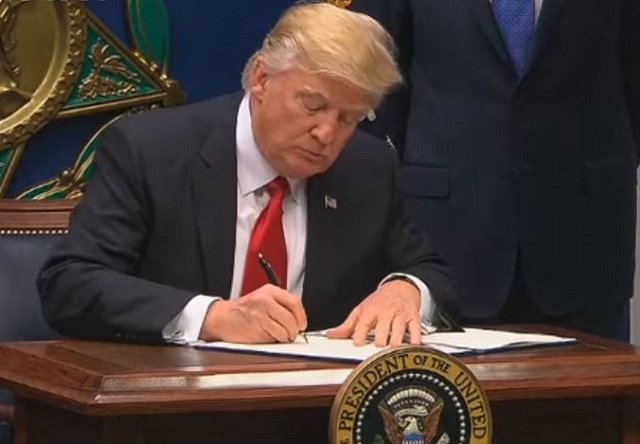
Washington D.C. – June 5, 2025 – In a significant move impacting global travel, President Donald Trump signed a new proclamation on June 4, enacting a travel ban that will soon bar entry to the U.S. for both immigrants and non-immigrants from 12 countries. Additionally, seven more nations will face new restrictions and limitations on entry.
The full details of this updated travel policy, including which countries are affected and the specific reasons cited by the administration, are now emerging. The proclamation makes clear that these new restrictions apply to both those seeking permanent residency (immigrants) and those on temporary visas (non-immigrants).
The 12 Countries Facing Full U.S. Entry Bans
President Trump’s proclamation outlines a complete restriction on the entry of nationals from these 12 countries. The reasons provided for each nation generally highlight concerns related to security, government cooperation, and visa overstay rates.
- Afghanistan:
- Controlled by the Taliban, a designated global terrorist group.1
- Lacks a reliable central authority for official documents or adequate security vetting.
- Demonstrated high visa overstay rates: 9.70% for business/tourist visas and 29.30% for student/exchange visitor visas (Fiscal Year 2023).2
- Burma (Myanmar):
- Significant visa overstay rates: 27.07% for business/tourist visas and 42.17% for student/exchange visitor visas.
- Has historically refused to cooperate with the U.S. in accepting back its citizens subject to removal.
- Chad:
- Exhibits extremely high visa overstay rates: 49.54% for business/tourist visas and 55.64% for student/exchange visitor visas (Fiscal Year 2023). A previous report (FY2022) also showed a 37.12% overstay rate for B-1/B-2 visas. The administration views these rates as an “unacceptable” disregard for U.S. immigration laws.
- Republic of the Congo:
- Reported visa overstay rates of 29.63% for business/tourist visas and 35.14% for student/exchange visitor visas.
- Equatorial Guinea:
- Notable visa overstay rates: 21.98% for business/tourist visas and a particularly high 70.18% for student/exchange visitor visas.
- Eritrea:
- Concerns exist regarding the reliability of its central authority for issuing official documents.
- Criminal records for Eritrean nationals are not accessible to the U.S.
- Has consistently refused to accept back its citizens subject to removal.
- Visa overstay rates are 20.09% for business/tourist visas and 55.43% for student/exchange visitor visas.
- Haiti:
- Reported visa overstay rates of 31.38% for business/tourist visas and 25.05% for student/exchange visitor visas.
- The proclamation highlights a large influx of “illegal Haitian aliens” during the Biden Administration, citing concerns about increased overstay rates, criminal networks, and national security threats.3
- Haiti is noted for lacking a central authority capable of providing necessary law enforcement information.4
- Iran:
- Identified as a state sponsor of terrorism.
- Regularly fails to cooperate with the U.S. government on security risk identification.
- A significant source of global terrorism and has historically refused to accept back its removable nationals.5
- Libya:
- Lacks a competent or cooperative central authority for issuing official documents.
- A historical terrorist presence within its borders is cited as amplifying security risks.
- Somalia:
- Absence of a competent or cooperative central authority for official documents and inadequate screening measures.
- Its government lacks effective control over its territory, hindering national capabilities.
- A persistent terrorist threat emanates from its territory, identified by the U.S. as a terrorist safe haven.
- Terrorists use regions of Somalia to plan and conduct operations.
- Somalia is also a destination for individuals joining terrorist groups.
- Has historically refused to accept back its removable nationals.
- Sudan:
- Lacks a competent or cooperative central authority for official documents and appropriate screening measures.6
- Visa overstay rates are 26.30% for business/tourist visas and 28.40% for student/exchange visitor visas.
- Yemen:
- Lacks a competent or cooperative central authority for official documents and appropriate screening measures.7
- Its government does not have physical control over its own territory.
- Has been the site of active U.S. military operations since January 20, 2025.
The specific restrictions and limitations placed on the remaining seven countries have not yet been fully detailed in this release, but further information is expected to be announced as the ban goes into effect.
What are your thoughts on this latest travel ban, and how do you anticipate it might impact international relations or specific communities?