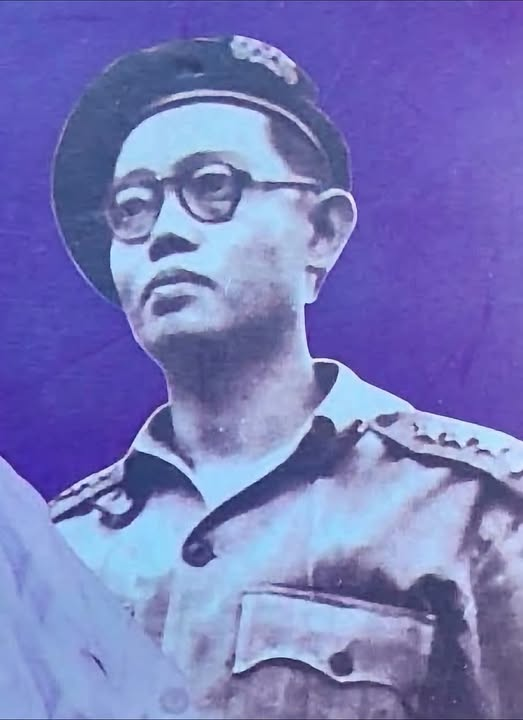
Eliminating Hate Speech Is a Necessary Step Toward National Liberation
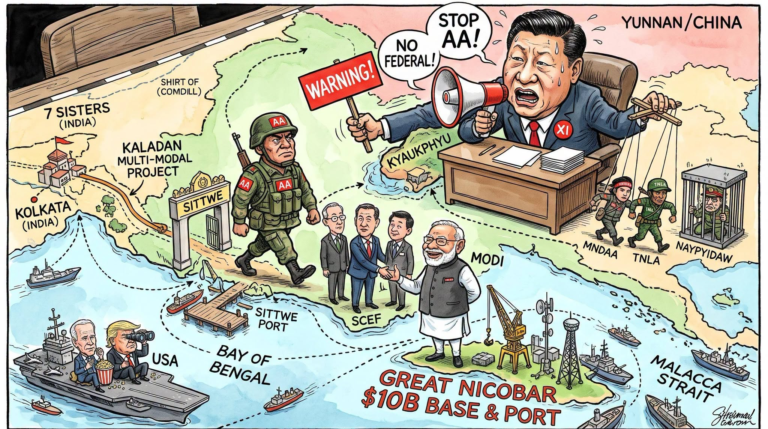
Myanmar’s modern political history offers repeated lessons about the dangers of fear-based nationalism and xenophobia. Writer Myat Maw argues that one of the earliest and most influential architects of this mindset was Major General Maung Maung, whose strategic thinking convinced General Ne Win that China represented Myanmar’s greatest external threat.
According to this perspective, fear of Chinese expansion shaped many of Ne Win’s policies. Industrial projects were established with Japanese loans, arms factories were built with West German assistance, and military recruitment increasingly drew from poorer communities in regions such as Rakhine, Chin State, and the Pakokku area. The stated objective was to strengthen national defenses against a perceived Chinese threat.
However, Myat Maw contends that the results fell far short of expectations.
Myanmar accumulated heavy foreign debt, while relations with China deteriorated significantly. Following the 1967 anti-Chinese riots and the collapse of Sino-Burmese relations, Beijing expanded its support for the Communist Party of Burma (CPB), helping establish and strengthen communist forces along the northeastern frontier. Historical studies note that the 1967 riots marked a major turning point in Sino-Myanmar relations and contributed to increased Chinese backing for insurgent groups. [myanmarmuslim.news]
Ironically, despite decades of anti-Chinese policies, Myanmar’s military eventually became heavily dependent upon China after the collapse of the Burma Communist Party in 1989 and the emergence of China-linked ethnic armed organizations along the border.
The author therefore argues that Myanmar achieved the opposite of what anti-Chinese nationalism had intended. In his view, excessive fear of China ultimately increased China’s influence rather than reducing it.
U Nu’s Alternative Vision
Myat Maw contrasts this development with the approach of Prime Minister U Nu, who advocated peaceful coexistence with neighboring countries and communities, including both Chinese and Indian populations.
He suggests that had Myanmar continued pursuing engagement rather than hostility, the country might have avoided falling into long-term dependence on any major external power.
Whether or not one agrees with this conclusion, the broader message is clear: policies built upon fear often create the very outcomes they seek to prevent.
From Sinophobia to Islamophobia
The author then draws a contemporary parallel.
He warns that the same mentality that once exaggerated fears of China now appears in anti-Muslim and anti-Rohingya narratives. According to Myat Maw, excessive fear of one minority community can generate broader social instability and manipulation by political actors.
This observation echoes arguments made in several recent analyses, which contend that both Sinophobia and Islamophobia have frequently been utilized as political tools in Myanmar. These studies argue that anti-Chinese sentiment and anti-Muslim campaigns have often served as distractions from deeper political, economic, and governance problems. [myanmarmuslim.news], [myanmarmuslim.news], [myanmarmuslim.news]
One article describes xenophobia as a recurring instrument of statecraft, noting that anti-Chinese agitation in 1967, anti-Muslim propaganda during later decades, and more recent nationalist campaigns all followed a similar pattern: fear of “outsiders” was mobilized to consolidate political support and redirect public frustration. [myanmarmuslim.news]
Learning the Wrong Lessons from Israel
Myat Maw also challenges a common argument used by some Myanmar nationalists: that Israel’s experience demonstrates the effectiveness of permanent confrontation against neighboring peoples.
He argues instead that Israel’s survival has depended not only on military capability but also on extensive international alliances, economic strength, technological development, and diplomatic support.
Myanmar, by contrast, remains a developing country with far fewer economic and geopolitical resources.
According to the author, this reality demands pragmatism rather than ideological hostility toward neighboring communities.
The Kokang Question and Historical Memory
In later comments, Myat Maw discusses the Kokang issue.
He argues that the Kokang region has a unique historical relationship with China and that present conflicts cannot be understood solely through simplistic narratives of Chinese expansionism.
He also claims that anti-Chinese policies pursued during the Ne Win era weakened Myanmar’s strategic position by provoking Beijing and driving China toward supporting insurgent forces along the border.
The historical record confirms that after the 1967 anti-Chinese violence, relations deteriorated dramatically and Chinese support for the Communist Party of Burma expanded. [myanmarmuslim.news]
A Broader Warning Against Hate Politics
The central theme running throughout Myat Maw’s writings is that hatred rarely produces security.
He argues that fear of Chinese people did not strengthen Myanmar. Likewise, hatred toward Muslims, Rohingya, Indians, or any other minority will not solve the country’s political and economic crises.
This argument closely resembles warnings made by anti-racism advocates and researchers who have documented recurring waves of anti-Muslim propaganda in Myanmar. Studies cited by Dr. Abdul Rahman Zafrudin describe how religious and ethnic fears were repeatedly amplified through pamphlets, rumors, and political campaigns, particularly during periods of national crisis. These campaigns often portrayed minorities as existential threats while diverting attention from governance failures and economic hardship. [drkokogyi….dpress.com]
Similarly, recent analyses have argued that both Sinophobia and Islamophobia risk trapping Myanmar in a cycle of division, benefiting political actors while harming national unity and long-term development. [myanmarmuslim.news], [myanmarmuslim.news]
Conclusion
Myat Maw’s ultimate message is not primarily about China, the Kokang, or Muslims. It is about the danger of allowing fear and prejudice to shape national policy.
Myanmar’s modern history repeatedly demonstrates that xenophobia can be politically useful in the short term but strategically destructive in the long term. From the anti-Chinese riots of 1967 to later anti-Muslim campaigns, ethnic and religious scapegoating has often deepened conflict rather than resolved it. [myanmarmuslim.news], [myanmarmuslim.news], [drkokogyi….dpress.com]
The lesson, he suggests, is that educated citizens should challenge and report hate speech regardless of its target. A country cannot build genuine independence, democracy, or prosperity while remaining captive to fear, prejudice, and manufactured enemies.
My posts are presented here as references:
1/ Weaponized Xenophobia: Myanmar’s Military Playing Between Sinophobia and Islamophobia
@ https://myanmarmuslim.news/en/2026/07/11/weaponized-xenophobia-myanmars-military-between-sinophobia-and-islamophobia/
2/ The Complex Dynamics of Sinophobia and Islamophobia in Myanmar @ https://myanmarmuslim.news/en/2026/06/20/the-complex-dynamics-of-sinophobia-and-islamophobia-in-myanmar/
3/ Sinophobia and Islamophobia: Repeatedly Weaponized by Ma Ba Tha and the Military @ https://myanmarmuslim.news/en/2026/05/05/sinophobia-and-islamophobia-repeatedly-weaponized-by-ma-ba-tha-and-the-military/
4/ Many Bamas are swallowing the hook, line, and sinker @ https://drkokogyi.wordpress.com/2012/04/23/many-bamas-are-swallowing-the-hook-line-and-sinker/
ဗိုလ်ချုပ်မောင်မောင် သို့မဟုတ် မြန်မာပြည်အမုန်းစကားလောက၏ ပထမဆုံးဖခင်
အမုန်းစကား ပပျောက် မှ တိုင်းပြည် ကျွန်ဘဝ မှ လွတ်မြောက်မည်။
တချိန်က ဗိုလ်ချုပ်မောင်မောင် ၏ တရုတ်သည် မြန်မာပြည် ကို ကျူးကျော်နိုင်တဲ့ တခုထဲသော ရန်သူ ဆိုတဲ့ အမုန်း အတွေးအခေါ် ကို ဦးနေဝင်း က အဟုတ် မှတ်ပြီး ဧရာ မြစ် အနောက်ဖက် ကမ်းမှာ
ဂျပန်ချေးငွေ ဂျင်းတွေ နဲ့ စက်ရုံတွေ ဆောက်၊
အနောက်ဂျာမဏိ က အင်ထည့်တဲ့ လက်နက် စက်ရုံတွေ ဆောက်
ရခိုင်တွေ ၊ ချင်းတွေ နှင့် ပခုက္ကူဘက်က ဆင်းရဲသားတွေကို စစ်တပ်ထဲ ဦးစားပေး ထည့်
ပြီး တရုတ် ကာကွယ်ရေး ကိုာစွမ်းစွမ်းတမံ ဆောင်ရွက်ခဲ့တယ်။
ဒါပေမယ့် ရလာဒ် အနေဖြင့်
ဂျပန် နှင့် ဂျာမဏီ ချေးငွေ တွေ တင်ပြီး တိုင်းပြည်ကြွေးနစ်သွားတယ်။
ဗကပ အရှေ့မြောက် ဒေသ ဆိုတာကြီး ၁၉၆၈ မှာ ပေါ်လာတယ်။
( Mading Labung) ၏ ထောက်ပြချက်ကြောင့် ၂၅.၁.၂၂ ရက်နေ့တွင် ရက်စွဲအား ၁၉၆၆ မှာ ၁၉၆၈သို့ပြင်လိုက်ပါတယ်။ တရုတ်ဗမာအရေးအခင်းက ၁၉၆၇ မှာ ဖြစ်ခဲ့ပါတယ်။ ဒါကြောင့် တရုတ်က မြန်မာ့အရေးကို ပေါ်တင်ဝင်စွပ်ဖက်တာဟာ တရုတ်-ဗမာ အရေးအခင်းကြီးပြီးမှ ဖြစ်ပါတယ်)
နောက်ဆုံး သူ့စစ်တပ် လည်း ၁၉၈၉မှာ တရုတ်သြဇာခံ ပြန်ဖြစ်သွားတယ်။
အကယ်၍ ဦးနု ပြောတဲ့ တရုတ်နှင့် လည်းကောင်း၊ ကုလားနှင့် သော်လည်းကောင်း ငြိမ်းချမ်းစွာ အတူနေထိုင်ရေး မူ ကို သာ မြန်မာပြည် ဆက်လက်ဆွဲကိုင်ခဲ့မယ် ဆိုရင် မြန်မာပြည် သည် တရုတ် သြဇာခံ ဖြစ်မည် မဟုတ်။
သို့သော် တရုတ် သည် မြန်မာပြည်ကို ကျူးကျော်နိုင်တဲ့ တခုထဲသော ရန်သူ ဖြစ်တယ် ဆိုတဲ့ ဗိုလ်မှူးချုပ်မောင်မောင် ၏ ဂျင်း အမုန်း အတွေးအခေါ်ကို ယုံမိခဲ့တဲ့ အခါ မှာ မြန်မာပြည်သည် တရုတ် က သေနတ် တချက် မှ မဖောက်ရပဲ သိမ်းပိုက်ခြင်း ခံရသော တရုတ်ကျွန် နိုင်ငံ
တကယ်ဖြစ်ခဲ့ရတယ်။
ထို သင်ခန်းစာကို ယူမယ် ဆိုရင်
ယနေ့ ဘင်္ဂလီ အရေးအခင်း မှာလည်း ဘင်္ဂလီကို အကြောက်လွန်ရာ မှ တဆင့် မူဆလင် နှင့် အာရပ် အုပ်စု၏ သြဇာခံ တနေ့ မဖြစ်သွားဖူး မပြောနိုင်ပါ။
ထိုကဲ့သို့ မဖြစ်ရင်တောင်မှ မူဆလင်အုပ်စု နှင့် တရုတ် နယ်မြေလုတဲ့ ယနေ့ မြန်မာပြည် အဖြစ် က ဘယ်တော့မှ လွတ်မြောက်နိုင်လိမ့်မည် မဟုတ်ပါ။
ဒါကြောင့် မြန်မာတွေ အရင်ဆုံးလုပ်ရမှာ က အကြောက်လွန် အတွေးအခေါ် ၊ အမုန်းလွန် အတွေးအခေါ်တွေကို ရပ်သင့်ပါတယ်။
ဥပမာ မြန်မာပြည်မှာ လူဗြိန်းကြိုက်တဲ့ ပုံပြင် တစ်ခုအဖြစ် ရေပန်းစားနေတဲ့
အစ္စရေး ဟာ အာရပ်တိုင်းပြည်တွေ ကြားမှာ နေနိုင်တယ် ဆိုတာ ရဲ့ နောက်ကွယ် မှာ ဂျူးလူမျိုး တွေ ဟာ အနောက်နိင်ငံ တွေ အတော်ချမ်းသာကြတယ်။ ဒီတော့ သူတို့၏ စီးပွားရေးသြဇာ ကို အသုံးပြုပြီး အနောက်နိုင်ငံတွေ၏ နိုင်ငံရေး သမားတွေကို လွှမ်းမိုးအောင် လုပ်ထားနိုင်တယ်။
ဒါကြောင့် အာရပ် အစ္စရေး စစ်ပွဲ ဖြစ်တိုင်းအနောက်တိုင်း က အစ္စရေး ဘက်မှ ကူညီးပေးကြတယ်။ ဒါကြောင့် အစ္စရေး သည် နိုင်ငံသေးပေမယ့် အာရပ်တွေကြား မှာ ဂုဏ်သရေရှိရှိ ရပ်တည် နိုင်တယ် ဟု ဆိုနိုင်ပါတယ်။
မြန်မာပြည်လိုတိုင်းပြည် မျိုးကျတော့ အနောက်တိုင်းနိုင်ငံရေးသမားတွေ အပေါ် သြဇာလွှမ်းတဲ့ ဗမာလူမျိုး ချမ်းသာတဲ့ သူဌေးဘယ် နှစ်ယောက်ရှိသလဲ။ အမေရိကန် မှာနေတဲ့ မြန်မာ လူမျိုးတွေ က အမေရိကန်အစိုးရ ကို အခွန်ဆောင်တဲ့ ငွေ သည် အမေရိကန် ဂျူး သူဌေးတွေ ဆောင်တာ တွေ နှင့် ယှဉ်နိုင်ပြီလား။
လကိတွေ့မှာတော့ ကျွန်တော် တို့ မြန်မာပြည်သည် ကိုယ့်တိုင်းပြည်နားက တရုတ် နှင့် ယှဉ်ရင် အများကြီး ဆငိးရဲသလို မူဆလင် အာရပ ကမ္ဘာ လောက်တောင် မချမ်းသာသေးပါ။
အဲတော့ တရုတ်မုန်း ကလားမုန်း ဂျင်းတွေ ကထွက်ပြီး အမိမြန်မာပြည်၏ ပကတိ အခြေအနေမှန်ကို သုံးသပ်ပြီး လက်တွေ့ ကျသော အတွေးအခေါ် တွေ ကိုပြည်သူတွေ သိအောင် မြန်မာပညာတတ်တွေ က ဦးဆောင်ချပြသင့်တယ် ထင်ပါတယ်။
ဒါမှ မဟုတ် ပညာတတ်တွေကိုယ်တိုင်က ယေဘူယျ မကျသော အမုန်းတရားတွေကို ရေးသားနေမယ် ဖြနိ့ဝေနေမယ် ဆိုရင် ဒီတိုင်းပြည်ဟာ တရုတ်ကျွန် ဘဝ က လွတ်မယ်မထင်။ ထို့အတူ မူဆလင်ကျွန်ဘဝလည်း အချိန်မရွေးရောက်သွားပါလိမ့်မယ်။
ဒီတော့ ကျွန်တော် တို့ အနေဖြင့် မိမိကိုယ် ပညာတတ်ဟု ခံယူလျှင် အမုန်းတရား တွေ အခြေခံရေးသား နေတဲ့ မည်သည့် post ကို မဆို reportထုခြင်း အားဖြင့် မိမိတိုင်းပြည် ကို ကျွန်ဘဝ မှ လွတ်မြောက်ရန် ထွက်ပေါက် တစ်ခု ကို ရှာဖွေကြပါစို့။
မြတ်မော်
၂၃. ၁. ၁၉
ကိုးကန့် က နယ်ချဲ့ တာက သူတို့ နယ်မြေ သူတို့ ပြန်ယူတာဖြစ်တယ်။ ကိုယ်တို့အဖိုးတိုွ ပင်လုံစာချုပ်ချုပ်ဆိုစဥ်မှာ တရုတ်ဟောင်ကောင်ချန်ကေရှိတ်တပ်တွက ကိုးကန့်မှာရှိတာဖြစ်၍ ဝငိတောင်ဝင်၍ မရခဲ့ပါ။ ကျွန်တော်တို့ အဖိုးတို့ ဦးနု နဲ့ အတူတူ လွတ်လပ်ရေးတွဲယူပြီးတာတောင် ချန်ကေရှိတ်တပ်တွေက ရှိနေတုံးဖြစ်တယ်။ ဒါကြောင့် တရုတ်ပြည်မှာ မော်စီတုံးအန်ိုင်မှာ ဦးနုက လက်ဦးမှုရယူပြီး မော်စီတုံးတို့နဲ့ သခင်သိန်းဖေ တိုွကနေ တဆင့်ချိတ်ဆက်ပြီး ,တရုတ်PLA တပ်နဲ့ ချန်ကေရှိတ်တပ်ကို ဝငိဗျင်းလိုက်မှ ကိုးကန့်မြေဟာ မြန်မာပြည်ထဲပါဝင်လာတယ်။ ဒါပေမယ့် နေဝင်းလက်ထက်မှာ တိုင်းပြည်ထမင်းကတ်၍ ဆန်လုပွဲတွေ ဖြစ်တာကနေ တဆင့် နေဝင်းက နိုင်ငံရေးထွက်ပေါက်အဖြစ် တရုတ်ဆန့်ကျင်ရေးတွေ လုပ်တာကြောင့် တရုတ်က စိတ်ဆိုးပြှး ဗကပ ကိုလက်နက်တပိဆင်ပေးလိုက်၍ ကိုးကန့်မြေက ပြန်ပါသွားတယ်။
လက်ရှိ အနေအထားမှာ ကိုးကန့် က ပြဿနာဖြစ်တော။ ဒါပေမယ့် စစ်တပ်လော်ဘီတွေပြောသလို တရုတ်က ရှမ်းပြည် ကို လိုချငိ၍ ကိုးကန့်ကို ရှေ့တန်းတင်တယ်။ နယ်ချဲ့တယ် ဆိုပြီး သတင်းတွေတက်နေတယ်။ ထိုသတင်းတွေ သာ အမှန်ဆိုရင် ကျွန်တော်တ်ု့ရှမ်းတွေက တဦးချင်း GDP 15000 usd လောက်ရှိတဲ့ တရုတ်ကို တပည့်ခံမလား၊ တဦးချင်းဝင်ငွေ ၁၅၀၀ gdp လောက်သာရှိပြိဩ အင်မတန်ဆင်းရဲတဲ့ မြန်မာကို တပည့်ခံမလားဆိုတာစဥ်းစားစရာဖြစ်လာပြီ။ ဒါကြောင့် စစ်လော်ဘီတွေ ပြောသလို တရုတ်ကျးကျော်စစ် ဆိုရင် ကျွန်တော်တို့ရှမ်းပြည်သားတွေက ယခုလည်းတရုတ်မှာ အလုပ်လုပ်နေရတာဖြစ်၍ ပိုပြီး ချမ်းသာသွားမယ်။ ပိူကောင်းသွားမှာဖြစ်၍ တရုတ်ကျူးကျော်ရင် အားလုံးကြိုဆိုရမယ်။
ဒါမှ မဟုတ် ကိုယ့်ပြည်တွင်းက ကိုယ်နဲ့ ထူးမခြား ကိုးကန့်ငမွဲတွေက ရှမ်းမြေကို ကျူးကျော်ဖို့လုပ်တယ်ဆိုရင်တော့ ,SSPP ကနေ တဆင့်ဟန့်တားရမယ်။ ကျွန်တော်ကိုးကန့်မြေကို သွားပြီးမှ ထိုကိစ္စကို ကြည့်ရမယ်။ တရုတ်ကျူးကျော်စစ် စစ်စစ်ဆိူရင်ဗမာ စစ်တပ်လည်း ပြေးပြီဆိုတော့ ရှမ်းတွေ အတွက် သတင်းကောင်းပေါ့။
ငါတိုွကတော့ ငါတို့ရှမ်းပြည်ကို ၁၉၆၂ မှာ ကျူးကျော်ပြီး ငါတို့ရှမ်းပြည်ကို အမြတ်ထုတ်သွားတဲ့ မြန်မာစစ်တပ်လက်ချက်ကြောင့်ဟု ပိုထင်တယ်။ ငါတို့အဖိုးတို့ အုပ်ချုပ်စဥိ ငါတို့ရှမိးပြည်က အလုပ်ကြမ်းတွေကို အိမ်နီးချင်းထိုင်းနဲ့ တရုတ်က အလုပ်သမားတွေက လာလူပ်ကြတယ်။ စစ်တပ်က ၁၉၆၂ မှာ ရှမ်းပြည်ကို ကျူးကျော်၍ ဂုတ်သွေးစုတ်လိုက်တာ ငါတို့ ရှမ်းတွေ က တချိနွက ကိုယ့်ဆီလာပြိး အလုပ်လုပ်ရတဲ့ တရုတ်တွေ ထိုင်းတွေ နေတဲွ နိုင်ငံတွေ မှာ ပြန်အလုပ်လုပ်ရတယ်။ အကယ်၍ ၁၉၆၂ မှာ မြန်မာစစ်တပ်သာရှမ်းပြည်ကို မကျူးကျော်ခဲ့ရင် ငါတို့ရှမ်းတွေက ဟောင်ကောင်၊ စင်္ကာပူ နိုင်ငံက လူတွေလို လေယာဥ်စင်းလုံးငှားပြိး ကမ္ဘာပတ်နေလောက်ပြီ