From “Taingyintha” to Equal Citizenship
MMNN Editorial Note
A recent discussion by Phyo Win Latt, based on the Burmese-language essay by “Ahtoung” on the meaning and political consequences of the term “Taingyintha” (တိုင်းရင်းသား), raises a question that goes much deeper than translation.
Should Taingyintha simply be translated as “ethnic” or “ethnic nationality”?
Or should Myanmar society ask a more fundamental question:
Who belongs to Myanmar, and on what basis should people enjoy equal rights?
This distinction matters because, in Myanmar’s history, terminology has sometimes carried consequences far beyond language.
More than two categories of people
Myanmar’s population cannot realistically be understood through only two boxes:
1. Myanmar/Bamar
2. Taingyintha / ethnic nationalities
There are many other categories and lived experiences.
They include citizens belonging to ethnic nationalities other than Bamar; ordinary citizens who do not identify through an ethnic-nationality framework; Muslim citizens, including people of mixed ancestry; people whose citizenship has been questioned, restricted or deprived; people whose citizenship applications have remained unresolved; Rohingya who have experienced different forms of documentation and restriction; internally displaced people; refugees; and members of the Myanmar diaspora who have left voluntarily or under pressure.
These categories overlap. A person’s ethnicity, religion, citizenship, ancestry, birthplace and political status are not necessarily the same thing.
That is one reason why the debate over Taingyintha cannot be separated from the broader question of citizenship.
When identity becomes a political gatekeeper
The Burmese term Taingyintha has a meaning and history that cannot simply be equated with the everyday English word “ethnic.”
Scholars have documented how taingyintha, commonly translated as “national races” or “ethnic nationalities,” acquired increasing political and legal significance in Myanmar. Nick Cheesman has shown how the concept became intertwined with the question of who belongs to the political community and, particularly, with the exclusion of Rohingya.
Later citizenship arrangements reinforced this connection.
The 1982 Citizenship Law established different citizenship categories and made membership in recognised taingyintha particularly important for citizenship by birth. Subsequent scholarship has described Myanmar’s citizenship system as highly stratified, with citizenship for many people outside the recognised national-race framework becoming conditional, scrutinised or deferred.
Thus, the issue is not merely:
“What does ethnic mean?”
It is also:
“What happens to a human being when ethnic classification becomes connected to citizenship, political rights and belonging?”
A Muslim can also be Bamar, Kaman, Rakhine, Shan, Kachin or another identity
Another important lesson is that religion and ethnicity are not interchangeable categories.
A person can be Muslim and simultaneously identify as Bamar, Kaman, Rakhine, Shan, Kachin, Myedu or another Myanmar identity.
Likewise, a Buddhist can belong to many different ethnic communities.
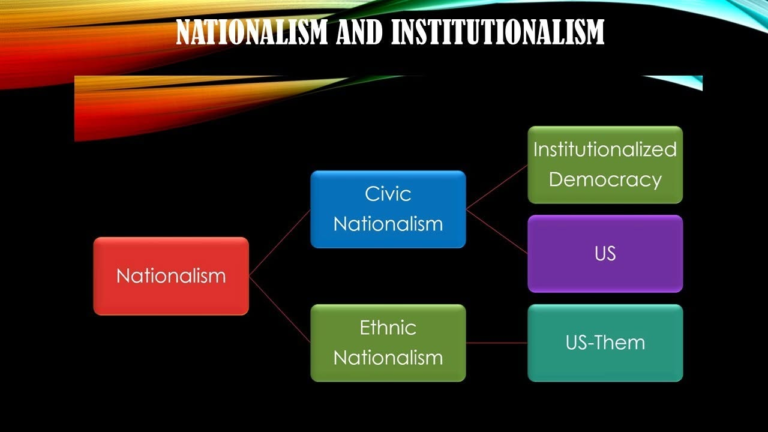
Therefore, replacing one rigid classification with another will not solve Myanmar’s fundamental problem.
The real challenge is to build a political system in which religion does not determine citizenship, ethnicity does not determine human worth, and ancestry does not determine whether a person deserves equal protection under the law.
From “national races” to “peoples”
The Panglong period is particularly important to this discussion.
The debate surrounding the terminology of “peoples” rather than simply “ethnic groups” points toward a broader political idea: different communities can participate in establishing and sharing a Union without one community being permanently placed above another.
The original Burmese essay argues that the terminology used around Panglong deserves careful examination because language can reflect an underlying political relationship between communities.
This does not mean that the historical meaning of Panglong can be reduced to one English word. Nor should a single terminology debate be treated as proof of what every participant intended.
But the underlying principle remains highly relevant:
A Union should be a political community of equal peoples and equal citizens—not a hierarchy in which some communities are regarded as more authentically belonging than others.
“We are all Taingyintha” is not enough
In recent years, there has also been an effort by some Bamar/Myanmar voices to say:
“Bamar are also Taingyintha.”
At one level, this can express solidarity: “We are all in the same boat.”
But words alone cannot redistribute political power.
If the constitutional system, administration, natural resources, education, language rights and political institutions remain unequal, simply expanding the definition of Taingyintha will not necessarily create equality.
As Phyo Win Latt puts it, the problem cannot be solved merely by playing with words. The system itself has to recognise the value and dignity of every person.
The people who disappear between the categories
This is particularly important for Myanmar Muslims.
A framework that divides Myanmar into “Bamar” and “ethnic nationalities” can leave many people in an uncomfortable middle ground.
Where do Burmese Muslims belong?
Where do Kaman belong?
Where do Myedu Muslims belong?
Where do people of mixed ancestry belong?
Where do citizens whose families have lived in Myanmar for generations but who are administratively questioned because of their ancestry belong?
And what about people who have lost documentation or citizenship?
The academic literature documents precisely this problem: people outside the recognised taingyintha framework can experience citizenship as something to be individually scrutinised, deferred or contested rather than an uncomplicated status of belonging.
The Rohingya experience demonstrates the issue in its most severe form, but the underlying question is broader:
Can citizenship be genuinely equal if ethnic classification determines who is considered naturally belonging?
What should replace the hierarchy?
MMNN does not need to argue that ethnic identity is unimportant.
Ethnic identities are real. Languages, cultures, histories, territories and collective memories matter. Communities have legitimate interests in protecting them.
But there is a crucial difference between:
protecting ethnic identity
and
using ethnic identity to rank citizens.
Myanmar needs the former without reproducing the latter.
A workable future could therefore rest on several principles:
- Equal citizenship under the law
- Rule of law
- Democracy and accountable government
- Meritocracy rather than ancestry-based privilege
- Protection of ethnic, religious and linguistic minorities
- Meaningful federalism and power-sharing
- Fair and transparent resource-sharing
- Protection of individual rights and collective cultural rights
- Special protection where genuinely needed for small or vulnerable communities
- A social safety net for people in need
- A secular state that does not make citizenship dependent on religious identity
The purpose of federalism should not be to create a new hierarchy of ethnic groups.
Its purpose should be to allow different peoples and communities to live with dignity while sharing one political home.
The principle should be simple
Myanmar has spent generations arguing over who is more indigenous, who is more Burmese, who is a national race, who is an outsider and who has the right to rule.
Perhaps the more productive question is:
Can we build a country in which a citizen does not have to prove that his or her blood is sufficiently “pure” before receiving equal rights?
A modern democratic Union should be able to answer yes.
A person should not become more human because of ancestry.
A citizen should not become less human because of religion.
A community should not lose its dignity because it is small.
And a minority should not need to become a majority before its rights are protected.
From identity politics to a citizenship-based Union
The discussion initiated by Ahtoung and expanded by Phyo Win Latt is therefore worth continuing—but perhaps with one further step.
Let us study Taingyintha carefully.
Let us study ethnicity carefully.
Let us study Panglong carefully.
Let us study the constitutional and citizenship history carefully.
But beyond all the terminology, Myanmar ultimately needs a political principle that every community can understand:
One country.
Many peoples.
Many cultures.
Many faiths.
Equal citizenship.
Equal dignity.
Equal protection under the law.
That is a much larger goal than winning an argument over one word.
UNITY IN DIVERSITY should mean exactly what it says.
“မြန်မာ/ဗမာ”နဲ့ “တိုင်းရင်းသား’ ဆိုတဲ့ အမြင်နှစ်ခု ဘယ်လိုတိုက်နေကြသလဲဆိုတာ သုံးသပ်ကြည့်ရအောင်
ကိစ္စရဲ့ အနှစ်သာရ
“အထောင်း” ရဲ့ ဆောင်းပါးက မြန်မာနိုင်ငံရဲ့ အဓိကပြဿနာတစ်ခုကို “ကိုယ့်ကိုယ်ကိုယ် ဘယ်သူဘယ်ဝါလို့ သတ်မှတ်ကြသလဲ” ဆိုတဲ့ ရှုထောင့်ကနေ အရမ်းကောင်းအောင် ရှင်းပြထားတယ်။ ကျွန်တော်မြင်တာကတော့ ဇာတ်လမ်းက ဒီလိုဗျ… တစ်ဖက်မှာ “မြန်မာ” ဆိုတဲ့ အုပ်စုက အရင်ကတည်းက နိုင်ငံတော်ရဲ့ အာဏာကို ကိုင်ထားတဲ့ အုပ်စုကနေ အခု “အားလုံးပါဝင်တဲ့ တစ်နိုင်ငံလုံးဆိုင်ရာ” အုပ်စုပုံစံဖြစ်အောင် ကြိုးစားနေတယ်။ တစ်ဖက်မှာကျတော့ “တိုင်းရင်းသား” တွေက “ငါတို့က ငါတို့ ကိုယ့်ကြမ္မာကိုယ် ဖန်တီးခွင့်ရှိတယ်၊ ငါတို့က မြန်မာတွေရဲ့ လက်အောက်မှာ နေစရာမလိုဘူး” ဆိုတဲ့ ခံယူချက်နဲ့ ပိုခိုင်မာလာတယ်။ ဒီအမြင်နှစ်ခုက သာမန်အတွေးအခေါ်တွေ မဟုတ်ဘဲ တစ်ကယ့်လက်တွေ့ အကျိုးစီးပွားတွေအတွက် ထိပ်တိုက်တွေ့နေကြတာပါ။
၁) “မြန်မာ” ဆိုတာ အစိုးရနဲ့ တစ်သားတည်း ဖြစ်နေတဲ့ အမြင်
ဝန်ကြီးချုပ်ဦးနုခေတ်ကတည်းက အစပြုပြီး ဦးနေဝင်းခေတ်မှာ ပိုအားကောင်းလာတဲ့ မူဝါဒတွေကြောင့် ရုံးသုံးစကား၊ ကျောင်းသုံးစာအုပ်တွေကနေတစ်ဆင့် “မြန်မာ” ဆိုတာက ပင်မဖြစ်ပြီး ကျန်တာတွေက ဘေးရောက်သွားတဲ့ ပုံစံဖြစ်လာတယ်။ နေ့စဉ်ဘဝမှာတောင် “တိုင်းရင်းသားလား” ဆိုတဲ့ မေးခွန်းက ကိုယ်နဲ့သူဆိုပြီး ခွဲခြားလိုက်တဲ့ သဘောမျိုး ဖြစ်နေတယ်။ ဒါ့အပြင် “ငါတို့က အုပ်ချုပ်သူမျိုးနွယ်” ဆိုတဲ့ ဘာသာရေး၊ ယဉ်ကျေးမှုဆိုင်ရာ ခံယူချက်တွေက နိုင်ငံရေးမှာ သူတို့ပဲ အာဏာရှိတယ်ဆိုတဲ့ အတွေးကို ပိုခိုင်မာစေတယ်လို့ ဆောင်းပါးမှာ ဖော်ပြထားတယ်။ ပြောချင်တာက “မြန်မာ” ဆိုတဲ့ အမှတ်သရုပ်ဟာ အစိုးရယန္တရားနဲ့ တစ်သားတည်းကျနေတာပါ။
၂) “တိုင်းရင်းသား” ဆိုတာ ဖိနှိပ်မှုကို တုံ့ပြန်ရာက ပေါက်ဖွားလာတဲ့ ခံယူချက်
အစိုးရရဲ့ ခွဲခြားဆက်ဆံမှုနဲ့ အခွင့်အရေးနည်းပါးမှုတွေကို တုံ့ပြန်ရင်းနဲ့ “တိုင်းရင်းသား” ဆိုတဲ့ စကားလုံးက ဖိနှိပ်ခံရသူတွေအားလုံးကို စုစည်းပေးတဲ့ အမျိုးသားရေးခံယူချက်တစ်ခု ဖြစ်လာတယ်။ ဒီခံယူချက်က “ကိုယ့်ကြမ္မာကိုယ် ဖန်တီးခွင့်” ကို တောင်းဆိုတာနဲ့ တိုက်ရိုက်ချိတ်ဆက်နေတယ်။ လက်နက်ကိုင်တော်လှန်ရေးတချို့ကလည်း ဒီဖိနှိပ်မှုကို တုံ့ပြန်တဲ့အနေနဲ့ ပေါ်ပေါက်လာပြီး တန်းတူညီမျှမှုအတွက် အားဖြစ်စေခဲ့တယ်။
၃) အမြင်ပြောင်းလာတဲ့ “မြန်မာ”
နောက်ပိုင်းမှာ မြန်မာခေါင်းဆောင်တချို့က “မြန်မာတွေကလည်း တိုင်းရင်းသားပါပဲ” လို့ ပြောလာကြတယ်။ စကားအရတော့ “ငါတို့လည်း ဘဝတူတွေပါ” လို့ ပြချင်တဲ့သဘောပေါ့။ ဒါပေမဲ့ တကယ့်လက်တွေ့မှာ အာဏာတွေ၊ သယံဇာတတွေကို ပြန်မျှဝေတာ၊ အုပ်ချုပ်ရေးစနစ်ကို ပြင်တာတွေ မလုပ်သရွေ့တော့ ဒါဟာ ယုံကြည်လို့ရတဲ့ ပေါင်းစည်းမှု ဖြစ်လာမှာ မဟုတ်ဘူး။
ဒါကြောင့် “မြန်မာ” တွေက “ငါတို့လည်း အားလုံးနဲ့တူတူပါပဲ” လို့ ပြောလာတဲ့အခါ “တိုင်းရင်းသား” တွေရဲ့ တော်လှန်ရေးအနှစ်သာရကို မှေးမှိန်သွားစေနိုင်ပြီး လက်ရှိမညီမျှတဲ့ အခြေအနေကို “ဒါက ပုံမှန်ပါပဲ” ဆိုတဲ့ ပုံစံမျိုးဖြစ်အောင် လုပ်သလို ဖြစ်သွားနိုင်တယ်။
၄) စကားလုံးနိုင်ငံရေး – “ethnic” လား “peoples” လား
အရေးကြီးတဲ့အချက်က စကားလုံးရွေးချယ်မှုရဲ့ နိုင်ငံရေးပါ။ ပင်လုံစာချုပ်မှာ “ethnic” (လူမျိုးစု) လို့ မသုံးဘဲ “peoples” (လူမျိုးများ) လို့ သုံးခဲ့တာက ဒီအတိုင်း ကစားခဲ့တာ မဟုတ်ဘူး။ ဒါက တစ်ယောက်က အထက်၊ တစ်ယောက်က အောက်ဆိုတဲ့ သဘောမဟုတ်ဘဲ “အတူတကွ တည်ထောင်သူတွေ” ဆိုတဲ့ အဓိပ္ပာယ်ကို ဆောင်တယ်။ ၂၀၀၈ ဖွဲ့စည်းပုံကတော့ ဒီလို တန်းတူဖြစ်ခွင့်ကို ပိုပြီးချုပ်ချယ်ထားတာ တွေ့ရတယ်။
၅) အကြံပြုချက် – စကားလုံးပြင်ရုံနဲ့မရ၊ စနစ်ကိုပါ ပြင်ဖို့လိုတယ်
နာမည်လေးပြောင်း၊ အဓိပ္ပာယ်လေးလွှဲပြောနေရုံနဲ့ ဒီပြဿနာက ပြီးမှာမဟုတ်ဘူး။ တကယ်ပြင်ချင်ရင်တော့ –
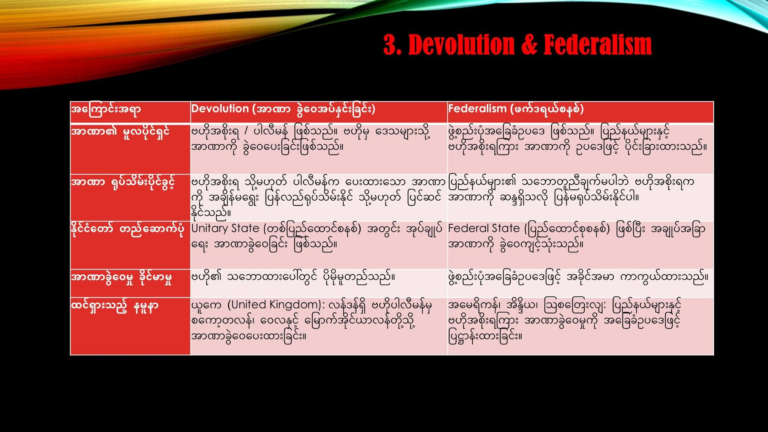
အာဏာကို စာချုပ်စာတမ်းနဲ့ စနစ်တကျ ခွဲဝေပေးရမယ်။
သယံဇာတတွေကို ဘယ်လိုခွဲဝေမယ်ဆိုတာ သဘောတူညီချက်နဲ့ သတ်မှတ်ရမယ်။
ပြည်နယ်နဲ့ တိုင်းဒေသကြီးတွေရဲ့ အုပ်ချုပ်ရေးကို တကယ် အဆင့်မြှင့်ပေးရမယ်။
နာမည်ခေါ်ဝေါ်တာ၊ သမိုင်းရေးတာ၊ ဘာသာစကားအခွင့်အရေးတွေကို ဥပဒေနဲ့ အကာအကွယ်ပေးရမယ်။
ဒီလိုလုပ်မှသာ လူမျိုးပေါင်းစုံ တန်းတူနေထိုင်နိုင်တဲ့ ဖက်ဒရယ်နိုင်ငံတစ်ခုဆီကို သွားနိုင်မှာပါ။
နိဂုံးချုပ်
တကယ်တော့ ဒီပြဿနာဟာ စကားလုံးအဓိပ္ပာယ် ငြင်းခုံနေကြတာမဟုတ်ဘဲ အာဏာ၊ တန်းတူညီမျှမှုနဲ့ ကိုယ့်ကြမ္မာကိုယ် ဖန်တီးခွင့်တွေအတွက် မျက်နှာချင်းဆိုင် ဖြေရှင်းနေကြရတာပါ။ “အထောင်း” ရဲ့ ဆောင်းပါးက ပြနေတာကတော့ “မြန်မာ” တွေက သူတို့ရဲ့ အစိုးရနဲ့ တစ်သားတည်းကျနေတဲ့ အမြင်ကို အားလုံးပါဝင်တဲ့ အမြင်ဖြစ်အောင် ကြိုးစားတဲ့အခါ၊ ဖိနှိပ်မှုကို တုံ့ပြန်ရင်း ပေါ်ပေါက်လာတဲ့ “တိုင်းရင်းသား” တွေရဲ့ ခံယူချက်နဲ့ မလွဲမသွေ တိုက်မိနေတယ်ဆိုတာပါပဲ။ ပင်လုံမှာသုံးခဲ့တဲ့ “peoples” ဆိုတဲ့ စကားလုံးကတော့ အားလုံးတန်းတူဖြစ်ရေးကို အခြေခံတဲ့ နိုင်ငံရေးလမ်းကြောင်းတစ်ခုဆီ သွားနိုင်ဖို့ လမ်းညွှန်ချက်တစ်ခု ဖြစ်နေဆဲပါ။
ကျွန်တော်မြင်တာကတော့ စကားလုံးတွေနဲ့ ကစားမနေဘဲ တကယ့်စနစ်ကို ပြင်ပြီး လူတိုင်းရဲ့ တန်ဖိုးကို အသိအမှတ်ပြုတဲ့ တန်းတူညီမျှမှုအပေါ်မှာ ပြန်တည်ဆောက်နိုင်မှသာ မှန်ကန်တဲ့ ဖက်ဒရယ်နိုင်ငံရေးဆီကို ရောက်နိုင်မှာ ဖြစ်ပါတယ်။

1 Year Ago

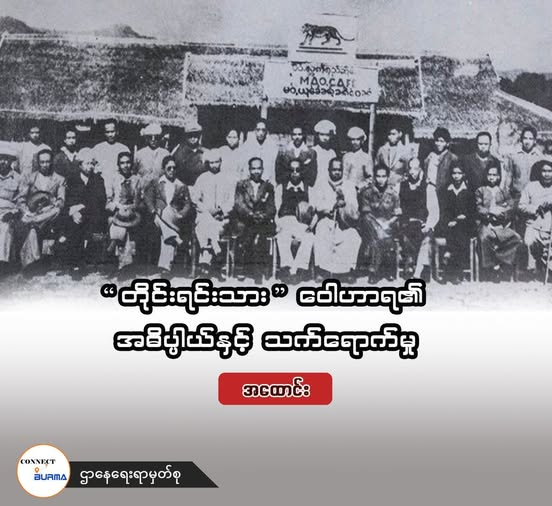
“တိုင်းရင်းသား”ဝေါဟာရ၏ အဓိပ္ပါယ်နှင့် သက်ရောက်မှု
(ဌာနေရေးရာမှတ်စု)
အထောင်း
မြန်မာနိုင်ငံမှာ “တိုင်းရင်းသား” ဆိုတဲ့ ဝေါဟာရဟာ ခုနောက်ပိုင်းမှာ လူတွေပိုပြီးတော့ စိတ်ဝင်စားလာတာကို တွေ့ရပါတယ်။ ပြည်တွင်း၊ ပြည်ပ ပညာရှင်များအနေနဲ့လည်း အဲသည် ဝေါဟာရကို ပြန်လည် ဆန်းစစ်နေကြတာကို တွေ့ရမှာဖြစ်ပါတယ်။ ကျနော့်အနေနဲ့လည်း တိုင်းရင်းသားဆိုတဲ့ ဝေါဟာရနဲ့ ပတ်သက်လို့ ကျနော်မြင်မိတာလေး၊ လေ့လာမိတာလေး ဖော်ပြချင်ပါတယ်။
ပထမဦးစွာ “တိုင်းရင်းသား” ဆိုတဲ့ ဝေါဟာရကို ယေဘုယျ နားလည်ထားကြတာကတော့ တစ်မြေတည်းနေ၊ တစ်ရေးတည်းသောက် သွေးချင်းညီကိုများပေါ့။ သည် ဝေါဟာရကိုလည်း အင်္ဂလိပ်လို ethnic ဆိုတဲ့ ဝေါဟာရနဲ့ နားလည်ထားကြတာကိုလည်း တွေ့ရပါတယ်။ Ethnic ကို အဘိဓာန်တွေမှာ ဖွင့်ဆိုထားတာတွေက များသောအားဖြင့် မနုဿဗေဒရှုထောင့်ဘက်ကနေ ဖော်ပြထားတာ ဖြစ်ပါတယ်။
ဆိုလိုတာက အင်္ဂလိပ်လို ပြောတဲ့ “ethnic” ဝေါဟာရကို မြန်မာလို “တိုင်းရင်းသား” လို့ ဖွင့်ဆိုလိုက်တဲ့အချက်မှာ သာမန်အရကြည့်ရင် ဘာမှ မဟုတ်သလိုနဲ့ မြန်မာနိုင်ငံမှာတော့ “တိုင်းရင်းသား” ဆိုတဲ့ ဝေါဟာရဖြစ်တည်လာမှု နောက်ခံကို ကြည့်ရင် နိုင်ငံရေးတွေအများကြီး ပါနေတယ်ဆိုတာ သတိချပ်ဖို့လိုအပ်ပါတယ်။
အဲသည်တော့ “တိုင်းရင်းသား”နဲ့ “ethnic” ဆိုတဲ့ အဓိပ္ပါယ်ဖွင့်ဆိုချက်နဲ့ နားလည်မှုပုံစံဟာဖြင့် မြန်မာနိုင်ငံမှာတော့ သေချာလေး ဆွေးနွေးဖို့ လိုအပ်ပါတယ်။ လက်ရှိ de facto မြန်မာနိုင်ငံမှာရှိနေတဲ့ လူမျိုးတွေကို (ဗမာအပါအဝင်) မြန်မာလို တိုင်းရင်းသားတွေကို အင်္ဂလိပ်လို ethnic peoples လို့ ဖွင့်ဆိုခြင်းဟာ ဆက်စပ်မှုမရှိဘူးလို့ မြင်ရမှာ ဖြစ်ပါတယ်။ မဟပ်စပ်မှုဆိုရာမှာ မြန်မာလို “တိုင်းရင်းသား”ဆိုတဲ့ ဝေါဟာရကိုလည်း ခွဲခြမ်းစိတ်ဖြာပြီး နားလည်ဖို့ လိုမယ်လို့ မြင်ပါတယ်။
တစ်နည်းဆိုသော် ဖွင့်ဆိုချက် (definition) နဲ့ သက်ရောက်မှု (implication) တွေကို ယှဉ်တွဲကြည့်ရမှာ ဖြစ်ပါတယ်။ အထက်မှာ ပြောခဲ့သလို အဓိပ္ပါယ်ဖွင့်ဆိုချက်နဲ့ အကျိုးသက်ရောက်မှု ကွဲလွဲပုံကို အောက်မှာ ဖော်ပြတဲ့ ရှုထောင့်လေးတွေနဲ့ ယှဉ်တွဲကြည့်ရင် ပိုပြီးသိသာလာမယ်လို့ ယူဆပါတယ်။
“တိုင်းရင်းသား” ဖွင့်ဆိုချက် နဲ့ အဲသည်ဝေါဟာရဖွင့်ဆိုချက် သက်ရောက်မှုကို ရှုထောင့် ၄ ခုလောက်နဲ့ ကျနော်ဖော်ပြချင်ပါတယ်။
၁။ သမားရိုးကျဖွင့်ဆိုချက်နှင့် သက်ရောက်မှု
သမားရိုးကျ အစဉ်လာဖွင့်ဆိုချက်ကိုကြည့်ရင် အထက်မှာ ဖော်ပြခဲ့တဲ့အတိုင်း သွေးချင်းညီကိုမောင်နှမ၊ တစ်အူထုံ့ဆင်း၊ အေးအတူ ပူအမျှ စသည်ဖြင့် နားလည်နိုင်သလို မနုဿဗေဒဆိုင်ရာ ဖွင့်ဆိုချက်လို့ဆိုရင်လည်း မမှားဘူးထင်ပါတယ်။ ကျောင်းခန်းတွေမှာ သင်နေရတဲ့ သမိုင်းစာမျက်နှာတွေမှာလည်း တွေ့ရမှာဖြစ်ပြီး ကြားရတာ နားဝင်ချိုသလို အစိုးရရဲ့ ဝါဒဖြန့်တဲ့ အစီစဉ်တွေမှာ၊ ယန္တရားတွေမှာ အမြဲတမ်းလို မြင်တွေ့ရမှာ ဖြစ်ပါတယ်။ အမှန်တော့ ဒီဖွင့်ဆိုချက်ဟာ မြန်မာနိုင်ငံမှာရှိနေတဲ့ လူမျိုးအသီးသီးကနေ မျှော်လင့်နေတဲ့ political utopia ဖြစ်ပါတယ်။
ဒီဖွင့်ဆိုချက်ဟာ သိပ်ကောင်းပြီး လက်ရှိ ပြောဆိုနေကြတဲ့ ဖယ်ဒရယ်အခင်းအကျင်းအတွက် အရမ်းအထောက်ကူပြုစေတယ်လို့ မြင်ပါတယ်။ လက်ရှိ အနေထားအရ ကြည့်ရင် အခြားတစ်ဘက်မှာ ဒီဖွင့်ဆိုချက်ဟာ social နဲ့ political အပိုင်းတွေမှာ တစ်မျိုး သက်ရောက်နေတာကို တွေ့ရမှာဖြစ်ပါတယ်။
သို့ပေမဲ့ ဗမာ/မြန်မာခေါင်းဆောင်တွေကတော့ ဒီဝေါဟာရကို (ဝန်ကြီးချုပ်ဦးနုကနေ သန္ဓေတည်လာပြီး ဗိုလ်ချုပ်နေဝင်း ခေတ်မှာ) ကျယ်ကျယ်ပြန့်ပြန့် အကောင်ထည်ဖော်လာခဲ့ပါတယ်။ ဒေါ်စုအစိုးရခေတ်မှာတော့ ဒီဝေါဟာရဟာ ဗမာ/မြန်မာတွေ အတွက်လည်း အကျုံးဝင်တယ်ဆိုပြီး အသုံးပြုလာတာ တွေ့ရပါတယ်။ ဒါပေမဲ့ အဲသည် ဝေါဟာရက နိုင်ငံရေး၊ လူမှုရေး၊ စီးပွားရေးစတဲ့ ခေါင်းစဉ်တွေနဲ့ ချိန်ထိုး စဉ်းစားဖို့လိုပါတယ်။ သည် ဝေါဟာရကိုရော ဖွဲ့စည်းပုံအခြေခံဥပဒေအရ ဘယ်လို နားလည်သလဲ ဆိုတဲ့အချက်ကလည်း စဉ်းစားမိဖို့ လိုအပ်ပါတယ်။ ဆိုလိုရင်းကတော့ အဲသည် ဖွင့်ဆိုမှုနဲ့ သက်ရောက်မှုနှစ်ရပ်မှာ ကွဲလွဲ သက်ရောက်နေတာဟာ “တိုင်းရင်းသား” ဆိုတဲ့ ဝေါဟာရအပေါ် ဒွိဟ ဖြစ်စေတာကို တွေ့ရမှာဖြစ်ပါတယ်။
၂။ လူမှုရေးဖွင့်ဆိုချက်နှင့် သက်ရောက်မှု
လူမှုရေးအဓိပ္ဗါယ်ဖွင့်ဆိုချက်ကို နိစ္စဓူဝ အသက်ရှင်နေထိုင်မှု သာဓက တစ်ခုကို ကြည့်ရင် ဥပမာ – ဗ/မြန်မာ မဟုတ်သူ တစ်ဦးဟာ ရန်ကုန်မြို့ထဲမှာ တက္ကဆီငှားတဲ့အချိန်မှာဖြစ်ဖြစ်၊ ဈေးဝယ်တဲ့ နေရာမှာဖြစ်ဖြစ် စကားစတင်ပြောဆိုတဲ့အချိန်မှာ စကားလေသံကို ကြားမိတာနဲ့ “တိုင်းရင်းသား”လားဆိုတဲ့ မေးခွန်းရောက်လာပါတယ်။ “သြော်… ညီလေးက တိုင်းရင်းသားလား?” ဆိုတဲ့ မေးခွန်းဟာ မေးသူအဖို့ သူဟာ ဗ/မြန်မာဖြစ်ပြီးတော့ အမေးခံရသူဟာ “တိုင်းရင်းသား”(ဝါ) လူမျိုးခြား ဆိုတဲ့ stratification အလွှာတွေထဲကို သိလျက်သော်လည်းကောင်း မသိလျက် သော်လည်းကောင်း ရောက်သွားပါတယ်။ သည်နေရာမှာ “တိုင်းရင်းသား”ဆိုတဲ့ ဝေါဟာရဟာ point of departure/distinction/separation/exclusion အဖြစ် အသုံးပြုထားကြောင်း ဖော်ပြနေတာကို တွေ့ရမှာဖြစ်ပါတယ်။
အခုနောက်ပိုင်းမှာတော့ မြန်/ဗမာတွေဟာလည်း “တိုင်းရင်းသား” တစ်မျိုးဖြစ်ကြောင်း ပြောဆိုလာတွေကို ခပ်စိပ်စိပ် တွေ့ရမှာဖြစ်ပါတယ်။ အများနည်းတူ မြန်/ဗမာလူမျိုးဟာလည်း “တိုင်းရင်းသား”တစ်စုဖြစ်သင့်တာကို လက်ခံပေမဲ့ အဲသည်ရဲ့ သက်ရောက်မှုတွေဟာ နိုင်ငံရေးအရ ဘယ်လိုထင်ဟပ်စေသလဲ ဆိုတဲ့ အချက်သာလျင် အဓိကကျမှာဖြစ်ပါတယ်။ ဘဝတူတွေဆိုတာကို ထင်ဟပ်စေချင်တဲ့ သဘောနဲ့ ပြောင်းလဲခံယူလာကြတယ်လို့ ယူဆပါတယ်။
အဲဒီလို “တိုင်းရင်းသား” ခံယူခြင်းဟာ အဓိကအနေနဲ့ နိုင်ငံရေးအဓိပ္ဗါယ် သက်ရောက်မှုမှာ ဘယ်လို ပုံဖော်ထားတယ်ဆိုတဲ့ အချက်ပေါ်မှာသာ မူတည်သွားမယ်လို့ ယူဆပါတယ်။ သည်အချက်မှာ “တိုင်းရင်းသား” ဆိုတဲ့ ဝေါဟာရရဲ့ လူမှုရေးအရ သက်ရောက်မှု ဆင်းသက်လာပုံကို ကြည့်ရင် ဘာသာရေးယုံကြည်သက်ဝင်မှု၊ သွန်သင်မှုတွေဟာလည်း ဒီလို ဖြစ်တည်လာပုံကို လွှမ်းမိုးထားတယ်လို့ ကျနော်ယူဆပါတယ်။
၃။ ဘာသာရေးဖွင့်ဆိုချက်နှင့် သက်ရောက်မှု
မြန်မာပြည်မှာရှိနေတဲ့ ဗုဒ္ဓဘာသာဝင်တွေထဲမှာ မြန်/ဗမာ လူမျိုးတွေဟာ အခြားသောလူမျိုးတွေထက် ထူးခြားမှုတစ်ခုက မိမိတို့ဟာ Gautam Siddhartha [နောင်တွင် ဂေါတမ ဗုဒ္ဓ ဖြစ်လာသူ] ရဲ့ မျိုးဆက်များဟု ခံယူကြပါတယ်။ အချုပ်ဆိုရရင် “သာကီဝင်မင်းမျိုးမင်းနွယ် (ဝါ) အုပ်ချုပ်သူ လူတန်းစား”လို့ ခံယူကြပါတယ်။ Gautam Siddhartha ဟာ သာကီဇတ်မျိုးနွယ်ဝင် တဦးဖြစ်တယ်ဆိုတာတော့ ငြင်းစရာအကြောင်းမရှိပါဘူး။ တချက်ကြည့်ရမှာက သူတို့တွေရဲ့ ဖြစ်တည်မှုကို ကြည့်ရမှာဖြစ်ပါတယ်။
အာရီယန်မျိုးနွယ်များရောက်လာတဲ့နောက်ပိုင်း ဟိန္ဒုမြစ်ဝှမ်းလွင်ပြင် လူမှုအသိုက်အဝန်းတွေ ကြားမှာ “ဇတ်” လို့ ခေါ်တဲ့ လူတန်းစားခွဲခြားတဲ့ စနစ်နဲ့ ထွန်းကားနေထိုင်ခဲ့ကြပါတယ်။ ဟိန္ဒူတွေရဲ့ ဇတ်အမျိုးစားတွေကို ၎င်းတို့ အနေနဲ့ Brahmin (ဘုရားအမှုတော်ဆောင်များ – အမြင့်ဆုံးဇတ်)၊ Kshatriya (သာကီဝင် ခေါ် မင်းမျိုးမင်းနွယ်/ အုပ်ချုပ်သူလူတန်းစားဇတ် – ဒုတိယအမြင့်ဆုံး)၊ Vaishya (ကုန်သယ်၊ စီးပွားရေးလုပ်ငန်းရှင်များ – တတိယ) နဲ့ Sudra (ကျွန်မျိုး) ဆိုပြီး ခွဲခြားထားတာာကိုတွေ့ရမှာ ဖြစ်ပါတယ်။ ပြီးတော့ အဲသည် ဇတ်ခွဲခြားမှုကို ကြည့်ရင် မနုဿဗေဒအရ မတူကွဲပြားတဲ့ လူမျိုးတွေကို ဘာသာရေး အယူဝါဒအားဖြင့် ဇတ်ဖွဲ့တည်ဆောက်ထားတာကိုလည်း တွေ့ရမှာဖြစ်ပါတယ်။ ဆိုလိုသည်မှာ Sudra လို့ခေါ်တဲ့ ကျွန်းမျိုးတွေဟာ ဟိန္ဒုမြစ်ဝှမ်းမှာ နေထိုင်တဲ့ ဌာနေ Dravidian များဖြစ်ကြပြီး ဇတ်မြင့် ၃ မျိုးနွယ်ဝင်တွေဟာ ဥရောပဘက်ကနေ ဆင်းသက်လာကြတဲ့ အာရီယန်လူမျိုးတွေ ဖြစ်ပါတယ်။ အဲသည် အာရီယန် [ဥရောပနွယ်ဝင်လူဖြူ] လူမျိုးတွေဟာ ဟိန္ဒုမြစ်ဝှမ်းလွင်ပြင်မှာ ရှိနေကြတဲ့ ဌာနေ Dravidian [လူမဲ] လူမျိုးတွေကို ဖိနှိပ်ခွဲခြားဖို့ ဘာသာရေးလက်နက်ကို အသုံးချခဲ့ခြင်းဖြစ်ပါတယ်။ ဒီဖွင့်ဆိုချက်ကိုတော့ ဆရာဦးတင်ရဲ့ မြန်မာမင်းအုပ်ချုပ်ပုံစာတမ်းမှာလည်း တွေ့နိုင်ပါတယ်။
အဲသည်တော့ ပြန်ဆက်ရမယ်ဆိုရင် သာကီဝင်မျိုးရိုးလို့ ခေါ်ဆိုခြင်းဟာ မိမိကိုယ်ကို အာရီယန်မျိုးနွယ်ဝင် သို့တည်းမဟုတ် ဥရောပနွယ်ဝင် လူမျိုးများလို့ ခေါ်ဆိုရာလည်း သဘောရောက်ပါသည်။ ဆိုလိုရင်းကတော့ ဘာသာရေးယုံကြည်မှုအရ ခံယူမှုနဲ့ မနုဿဗေဒအရ မျိုးရိုးဆင်းသက်လာပုံတွေ ကွဲလွဲနေတာကို အထင်အရှား တွေ့ရမှာဖြစ်ပါတယ်။
မနုဿဗေဒအရ ကြည့်မယ်ဆိုရင် မြန်/ဗမာလူမျိုးသည်လည်း မွန်ဂိုလ်လွိုက်နွယ်ဝင်တွေလို့ ပညာရှင်တွေဆီက လေ့လာမှတ်သားရပါတယ်။ အစပိုင်းမှာတော့ မြန်မာများ သာကီဝင် ခံယူခြင်းဟာ ခရစ်ယာန်များနည်းတူ Abraham ကို ယုံကြည်သကဲ့သို spiritual အရ ဆက်နွယ်မှုကို ဆိုလိုခြင်းလားဟု ယူဆသော်လည်း မြန်/ဗမာများအနေနဲ့တော့ biological ancestor အနေနဲ့ ခံယူထားပါတယ်။ အဲသည်တော့ ဘာသာရေးအရ သာကီဝင်နွယ်များလို့ သတ်မှတ်ခံယူခြင်းကို နိုင်ငံရေးမှာတော့ မင်းမျိုးမင်းနွယ်၊ အုပ်ချုပ်သူလူတန်းစားလို့ ခံယူထားပြီး အဲသည်အချက်တွေဟာ နိုင်ငံရေးအရ ဖွင့်ဆိုမှုတွေမှာ ထင်းရှားစွာသက်ရောက် ထင်ဟပ်နေတာကိုလည်း တွေ့ရမှာဖြစ်ပါတယ်။
၄။ နိုင်ငံရေးဖွင့်ဆိုချက်နှင့် သက်ရောက်မှု
“တိုင်းရင်းသား” ဆိုတဲ့ ဝေါဟာရဟာ နိုင်ငံရေးအရ ကြည့်မယ်ဆိုရင် ဖိနှိပ်ခံလူတန်းစားအဖြင့် တွေ့ရတာဟာ ဘယ်လို ထင်ရှားတယ်ဆိုတာကိုတော့ အကျယ်တဝင့် မပြောလိုတော့ပါဘူး။ အထက်မှာ ဖော်ပြခဲ့အတိုင်း အဲသည် “တိုင်းရင်းသား” ဆိုတဲ့ ဝေါဟာရကို ဝန်ကြီးချုပ်ဦးနုကနေ အစပြုပြီး ဗိုလ်ချုပ်နေဝင်းဟာ ဒီ ဝေါဟာရကို ပေါ်လစီတွေ ဥပဒေတွေနဲ့ကို တစိုက်မတ်မတ် အကောင်ထည်ဖော်လာတာကို တွေ့ရမှာ ဖြစ်ပါတယ်။
နိုင်ငံတော် ရုံးသုံးဘာသာစကား အဖြစ်လည်းကောင်း ပညာရေးစနစ်တွေကို လည်းကောင်း နက်နက်ရှိုင်းရှိုင်း အသက်သွင်း ကြိုးပမ်းခဲ့ပါတယ်။ အထက်ဖော်ပြပါ ခံယူချက်၊ ဖွင့်ဆိုချက်တွေပေါ်မူတည်ပြီး မြန်မာသမိုင်းဆရာ အများစုအနေနဲ့ “တိုင်းရင်းသား”လို့ ခေါ် တဲ့ အခြားလူမျိုးစုတွေကို ပုံဖော်ရာမှာ ရှေးမြန်မာမင်းတွေကို အခွန်ဆက်သရသူတွေ၊ လက်အောက်ခံတွေ (subordinates) အနေနဲ့သာ အလေးပေး ရေးသားဖော်ပြကြပြီး၊ ပြည်ထောင်စုရဲ့ co-founder ဆိုတဲ့ status ကို ဖော်ပြထားခြင်း မရှိတာကို တွေ့ရမှာဖြစ်ပါတယ်။
လွတ်လပ်ရေး ကြိုပမ်းမှုသမိုင်းတစ်လျှောက် မြန်/ဗမာ မဟုတ်သော အခြား “တိုင်းရင်းသား”လူမျိုးစုတွေရဲ့ ပါဝင်မှုနဲ့ သူတို့တွေကို ပုံဖော်ရာမှာလည်း ဇတ်ပို့ဇတ်ရန် အခန်းရပ်များတွင်သာ တွေ့ရလေ့ရှိပါတယ်။ မဆလခေတ်မှသည် န၀တ၊ နအဖခေတ်တွေမှာ အဲသည် ဝါဒကို အခြေခံပြီး ထုတ်ဝေထားတဲ့ စာတမ်းတွေ၊ စာအုပ်တွေကို အစိုးရမင်းတွေက စာပေဗိမ္မာန်ဆုချီးမြှင့်ထားတာတွေကလည်း ဒုနဲ့ဒေးရှိပါတယ်။ သည်အချက်ကတော့ ပေါ်လစီအရကို ဘယ်လိုလုပ်ထားတယ်ဆိုတာကို သိသိသာသာ ပေါ်လွင်စေတဲ့အချက်ပါ။ အမှန်မှာတော့ သည်ဖွင့်ဆိုချက်တွေ ပုံဖော်ချက်တွေဟာ (တိုင်းရင်းသား) များလက်ခံနိုင်တဲ့ အနေထား မဟုတ်သလို အဲသည်ရဲ့ သက်ရောက်မှုကိုလည်း လက်ခံနိုင်မည်မဟုတ်ပါ။
မြန်မာနိုင်ငံမှာ လက်နက်ကိုင်တော်လှန်ရေးတွေ စတင်ပေါ်ပေါက်လာတဲ့ အချိန်ကာလကို ပြန်ကြည့်ဆိုရင်လည်း အဲဒီလူမျိုးကြီးဝါဒ ရိုက်သွင်းဖို့ပြုလုပ်တဲ့ အစီစဉ်တွေနဲ့အတူ တပါးတည်းပေါ်ပေါက်လာတာကိုလည်း သတိထားမိမယ်ထင်ပါတယ်။ ဘာလို့လဲဆိုတော့ လက်ရှိအနေအထားအရ “တိုင်းရင်းသား” ဖြစ်ခြင်းသည် မိမိတို့ရဲ့ အခွင့်ရေး ဆုံးရှုံးနေရသူများ၊ အဖိနှပ်ခံရသူများနှင့် တန်းတူညီမျှမှုမရှိသည့် အခင်းအကျင်းကိုသာ ဦးတည် ဖော်ပြနေခြင်းကြောင့် ဖြစ်ပါတယ်။ ဥပမာ – ပင်လုံစာချုပ်အရ တိုင်းနှင့်ပြည်နယ် ဖွဲ့စည်းဖို့ဆိုပြီး ရှမ်းမူမှာ ဖော်ပြထားတဲ့ မြန်မာတွေဟာလည်း ပြည်နယ်တရပ် ထူထောင်ရမည်ဆိုတဲ့ အချက်ဟာ (တိုင်းရင်းသား)များ ခံယူမျှော်လင့်ထားတဲ့ အခင်းအကျင်း တစ်ရပ်ဖြစ်ပါတယ်။ အရက်ဝိုင်းစကားနဲ့ပြောရရင် မာကာဖြစ်သူဟာ ဝိုင်းကို အညီမလှည့်ဘဲ ဝိုင်းထဲမှာ ဝေစုခွက်မညီတဲ့ ပြဿနာ ဖြစ်ပါတယ်။ နိုင်ငံရေးအရ ပြောရမယ်ဆိုရင် “တိုင်းရင်းသား” ဖြစ်ခြင်းဟာ ၇ ချိုး ၁ ချိုး အချိုးခံရတဲ့ လူမျိုးများဆိုပြီးတော့လည်း နားလည်နိုင်ပါတယ်။
တိုင်းရင်းသားဖြစ်ခြင်းအပေါ် မည်သို့မည်ပုံ စနစ်တကျ နှိပ်ကွပ်ထားတယ်ဆိုတာကို နိုင်ငံခြား စာရေးဆရာများဖြစ်တဲ့ Cheesman, Flink, Lall နဲ့ Smith တို့ရဲ့ စာတမ်းတွေမှာလည်း ထပ်လောင်းလေ့လာလို့ ရပါတယ်။ အဲတော့ အဲသည် ဝေါဟာရနဲ့အတူ ဖြစ်တည်နေတဲ့ နိုင်ငံရေး အသာစီးခံရမှုဟာ မိမိတို့ရဲ့ နိုင်ငံရေး၊ စီးပွားရေးရေး၊ လူမှုရေးနဲ့ အခြားအရေးကြီးတဲ့ ကဏ္ဍတွေကိုပါ ဆုံးရှုံးနေရခြင်းသည် အဲသည် ဝေါဟာရနဲ့ ဖွင့်ဆိုချက်တွေရဲ့ သက်ရောက်မှုဖြစ်ပါတယ်။ ရှမ်းမူမှာတော့ အဲသည် အနှစ်သာရရှိတဲ့ “တိုင်းရင်းသား” ဆိုတဲ့ ဝေါဟာရရဲ့ fundamental တစ်ရပ်ကို ထင်စပ်စေတယ်လို့မြင်ပါတယ်။
အထက်မှာလည်း ဒေါ်စုအနေနဲ့ ဒီဝေါဟာရဟာ မြန်/ဗမာလူမျိုးတွေကိုပါ အကျုံးဝင်တယ်ဆိုတာကို ဆိုခဲ့ပါတယ်။ ဒါပေမဲ့ သည်နေရာမှာ သတိချပ်ဖို့ လိုတာက သူပြောသွားတာဟာ ၂၀၀၈ ခြေ/ဥ အောက်ကနေ ပြောသွားတာဖြစ်တဲ့အတွက် ၂၀၀၈ အောက်မှာ တိုင်းရင်းသားဖြစ်ခြင်းရဲ့ အနှစ်သာရကို နိုင်ငံရေးရှုထောင့်ကနေ ပြန်ဆန်းစစ်ဖို့ လိုအပ်မှာ ဖြစ်ပါတယ်။ အားလုံးသိကြတဲ့အတိုင်း ၂၀၀၈ ခြေ/ဥ ဟာ “တိုင်းရင်းသား” ဆိုတဲ့ လူမျိုးတွေကို စနစ်တကျ ဖိနှိပ်သင်းကွပ်ထားတဲ့ ဘောင်တရပ် ဖြစ်တာကြောင့် ၂၀၀၈ ခြေ/ဥအောက်ကနေ တိုင်းရင်းသားဖြစ်ခြင်းကို ပြောဆိုနေခြင်းဟာ နိုင်ငံဖြစ်ပေါ်လာပုံ သမိုင်းနောက်ခံနဲ့ လားလားကြီးဆန့်ကျင်နေတာကို သတိပြုရမှာဖြစ်ပါတယ်။
အချုပ်ပြောရရင် ၂၀၀၈ အောက်ကနေ ပြောဆိုနေခြင်းဟာ သိပ်အန္တရယ်ရှိတဲ့ အသုံးအနှုန်း ဖြစ်ပါတယ်။ ဥပမာ – သမိုင်းနောက်ခံတခုကို ဆွဲထုတ်ရမယ်ဆိုရင် ဗိုလ်ချုပ်အောင်ဆန်း ဦးဆောင်ပြီး ချုပ်ဆိုခဲ့တဲ့ ပင်လုံစာချုပ်ပါ။ အဲသည် ပင်လုံစာချုပ်မှာ “တိုင်းရင်းသား” သို့တည်းမဟုတ် “ethnic” ဆိုတဲ့ ဝေါဟာရကို အသုံးမပြုထားဘဲ “people(s)” လိုသာ သုံးနှုန်းထားတာကို တွေ့ရမှာဖြစ်ပါတယ်။ နိုင်ငံရေး သိပ္ပံရှုထောင့်က ကြည့်ရင်ဖြင့် ethnic အစား people(s) ကို သုံးနှုန်းခြင်းဟာ လူမျိုးစုခေါင်းဆောင်များနဲ့ ဗိုလ်ချုပ်အောင်ဆန်းတို့ မည်သို့မည်ပုံ ဆွေးနွေးခဲ့ကြတယ်၊ တန်းတူမျှတရေးကို ဘယ်လို ပုံဖော်သွားကြမလဲဆိုတဲ့အချက်တွေကို အဲသည် ဝေါဟာရမှာတင် ထင်ဟပ်နေတာကို မြင်တွေ့ကြရမှာဖြစ်ပါတယ်။
မြန်/ဗမာလူမျိုးများအနေနဲ့ “တိုင်းရင်းသား” ဖြစ်ကြောင်း ပြောင်းလဲခံယူလာကြတာ တွေရှိပေမဲ့ အထက်ဖော်ပြပါ အကျိုးသက်ရောက်မှုတွေကို မဖြည်နိုင်သေးသ၍ အနှစ်သာရ ရှိတဲ့ “တိုင်းရင်းသား”ဆိုတဲ့ ဝေါဟာရနဲ့ သက်ရောက်မှုကို မြန်/ဗမာတွေသာမက အခြား (တိုင်းရင်းသား) တွေအတွက်ပါ ခက်ခဲနေဦးမယ်လို့ မြင်ပါတယ်။ အခြားတစ်ဘက်မှာ (တိုင်းရင်းသား)များ အနေနဲ့လည်း မိမိတို့ လိုလားမျှော်လင့်တဲ့ နိုင်ငံရေးအနာဂတ်ကို ပုံဖော်ရာမှာလည်း ဝေါဟာရတွေကနေ အဲသည်စကားလုံးတွေ ပေါက်ဖွားရာဇစ်မြစ်၊ သက်ရောက်မှုတွေကိုပါ သတိချပ်သင့်တယ်လို့ ယူဆပါတယ်။ ဥပမာ – အချို့သော (တိုင်းရင်းသား)ခေါင်းဆောင်များအနေနဲ့ အင်္ဂလိပ် ဝေါဟာရ Ethnic/တိုင်းရင်းသား ဆိုသည် သာလျင် မိမိတို့ရဲ့ နိုင်ငံရေးရပ်တည်ချက်အား ပီပြင်စေသည်ဟု အယူလွဲနေကြသူတွေလည်း ဒုနဲ့ဒေး ရှိနေတာကြောင့် မိမိတို့ရဲ့ နိုင်ငံရေးမျှော်မှန်းချက်တွေ ပီပြင်စွာဖြစ်ပေါ်လာရေးအတွက် မိမိတို့ သုံးစွဲသော ဝေါဟာရများဟာလည်း အရေးပါကြောင်းနဲ့ မိမိတို့ရဲ့ အခွင့်ရေးတွေ ပီပီပြင်ပြင် လက်ဆုပ်လက်ကိုင်မရရှိသေးဘဲ ဝေါဟာရ ဝါဒမှိုင်းတွေထဲ ပျော်မွေ့ တိမ်မြုပ်နေခြင်းကလည်း အထူးသတိချပ်ဖွယ်ရာ တစ်ရပ်ဖြစ်ကြောင်း အကြံပြုဖော်ပြလိုက်ပါတယ်။
မေတ္တာဖြင့်
အထောင်း
ဆက်စပ် စာတမ်းများ –
၁. ဦးတင်၊ မြန်မာမင်း အုပ်ချုပ်ပုံစာတမ်း၊ အတွဲ ၂၊ Rangoon Central Press, ၁၉၆၅။
၂. Cheesman, Nick. “How in Myanmar ‘National Races’ Came to Surpass Citizenship and Exclude Rohingya,” Journal of Contemporary Asia 47, no. 3 (2017): 1–23.
၃. Fink, Christina. “Living Silence: Burma Under Military Rule.” Zed Book, 2009.
၄. Lall, M. “The Politics of Ethnicity in Myanmar: The Role of National Races.” Asian Ethnicity 14, no. 2 (2013): 195-215.
၅. Smith, M. “Burma: Insurgency and the Politics of Ethnicity.” Zed Books, 1999.