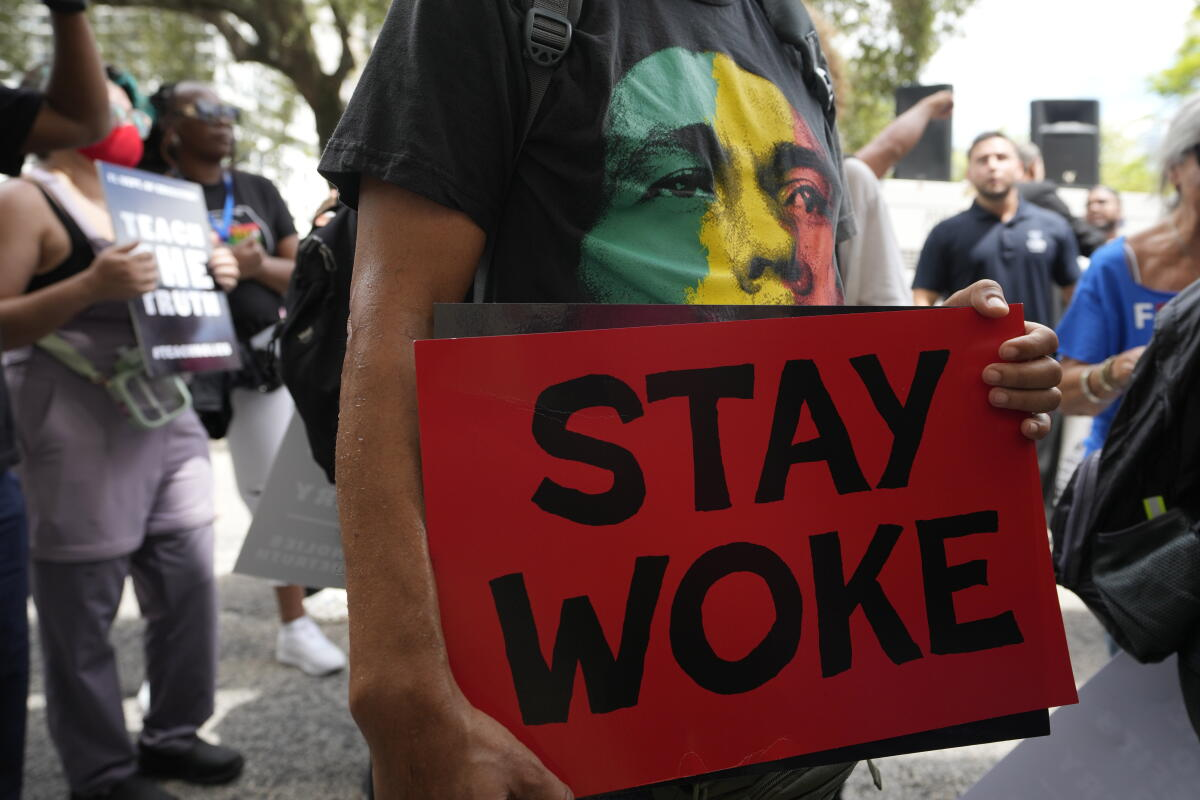
If you’ve been scrolling social media or watching political debates lately, you’ve probably noticed the word “woke” popping up everywhere — often with very different meanings depending on who’s using it. What started as a small piece of African-American slang has become one of the most debated words in modern English, and now it’s spreading into everyday conversation across Asia and other parts of the world. Here’s a simple breakdown of where it came from and how it’s used today.
Where the Word Began
“Woke” has its roots in African-American Vernacular English (AAVE), where being “woke” simply meant being awake — not literally, but in the sense of being alert to danger or injustice. The earliest known written use dates back to a 1920s Texas newspaper, where a columnist described “stay woke” as street slang meaning to remain watchful and not fall asleep on the job, whether that job was literal or moral.
By the 1930s, the term had taken on a more political tone. Blues musician Lead Belly closed out a recording of his song about the Scottsboro Boys — nine Black teenagers wrongly accused of a crime in Alabama — with a warning to listeners to “stay woke” and keep their eyes open, referring to the real danger of racist violence in the American South at the time.
For decades after that, “woke” and “stay woke” remained mostly within Black communities, used as a way of reminding each other to stay alert to racism, discrimination and injustice.
The Turning Point: 2014
The word exploded into mainstream awareness in 2014, following the fatal police shooting of Michael Brown in Ferguson, Missouri. As the Black Lives Matter movement grew, “stay woke” became a rallying phrase on social media, encouraging people to pay attention to police brutality and systemic racism. From there, the meaning gradually broadened beyond race to cover other social causes too — gender equality, LGBTQ+ rights, climate change, and more. By 2017, “woke” had even earned an entry in the Oxford English Dictionary.
How the Meaning Flipped
Words that spread widely often pick up new meanings — and “woke” is a textbook example. By the early 2020s, political conservatives in the U.S. began using the term in a very different, often mocking way. Instead of describing genuine social awareness, “woke” became shorthand for criticizing what some saw as excessive political correctness, performative activism, or progressive politics taken “too far.” Politicians such as Florida Governor Ron DeSantis built entire policy platforms around opposing what they called “woke ideology,” including restrictions on how race and gender are taught in schools.
This is why today the same word can be a badge of honor to one person and an insult to another. To some, being “woke” still means being informed and socially conscious. To others, it’s become a catch-all term for ideas they consider overly sensitive, divisive, or disconnected from ordinary people’s concerns — sometimes dismissed as “fake woke” when it’s seen as more about appearances (like a company posting a hashtag) than real action.
A Word Still Being Redefined
What makes “woke” interesting is that its meaning genuinely depends on context and who’s speaking. It can describe:
- Genuine awareness of social and racial injustice (its original meaning)
- Performative activism seen as insincere (“woke-washing,” “woke capitalism”)
- A political insult used to criticize progressive or left-leaning positions
As the term travels beyond the U.S. — into Asia, Europe, and beyond — it’s likely to keep evolving, picking up local shades of meaning the way it already has within American politics. Understanding its layered history is the best way to make sense of why the same four-letter word can mean such different things to different people.
Phyo Win Latt shared a memory.
“Wokes တွေရဲ့ ယုံကြည်မှု စနစ် ( belief system) က နည်းနည်းထူးဆန်းတယ်ပြောရမယ်။ လူတွေကို race, gender, identity မှန်ပြောင်းနဲ့ပဲ ချိန်ထိုးကြည့်ပြီး အဲဒီလူတွေကို ရှုမြင်မှုတွေကို တရားသေသတ်မှတ်ထားတယ်။ ( လက်ဝဲအယူအဆကို အခြေခံပေမယ့် လူတန်းစား အမြင်ကနေကြည့်တာတော့ ရှိမနေဘူး)။ အယူအဆတွေ မတူရင်၊ ရှုမြင်သုံးသပ်မှုတွေ မတူရင် မတူညီတဲ့ ရှုထောင့်တွေကို နားလည်နိုင်ဖို့ ကြိုးစားပြီး အဖြေရတဲ့ အထိ ဆွေးနွေးအဖြေရှာရမယ်ဆိုတဲ့ ဒီမိုကရေစီ အလေ့အထ၊ လစ်ဘရယ် ပညာရေးရဲ့ အမြုတေ တန်ဖိုးတွေကို Woke တွေ အနေနဲ့ လက်မခံကြဘူး ( သူတို့အမြင်အရ မတူရင် ဆွေးနွေးစရာမလိုလို့ အများအားဖြင့် ခံယူထားကြတယ်) ၊ ပိုပြီး ခွဲခြားဖိနှိပ်ခံရသူတွေရဲ့ အမြင်တွေ၊ ယုံကြည်မှုတွေသာ အမှန်တရားဖြစ်တယ် ( မှန်တယ်) လို့ လက်ခံယုံကြည်ထားကြတယ်။ ကျိုးကြောင်းသင့် ဖြေရှင်းချက်မျိုးတွေကို လက်မခံတတ်ကြဘူး။”
အင်းဝ 3.0
Woke Education ( ၀ုတ် ပညာရေး)
လစ်ဘရယ် ပညာရေးနဲ့ အနှစ်သာရက လူ ပုဂိုလ် တဦးချင်းစီကို အသိပညာ ဗဟုသုတတွေနဲ့ အသိပညာဆိုင်ရာ ကျွမ်းကျင်မှုတွေကို လေ့ကျင့်ပြုစုပျိုးထောင်ပေးဖို့သာ ဖြစ်တယ်။ အလုပ်အကိုင်တခု ရရှိဖို့ မဟုတ်သလို ဘာတွေးခေါ်ရမလဲဆိုတာကို သင်ကြားပေးရာ နေရာ မဟုတ်၊ ဘယ်လို တွေးခေါ်ကြရမလဲဆိုတာကို လေ့ကျင့်ပြုစု ပျိုးထောင်ပေးရာ နေရာသာ ဖြစ်တယ်။ It is to cultivate you how to think, not what to think ( ဘာတွေးရမလဲဆိုတာကို ပြုစုပျိုးထောင်မပေး၊ ဘယ်လိုတွေးခေါ်ကြမလဲဆိုတာကိုသာ ပြုစုပျိုးထောင်ပေးတဲ့ နေရာဖြစ်တယ်)။
လစ်ဘရယ်ပညာရေးရဲ့ အခြေခံ အုတ်မြစ်အယူအဆတွေမှာ ကျယ်ပြန့်တဲ့ အသိပညာဗဟုသုတတွေကို အမြင်ကျယ်ကျယ် ရင်ဘတ်ကျယ်ကျယ် ဖွင့်ပြီး လေ့လာဖို့၊ ထိတွေ့ကြားသိရတဲ့ သတင်းအချက်အလက်တွေကို ကျိုးကြောင်းသင့် ဝေဖန်ဆန်းစစ်မှုတွေ လုပ်ဖို့နဲ့ လောကီဆိုင်ရာ အကြောင်းအရာတွေ၊ ပြဿနာတွေကို ကျိုးကြောင်းသင့် အဖြေရှာနိုင်ဖို့ဆိုတာမျိုးတွေ အပေါ်မှာ အခြေခံတယ်။ မတူညီတဲ့ ပညာရယ်နယ်ပယ်က အကြောင်းအရာတွေကြားက ဝိရောဓိတွေနဲ့ ဆက်နွယ်မှုတွေကိုလည်း နားလည်နိုင်ရေးအတွက် အကူအညီပေးနိုင်ဖို့အတွက်လည်း အားပေးတယ်။ ဝေဖန်ဆန်းစစ်ရာမှာလည်း ရရှိထားတဲ့ အချက်အလက်တွေအပေါ် ခွဲခြမ်းစိတ်ဖြာတာ၊ ယူဆချက်တွေအပေါ် မေးခွန်းထုတ်တာ၊ ရှုပ်ထွေးလှတဲ့ ပြဿနာတွေအပေါ် ကျိုးကြောင်းသင့် ချဉ်းကပ်တာ၊ အဖြေရှာဖွေနိုင်စွမ်းတွေ ဖွံ့ဖြိုးလာရေးအတွက် လစ်ဘရယ်ပညာရေးဟာ ဦးတည်ချက်ထားတယ်။ လစ်ဘရယ်ပညာရေးနဲ့ အမြုတေ တန်ဖိုးတွေမှာ စူးစမ်းရှာဖွေလိုမှု (curiosity) ၊ အသိပညာရှင်တွေရဲ့ နှိမ်ချတတ်သော စိတ်ထား (intellectual humility)၊ အခြားသူတွေရဲ့ အမြင်တွေအပေါ် စာနာနားလည်မှုနဲ့ မတူညီတဲ့ သဘောထားအမြင်တွေသူတွေနဲ့ ထိတွေ့ဆက်ဆံနိုင်မှု စတာတွေအပေါ် တန်ဖိုးထားတယ်။ အထူးသဖြင့် မတူညီမှုအပေါ် သီးခံနိုင်တဲ့ စိတ်ထားနဲ့ ယဉ်ကျေးသိမ်မွှေ့မှု ( polity) ကိုလည်း အလေးထားတယ်။ ကိုယ့်အမြင်၊ ရှုထောင့်တွေကို ရေးသား တင်ပြတဲ့ အခါမှာ ရှင်းလင်းပြီး ထိရောက်တဲ့ ရေးသားဖော်ပြနိုင်ဖို့အတွက်လည်း အားပေးတယ်။
အဲလို စံနှုန်းတွေ၊ အမြုတေ တန်ဖိုးတွေကို အခြေခံထားတဲ့ လစ်ဘရယ် ပညာရေးဟာ ပြီးခဲ့တဲ့ ဆယ်စုနှစ်တွေအတွင်းမှာ အတွင်းကနေ စိမ့်ဝင်ထိုးဖောက်မှုတွေနောက်ပိုင်း ထိန်းချုပ်သိမ်းပိုက်ခံလိုက်ရပြီး ဘယ်လို တွေးခေါ်ကြမလဲဆိုတာ ပြုစုပျိုးထောင်ပေးမှုအစား ဘာတွေကို တွေးခေါ်ကြရမပြီး ဘာတွေကို ငြင်းပယ်ရမလဲ၊ ဆန့်ကျင်ရမလဲဆိုတာတွေကို သွတ်သွင်းတဲ့ နေရာဌာနလို ဖြစ်လာတယ်။ အထူးသဖြင့် လက်ဝဲစွန်းလှုပ်ရှားတွေမှုနဲ့ အတူ “woke ideology” ဟာ အမေရိကန်အပါအဝင် အနောက်ဒီမိုကရေစီ နိုင်ငံအများစုမှာ ရှိတဲ့ အဆင့်မြင့် ပညာရေးနယ် ( လစ်ဘရယ်ပညာရေး) ထဲမှာ စိမ့်ဝင်ထိုးဖောက်လာခဲ့တယ်။ ဒါကို ၀ုတ် လိုလားသူတွေကတော့ ပညာရေး အင်စတီးကျူးများဆီသို့ ခရီးရှည် ချီတက်ပွဲ ( long march through the institution) ရဲ့ အောင်မြင်မှုဆိုပြီး ဖော်ပြကြတယ်။
လစ်ဘရယ်ပညာရေးအပေါ် ၀ုတ်တွေရဲ့ ထိုးဖောက်သိမ်းပိုက်မှုကို နောက်ကြောင်းပြန်ကြည့်ရင်တော့ ဘရားဇီးနိုင်ငံက လက်ဝဲ လှုပ်ရှားသူ Paulo Freire ရဲ့ “ပညာရေးကို အသိပညာဆိုင်ရာ ထုံကူးမှု နယ်ပယ်ကနေ လူမှုရေးနဲ့ နိုင်ငံရေးဆိုင်ရာ တက်ကြွလှုပ်ရှားသူများကို မွေးထုတ်နိုင်ရေးအတွက် နည်းနာတခု ပြောင်းလဲရေး” ဆိုတဲ့ အတွေးအခေါ်ဆိုင်ရာ လမ်းညွှန်ချက်ကို သွားတွေ့ရတယ်။ သူရဲ့ လမ်းညွှန်ချက်ဟာ ခေတ်သစ် woke education ( ၀ုတ် ပညာရေး) ရဲ့ philosophical blueprint လို့ ဖြစ်လာတယ်။ သူ့အယူအဆဟာ အသစ်တော့ မဟုတ်ပါဘူး။ တရုတ်ပြည်မှာ မော်စီတုန်းရဲ့ ယဉ်ကျေးမှု တော်လှန်ရေးကာလအတွင်းက တပ်နီ လူငယ် မွေးထုတ်ပေးရေး၊ ဦးနေဝင်းလက်ထက်က မြန်မာပြည်မှာ ဆိုရှယ်လစ်လူငယ် ( တေဇလူငယ်၊ လမ်းစဉ်လူငယ်) တွေ မွေးထုတ်ပေးရေးစီမံကိန်းလို ပုံစံမျိုးပါ။ တရားသေ ဝါဒနဲ့ လမ်းစဉ်တခုကို ထူထောင်ပြီး လူငယ်တွေကို စည်းရုံးသိမ်းသွင်းနိုင်ရေး စီမံကိန်းပါပဲ။ ဒါပေမယ့် လစ်ဘရယ် ပညာရေးကို လက်ဝဲစွန်းတွေရဲ့ စိမ့်ဝင်ထိုးဖောက် သိမ်းပိုက်ရေး လှုပ်ရှားမှုဟာ မော်တို့ ဦးနေဝင်းတို့ထက် ပိုပြီး သိမ်မွှေ့သလို တက္ကသိုလ်နယ်ပယ်က ပညာတတ်အီလစ်တွေက ဦးဆောင်ကြတယ်။ သူတို့ဟာ လစ်ဘရယ် ပညာရေးက ပေးထားတဲ့ အခွင့်အလမ်းတွေကို အမိအရ ဖမ်းဆုပ်ပြီး အသိပညာတည်ဆောက်မှုနဲ့ ပြန့်ပွားမှုကို ချဲ့ထွင်ခဲ့ကြတယ်။ တစစ အားကောင်းလာခဲ့တယ်။
လစ်ဘရယ် ပညာရေးရဲ့ အမိုးအောက်မှာ တစစကြီးထွားလာတဲ့ ၀ုတ် တွေနဲ့ နိုင်ငံရေး အတွေးအခေါ်မှာ အဓိက အားဖြင့် Critical Theory ကို လိုသလို ပြုပြင်ပေါင်းစပ်ထားတဲ့ Critical Race Theory, နောက် Intersectionality Theory စတဲ့ အတွေးအခေါ် အယူအဆတွေကို မိတ်ဆက်ပေးတာ၊ စူးစမ်းတာမျိုးတွေနဲ့ စတင်လာတယ်။ ယေဘုယျ ပြောရရင် Critical Theory ဝေဖန်ဆန်းစစ်မှု သီအိုရီဟာ မိရိုးဖလာ လက်ခံထားတဲ့ အကြောင်းအရာတွေ၊ အယူအဆတွေကို အမြင်သစ်၊ ရှုထောင့်သစ်နဲ့ ချဉ်းကပ်လေ့လာတယ်။ လေ့လာတဲ့ အခါမှာ ရှိရင်းစွဲ မိရိုးဖလာအသိတွေဟာ အစွဲကင်းရဲ့လား၊ တစုံတရာရဲ့ အကျိုးစီးပွားအတွက် တင်ပြထားတာလားဆိုတာတွေကို ဝေဖန်ပိုင်းခြားပြပြီး အဲဒီ ရှိရင်းစွဲ သုတတွေနောက်မှာ ပါဝါတည်ဆောက်ထားမှုကို မီးမောင်းထိုးပြဖို့ ကြိုးစားကြတယ်။ အကြမ်းဖျင်း critical theory ကနေ ချဉ်းကပ်လေ့လာတဲ့ ကဏ္ဍ အနည်းဆုံး (၄) ခုရှိတယ်။ လူတန်းစား (class)၊ လူမျိုး/အသားအရောင်( race)၊ လိင်မှုသဘာ၀ (gender)၊ နဲ့ ဝေါဟာရ တည်ဆောက်မှု ( discourse/narrative) တွေကြောင့် သုတဖန်တီး တည်ဆောက်မှုတွေဟာ တဖက်ဖက်ကို အသားစီရနေအောင် လုပ်ထားသလားလို့ဆိုတာကို ဆန်းစစ်ကြပါတယ်။ Woke တွေအနေနဲ့ကတော့ လူတန်းစားအစား Race, Gender နဲ့ Discourse တွေကို ပိုအလေးထားကြတယ်။
Critical Theory အရ လိင်မှုသဘာ၀ကြောင့်မို့ ဖိုဝါဒကို ပိုမိုအလေးထား ဖော်ပြချက်တွေ ရှိနေသလားဆိုတာတွေကို ဆန်းစစ်ကြတယ်။ feminist ကိုလည်း critical theory ရဲ့ အယူအဆအောက်မှာ ချိတ်ဆက်နေတာကို တွေ့ရတယ်။ တဖန် လူမျိုး/အသားအရောင် ကွဲပြားမှုကြောင့် လူမျိုးတမျိုးက အခြားသော လူမျိုးတွေထက် သာလွန်တယ်ဆိုတဲ့ အထင်ရောက်အောင် တင်ပြမှုတွေ ရှိနေသလားဆိုတာကို Critical Race Theory ကနေ ဆန်းစစ်ကြတယ်။ အထူးသဖြင့် လူဖြူတွေ ဖန်တီးထားတဲ့ လူမှုသုတတွေ ( knowledges) တွေမှာ လူဖြူတွေက အခြားသူများထက် ပိုမိုယဉ်ကျေးသူ၊ အခြားသူများရဲ့ ကယ်တင်ရှင်ဖြစ်တယ်ဆိုတဲ့ ပြောဆိုရေးသားချက်တွေကို ရှိသလားလို့ ဆန်းစစ်ကြတယ်။ White Men Privilege ( လူဖြူကြီးစိုးရေးဝါဒ) နဲ့ အဲဒီ ဝါဒကို အင်စတီးကျူးရှင်းတွေမှာ စနစ်တကျ ထည့်သွင်းတည်ဆောက်ထားမှုတွေကို critical theory ကနေ ဝေဖန်ဆန်းစစ်မှုပြုတယ်။
ပညာရေး နယ်ပယ်မှာ ဒီလိုဆန်းစစ်လေ့လာမှုတွေ အထိကတော့ လစ်ဘရယ်ပညာရေးအတွက် ပြဿနာ မရှိပေမယ့် နောက်တဆင့်တက်လာတဲ့ အခါမှာတော့ လစ်ဘရယ် ပညာရေး ရပ်ဝန်းမှာ ပြဿနာ ရှိလာတယ်။ အထူးသဖြင့် ပညာရပ်နယ်ပယ်မှာ လူတဦးချင်းစီရဲ့ သိမှုနဲ့ လေ့လာမှုကို ပြုစုပျိုးပေးရမယ့် တက္ကသိုလ်တွေက ပါမောက္ခတွေကိုယ်တိုင် အဲဒီ အယူအဆတွေနဲ့ တွေ့ရှိမှုတွေကို “လူ့လောက လူ့ဘောင်ကြီးတခုလုံးအတွက် လွတ်မြောက်ရာလမ်းကို ဆောင်ကျဉ်းပေးနိုင်တယ်၊ ပေးလိမ့်မယ်” ဆိုတဲ့ အပေါ် တရားသေဝါဒ ထူထောင်လာခြင်း၊ ထူထောင်ဖို့ ကြိုးစားလာခြင်းပဲ။” အဲဒီလို တရားသေ ဝါဒအောက်မှာ အခြား မတူညီတဲ့ ရေးသားပြောဆိုမှုတွေ၊ လေ့လာမှုတွေကို တက္ကသိုလ် ပရဝဏ်အတွင်းမှာ ကန့်သတ်တာတွေ ရှိလာတယ်။ စာသင်ခန်းတွေအတွင်းမှာ မတူညီတဲ့ အမြင်နဲ့ ကျိုးကြောင်းသင့် ပြောဆိုဆွေးနွေးမှုတွေ၊ တင်ပြပြောဆိုချက်တွေ အပေါ် ရန်လိုလာကြတယ်။ အခြားအယူအဆတွေ၊ သဘောမတူညီမှုတွေအပေါ် နိုင်ငံရေးအရ သီးခံနိုင်မှု အားနည်းကြတယ်။
Wokes တွေရဲ့ ယုံကြည်မှု စနစ် ( belief system) က နည်းနည်းထူးဆန်းတယ်ပြောရမယ်။ လူတွေကို race, gender, identity မှန်ပြောင်းနဲ့ပဲ ချိန်ထိုးကြည့်ပြီး အဲဒီလူတွေကို ရှုမြင်မှုတွေကို တရားသေသတ်မှတ်ထားတယ်။ ( လက်ဝဲအယူအဆကို အခြေခံပေမယ့် လူတန်းစား အမြင်ကနေကြည့်တာတော့ ရှိမနေဘူး)။ အယူအဆတွေ မတူရင်၊ ရှုမြင်သုံးသပ်မှုတွေ မတူရင် မတူညီတဲ့ ရှုထောင့်တွေကို နားလည်နိုင်ဖို့ ကြိုးစားပြီး အဖြေရတဲ့ အထိ ဆွေးနွေးအဖြေရှာရမယ်ဆိုတဲ့ ဒီမိုကရေစီ အလေ့အထ၊ လစ်ဘရယ် ပညာရေးရဲ့ အမြုတေ တန်ဖိုးတွေကို Woke တွေ အနေနဲ့ လက်မခံကြဘူး ( သူတို့အမြင်အရ မတူရင် ဆွေးနွေးစရာမလိုလို့ အများအားဖြင့် ခံယူထားကြတယ်) ၊ ပိုပြီး ခွဲခြားဖိနှိပ်ခံရသူတွေရဲ့ အမြင်တွေ၊ ယုံကြည်မှုတွေသာ အမှန်တရားဖြစ်တယ် ( မှန်တယ်) လို့ လက်ခံယုံကြည်ထားကြတယ်။ ကျိုးကြောင်းသင့် ဖြေရှင်းချက်မျိုးတွေကို လက်မခံတတ်ကြဘူး။
အခြားသူတွေအနေနဲ့ သူတို့ ယုံကြည်လက်ခံထားတဲ့ အရာတွေကို မေးခွန်းထုတ်ခွင့် မရှိ၊ ယုံကြည်လက်ခံယုံမှ တပါး အခြားမရှိဆိုတာအထိ တရားသေဝါဒကို ( dogmatism) ထူထောင်ထားတယ်။ တကယ်လို့ တစုံတယောက်ဟာ woke တွေရဲ့ ရေးသားပြောဆိုချက်တွေကို လက်မခံဘူးဆိုရင် အဲဒီလူဟာ အဲဒီအကြောင်းအရာကို သေချာ နားမလည်လို့ ( ဒါမှမဟုတ်) သေသေချာချာ လေ့လာထားမှု မရှိလို့ ဆိုပြီး ပြောဆိုတတ်ကြတယ်။ ဉာဏ်နည်းသူတွေအဖြစ် ကဲ့ရဲ့ပြစ်တင်တတ်တယ်။ ဖြစ်ရပ်အများစုမှာတော့ ဖိနှိပ်လိုစိတ်ရှိသူ၊ လူမှုရာဇဝတ်ကောင်လိုမျိုး တံဆိပ်ကပ်ကြတာလည်း အခါအခါပဲ။ ဒါကြောင့် နောက်ပိုင်းမှာ woke တွေရဲ့ လောကလူ့ဘောင်ကို ရှုမြင်မှု ( world views) တွေကို ဆန့်ကျင်ပြောဆိုမိရင် နိုင်ငံရေး၊ လူမှုရေး ကံကြီးထိုက်တဲ့ အဖြစ် ( Blasphemy) ထိ ကြုံရတတ်ဆိုတာအထိတောင် ပြောဆိုလာကြတယ်။ အထူးသဖြင့် နိုင်ငံရေးအရ သီးခံနိုင်မှု အားနည်းခြင်းနဲ့ ရန်လိုတတ်တဲ့ ဗီဇ စိတ်တွေကို အထိန်းအကွပ်မရှိ လွှတ်ပေးရင်း woke ideology ဟာ လစ်ဘရယ် ပညာရေးနဲ့ ဒီမိုကရေစီ လူ့အဖွဲ့အစည်းတွေအတွက် စိတ်ပူစရာတွေ ဖြစ်လာတယ်လို့ လူမှုဗေဒ ပညာရှင်အချို့နဲ့ နိုင်ငံရေးပညာရှင်အချို့က ထောက်ပြကြတယ်။
အရင်က လစ်ဘရယ် ပညာရေး ရပ်ဝန်းမှာ မတူညီမှုတွေ၊ စုံလင်ကွဲပြားမှုတွေကို အပြန်အလှန်သီးခံပြီး အသိပညာ မိုးကုတ်စက်ဝိုင်းကို ချဲ့ထွင်ခဲ့ကြပေမယ့် ဆယ်စုနှစ်အနည်းငယ်အတွင်း တက္ကသိုလ် ရပ်ဝန်းတွေဟာ ၀ုတ် အယူအဆကို လက်ခံသူများသာ ကြီးစိုးကြတဲ့ သွေးတူမွှေးတူ ယဉ်ကျေးမှု ( monolistic culture) ကို ထူထောင်မိလျက်သားဖြစ်ကုန်တယ်။ စာသင်ခန်းတွေဟာ အသိပညာရှာဖွေသူတွေ ဆုံစည်းရာ နေရာ ဖြစ်မလာတော့ဘူး၊ နိုင်ငံရေး စင်မြင့်လို ဖြစ်လာတယ်။ အသိပညာရှာဖွေသူများအတွက် နေရာ မဟုတ်တော့ပဲ နိုင်ငံရေးတက်ကြွလှုပ်ရှားသူများ စုစည်းရာ၊ ထိန်းချုပ်သိမ်းပိုက်ရာတွေ ဖြစ်လာတယ်။ ပညာရပ် ရပ်ဝန်းပျက်စီးသွားတယ်။ ဒါကို Politicisation of Classroom လို ဆိုကြတယ်။
သမိုင်းပညာရှင် နီးဖာဂူဆန်ကတော့ လက်ရှိ အမေရိကားရဲ့ လစ်ဘရယ်ပညာရေးကို လက်ဝဲစွန်းတွေ ( woke တွေ) ထိန်းချုပ်သွားလေပြီလို့ မှတ်ချက်ပြုတယ်။ လက်ရှိ ပညာရပ်နယ်ပယ် (အထူးသဖြင့် အမေရိကန် တက္ကသိုလ်အဝန်းအဝိုင်းမှာ) လက်ဝဲတိမ်းညွတ်မှု များတဲ့ intellectuals တွေ လွှမ်းမိုးနေတယ်၊ နောက်ပြီး အဲဒီလူတွေဟာ အသိပညာနယ်ပယ်ရဲ့ အနှစ်သာရဖြစ်တဲ့ ဆွေးနွေးငြင်းခုံမှုကို အားပေးမယ့် အစား တရားသေဝါဒကို ထူထောင်ဖို့ ကြိုးစားနေတယ်လို့ စွပ်စွဲမှု အထိ ပြောဆိုချက်တွေ ရှိတယ်။ ပညာရပ်နယ်ပယ်ဆိုတာ မတူညီမှုတွေကို ငြင်းခုံခွင့်ပေးဖို့ဖြစ်တယ်၊ သွတ်သွင်းဖို့ မဟုတ်လို့ ဆိုတယ်။ ဒါကြောင့် ဒါဟာ တတ်သိပညာရှင်တွေရဲ့ ဖောက်ပြားမှု၊ သစ္စာပျက်ယွင်းဖြစ်တယ် ( treason of intellectuals) လို့ စွဲချက်တင်တယ်။
နောက်ပါမောက္ခတဦးဖြစ်တဲ့ Peter Boghossian ကတော့ သူထက်ပိုပြင်းတယ်။ လက်ရှိ အမေရိကန် အသိပညာဆိုင်ရာ လှုပ်ရှားမှုတွေဟာ liberal လည်း မဟုတ်သလို လူ့အခွင့်အရေးလှုပ်ရှားမှုလည်း မဟုတ်ဘူး၊ ဒါဟာ Neo-racism သာဖြစ်တယ်လို့ ပြောတယ်။ လူမျိုးတမျိုးကို သမိုင်းကြောင်းဆိုင်ရာ ဖိနှိပ်ခဲ့သူတွေဖြစ်တယ်လို့ စွဲချက်တင်ပြီး ကိုယ့်လူမျိုး ( လူမျိုးစု) ဒါမှမဟုတ် လူအုပ်စုတခု အသာစီးရရရေးအတွက် ခွဲခြားဆက်ဆံခြင်းဖြစ်တယ်၊ Equity ( ညီမျှမှု) ဆိုတဲ့ ခေါင်းစဉ်အောက်ကနေ fairness ( မျှတမှု) ကို တစစီ ဖျက်ဆီးနေကြတယ်၊ တဖန် hierarchy of victimhood ကို ထူထောင်ပြီး လူနည်းစုအချင်းချင်းကိုတောင် အပြန်အလှန် ဆဲဆိုပစ်တင်ရင် လူမှုစေးကပ်မှုကို ပျက်ယွင်းစေတယ်။ ဒီလိုလုပ်ဆောင်မှု အဆင့်ဆင့်မှာ တာဝန်ယူမှု မရှိတဲ့ တတ်သိပညာရှင်ကြောင့်လည်း ပိုဆိုးရွားလာတယ်လို့ ပြောဆိုချက်တွေလည်း ရှိတယ်။
လစ်ဘရယ် ပညာရေးနဲ့ အနှစ်သာရက လူ ပုဂိုလ် တဦးချင်းစီကို အသိပညာ ဗဟုသုတတွေနဲ့ အသိပညာဆိုင်ရာ ကျွမ်းကျင်မှုတွေကို လေ့ကျင့်ပြုစုပျိုးထောင်ပေးဖို့ ဖြစ်တယ်။ ဘာတွေးခေါ်ရမလဲဆိုတာကို သင်ကြားပေးရာ နေရာ မဟုတ်၊ ဘယ်လို တွေးခေါ်ကြရမလဲဆိုတာကို လေ့ကျင့်ပြုစု ပျိုးထောင်ပေးရာ နေရာဌာနသာ ဖြစ်တယ်။ ဒါပေမယ့်လည်း ဆယ်စုနှစ် အနည်းငယ်အတွင်းမှာ လက်ဝဲစွန်းတွေရဲ့ စိမ့်ဝင်ထိုးဖောက်ပြီး သိမ်းပိုက်ခံလိုက်ရတဲ့ နောက်မှာတော့ လက်ရှိ ပညာရေး နယ်ပယ်ဟာ လစ်ဘရယ် ပညာရေးထက် ၀ုတ် ပညာရေး ဖြစ်သွားတယ်။ တွေးခေါ်မှုတွေအစား သွတ်သွင်းမှုတွေ၊ စုံလင်ကွဲပြားမှုအစား သွေးတူမွှေးတူ ကြီးစိုးမှုတွေ၊ နှိမ့်ချတတ်ပြီး သီးခံနိုင်မှုတွေအစား မောက်မာရိုင်းစိုင်းမှုတွေ၊ ငြိမ်းချမ်းမှုအစား အကြမ်းဖက်လိုမှုတွေ အားကောင်းလာကြတယ်။ အသိပညာရှာဖွေလိုသူတွေ၊ စူးစမ်းလိုသူတွေအတွက် စာသင်ခန်းတွေ၊ အသိပညာဖလှယ်ရာ ဆွေးနွေးရာ နေရာတွေ ပျောက်ဆုံးလာတယ်။
Ref:Niall Ferguson: The Treason of the Intellectuals, Nov 2023.
America’s Cultural Revolution, Christopher F. Rufo, Oct 2023