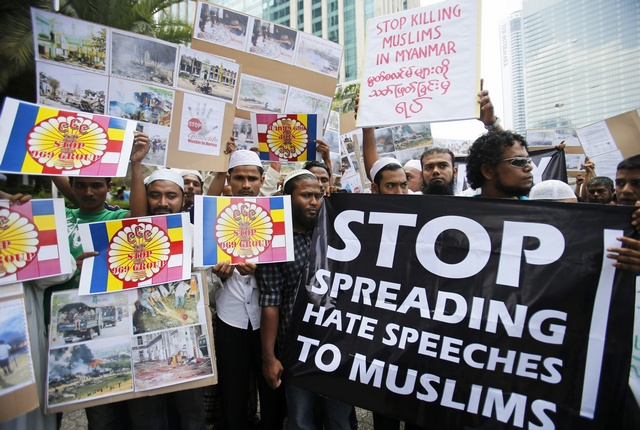
Trolls and viral hate speech thrive on a toxic mix of weak ethics, attention-seeking, and mob mentality
Islamophobia, Rohingya Hate Campaign in Myanmar Malaysia and Xenophobia in numerous countries
When people perform for an audience or rush to join a crowd, logic and empathy usually go out the window. Psychologists and digital media experts break this exact behavior down into a few distinct patterns:
• Playing to the Gallery (Performative Outrage):
Digital platforms reward engagement. Trolls and creators often manufacture anger or cruelty because they know it drives likes, shares, and comments. The audience becomes an enabler, feeding the troll’s need for validation.
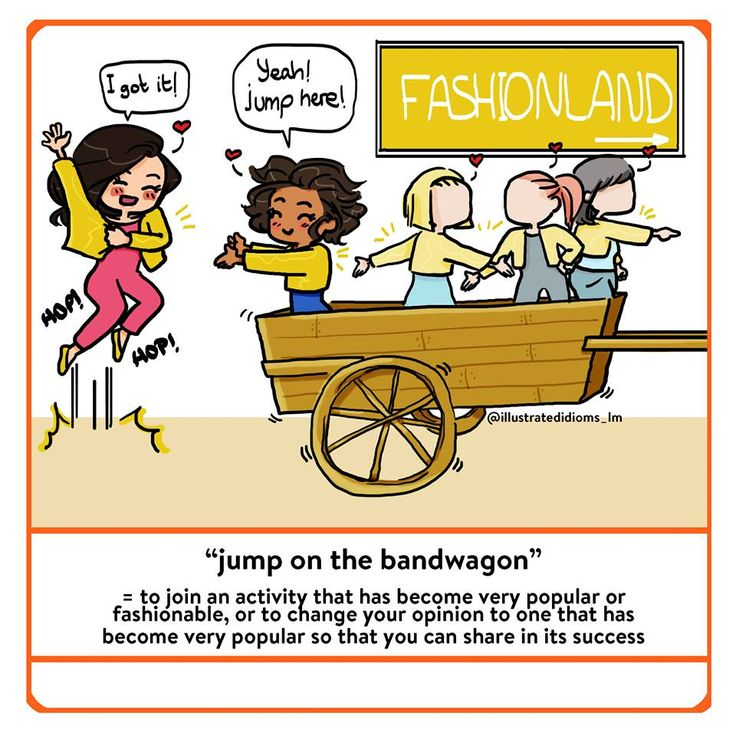
• Jumping on the Bandwagon (The Echo Chamber Effect): Once a negative trend starts rolling, people join in simply because “everyone else is doing it.” This creates a herd mentality where individuals feel safe attacking someone because they are part of a larger group.
• Tawdriness of the Moral Compass (Deindividuation): The internet provides a shield of relative anonymity. When people don’t have to look their targets in the eye, their moral boundaries degrade. They say things online that they would never have the courage to say in person.
It creates a vicious cycle where algorithms push the most polarizing content, and users compromise their values just to feel included or noticed.
The phrase “tawdriness of the moral compass” describes a state where a person’s or society’s sense of right and wrong has become cheap, superficial, and degraded.
Instead of being guided by deep, meaningful ethics, a “tawdry” moral compass focuses on outward appearances, cheap thrills, or superficial virtues. It implies that morality has been reduced to something gaudy, vulgar, or easily bought—essentially, a fake or low-quality version of true integrity.
Here is a breakdown of what this concept looks like in practice:
• Superficial Virtue: Prioritizing public image and “virtue signaling” over actual, impactful moral actions.
• Transaction over Principle: Treating ethical decisions like financial or social transactions—doing the right thing only when it pays off.
• Shallow Values: Valuing celebrity, wealth, or momentary validation above honesty, empathy, and justice.
“Playing to the gallery” means to behave or speak in an exaggerated way to gain public approval or cheap popularity, rather than dealing with important matters seriously.
Origin of the Phrase
• Theatrical roots: The term comes from old theaters where the “gallery” meant the highest and cheapest seats far from the stage.
• Audience reaction: These upper seats held the loudest, least sophisticated crowd.
• Overacting: Actors who exaggerated their performance just to get a loud reaction from the top row were said to “play to the gallery”.
Common Examples
• Politicians: A leader making loud, unrealistic promises on TV just to win votes instead of solving a hard problem.
• Everyday life: Someone arguing loudly in a meeting just to impress the boss or the room, rather than finding a real solution.
jump on the bandwagon
To jump on the bandwagon means to join a popular activity, trend, or cause simply because it is successful or fashionable.
Meaning and Usage
• Definition: Following the crowd to share in the success or benefits of a trend.
• Tone: Often critical or disapproving, implying that a person lacks genuine interest and acts out of opportunism.
• Example: When electric cars became trendy, many traditional car companies jumped on the bandwagon.
Origin
• The phrase comes from 19th-century American politics and circuses, where a decorated wagon carried musicians at the head of a parade.
• Important people would climb onto the moving wagon to gain visibility and look popular.
Islamophobia, Rohingya Hate Campaign in Myanmar Malaysia and Xenophobia in numerous countries
The exact psychological and behavioral mechanisms previously discussed—playing to the gallery, jumping on the bandwagon, and a decaying moral compass—are precisely what drive the devastating real-world hate campaigns against the Rohingya and the broader rise of global Islamophobia and xenophobia.
When applied to these specific crises, digital vitriol transforms from online trolling into a coordinated tool for systemic persecution and violence.
1. Myanmar: “Hate Bait” and Genocidal Deindividuation
In Myanmar, the tragic intersection of social media and systemic violence served as a textbook example of how engagement-driven algorithms amplify hate.
• The Bandwagon Effect: Military actors and ultra-nationalist groups weaponized platforms like Facebook. They flooded networks with “hate bait”—memes, cartoons, and false warnings of an impending “global Muslim threat”.
• The Moral Degradation: This digital dehumanization re-indexed ordinary neighbors as existential threats. It paved a psychological pathway for mass atrocities, forced displacement, and ongoing violence by both the junta and regional armed groups like the Arakan Army.
2. Malaysia: Coordinated Disinformation and Populist Pressure
Malaysia has long provided a fragile sanctuary for refugees. However, the digital landscape has shifted severely, marked by an escalating wave of targeted hostility.
• Playing to the Gallery: Anti-refugee accounts and anonymous fanbases deliberately manufacture xenophobic outrage. They circulate fabricated narratives claiming the Rohingya are demanding land, special citizenship rights, or territorial autonomy.
• The Real-World Fallout: This online bandwagon effect has real-world consequences. An online petition calling for the removal of the Rohingya amassed hundreds of thousands of signatures before being suspended. Human rights organizations like SUHAKAM have condemned this dangerous trend of dehumanization, which has escalated to doxxing, physical intimidation of refugee leaders, and the forced closure of at least nine Rohingya community schools due to safety fears.
3. Global Islamophobia and Xenophobia: The Institutional Blueprint
On a broader scale, Islamophobia and xenophobia function as institutionalized structures. They show how easily crowds can be manipulated globally:
• The “Us vs. Them” Algorithm: Geopolitical tensions and political rhetoric frequently frame Muslim identities as inherent security threats. Digital platforms monetize this tension. For instance, data from international monitors showed an 11-fold amplification of Islamophobic content on platform X following major geopolitical escalations in early 2026.
• Double Standards: Digital mobs easily maintain cognitive dissonance. Online networks routinely weaponize double standards, showing intense solidarity for certain global conflicts while expressing intense xenophobia toward Rohingya refugees fleeing identical horrors.
The Dangerous Cycle
Mechanism Digital Trigger Real-World Impact
Playing to the Gallery Fabricated posters, outrage baiting, and sensationalized headlines. Politicians and creators leverage fear to gain engagement and control political narratives.
Jumping on the Bandwagon Mass-sharing of viral petitions, hashtags, and coordinated bot networks. Social pressure forces ordinary citizens into silence or participation in xenophobic movements.
Tawdriness of Moral Compass Anonymity shields users from the human reality of a refugee’s trauma. High-volume doxxing, harassment, and structural denial of healthcare, education, and basic safety.
When algorithms prioritize high-conflict engagement over human dignity, the “gallery” being played to isn’t just seeking entertainment—it actively drives state-level policy, blocks humanitarian aid, and endangers vulnerable populations.
The phrase “tawdriness of the moral compass” describes a state where a person’s or society’s sense of right and wrong has become cheap, superficial, and degraded.
Instead of being guided by deep, meaningful ethics, a “tawdry” moral compass focuses on outward appearances, cheap thrills, or superficial virtues. It implies that morality has been reduced to something gaudy, vulgar, or easily bought—essentially, a fake or low-quality version of true integrity.
Here is a breakdown of what this concept looks like in practice:
• Superficial Virtue: Prioritizing public image and “virtue signaling” over actual, impactful moral actions.
• Transaction over Principle: Treating ethical decisions like financial or social transactions—doing the right thing only when it pays off.
• Shallow Values: Valuing celebrity, wealth, or momentary validation above honesty, empathy, and justice.
“Playing to the gallery” means to behave or speak in an exaggerated way to gain public approval or cheap popularity, rather than dealing with important matters seriously.
Origin of the Phrase
• Theatrical roots: The term comes from old theaters where the “gallery” meant the highest and cheapest seats far from the stage.
• Audience reaction: These upper seats held the loudest, least sophisticated crowd.
• Overacting: Actors who exaggerated their performance just to get a loud reaction from the top row were said to “play to the gallery”.
Common Examples
• Politicians: A leader making loud, unrealistic promises on TV just to win votes instead of solving a hard problem.
• Everyday life: Someone arguing loudly in a meeting just to impress the boss or the room, rather than finding a real solution.
jump on the bandwagon
To jump on the bandwagon means to join a popular activity, trend, or cause simply because it is successful or fashionable.
Meaning and Usage
• Definition: Following the crowd to share in the success or benefits of a trend.
• Tone: Often critical or disapproving, implying that a person lacks genuine interest and acts out of opportunism.
• Example: When electric cars became trendy, many traditional car companies jumped on the bandwagon.
Origin
• The phrase comes from 19th-century American politics and circuses, where a decorated wagon carried musicians at the head of a parade.
• Important people would climb onto the moving wagon to gain visibility and look popular.
Islamophobia, Rohingya Hate Campaign in Myanmar Malaysia and Xenophobia in numerous countries
The exact psychological and behavioral mechanisms previously discussed—playing to the gallery, jumping on the bandwagon, and a decaying moral compass—are precisely what drive the devastating real-world hate campaigns against the Rohingya and the broader rise of global Islamophobia and xenophobia.
When applied to these specific crises, digital vitriol transforms from online trolling into a coordinated tool for systemic persecution and violence.
1. Myanmar: “Hate Bait” and Genocidal Deindividuation
In Myanmar, the tragic intersection of social media and systemic violence served as a textbook example of how engagement-driven algorithms amplify hate.
• The Bandwagon Effect: Military actors and ultra-nationalist groups weaponized platforms like Facebook. They flooded networks with “hate bait”—memes, cartoons, and false warnings of an impending “global Muslim threat”.
• The Moral Degradation: This digital dehumanization re-indexed ordinary neighbors as existential threats. It paved a psychological pathway for mass atrocities, forced displacement, and ongoing violence by both the junta and regional armed groups like the Arakan Army.
2. Malaysia: Coordinated Disinformation and Populist Pressure
Malaysia has long provided a fragile sanctuary for refugees. However, the digital landscape has shifted severely, marked by an escalating wave of targeted hostility.
• Playing to the Gallery: Anti-refugee accounts and anonymous fanbases deliberately manufacture xenophobic outrage. They circulate fabricated narratives claiming the Rohingya are demanding land, special citizenship rights, or territorial autonomy.
• The Real-World Fallout: This online bandwagon effect has real-world consequences. An online petition calling for the removal of the Rohingya amassed hundreds of thousands of signatures before being suspended. Human rights organizations like SUHAKAM have condemned this dangerous trend of dehumanization, which has escalated to doxxing, physical intimidation of refugee leaders, and the forced closure of at least nine Rohingya community schools due to safety fears.
3. Global Islamophobia and Xenophobia: The Institutional Blueprint
On a broader scale, Islamophobia and xenophobia function as institutionalized structures. They show how easily crowds can be manipulated globally:
• The “Us vs. Them” Algorithm: Geopolitical tensions and political rhetoric frequently frame Muslim identities as inherent security threats. Digital platforms monetize this tension. For instance, data from international monitors showed an 11-fold amplification of Islamophobic content on platform X following major geopolitical escalations in early 2026.
• Double Standards: Digital mobs easily maintain cognitive dissonance. Online networks routinely weaponize double standards, showing intense solidarity for certain global conflicts while expressing intense xenophobia toward Rohingya refugees fleeing identical horrors.
The Dangerous Cycle
Mechanism Digital Trigger Real-World Impact
Playing to the Gallery Fabricated posters, outrage baiting, and sensationalized headlines. Politicians and creators leverage fear to gain engagement and control political narratives.
Jumping on the Bandwagon Mass-sharing of viral petitions, hashtags, and coordinated bot networks. Social pressure forces ordinary citizens into silence or participation in xenophobic movements.
Tawdriness of Moral Compass Anonymity shields users from the human reality of a refugee’s trauma. High-volume doxxing, harassment, and structural denial of healthcare, education, and basic safety.
When algorithms prioritize high-conflict engagement over human dignity, the “gallery” being played to isn’t just seeking entertainment—it actively drives state-level policy, blocks humanitarian aid, and endangers vulnerable populations.