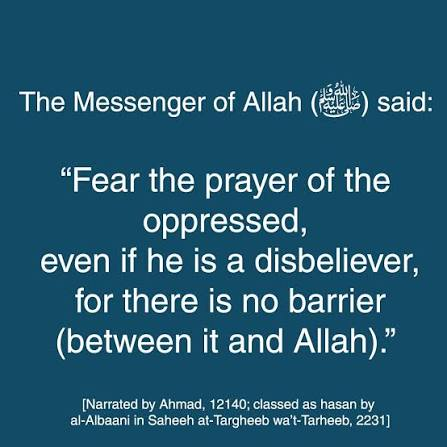
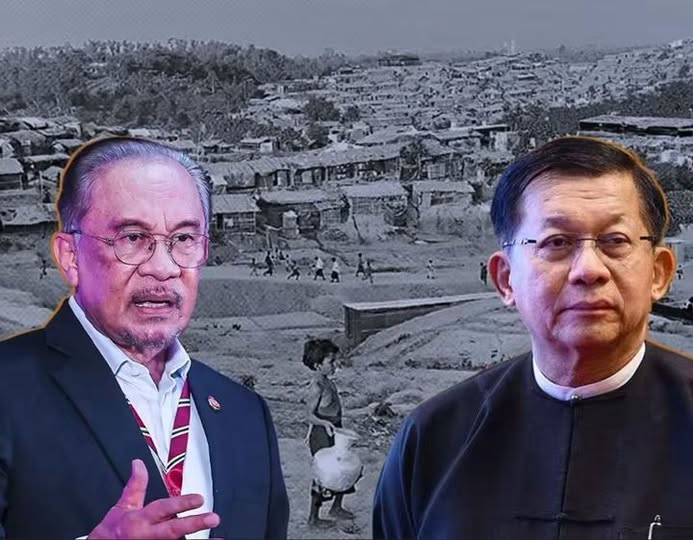
I wish to dedicate this post to ALL the Muslims from Myanmar: Myanmar Myanmar Muslim Groups and Organizations Vs Rohingyas
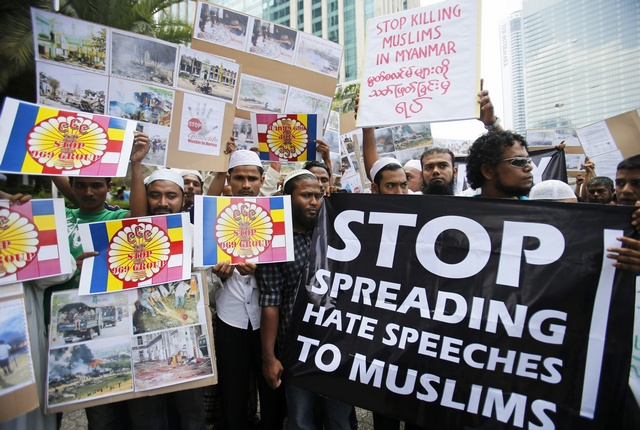
Esprit de corps is a French phrase that means the shared spirit of loyality, and devotion, uniting the members of the group.
Core Meanings
- Esprit de corps: The “spirit of the body” or team spirit that builds trust and morale.
- All for one, one for all: A motto of mutual support where individual members and the whole group protect and care for each other.
- Unity in diversity: A principle celebrating different backgrounds and strengths working together as one cohesive team.
Why It Matters
- Stronger bonds: Transforms a simple group of people into a supportive team.
- Shared success: Helps members push past limits and reach common goals.
- Higher morale: Reduces conflict and increases happiness at work or in community groups.
The Muslim population of Myanmar is a diverse tapestry composed of several distinct communities with different historical backgrounds, geographic locations, and legal statuses.
While all Muslim groups in Myanmar have faced systemic discrimination, anti-Islamic sentiment, and severe human rights challenges, there are crucial historical and political differences between the Mainland Myanmar Muslim groups/organizations and the Rohingya population of Rakhine State.
Understanding these differences honors the complex identities within Myanmar’s Islamic heritage under the spirit of unity and shared struggle.
Comparative Overview of Muslim Groups in Myanmar
| Category | Mainland Myanmar Muslim Groups & Organizations | The Rohingya |
|---|---|---|
| Primary Region | Urban and rural centers across mainland Myanmar (Yangon, Mandalay, Mawlamyine, etc.). | Concentrated heavily in northern Rakhine State (formerly Arakan). |
| Ethnic Identities | • Burmese Muslims (Bamar Muslims) • Kaman Muslims (officially recognized indigenous group) • Pathan/Indian Muslims (descendants from the British colonial era) • Panthay Muslims (Chinese Muslims). | A distinct ethnic minority with a unique language and culture closely related to the Chittagonian dialect of Bangladesh. |
| Language Spoken | Burmese as their primary language, sharing the cultural customs of their local regions. | Rohingya language, distinct from standard Burmese. |
| Legal & Citizenship Status | Many hold full or partial citizenship (e.g., the Kaman), though they face institutional discrimination, mosque closures, and barriers to government jobs. | Stripped of citizenship under the 1982 Citizenship Law; officially rendered stateless and labeled “illegal Bengali immigrants” by successive regimes. |
| Core Hardships Faced | Intercommunal riots, rising Islamophobia driven by nationalist groups, and systemic exclusion from higher military or political offices. | Subjected to state-sponsored military crackdowns, crimes against humanity, and a genocide that forced over a million to flee. |
Key Historical & Political Realities
1. The Fragmented Legal Landscape
The military regimes of Myanmar historically used a policy of “divide and rule”. By embedding the 135 officially recognized ethnic groups into the constitution, they deliberately excluded the Rohingya to frame them as foreign. In contrast, groups like the Kaman Muslims were officially recognized but still faced intense displacement and marginalization during outbreaks of communal violence.
2. The Role of Mainland Muslim Organizations
Mainland Muslim organizations (such as the All Myanmar Islam Association) have historically operated under intense political surveillance. To survive under repressive military rule, these organizations often had to walk a dangerous tightrope—advocating for the religious rights of mainland Muslims while being legally restricted from politically representing or defending the stateless Rohingya population.
3. Shift Towards Shared Unity Post-2021
Following the February 2021 military coup in Myanmar, the sociopolitical dynamic began to shift. The pro-democracy movement and the National Unity Government (NUG) have increasingly acknowledged the past atrocities committed against the Rohingya. This resistance has fostered a renewed sense of “All for one, one for all” among different ethnic and religious youth groups, who now widely recognize that true democracy in Myanmar requires human rights and religious freedom for all Muslims, without exception.