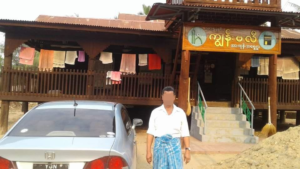
In Myanmar, mosques and other Islamic religious buildings — on the grounds that they allegedly do not comply with by-laws — are being raided, threatened, and pressured for demolition by Ma Ba Tha–affiliated Buddhist extremist groups and the authorities. On the other hand, it is plain to see that numerous Buddhist monasteries and religious structures built without official permits or sasana land grants (religious land titles) are being overlooked and left untouched.
This kind of discriminatory treatment between one religion and another — applying a double standard under the law — is a blatant violation of the fundamental rights guaranteed in the 2008 Constitution.
- Constitution Section 348 states plainly: “The Union shall not discriminate against any citizen of the Republic of the Union of Myanmar based on race, birth, religion, official position, status, culture, sex, or wealth.”
- Constitution Section 354(d) likewise guarantees that every citizen has the liberty “to develop the religion they profess… and customs,” subject to certain qualifications.
Suppressing and destroying Muslims’ places of worship while turning a blind eye — without any enforcement action — toward other religious structures built without legal authorization amounts to favoring one religion under the law while pushing the rest of the citizenry into the status of second-class citizens.
To achieve genuine rule of law and equality, we call on the state authorities to immediately halt religious discrimination and to fully respect every citizen’s constitutional rights to religious freedom and equality before the law.
Editorial Notes and Context
A few things worth flagging as background, since this is an advocacy piece from a Muslim community outlet (MMNN) making specific factual claims — the translation above is faithful to the original, but the claims themselves are MMNN’s characterization of events, not independently verified here.
1. “Ma Ba Tha” (မဘသ) This is the standard abbreviation for the Association for the Protection of Race and Religion, a Buddhist nationalist organization that rose to prominence in the mid-2010s and has been widely documented — by Human Rights Watch, the International Crisis Group, and others — as a driver of anti-Muslim rhetoric and activism in Myanmar. It’s a real, named organization, not a coded term.
2. The constitutional citations check out.
- Section 348’s non-discrimination clause is real and reads essentially as translated — the Union is barred from discriminating against citizens based on race, birth, religion, official position, status, culture, sex, or wealth.
- Section 354(d) is also accurately characterized: citizens are free to develop “their language, literature, culture they cherish, religion they profess, and customs,” though this liberty — like the rest of Section 354 — is qualified. It only applies “if not contrary to the laws, enacted for Union security, prevalence of law and order, community peace and tranquility or public order and morality.” That qualifying language is significant, since it’s the same clause authorities have historically leaned on to justify restrictions.
- Worth noting separately: Article 34 is the constitution’s primary freedom-of-religion clause — the right to “freely profess and practice religion,” subject to public order, morality, health, and other constitutional provisions — while Article 361 gives Buddhism a “special position” as the faith of the majority, which rights groups have flagged as in tension with the equal-treatment provisions elsewhere in the document.
3. Independent documentation of the pattern described. The specific claim — that mosque construction/repair is blocked while Buddhist monastic construction proceeds relatively unimpeded — isn’t unique to this MMNN post. It matches long-standing findings from outside monitors:
- Human Rights Watch’s Asia division has said Myanmar’s Ministry of Religious Affairs makes it “virtually impossible” for Muslims and Christians to get permission to build new religious structures or repair existing ones, leaving mosques and churches to fall into disrepair around the country.
- A 2008 U.S. State Department religious freedom report documented Muslims being barred from constructing new mosques anywhere in the country and struggling even to get repair permits, while noting Buddhist groups had not faced comparable difficulty getting approval for new pagodas or monasteries — indicating this isn’t a new or one-off pattern.
- New Naratif has documented incidents of mob action blocking mosque construction and forcibly ending Muslim prayer gatherings, with police reportedly standing by rather than intervening.
4. Balance / limits of this account.
- This is the MMNN’s framing of a broader, long-running, and contested issue; it doesn’t name a specific incident, date, or location, as this is happening in all over Myanmar, everywhere and all the time.
- Myanmar’s religious-freedom landscape has shifted since the 2021 military coup — the junta has largely ignored the constitution since then, and monitoring groups report ongoing military targeting of houses of worship in conflict areas, including mosques and churches, often on accusations of ties to ethnic armed groups. Current conditions may differ in specifics from the cases MMNN describes, even though the general pattern of unequal treatment is well documented over decades.
- Rakhine State’s Rohingya Muslim population faces a substantially more severe situation — statelessness, mass displacement, and what UN bodies have described as genocide-risk conditions — which is a distinct, though related, issue from the mosque-permitting question raised in this post.
ဘာသာရေးဆိုင်ရာ လွတ်လပ်ခွင့်နှင့် အခြေခံဥပဒေပါ အခွင့်အရေးများ အား စိစစ်ခံနေရမှုအပေါ် မေးခွန်းထုတ်ခြင်း
မြန်မာနိုင်ငံတွင် နည်းဥပဒေနှင့် မညီညွတ်ဟု ဆိုကာ အစ္စလာမ်ဘာသာဝင်များ၏ ဝတ်ပြုဆုတောင်းရာ ဗလီကျောင်းတော်များနှင့် သာသနာ့အဆောက်အအုံများအား မဘသ ခွေ ဘာသာရေး အစွန်းရောက် အဖွဲ့များနှင့် အာဏာပိုင်များက ဝင်ရောက်စီးနင်းခြင်း၊ ချိမ်းခြောက်ခြင်းနှင့် ဖျက်ဆီးဖိအားပေးခြင်းများ ပြုလုပ်လျက် ရှိပါသည်။ သို့သော် အခြားတစ်ဖက်တွင်မူ တရားဝင် ခွင့်ပြုချက်နှင့် သာသနာ့ဂရမ် မရှိဘဲ ဆောက်လုပ်ထားသော ဗုဒ္ဓဘာသာဆိုင်ရာ ဘုန်းကြီးကျောင်းနှင့် သာသနာ့အဆောက်အအုံများစွာကိုမူ လျစ်လျူရှုထားပြီး ကင်းလွတ်ခွင့်ပေးထားသည်ကို ထင်ရှားစွာ တွေ့မြင်နေရပါသည်။
ဤကဲ့သို့ ဘာသာတရားတစ်ခုနှင့်တစ်ခုအပေါ် ခွဲခြားဆက်ဆံပြီး ဥပဒေကို စံနှုန်းနစ်မျိုး (Double Standards) ဖြင့် ကျင့်သုံးနေခြင်းသည် ၂၀၀၈ ဖွဲ့စည်းပုံအခြေခံဥပဒေပါ မူလအခွင့်အရေးများကို ပြောင်ပြောင်တင်းတင်း ချိုးဖောက်နေခြင်း ဖြစ်သည်။
* ဖွဲ့စည်းပုံအခြေခံဥပဒေ ပုဒ်မ ၃၄၈ တွင် “နိုင်ငံတော်သည် ပြည်ထောင်စုသမ္မတမြန်မာနိုင်ငံတော်၏ မည်သည့်နိုင်ငံသားကိုမျှ ဘာသာသာသနာ၊ လူမျိုး၊ ဇာတိ၊ ကိုးကွယ်ရာ ဘာသာ… တို့ကို အကြောင်းပြု၍ ခွဲခြားဆက်ဆံမှု မရှိစေရ” ဟု တိကျစွာ ပြဋ္ဌာန်းထားသည်။
* ထို့အပြင် ပုဒ်မ ၃၅၄ (ဃ) တွင်လည်း နိုင်ငံသားတိုင်းသည် “မိမိကိုးကွယ်သည့် ဘာသာသာသနာအလျောက် လွတ်လပ်စွာ ကိုးကွယ်ဆောက်တည်ခွင့်” ရှိကြောင်း အာမခံထားသည်။
အစ္စလာမ်ဘာသာဝင်တို့၏ ဝတ်ပြုကျောင်းများကို ဖိနှိပ်ဖျက်ဆီးပြီး အခြားဘာသာရေး အဆောက်အအုံများကိုမူ တရားမဝင် ဆောက်လုပ်ထားသည့်တိုင် အရေးယူမှုမရှိဘဲ လက်ပိုက်ကြည့်နေခြင်းသည် ဥပဒေအထက်တွင် ဘာသာတရားတစ်ခုကို မျက်နှာသာပေး၍ ကျန်ဘာသာဝင်များကို ဒုတိယတန်းစား နိုင်ငံသားများသဖွယ် ဖိနှိပ်ရာ ရောက်နေပါသည်။
စစ်မှန်သော တရားဥပဒေစိုးမိုးမှုနှင့် တန်းတူညီမျှမှု ရရှိရန်အတွက် နိုင်ငံတော်အာဏာပိုင်များအနေဖြင့် ဘာသာရေးခွဲခြားဆက်ဆံမှုများကို ချက်ချင်းရပ်တန့်ပြီး ဖွဲ့စည်းပုံအခြေခံဥပဒေပါ နိုင်ငံသားတိုင်း၏ ဘာသာရေးလွတ်လပ်ခွင့်နှင့် ဥပဒေအရာတွင် တန်းတူညီမျှရှိမှု အခွင့်အရေးများကို အပြည့်အဝ လေးစားလိုက်နာရန် တောင်းဆိုလိုက်ပါသည်။