Balancing administrative feasibility with the critical need to undo decades of forced linguistic assimilation is one of the toughest challenges in building a true federal democracy. Decoupling the central working languages from autonomous state language policies remains one of the most statistically viable paths to achieving that balance.
1. The Core Issue: “Burmanization” as Forced Assimilation
- The Prohibited Language Policy: A central component of what ethnic minorities define as Burmanization is the systemic pressure—both historically and presently—forcing them to learn and use Burmese (Myanmar) as the sole official language. Concurrently, they have faced structural prohibitions and active suppression regarding the learning, teaching, and administrative use of their own native languages and localized dialects.
- A Weaponized Identity: The author, Phyo Win Latt, notes that the state has historically weaponized the majority Bamar-Buddhist-Male identity. Minorities do not view the enforcement of a singular “Civic Nationalism” or a uniform national language as a neutral step toward unity; instead, they view it as “Consent Burmanization”—a cold, systemic absorption designed to erase their distinct identities without firing a bullet.
- The “Accent Penalty”: Because the state apparatus is structurally Burmanized, ethnic minorities who do not speak perfect, unaccented Burmese face hidden daily inequalities, including severe social and economic disadvantages (an unofficial “accent tax”).
2. Overcoming the Dialect Fragmentation & Language Lock
- The Practical Hurdle: While ethnic states want autonomy, the sheer volume of fragmented sub-dialects (e.g., within the Chin, Kachin, and Shan groups) makes declaring a single local official language structurally chaotic.
- The Four-Language Framework Compromise: To break the forced reliance on Burmese while acknowledging internal dialect diversity, you propose a transitional framework modeled after multilingual nations like India or Singapore:
- Myanmar (Burmese)
- English (Serving as a neutral international language; if minorities reject learning Burmese, English provides an easier, highly practical alternative for global and regional integration).
- Chinese
- Local Ethnic Language of Choice (Determined autonomously by the specific geographic or state demographics).
- AI and Tech Integration: With modern AI translation capabilities, bridging the gap between the top three major languages is entirely viable. The onus and freedom can then shift to individual ethnic groups to build targeted translation apps specifically tailored to digitize and preserve their localized sub-dialects.
- Complex Demographics: Any long-term constitutional solution must realistically accommodate the complex social realities of mixed-ethnic marriages and families residing in completely unrelated dialect zones.
Data & Strategic Advice on Language Suppression Transitions
When look at states transitioning away from decades of forced language assimilation, several key data points emerge:
The Cost of Rigid Monolingualism vs. The Indian Solution
States that try to enforce a singular language to build “national unity” almost always trigger prolonged civil conflict.
- The Counter-Example: Sri Lanka’s 1956 “Sinhala Only Act” disenfranchised the Tamil minority, directly accelerating a decades-long civil war.
- The Successful Parallel: India faced massive linguistic riots post-independence when trying to mandate Hindi. They resolved this via the Three-Language Formula in education (State Language, Hindi, and English) and the constitution’s Eighth Schedule. Crucially, India decentralized language policy: the federal government uses English and Hindi, but individual states possess total constitutional autonomy to declare their own official regional languages, protecting local populations from top-down cultural erasure.
Implementing De-Burmanization via Education
If a future federal system intends to reverse forced Burmanization, data from transitional justice frameworks suggests implementing Mother-Tongue-Based Multilingual Education (MTB-MLE). Studies show that teaching children in their native tongue during early primary years, before gradually introducing a national working language or English, drastically increases literacy rates, reduces school dropout numbers among minority kids, and restores cultural dignity stripped away by previous regimes.
Phyo Win Latt The Calling Digest တံပိုးသံစာစဉ်ပင်မစာမျက်နှာ
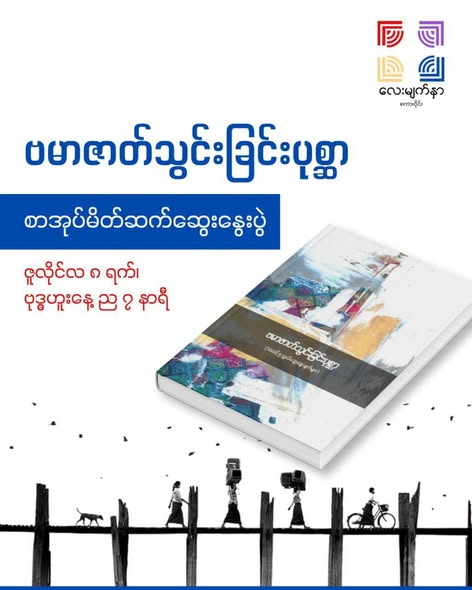
ပြီးခဲ့တဲ့ ဇူလိုင် ၈ ရက်နေ့က တံပိုးသံစာစဉ်နဲ့ လေးမျက်နှာတို့ ပူးပေါင်းလုပ်ခဲ့တဲ့ “ဗမာဇာတ်သွင်းခြင်းပုစ္ဆာ” စာအုပ်မိတ်ဆက် ဆွေးနွေးပွဲလေးမှာ ကျွန်တော် ဝင်ရောက်ဆွေးနွေးဖြစ်ခဲ့တဲ့ အချက်လေးတွေကို မိတ်ဆွေတို့အတွက် ပြန်လည်မျှဝေပေးချင်ပါတယ်။
အရင်ဆုံး ပြောချင်တာက ကျွန်တော်တို နိုင်ငံမှာ အမြဲတမ်း ငြင်းခုန်နေရတဲ့ လူများစုနဲ့ လူနည်းစုတွေအကြားက အကျိုးစီးပွား မကိုက်ညီမှု (Incompatible Interests) ပြဿနာပါပဲ။ ပုံထဲမှာ ထောက်ပြထားသလို တကယ့် လက်တွေ့ အရှိတရား (inconvenient truth) က ဗမာ/မြန်မာ လူများစုရဲ့ ကိုယ်ပိုင်လက္ခဏာ တည်ဆောက်မှု (identity formation) ဟာ နိုင်ငံတော် (State) ကနေ လူမျိုး (Nation) ဖြစ်လာတဲ့ ပုံစံမျိုး ဖြစ်နေပြီး၊ တိုင်းရင်းသား လူနည်းစုတွေဘက်ကကျတော့ သူတိုရဲ့ လူမျိုး (Nation) တွေကနေ နိုင်ငံတော် (State) တွေ ဖြစ်လာဖို စိတ်ကူးပုံဖော် (imagine) နေကြတာပါ။ အဲဒီလို လျှောက်လှမ်းတဲ့ လမ်းကြောင်းချင်း မတူညီတဲ့အတွက် သူတိုရဲ့ အကျိုးစီးပွားတွေဟာ ထပ်တူမကျတဲ့အပြင် (overlapped မဖြစ်ဘဲ) မျက်နှာချင်းဆိုင် ဝင်တိုက်နေတဲ့ အနေအထား (head-on collision) မျိုး ဖြစ်နေကြပါတယ်။
ဒီကိစ္စကို လူများစုဘက်က ကြည့်မယ်ဆိုရင် လူမျိုးရေးကို အခြေမခံဘဲ နိုင်ငံသားဖြစ်မှုကိုပဲ အဓိကထား ကိုင်စွဲမယ့် Civic Nationalism လို အယူအဆမျိုးဟာ တရားမျှတတယ်၊ တန်းတူညီမျှတယ်လို မြင်ပြီး နိုင်ငံတော် တည်ဆောက်ရေးအတွက် အကောင်းဆုံး Win-Win Solution လို ထင်တတ်ကြပါတယ်။ ဒါပေမဲ့ လူနည်းစုတွေဘက်က ပြန်ကြည့်ရင်တော့ ကိုယ်ပိုင်ပြဋ္ဌာန်းခွင့်၊ ဘာသာစကား၊ ယဉ်ကျေးမှုနဲ့ အမှတ်သညာတွေကို ဖွဲစည်းပုံအရ အခိုင်အမာ အကာအကွယ် မပေးနိုင်သေးခင် အချိန်မျိုးမှာ ဒီ Civic Nationalism ကို အတင်းကျင့်သုံးလာတာဟာ သေနတ်မသုံးဘဲ သွေးအေးအေးနဲ့ ဝါးမျိုပစ်မယ့် “သဘောတူညီမှုဖြင့် ဗမာမှုပြုခြင်း (Consent Burmanization)” လိုပဲ မြင်ကြပါတယ်။
စာအုပ်ထဲမှာ ရှင်းပြထားသလိုပဲ ဗမာဇာတ်သွင်းခြင်းဆိုတာ လူမျိုးရေး မုန်းတီးမှုသက်သက် မဟုတ်ဘဲ နိုင်ငံတော် မပြိုကွဲရေးအတွက် ဗဟိုချုပ်ကိုင်မှုကို တည်ဆောက်လိုတဲ့ မဟာဗျူဟာမြောက် စီမံကိန်းကြီးတခု ဖြစ်နေလိုပါ။ လူများစုတွေဘက်က နိုင်ငံတော်အုပ်ချုပ်သူ ရှုထောင့် (Seeing Like a State) ကနေ တွေးခေါ်လုပ်ဆောင်နေသမျှ ကာလပတ်လုံး၊ နိုင်ငံတည်ဆောက်ရေး လုပ်ငန်းစဉ် (Nation/State building process) တွေဟာ လူများစု ဗမာတွေရဲ့ ကိုယ်ပိုင်လက္ခဏာကိုပဲ အခြေခံနေမှာဖြစ်ပြီး အဆုံးမှာတော့ ဗမာဇာတ်သွင်းခြင်း (Burmanization) ပဲ ဖြစ်သွားမှာပါ။
Civic Nationalism လို ခေါင်းစဉ်လှလှလေး တပ်ထားရင်တောင်မှ၊ နိုင်ငံတော်ရဲ့ ရုံးသုံးဘာသာစကား၊ ပညာရေးစနစ်နဲ့ ယဉ်ကျေးမှု စံနှုန်းတွေကို ဘယ်သူက ဆက်ပြီး လွှမ်းမိုးသတ်မှတ်ထားမလဲ ဆိုတဲ့ လက်တွေ့ နိုင်ငံရေးအာဏာ ပြဿနာကြီးက ရှိနေဆဲပါ။ စာအုပ်ထဲမှာဆိုရင် ဒါကို ပညာရေးစနစ်ကနေ ဗမာ့သမိုင်းကိုပဲ အဓိကထားသင်ကြားပြီး အသိပညာကို လက်ဝါးကြီးအုပ်ထားတယ်လို ထောက်ပြထားပါတယ်။ ဒါ့အပြင် ဗမာစကား ပီပီသသ မပြောတတ်တဲ့ တိုင်းရင်းသားတွေအနေနဲ့ လူမှုရေးနဲ့ စီးပွားရေး အခွင့်အလမ်းတွေ ဆုံးရှုးရတဲ့ “လေသံ ဒဏ်ကြေး (Accent Penalty)” လိုမျိုး မမြင်ရတဲ့ လက်တွေ့ဘဝ မညီမျှမှုတွေ အများကြီးရှိနေတာကိုလည်း မြင်တွေ့ရမှာပါ။
ဒါကြောင့် “နိုင်ငံသားဖြစ်မှု” ဆိုတဲ့ ခေါင်းစဉ်အောက်မှာ လူများစုရဲ့ စံနှုန်းတွေကိုပဲ ပုံသေ သတ်မှတ်ထားသရွေ့ လူနည်းစုတွေ စိုးရိမ်နေတဲ့ Consent Burmanization ဆိုတဲ့ သံသယတွေက အမြဲကိန်းအောင်းနေဦးမှာပါ။ ဒီလို လမ်းကြောင်းချင်း မတူကွဲပြားနေတဲ့ အခြေအနေတွေကြောင့်၊ သမားရိုးကျ ပေါင်းစည်းတဲ့ ဖက်ဒရယ်စနစ် (coming together federalism) ထက်စာရင်၊ ရေရှည်အတွက် လုံးဝလွပ်လပ်ရေး၊ ဒါမှမဟုတ် ဗဟိုချုပ်ကိုင်မှုမရှိသလောက် လျော့ရဲတဲ့ ကွန်ဖက်ဒရေးရှင်း ပုံစံ (loose confederation model) ကို ရွေးချယ်တာက ပိုပြီး သင့်လျော်နိုင်တယ်လို ပုံထဲမှာလည်း အကြံပြုထားပါတယ်။
အချုပ်အားဖြင့် ပြောရရင်တော့ စာအုပ်မှာ ရေးသားထားသလိုပဲ အရင်စနစ်ဟောင်းကို ပြုပြင်ရုံနဲ့ မရဘဲ၊ ဗဟိုချုပ်ကိုင်မှု ယန္တရားကြီးတခုလုံးကို ဖြိုဖျက်ပြီး ဘယ်သူမှ တဦးတည်း မပိုင်ဆိုင်သလို အားလုံးလည်း ပူးတွဲပိုင်ဆိုင်တဲ့၊ ညှိနှိင်းမှုကနေ ပေါ်ပေါက်လာမယ့် နိုင်ငံရေးနယ်ပယ်အသစ်တခုကို တည်ဆောက်ဖို့ လိုအပ်ပါတယ်။
ဗမာဇာတ်သွင်းခြင်းပုစ္ဆာ (The Burmanization Puzzle) အတွက် လေးနက်သော မေးခွန်းများ
“ဗမာဇာတ်သွင်းခြင်းပုစ္ဆာ” နဲ့ ပတ်သက်ပြီး သုတေသနလုပ်နေကြတဲ့၊ အစီရင်ခံစာတွေ ရေးသားနေကြတဲ့ စာရေးသူတွေ၊ ပညာရှင်တွေကို ကျွန်တော့်အနေနဲ့ အလေးအနက်ထားပြီး မေးခွန်းထုတ်ချင်တဲ့၊ ပိုမိုနက်ရှိုင်းတဲ့ ဆွေးနွေးငြင်းခုံမှုတွေဆီ ဖိတ်ခေါ်ချင်တဲ့ အဓိက အချက် (၄) ချက် ရှိပါတယ်။
ဒီမေးခွန်းတွေဟာ အဖြေအသေ (final declarations) ထုတ်ပေးဖို့ မဟုတ်ပါဘူး။ Postcolonial state formation (ကိုလိုနီအလွန် နိုင်ငံတော်တည်ဆောက်ရေး)၊ transitional justice (အကူးအပြောင်းကာလ တရားမျှတမှု) နဲ့ Federalism အကြောင်းတွေကို ရင်းနှီးကျွမ်းဝင်ပြီးသား နိုင်ငံရေးလေ့လာသူတွေကြားမှာ အရင်ကထက် ပိုပြီး တိကျတဲ့ intellectually grounded ဖြစ်တဲ့ debate တွေ ဖြစ်လာဖို့ ရည်ရွယ်ပါတယ်။
၁။ De-Burmanization/Decolonization ကို ဘယ်လို အဓိပ္ပာယ်ဖွင့်ဆိုပြီး၊ လက်တွေ့မှာ ဘယ်လို အသက်သွင်းကြမလဲ။ အာဏာရှင်အလွန် (post-authoritarian) ဒါမှမဟုတ် တော်လှန်ရေးအလွန် (post-revolutionary) မြန်မာနိုင်ငံမှာ “De-Burmanization” (ဗမာဇာတ်သွင်းထားမှုကို ဖျက်သိမ်းခြင်း) ကို နိုင်ငံရေးအရ ဘယ်လို ဘောင်ခတ် ပုံဖော်ကြမလဲ။
ဒီနေရာမှာ De-Burmanization ဆိုတာ ဗမာအုပ်စိုးမှု မတိုင်ခင်ခေတ်က အင်မတန် သန့်စင်ပါတယ်ဆိုတဲ့ အတိတ်ကို ရိုမန်းတစ်ဆန်ဆန် ပြန်သွားတာမျိုး (romantic return to purity) မဟုတ်သလို၊ ရှိပြီးသား အထက်အောက် အဆင့်အတန်းတွေကို ပြောင်းပြန်လှန်ပစ်လိုက်ရုံ သက်သက်လည်း မဖြစ်သင့်ဘူးဆိုတာကို စာရေးသူတွေ သတိချပ်စေချင်ပါတယ်။ ယန္တရားပိုင်းဆိုင်ရာ (state institutions)၊ ပညာရေး၊ စစ်ရေးယဉ်ကျေးမှု၊ တရားဝင် သမိုင်းကြောင်းရေးသားမှု (official historiography) နဲ့ နေ့စဉ်ဘဝတွေမှာ “ဗမာ့စံနှုန်း” ကိုပဲ အလိုအ လျောက် ပေတံတစ်ခုလို သုံးနေတဲ့ hegemonic norms တွေကို ဘယ်လို လျှော့ချ (loosen) ကြမလဲ။
ဒါကို လုပ်တဲ့အခါမှာ သတိထားရမယ့် အကြီးမားဆုံး အန္တရာယ်က ဗမာဇာတ်သွင်းခြင်း နေရာမှာ နောက်ထပ် လူမျိုးရေး သန့်စင်မှု (identity purisms) ဒါမှမဟုတ် ဖိနှိပ်တဲ့ ယုတ္တိ (logic of coercion) အသစ်တစ်ခုနဲ့ အစားထိုးမိသွားတာမျိုး မဖြစ်အောင် institutional and epistemic shifts (အင်စတီကျူးရှင်းနဲ့ အသိပညာ ပိုင်းဆိုင်ရာ အပြောင်းအလဲတွေ) ကို ဘယ်လို ဖန်တီးကြမလဲဆိုတာ ပြင်းပြင်းထန်ထန် မေးခွန်းထုတ်ရပါ မယ်။
၂။ Coercive Burmanization ကြောင့် နစ်နာခဲ့ရသူတွေအတွက် Reparations (ကုစားခြင်း/လျော်ကြေးပေး ခြင်း) ကို ဘယ်လို ပုံစံမျိုးတွေနဲ့ ဖော်ဆောင်မလဲ။
ဒုတိယမေးခွန်းက Reparations နဲ့ ပတ်သက်ပါတယ်။ အတင်းအကျပ် ဗမာဇာတ်သွင်းခံရမှု (coercive assimilation) ရဲ့ ဒဏ်ကို ယဉ်ကျေးမှု၊ ဘာသာစကား၊ ဘာသာရေး၊ ပိုင်နက်နယ်မြေ၊ ပညာရေး၊ သမိုင်းနဲ့ အုပ်ချုပ်ရေး ယန္တရား စတဲ့ မျက်နှာစာပေါင်းစုံကနေ ခံစားခဲ့ရတဲ့ လူပုဂ္ဂိုလ်တွေနဲ့ အသိုက်အဝန်းတွေအတွက် ဘယ်လို ကုစားမှုမျိုးတွေ စဉ်းစားထားသလဲ။
ဒီနေရာမှာ Reparations ဆိုတာ ငွေကြေးလျော်ကြေးပေးတာ (financial compensation) သက်သက် မဟုတ်ပါဘူး။ Cultural restoration (ယဉ်ကျေးမှု ပြန်လည်ဖော်ထုတ်ခြင်း)၊ language rights (ဘာသာစကား အခွင့်အရေး)၊ educational reform (ပညာရေး ပြုပြင်ပြောင်းလဲမှု)၊ historical recognition (သမိုင်းကြောင်းများကို အသိအမှတ်ပြုခြင်း)၊ institutional restructuring (အင်စတီကျူးရှင်းများကို ပြန်လည်ဖွဲ့စည်းခြင်း) နဲ့ territorial autonomy (ပိုင်နက်နယ်မြေ ကိုယ်ပိုင်ပြဋ္ဌာန်းခွင့်) တွေ ပါဝင်ရပါမယ်။ အရေးအကြီးဆုံးက နောက်ထပ် ဒီလို ထပ်မဖြစ်စေရဘူးဆိုတဲ့ guarantees of non-repetition ပဲ ဖြစ်ပါ တယ်။ ဒီလိုလုပ်တဲ့နေရာမှာလည်း၊ သမိုင်းတလျှောက် မိမိကိုယ်ကို ဗမာအဖြစ် ပြောင်းလဲခံယူခဲ့ရတဲ့ (Self-Burmanization) ရောနှောမျိုးဆက်တွေ (mixed-heritage families) ရဲ့ နစ်နာမှု၊ တိတ်ဆိတ်စွာ ပျောက်ကွယ်သွားရတဲ့ အမွေအနှစ်တွေရဲ့ တန်ဖိုးတွေကိုပါ monolithic ဖြစ်တဲ့ “ဗမာ” ဆိုတဲ့ ပေတံအောက် မှာ ပြားချပ်မသွားအောင် ဘယ်လို သိမ်သိမ်မွေ့မွေ့ ကိုင်တွယ်မလဲ ဆိုတာကို သုတေသီတွေ စဉ်းစားဖို့ လိုပါတယ်။
၃။ ဗမာဇာတ်သွင်းထားတဲ့ State Mechanisms တွေကနေ ငြင်းဆန်သူတွေကို ဆက်လက် ဝါးမျိုခြင်းမပြု အောင် ဘယ်လို တားဆီးမလဲ။
တတိယမေးခွန်းက အနာဂတ် Federal၊ ဒီမိုကရေစီ ဒါမှမဟုတ် transitional state mechanisms တွေမှာ၊ ဗမာဇာတ်မသွင်းခံချင်တဲ့ အသိုင်းအဝိုင်းတွေကို ဆက်ပြီး သိမ်းသွင်းတာ၊ ဝါးမျိုတာ (absorption / co-optation) မျိုးတွေ မဖြစ်အောင် ဘယ်လို လုပ်ကြမလဲ ဆိုတာပါ။
နိုင်ငံရေးအရ အမည်ခံ အပြောင်းအလဲတွေ လုပ်လိုက်ရုံနဲ့ မရပါဘူး။ Burmanized state structures တွေဟာ တရားဝင် နိုင်ငံရေးအပြောင်းအလဲ နောက်ကွယ်မှာတောင် ကြီးစိုးချုပ်ကိုင်မှု (domination) ကို ပုံတူပွားပြီး ဆက်လက် အသက်ဝင်နေတတ်ပါတယ်။ အနာဂတ်ရဲ့ အုပ်ချုပ်ရေး၊ လုံခြုံရေးနဲ့ ပညာရေး ယန္တရားတွေဟာ “ပြည်ထောင်စုစိတ်ဓာတ်” ဆိုတဲ့ ခေါင်းစဉ်အောက်မှာ ယဉ်ကျေးမှုအရ တသားတည်းဖြစ်အောင် လုပ်တဲ့ (cultural homogenization) အဟောင်းအတိုင်း ပြန်မသွားဖို့ ဘယ်လို တည်ဆောက်ကြမလဲ။ နိုင်ငံတော်ရဲ့ ယန္တရားတွေထဲကို ဝင်ရောက်ဖို့အတွက် “ဗမာ့စံနှုန်း” တွေကို ကျွမ်းကျင်မှ ရမယ်ဆိုတဲ့ မမြင်ရတဲ့ တံတိုင်းတွေကို ဘယ်လို ဖြိုချကြမလဲ။
၄။ “ဗမာဇာတ်မသွင်းခံချင်သူများ” ကို ဘယ်လို အဓိပ္ပာယ်ဖွင့်ဆိုမလဲ။ (Essentialism ကို ရှောင်ရှားခြင်း)
စတုတ္ထနဲ့ အရေးအကြီးဆုံး မေးခွန်းကတော့ “those who are unwilling to be Burmanized” (ဗမာဇာတ် မသွင်းခံလိုသူများ) ကို ဘယ်လို အဓိပ္ပာယ်သတ်မှတ်မလဲ ဆိုတာပါပဲ။
ဒီအသိုက်အဝန်းကို အဓိပ္ပာယ်ဖွင့်တဲ့အခါ လူမျိုး၊ ဘာသာစကား၊ ဘာသာရေး၊ သို့မဟုတ် ပထဝီဝင်အနေအ ထား သက်သက်နဲ့ချည်း ကန့်သတ်လိုက်လို့ မရပါဘူး။ အဲဒီလို လုပ်လိုက်ရင် နောက်ထပ် ဖယ်ကြဉ်မှု (exclusion) သစ်တွေ၊ essentialism ဝါဒသစ်တွေနဲ့ နိုင်ငံတော်ကနေ အတင်းအကျပ် သတ်မှတ်ပေးတဲ့ (state-imposed categorization) တွေ ပြန်လည် မွေးဖွားလာပါလိမ့်မယ်။ Elite-driven identity management တွေကို ရှောင်ရှားရပါမယ်။
ဒီအစား၊ “Unwillingness” ကို relational and positional approach (ဆက်စပ်မှုနဲ့ ရပ်တည်ချက်ဆိုင်ရာ ရှုထောင့်) ကနေ ချဉ်းကပ်သင့်ပါတယ်။ ဆိုလိုတာက နိုင်ငံရေးအရ သဘောတူခွင့်ပြုမှု (political consent)၊ သမိုင်းဝင် အတွေ့အကြုံ (historical experience)၊ စုပေါင်းမှတ်ဉာဏ် (collective memory)၊ အင်စတီကျူး ရှင်းပိုင်းဆိုင်ရာ ရပ်တည်ချက် (institutional position) နဲ့ မိမိကိုယ်ကို မည်သို့သတ်မှတ်ခြင်း (self-identification) တွေအပေါ်မှာ အခြေခံပြီး စဉ်းစားဖို့ လိုပါတယ်။ မြို့ပြမှာနေပြီး ဗမာစကားကို ကျွမ်းကျွမ်း ကျင်ကျင် ပြောနိုင်ပေမယ့်၊ နိုင်ငံတော်ရဲ့ ယန္တရားတွေက သူ့ရဲ့ မူလကိုယ်ပိုင်လက္ခဏာကို ဖျောက်ဖျက်ဖို့ ဖိအားပေးလာတာကို ငြင်းဆန်တဲ့ (unwilling ဖြစ်တဲ့) mixed-heritage လူပုဂ္ဂိုလ်တွေရဲ့ self-identification တွေကိုပါ ဒီအဓိပ္ပာယ်ဖွင့်ဆိုချက်ထဲမှာ အတိအကျ ထည့်သွင်းစဉ်းစားနိုင်စွမ်း ရှိရပါမယ်။
ဒီမေးခွန်း (၄) ခုဟာ ဗမာဇာတ်သွင်းခြင်းဆိုတဲ့ ပုစ္ဆာကို သမိုင်းကြောင်းအရ ပြန်လည်တည်ဆောက်ရုံ (historical reconstruction) သက်သက်ကနေ၊ အနာဂတ် နိုင်ငံရေးစိတ်ကူး (political imagination) နဲ့ အင်စတီကျူးရှင်း ဒီဇိုင်းတွေဆီကို တွန်းပို့ပေးမယ့် မေးခွန်းတွေပါ။
အနာဂတ် မြန်မာနိုင်ငံရဲ့ Federalism ပရောဂျက်ဟာ သမားရိုးကျ လူမျိုးရေးဘောင်တွေထဲကနေ ခွဲထွက်ပြီး၊ သမိုင်းတလျှောက် ဗမာဇာတ်သွင်းခံရမှုကို အပြည့်အဝ ငြင်းဆန်ခဲ့ကြတဲ့၊ ဒါမှမဟုတ် တစိတ်တပိုင်းပဲ ညှိနှိုင်း လက်ခံခဲ့ကြတဲ့ အသိုက်အဝန်းတွေ အားလုံး စုပေါင်းထားတဲ့ “Union of the Unwilling” (ငြင်းဆန်သူ များ၏ ပြည်ထောင်စု) တခု အဖြစ် ဘယ်လို တည်ဆောက်ကြမလဲ။ မိမိတို့ရဲ့ မူလလက္ခဏာ တွေကို ဖျက်သိမ်းစရာမ လိုဘဲ၊ ကိုယ်ပိုင်လမ်းကြောင်း အသီးသီးကနေ အချုပ်အခြာအာဏာကို မျှဝေပိုင်ဆိုင်နိုင်တဲ့ (shared sovereignty) အခင်းအကျင်းသစ်တစ်ခု ဖန်တီးနိုင်ဖို့ဆိုရင်၊ အပေါ်မှာ မေးခွန်းထုတ်ခဲ့တဲ့ နိုင်ငံတော် ယန္တရား ဟောင်းတွေရဲ့ အမြစ်တွေကို ပြတ်ပြတ်သားသား ဖြိုလှဲနိုင်မှသာ ရပါလိမ့်မယ်။
ဒါဟာ သုတေသီတွေ၊ စာရေးသူတွေနဲ့ နိုင်ငံရေးဦးဆောင်သူတွေ အနေနဲ့ အလွယ်တကူ ကျော်သွားလို့မရတဲ့၊ ပိုမို ပြင်းထန်နက်ရှိုင်းစွာ ဆွေးနွေးငြင်းခုံသွားကြရမယ့် စိန်ခေါ်မှု ပုစ္ဆာကြီးတစ်ခုပဲဖြစ်ပါတယ်။
IF all the Ethnic Minorities wished to use their own language as official language in their State, difficult as there are many Chin Dialects, Kachin (Jinphaw/Lisu/Rawan etc, Shan (Shan, Palaung/Pao/Intha/Danu etc.. and other Ethnic minorities also have sub group. As Kachin/Karen/Chins are Christians….May be there should be Official three languages…1/ Myanmar 2/ English 3/Chinese and in addition to that No 4/ relevant Ethnic Group’s language of their choise. eg. India, Singapore, etc. As there is now Google and AI translate..first three could be translated. Each Ethnic Minority need to develop their own translation Application. As English is useful in International arena and IF Minorities don’t want to learn Myanmar..IF they are taught English and their own language of choise…IT may be easier. We need to consider about mixed marriages and different Ethnic Group’s families in another unrelated Dialect area also.
အဆင့် ၅ သွယ်ဆွေးနွေးချက် စာတမ်းအမှတ် (၇) ဗမာဇာတ်သွင်းခြင်းပုစ္ဆာ – “လူ” ပြဿနာမှ “နိုင်ငံရေးမူ” ပြဿနာဆီသို့ စာအုပ်ကို မျှဝေပေးလိုက်ပါတယ်။
———–
ဒီစာအုပ်မှာ တင်ပြထားတဲ့ အယူအဆတွေဟာ တော်လှန်ရေးကာလမှာ သွေးကွဲစေသလား ဆိုတဲ့ စိုးရိမ်မှုကို စာရေးသူလည်း နားလည်ပါတယ်။ ဒါပေမဲ့ တကယ့်လက်တွေ့မှာတော့ ဒီလိုအသိအမြင်တွေကို ဖုံးကွယ်ထားခြင်းကသာ တော်လှန်ရေးရဲ့ ရေရှည်ခိုင်မာမှုကို ပိုပြီးအန္တရာယ်ပေးနိုင်တယ်လို့ စာရေးသူအနေနဲ့ မြင်ပါတယ်။ မိမိတို့အားလုံးဟာ ဘုံရန်သူကို တိုက်ထုတ်ဖို့ တလှေတည်းစီးနေကြတာ မှန်ပေမဲ့ အဲဒီ လှေကြီးထဲမှာ ဘယ်လိုအဖုအထစ်တွေ ရှိနေသလဲ၊ ဘယ်လိုနားလည်မှုလွဲမှားခြင်းတွေ ကိန်းအောင်းနေသလဲ ဆိုတာကို မသိကျိုးကျွံ ပြုထားမယ်ဆိုရင် တကယ့်အရေးကြီးတဲ့ အလှည့်အပြောင်းတွေမှာ ဒီအဖုအထစ်တွေ ကပဲ စာရေးသူတို့ကို လှေမှောက်အောင် လုပ်သွားနိုင်ပါတယ်။ ဗမာဇာတ်သွင်းခြင်း ဆိုတဲ့ ကိစ္စအကြောင်းကို ပွင့်ပွင့်လင်းလင်း ချပြီးဆွေးနွေးတာဟာ တဦးနဲ့တဦး ရန်တိုက်ပေးဖို့ မဟုတ်ဘဲ မိမိတို့ဟာ ဘယ်လို စနစ်ဆိုးကြီးထဲမှာ အတူတူ ပိတ်မိနေသလဲ ဆိုတာကို ဘုံနားလည်မှုတခု တည်ဆောက်ဖို့ ဖြစ်ပါတယ်။
တကယ်တော့ တော်လှန်ရေးမှာ သွေးကွဲစေတဲ့ အဓိကအကြောင်းရင်းဟာ ဒီလိုစာအုပ်မျိုးတွေကြောင့် မဟုတ်ဘဲ စာရေးသူတို့ကြားထဲမှာ ရှိနေတဲ့ မသိနားမလည်မှု (Ignorance) မောဟသာ ဖြစ်ပါတယ်။ ဗမာလူထု အများစုဟာ ဗမာဇာတ်သွင်းခြင်းရဲ့ အလုပ်လုပ်ပုံကို၊ ဗမာ-ဗုဒ္ဓဘာသာ-ကျားမ စတဲ့ အမျိုးအစားတွေကို လက်နက်သဖွယ်အသုံးပြုမှု (Weaponization) တွေကို မသိတဲ့အခါ၊ မိမိတို့ သုံးစွဲလိုက်တဲ့ စကားလုံးတွေ၊ ပြုမူလိုက်တဲ့ အပြုအမူတွေဟာ တိုင်းရင်းသား မဟာမိတ်တွေရဲ့ စိတ်ဒဏ်ရာကို ဘယ်လောက်ထိခိုက်စေသလဲ ဆိုတာကို သတိမထားမိကြပါဘူး။ ဒီလိုမသိဘဲလုပ်မိတဲ့ လုပ်ရပ်တွေကနေ သံသယတွေ ကြီးထွားလာပြီး၊ အဲဒီ သံသယတွေကမှတဆင့် တကယ့် သွေးကွဲမှုတွေ ဖြစ်လာရတာပါ။ အထူးသဖြင့် အခု တော်လှန်ရေးကာလမှာ ‘ဒုက္ခပြိုင်ပွဲ’ (Oppression Olympics) လို့ ခေါ်တဲ့ အဆိပ်အတောက်ဖြစ်စေတဲ့ အမြင်တွေ ရှိလာပါတယ်။ ဗမာလူထုက သူတို့ကြုံနေရတဲ့ လေကြောင်းတိုက်ခိုက်မှုနဲ့ ရက်စက်မှုတွေကို ပြောတဲ့အခါ၊ တိုင်းရင်းသားတွေ ဘက်ကလည်း သူတို့ နှစ်ပေါင်း ၇၀ ကျော် ကြုံခဲ့ရတဲ့ ဒုက္ခတွေနဲ့ နှိုင်းယှဉ်ပြီး ‘ဘယ်သူက ပိုနာကျင်ရလဲ’ ဆိုတာကို အပြန်အလှန် အပြိုင်အဆိုင် ပြောလာကြတာမျိုးပါ။ တကယ်တော့ ဒီလို ‘ဒုက္ခချင်း ပြိုင်နေတာ’ ဟာ မိမိတို့အားလုံးရဲ့ ဘုံရန်သူဖြစ်တဲ့ ‘ဗဟိုချုပ်ကိုင်မှု စစ်ဗြူရိုကရက်တစ်စနစ်ကြီး’ ကို အတူတူ ဖြိုဖျက်မယ့်အစား၊ တဦးနဲ့တဦး စာနာမှုကင်းမဲ့စေတယ်။ ဘုံနိုင်ငံရေး ရည်မှန်းချက်ကိုပါ ဝေဝါးသွားစေပါတယ်။
(ပဟေဠိနိဒါန်း ကောက်နှုတ်ချက်)
PDF Link Download Link – https://drive.google.com/…/1pjRQUlyhwAKjK0YVWZROJ5Gll9A…