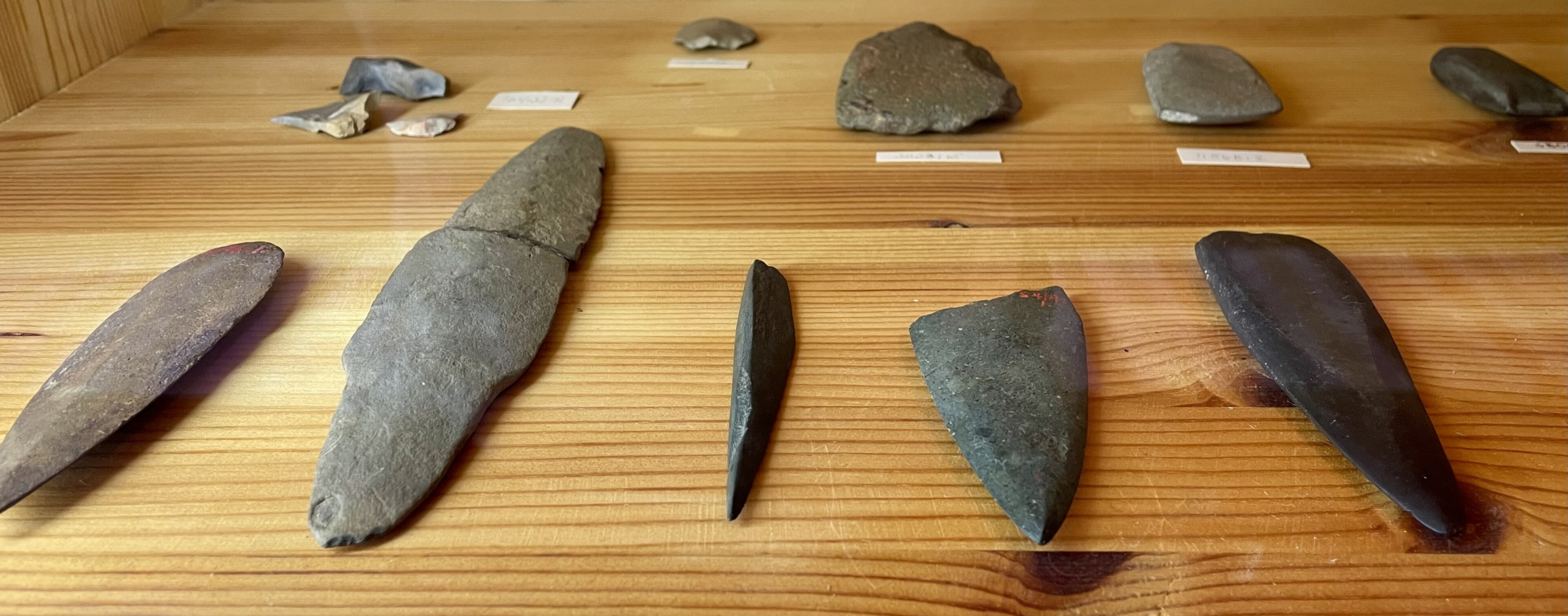
When Stones Began to Speak
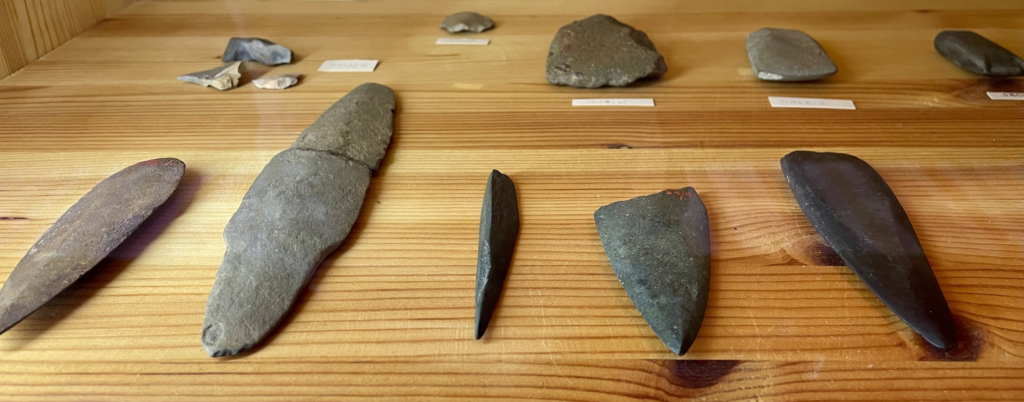
Source: Wikimedia Prehistoric stone tools from Pidhipudas author Limelightangel
The earliest inhabitants of Burma left us no books.
They built no libraries.
They wrote no chronicles.
Yet, across the country, they left behind something equally remarkable.
They left stones.
To an untrained eye, a chipped stone axe or a broken pottery shard may seem ordinary. But to an archaeologist, these silent objects are like words in a forgotten language. Each tool, each fragment of pottery, each hearth blackened by ancient fire tells a story of human lives lived thousands of years ago.
The first chapter of Burma’s history was therefore not written with ink.
It was written in stone.
Across caves, river valleys, and ancient settlements, archaeologists have uncovered evidence that people lived, hunted, fished, gathered wild plants, and gradually learned to cultivate the land. Over generations, simple tools became more refined. Communities grew larger. Skills were passed from parents to children. Slowly, almost imperceptibly, human society became more complex.
These discoveries remind us of an important truth.
Civilization did not appear suddenly.
It did not begin with the crowning of a king or the construction of a palace.
It grew quietly, one family at a time.
One hearth.
One field.
One village.
One generation after another.
Long before history remembered the names of rulers, countless unnamed mothers and fathers were already shaping the future of Burma.
Their names have disappeared.
Their achievements have not.
Every polished stone axe, every cooking pot, every grain of ancient rice discovered beneath the soil is a whisper from those forgotten pioneers.
They cannot tell us their names.
But through archaeology, they can still tell us their story.
In the next chapter, we shall follow the great rivers that drew these early communities together and prepared the stage for the first civilizations to emerge.
Continue to read: