In Burmese history and literature, the term “Tarup” (တရုတ်) was historically used broadly to refer to any powerful entity coming from the north—including the Nanzhao, the Mongols, the Ming, and the Qing—rather than exclusively Han Chinese dynasties.
Here is a fact-check of the seven historical eras mentioned:
1. Pyusawhti’s Reign (Bagan Era)
- The Post Claims: A Chinese army arrived during King Pyusawhti’s reign; no records exist on the Burmese side, but there are Chinese records.
- The Reality: Inaccurate/Legendary. Pyusawhti is a semi-legendary figure in early Bagan history, and there are no contemporary records from either China or Burma confirming an invasion during his era. However, the Nanzhao Kingdom (based in modern-day Yunnan) did heavily raid and destroy the early Pyu city-states in the 9th century.
2. King Narathihapate’s Reign (Late Bagan Era)
- The Post Claims: The Mongol-Tatar armies invaded, leading to the fall of Bagan. Fighting continued through the early Myinsaing and Pinya eras.
- The Reality: Factually Accurate. King Narathihapate is famously remembered in Burmese history as Tarup-Pyay Min (The King who Fled from the Chinese). Kublai Khan’s Yuan (Mongol) Dynasty launched invasions into Burma between 1277 and 1287, which directly shattered the political power of the Bagan Empire and led to the rise of the Myinsaing and Pinya kingdoms.
3. Early Ava Period
- The Post Claims: Chinese armies arrived, and Thamein Baran (a Mon warrior fighting for Ava) engaged in a famous duel.
- The Reality: Factually Accurate. This refers to the Ava–Ming War (and the broader Forty Years’ War era). The Ming Dynasty of China invaded Upper Burma during the reign of King Minkhaung I. According to Burmese chronicles, a massive Chinese champion challenged Ava to a single-combat duel. The Mon prince Thamein Baran volunteered, fought the Chinese warrior on horseback, and defeated him, prompting the Chinese army to withdraw.
4. King Pindale’s Reign (Toungoo Dynasty)
- The Post Claims: Chinese forces arrived. Pindale is claimed to be the only king to declare himself the ruler/lord of China.
- The Reality:Partially Accurate, but with a major error. * The War: In 1659–1661, the last Ming prince (the Yongli Emperor) fled from the invading Qing Dynasty and sought refuge in Sagaing. Qing forces chased him into Burma, laid siege to Ava, and devastated the countryside, causing a severe famine.
- The Inaccuracy: King Pindale did not declare himself the lord of China. In fact, he was viewed as completely helpless against the invasion. Because of his inability to deal with the Chinese forces and the resulting famine, his brother, Prince Pye, launched a palace coup, overthrew Pindale, and eventually handed the Ming prince over to the Qing.
5. King Hsinbyushin’s Reign (Konbaung Dynasty)
- The Post Claims: The Chinese invaded four times. The Burmese successfully defended their territory but had to let go of Siam (Ayutthaya).
- The Reality: Factually Accurate. The Sino-Burmese War (1765–1769) is one of the most celebrated military triumphs in Burmese history. The Qing Dynasty (under the Qianlong Emperor) launched four massive invasions. Led by brilliant strategists like General Maha Thiha Thura, the Burmese completely repelled all four waves. However, because Burma had to pull its main forces out of Siam to defend the homeland, the Siamese resistance (led by King Taksin) successfully drove the remaining Burmese garrisons out and reclaimed their independence.
6. AFPFL Era (Post-Independence)
- The Post Claims: The “White Chinese” (Kuomintang) invaded, and Burma had to fight hard to reclaim Southern and Eastern Shan State.
- The Reality: Factually Accurate. Following the Communist victory in mainland China in 1949, remnants of the Nationalist Kuomintang (KMT) armies fled into Burma’s Shan State. They established bases, controlled opium trade routes, and launched incursions back into China. The young, newly independent Burmese government (under the AFPFL) had to launch major military campaigns (like Operation Bayinnaung) to push them back.
7. Kokang Proxy Conflicts
- The Post Claims: Modern proxy wars involving the Kokang ethnic forces.
- The Reality: Factually Accurate. The Kokang region (Special Region 1 in northern Shan State) is ethnically Han Chinese. Historically, the Communist Party of Burma (CPB) received heavy backing from China, and many local armed groups emerged from its collapse. In recent decades, geopolitical friction and complex border politics have frequently played out along the Sino-Burma border through these localized armed conflicts.
| Era / Ruler | Adversary | Historical Reality |
| 1. Pyusawhti | Early Chinese/Nanzhao | Legendary. True destruction of Pyu happened later in the 9th century by Nanzhao. |
| 2. Narathihapate | Yuan Dynasty (Mongols) | True. Caused the collapse of the unified Bagan Empire. |
| 3. Minkhaung I (Ava) | Ming Dynasty | True. The famous single-combat victory by Thamein Baran. |
| 4. Pindale | Ming Rebels / Qing Pursuers | True War, False Claim. Pindale didn’t declare himself lord of China; he was overthrown due to his weakness. |
| 5. Hsinbyushin | Qing Dynasty | True. Repelled 4 major invasions, but lost control over Siam as a result. |
| 6. AFPFL Era | Kuomintang (KMT) | True. Invasions by Nationalist Chinese forces into Shan State post-WWII. |
| 7. Modern Era | Kokang / Border Armed Groups | True. Longstanding geopolitical complexity on the northern border. |
Maha Panyar Kyaw
မြန်မာပြည်ရှေ့ရေးစိတ်အေးရပြီ။ တရုတ်က မြန်မာရဲ့ပြိုင်ဖက်မဟုတ်ခဲ့တာ ကြာခဲ့ပါပြီ ပဒေသရောဇ်ခေတ် ကလည်း ခက်ခက်ခဲခဲ ခုခံခဲ့ရတာပါ တရုတ်ရဲ့ စစ်သည်အင်အားများပြားမှုကို မြန်မာရာဇဝင်တွေမှာ အတိလင်းပါရှိပါတယ်
၁။ ပျူစောထီးမင်းလက်ထက် တရုတ်စစ်ရောက်တယ်
မြန်မာဖက်အထောက်ထားမတွေ့ တရုတ်ဖက်မှတ်တမ်းရှိ
၂။နရသီဟပတေ့ လက်ထက် မွန်ဂိုတာတာ စစ်ရောက်
ပုဂံပြိုလဲ မြင်းစိုင်း ပင်းယ ခေတ်ဦးထိ မွန်ဂိုနဲ့စစ်တိုက်ခဲ့ရ။
၃။မူလအစပထမ အင်းဝခေတ် တရုတ်စစ်ရောက် သမိန်ဗရမ်းဂါမဏိစည်းခြင်းထိုး။
၄။ညောင်းရမ်းမင်းဆက် ပင်းတလဲ လက်ထက် တရုတ်စစ်ရောက် ပင်းတလဲက ကိုယ်ဖာသာ တရုတ်ပြည်ရဲ့ အရှင်ငခင်အဖြစ်ကြေငြာခဲ့တဲ့ တယောက်တည်းသောမင်း။
၅။ ကုန်းဘောင်ဆင်ဖြူရှင်လက်ထက် တရုတ်စစ်၄ခါရောက်
မြန်မာ့ခုခံစစ်အောင် မြင် ယ်ိုးဒယားကို လက်လွှတ်ခဲ့ရ။
၆။ဖဆပလခေတ် တရုတ်ဖြူကျူးကျော်စစ် ရှမ်းတောင်ရှမ်းရှေ့ခက်ခက်ခဲခဲပြန်ယူရ။
၇။ ကိုးကန့်တို့ ၏ proxy စစ်ပွဲများ။
ခုထိမှာ အမေရိကန်ထိအောင် ခံတိုက်နိုင်သည့်အခြေနေမှာ မြန်မာအနေနဲ့မြွေမသေဒုတ်မကျိုးဆက်ဆံရေးမျိုးရှိသင့်ပေသည့် ယူကရိမ်းမှားသည့်အမှားမျိုးမကျူးလွန်မိဖို့လိုပါသည်။
တရုတ်အနေနဲ့လည်း သူ့ပထမ ဦးစားပေးမှာ ထိုင်ဝမ်ကို သိမ်းပိုက်ရေးဖြစ်သည့်အတွက် မြန်မာကို ရုရှား ယူကရိန်းကဲ့သို့ ဖြစ်ရန်အခြေနေမရှိပါ ခွချက်လုပ်နေသည် ကိုးကန့်တို့အနေနဲ့ လဲမကြာခင် လိမ်မာယဉ်ကျေးသွားရန်သာရှိပါသည်။
Read also: From my Wiki article…Migration period of ancient Burma
Through China
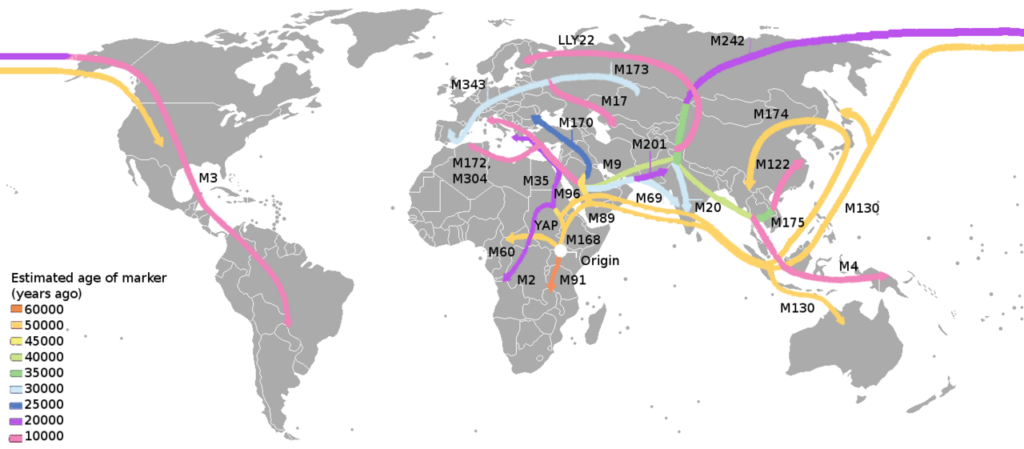

Taiwan is the urheimat of the Austronesian languages. Archaeological evidence[9] suggests that speakers of pre-Proto-Austronesian spread from the South Chinese mainland to Taiwan at some time around 8,000 years ago. Evidence from historical linguistics suggests that it is from this island that seafaring peoples migrated, perhaps in distinct waves separated by millennia, to the entire region encompassed by the Austronesian languages.[10] It is believed that this migration began around 6,000 years ago.[11][12]
The prehistory of Taiwan includes the late Paleolithic era. During that time, roughly 50,000 BC to 10,000 BC, people were already living in Taiwan.[13][14] The Pacific islands of Polynesia began to be colonized around 1300 BC, and completely colonized by around 900 AD. The descendants of Polynesians left Taiwan around 5200 years ago. Salones and Pashu (Malays of Burma) arrived southern Burma through this sea route.

When Han Chinese invaded Taiwan, the ethnic minorities (including Tibeto-Burmans, Shans and Mons of future Burma) shifted to the mainland[citation needed]. Some historians believe that those ethnic minorities first came to settle north of the Yellow river (Huang He) round about 2515 BC. The Chinese annals also mentioned about their presence in the middle basin of the Yellow River in 850 BC. But new emigrants coming from Central Asia later impelled those ethnic groups to move southwards to new fertile areas between the Yellow and Yangtze (Chang Jiang) rivers and then migrated down through the present day Yunnan and descended further down into Burma.
Sixteen kingdoms were a plethora of short-lived non-Chinese dynasties that came to rule the whole or parts of northern China in the 4th and 5th centuries. Many ethnic groups were involved, including ancestors of the Turks, Mongolians, and Tibetans.
Chinese history is that of a dynasty alternating between periods of political unity and disunity and occasionally becoming dominated by foreign Asian peoples, most of whom were assimilated into the Han Chinese population. Cultural and political influences from many parts of Asia, carried by successive waves of immigration, expansion, and assimilation, merged to create modern Chinese culture.
The History of Yunnan is related to Burma, can date back to Yuanmou Man, a Homo erectus fossil, the oldest known hominid fossil in China. By the Neolithic period, there were human settlements in the area of Lake Dian. These people used stone tools and constructed simple wooden structures. Yunnan’s location in the southwesternmost corner of China and its peoples have the strong ethnic identities are due to cultural and political influences from Burma. In 109 BC, Emperor Wu sent General Guo Chang (郭昌) south to Yunnan, establishing Yizhou commandery and 24 subordinate counties. The commandery seat was at Dianchi county (present day Jinning 晋宁). Another county was called “Yunnan”, probably the first use of the name. To expand the burgeoning trade with Burma and India. Anthropologists have determined that these people were related to the people now known as the Tai. They lived in tribal congregations, sometimes led by exile Chinese. In the Records of the Grand Historian, Zhang Qian (died 113 BC) and Sima Qian (145–90 BC) make references to “Shendu”, which may have been referring to the Indus Valley (the Sindh province in modern Pakistan), originally known as “Sindhu” in Sanskrit. When Yunnan was annexed by the Han Dynasty, Chinese authorities also reported a Shendu” (Indian) community living in the area.[15] The Mongols established regular and tight administrative control over Yunnan. In 1253 Möngke Khan of the Mongol Empire dispatched the prince Kublai to take Yunnan. The Mongols swept away numerous native regimes, including the leading Dali kingdom. Later Yunnan became one of the ten provinces set up by Kubilai Khan. Kublai Khan appointed Turkmen Sayyid Ajjal Shams al-Din Omar governor in Yunnan in 1273.[16]
History of Tibet is also related to prehistoric Burma. It is situated between the two ancient civilizations of China and India, separated from the former by the mountain ranges to the east of the Tibetan Plateau and from the latter by the towering Himalayas. Tibet is nicknamed “the roof of the world” or “the land of snows”. The Tibetan language and its dialects are classified as members of the Tibeto-Burman language family. Humans inhabited the Tibetan Plateau at least twenty one thousand years ago.[17] This population was largely replaced around 3,000 BP by Neolithic immigrants from northern China. However, there is a “partial genetic continuity between the Paleolithic inhabitants and the contemporary Tibetan populations”.[17] Some archaeological data suggests humans may have passed through Tibet at the time India was first inhabited, half a million years ago.[18] The first documented contact between the Tibetans and the Mongols occurred when Genghis Khan met Tsangpa Dunkhurwa (Gtsang pa Dung khur ba) and six of his disciples, probably in the Tangut empire, in 1215.[19]
Earliest migrants amongst Burmese

Mons or Talaings, an Ethnic Minority Group of Burma, migrated from the Talingana State, Telangana region of Southern India. They mixed with the new migrants of Mongol from China and driven out the above Andhra and Orissa colonists.[28] The Mon probably began migrating down from China into the area in about 3000 BC.[29]
Those Mon (Talaings) brought with them the culture, arts, literature, religion and all the skills of civilisation of present Burma. They founded the Thaton and Bago (Pegu) Kingdoms. King Anawrahta (whose Sanskrit name was Aniruddha) of Bagan (Pagan) conquered that Mon Kingdom of King Manuha, named Suvannabumi (The Land of Golden Hues).[30] The conquest of Thaton in 1057 was a decisive event in Burmese history. It brought the Burman into direct contact with the Indian civilizing influences in the south and opened the way for intercourse with Buddhist centres overseas, especially Sri Lanka.[31] Those Bagan Burmese people of central Burma had Theravada Buddhism spreading from Mons. In the next decade, Burmese or Myanmar language was gradually derived from Sanskrit, Pali, Pyu and Mon languages.
The evidence of the inscriptions, Luce[32] warns us, shows that the Buddhism of Pagan ‘was mixed up with Hindu Brahmanic cults, Vaisnavism in particular.[33]
While little is known about the early people of Burma, the Mon were the first of the modern ethnic groups to migrate into the region, starting around 1500 BCE. Oral tradition suggests that they had contact with Buddhism via seafaring as early as the 3rd century BCE, though definitely by the 2nd century BCE when they received an envoy of monks from Ashoka. Much of the Mon’s written records have been destroyed through wars. The Mons blended Indian and Mon cultures together in a hybrid of the two civilisations. By the mid-9th century, they had come to dominate all of southern Burma.
Forefathers of Bamars

The Burmese language is a Tibeto-Burman language and closely related to the Yi language or Nuosu, which is today spoken mainly in Yunnan but also in parts of Sichuan and Guizhou provinces in China. Until a thousand years ago, Tibeto-Burman and more specifically Burmese-Yi speaking peoples were much more widespread, across Yunnan and Guizhou and southern Sichuan as well as northern Burma. During the Han dynasty in China, Yunnan was ruled primarily by the Burmese-Yi speaking Dian and Yelang kingdoms. During the Tang dynasty in China, Yunnan as well as northern Burma was ruled by the Burmese-Yi speaking Nanzhao kingdom (until the 1960s mistakenly thought to be Tai-speaking). It was during this Burmese-Yi Nanzhao domination of northern Burma that the first Burmese-Yi speakers probably entered the Irrawaddy valley in large numbers, and established the outpost of Pagan or Bagan. The naming system of the earliest Bagan kings is identical to the naming system of the Nanzhao kings. Sculptures found in Halin to the north are almost identical to Nanzhao sculptures. The Tanguts of Xixia (to the north of Yunnan around this time) spoke a Tibeto-Burman language that may also have been close to Burmese-Yi. Going further back in time, the people of the ancient kingdom of Sanxingdui in Sichuan (in the 12th–11th centuries BCE) were probably ancestral to the later Tibet-Burmans and perhaps even more narrowly to the ancestors of the Burmese-Yi speakers at Dian and Yelang.
Geography that facilitated the migration of Tibeto-Burman, Shans and Mons

Numerous ethnic Burmese peoples had migrated from Yunnan, which is situated in southwest China, bounded on the north by Sichuan and Sizang (Sikang), on the east by Guizhou and Guangxi, on the south by Vietnam and Burma, and on the west by Burma and Assam. It is extremely mountainous with only a limited area of level plains.
It is furrowed by the Taiping, Shweli, Salween, Mekong, Black and Red rivers.
The Salween and the Mekong are rivers of great length, having their sources in the interior part of Tibet, and flowing through Yunnan and the neighboring lands of Burma, Laos, Thailand, Cambodia and Vietnam.
The basins of these rivers and their tributaries form deep, narrow valleys which, with the high parallel mountain ranges running generally north and south, constitute a favourable home for numerous ethnic minorities. Yunnan shares a long common border with Burma and many ethnic groups that live in Yunnan can also be found in Burma.