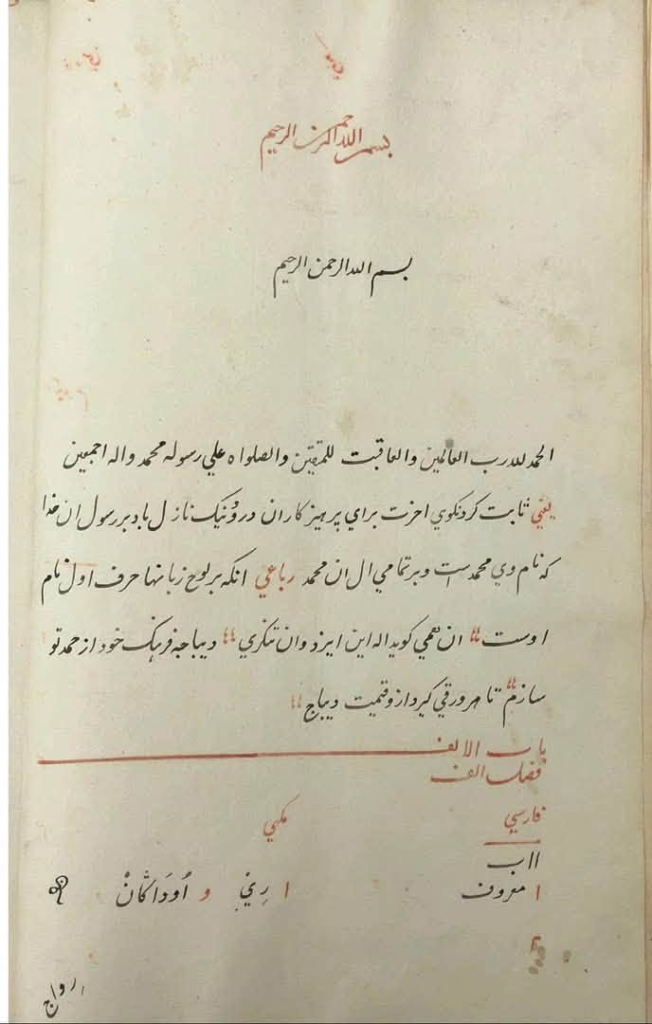
“Arakanese – Persian Dictionary” manuscript kept at The British Library

Translated by By Dr Ko Ko Gyi from MMNN with the help of AI Gemeni

Things to know about the historic “Arakanese – Persian Dictionary” manuscript

Introducing the fascinating history of the valuable Arakanese – Persian Dictionary, which serves as historical evidence of the language, economy, and international relations of the Arakanese people during the 15th-century Mrauk-U period.

Historical Evidence from the 15th Century Mrauk-U Period:

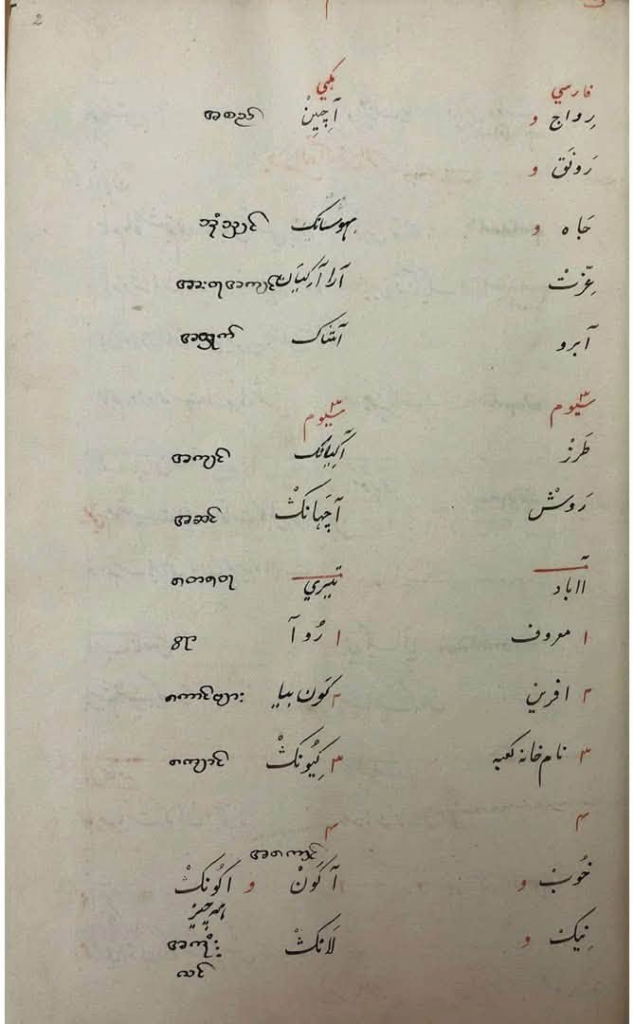
As the calendar year 1542 CE is mentioned within this dictionary manuscript, it can be reliably confirmed that it was compiled during the reign of King Min Bin (Min Ba Gyi), a prominent ruler of the Mrauk-U dynasty. The entire manuscript contains over 900 pages and stands as an incredibly valuable historical text. Currently, this historic Arakanese – Persian dictionary is systematically preserved to prevent deterioration at the British Museum in England under the Code Number “ADD 12266”.

The History of Arakanese and Persian Relations:

Within the manuscript, Arakanese vocabulary is systematically compiled alongside Persian (Iranian) language definitions, pronunciations, and meanings. This fact highlights how deeply the Persian people studied the Arakanese language during that era.

According to historical records, trade and economic connections between the Arakanese and the Persians were highly robust during the reigns of King Min Bin, King Min Phalaung, and King Min Raza Gyi. Royal chronicles clearly show that economic and diplomatic relations continued to exist under subsequent successive kings.

Historical research evidence indicates that during the 15th and 16th-century Mrauk-U period, trade flourished intensely in the Bay of Bengal region, and the Persian (Farsi) language served as a highly influential official and diplomatic lingua franca (communication language) in Southeast Asian trade and diplomacy.

The existence of manuscripts like this “Arakanese – Persian Dictionary” (British Museum, ADD 12266) stands as solid proof that Muslim poets, merchants, and Persian-speaking officials settled and served within the courts and trading sectors of the Mrauk-U kings.


Historical Background & Explanation of Manuscript ADD 12266

The Facebook post captures the historical reality of the deep cross-cultural and trade ties between the Mrauk-U Kingdom (Arakan) and the Islamic/Persianate world. However, to understand the exact nature of this book, it helps to look at the official catalog records of the British collection.

1. Where is it kept?

While the post refers to the “British Museum,” the historic library and manuscript collections of the British Museum were officially separated into a distinct institution in 1973: The British Library. The manuscript is part of the British Library’s Additional Manuscripts collection, designated as Add MS 12266.

2. What is the actual content of Add MS 12266?

According to the official Catalogue of the Persian Manuscripts in the British Museum compiled by scholar Charles Rieu, the manuscript is recorded as:

  • The “Maghi” Vocabulary: A Persian-Maghi dictionary. “Maghi” (or Magh) was the historical term used by Persian, Bengali, and European writers to refer to the inhabitants and language of Arakan (Rakhine).
  • The Layout: It consists of roughly 488 folios (which equals nearly 900 pages, as noted in the post) with about 15 lines per page. It is written in a clear Nasta’liq script.

3. Clarifying the Age and Context

There is a slight historical nuance regarding the date mentioned in the social media post versus the physical manuscript itself:

  • The Language Era: The vocabulary terms themselves accurately reflect the language usage, administration, and trade terms of the Mrauk-U kingdom’s golden era.
  • The Copy in the Library: The specific physical manuscript held under Add MS 12266 was actually written on English paper around the close of the 18th century. It is an archival record or copy generated during the early era of British involvement in India, capturing the language spoken by the people of Arakan.

Why is this book so important?

During the Mrauk-U period, the Bay of Bengal was a bustling hub of global commerce. Persian was the lingua franca of trade, diplomacy, and shipping tracking from the Middle East through India and into Southeast Asia.

Because of this, the Buddhist kings of Mrauk-U adopted many Persianate court titles, issued coins with Persian/Arabic script alongside Arakanese, and employed diverse advisors. This dictionary is definitive linguistic proof of that unique cultural synthesis, showing how merchants and diplomats actively mapped out the Arakanese language to seamlessly conduct state affairs and trade.
Myanmar Muslims News Network

nordpsetSo041J1c8a5u70 ma7f3cle8111iM m5c89a  1lA03u:cn710mt ·

သမိုင်းဝင် “ရခိုင် – ပါရှန် အဘိဓာန်” ကျမ်းကြီးအကြောင်း သိကောင်းစရာ

မြောက်ဦးခေတ် ရခိုင်ပြည်သူတို့၏ ဘာသာစကား၊ စီးပွားရေးနှင့် နိုင်ငံတကာဆက်ဆံရေး သမိုင်းကြောင်းကို သက်သေထူမည့် အဖိုးတန် ရခိုင် – ပါရှန် အဘိဓာန် အကြောင်း စိတ်ဝင်စားဖွယ် ဖော်ပြပေးလိုက်ပါသည်။

(၁၅) ရာစု မြောက်ဦးခေတ်က သမိုင်းဝင်အထောက်အထား

ဤအဘိဓာန်ကျမ်းကြီးတွင် ခရစ်သက္ကရာဇ် ၁၅၄၂ ခုနှစ် ဟု ဖော်ပြပါရှိသဖြင့် မြောက်ဦးမင်းဆက်၏ အထင်ကရဘုရင်တစ်ပါးဖြစ်သော မင်းဗာကြီး လက်ထက်တော်တွင် ပြုစုခဲ့ခြင်းဖြစ်ကြောင်း ခိုင်လုံစွာ အတည်ပြုနိုင်ပါသည်။ ကျမ်းတစ်စောင်လုံးတွင် စာမျက်နှာပေါင်း (၉) ရာကျော် ပါဝင်ပြီး အလွန်တန်ဖိုးရှိလှသည့် သမိုင်းဝင်ကျမ်းကြီးလည်း ဖြစ်သည်။

လက်ရှိအချိန်တွင် ဤသမိုင်းဝင် ရခိုင် – ပါရှန် အဘိဓာန်ကျမ်းကြီးကို အင်္ဂလန်နိုင်ငံ၊ ဗြိတိသျှအမျိုးသားပြတိုက် (British Museum) တွင် ကုဒ်နံပါတ် “ADD 12266” ဖြင့် စနစ်တကျ မပျက်စီးအောင် ထိန်းသိမ်းစောင့်ရှောက်ထားရှိပါသည်။

ရခိုင်နှင့် ပါရှန် ဆက်ဆံရေး သမိုင်းကဏ္ဍ

ကျမ်းကြီးအတွင်း၌ ရခိုင်ဝေါဟာရများကို ပါရှန် (အီရန်) ဘာသာစကား၊ အသံထွက်၊ အဓိပ္ပာယ်ဖွင့်ဆိုချက်များဖြင့် စနစ်တကျ ပြုစုထားသည်ကို တွေ့ရသည်။ ၎င်းအချက်က ထိုခေတ်ကာလက ရခိုင်ဘာသာစကားကို ပါရှန်လူမျိုးတို့ မည်မျှအလေးအနက်ထား လေ့လာခဲ့ကြကြောင်း ထင်ရှားစေသည်။

သမိုင်းမှတ်တမ်းများအရ –

မင်းဗာကြီး၊ မင်းဖလောင်းနှင့် မင်းရာဇာကြီး လက်ထက်တို့တွင် ရခိုင်နှင့် ပါရှန်တို့အကြား ကုန်သွယ်ရေးနှင့် စီးပွားရေး ဆက်သွယ်မှုများ အလွန်အားကောင်းခဲ့သည်။

၎င်းနောက်ပိုင်း ဆက်ခံခဲ့ကြသည့် ဘုရင်များလက်ထက်တွင်လည်း စီးပွားရေးနှင့် သံတမန်ရေး ဆက်သွယ်မှုများ ဆက်လက်တည်ရှိနေခဲ့ကြောင်း ရာဇဝင်သမိုင်းများတွင် အထင်အရှား တွေ့ရှိရသည်။

သမိုင်းသုတေသနအထောက်အထားများအရ (၁၅) ရာစုနှင့် (၁၆) ရာစု မြောက်ဦးခေတ်သည် ဘင်္ဂလားပင်လယ်အော်ဒေသတွင် ကုန်သွယ်ရေး အလွန်ထွန်းကားခဲ့ပြီး ပါရှန် (ဖာရစီ) ဘာသာစကားသည် အရှေ့တောင်အာရှ ကုန်သွယ်ရေးနှင့် သံတမန်ရေးလောကတွင် ဩဇာညောင်းသည့် ရုံးသုံး၊ ဆက်သွယ်ရေးသုံး ဘာသာစကား (Lingua Franca) တစ်ခု ဖြစ်ခဲ့သည်။ ဤ “ရခိုင် – ပါရှန် အဘိဓာန်” (British Museum, ADD 12266) ကဲ့သို့သော ကျမ်းစာများ တည်ရှိနေခြင်းသည် မြောက်ဦးဘုရင်များ၏ နန်းတော်နှင့် ကုန်သွယ်မှုကဏ္ဍတွင် မူစလင်စာဆိုတော်များ၊ ကုန်သည်များနှင့် ပါရှန်စကားပြောအရာရှိများ အခြေချ အမှုထမ်းခဲ့ကြောင်း ခိုင်လုံသည့် သက်သေတစ်ခု ဖြစ်သည်။

မဟိံသက အဖိုးသျှင် ရဲ့ ရခိုင်ဘာသာစကားဖြင့်ရေးထားသည့် မူရင်း ပိုစ်အား အောက်ပါလင့်တွင် သွားရောက် ကြည့်ရှု နိင်ပါသည်။

မဟိံသက အဖိုးသျှင် is with မင်း ကို မြောက်ဦး and 5 others.

stodprnoSei7100JMe5m7gP2 u5:  361uhaiiit3i10 aii1m88gcfcc5nu ·

ရခိုင် × ပါရှန် အဘိဓာန်

••••••••••

ဒေအဘိဓာန်ကျမ်းမှာ 1542 -ခုနှစ် သကြဇ်တွိရလို့ မြောက်ဦးဘုရင် မင်းဗာကြီး လက်ထက်တော်ခါ ပြုစုကြောင်း ခိုင်လုံသော အထောင်အထားဖြစ်တေ။

စာမျက်နှာပေါင်း (၉)ရာကျော် ပါဟိရေ။ အဂုအခါ ဒေအဘိဓာန်ကျမ်းကို “အင်္ဂလန်နိုင်ငံ ၊ ဗြိတိသျှ အမျိုးသားပြတိုက် “မှာ ” ADD 12266 “နန့် သိမ်းဆဲထားလို့ ဟိပါရေ။

ရခိုင်ဝေါဟာရကို ပါရှန်ဘာသာနန့် အသံထွက် အဓိပ္ပါယ် ဖွင့်ဆိုထားလို့ တွိရရေ။ ယေနန့်ဇု ရခိုင်ဘာသာစကားကို ပါရှန်တိ အလေးနက်ထားလို့ လေ့လာရကြောင်းမှာ ထင်ရှားပါရေ။ မင်းဗာကြီး၊ မင်းဖလောင်း၊ မင်းရာဇာကြီးလက်ထက်တိမှာ ရခိုင်နန့် ပါရှန် ကုန်ရောင်းကုန်ဝယ် စီးပွားရေး ဆက်သွယ်မှုဟိကြောင်း ရာဇဝင်ထဲမှာ တွိရရေ။ နောက်ဆက်ခံသေယ ဘုရင်တိလက်ထက်မှာလဲ စီးပွားရေး ဆက်သွယ်မှု ဟိနီတုန်းသိပါ။

နမူနာအနီနန့် ဝေါဟာရတချို့ကို ဖော်ပြပီးထားပါရေ။

ရီ

အစည် ( အစဉ် )

ဘုံသျှင်

အားရအကျင် ( ကျင့် )

အရှက်

အကျင် ( အကျင့် )

အဆင် ( အဆင်း )

တေရေ

ရွာ

ကောင်ဗျား ( ကောင်းဗျာ )

ကျောင် ( ကျောင်း )

အကောင်

အကုံ

လင်

ဝန်မြောက် ( ဝမ်းမြောက် )

နတ်တော်

နတ်တော်နတ်

ဆဲရက် ( ဆယ်ရက် )

မိုဝ်ရွရေ ( မိုးရွာရေ )

သိဘောက်တေ ( သီးပေါက်တေ )

ရီစစ်

ပဲရည္စရပည္စရီ

သုသိပုဆိုဝ်

အပုတ်အသီ

ကျွန်

ကြမ္မား ( ကြမ္မာ ) … အစဟိသဖြင့်……

လုံးကြီးတင် ဆံခတ်တိကို အလယ်မှာ အပေါက်ချေပေါက်လို့ တွိရပါရေ။ စာရိုက်တေခါ အခက်အခဲဟိလို့ ဆံခတ်နန့်ယာ ဖော်ပြပီးလိုက်ပါရေ။

ကျမ်းစာကို ပို့ပီးရေလူကို

လုံခြုံရေးအရ မဖော်ပြပီးစွာ

နားလည်စီချင်ပါရေ။

မဟိံသက အဖိုးသျှင်

၁၀ – ၆ – ၂၀၂၆

အဘာန် = အလှ၊ ချစ်စရာ၊ ကောင်းသော

– ၁ نام ما هشتم بود از سال شمسی

= နေကြာသက္ကရာဇ်ဖြင့် ရေတွက်သော ကျွန်ုပ်တို့၏ နှစ်ဖြစ်သည်

– ၂ نام فرشته باشد تدبیر امور و مصالح در باره اابان و روز اابان واقع میشود و متعلق است

= ကိစ္စအရပ်ရပ်ကို စီမံဆောင်ရွက်ပေးသော ကောင်းကင်တမန်၏ အမည်ဖြစ်ပြီး၊ အဘာန်လနှင့် အဘာန်နေ့တွင် ဖြစ်ပွား၍ ဆက်နွယ်သော အရာဖြစ်သည်

– ၃ نام روز دهم است از ماه شمسی

= နေကြာလပေါင်းတွင် ဆယ်ရက်မြောက်နေ့၏ အမည်ဖြစ်သည်

وَایِنگ چا / Vāyang Chā = ဆယ်ခုမြောက်

نایِن تو / Nāyin Tū = ဖြစ်သည်၊ ဖြစ်၏

نایِن تو نایِک / Nāyin Tū Nāyak = ကောင်းစွာဖြစ်၏၊ ကောင်းမွန်သည်

چِهِیزَرَک / Cheezerak = အရာဝတ္ထု၊ ပစ္စည်း

2. مُوْرِّي / Mowrri

ااب بادان = လေဖြင့်သယ်ဆောင်သော၊ လေထဲရှိ

– نام موضعیست از مصافات کابل و نوآبگیر خواجه سە یاران که ان نعم میرکا هیت

= ကာဘူလ်နှင့် နိုဝါဘဂီရ်ဒေသများကြားရှိ နေရာတစ်ခု၏ အမည်ဖြစ်ပြီး၊ ခွာဂေးသူငယ်ချင်းသုံးဦးတို့၏ ကောင်းချီးမင်္ဂလာ ရရှိရာဒေသဖြစ်သည်

پِي بَک تِي / Pī Bak Tī = ရှေ့သို့တက်၊ ရှေ့သို့သွား

پیشاب کردن / Pīshāb Kardan = ရှေ့သို့ရွှေ့ရန်၊ တိုးတက်ရန်၊ ရှေ့ဆက်လုပ်ရန်

3. رَیحِک / Rayhak

ااب تاختن = အလျင်အမြန်သွားခြင်း၊ ပြေးခြင်း

پیشاب کردن / Pīshāb Kardan = ရှေ့သို့ဆက်သွားရန်၊ ရှေ့သို့တက်ရန်

4. ااب جامە / Āb Jāmah

جامە باشد کہ اابان ابخورند

= အဝတ်အစားဖြစ်၍ ရေဖြင့်ဆေးကြောသုံးစွဲရသောအရာ

5. ااب پِرّ / Āb Parr

غذايي انذكي راكو ميدہ كہ بيش از بيدن

= ရေများစွာပါဝင်သော အစားအစာဖြစ်ပြီး အစာအိမ်ထဲတွင် ကြာကြာခံနိုင်သောအရာ

ရာဇ ကျော်

မောင်ဂိုမာရီလမ်းလို့ရန်ကုန်မာဟိခရေ ရခိုင်မာမောင်ဂွတ်မင်းလို့ အရှင်စန္ဒမာလာ လင်္ကာရရေးထားရေ ဓညဝတီရာဇဝင်သစ်ကျမ်းပါရေ ပဋ္ဌာန်းမင်လို့လည်းခေါ်ကတ်တေ ဒေနိမ့် ကာရင်ချီ ပါကိစ္စတန်မာပြောနီစွာ ပါဋ္ဌာန်းစကားရေ အိုရဒူစကားယေ ဘင်္ဂလီတိ က အရှေ့ပါကိစ္စတန် အခုဘင်္ဂလာဒေရှ်က ဘားချား အင်ဒိုလင်လုပ်ခစွာ အိုရ်ဒူစကားမပြောပဲရုံးသုံးဘင်္ဂလီစကားကိုထည့်ရဖို့ပြဿနာဖြစ်စွာကပင် ဇာတီယိုဘားချား အင်ဒိုလင်ပေါ်လာရေ ကပင်စလိုဘင်္ဂလီလူွအဖွဲ့အစည်းလွတ်လပ်ရေးထိ ​ေ ရာက်လာရေ ။

Share This Post

More From Author

Good vs Evil: Heroes, Villains, and the Battle for the Human Soul

Journalist Ko Moe Myint Speaks Out: Threatened with Death for Advocating Preservation of Sittwe’s Historic Mosque