Myanmar at the Crossroads: Reform Minds Before Reforming the State
Dr Ko Ko Gyi translate and edit U Aung Tin’s post and added facts.
“Without unity, Myanmar faces endless conflict and decline. With inclusivity and international support, the nation can rebuild, reconcile, and move toward lasting peace.”
“Reform our habits first.”
This stark warning from Myanmar political observer U Aung Tin cuts through the noise of war, revolution, and endless rhetoric. As alliances shift and armed groups rise and fall, the fundamental question remains unchanged: Can Myanmar change without first changing itself?
The so-called “Three Brotherhood Alliance”—including the Ta’ang National Liberation Army (TNLA), Myanmar National Democratic Alliance Army (MNDAA), and Arakan Army (AA)—once jointly declared the now-famous Operation 1027 on 27 October 2023. Their stated goals were clear:
- Eradicate military dictatorship
- Establish democracy
- Build a federal union
Yet today, cracks are visible. One faction weakens, another advances, and observers speculate: who will fall next?
At the same time, multiple Ethnic Armed Organizations (EAOs), alongside parallel political bodies like the National Unity Government (NUG), continue to claim legitimacy. But history warns us—fragmented victories rarely produce stable nations.
Myanmar’s tragedy is not just war—it is repetition.
Negotiations begin with optimism. Delegates arrive. Agreements are discussed. Then, as before:
- Deals turn into personal gains
- Business concessions replace national reform
- Armed groups collect taxes at checkpoints
- Debates spiral endlessly over names and structures
“Federal democracy” or “democratic federalism”?
“Eight ethnic states” or “unitary Myanmar”?
Even the name of the country becomes a battlefield of egos.
Meanwhile, the real crisis—a collapsing nation and suffering population—is pushed aside.
U Aung Tin’s critique is blunt, but it reflects a deeper reality:
- Many among the Bamar majority speak of democracy but resist genuine federalism
- Some ethnic forces demand federalism but resist true democratic pluralism within their own territories
- The military, as history shows, rejects both
This triangular deadlock has defined Myanmar since independence—and arguably since the failure of the Panglong Agreement.
Even former insiders have acknowledged this mindset. Accounts attributed to Than Shwe suggest a long-standing preference within the military establishment for control over democracy—at any cost.
I continue to think after the above post…and concluded that Myanmar Needs ALL
- Min Aung Hlaing–led military, USDP, police, and affiliates for stability, law, and order.
- Daw Aung San Suu Kyi–led NLD to represent and satisfy the people.
- Ethnic Revolutionary Organizations (EROs) for ethnic minorities.
- NUG, CRPH, CDM, PDF, and various armed groups to eventually be disarmed and integrated into military and police structures.
- No superpower (except China) is interested in supporting any side. Neither neighbors nor ASEAN countries are offering meaningful help.
- The Spring Revolution has weakened. After five years, Min Aung Hlaing’s forces are stronger, and the struggle risks dragging on for decades, leaving the country physically, morally, and economically ruined.
- The youth face no visible future: education institutions are collapsing, many migrate abroad for work, or are forced into child labor.
- Brain drain is severe, with 12 million Myanmar citizens abroad in ASEAN and Western countries.
- Even if the Spring Revolution were to succeed, military and USDP allies could turn into rebels and destabilize society. Conversely, if the revolution fails, many revolutionaries could become robbers and disrupt peace. Either way, rebuilding the economy and society would be nearly impossible.
- Majority Bamars call for democracy, but in practice, “mobocracy” is deeply rooted.
- Ethnic minorities demand federalism or confederation, but internal divisions and Bamar Buddhist settlement in minority states complicate genuine democracy. Larger ethnic groups often seek to dominate smaller ones.
- Rohingya-phobia and Islamophobia remain deeply entrenched due to decades of government propaganda.
- Mixed-blooded people and long-term migrants face discrimination.
- Even among AA, NUG, NLD, and the military, Rohingyas are not fully accepted.
- Myanmar needs an open immigration policy—like Thailand, Indonesia, or the Philippines—allowing visa-free entry, permanent residency, dual citizenship, and incentives to attract wealth, investment, and talent back home. Refugee resettlement must also be supported.
- Compensation should be considered for all victims of conflict—on both sides—including those who lost homes, shops, property, or suffered imprisonment, torture, or disability.
It is time to stop fighting and begin a Peace Conference under the auspices of the-
1/ UN, ASEAN, China, Russia, India, Bangladesh, the EU, and other interested countries.
2/ A combined interim government should be formed,
3/ with advisors from the UN, WTO, and World Bank, to govern Myanmar for ten years,
(a) draft a new constitution, and
(b) eventually hold free elections.
U Aung Tin
အကျင့်တွေကို အရင်ပြင်ကြပါ။
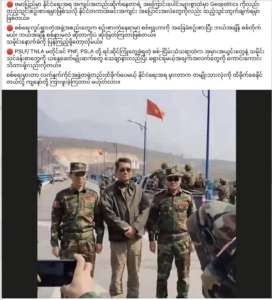
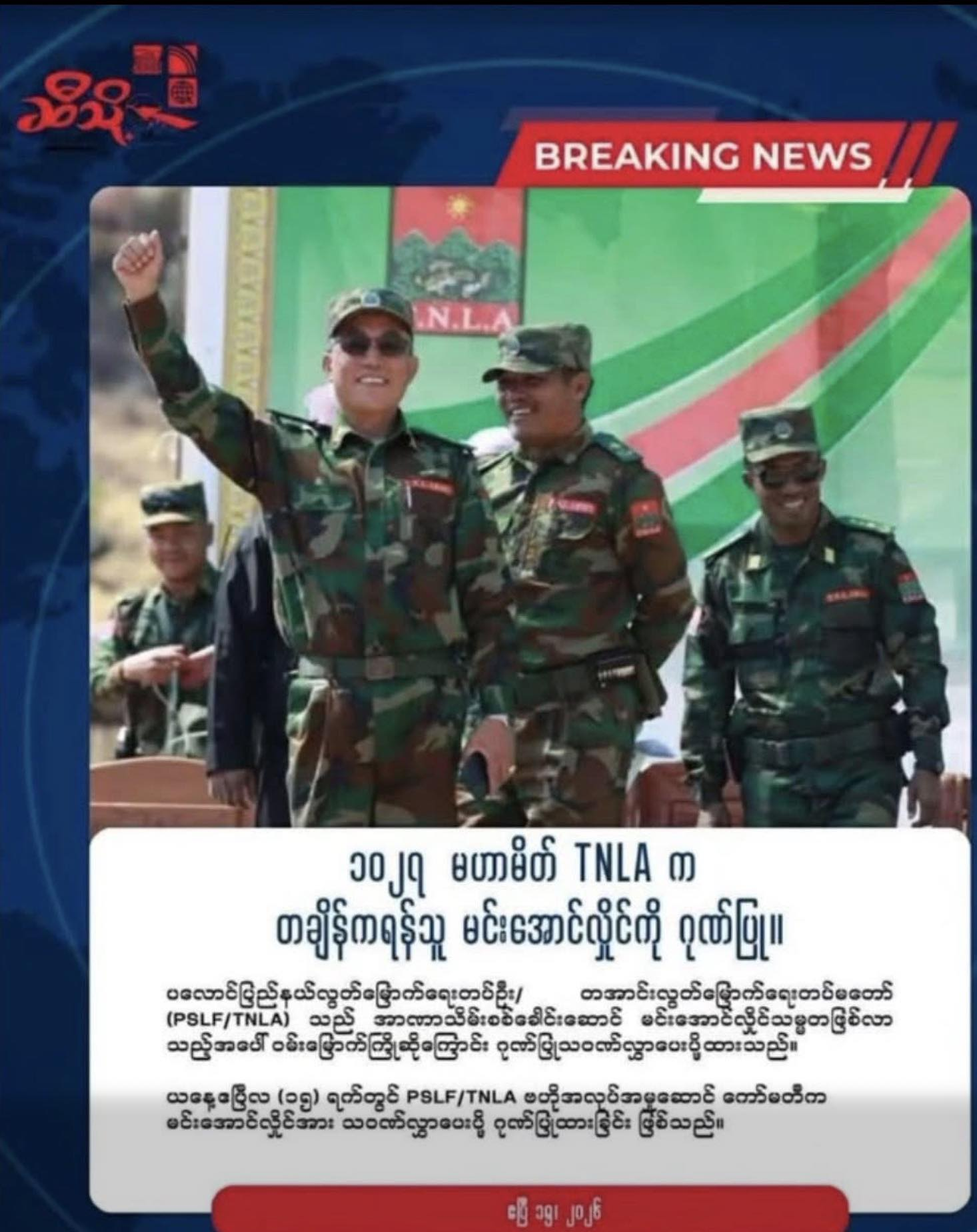
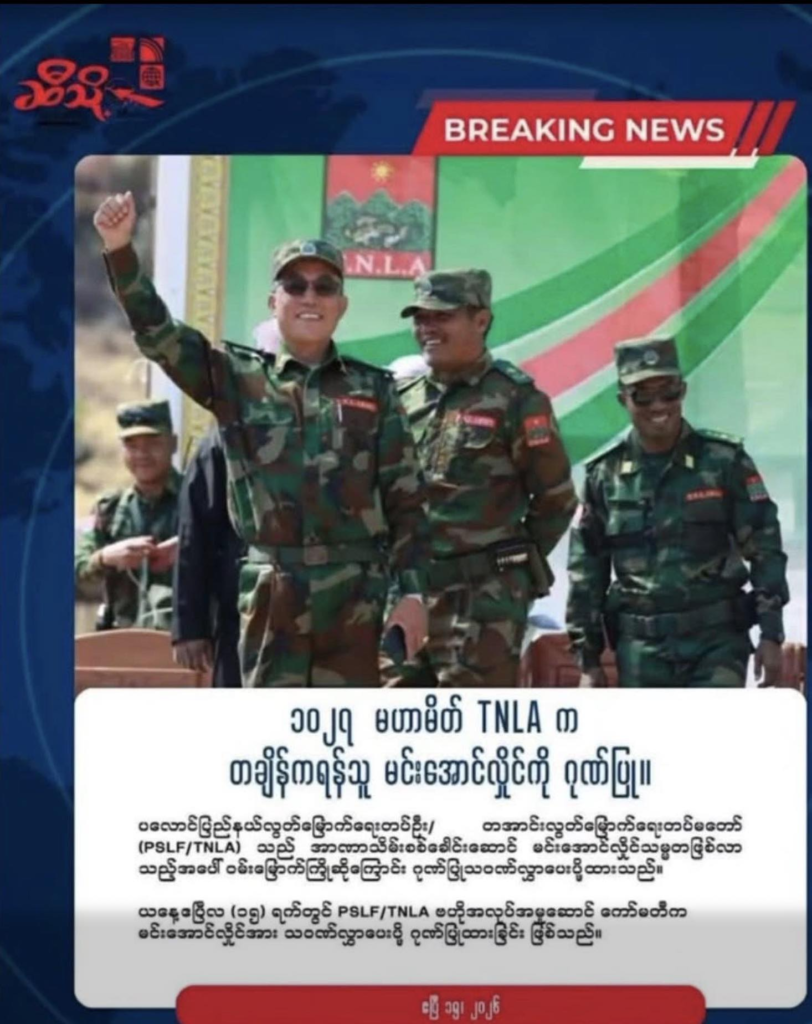
ညီနောင်သုံးဖော်ထဲက ပလောင်စကြွသွားပြီ။
ပလောင်PSKFပြီးရင် ကိုးကန့်MNDAAလာမယ်။
ကိုးကန့်ပြီးရင် ရခိုင်AAလည်း အနှေးနဲ့အမြန်ဆက်လာမယ်။
သူတို့ညီနောင်သုံးဖော်က စစ်အာဏာရှင်အမြစ်ဖြတ်ရေး၊ ဒီမိုကရေစီစနစ်ဖော်ဆောင်ရေးနဲ့ ဖက်ဒရယ်နိုင်ငံတည်ဆောက်ရေးအတွက် ၂၀၂၃အောက်တိုဘာ ၂၇ရက်မှာ ၁၀၂၇စစ်ဆင်ရေး ကြေညာချက်ကို ပူးတွဲထုတ်ပြန်ခဲ့သူတွေဖြစ်တယ်။
သိပ်မကြာခင် NUGဖွဲ့ထားတဲ့ ဖက်ဒရယ်ကောင်စီက EAOတွေလည်း မြိုင်မြိုင်ဆိုင်ဆိုင် တန်ဆောင်တိုင်လို တစ်ဖွဲ့ပြီးတစ်ဖွဲ့ ကြွေဆင်းလာကြမယ်။
သို့သော်
စစ်ဗိုလ်တွေ၊ ဒီမိုတွေနဲ့ လူမျိုးစုတွေ အကျင့်မပြောင်းသရွေ့ ဘာမှဖြစ်လာမှာ မဟုတ်ဘူး။ အရင်အရင်ဆွေးနွေးပွဲတွေလို လာကြလာကြဆိုရင် ပြေးလာကြမယ်။ ခွက်ချင်းလှည့်ကြမယ်။ စားကြသောက်ကြ ပျော်ပျော်ပါးပါးနဲ့ ကားပါမစ်တွေယူကြမယ်။ စီးပွါးရေးတွေလုပ်၊ ဂိတ်ကြေးကောက်ကြမယ်။
ဖက်ဒရယ်ဒီမိုကရေစီလား၊ ဒီမိုကရေစီဖက်ဒရယ်လားကို အသေငြင်းကြအုံးမယ်။ ရှစ်ပြည်ထောင်လား။ မြန်မာပြည်နယ်လား။ တိုင်းပြည်အမည်က မြန်မာနိုင်ငံတော်လား။ သက်တန့်ရောင်နိုင်ငံတော်လားကို မပြီးနိုင် မစီးနိုင် ငြင်းခုန်နေကြအုံးမယ်။
တိုင်းပြည်ပျက်နေတာ၊ လူတွေသေနေတာ၊ ဘဝတွေကြေနေတာတွေက နောက်တန်းရောက်သွားမယ်။
မြန်မာလူများစုက ဖက်ဒရယ်မပေးချင်ဘူး။ (ကြိုက်ချင်ယောင်ဆောင်တာ)
လူနည်းစုလူမျိုးစုတွေက ဒီမိုကရေစီ မကြိုက်ဘူး။ (ပါးစပ်ဖျားက ကြိုက်ပြနေတာ)
စစ်ဗိုလ်တွေက နှစ်ခုလုံးမကြိုက်ဘူး။ (ဗိုလ်ချုပ်မှူးကြီးသန်းရွှေက ဒီမိုကရေစီမရတော့ ဘာဖြစ်လဲ။ ဘယ်တော့မှ ဒီမိုကရေစီမရရင် ပိုကောင်းတာပေါ့လို့ ပြောခဲ့ကြောင်း သံဟောင်းဦးအောင်လင်းထွဋ် ပြောခဲ့။)
သုံးပွင့်ဆိုင် သုံးဘက်ကန်ငြင်းကြမယ်။
ပြီးရင် ပြန်တိုက်ကြအုံးမယ်။
လူထုကလည်း ထုံးစံအတိုင်း ပြန်သေရ ပြန်ကြေရ ပြန်ငတ်ရ ပြန်ပြေးရအုံးမယ်။
အရင်အတိုင်းဆက်သွားနေလို့ကတော့ တိုင်းပြည်ပြောင်းလဲဖို့၊ ငြိမ်းချမ်းဖို့၊ ချမ်းသာတိုးတက်ဖို့၊ တရားဥပဒေစိုးမိုးဖို့ ဘယ်သောအခါမှ ဖြစ်လာမှာ မဟုတ်ဘူး။
စစ်ဗိုလ်တွေကော၊ ဒီမိုတွေကော၊ လူမျိုးစုတွေကော အမြင်တွေ၊ အကျင့်တွေကို အရင်ပြင်ကြဖို့လိုပြီ။
မိတ်ဆွေတစ်ယောက်ရဲ့ Friend Only ပို့စ်လေးတစ်ခုကို ဖတ်လိုက်ရတယ်။ နာမည်တော့ ထုတ်ဖော်ခွင့် မရှိပေမယ့်၊ သူထောက်ပြသွားတဲ့ အချက်တွေက ကျနော် အမြဲတမ်း ပြောနေ၊ ဝေဖန်နေတဲ့ မြန်မာ့နိုင်ငံရေးရဲ့ လက်တွေ့ အခင်းအကျင်းတွေနဲ့ တကယ့်ကို တစ်ထပ်တည်း ကျနေပါတယ်။ မူရင်းရေးသားသူရဲ့ အဓိက ဆိုလိုရင်းတွေကို အသိအမှတ်ပြု (Credit ပေး) ရင်းနဲ့၊ ကျနော့်ရဲ့ ရှုထောင့်အမြင်တွေ (Perspectives) နဲ့ ပေါင်းစပ်ပြီး အောက်ပါအတိုင်း ချဲ့ထွင် ရေးသားချင်ပါတယ်။
“အခွံချည်းသာ ကျန်ရစ်မယ့် တော်လှန်ရေး သတိပေးခေါင်းလောင်းသံ”
မူရင်းပို့စ်ရှင် ထောက်ပြသွားသလိုပဲ၊ အခု နွေဦးတော်လှန်ရေးနဲ့အတူ ပေါ်ပေါက်လာတဲ့ တစ်နိုင်ငံလုံး လက်နက်ကိုင် (လနက) လမ်းစဉ်ဆိုတာ ပြည်မက ဗမာလူထုပါ စစ်တပ်နဲ့ “ရန်ငါပြတ်” ပြီး ပါဝင်လာတဲ့အတွက် ဗိုလ်ချုပ်ညိုထွန်းအောင် ပြောဖူးသလို “နှစ် ၁၀၀ မှာ တစ်ခါပေါ်လာခဲတဲ့ အခွင့်အရေး” ဆိုတာ လုံးဝ မှန်ကန်ပါတယ်။ ပြည်တွင်းစစ် စတင်ခဲ့တဲ့ ၁၉၄၈ ကတည်းက တွက်ရင် နှစ်ပေါင်း ၈၀ နီးပါး တည်ဆောက်ခဲ့ရတဲ့ ယုံကြည်မှုတွေဟာ ဒီ ၅ နှစ်တာ ကာလအတွင်းမှာ အတိုင်းအတာ တစ်ခုအထိတော့ အသီးအပွင့် ဖြစ်လာသင့်နေပါပြီ။
ဒါပေမဲ့ မြေပြင်က လက်တွေ့ အရှိတရားမှာ ပြည်တွင်းကော ပြည်ပက ပြည်သူတွေပါ အဘက်ဘက်က ပင်ပန်းနွမ်းနယ်နေကြပြီ (Fatigue)။ ဒီလိုအချိန်မှာ တော်လှန်ရေး အင်အားစုတွေ၊ လူမျိုးစု လက်နက်ကိုင်တွေ အနေနဲ့ ခိုင်မာတဲ့ နိုင်ငံရေး သဘောတူညီချက် (Political Settlement) နဲ့ ခိုင်မာတဲ့ ‘စနစ်’ ကို မတည်ဆောက်နိုင်ဘဲ၊ ခေတ်အဆက်အဆက်ကလိုပဲ တိုက်လိုက်၊ ရပ်လိုက်၊ ကိုယ့်နယ်မြေလေး ကိုယ်တည်ဆောက်လိုက်၊ ကိုယ့်လူမျိုးစု အကျိုးစီးပွား (Ethno-nationalist interests) လေးတွေအတွက်ပဲ ကြည့်ပြီး ဒေသန္တရ စစ်ဘုရင်တွေ (Local Warlords) လို ဆက်ပြီး လည်ပတ်နေမယ်ဆိုရင်တော့ အန္တရာယ် အရမ်းကြီးပါတယ်။ ပြည်သူလူထုက စစ်တပ်ကို မယုံကြည်လို့ ကျောခိုင်းခဲ့သလိုမျိုး၊ ဒီ လက်နက်ကိုင် လမ်းစဉ်နဲ့ အဖွဲ့အစည်းတွေကိုပါ စိတ်ပျက်ပြီး ကျောခိုင်းသွားတဲ့ တစ်နေ့ကျရင်တော့ အခု ကြီးကျယ်ခမ်းနားနေပါတယ်ဆိုတဲ့ အဖွဲ့အစည်းတွေ အားလုံးဟာ အတိတ်က ပျောက်ကွယ်သွားတဲ့ အဖွဲ့တွေလိုပဲ “အခွံသက်သက်” ပဲ ကျန်ပါတော့မယ်။ ဒါဟာ မူရင်းပို့စ်ရှင်ရဲ့ အလွန်ကို ထိမိတဲ့ သတိပေးချက်ပါ။
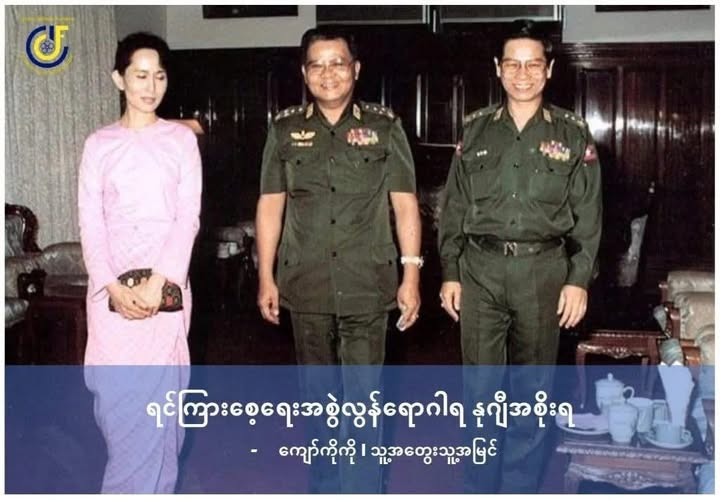
နောက်ထပ် မူရင်းပို့စ်ရှင် ထောက်ပြသွားတဲ့ အချက်က ကျနော်တို့ နိုင်ငံရေးအသိုင်းအဝိုင်းထဲက အဆိုးရွားဆုံး ‘စံနှုန်းနှစ်မျိုး (Double Standard)’ ကို ဆွဲထုတ်ပြလိုက်တာပါပဲ။ ၁၉၆၃ ခုနှစ်ကစလို့ ခေတ်အဆက်အဆက် လူမျိုးစု လက်နက်ကိုင် (EAOs/EROs) တွေ စစ်တပ်နဲ့ သွားတွေ့ရင်၊ စကားပြောရင် “ငြိမ်းချမ်းရေး ဆွေးနွေးပွဲ” လို့ ကင်ပွန်းတပ် ခေါင်းစဉ်တပ်ပေးကြတယ်။ ဒါပေမဲ့ ပြီးခဲ့တဲ့ ဆယ်စုနှစ်တစ်ခုအတွင်းမှာ အရပ်သား နိုင်ငံရေးသမားတွေ (အထူးသဖြင့် ဒေါ်စုနဲ့ NLD) က စစ်တပ်နဲ့ နိုင်ငံရေးအရ အပေးအယူလုပ်ပြီး စကားပြောရင်ကျတော့ “တစ်ပူးတယ်၊ နှစ်ပူးတယ်၊ ရန်သူနဲ့ အိပ်ရာဝင်တယ်” ဆိုပြီး NGO/CSO တွေ၊ လစ်ဘရယ်တွေ၊ woke တွေက ဖိနှိပ်လှောင်ပြောင်ခဲ့ကြတယ်။
ကျနော် အရင်ကတည်းက ပြောခဲ့ပါတယ်။ စစ်တပ်လုပ်တဲ့ ရွေးကောက်ပွဲဆိုတာ အစကတည်းက ဖြေစရာမလိုတဲ့၊ အကုန်ကျအောင် ရည်ရွယ်ချက်ရှိရှိ လုပ်ထားတဲ့ ‘စာမေးပွဲ အတု’ ကြီးပါ။ ၁၉၉၀ ရွေးကောက်ပွဲ ရလဒ် အဖျက်ခံရတာကော၊ ၂၀၂၁ အာဏာသိမ်းတာကောက ဒီအချက်ကို သက်သေပြသွားတာပဲ။ ဒါပေမဲ့ ကိုယ်တိုင်က ဘာမှ မစွန့်လွှတ်နိုင်ဘဲ၊ အဲဒီ စာမေးပွဲအတုကြီးထဲ ဝင်ဖြေပြီး နိုင်ငံရေးထွက်ပေါက် ရှာကြည့်ခဲ့တဲ့ အရပ်သား ခေါင်းဆောင်တွေကိုပဲ အပြစ်လိုက်တင် (Victim-blaming) နေပြီး၊ လက်နက်ကိုင်တွေ စစ်တပ်နဲ့ စကားပြောရင်ကျတော့ ခွင့်လွှတ်နားလည်ပေးရမယ် ဆိုတာကတော့ တကယ့်ကို အဓိပ္ပာယ်မရှိတဲ့ ကြောင်သူတော်ဆန်မှု (Hypocrisy) တွေပါပဲ။
နိဂုံးချုပ်အနေနဲ့ မူရင်းပို့စ်ရှင်ရဲ့ လမ်းညွှန်ချက်အတိုင်းပါပဲ။ လူမျိုးစု တော်လှန်ရေးအဖွဲ့တွေရော၊ NUG လို အဖွဲ့တွေပါ အခုလို တစ်နိုင်ငံလုံး လက်နက်ကိုင် တော်လှန်နေတဲ့ လှိုင်းလုံးကြီးကို အမိအရ ဆုပ်ကိုင်နိုင်ဖို့ လိုပါတယ်။ ဒါပေမဲ့ အဲဒီလို ဆုပ်ကိုင်တဲ့နေရာမှာ အထက်စီးကနေပြီး “Single Chain of Command” လို့ အော်နေရုံနဲ့ မရသလို၊ အောက်ခြေက “Bottom-up Federalism” ဆိုပြီး စစ်ဘုရင်တွေ မွေးထုတ်ပေးနေလို့လည်း မရပါဘူး။
စစ်တပ်ကို နိုင်ငံရေးစင်မြင့်ပေါ်ကနေ အပြီးတိုင် ဖယ်ရှားပစ်ဖို့ဆိုရင်၊ အားလုံးပါဝင်နိုင်တဲ့ (Inclusive ဖြစ်တဲ့)၊ စစ်မှန်တဲ့ နိုင်ငံတည်ဆောက်ရေး (State-building) စိတ်ကူးတွေနဲ့ ကိုယ့်အချင်းချင်းကြားမှာ အရင်ဆုံး ခိုင်မာတဲ့ ‘စနစ်’ တစ်ခု တည်ဆောက်ပြီးမှသာလျှင်၊ ဖက်ဒရယ်ပဲဖြစ်ဖြစ်၊ ဒီမိုကရေစီပဲဖြစ်ဖြစ် တကယ့် လက်တွေ့ကျကျ ဆွေးနွေး အကောင်အထည်ဖော်နိုင်မှာ ဖြစ်ပါတယ်ဗျာ။