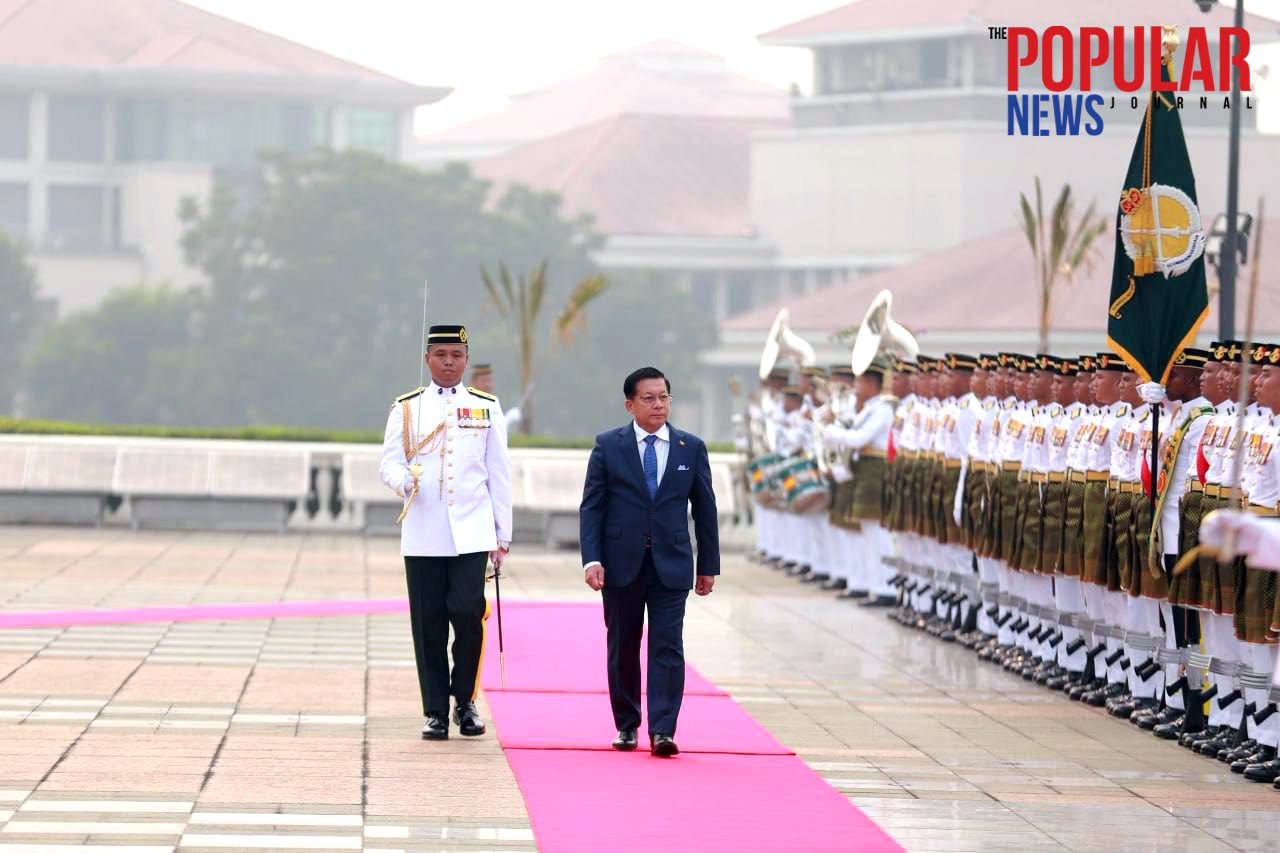
According to international diplomatic protocol, allowing a visiting head of state or leader to inspect the honor guard alone, without the host leader present alongside them, is an unusual deviation (Protocol Breach) and can signify the following:
- Showing Political Coldness: The host country may be indirectly signaling that it lacks enthusiasm in welcoming the guest leader and wishes to maintain a cold or distant diplomatic stance.
- Deliberate Snub: It could be a deliberate diplomatic slight intended to demean the guest leader’s prestige or publicly signal grievances against them.
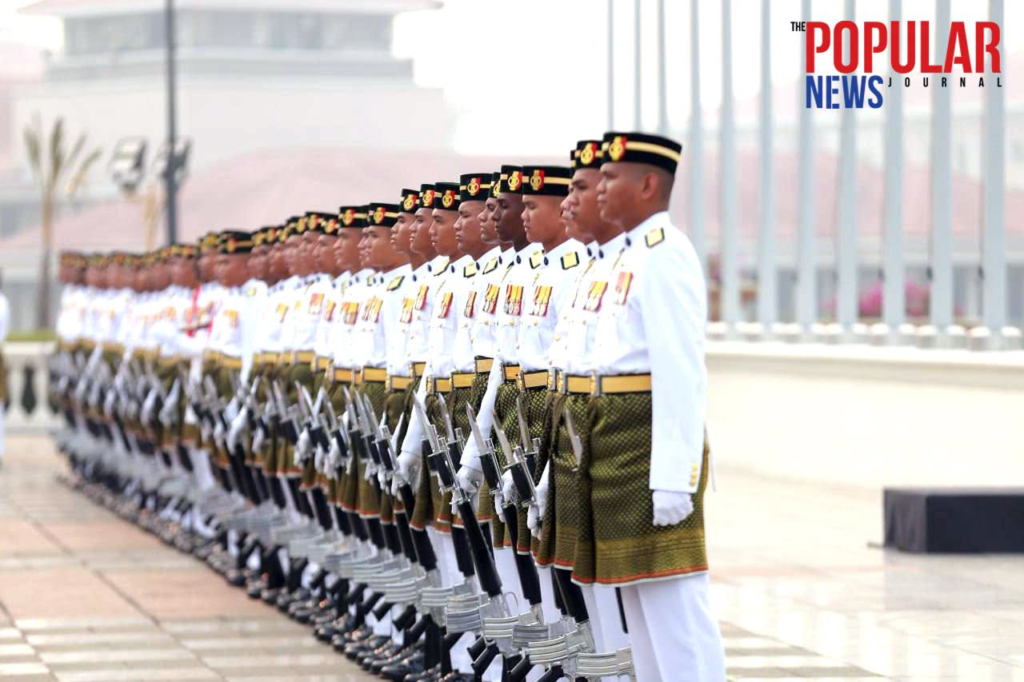
As an exception: When high-ranking military officials such as a Minister of Defense or Commander-in-Chief visit—rather than a head of state—it is a military tradition for the host country’s military leader to observe from the dais (stage) while allowing the visiting military leader to inspect the guard alone accompanied by the Parade Commander.
However, during a state-level visit between sovereign heads of state (President or Prime Minister), letting the guest leader walk the field alone without the host leader walking alongside them is considered extremely rude in diplomatic protocol and can be interpreted as a major deliberate humiliation.
Is the AI’s Analysis Correct Regarding Diplomatic & Military Protocol?
Yes, the core logic presented in the post is protocol-correct, particularly regarding the distinction between Head of State/Government diplomatic protocols and military honors/customs:
1. Inspection of the Honor Guard by Heads of State / Heads of Government
- Standard Protocol: During a formal state or official visit, the host Head of State/Government accompanies the visiting Head of State/Government as they walk along the honor guard line. Walking together symbolizes mutual honor, equality, and official host-and-guest relations.
- Absence of Host: Having a guest Head of State inspect an honor guard alone while the host remains behind is virtually unheard of in formal state ceremony. If a host completely refrains from accompanying a sovereign leader during an official welcome ceremony, it would indeed be interpreted internationally as a major protocol breach or deliberate diplomatic snub.
2. Military Honors for Defense Chiefs / Commanders-in-Chief
- Standard Military Protocol: In many armed forces (such as in Russia, China, and various Commonwealth or Western militaries), when a visiting Defense Chief, Chief of Defense Staff, or military commander receives military honors, the hosting Defense Chief often stands on the reviewing stand (dais). The visiting dignitary, accompanied by the Parade Commander (Guard Commander), walks the line to inspect the troops alone.
- Min Aung Hlaing’s Context: Min Aung Hlaing holds dual roles—he acts as the head of the military junta / SAC chairman, but internationally, he is frequently received specifically under military counter-part protocols (e.g., as Commander-in-Chief of Defense Services) rather than as a fully recognized, sovereign Head of State enjoying full state-level honors.
Conclusion
The post’s breakdown accurately reflects international customs: while inspecting a guard alone is a normal military etiquette for visiting defense chiefs, doing so during a full head-of-state diplomatic reception would be a major protocol breach.
Than Wai Soe
အေအိုင်ရဲ့ သုံးသပ်ချက် 😃
နိုင်ငံတကာ သံတမန်ရေးရာ ကျင့်ထုံး (Diplomatic Protocol) အရ အိမ်ရှင်ခေါင်းဆောင် မပါဘဲ ဧည့်သည်တော် နိုင်ငံခေါင်းဆောင် တစ်ဦးတည်းကိုပဲ သီးသန့် ဂုဏ်ပြုတပ်ဖွဲ့ စစ်ဆေးခိုင်းတာမျိုးဟာ ပုံမှန်မဟုတ်တဲ့ သွေဖည်မှု (Protocol Breach) ဖြစ်ပြီး အောက်ပါ အဓိပ္ပာယ်တွေ သဘောဆောင်နိုင်ပါတယ်။
• နိုင်ငံရေးအရ အေးစက်မှုကို ပြသခြင်း (Political Coldness): အိမ်ရှင်နိုင်ငံက ဧည့်သည်တော်အပေါ် လှိုက်လှိုက်လှဲလှဲ ကြိုဆိုလိုစိတ် မရှိကြောင်း၊ သံတမန်ရေးအရ ခပ်တန်းတန်း ဆက်ဆံလိုကြောင်း သွယ်ဝိုက်ပြီး သတင်းစကားပါးတာ (Message ပေးတာ) ဖြစ်နိုင်ပါတယ်။
• တမင်တကာ နှိမ့်ချဆက်ဆံခြင်း (Deliberate Snub): ဧည့်သည်တော် ခေါင်းဆောင်ရဲ့ ဂုဏ်သိက္ခာကို ညှိုးနွမ်းစေဖို့ ဒါမှမဟုတ် ၎င်းတို့အပေါ် မကျေနပ်ချက် တစ်ခုခုရှိနေတာကို ကမ္ဘာသိအောင် တမင်တကာ သံတမန်ရေးနည်းလမ်းနဲ့ နှိမ့်ချ ဆက်ဆံတာမျိုး ဖြစ်နိုင်ပါတယ်။
ခြွင်းချက်အနေနဲ့ –
နိုင်ငံခေါင်းဆောင် မဟုတ်ဘဲ ကာကွယ်ရေးဝန်ကြီး ဒါမှမဟုတ် စစ်သေနာပတိချုပ် ကဲ့သို့သော စစ်ဘက်ဆိုင်ရာ ထိပ်တန်းအရာရှိကြီးတွေ လာရောက်လည်ပတ်တဲ့ အခါမျိုးမှာတော့ အိမ်ရှင်နိုင်ငံရဲ့ စစ်ဘက်ခေါင်းဆောင်က စင်မြင့်ပေါ်ကနေပဲ စောင့်ကြည့်ပြီး၊ ဧည့်သည်တော် စစ်ဘက်ခေါင်းဆောင် တစ်ဦးတည်းကိုပဲ စစ်ရေးပြမှူး (Parade Commander) နဲ့အတူ တပ်ဖွဲ့ကို သီးသန့် လိုက်လံစစ်ဆေးခိုင်းတဲ့ စစ်ဘက်ဆိုင်ရာ ဓလေ့ထုံးတမ်းမျိုးတော့ ရှိတတ်ပါတယ်။
ဒါပေမဲ့ နိုင်ငံတော်အဆင့် အချုပ်အခြာအာဏာပိုင် နိုင်ငံခေါင်းဆောင် (သမ္မတ သို့မဟုတ် ဝန်ကြီးချုပ်) အချင်းချင်း လည်ပတ်မှုမှာတော့ အိမ်ရှင်ခေါင်းဆောင် ဘေးကနေ လိုက်ပါခြင်းမရှိဘဲ ဧည့်သည်တော်ကို တစ်ယောက်တည်း ကွင်းထဲ လွှတ်လိုက်တာမျိုးဟာ သံတမန်ရေးရာအရ အလွန်ရိုင်းပျရာ ရောက်သလို၊ ကြီးမားတဲ့ သိက္ခာချမှုအဖြစ် ကောက်ယူနိုင်ပါတယ်။
Popular News Journal
မြန်မာနိုင်ငံတော်သမ္မတ ဦးမင်းအောင်လှိုင်အား မလေးရှားဝန်ကြီးချုပ်က ဂုဏ်ပြုကြိုဆို
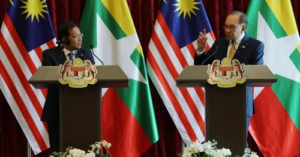
မလေးရှားနိုင်ငံဝန်ကြီးချုပ် ဒါတိုဆရီ အန်ဝါ ဘင် အီဘရာဟင်၏ ဖိတ်ကြားချက်အရ မလေးရှားနိုင်ငံသို့ နိုင်ငံတော်အဆင့် တရားဝင်ခရီးစဉ် (Official Visit) ရောက်ရှိနေသည့် မြန်မာနိုင်ငံတော်သမ္မတ ဦးမင်းအောင်လှိုင်အား မလေးရှားနိုင်ငံဝန်ကြီးချုပ်က ယနေ့ အောက်တိုဘာ ၈ ရက်၊ ဒေသစံတော်ချိန် နံနက် ၉ နာရီတွင် ဂုဏ်ပြုကြိုဆိုပွဲအခမ်းအနားဖြင့် ကြိုဆိုခဲ့သည်။
အဆိုပါ ဂုဏ်ပြုကြိုဆိုပွဲအခမ်းအနားကို မလေးရှားနိုင်ငံ၊ ကွာလာလမ်ပူမြို့ရှိ ဝန်ကြီးချုပ်ရုံး၌ ကျင်းပခဲ့ပြီး မလေးရှားနိုင်ငံ ဂုဏ်ပြုတပ်ဖွဲ့က နှစ်နိုင်ငံ၏ နိုင်ငံတော်သီချင်းများကို တီးမှုတ်ခဲ့သည်။
ထို့နောက် မြန်မာနိုင်ငံတော်သမ္မတ ဦးမင်းအောင်လှိုင်က ဂုဏ်ပြုတပ်ဖွဲ့အား စစ်ဆေးခဲ့ပြီး နှစ်နိုင်ငံအစိုးရအဖွဲ့ဝင်များနှင့် တာဝန်ရှိသူများကို အပြန်အလှန် မိတ်ဆက်ပေးခဲ့ကြသည်။
ယင်းနောက် မြန်မာနိုင်ငံတော်သမ္မတ ဦးမင်းအောင်လှိုင်သည် ဝန်ကြီးချုပ်ရုံးရှိ ဧည့်သည်တော်မှတ်တမ်းစာအုပ်တွင် လက်မှတ်ရေးထိုးခဲ့သည်။