Original Authors: Maung Maung (Shwe Keraweik) & Dr. Aung Zaw
Translated & Compiled by: Dr. Ko Ko Gyi
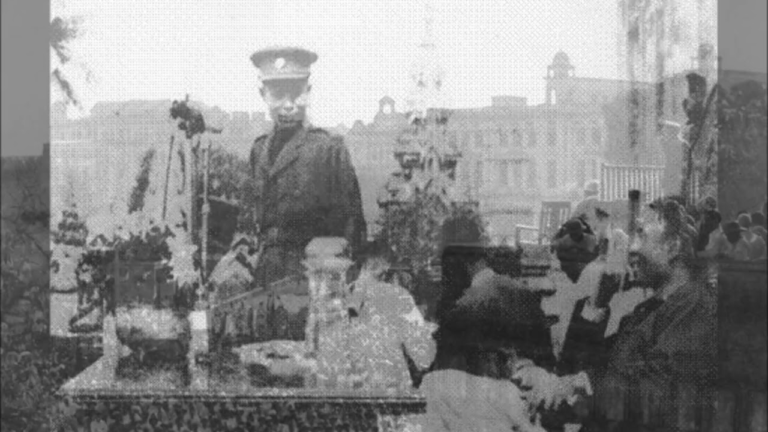
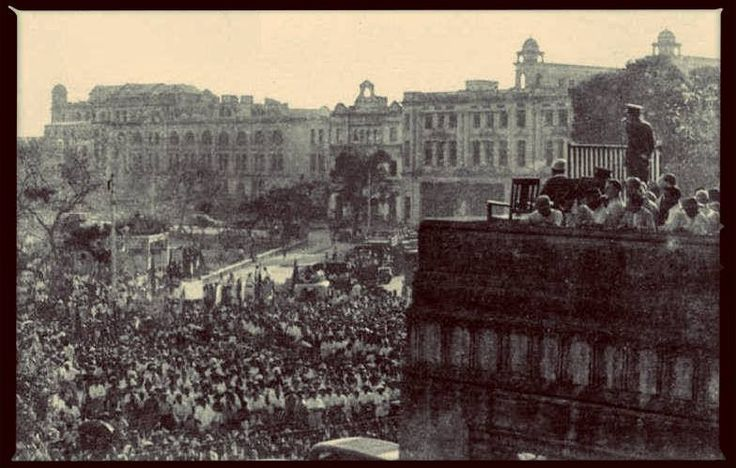
The history of the Mandalay Palace (Nan Dwin) grounds includes at least three distinct mosques established over different eras, occupying four separate consecrated plots of land within the palace walls and moat perimeter.
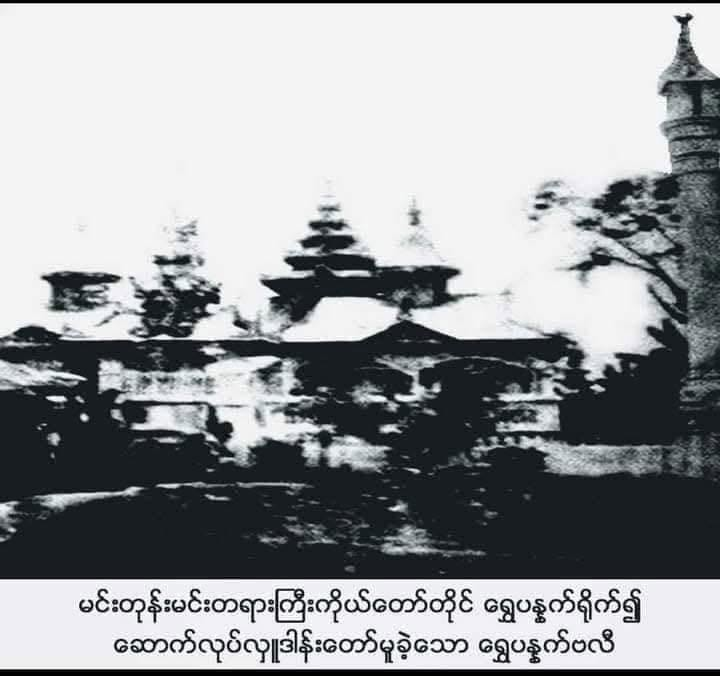
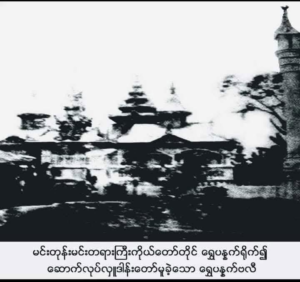
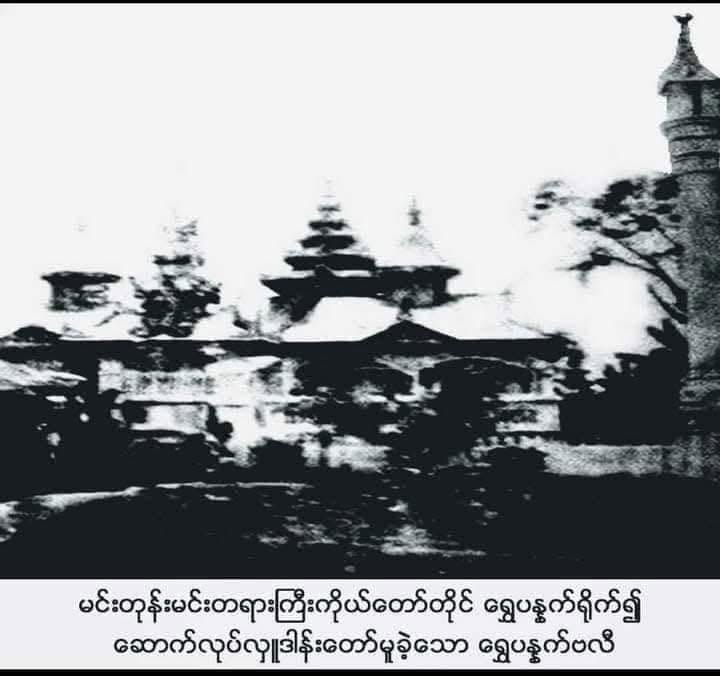
1. The Shwe Pannet Ya Masjid (Royal Foundation Mosque)
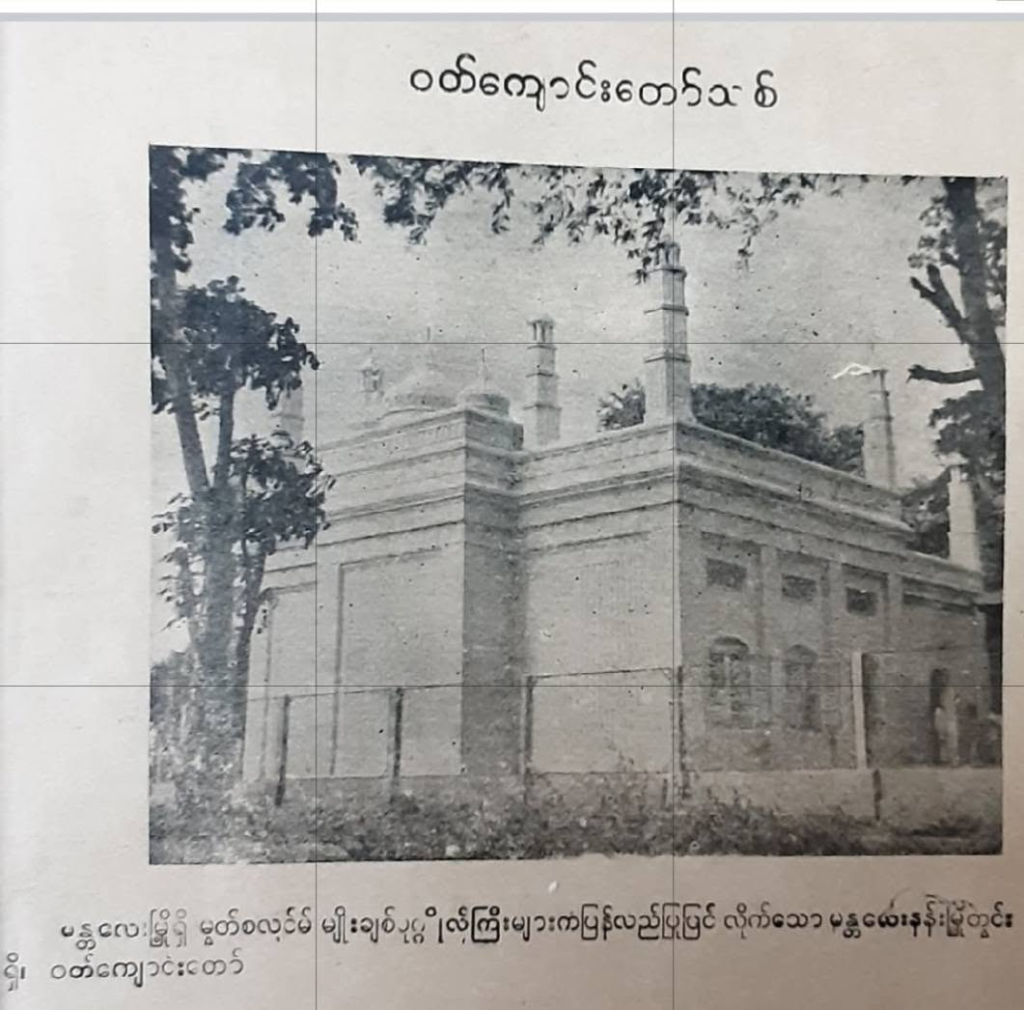
Establishment Under King Mindon
During the reign of King Mindon, Abdul Kareem Khan served as the Chief of the Royal Bodyguard unit (Rway Lat Ya). Members of this unit were stationed permanently near the eastern city wall. As a devout Muslim, Abdul Kareem Khan initially performed his five daily prayers at the Wali Khan Masjid outside the palace walls.
Following the failed coup attempt by the Myin Khun and Myin Khone Tine princes—which resulted in the assassination of Crown Prince Kanaung—security was severely tightened. Palace gates were locked from dusk until dawn, making it impossible for Muslim royal guards to exit for pre-dawn (Fajr), sunset (Maghrib), and night (Isha’a) prayers.
When Abdul Kareem Khan requested a security pass, King Mindon generously offered a permanent solution: he donated land near the eastern wall/southeast corner near the moat and sponsored the construction of a mosque inside the palace grounds. Because the King personally attended and laid the symbolic golden foundation stone, it was named the Shwe Pannet Ya Masjid.
The first chief resident imam was Thakin Gyi (Saya Baing Gyi / U Hashim), whose brother was a commander in the Rway Lat Ya unit awarded the title Min Pyanchi. The original wooden structure was destroyed in a fire around 1885.
Colonial Relocation & 1997 Demolition
During the British colonial era, the mosque was relocated to a new site west of the Mya Nan San Kyaw Palace to clear space for an officers’ polo ground.
This historic structure, known locally as the Nandwin Masjid, stood for over a century until 1997, when it was completely leveled by bulldozers under the command of General Tun Kyi (then Divisional Commander). The military government manufactured public distractions—including rumors in the Ah Lae Baung quarter—to cover up their actions and divert attention from suspected desecrations of the sacred Maha Myat Muni Buddha image.
While several other historic mosques across Mandalay were attacked and damaged during this wave (including Ah Lae Baung, Dawn Yoe, Sein Pan, Panset, Dae Wun, Shwe Phone Shein, Kwun Chan Hlwa Htaung, and Than Lan mosques), the Nandwin Masjid inside the palace grounds was targeted for total destruction. Today, the original site of the Shwe Pannet Ya Masjid is occupied by Military Division 111’s petroleum storage facilities.
2. The British-Era Garrison & Garrison-Jail Mosques
The Military Garrison Mosque
A second mosque inside the palace grounds served Pathan and Punjabi Muslim soldiers in the British military as their place of worship until 1945. It suffered extensive damage from aerial bombing during World War II.
After the war, the structure was temporarily repurposed as a military storage warehouse. Following petitions from Muslim military officers and soldiers, storage operations ceased, and the building was restored to its sacred function. On August 4, 1963, a formal reopening ceremony was held, with Saya U Maung Maung serving as the head imam for many years.
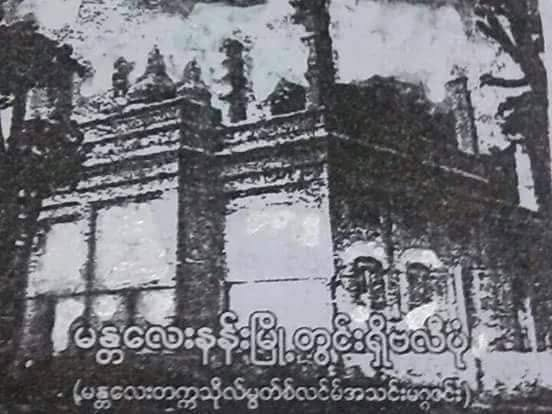
The Nan Myo Jail Mosque
Built during British rule inside the convict section of the Mandalay Jail, this small brick structure (15×20 ft) was funded and constructed by Turkish prisoners of war during World War I. Despite its small size, it was a fully equipped masjid with a minbar (pulpit), a mihrab (prayer niche), Qur’an shelving, and an ablution area (wudu).
3. The Jail Staff & Perimeter Mosque
A third distinct mosque was constructed by British authorities just outside the prison walls, strictly within the broader palace and moat perimeter, to serve jail staff and officers.
Over time, this structure fell into neglect and ruin, with local authorities barring any repairs or maintenance. By 1992, the roof and walls were heavily damaged, and the interior was being used as a tuck shop selling goods to prison visitors, though the distinct outlines of its minbar and mihrab remained clearly visible beneath the debris.
Conclusion
Throughout the history of the Mandalay Palace compound, four separate plots of land inside the moat perimeter have been consecrated for sujud (prostration to Allah):
- The original site of King Mindon’s Shwe Pannet Ya Masjid (near the eastern wall/southeast corner).
- The secondary colonial site of the Nandwin Masjid (west of Mya Nan San Kyaw Palace, destroyed in 1997).
- The Garrison / Nan Myo Jail Mosque compound.
- The Jail Staff Mosque near the outer prison perimeter.
**********************************
Translation of Dr. Aung Zaw’s Post
Title: Mosques Inside the Mandalay Palace
Author: Dr. Aung Zaw (Retired Professor of Myanmar Language)
During the reign of King Mindon, members of the Rway Lat Ya (Royal Bodyguard) service unit were stationed near the eastern city wall to reside permanently. To enable them to perform their daily prayers, King Mindon personally laid the golden foundation stone (Shwe Pannet) and built a mosque for them. It became known as the Shwe Pannet Masjid.
The chief resident imam (Saya Gyi) was Thakin Gyi, also known as Saya Baing Gyi (whose real name was U Hashim). His elder brother was a commander in the Rway Lat Ya unit and was awarded the royal title Min Pyanchi. Because the original mosque was constructed of timber, it was destroyed by fire around 1885.
Regarding the other mosque located within the palace grounds, Pathan and Punjabi Muslim soldiers serving in the British Army used it as a place of worship until 1945. It was heavily damaged by bombing during World War II.
In the post-war period, the building was temporarily utilized as a storehouse. However, upon appeals and petitions from Muslim officers and soldiers, its use as a warehouse was discontinued.
On August 4, 1963, a grand reception ceremony was held to mark the official reopening of the mosque. The imam who served as the leader of the congregation for many years was Saya U Maung Maung.
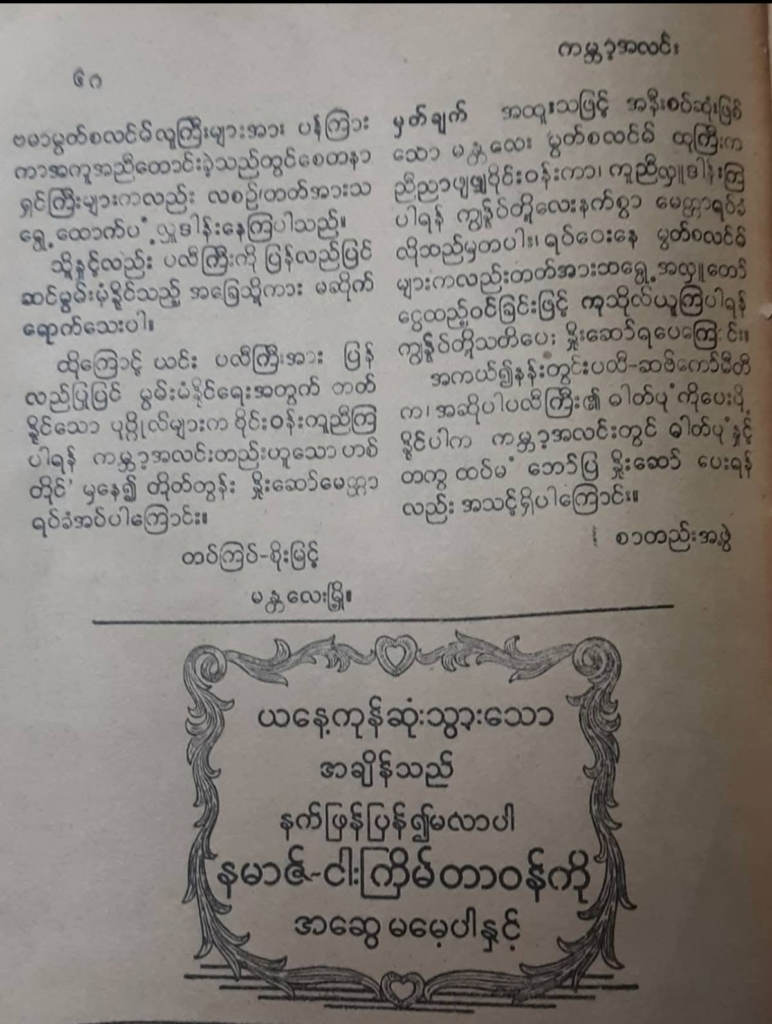
(Note: Photographs and historical evidence regarding the palace mosques were sourced from the February 1954 issue of Kaba Alin Magazine, No. 15.)
DrAung Zaw
မန္တလေးနန်းတော်အတွင်းက ဗလီများ
********************************************* မင်းတုန်းမင်းတရားကြီးလက်ထက် အရှေ့မြို့ရိုးအနီးတွင် ရွေးလက်ယာအမှုထမ်းတို့ကို အမြဲနေထိုင်စေသည်။ဝတ်ပြုနိုင်ရန် မင်းတရားကြီးက ရွှေပန္နက်ရိုက်ပြီး ဗလီဆောက်ပေးသည်။ရွှေပန္နက်ဗလီဟု
အမည်တွင်သည်။ဗလီထိုင်ဗလီဆရာကြီးမှာ သခင်ကြီးခေါ် ဆရာဘိုင်ကြီးဖြစ်သည်။
ဆရာဘိုင်ကြီး၏အမည်ရင်းမှာ ဦးဟာရှင်ဖြစ်သည်။
သခင်ကြီး၏ အကိုတော်မှာ ရွေးလက်ယာတပ်က တပ်မှူးဖြစ်သည်။မင်းပျံချီဘွဲ့ချီးမြှင့်ခံရသူဖြစ်သည်။
မူလက အသားနှင့်တည်ဆောက်ထားသော ကြောင့် ၁ဂဂ၅-ခုခန့်က မီးဘေးသင့်သွားသည်။
နန်းတွင်းရှိခဲ့သော နောက်ဗလီတစ်လုံးတွင် အင်္ဂလိပ်စစ်တပ်တွင် အမှုထမ်းနေသော ပထန်နှင့် ပန်ဂျာဘီ မွတ်စလင်စစ်သားများက ၁၉၄၅-ခုနှစ်အထိ
ဝတ်ပြုခဲ့ကြသည်။ဒုတိယ ကမ္ဘာစစ်ကြီး အတွင်းက
ဗုံးဒဏ်ကြောင့် ပျက်စီးခဲ့ရသည်။
နောက်ပိုင်းတွင် ဗလီကြီးကို ပစ္စည်းသိုလှောင်ရုံအဖြစ်အသုံးပြုခဲ့သည်။မွတ်စလင်အရာရှိကြီးများနှင့် စစ်သည်တော်များ၏ မေတ္တာရပ်ခံပန်ကြားချက်အရ သိုလှောင်ရုံအဖြစ်မှ ရပ်နားပေးခဲ့သည်။
၁၉၆၃-ခုသြဂုတ်လ ၄-ရက်နေ့တွင် ဗလီဖွင့်ပွဲ အထိမ်းအမှတ် ဧည့်ခံပွဲ အခမ်းအနားကြီးကျင်းပခဲ့သည်။နှစ်ပေါင်းကြာရှည်စွာ ရှေ့ဆောင်တာဝန်ထမ်းဆောင်ခဲ့သောဆရာမှာ ဆရာဦးမောင်မောင်ဖြစ်သည်။
(နန်းတွင်းဗလီနှင့် ပတ်သက်၍ ဓါတ်ပုံနှင့်အထောက်
အထားများကို ကမ္ဘာ့အလင်းမဂ္ဂဇင်း ၁၉၅၄ ခု၊ဖေဖော်ဝါရီလထုတ်၊အမှတ် -၁၅ က ယူသည်)

Maung Maung (Shwe Keraweik)
မန္တလေး နန်းတွင်းဗလီများ
မင်းတုန်းမင်းတရားကြီးလက်ထက်မှာ ဘုရင့်ကိုယ်ရံတော်တပ်မှူးချုပ်က
အဗ်ဒွလ်ကရင်းမ်ခန်-ဖြစ်ပါတယ်-
ကိုယ်ရံတော်တပ်မှူးချုပ် အဗ်ဒွလ်ကရင်းမ်ခန် ဟာ နန်းတော်တွင်းမှာ တာ၀န်ထမ်းဆောင်နေရင်း အစ္စလာမ်ဘာသာ၀င်တဦးဖြစ်တာနဲ့အညီ နေ့စဉ် တနေ့ (၅) ကြိမ်၀တ်ပြုမှုကို အစုအရုံး(ဂျမာအသ်)နဲ့ ပြုလေ့ရှိပါတယ်။
တပ်မှူးချုပ်ဟာ နန်းရှေ့ ၀လီခန်ဗလီမှာ အစဉ်အမြဲ၀တ်ပြုလေ့ ရှိခဲ့ပါတယ်-
အဲ့ဒီလိုနန်းတော်ထဲကနေ အပြင်ကို တနေ့ ၅ကြိမ် ပုံမှန်ထွက် ပြီး၀တ်ပြုတာဟာ ပထမပိုင်းမှာ ဘာပြသနာမှ မရှိခဲ့ပါဘူး-
ဒါပေမဲ့ မန္တလေးနန်းတွင်းမှာ မြင်ကွန်း မြင်းခုံတိုင် အရေးအခင်းဖြစ်ပွားခဲ့ပြီး အိမ်ရှေ့စံ ကနောင်မင်းသားကြီး လုပ်ကြံခံရပြီးတဲ့နောက် လုံခြုံရေးတွေတင်းကြပ်လိုက်တဲ့ အခါ တပ်မှူးချုပ်အဗ်ဒွလ်ကရင်းမ်ခန်အတွက် ပြသနာဖြစ်လာခဲ့ ပါတယ်-
နန်းတော်တွင်းလုံခြုံရေးအရ ညနေနေ၀င်ချိန်မှ မနက်နေအလင်းရောင်ကောင်းစွာရတဲ့အချိန်အထိ နန်းမြို့ရိုး တခါးများကို လုံး၀ပိတ်ထားရမည် မည်သူမှ အ၀င်အထွက် မပြုလုပ်ရ-ဆိုတော့-
အဗ်ဒွလ်ကရင်းမ်ခန် အတွက် မနက် အာရုံတက်(ဖဂျေရ်)၀တ် ပြုချိန်-ညနေ နေ၀င်(မဂ်ရစ်ဘ်)၀တ်ပြုချိန် နဲ့ ညဦးယံ(အေရှာ) ၀တ်ပြုချိန်တွေမှာ အခက်အခဲဖြစ်လာပါတယ်-
ဒီအတွက် သူ့ကို ခြွင်းချက်အနေနဲ့ အချိန်မရွေး၀င်ထွက်ခွင့်ပြု ဖို့ မင်းတုန်းမင်းတရားကြီးထံ လျှောက်ထားတဲ့အခါ-
မင်းတုန်းမင်းတရားကြီးက နန်းတွင်းမှ အပြင်သို့ အချိန်မရွေး ၀င်ထွက်ခွင့်ကို မပေးခဲ့ဘဲ-
နန်းမြို့တွင်း နန်းမြို့ရိုးရဲ့ အရှေ့တောင်ဒေါင့်မှာ ကိုယ်တော်တိုင် ရွှေဖြင့်ပဏ္ဍက်ရိုက်ပြီး ဗလီတလုံး ဆောက်လုပ်ပေးကာ ၅ကြိမ်မပျက် ၀တ်ပြုစေခဲ့ပါတယ်-
‘ရွှေပဏ္ဍက်ဗလီ’ လို့အမည်တွင်ခဲ့ပါတယ်-
အင်္ဂလိပ်အစိုးရလက်ထက်မှာ အရာရှိတွေကစားဖို့ POLO GROWN (ပိုလို ကစားကွင်း) တည်ဆောက်တဲ့အချိန်မှာ ကစားကွင်း ဧရိယာနဲ့ မလွတ်ကင်းလို့ ဆိုပြီး ရွှေပဏ္ဍက်ဗလီ ကိုဖျက်ပြီး-မြနန်းစံကျော် ရွှေနန်းတော်ကြီးရဲ့ အနောက်ဖက်ကို ပြောင်းရွှေ့ ဆောက်လုပ်ပေးခဲ့ပါတယ်-
ကျွန်တော်တို့ကိုယ်တိုင် အကြိမ်ပေါင်းများစွာ ဖတ်ခဲ့ဘူးတဲ့
အဆိုပါ နန်းတွင်းဗလီဟာ ၁၉၉၇ခုနှစ်-တိုင်မှူးဗိုလ်ချုပ် ထွန်းကြည်လက်ထက် မှာ စစ်တပ်ရဲ့ ဖြိုဖျက်တာကိုခံခဲ့ရ ပါတယ်-
အဲ့ဒီနန်းတွင်းဗလီကိုဖြိုဖျက်တာဟာ- ဘုရားကြီးဗိုက်ဖောက်မှု ကိုမကျေမနပ်ဖြစ်နေတဲ့ သံဃာတွေကို အလယ်ဘောင်ရပ်က
မဟုတ်မမှန် လုပ်ကြံထားတဲ့ မုဒိန်းမှုနဲ့ အာရုံလွှဲပြီး အစ္စလာမ် ဘာသာ၀င်တွေအပေါ် အကြမ်းဖက်မှုတွေလုပ်စေခဲ့တဲ့နေ့က ဘဲဖြစ်ပါတယ်-
နန်းတွင်းဗလီကို နန်းတွင်းမှာ စစ်တပ်ကဖျက်ဆီးနေတဲ့အချိန် နဲ့ တချိန်ထဲ တပြိုင်ထဲမှာဘဲ မန္တလေးမြို့တွင်းမှာ အလယ်ဘောင်ဗလီနှင့် အစ္စလာမ်ဘာသာ၀င်အိမ်များနဲ့အတူ
ဒေါင်းရိုးဗလီ-စိန်ပန်းဗလီ-ပန်းဆက်ဗလီ-ဒေး၀န်းဗလီ-ရွှေဘုန်းရှိန်(ဘုရားကြီး)ဗလီ-ကွမ်းခြံလွှတောင်ဗလီ-သံလမ်း ဗလီ တွေ အတိုက်အခိုက် အဖျက်အဆီးခံခဲ့ရပါတယ်-
အခြားဗလီအများအပြားလဲ အပေါ်ယံ ဖျက်ဆီးခံခဲ့ရပါတယ်-
မြို့ထဲကဗလီတွေက အတိုက်အခိုက်ခံရတဲ့အဆင့်သာရှိပြီး
နန်းတွင်းဗလီကတော့ အဆုံးတိုင်ဖြိုဖျက်ခံခဲ့ရတာပါ-
နောက်ထပ် နန်းမြို့တွင်းမှာရှိခဲ့တဲ့ဗလီက နန်းမြို့ ထောင်တွင်းဗလီဖြစ်ပါတယ်-
အင်္ဂလိပ်အစိုးရလက်ထက်က ဆောက်လုပ်ခဲ့တာပါ-
ထောင်တွင်းက အချုပ်ဆောင်နဲ့ အကျဆောင် ခွဲခြားထားရာ မှာ ထောင်ဗလီက အကျဆောင်ဘက်ခြမ်းမှာရှိတာပါ-
ခတ်သေးသေးလေးပါဘဲ ၁၅ပေ/ပေ၂၀လောက်ပတ်ချာလည် စတုရန်းပုံ အုတ်တိုက်အဆောက်အဦးလေးပါ-
မဲန်ဘာရ်-မဲဟ်ရာဘ် နဲ့ ကုရ်အာန်စာအုပ်များ ဝိုသူရေသန့်စင် ရန်များနဲ့ ဗလီအင်္ဂါရပ် စုံလင်ပါတယ်-
ကျွန်တော်ထောင်ထဲမှာနေရစဉ်က ကိုယ်တိုင်ဖတ်ခဲ့ဘူးပါတယ်-
နန်းမြို့တွင်းက နောက်ထပ် ဗလီတလုံးကလဲ ထောင်ဗလီပါဘဲ-
နန်းတွင်း ထောင်အုပ်ရိုးရဲ့အပြင်ဘက် မလှမ်းမကမ်းမှာ အစ္စလာမ်ဘာသာ၀င် ထောင်အမှုထမ်းအရာထမ်းတွေ ၀တ်ပြုနိုင်ဖို့ အင်္ဂလိပ်အစိုးရက ဆောက်လုပ်ပေးခဲ့တာပါ-
နောက်ပိုင်းမှာ ၀တ်ပြုသူမရှိ ထိမ်းသိမ်းစောင့်ရှောက်ခွင့်မရ တော့လို့ အဆောက်အဦးအအိုအဟောင်းတခုအဖြစ်ဘဲ ရှိနေ ပါတော့တယ်-
၁၉၉၂ခုနှစ် က ကျွန်တော် ထောင်၀င်စာသွားတွေ့ရင်းမြင်ခဲ့ ရတာကတော့ အမိုးအကာအချို့ ပြိုပျက်နေပြီးတော့ အကျဉ်း ထောင် ၀န်ထမ်းမိသားစုများရဲ့ ထောင်၀င်စာ ပစ္စည်းရောင်းချ တဲ့ စျေးဆိုင်တွေဖွင့်ထားတာပါဘဲ-
အတွင်းပိုင်းမှာတော့ ဗလီဆရာအသုံးပြုတဲ့ တရားဟောစင် (မဲန်ဘာရ်) နဲ့ ရှေ့ဆောင်ဆရာ၀တ်ပြုတဲ့နေရာ(မဲဟ်ရာဘ်) တို့ ကို အပျက်အဆီးများအောက်မှာ သိသာထင်ရှားစွာ တွေ့ခဲ့ရ ပါသေးတယ်။
အဲ့ဒီတော့ ကျွန်တော်တိတိကျကျပြောလိုတာက-
မန္တလေးနန်းမြို့တွင်းမှာ ဗလီ ၃လုံး ရှိခဲ့တာပါ။
Source – Hj U Maung Maung
၁၉၆၃ခုသြဂုတ်ဒုတ်ိယအပတ်.ဆရာဃာဇီ တရားဟောခွတ္တဗာဖတ်တယ် ကျနော်မော်ဇင်လုပ်တယ်အမှတ်ရတယ်