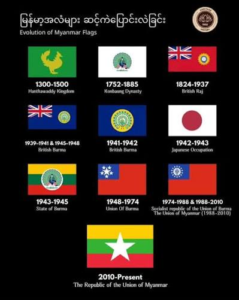
Although the colonial government sowed the seeds of division by refusing to register Burmese Muslims as “Burmese,” the Anti-Fascist People’s Freedom League (AFPFL) Conference unanimously declared and ratified that: “A Burmese Muslim is Burmese.”
Throughout Myanmar’s history, the British colonial government implemented policies to systematically divide and fracture the identity of Burmese Muslims. However, during the independence struggle, the AFPFL conference explicitly and historically resolved this identity crisis by declaring that Burmese Muslims are fundamentally Burmese.
Historical Evidence of Colonial Division
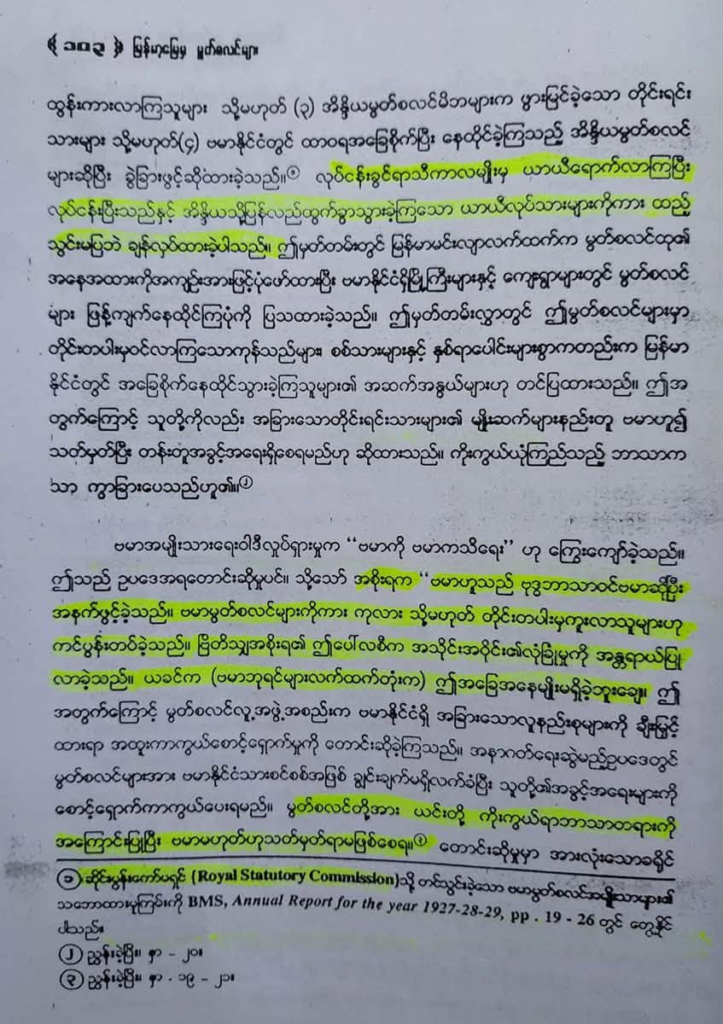
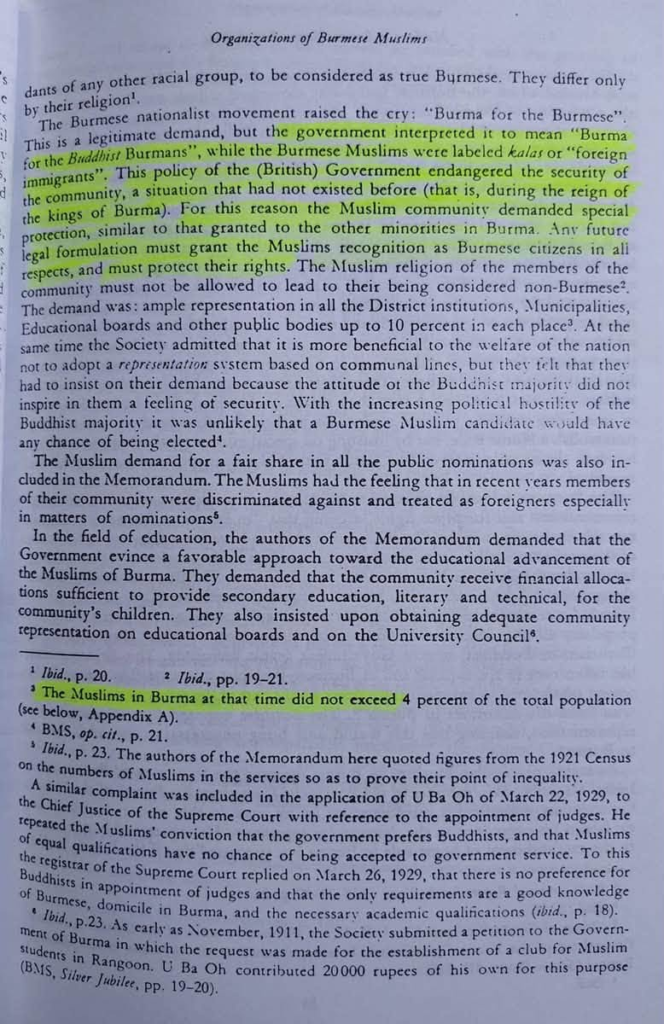
According to page 59 of the book “The Muslims of Burma” by historian Moshe Yegar:
- Prior to 1930, during the rise of the nationalist slogan “For the Burmese to know who is Burmese,” the British government sought to stoke divisions.
- They defined “Burmese” strictly as “Burmese Buddhists,” labeling Burmese Muslims as “Kalar” or “immigrants from foreign lands.”
- This type of institutionalized segregation never existed under the rule of ancient Burmese kings; it was purely a colonial divide-and-rule strategy that manufactured conflict and security threats for minority communities.
In response to this discrimination, the Muslim community eventually demanded that laws should not use religion to define race, and requested a 10% proportional representation in public bodies.
The AFPFL’s Historic Resolution (1946)
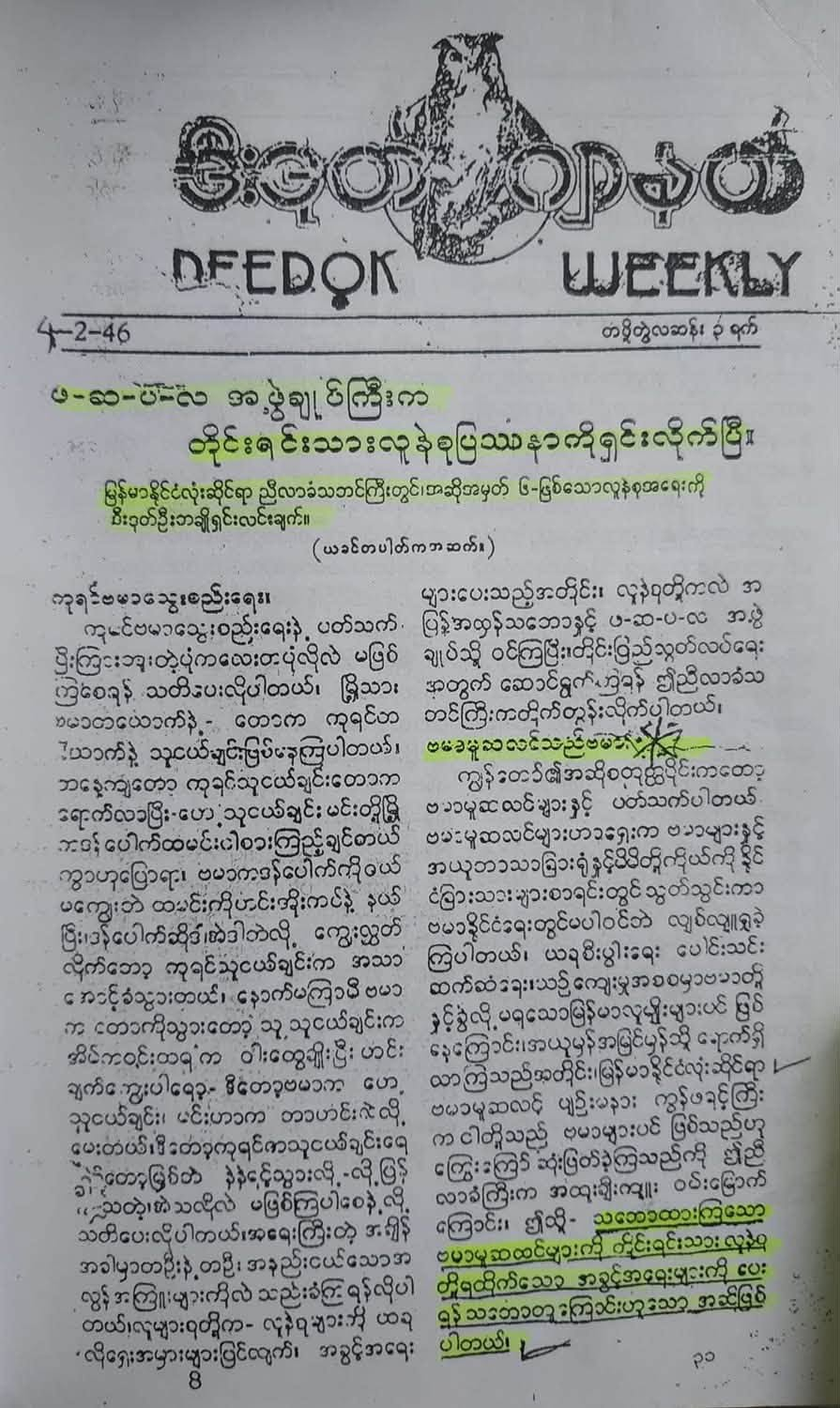
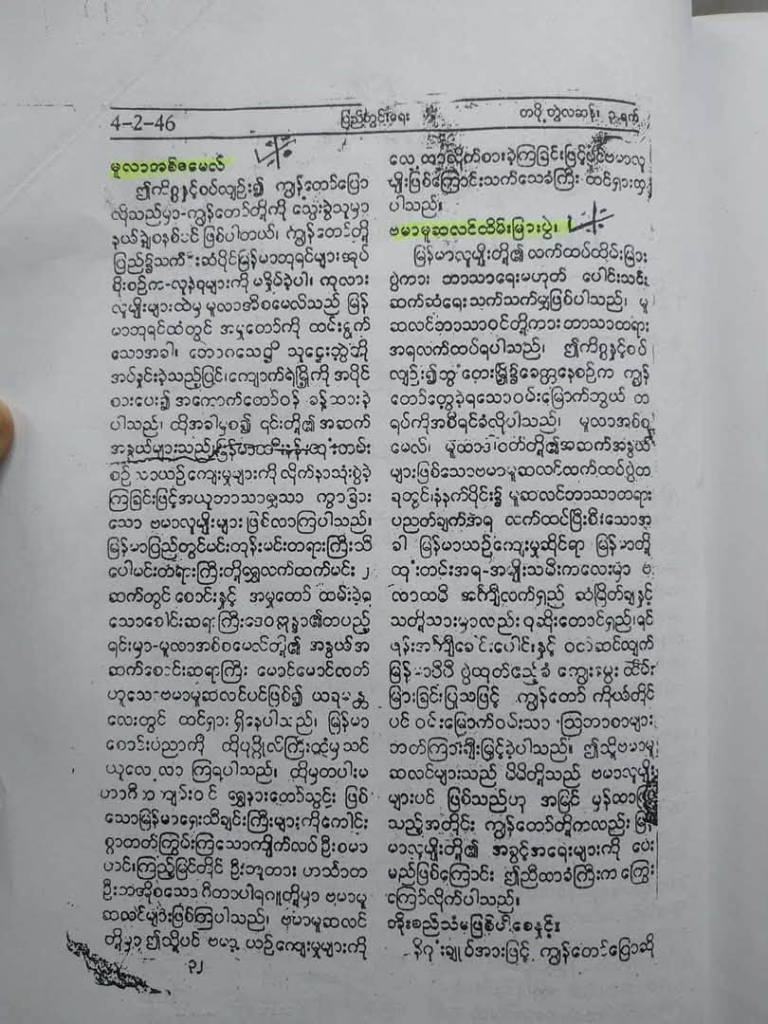
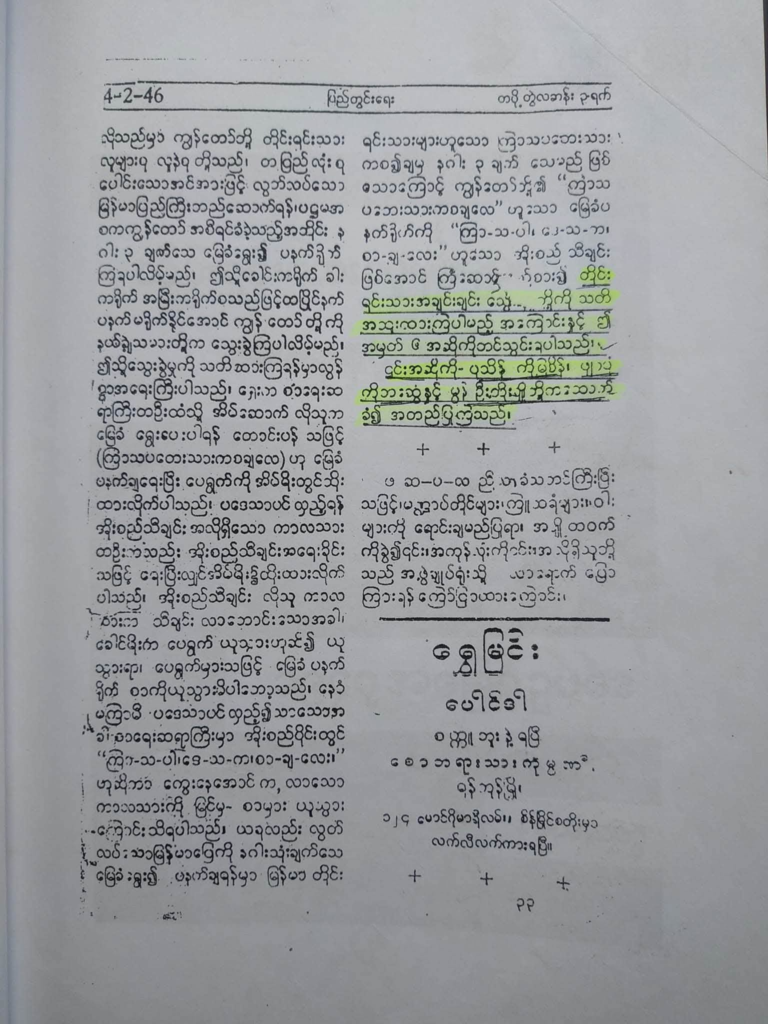
A pivotal moment that effectively countered these colonial divisions is documented in the Deedok Weekly Journal dated February 4, 1946.
In an explanatory article titled “The AFPFL Has Resolved the Ethnic Minority Problem,” Deedok U Ba Cho reported on Resolution No. 6. This resolution urged that Burmese Muslims—who had coexisted with the majority through thick and thin since ancient times—be granted the rightful privileges of an ethnic minority.
- The motion was supported by Pathein Ko Mya Sein, Pyapon Ko Ba Swe, and Mon Bo Cho.
- The entire conference approved it unanimously without objection.
- The national leader himself, General Aung San, attended this historic conference.
This robust historical evidence clearly demonstrates that Burmese Muslims are not foreigners, but rather an integral part of the “Burmese” identity, intertwined with Myanmar’s history and culture since the days of the monarchy.
Post-Independence Shifts and Systemic Discrimination
The destiny of Burmese Muslims shifted abruptly following the 1962 military coup led by General Ne Win. From that point onward, they faced systematic oppression:
- Institutional Purges: General Ne Win abolished Burmese Muslim social and political organizations. Muslims were systematically terminated from high-ranking positions within government departments and the military, and their promotions were heavily restricted.
- Economic and Personal Restrictions: Muslim-owned businesses were nationalized under state control. Restrictions were placed on Hajj pilgrimages, and passport issuance for Muslims faced severe tightening and discrimination.
- The 1982 Citizenship Law: The culmination of this systematic exclusion occurred with the enactment of the 1982 Citizenship Law. The law restricted “indigenous ethnic groups” (Taingyintha) strictly to those settled in Myanmar prior to the year 1823 (before the first Anglo-Burmese war). Despite clear historical evidence of their long-term settlement, Muslim communities were intentionally omitted from the official indigenous list.
This legislation effectively stripped most Burmese Muslims of equal citizenship rights, relegating them to second-class status, and cemented the derogatory term “Kalar” to fuel systemic Islamophobia across successive generations.
Conclusion and Present-Day Relevance
The systematic racial and religious discrimination rooted in the Ne Win era did not end there. Successive military dictatorships have continued to strategically exploit hate speech and division. Whenever the regime faces a political crisis or its grip on power is threatened, it escalates anti-Muslim propaganda, spreads fake news on social media to trigger communal violence, and tightens bureaucratic restrictions on minority rights.
The historic spirit of unity championed by General Aung San and the AFPFL—encapsulated by the declaration “A Burmese Muslim is Burmese”—was intentionally dismantled by military dictators to serve their own thirst for power.
This historical record is presented as a crucial lesson for the new generation, urging them to reject the military junta’s divisive propaganda and work toward building a more transparent, inclusive, and equitable society.
References
- Moshe Yegar, “The Muslims of Burma” (Page 59); Simon Report (Royal Statutory Commission) BMS, Annual Report for the years 1927-28-29, pp. 19–26.
- Deedok Weekly Journal, February 4, 1946, pp. 8, 31, 32.
- The 1982 Myanmar Citizenship Law provisions and subsequent historical records.
(Original post compiled by Aung San Oo – MMNN)
Myanmar Muslims News Network
ဗမာမူဆလင်များကို ဗမာစာရင်းမသွင်းရန် ကိုလိုနီအစိုးရ မျိုးစေ့ချခဲ့သော်လည်း ဖဆပလညီလာခံက “ဗမာမူဆလင်သည် ဗမာဖြစ်သည်” ဟု တညီတညွတ်တည်း အတည်ပြုခဲ့သည့် သမိုင်းအမှန်
မြန်မာ့သမိုင်းတစ်လျှောက် ဗမာမူဆလင်တွေရဲ့ လူမျိုးရေးဖြစ်တည်မှုကို ဗြိတိသျှကိုလိုနီအစိုးရက ပေါ်လစီတွေချမှတ်ပြီး အမျိုးမျိုး သွေးခွဲစိတ်ဝမ်းကွဲစေခဲ့ပေမယ့်၊ လွတ်လပ်ရေးကြိုးပမ်းမှုကာလ ဖဆပလ (ဖက်ဆစ်ဆန့်ကျင်ရေး ပြည်သူ့လွတ်မြောက်ရေး အဖွဲ့ချုပ်) ညီလာခံမှာတော့ “ဗမာမူဆလင်သည် ဗမာသာဖြစ်သည်” ဟု သမိုင်းဝင် တိတိကျကျ ဆုံးဖြတ်အတည်ပြုပေးခဲ့ပါတယ်။
သမိုင်းပညာရှင် Moshe Yegar ရေးသားတဲ့ “The Muslims of Burma” စာအုပ် (စာမျက်နှာ ၅၉) အရ၊ ၁၉၃၀ မတိုင်ခင်က မြန်မာ့နိုင်ငံရေးမှာ “ဗမာကို ဗမာကသိရေး” ဟု ကြွေးကြော်ခဲ့ကြစဉ် ဗြိတိသျှအစိုးရက “ဗမာဆိုသည်မှာ ဗုဒ္ဓဘာသာဝင် ဗမာများသာ ဖြစ်သည်” ဟု သွေးခွဲလိုသော ရည်ရွယ်ချက်ဖြင့် အဓိပ္ပာယ်ဖွင့်ဆိုခဲ့ပြီး ဗမာမူဆလင်များကို “ကုလား” သို့မဟုတ် “တိုင်းတစ်ပါးမှ ကူးပြောင်းလာသူများ” ဟု တံဆိပ်ကပ်ခဲ့ကြောင်း သိရပါတယ်။
ဤကဲ့သို့ ခွဲခြားမှုမျိုးသည် ယခင် မြန်မာမင်းများလက်ထက်က လုံးဝမရှိခဲ့ဖူးဘဲ ကိုလိုနီအစိုးရ၏ သွေးခွဲမှုကြောင့်သာ လူနည်းစုလူ့အဖွဲ့အစည်းများအတွက် ပဋိပက္ခနှင့် လုံခြုံရေးအန္တရာယ်များ ရှိလာခဲ့ခြင်း ဖြစ်သည်။ ဤအခြေအနေများကြောင့်ပင် နောက်ပိုင်းတွင် မူဆလင်လူ့အဖွဲ့အစည်းက ဥပဒေများ၌ ဘာသာရေးကိုအကြောင်းပြု၍ လူမျိုးခွဲခြားသတ်မှတ်ခြင်းမပြုရန်နှင့် ပြည်သူ့အဖွဲ့အစည်းများတွင် ၎င်းတို့အတွက် ၁၀ ရာခိုင်နှုန်း အချိုးကျပါဝင်ခွင့်ပေးရန် တောင်းဆိုမှုများ ပြုလုပ်လာခဲ့ကြသည်။
အဆိုပါ ကိုလိုနီခေတ် သွေးခွဲမှုတွေကို ထိထိရောက်ရောက် တွန်းလှန်နိုင်ခဲ့သည့် သမိုင်းဝင်ဖြစ်ရပ်တစ်ခုမှာ ၄-၂-၁၉၄၆ ရက်စွဲပါ ဒီးဒုတ်ဂျာနယ် (Deedok Weekly) တွင် ဖော်ပြထားသည့် ဖဆပလအဖွဲ့ချုပ်ကြီး၏ ဆုံးဖြတ်ချက်ပင် ဖြစ်သည်။ “ဖဆပလ အဖွဲ့ချုပ်ကြီးက တိုင်းရင်းသားလူနည်းစုပြဿနာကို ရှင်းလိုက်ပြီ” ဟူသော ခေါင်းစဉ်ဖြင့် ဒီးဒုတ်ဦးဘချိုက ရှင်းလင်းတင်ပြရာတွင် ရှေးယခင်ကပင် ဗမာများနှင့်အတူ အေးအတူပူအမျှ နေထိုင်လာခဲ့သည့် ဗမာမူဆလင်များကို “တိုင်းရင်းသားလူနည်းစုများ ရထိုက်သော အခွင့်အရေးများ ပေးရန်” ဟူသော အဆို (အဆိုအမှတ် ၆) ကို ပုသိမ်ကိုမြစိန်၊ ဖျာပုံကိုဘဆွေနှင့် မွန်ဘိုးချိုတို့က ထောက်ခံခဲ့ကြပြီး ညီလာခံတစ်ခုလုံးက ကန့်ကွက်သူမရှိ တညီတညွတ်တည်း အတည်ပြုခဲ့ကြသည်။ ထိုသမိုင်းဝင် ညီလာခံကြီးသို့ အမျိုးသားခေါင်းဆောင်ကြီး ဗိုလ်ချုပ်အောင်ဆန်း ကိုယ်တိုင် တက်ရောက်ခဲ့ခြင်း ဖြစ်သည်။
ဤခိုင်မာလှသည့် သမိုင်းဝင်အထောက်အထားများအရ ဗမာမူဆလင်များသည် တိုင်းတစ်ပါးသားများမဟုတ်ဘဲ ရှေးမြန်မာမင်းများလက်ထက်မှစ၍ မြန်မာ့သမိုင်း၊ မြန်မာ့ယဉ်ကျေးမှုနှင့်အတူ ဒွန်တွဲတည်ရှိခဲ့သည့် “ဗမာ” များသာဖြစ်သည်ဟု ထင်ရှားစွာ ဖော်ပြနေပါတယ်။
သို့သော်လည်း လွတ်လပ်ရေးရပြီးနောက်ပိုင်း၊ အထူးသဖြင့် ၁၉၆၂ ခုနှစ်တွင် ဗိုလ်ချုပ်ကြီးနေဝင်း ဦးဆောင်ကာ စစ်အာဏာသိမ်းပြီးနောက်မှစပြီး မြန်မာမူဆလင်များ၏ ကံကြမ္မာသည် ရုတ်ချည်းပြောင်းလဲကာ စနစ်တကျ ခွဲခြားနှိပ်ကွပ်ခြင်းကို ခံခဲ့ရပြန်သည်။ အာဏာသိမ်းပြီးနောက် ဦးနေဝင်းသည် မြန်မာမူဆလင် လူမှုရေးနှင့် နိုင်ငံရေးအဖွဲ့အစည်းများကို ဖျက်သိမ်းပစ်ခဲ့သလို၊ အစိုးရဌာနဆိုင်ရာများနှင့် စစ်တပ်အတွင်းရှိ အဆင့်မြင့်ရာထူးနေရာများမှ မူဆလင်များကို စနစ်တကျထုတ်ပယ်ခြင်း၊ ရာထူးတိုးမပေးဘဲ ကန့်သတ်ခြင်းများကို ပေါ်ပေါ်တင်တင် လက်တွေ့လုပ်ဆောင်လာခဲ့သည်။
ထို့အပြင် မူဆလင်ပိုင် စီးပွားရေးလုပ်ငန်းများကို ပြည်သူပိုင်သိမ်းခြင်း၊ ဟာဂျီဘုရားဖူးခရီးစဉ်များကို ကန့်သတ်ခြင်းနှင့် ပတ်စ်ပို့ (နိုင်ငံကူးလက်မှတ်) ထုတ်ပေးရာတွင် မူဆလင်များကို တင်းကျပ်ခွဲခြားခြင်းများ ပြုလုပ်ခဲ့သည်။ အဆိုးဝါးဆုံးအနေဖြင့် ၁၉၈၂ ခုနှစ်တွင် ပြဋ္ဌာန်းခဲ့သည့် နိုင်ငံသားဥပဒေတွင် ဗြိတိသျှတို့ မကျူးကျော်မီ ခရစ်သက္ကရာဇ် ၁၈၂၃ ခုနှစ်မတိုင်မီကတည်းက မြန်မာနိုင်ငံတွင် အခြေစိုက်နေထိုင်ခဲ့သော လူမျိုးစုများကိုသာ “တိုင်းရင်းသား” အဖြစ် သတ်မှတ်ရန် ကန့်သတ်ခဲ့ပြီး၊ သမိုင်းအထောက်အထားခိုင်လုံစွာ တည်ရှိနေထိုင်ခဲ့သည့် မွတ်ဆလင်လူမျိုးစုများကို တိုင်းရင်းသားစာရင်းမှ ရည်ရွယ်ချက်ရှိရှိ ချန်လှပ်ပယ်ထုတ်ခဲ့သည်။ ဤဥပဒေသည် မြန်မာမူဆလင်အများစုအား နိုင်ငံသားအခွင့်အရေး ဆုံးရှုံးစေရန် သို့မဟုတ် ဒုတိယတန်းစားနိုင်ငံသား ဖြစ်သွားစေရန် အဓိကတွန်းပို့ခဲ့ပြီး၊ “ကု လား” ဟူသော ချိုးနှိမ်သည့် အသုံးအနှုန်းဖြင့် အဆိုးမြင်ဝါဒရိုက်သွင်းကာ လူမျိုးရေးခွဲခြားမှုကို ခေတ်အဆက်ဆက် သွေးထိုးပေးခဲ့သည့် သမိုင်းဆိုးများကို ချန်ထားခဲ့ပေသည်။
ဦးနေဝင်းလက်ထက်ကတည်းက စနစ်တကျ အမြစ်တွယ်ခဲ့တဲ့ လူမျိုးရေး၊ ဘာသာရေးခွဲခြားမှုတွေဟာ အဲဒီခေတ်မှာတင် ရပ်တန့်မသွားဘဲ ယနေ့ခေတ် စစ်အာဏာရှင်အဆက်ဆက်အထိ အမုန်းတရားသွေးထိုးလှုံ့ဆော်မှုတွေကို နည်းဗျူဟာမြောက် ဆက်လက်ရိုက်သွင်း အသုံးချနေဆဲ ဖြစ်ပါတယ်။ နိုင်ငံရေးအကျပ်အတည်းကြုံတိုင်း၊ စစ်အာဏာရှင်အာဏာတည်မြဲရေး ခြိမ်းခြောက်ခံရတိုင်းမှာ ဗမာမူဆလင်တွေအပေါ် အမုန်းဝါဒမှိုင်းတိုက်တာ၊ လူမှုကွန်ရက်ပေါ်ကနေ သတင်းတု၊ သတင်းမှားတွေနဲ့ လူမျိုးရေးပဋိပက္ခဖန်တီးတာ၊ စာရွက်စာတမ်းနဲ့ အခွင့်အရေးကန့်သတ်တာတွေကို အရှိန်အဟုန်မြှင့် လုပ်ဆောင်ခဲ့ကြပါသည်။
ဖဆပလခေတ်နဲ့ ဗိုလ်ချုပ်အောင်ဆန်းကိုယ်တိုင် ချမှတ်ခဲ့တဲ့ “ဗမာမူဆလင်သည် ဗမာသာဖြစ်သည်” ဆိုတဲ့ သမိုင်းဝင်ညီညွတ်ရေးစိတ်ဓာတ်ကို စစ်အာဏာရှင်တွေက သူတို့ရဲ့ အာဏာလောဘအတွက် ရည်ရွယ်ချက်ရှိရှိ ဖျက်ဆီးပစ်ခဲ့ကြတာ ဖြစ်သည်။ သို့သော်လည်း သမိုင်းမှန်ကို သိရှိနားလည်ဖို့နဲ့ ယနေ့ခေတ် မျိုးဆက်သစ်တွေအနေနဲ့ စစ်အာဏာရှင်တွေရဲ့ သွေးခွဲအမုန်းဝါဒတွေကို နားမယောင်ဘဲ ပိုမိုပွင့်လင်းမြင်သာပြီး တန်းတူညီမျှရှိတဲ့ လူ့အဖွဲ့အစည်းသစ်ကို ဖော်ဆောင်ဖို့ သမိုင်းသင်ခန်းစာ အဖြစ်တင်ပြလိုက်ရခြင်း ဖြစ်ပါသည်။
ကိုးကားချက်များ –
၁။ Moshe Yegar, “The Muslims of Burma” (စာမျက်နှာ – ၅၉)၊ Simon Report (Royal Statutory Commission) BMS, Annual Report for the year 1927-28-29, pp. 19-26။
၂။ ၄-၂-၁၉၄၆ ရက်စွဲပါ ဒီးဒုတ်ဂျာနယ် (Deedok Weekly)၊ စာမျက်နှာ ၈၊ ၃၁၊ ၃၂။
၃။ ၁၉၈၂ ခုနှစ် မြန်မာနိုင်ငံသားဥပဒေ ပြဋ္ဌာန်းချက်များနှင့် နောက်ဆက်တွဲ သမိုင်းမှတ်တမ်းများ။