Credit: Re-wrote after reading Thant Myint-U’s post on February 22, 2015
The Origins of the “Myanma”
Many people have asked about this, so I wanted to share what I know.
First, two important things to keep in mind. Ethnicity is not static — what it means to be “American,” “Indian,” or “German” today is vastly different from what it meant 100 or 200 years ago, and the same is true for “Myanmar.” Second, the history of a language like Burmese is not the same as genetic history. People who speak Burmese today may or may not be genetically close to their linguistic ancestors.
With that in mind, here is what we currently understand:
- Around 3,000 years ago, a great civilisation flourished at Sanxingdui in what is now Sichuan. We still know relatively little about it, but it was distinct from the Yellow River civilisations that gave rise to the earliest Chinese dynasties. There is reason to believe its people spoke languages ancestral to today’s Tibeto-Burman family — which includes Burmese (Myanmar). The Qin dynasty annexed the region in 316 BC.
- About 2,000 years ago, two significant kingdoms — Dian and Yelang — existed in what is now Yunnan and Guizhou. Their rulers very likely spoke Tibeto-Burman languages, including an ancestor of Burmese.
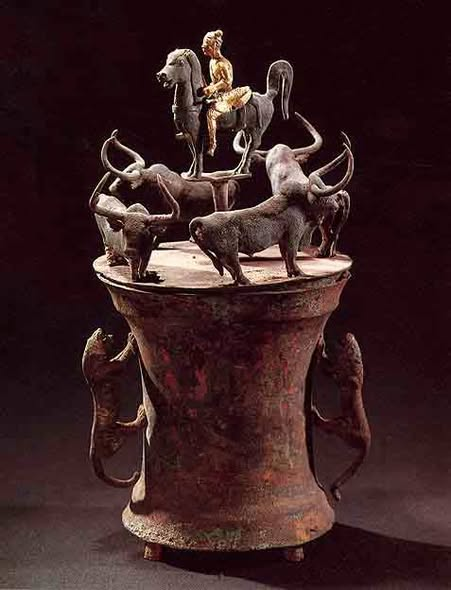
- Dian was a remarkable bronze-age civilisation. The photograph shows a cowrie-shell container buried with a Dian ruler, topped by a horseman. The hairstyle depicted is one shared by many Tibeto-Burman peoples, including communities in Yunnan and in present-day Myanmar.
- The Dian people likely had close ties with the Irrawaddy valley, including the early bronze-age settlements that eventually gave rise to the Pyu cities.
- Burmese belongs to the Tibeto-Burman language family, specifically the Burmese-Yi subfamily. Its closest linguistic relative is Yi (formerly called Lolo), spoken today by around 5 million people in China. I believe the Dian rulers spoke a language ancestral to both.
- The Dian kingdom gave way in the 600s to the Nanzhao, which built a large empire from its base in western Yunnan. In the 800s, Nanzhao conquered part of the Irrawaddy valley. The Nanzhao rulers likely spoke a language close to modern Burmese and Yi, and the kingdom was a major power sitting between Tibet and Tang dynasty China.
- It was during the period of Nanzhao dominance in the Irrawaddy valley that the “Myanma” ethnic identity likely emerged — possibly from the interaction between Nanzhao newcomers and peoples already living there, such as the Pyu.
- Both the Dian and Nanzhao eras were renowned for their horses and horsemanship.
- The word “Myanma” (written “Mranma”) first appears in inscriptions in the 11th century. It may derive from “Mrang-ma” or “Myin-ma,” meaning the “strong horses” or “strong horsemen.” The Mranma were, in this sense, a people defined by that heritage.
- This does not necessarily mean there was a large migration of people from Yunnan to the Irrawaddy valley during Nanzhao times. Rather, the Burmese-Yi language was likely adopted by a growing population centred around the rising power of Pagan/Bagan.
- Strikingly, the earliest Bagan kings — Pyusawhti, Htiyinmin, Yinminpaik, and others — followed the Nanzhao naming convention, in which the last name of the father becomes the first name of the son (as seen in the Nanzhao royal line: Piluoge, Geluofeng, Fengjiayi). Bagan may well have begun as a Nanzhao outpost.
- One of the great annual celebrations in Yunnan today is the Torch Festival, which I believe dates back to Nanzhao times. In one version of its origin myth, a strong brother and his beautiful sister are tricked by an evil king; the brother is burned alive, and the sister leaps into the flames to die alongside him. This is strikingly similar to the Burmese myth of the Mahagiri nats.
- Nanzhao declined in the 10th century, just as Bagan was rising. Its successor state, the Kingdom of Dali, was a Buddhist kingdom whose capital was already known as “Mithila” (Meikhtila). Its Buddhism took an esoteric form, remembered in the Irrawaddy valley through the legacy of the “Ari” monks. Dali was eventually annexed by the Mongols in the 13th century, and Yunnan has been part of China ever since.
- The ancestral Myanma or Mranma may therefore have been horse-riding immigrants from Nanzhao/Yunnan who first arrived in the 9th century — themselves possibly descended from the people of Dian, Yelang, and perhaps even the ancient civilisation of Sanxingdui.
- This does not mean that today’s Myanmar or Bamar people are direct descendants of these early arrivals — at least not exclusively. Genetically, the Bamar are a diverse mix, including Austroasiatic peoples and other Tibeto-Burman groups who were already living in the Irrawaddy valley long before.
- Future genetic research will likely reveal much more.
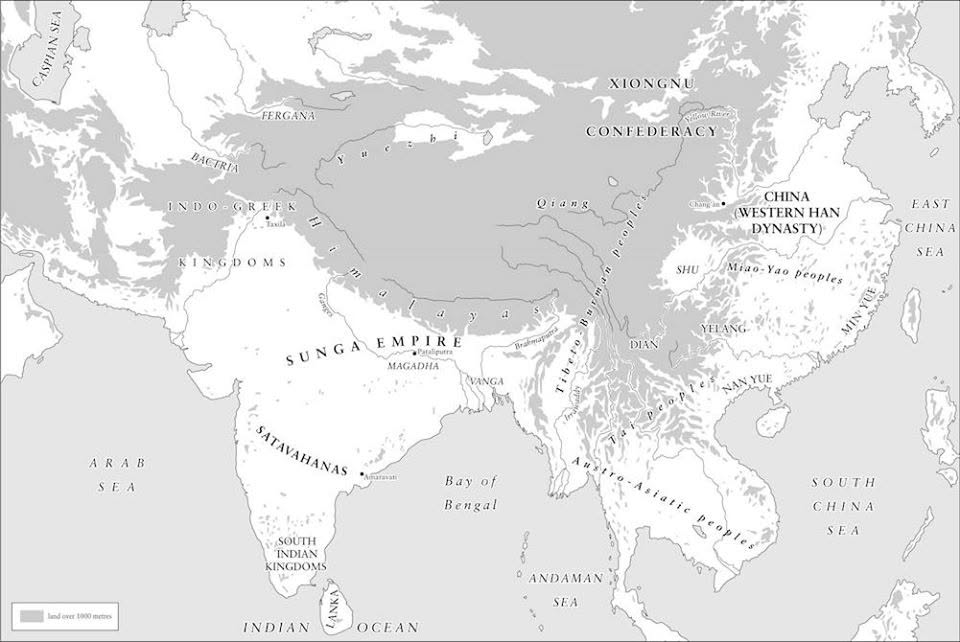
Dian and Yelang were Tibeto-Burman speaking kingdoms; their history may hold clues to the origins of the “Myanma” people.
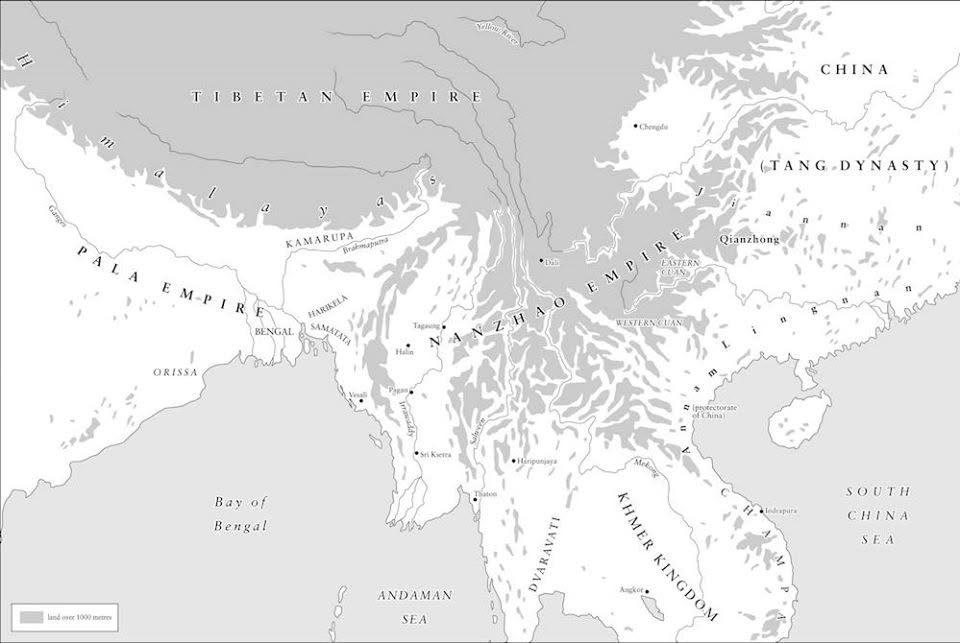
The “Myanma” identiy first emerged during the period of Nanzhao dominaton of the Irrawaddy valley. The “Myanma” identiy may have resulted from a mix of Nanzhao era immigrants and the indigeous Tibeto-Burman and Austroasiastic speaking peoples (eg the Pyu and the Mon).
မြန်မာ ဘယ်ကစသလဲ။ (မြန်မာအစ တရုတ်ပြည်က)
ဒေါက်တာ သန့်မြင့်ဦး
(ကုလသမဂ္ဂအထွေထွေအတွင်းရေးမှူးချုပ်ဟောင်း ဦးသန့်၏ မြေး
BSc (Government and Economics) Harvard University,
MA (International Relations and International Economics) Johns Hopkins University,
PhD (History) Cambridge University
Postdoctoral Researcher, Trinity College, Cambridge) ၏
မူရင်း အင်္ဂလိပ်စာတမ်းကို လင်းထက်ဆွေက ဘာသာပြန်ထားသည်
——————————–
လူတော်တော်များများလည်း ဒီမေးခွန်းကိုမေးကြတယ် သိသလောက်ဖြေကြည့်မယ်။
ကနဦးသတိထားသင့်တာက လူမျိုးစု ဆိုတဲ့ သဘောဟာ အမြဲတန်းပြောင်းလဲနေတဲ့အရာ။ ဒီနေ့ အမေရိကန် ဂျာမန် စတဲ့ လူမျိုးတွေဟာ လွန်ခဲ့တဲ့ နှစ် ၁၀၀- ၂၀၀ က အမေရိကန် ဂျာမန်တွေနဲ့ တူမှာမဟုတ်ပါဘူး။ ဒါကြောင့် ဒီနေ့ မြန်မာဆိုတာလည်း အတိတ်က မြန်မာနဲ့ လုံးဝ ကွဲပြားနေနိုင်တယ်။
နောက်ပြီး သတိပြုဖို့ရှိတာတစ်ခုကတော့ ဘာသာစကားတစ်ခုရဲ့ သမိုင်း ဟာ မျိုးရိုးဗီဇသမိုင်း မဟုတ်ဘူး ဆိုတာ ပါပဲ။ ဒီကနေ့ ဗမာ/မြန်မာစကားကိုပြောနေသူတွေ ဟာ သူတို့နဲ့ ဘာသာစကားချင်း နီးစပ်တဲ့ လူမျိုးစုတွေ နဲ့ သွေးချင်း နီးချင် မှ နီးမယ်ဆိုတာပါပဲ။
မြန်မာအစနဲ့ ပတ်သက်တဲ့ ကျွန်တော်တို့ သိထားတာတွေကိုပြောပြမယ်။
၁။ ကနေ့ စီချွမ်ပြည်နယ်မှာ လွန်ခဲ့တဲ့ နှစ်ပေါင်း ၃၀၀၀ လောက်က မြင့်မားတဲ့ ယဉ်ကျေးမှုတစ်ခုရှိခဲ့တယ်။ ဆန်ချင်ဒွီ/Sanxingdui လို့ခေါ်တဲ့ ဒီဒေသရဲ့ ရှေးဟောင်းယဉ်ကျေးမှုအကြောင်း ကို သိပ်မသိရသေးပါဘူး။ တရုတ် ယဉ်ကျေးမှုတွေ စတင်ဖြစ်ပေါ်ခဲ့တဲ့ အနောက်မြောက်ဘက်က မြစ်ဝါမြစ်ယဉ်ကျေးမှုတွေ နဲ့ ခြားနား ကွဲပြားတဲ့ ယဉ်ကျေးမှု တစ်ခု ပေါ့။ ဒီ ယဉ်ကျေးမှု ခေတ်က လူသားတွေ ဟာ ယနေ့ တိဗက်-မြန်မာ ဘာသာစကား တွေရဲ့ ရင်းမြစ်ဖြစ်တဲ့ ရှေးဟောင်း ဘာသာစကားတစ်ခု ကို ပြောဆိုခဲ့ကြလိမ့်မယ်လို့ ယူဆရပါတယ်။ ဘီစီ ၃၁၆ မှာ တရုတ်ချင်မင်းဆက်ဟာ ဒီဒေသ ကို သိမ်းသွင်းခဲ့ ပါတယ်။
၂။ လွန်ခဲ့တဲ့ နှစ်ပေါင်း ၂၀၀၀ လောက်က အခုခေတ် ယူနန်/Yunnan နဲ့ ကွေ့ကျိုး/Guizhou ဒေသတွေမှာ ဒိုင်ယန်/Dian နဲ့ ယိလန်/Yelang လို့ ခေါ်တဲ့ အရေးပါတဲ့ မင်းနေပြည်တော် ၂ ခု ပေါ်ထွန်းခဲ့ဖူးတယ်။ အဲဒီတိုင်းပြည် တွေမှာ အုပ်စိုးသူတွေဟာလည်း တိဗက်-မြန်မာ စကားကို ပြောဆိုခဲ့ကြလိမ့်မယ်လို့ မှန်းဆရတယ်။ မြန်မာစကား ရဲ့ ရှေးရင်းမြစ် ဘာသာစကားမျိုးဖြစ်မယ်။
၃။ ဒိုင်ယန် နိုင်ငံတော်ဟာ အဆင့်မြင့်ကြေးခေတ်ကိုရောက်နေတဲ့ ယဉ်ကျေးမှုတစ်ခုဖြစ်တယ်။ ဘုရင်တစ်ပါးရဲ့ ဂူသင်္ချိုင်းကနေ တူးဖော်တွေ့ရှိရတဲ့ ပင်လယ်ခရုခွံနဲ့လုပ်ထားတဲ့ သေတ္တာတစ်လုံးရဲ့ အပေါ်မှာ မြင်းစီးလူရုပ် တစ်ခုတွေ့ရပါတယ်။ အဲဒီလူရဲ့ ဆံပင်ထုံးဖွဲ့ပုံဟာ ယနေ့မြန်မာနိုင်ငံနဲ့ ယူနန်ပြည်နယ်တွေမှာ ရှိတဲ့ တိဗက်မြန်မာ အုပ်စုဝင် လူမျိုးတွေရဲ့ ဆံပင်ထုံးဖွဲ့ပုံနဲ့ ဆင်တူနေပါတယ်။
၄။ ဒိုင်ယန်လူမျိုးတွေဟာ ဧရာဝတီမြစ်ဝှမ်းဒေသမှာ အခြေချနေထိုင်ခဲ့ကြတဲ့ ပျူလူမျိုးတွေနဲ့လည်း နီးစပ်တဲ့ ဆက်သွယ်မှုတွေရှိခဲ့တယ်။ ပျူမြို့ပြနိုင်ငံတွေဟာလည်း ကြေးခေတ်အဦးပိုင်းမှာ ပေါ်ပေါက်လာကြတာဖြစ်တယ်။
၅။ မြန်မာစကားဟာ တိဗက်-မြန်မာအုပ်စုဝင်ဘာသာစကားဖြစ်တယ်။ ဗမာ-ယိ အစုဝင်လည်းဖြစ်တယ်။ မြန်မာစကား နဲ့ အနီးစပ်ဆုံးအုပ်စုဝင်ဘာသာစကားဟာ ယိဘာသာစကား (အရင်က “လိုလို” ဘာသာစကားလို့ ခေါ်ခဲ့) ဒိုင်ယန်အုပ်ချုပ်သူတွေဟာ မြန်မာ နဲ့ ယိ ဘာသာစကားတွေရဲ့ ဘိုးဘေးရင်းမြစ် ဘာသာစကားတစ်ခု ကို ပြောခဲ့ကြလိမ့်မယ်လို့ ယုံကြည်ပါတယ်။ ယနေ့ တရုတ်ပြည်ထဲမှာ ရှိနေတဲ့ ယိ ဘာသာစကားပြောသူတွေဟာ လူဦးရေး ၅ သန်းလောက် ရှိနေပါတယ်။
၆။ အေဒီ-၆၀၀ ကျော်နှစ်တွေ မှာတော့ နန်ကျောက် တွေဟာ ဒိုင်ယန်ရဲ့ နေရာမှာ အစားဝင်ရောက်လာပါတယ်။ နန်ကျောက်တွေ ဟာ ယူနန်ပြည်အနောက်ပိုင်းကို အခြေခံပြုလို့ အလွန်ကျယ်ပြန့်တဲ့ အင်ပါယာကို သိမ်းပိုက် စိုးမိုးခဲ့ကြတယ်။ အေဒီ ၈၀၀ ကျော်မှာ နန်ကျောက်တွေဟာ ဧရာဝတီမြစ်ဝှမ်းဒေသရဲ့ အစိတ်အပိုင်း တစ်ချို့ ကို သိမ်းယူနိုင်ခဲ့ကြတယ်။ နန်ကျောက်အုပ်စိုးသူတွေဟာလည်း ဒိုင်ယန်တွေလိုပဲ မြန်မာ နဲ့ ယိ ဘာသာစကားတွေရဲ့ ဘိုးဘေးရင်းမြစ် ဘာသာစကားတစ်ခု ကို ပြောခဲ့ကြလိမ့်မယ်လို့ ယုံကြည်ရပါတယ်။ နန်ကျောက်တွေဟာ တန်မင်းဆက်တရုတ်ပြည် နဲ့ တိဗက်ပြည်တွေ နဲ့အတူ ထီးပြိုင်နန်းပြိုင် ရုန်းကန်နေရတဲ့ အင်အားစုကြီးလည်း ဖြစ်တယ်။
၇။ နန်ကျောက်တွေဟာ ဧရာဝတီမြစ်ဝှမ်းဒေသရဲ့ အစိတ်အပိုင်း တစ်ချို့ ကို သိမ်းယူနိုင်ခဲ့ကြတဲ့ အချိန်လောက်ဟာ မြန်မာလူမျိုးစုရဲ့ အိုင်ဒီပေါ်ထွန်းလာတဲ့အချိန်ဖြစ်မယ်လို့ ဆိုနိုင်တယ်။ နန်ကျောက် အုပ်စိုးသူ တွေ နဲ့ ဧရာဝတီမြစ်ဝှမ်းဒေသမှာ နေထိုင်နေပြီးသား ဌာနေ (ပျူလူမျိုး) တွေ နဲ့ ပေါင်းစည်းရောစပ်လို့ “မြန်မာလူမျိုး” ဆိုတဲ့ အိုင်ဒီ အသစ်ပေါ်ပေါက်လာတယ်လို့ ဆိုနိုင်လိမ့်မယ်။
၈။ ဒိုင်ယန်တွေ နဲ့ နန်ကျောက်တွေအုပ်စိုးခဲ့တဲ့ ယူနန်ဒေသဟာ မြင်းတွေနဲ့ မြင်းစီးကျွမ်းကျင်သူတွေကြောင့် နာမည်ကျော်ခဲ့ပါတယ်။
၉။ “မြန်မာ” ဆိုတဲ့ စကားလုံး (အသံထွက်- Mranma မ်ရန်မာ) ကို ၁၁ ရာစုခေတ် ကျောက်စာ အရေးအသားတွေမှာ စတင်တွေ့ရှိရတယ်။ “Mrang-ma မရန်-မ” သို့မဟုတ် “Myin-ma မြင်း-မ” ဆိုတဲ့ အခေါ်အဝေါ်တွေရဲ့ အမည်ကွဲခေါ်ဝေါ်ပုံလည်း ဖြစ်နိုင်ပါတယ်။ “Mranma မရန်-မ” လူမျိုးတွေဆိုတာဟာ “လျှင်မြန်သန်မာသောမြင်းတွေရှိတဲ့လူမျိုး” ဒါမှမဟုတ် “လျှင်မြန်သန်မာ သော မြင်းစီးသမား” တွေ လို့လည်း ဆိုနိုင်တယ်။
၁၀။ ဒါပေမဲ့ ဒါဟာ နန်ကျောက်တွေ ဧရာဝတီမြစ်ဝှမ်းဒေသရဲ့ အစိတ်အပိုင်း တစ်ချို့ ကို သိမ်းယူ နိုင်ခဲ့ကြတဲ့အချိန်မှာ ယူနန်ဘက်ကလူတွေ က မြန်မာပြည်ထဲကို အလုံးအရင်းနဲ့ ဆင်းလာတယ်လို့ မဆိုလိုပါဘူး။ ဖြစ်နိုင်တာကတော့ ပုဂံဒေသတစ်ဝိုက်မှာ ရှိနေနှင့်ပြီးသား လူမျိုးတွေဟာ နန်ကျောက်ဒေသရဲ့ မြန်မာ-ယိ ဘာသာစကားကို လက်ခံသုံးစွဲလာကြတာ မျိုး ဖြစ်ပါတယ်။
၁၁။ စိတ်ဝင်စားစရာကောင်းတာတစ်ခုက ရှေးခေတ်ပုဂံမင်းတွေ (ပျူစောထီး ထီးမင်းယဉ် ယဉ်မင်းပိုက် စသည်) ဟာ နန်ကျောက်နန်းဆက်မင်းတွေ ရဲ့ ဘွဲ့အမည်ပေးတဲ့နည်းကိုလက်ခံသုံးခဲ့ကြတယ်ဆိုတာပါပဲ။ ဒီအမည်ပေး နည်းမှာ ဖခင်ရဲ့ နောက်ဆုံးနာမည်ကို သားဖြစ်သူရဲ့ ရှေ့ဆုံးနာမည်အဖြစ်သုံးကြပါတယ်။ ဥပမာ နန်ကျောက်မင်း တွေမှာလည်း ပိလျှိုကဲ-ကဲလျှိုဖန်း-ဖန်းကျားယီ စသဖြင့် နာမည်ပေးခဲ့ပြပါတယ်။ ပုဂံမြို့ဟာ နန်ကျောက်အင်ပါယာရဲ့ “အဝေးခံတပ်မြို့” တစ်ခုအနေနဲ့ စတင်ဖြစ်ထွန်းခဲ့တာ ဖြစ်နိုင်ပါတယ်။
၁၂။ ယနေ့ခေတ် ယူနန်ပြည်နယ်ရဲ့ နာမည်ကျော်ပွဲတော်တစ်ခုကတော့ မီးပန်းပွဲတော်/Torch festival ပါ။ ဒီပွဲတော်ရဲ့ အစဟာ နန်ကျောက်ခေတ်ကာလကစခဲ့မယ်လို့ ဆိုနိုင်တယ်။ အဲဒီပွဲတော်ထဲက ပုံပြင်ဒဏ္ဍာရီ တစ်ခုကတော့ ယုတ်မာတဲ့ဘုရင်တစ်ပါးကြောင့် အသတ်ခံရတဲ့ မောင်နှမနှစ်ယောက်အကြောင်း ပုံပြင်ပါ။ အကို က သန်မာတဲ့အမျိုးသား ညီမလေးက ချောမောလှပတယ်။ ဘုရင်က အကိုဖြစ်သူကို မီးရှို့သတ်ဖြတ်တဲ့အခါမှာ ညီမလေး ကလည်း မီးပုံထဲကို ခုန်ဆင်းပြီး အသေခံလိုက်ပါတယ်။ ဒီဇာတ်လမ်းလေးဟာ မြန်မာတွေရဲ့ မဟာဂီရိနတ်မောင်နှမ ဇာတ်လမ်းနဲ့ လုံးဝထပ်တူပါပဲ။
၁၃။ အေဒီ ၁၀ရာစု ကာလတွေမှာ နန်ကျောက်တွေရဲ့ ဘုန်းတန်ခိုးက ကျဆင်းလို့ ပုဂံ က တန်ခိုးထွားလာပါတယ်။ နန်ကျောက်မင်းဆက်ကိုဆက်ခံသူတွေဟာ ယူနန်နယ်ထဲက ဒါလီ မှာ အခြေစိုက်တယ်။ ဒါလီဟာ ဗုဒ္ဓဘာသာတိုင်းပြည်တစ်ခုဖြစ်ပြီးတော့ သူရဲ့မြို့တော်ကို “မိထိလာ” (မိတ္ထီလာ)လို့ အမည်ပေးတယ်။ ဒါလီမှာ ကိုးကွယ်တဲ့ ဗုဒ္ဓဘာသာဟာ “ဝဇီရာယာနဗုဒ္ဓဘာသာ” ဖြစ်ပါတယ် ( ဧရာဝတီမြစ်ဝှမ်းဒေသမှာအားကောင်းခဲ့တဲ့ “အရည်းရဟန်း” ကို သတိရစရာပါ) အေဒီ ၁၃ ရာစုမှာတော့ ဒါလီ ဟာ မွန်ဂိုအင်ပါယာလက်အောက်ကို ကျရောက်ခဲ့ရတယ်။ ယူနန်ဟာလည်း ယနေ့အထိ တရုတ်ပြည်ရဲ့ အစိတ်အပိုင်းတစ်ခု ဖြစ်ခဲ့ပါတယ်။
၁၄။ ရှေးဦး “မြန်မ” သို့မဟုတ် “မရန်မ” တွေဟာ အေဒီ ၉ ရာစုလောက်မှာ နန်ကျောက်/ယူနန် ဒေသကနေ မြန်မာပြည်ထဲကို မြင်းစီးထိုးဖောက်ဝင်ရောက်လာတဲ့ “ပြောင်းရွေ့အခြေချသူတွေ” ဖြစ်နိုင်ပါတယ်။ သူတို့ဟာ ဒိုင်ယန် နဲ့ ယိလန် နိုင်ငံတွေကနေ ဆင်းသက်လာသူတွေ ဒီထက်ပိုပြီးရှေးကျကျပြောရရင်တော့ ဆန်ချင်ဒွီ ကြေးခေတ် ယဉ်ကျေးမှုကနေ ဆင်းသက်လာသူတွေလို့ ဆိုနိုင်တယ်။
၁၅။ ဒါပေမဲ့ ဒီကနေ့ခေတ် ဗမာ/မြန်မာ တွေဟာ တစ်စိတ်တစ်ပိုင်းကလွဲလို့ အားလုံး အဲဒီ လူမျိုးတွေက ဆင်းသက်လာသူတွေဖြစ်တယ်လို့ မဆိုလိုပါဘူး။ ယနေ့ မြန်မာနိုင်ငံနေလူမျိုးတွေ (ဗမာ/မြန်မာ အပါအဝင်တွေ) ဟာ “သွေးနှောလူမျိုးတွေ” ဖြစ်ကုန်ပါပြီ။ ဧရာဝတီမြစ်ဝှမ်းမှာ နေထိုင်ခဲ့ကြတဲ့ ဩစထရိုအေးရှားတစ်လူမျိုးတွေ နဲ့ အခြား တိဗက်တိုဘားမန်းလူမျိုးတွေ ရဲ့ သွေးတွေနဲ့ နှောကုန်ပါပြီ။
၁၆။ အနာဂတ်မှာတော့ မျိုးရိုးဗီဇစစ်ဆေးခြင်းပညာက ကျွန်တော်တို့ကို ပိုပြည့်စုံတဲ့ အဖြေတွေ ပေးနိုင်ပါလိမ့်မယ်။
Credit: Thant Myint-U/ The origins of the “Myanma”. ကို သင့်လျော်အောင်ပြန်ဆိုထားပါတယ်။
ပုံတွေကိုတော့ အင်တာနက်ကရယူပါတယ်။
ပုံ-၁။ ဆန်ချင်ဒွီ ယဉ်ကျေးမှုမှ ကြေးမျက်နှာဖုံး
ပုံ-၂။ ဒိုင်ယန်ဘုရင်သင်္ချိုင်းကတွေ့ရှိတဲ့ မြင်းစီးလူရုပ်
ပုံ-၃။ အေဒီ ၈ရာစု နန်ကျောက် အင်ပါယာ မြေပုံ
ပုံ-၄။ ယူနန်ပြည်နယ်မှ မီးပုံပွဲတော်
Lin Htet Swe