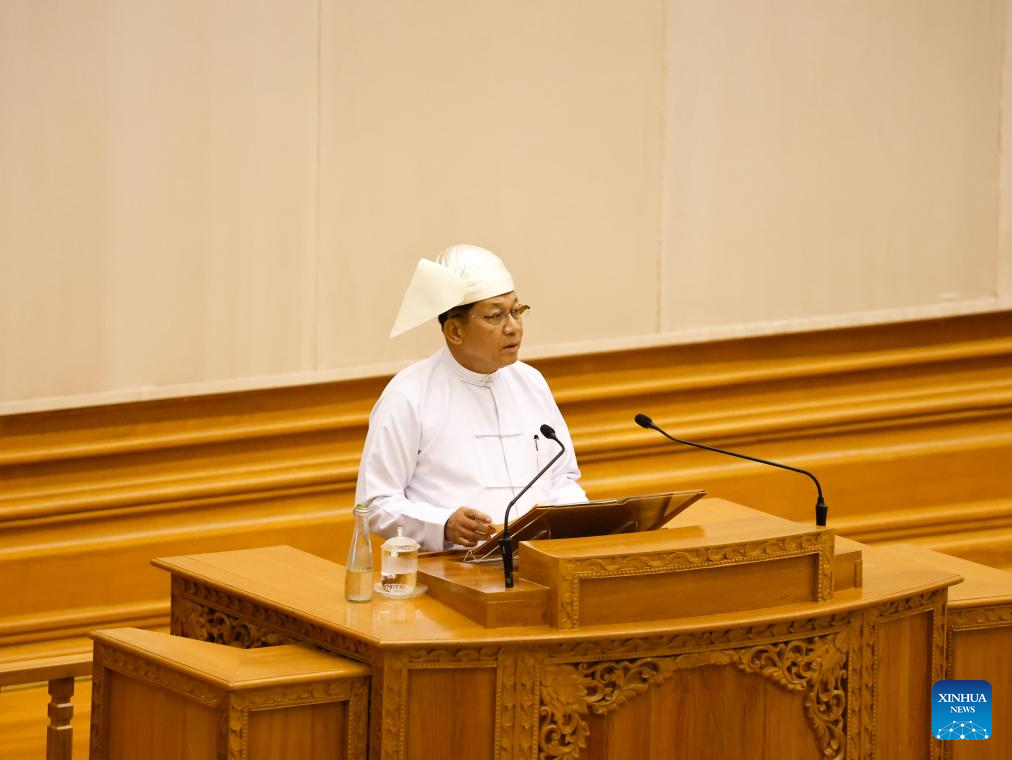
Your Excellency Senior General Min Aung Hlaing,
Mingalaba and with utmost respect.
I write this letter not as an enemy of the Tatmadaw nor as a partisan politician, but as an elderly Myanmar citizen who deeply loves our country and sincerely wishes to see peace, reconciliation, stability, and prosperity for all peoples of the Union.
Myanmar has suffered decades of armed conflict, political polarization, economic hardship, sanctions, displacement, and loss of trust among the people. Today, our beloved nation stands at a historic crossroads. Continued confrontation risks further destruction, while courageous reconciliation could open a new chapter in Myanmar’s history.
With utmost respect, I humbly submit several proposals for your consideration.
1. Immediate National Reconciliation Initiative
Your Excellency could make a historic statesmanlike decision by declaring a comprehensive National Reconciliation and Peace Initiative, including:
- The immediate release of Daw Aung San Suu Kyi on humanitarian and national reconciliation grounds.
- The establishment of an inclusive Presidential Advisory Council or National Reconciliation Council.
- Appointment of Daw Aung San Suu Kyi as Chairperson or Senior Adviser of that council, while constitutional executive authority remains under the Presidency and State Administration structures.
- The launching of nationwide peace negotiations involving political parties, ethnic organizations, civil society, religious leaders, technocrats, and business representatives.
Such a move would not weaken the State. Instead, it could strengthen the legitimacy and stability of the government in the eyes of both the Myanmar people and the international community.
2. Reducing International Isolation
Myanmar’s economic difficulties are closely linked to sanctions, diplomatic isolation, and reduced foreign investment. A visible reconciliation process could greatly improve relations with:
- the UN, USA and allies
- the European countries, Japan, Korea etc.
- regional partners within ASEAN,
- and neighboring countries concerned about regional stability.
If Daw Aung San Suu Kyi and representatives of other political groups are visibly participating in governance and peace efforts, many countries would find it more difficult to justify continued punitive measures against Myanmar.
3. A Balanced Power-Sharing Arrangement
Your Excellency could maintain the position of Head of State and Commander of the national administration while allowing Daw Aung San Suu Kyi to play an advisory and diplomatic role.
This arrangement could resemble models used in other countries where former rivals cooperated during national crises. Such an approach would avoid a total transfer of power while reducing tensions and rebuilding confidence among citizens.
In practical terms:
- The Presidency and security apparatus remain under your leadership.
- Daw Aung San Suu Kyi could assist in diplomacy, reconciliation, humanitarian engagement, and restoration of international confidence.
- Selected ministries could include respected civilian technocrats and representatives acceptable to various political stakeholders.
4. Formation of an Inclusive Government
To heal divisions, Your Excellency may consider appointing:
- moderate civilian professionals,
- ethnic nationality representatives,
- experienced administrators,
- economists and anti-corruption experts,
- and selected individuals recommended by Daw Aung San Suu Kyi or other political groups.
A government that visibly includes multiple stakeholders would help calm public anger and reduce support for prolonged armed resistance.
5. Declaring a Genuine Anti-Corruption Administration
One of the strongest public demands across all political groups is clean governance.
Your Excellency has the opportunity to establish a historic legacy by declaring:
- zero tolerance for corruption,
- financial transparency,
- merit-based appointments,
- judicial reform,
- and accountability for abuse of authority.
Countries such as achieved stability and development partly through strong anti-corruption measures and efficient administration. Myanmar’s people also deserve honest governance.
6. Restoration of Civil Liberties and Rule of Law
Many citizens still remember the relative openness during the administration of President U Thein Sein, when:
- media freedoms expanded,
- political prisoners were released,
- economic reforms accelerated,
- and Myanmar regained international respect.
Your Excellency could restore confidence by gradually expanding:
- freedom of expression,
- rule of law,
- judicial independence,
- humanitarian access,
- and lawful democratic participation.
Security and liberty do not have to be enemies. Stable democracies require both.
7. Meaningful Dialogue with Ethnic Revolutionary Organizations
Myanmar’s ethnic conflicts cannot be solved permanently through military means alone.
The Union must move toward:
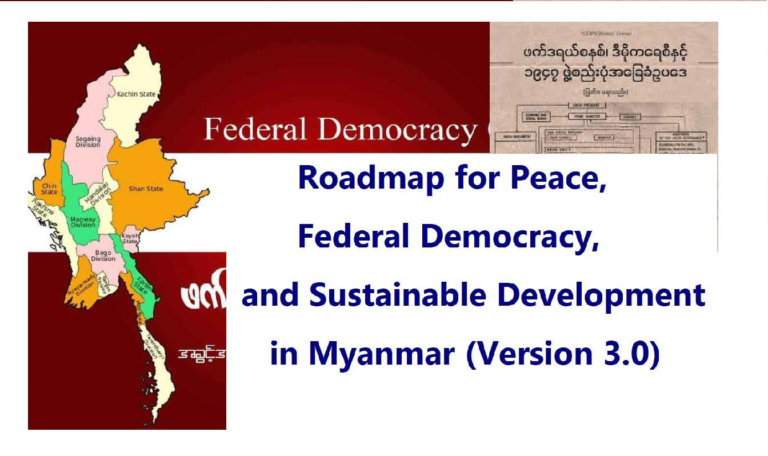
- genuine federal dialogue,
- democratic self-administration,
- fair resource sharing,
- cultural and language rights,
- and constitutional guarantees acceptable to ethnic nationalities.
Representatives of Ethnic Revolutionary Organizations (EROs) should therefore be invited into structured negotiations regarding the future federal framework of the Union.
Lessons from Other Countries
History shows that deeply divided countries can recover through negotiated settlements and inclusive governance.
Examples include:
- after apartheid, where former enemies negotiated peaceful transition under leaders like and F.W. de Klerk.
- after authoritarian rule, where gradual reform preserved state institutions while opening democratic space.
- , where former armed factions eventually entered political processes.
- , which maintained national stability through power-sharing arrangements among diverse ethnic and political communities.
- and, which prioritized internal stability and economic development after prolonged conflict.
No model is perfect, but all demonstrate that compromise is often wiser than endless confrontation.
A Historic Opportunity
Your Excellency,
Every leader is ultimately judged not only by military strength, but by whether he leaves behind peace, stability, reconciliation, and prosperity for future generations.
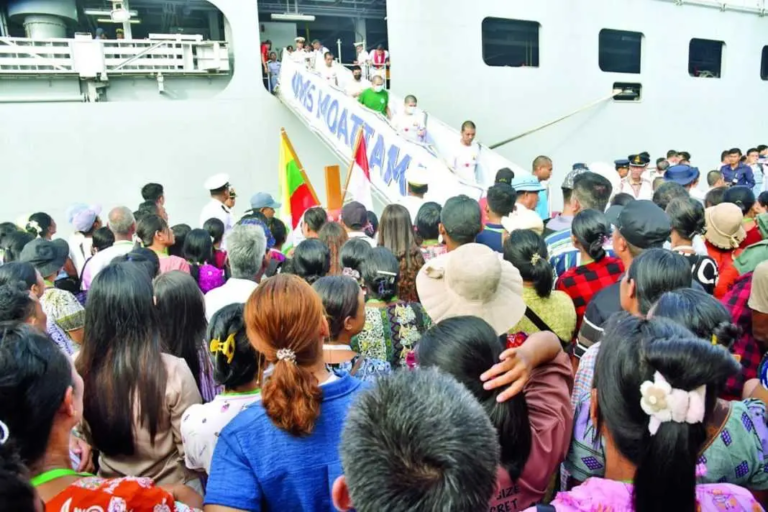
Myanmar’s people are exhausted by war and division. Mothers want security for their children. Youth want jobs and education. Ethnic nationalities want dignity and equality. Religious communities want harmony. Refugees and migrants wish to return home safely.
A bold reconciliation initiative today could transform Your Excellency’s place in history—from a wartime leader into a statesman remembered for rebuilding the Union.
May wisdom, compassion, justice, and patriotism guide all leaders of Myanmar.
With sincere respect and prayers for peace,
Myanmar Muslim News Network