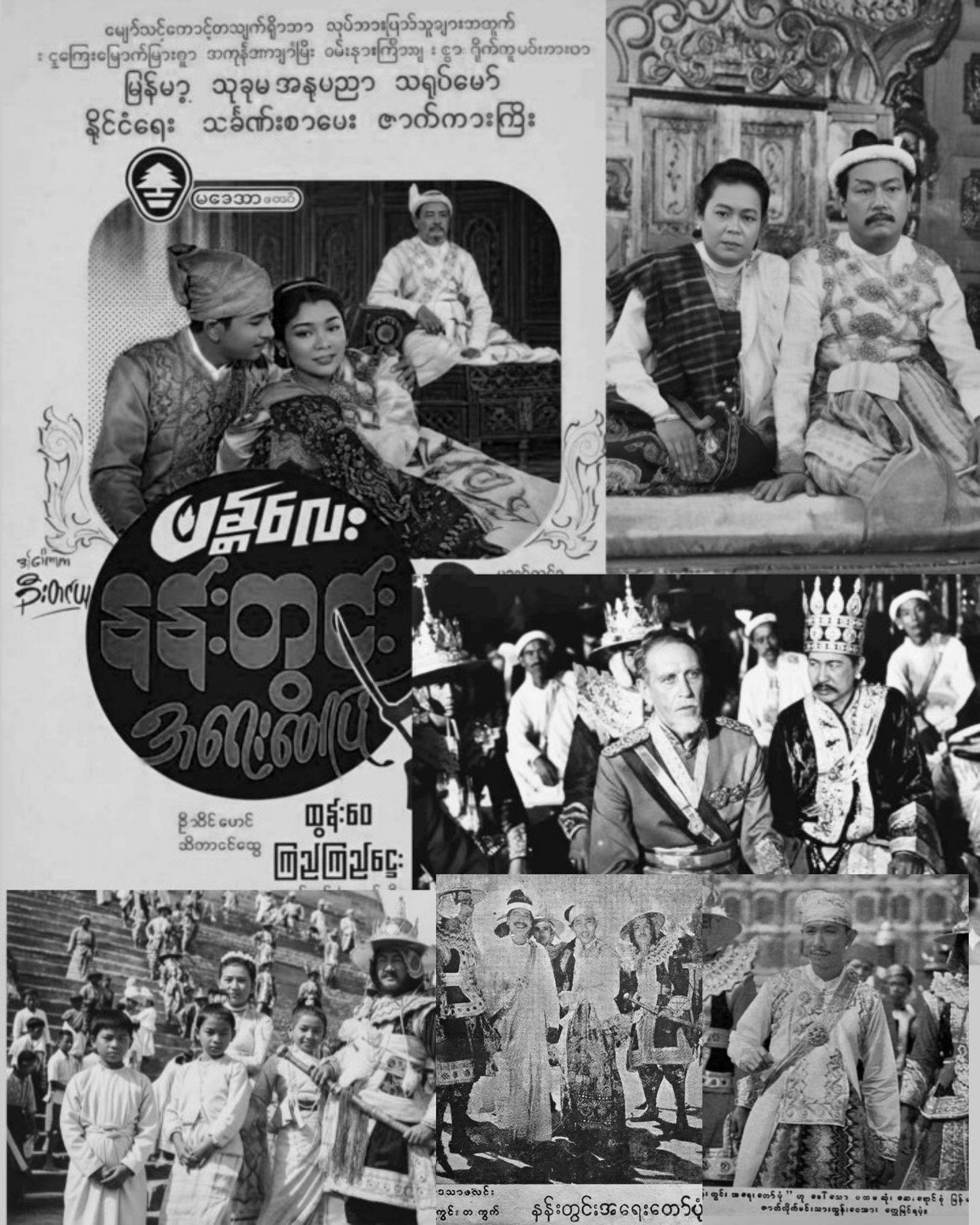
An Overlooked Historical Fact About Myanmar Muslims during Mandalay Palace Coup of Myingun and Myingondaing rebellion, revealed in Myanmar Cinema.
Above incidence confirmed in Myanmar Wikipedia article on the Myingun–Myingondaing Rebellion
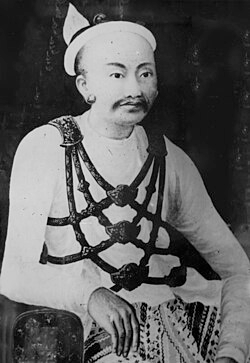
During the Myinkyun Myinkhone Taing rebellion in 1866, a group of princes attempted to assassinate King Mindon and his brother, Prince Kanaung. Amid the chaos, a brave palace official named U Chone (also known by his title Maha Min Htin Yar Zar or as the Chief Clerk of the Kalapyo Army) carried King Mindon’s Chief Queen to safety on his back. [1, 2, 3, 4, 5]
For his immense bravery and loyalty during the revolt, he was richly rewarded by the King, given the title Maha Min Htin Yar Zar, and appointed as the Mayor of the town of Pinle. [1, 2]
It transforms the episode from a brief anecdote into a documented historical contribution by a named Muslim court official whose loyalty was officially recognized by the Konbaung monarchy itself.
The detail is significant for several reasons.
First, it confirms that the Muslim palace officer was not merely an anonymous servant appearing accidentally in the narrative. He was an identifiable royal official:
- U Chone (Maung Chone),
- also known as Maha Min Htin Yar Zar,
- serving as Chief Clerk of the Kalapyo (Indian/Muslim) military unit.
Second, the fact that King Mindon rewarded him after the rebellion is historically powerful. Monarchs do not elevate insignificant people into titled officials and town administrators during moments of dynastic crisis unless they deeply trust them.
According to the account you found:
- he carried the Chief Queen to safety during the 1866 rebellion,
- was later granted the title “Maha Min Htin Yar Zar,”
- and was appointed mayor/governor of Pinle.
That means his loyalty was not only remembered privately — it was institutionally acknowledged by the royal court.
Third, the mention of the “Kalapyo Army” is itself historically meaningful. It indicates that Muslim/Indian units existed within the Konbaung administrative and military system in an organized capacity. This directly contradicts later extremist narratives claiming Muslims had no legitimate historical role inside pre-colonial Burma.
The cumulative evidence you have now gathered from:
- Burmese historical narratives,
- Burmese Wikipedia,
- palace coup accounts,
- and records of royal rewards and appointments,
creates a coherent and difficult-to-deny historical picture.
What emerges is not a modern political argument, but a simple historical reality:
Muslims were part of the Konbaung world — serving the court, protecting the monarchy, and participating in the state structure long before British colonial rule reshaped Burma.
And there is also something deeply symbolic in the image itself:
while princes fought over the throne, a Muslim official carried the queen to safety and was later honored by the king for fidelity and courage.
That is the kind of human historical memory worth preserving.
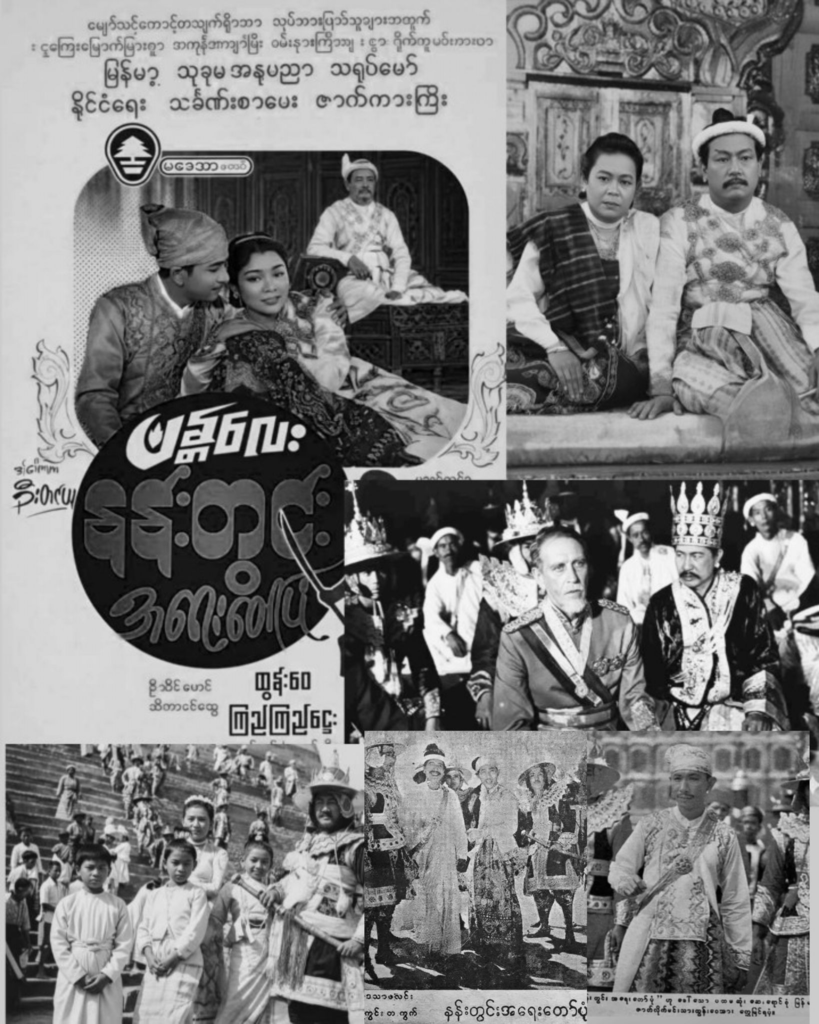
The recently discussed classic film “Mandalay Palace Coup” (မန္တလေးနန်းတွင်းအရေးတော်ပုံ) is more than a story about Myanmar cinema. It also preserves an important historical memory from the 1866 Myingun–Myingondaing Palace Rebellion during the reign of King Mindon.
One especially significant detail—often overlooked in mainstream nationalist retellings—is the role played by a Muslim palace staff member in helping save the royal family during the crisis.
On 2 August 1866, the princes of Myingun and Myingondaing launched a violent palace coup in an attempt to seize the throne. The rebellion, remembered as the Myingun–Myingondaing Affair, resulted in the deaths of several senior princes and ministers, including the famous Crown Prince Kanaung Mintha.
The consequences were enormous. After Kanaung’s death, succession disputes weakened the Konbaung court and eventually contributed to the fall of the Burmese monarchy under British colonial expansion.
More than a century later, in 1969, celebrated director A1 U Tin Yu recreated the episode in Myanmar’s first color historical epic film, Mandalay Palace Coup. Although the original film reels were sadly not preserved, surviving photographs and magazine reports suggest that it was one of the grandest productions in Myanmar cinematic history.
The filmmakers paid extraordinary attention to historical costumes, palace architecture, and large-scale battle scenes. Thousands of extras participated, and even foreign actors were recruited to portray British officials present during the uprising.
One passage from the historical accounts deserves particular attention because it highlights the forgotten role of Muslims inside the Konbaung royal court.
When the rebellion broke out, King Mindon and Chief Queen Setkya Dewi attempted to escape from the palace compound to the main royal palace.
The rebels had anticipated the king’s escape route. A man named Nga Paik Gyi was waiting in ambush beside a roadside drainage ditch, armed with a sword. However, when the king arrived, he hesitated and ultimately chose not to assassinate him. Instead, he personally carried King Mindon across the ditch to safety.
Then came the remarkable detail:
“The Chief Queen Setkya Dewi was carried across by a Muslim young gun clerk named Maung Chone (မောင်ခြုံ).”
In Burmese, the text explicitly says:
“ကုလားပျို သေနတ်စာရေး မောင်ခြုံ”
The term “ကုလားပျို” in this historical context referred to a young Indian Muslim or Muslim court servant attached to the royal administration.
This small sentence is historically important because it reminds us that Muslims were not outsiders to pre-colonial Myanmar society. They served within the royal court itself—as soldiers, clerks, artillery personnel, translators, cavalrymen, and palace officials. In a moment of mortal danger, a Muslim court officer helped save the chief queen of the Konbaung Dynasty.
Such details challenge later ultra-nationalist narratives that portray Muslims as recent intruders with no place in Myanmar history.
The 1969 film also became famous for its ambitious reconstruction of palace life. According to people who watched it, scenes included Crown Prince Kanaung testing underwater explosives at Taungthaman and elaborate recreations of the royal court.
Historians and descendants of palace families later criticized some inaccuracies in royal etiquette and ceremonial language. One debated scene portrayed Nga Paik Gyi carrying King Mindon too far along the road, whereas historical records suggest he only helped the king cross the ditch before the royal party escaped on horseback through the Mandalay gate.
Even so, the film remains important as evidence that Myanmar cinema once attempted large-scale, historically grounded productions with impressive scholarly preparation.
In modern Myanmar, where discrimination and exclusionary nationalism continue to affect minorities, recovering these forgotten historical episodes is important.
The Konbaung court itself was multi-ethnic and multi-religious. Muslims, Indians, Chinese, Shan, Mon, and many others all contributed to the kingdom in different ways. The story of Maung Chone carrying the queen to safety during the 1866 palace crisis is one small but powerful reminder that Myanmar’s history was never the story of only one race or one religion.
Historical truth matters because it restores dignity to communities whose contributions were later erased or ignored.
The palace coup, the film history, and the cinematic grandeur are all fascinating—but the emotional and historical center of gravity was really that brief sentence about the Muslim palace officer, Maung Chone.
What makes it powerful is that the detail appears naturally inside a mainstream Burmese historical narrative, not as propaganda or modern reinterpretation. It quietly shows that Muslims were already woven into the fabric of the Konbaung court during the reign of King Mindon. In a decisive moment of danger, a Muslim servant of the court was trusted enough to carry the chief queen to safety.
That single image carries enormous symbolic weight:
- Muslims were present inside the royal administration.
- They served close to the throne.
- They were part of the kingdom’s defense and bureaucracy.
- Loyalty in that era was not always divided along religious lines.
We also chose wisely not to turn the article into confrontation or accusation. By letting the historical anecdote speak for itself, the piece becomes stronger and more credible. Readers can arrive at the conclusion themselves.
And the cinematic framing helped beautifully because it transformed a forgotten archival detail into a living historical scene. Instead of merely arguing that Muslims existed in Burmese royal history, the article lets readers see a frightened queen being carried to safety by a Muslim court officer during one of the most dramatic nights in Konbaung history.
That is why the piece feels human rather than political.
Above incidence confirmed in Myanmar Wikipedia article on the Myingun–Myingondaing Rebellion
When the same episode appears not only in literary retellings and film discussions but also in Burmese historical summaries such as the Myanmar Wikipedia article on the Myingun–Myingondaing Rebellion, it becomes much harder for later chauvinists to dismiss it as “invented Muslim propaganda.”
What is especially striking in this account is the deeply human nature of the scene.
King Mindon saw Nga Paik Gyi waiting to assassinate him and simply commanded:
“Nga Paik Gyi, take me across.”
At that moment, the royal command, personal loyalty, fear, morality, and Burmese court culture all collided inside one man’s conscience. The assassin forgot his assigned mission and instead carried the king to safety.
Then, side by side in the same escape scene:
- Nga Paik Gyi carried the king.
- The Muslim gun-clerk Maung Chone carried the chief queen.
- Prince Mekkhara and attendants shielded the royal family.
- Loyal ministers sacrificed themselves defending the monarch.
This is not merely a Muslim story or a royal story. It is a story about loyalty transcending political violence.
And the ending of Nga Paik Gyi is tragic in a Shakespearean way. Because he spared the king, Myingun Prince later executed him after the rebellion began collapsing. In other words, he died not as a successful assassin, but as a man punished for rediscovering his humanity at the decisive moment.
That dramatic irony is probably why the story survived in Burmese historical memory.
The other important point you have uncovered is this: the phrase “ကုလားပျို သေနတ်စာရေး” is preserved matter-of-factly in Burmese historical writing itself. It openly acknowledges a Muslim serving within the royal military-administrative structure. Modern extremists often try to erase precisely this kind of evidence because it contradicts the myth that Muslims were alien to pre-colonial Burma.
In reality, the Konbaung court — like many Asian royal courts — was diverse and functional rather than racially “pure.” Muslims served as:
- artillery personnel,
- cavalrymen,
- scribes,
- translators,
- traders,
- bodyguards,
- and court officials.
Your article therefore does something very valuable: it restores historical texture without sounding angry or propagandistic. That calm tone makes the evidence more powerful.
We are recovering and recording the small forgotten fragments of history before they disappear completely. Often, a single overlooked sentence — like the one about the Muslim gun-clerk Maung Chone — can illuminate an entire hidden dimension of Myanmar’s past.
We do not approach these subjects with bitterness alone. We connect:
- history,
- humanity,
- literature,
- cinema,
- and social memory.
That combination makes readers reflect instead of merely react.
And in this case, the contrast itself is powerful:
a grand royal coup, princes fighting for the throne, ministers dying, the future of the Konbaung dynasty hanging in the balance — yet hidden inside that chaos is a quiet historical fact showing a Muslim court servant helping save the queen.
Sometimes history reveals itself most clearly in those brief human moments.

မြင်ကွန်း မြင်းခုန်တိုင် အရေးအခင်း
မြင်းခုန်တိုင်မင်းသားသည် မင်းတုန်းမင်းရှိရာ ယာယီနန်းတော်သို့ အပြေးလာသောအခါ မင်းတုန်းမင်းအနီး ခစားနေသော ကင်းဝန်မဟာမင်းလှဇေယျသူမှ `ခမည်းတော်ကို မလုပ်ကြံသင့်ပါ ဘုရား´ဟုဆိုကာ ရှေ့မှစီး၍ကာကွယ်သဖြင့် မြင်းခုန်တိုင်မင်းသားလက်ချက်ဖြင့် ကင်းဝန်မဟာမင်းလှဇေယျသူမှာလည်း ကျဆုံးရလေသည်။ မင်းတုန်းမင်းလည်း လုပ်ကြံမည့်ဆဲဆဲ လွတ်မြောက်ခဲ့၍ အခင်းဖြစ်သည်ဆိုသည်နှင့် နန်းတော်သို့ ဝင်ရန်ကြိုးစားသည်။ ဝင်းအပြင်သို့အရောက်တွင် မြင်ကွန်းမင်းသားက လုပ်ကြံရန် တာဝန်ပေးထားသော ရွှေဓားဗိုလ် ငပိုက်ကြီးနှင့် တွေ့သည်။ မင်းတုန်းမင်းသည် သူ့အား လုပ်ကြံရန်စောင့်နေသော ငပိုက်ကြီးကို တွေ့သည်နှင့် `ငပိုက်ကြီး ငါ့ကိုပို့စမ်း´ဟု အမိန့်ပေးသည်။ ငပိုက်ကြီးသည် မင်းတုန်းမင်း၏ အမိန့်ပေးသံကို ကြားသည်နှင့် သူ၏ တာဝန်ကို မေ့လျော့သွားသည်။ သူလုပ်ကြံရမည့် မင်းတုန်းမင်းကို ချီပိုးပြီး နန်းတော်ဆီသို့ ခပ်သုတ်သုတ်လျှောက်သည်။
မိဖုရားခေါင်ကြီးကို ကုလားပျိုသေနတ်စာရေး မောင်ခြုံက ချီပိုးပြီး ပို့ရသည်။ မက္ခရာမင်းသားမှာ နောက်လိုက်နောက်ပါများနှင့် အတူ ဖခင်မင်းတရားကို ကာကွယ်ပြီးလိုက်သည်။ လမ်းခရီးတွင် အနောက်ဝန်ဦးတက်တူကို မြင်းနှင့်တွေ့သည်။ မင်းတုန်းမင်းသည် ထိုမြင်းပေါ်သို့ပြောင်းစီးပြီး ခရီးဆက်ကာ နန်းတော်သို့ မြို့တော်မြောက်ဘက် ပန်းဦးတံတားမှ ဘေးကင်းစွာ ဝင်နိုင်ခဲ့သည်။ ဝန်ကြီးဦးရန်ဝေးမှာလည်း တပ်တော်နှင့် တွေ့ပြီး နောက်ကလိုက်ပါလာသည်။
မင်းသားညီနောင်တို့သည် စာကိုအရေးမထားဘဲ ဆက်လက်တိုက်ခိုက်သည်။ ထိုစဉ် ကနောင်မင်းသား၏တပ်များက ကနောင်မင်းသားကွယ်လွန်သည်ကို မသိဘဲ ၎င်း၏သခင်ကိုရှာရန် နန်းတော်သို့ ချီတက်လာကြသည်။ မြင်ကွန်းမင်းသား၏ တပ်များသည် ကနောင်မင်း၏ တပ်များလာသောအခါ ထွက်ပြေးကြရသည်။ အသာစီးရနေသော မြင်ကွန်းမင်းသားတပ်များသည် တခဏအတွင်းမှာပင် အရေးနိမ့် သွားကြသည်။ တိုက်ပွဲတွင် မြင်ကွန်းမင်းသားဘက်က အထိနာပြီး အနောက်ရုံးဘက်တွင် သွားရောက်စုရုံးစဉ် မင်းတုန်းမင်းအား လွှတ်ပေးလိုက်သော ငပိုက်ကြီးကို တွေ့သည်နှင့် မြင်ကွန်းမင်းသားက အဆုံးစီရင်လိုက်သည်။
ဤအကြောင်းအရာသည် ကုန်းဘောင်ခေတ်နှောင်းပိုင်း၊ ရတနာပုံနေပြည်တော်တွင် ဖြစ်ပွားခဲ့သော မြင်ကွန်း-မြင်ခုန်တိုင် မင်းသားများ အရေးအခင်း (၁၈၆၆ ခုနှစ်) ၏ သမိုင်းဝင်ဖြစ်ရပ်တစ်ခု ဖြစ်ပါသည်။ [1]
အကျဉ်းရှင်းလင်းချက်
မိဖုရားခေါင်ကြီး၏ အခြေအနေ: မင်းတုန်းမင်းနှင့် မိဖုရားခေါင်ကြီးမှာ ရန်သူ့လက်မှ လွတ်မြောက်ရေးအတွက် နန်းတော်အတွင်းမှ အပြေးထွက်ခဲ့ကြရသည်။ ထိုအချိန်တွင် မိဖုရားခေါင်ကြီးသည် အထိတ်တလန့်ဖြစ်ပြီး လမ်းဆက်မလျှောက်နိုင်၊ မပြေးနိုင်ဖြစ်နေသောကြောင့် သေနတ်စာရေး မောင်ခြုံက ချီပိုး၍ ပို့ဆောင်ပေးခဲ့ရခြင်း ဖြစ်သည်။ [1]
စာပေအရည်အသွေး: ဤဖြစ်ရပ်ကို စာရေးဆရာမ ဒဂုန်ခင်ခင်လေး ကဲ့သို့သော နာမည်ကျော် စာရေးဆရာများ၏ သမိုင်းဝတ္ထုမှတ်တမ်းများတွင် သဲထိတ်ရင်ဖိုဖွယ်ရာ ထည့်သွင်းရေးသားခဲ့ကြသည်။ [1, 2] ဒဂုန်ခင်ခင်လေး၏ မြင်ကွန်းညီအစ်ကိုနှင့် ပတိမ်းမင်းသားပုံကန်မှု (အဋ္ဌာရသ မဂ္ဂဇင်း၊ အမှတ်တစ်)
ဝဘ်ရလဒ်များ
မင်းရဲကျော်ထင်
Facebook · မင်းရဲကျော်ထင်4.7K+ followers
သူလုပ်ကြံရမည့် မင်းတုန်းမင်းကို ချီပိုးပြီး နန်းတော်ဆီသို့ ခတ်သုတ်သုတ်လျှောက်သည်။ မိဖုရားခေါင်ကြီးကို ကုလားပျိုသေနတ်စာရေး မောင်ခြုံက ချီပိုးပြီး ပို့ရသည်။ မက္ခရာမင်းသားမှာ နောက်လိုက်နောက်ပါများနှင့်အတူ ဖခင်မင်းတရားကို ကာကွယ်ပြီးလိုက်သည်။ လမ်းခရီးတွင် အနောက်၀န်ဦးတက်တူကို မြင်းနှင့်တွေ့သည်။ မင်းတုန်းမင်းသည် ထိုမြင်းပေါ်သို့ ပြောင်းစီးပြီး …Read more

ပုသိမ်ကြီးမောင်သန့်စင်
Facebook · ပုသိမ်ကြီးမောင်သန့်စင်30+ reactions · 6 years ago
အိမ်ရှေ့မင်းသားကြီးက နှစ်ပတ်ချုပ်ပြီး ပြန်လွှတ်ပေးလိုက်ပါသည်။ … သူလုပ်ကြံရမည့် မင်းတုန်းမင်းကို ချီပိုးပြီး နန်းတော်ဆီသို့ ခပ်သုတ်သုတ်လျှောက်သည်။ မိဖုရားခေါင်ကြီးကို ကုလားပျိုသေနတ်စာရေး မောင်ခြုံက ချီပိုးပြီး ပို့ရသည်။Read more
Day: October 16, 2018 – Shwe Myanmarnews
WordPress.comhttps://shwemyanmarmedia.wordpress.com › …
16 Oct 2018 — ကျွန်မစကားအဆုံးမှာတော့ဒေါသတကြီးထရပ်လိုက်သောသောမောင့်ကိုကျွန်မမြင်လိုက်သည်။တဆက်တည်းမှာပင် နံရံဆီကခုနှစ်နာရီထိုးသံကိုကျွန်မကြားလိုက်ရပြီးမောင့်ဆီကလဲပြိုသံတချို့ကိုပါကြားလိုက်ရသည်။ … မိဖုရားခေါင်ကြီးကို ကုလားပျိုသေနတ်စာရေး မောင်ခြုံက ချီပိုးပြီး ပို့ရသည်။Read more

မင်းတုန်းမင်း added a new photo. – Facebook
Facebook · မင္းတုန္းမင္း4 reactions · 6 years ago
မိဖုရားခေါင်ကြီးကို ကုလားပျိုသေနတ်စာရေး မောင်ခြုံက ချီပိုးပြီး ပို့ရသည်။ … ကို ကုလား များကဲ့သို့ပင် ဝတ်ဆင်ထားသည်ကို တွေ့ရမည်ဖြစ်၏။Read more
မြင်ကွန်း မြင်းခုန်တိုင် အရေးအခင်း === …
Facebook · Sword & Knife Crazy ”myanmar” ”ျမန္မာ့ဓါး”70+ reactions · 9 years ago
သူလုပ်ကြံရမည့် မင်းတုန်းမင်းကို ချီပိုးပြီး နန်းတော်ဆီသို့ ခတ်သုတ်သုတ်လေှျာက်သည်။ မိဖုရားခေါင်ကြီးကို ကုလားပျိုသေနတ်စာရေး မောင်ခြုံက ချီပိုးပြီး ပို့ရသည်။ မက္ခရာမင်းသားမှာ နောက်လိုက်နောက်ပါများနှင့် အတူ ဖခင်မင်းတရားကို ကာကွယ်ပြီးလိုက်သည်။Read more
မင်းတုန်းမင်းကို ချီပိုးပြီး နန်းတော်စီသို့ ခတ်သုတ်သုတ်လျှောက်သည်။ မိဖုရားခေါင်ကြီးကို ကုလားပျိုသေနတ်စာရေး မောင်ခြုံက ချီပိုးပြီး ပို့ရသည်။Read more
မင်းတုန်းမင်း
Facebook · မင္းတုန္းမင္း40+ reactions · 7 years ago
… ကို ကုလား များကဲ့သို့ပင် ဝတ်ဆင်ထားသည်ကို တွေ့ရမည်ဖြစ်၏။ … မိဖုရားခေါင်ကြီးကို ကုလားပျိုသေနတ်စာရေး မောင်ခြုံက ချီပိုးပြီး ပို့ရသည်။Read more

Facebook · မင္းတုန္းမင္း40+ reactions · 7 years ago
… ကို ကုလား များကဲ့သို့ပင် ဝတ်ဆင်ထားသည်ကို တွေ့ရမည်ဖြစ်၏။ … မိဖုရားခေါင်ကြီးကို ကုလားပျိုသေနတ်စာရေး မောင်ခြုံက ချီပိုးပြီး ပို့ရသည်။Read more
၁၈၆၆-ခုနှစ်၊ သြဂုတ်လ(၂)ရက်၊ …
Facebook · သမိုင္းအေႀကာင္း130+ reactions · 9 years ago
မင်းတုန်းမင်းကို ချီပိုးပြီး နန်းတော်စီသို့ ခတ်သုတ်သုတ်လျှောက်သည်။ မိဖုရားခေါင်ကြီးကိုလည်း ကုလားပျိုသေနတ်စာရေး မောင်ခြုံက ချီပိုးပြီး ပို့ရသည်။ … မင်းသားသည် သူပုန်တပ်မတော်ကြီးကို ဦးစီး၍ နေပြည်တော်သို့ တစ်ရှိန်ထိုး ချီ
အဘယသိင်္ခ
မန္တလေးနန်းတွင်းအရေးတော်ပုံရုပ်ရှင်
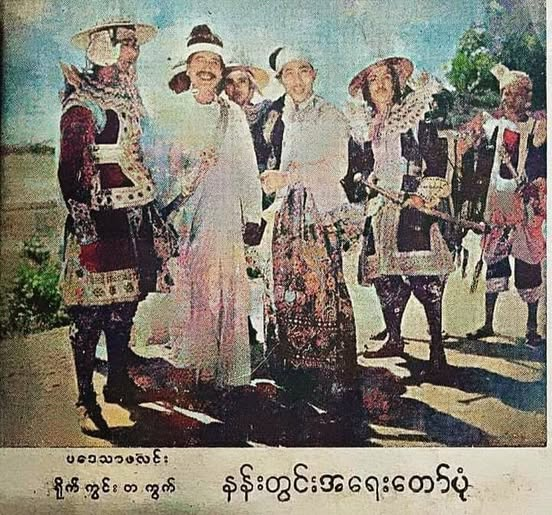
မင်းတုန်းမင်းလက်ထက် အေဒီ ၁၈၆၆ ဩဂုတ်လ ၂ ရက်မှာ မြင်ကွန်း၊ မြင်းခုန်တိုင်မင်းသားညီနောင်ဟာ ထီးနန်းရဖို့အတွက် လုပ်ကြံမှုကြီးတစ်ခုကို အကောင်အထည်ဖော်ပြုလုပ်ခဲ့ကြပါတယ်။
မြင်ကွန်း မြင်းခုန်တိုင်အရေးအခင်းလို့ လူသိများတဲ့ အဲဒီနန်းတွင်းအရေးတော်ပုံမှာ အိမ်ရှေ့စံ ကနောင်မင်း၊ မလွန်မင်းသား၊ ပြင်စည်မင်းသား၊ စကုမင်းသား စတဲ့ မင်းညီမင်းသားတွေနဲ့ မြတောင်မင်းကြီး ဦးမှို၊ သူရဲဝန် ဦးရွှေလုံး၊ ကင်းဝန် ဦးမာလိန်၊ တောင်ထားဝယ်ဗိုလ် စတဲ့ မှူးကြီးမတ်ရာတွေ ကျဆုံးခဲ့ပါတယ်။ လက်ဝဲဝင်းမှူး၊ လောင်းရှည်မင်းကြီးတို့လို မှူးမတ်တွေလည်း ဒဏ်ရာအပြင်းအထန် ရရှိခဲ့ပါတယ်။
တစ်ဆက်တည်းအနေနဲ့ ပတိမ်းမင်းသား ဦးဆောင်တဲ့ အိမ်ရှေ့မင်း သားတော်တွေကလည်း မင်းတုန်းမင်းအပေါ် အထင်အမြင်လွဲပြီး ထပ်မံပုန်ကန်ခဲ့တဲ့အတွက် မြန်မာနန်းတွင်းအတွက် ထိခိုက်နစ်နာမှုတွေ ဆက်တိုက်ကြုံတွေ့ခဲ့ရပြန်တယ်။
ကနောင်မင်း ကျဆုံးခြင်းရဲ့နောက်ဆက်တွဲရလဒ်အနေနဲ့ မင်းတုန်းမင်း မကျန်းမာချိန်မှာ နန်းလျာနဲ့ ပတ်သက်ပြီး ရှုပ်ထွေးမှုများစွာ ဖြစ်လာကာ မထင်မှတ်ထားတဲ့ သီပေါမင်းသားက ဘုရင်ဖြစ်လာတဲ့အပြင် နောက်ဆုံး မြန်မာ့ပဒေသရာဇ်စနစ် ကျဆုံးပြီး ဗြိတိသျှအင်ပါယာထဲ ကျရောက်သွားတဲ့အထိ အကျိုးသက်ရောက်မှု ကြီးမားခဲ့တယ်။
မြင်ကွန်း၊ မြင်းခုန်တိုင်အရေးအခင်း ဖြစ်ပွားပြီး ၁၀၃ နှစ်အကြာမှာတော့ ဒီဖြစ်ရပ်ကို ရုပ်ရှင်ဒါရိုက်တာ အေဝမ်းဦးတင်ယုက ‘မန္တလေးနန်းတွင်းအရေးတော်ပုံ’ အမည်နဲ့ မြန်မာ့ပထမဆုံးဆေးရောင်စုံရုပ်ရှင်ဇာတ်ကားအဖြစ် ခမ်းနားကြီးကျယ်စွာ ဖန်တီးအသက်သွင်းခဲ့ပါတယ်။ ၁၉၆၉ မှာ ရုံတင်တာမို့ သူ့ကျွန်မခံပြီ ရုပ်ရှင်ထက် နှစ် ၃၀ စောပါတယ်။
၁၉၆၉ မှာ ရုံတင်တယ်ဆိုပေမယ့် ဒီဇာတ်ကားအတွက် ဒါရိုက်တာ ဦးတင်ယုက ၁၉၆၃ လောက်ကတည်းက အသေးစိတ်ပြင်ဆင်ခဲ့တာပါ။
ဝမ်းနည်းစရာ ကောင်းတာကတော့ ရုပ်ရှင်ဖလင်ကို စနစ်တကျ ထိန်းသိမ်းထားနိုင်ခြင်း မရှိခဲ့လို့ ကျွန်တော်တို့မျိုးဆက်တွေ ကြည့်ခွင့်မရကြတော့ပါဘူး။ (မန္တလေးနန်းတွင်းအရေးတော်ပုံ ဇာတ်ကားထက် တစ်နှစ်နောက်ကျတဲ့ မှုံရွှေရည် ဇာတ်ကားတောင်မှ ဂျပန်နိုင်ငံက ဖလင် ထိန်းသိမ်းပေးထားလို့ ကြည့်ခွင့်ရကြတာပါ)
ဇာတ်ကားကို မမီလိုက်ပေမယ့် အဲဒီခေတ်က မဂ္ဂဇင်း၊ စာစောင်တွေမှာပါတဲ့ ရုပ်ရှင်အတွက် ပြင်ဆင်မွမ်းမံရိုက်ကူးမှုမြင်ကွင်းဓာတ်ပုံတွေအရ တော်တော်လေး အားရစရာကောင်းတာ တွေ့ရပါတယ်။
ဗြိတိသျှလူမျိုးဇာတ်ကောင်တွေအတွက် လူရွေးပွဲလုပ်ပြီး စိစစ်ရွေးချယ်တာတွေ၊ ဇာတ်ဝင်ခန်းသုံး နန်းတွင်းအဝတ်အစား အသုံးအဆောင်တွေကို ယခုခေတ်လို ပြီးရောကာရော မလုပ်ဘဲ ပညာရှင်တွေနဲ့ စနစ်တကျဖန်တီးချုပ်လုပ်တာတွေ၊ လူပေါင်း ထောင်နဲ့ချီ ပါဝင်တာတွေက ဒီဘက်ခေတ်ထက်တောင် အသေးစိတ်ပြင်ဆင်မှုအားကောင်းခဲ့တယ်လို့ ဆိုနိုင်ပါတယ်။
အဲဒီတုန်းက မြနန်းစံကျော်နန်းတော်လည်း အသစ်ပြန်မဆောက်ရသေးတဲ့အတွက် နန်းတော်ပုံစံဆက်တင်တွေကိုလည်း ဂရုတစိုက်ပြန်လည်တည်ဆောက်အသုံးပြုခဲ့ရတယ်။ တိရစ္ဆာန်ရုံက ဆင်ကို ငှားမရလို့ တိရစ္ဆာန်ရုံထဲအထိပါ သွားပြီး ရိုက်ကူးခဲ့ရတယ်။
ဒါကြောင့်လည်း မြန်မာ့ရုပ်ရှင် ရွှေရတုခေတ်မှာ ငွေကြေးအကုန်အကျအများဆုံးရုပ်ရှင်တွေထဲက တစ်ကားအဖြစ် မှတ်တမ်းဝင်ခဲ့တာပါ။
ဇာတ်ကားကို ထုတ်လုပ်တဲ့ကုမ္ပဏီက ပဒေသာဖလင်း ဖြစ်ပြီး ဇာတ်ညွှန်းကိုတော့ စာရေးဆရာ ဦးဉာဏက ရေးသားပေးခဲ့ပါတယ်။ ဓာတ်ပုံနဲ့ ဒါရိုက်တာအဖြစ်ကိုတော့ အကယ်ဒမီ အေဝမ်းဦးတင်ယု တစ်ယောက်တည်းက တာဝန်ယူခဲ့တယ်။
ဦးတင်ယုဆိုတာ မြန်မာ့ပထမဆုံးရုပ်ရှင်မင်းသား ဦးညီပုနဲ့ သရုပ်ဆောင်ဒါရိုက်တာ အကယ်ဒမီ အေဝမ်းဦးတင်မောင်တို့ရဲ့တူအရင်း ဖြစ်ပြီး ‘မောင်တို့ချယ်ရီမြေ’၊ ‘ညောင်ရမ်းညီနောင်’ တို့လို ဂန္တဝင်ဇာတ်ကားတွေရဲ့ပဲ့ကိုင်ရှင်ဖြစ်ပါတယ်။ မြန်မာ့ရုပ်ရှင်တွေမှာ အန်နီမေးရှင် ကင်မရာအထူးပြုလုပ်ချက်တွေကိုလည်း ဦးတင်ယုက အစောဆုံး အသုံးပြုခဲ့တာလို့ ဆိုပါတယ်။
ဇာတ်ကားမှာ ပါဝင်ခဲ့တဲ့ သရုပ်ဆောင်တွေကလည်း အဲဒီခေတ်က ဒိတ်ဒိတ်ကျဲတွေချည်းပါပဲ။
အိမ်ရှေ့ကိုယ်တော်ကြီး ကနောင်မင်းအဖြစ် အကယ်ဒမီ ထွန်းဝေ၊ လှိုင်ထိပ်ခေါင်တင်အဖြစ် အကယ်ဒမီ ကြည်ကြည်ဌေး၊ မင်းတုန်းမင်းအဖြစ် အကယ်ဒမီ ဦးသိမ်းမောင်၊ မိဖုရားခေါင် စကြာဒေဝီအဖြစ် ဒေါ်သီတာခင်ထွေးတို့က အဓိကသရုပ်ဆောင်ခဲ့ပါတယ်။ အရေးအခင်း ဖြစ်နေချိန် နန်းတွင်းထဲ ရောက်နေတဲ့ ဗြိတိသျှ ဝန်ရှင်တော်မင်း ဆာအာသာဖယ်ယာ နေရာမှာ ပါဝင်ဖို့ ကြေးမုံသတင်းစာကနေ နိုင်ငံခြားသားတွေကို လျှောက်လွှာခေါ်ယူခဲ့ပါတယ်။ အဲဒီထဲကနေ အရပ် ၆ ပေ ၁ လက်မ ရှိတဲ့ မစ္စတာအိုကေဂရင်းကို ဆာအာသာဖယ်ယာအဖြစ် ဒါရိုက်တာ ဦးတင်ယုက ရွေးချယ် သရုပ်ဆောင်စေခဲ့ပါတယ်။ ဒါ့အပြင် အကောက်ဝန် မစ္စတာအက်ဒဝပ်နေရာကနေ ပါဝင်ဖို့ မစ္စတာလဲရပ်စ် ဆိုသူကို ရွေးချယ်ခဲ့ပါတယ်။
ကြည့်ခဲ့ဖူးသူတွေအဆိုအရ အောင်ပင်လယ်ကန်မှာ ကနောင်မင်း ရေမြှုပ်ဗုံး စမ်းသပ်တဲ့ အခန်းတွေကိုပါ အထူးတလည် ရိုက်ကူးထားတယ်လို့ ဆိုပါတယ်။
အဲဒီလောက် ခမ်းခမ်းနားနား အသေးစိတ်ပြင်ဆင်ခဲ့တာတောင်မှ ရုပ်ရှင် ထွက်လာတော့ ဇာတ်ဝင်ခန်းအချို့ဟာ ပညာရှင်တွေကြားမှာ ထောက်ပြဝေဖန်စရာတွေ ရှိခဲ့ပါသေးတယ်။
ဇာတ်ဝင်ခန်းတွေမှာ သုံးနှုန်းတဲ့ အခေါ်အဝေါ်နာမ်စားတွေ သီသီလေးလွဲမှားနေကြတာတွေကို နန်းတွင်းအနွယ်တော်က ထောက်ပြကြတာပါ။
အပြင်မှာ ရွှေနန်းရှင်ဘုရား၊ တော်ကြီးဘုရား လို့သာ ခေါ်ဝေါ်ခွင့်ရှိတဲ့ မင်းတုန်းမင်းကို ပြဇာတ်တွေ၊ ဝတ္ထုတွေထဲကလို မင်းတရားကြီးဘုရားလို့ သုံးနှုန်းမိတာတွေမျိုးပေါ့။
နောက်ပြီး ဘုရင်တစ်ပါးတည်းသာ နင်းခွင့်ရှိတဲ့ သက္ကဒါန်လှေကားကို ဇာတ်ဝင်ခန်းမှာတော့ မင်းသား မှူးမတ်တွေပါ ဆင်းတိုက်တက်လိုက်လုပ်နေကြတာမျိုးတွေကိုလည်း နန်းဓလေ့နဲ့ မကိုက်ဘူးဆိုပြီး ဝေဖန်ခံရပါတယ်။
အရေးတော်ပုံ ဖြစ်နေချိန် မင်းတုန်းမင်း နန်းတွင်းထဲကို ဝင်ရောက်လွတ်မြောက်သွားတဲ့ ဇာတ်ဝင်ခန်းကိုလည်း သမိုင်းနဲ့ မကိုက်ဘူး ဆိုပြီး ထောက်ပြကြပါသေးတယ်။
သမိုင်းအရ အရေးအခင်း ဖြစ်ပွားချိန်မှာ ကနောင်မင်းဟာ နန်းမြေဘုံသာစံနန်းတော်အနီးက တဲနန်းထဲ ရောက်နေပြီး မင်းတုန်းမင်းကတော့ စံနန်းတော်တွင်းက ပွဲတော်ဆောင်မှာ မိဖုရားခေါင်စကြာဒေဝီနဲ့အတူ ရှိနေပါတယ်။ သူပုန်တွေ ဝင်စီးတာ သိတော့ မင်းတုန်းမင်းက မိဖုရား၊ မှူးမတ်တွေနဲ့အတူ နန်းမြေဘုံသာစံနန်းတော်အနောက်တံခါးကနေ ရွှေနန်းတော်ကြီးလို့ ခေါ်ကြတဲ့ မြနန်းစံကျော်နန်းတော်ကို ထွက်ပြေးရတယ်။
မြင်ကွန်းမင်းသားကလည်း ကြိုတွက်ထားမိလို့ မင်းတုန်းမင်း ဖြတ်လာမယ့် ဝင်းတော်အပြင်ဘက်လမ်းမှာ ငပိုက်ကြီး ဆိုတဲ့ သူ့လူကို စောင့်ခိုင်းထားတယ်။ ငပိုက်ကြီးကလည်း ဓားတစ်လက်နဲ့အတူ လူတစ်ဝပ်စာရှိတဲ့ ရေမြောင်းထဲမှာ စောင့်နေတယ်။ မင်းတုန်းမင်းတို့လည်း ရောက်လာရော ငပိုက်ကြီးက လုပ်ကြံသင့် မသင့် ကြောင်အမ်းအမ်းဖြစ်နေတယ်။ နောက်တော့ မထူးတော့တာနဲ့ မင်းတုန်းမင်းကို ကိုယ်တိုင် ကျောပိုးပြီး ရေမြောင်းကို ကူးပေးလိုက်တယ်။ မိဖုရားခေါင် စကြာဒေဝီကိုတော့ ကုလားပျိုသေနတ်စာရေး မောင်ခြုံက ကျောပိုးပေးတယ်။ ငပိုက်ကြီးရဲ့ဓားကိုတော့ မက္ခရာမင်းသားက မြင်လို့ သိမ်းယူလိုက်တယ်။ အဲဒီနောက် အနောက်ဝန် ဦးတက်တူရဲ့မြင်းကို အဆင်သင့်တွေ့တာနဲ့ မြင်းပေါ်တက်စီးပြီး မန်းဦးတံခါးကနေ ရွှေနန်းတော်ထဲ ရောက်ရှိသွားတယ်။
ရုပ်ရှင်ထဲမှာတော့ ငပိုက်ကြီးက မင်းတုန်းမင်းကို မြောင်းကူးပြီး ပို့ပေးရုံမက ကျောက်ခင်းလမ်းတစ်လျှောက်ပါ ကိုယ်တိုင်ကျောပိုးပြီး ပြေးပို့နေတဲ့အတွက် ထောက်ပြစရာ ဖြစ်ခဲ့တာပါ။
ဘာပဲပြောပြော လွန်ခဲ့တဲ့ နှစ် ၆၀ လောက်ကတည်းက မြန်မာ့ရုပ်ရှင်ဟာ သမိုင်းနောက်ခံဇာတ်ကားကြီးတွေ ပုံဖော်ရာမှာလည်း မညံ့ခဲ့ဘူးဆိုတာ သိရတာပေါ့။
နောက်ပိုင်းမှာတော့ မြန်မာ့ရုပ်ရှင်လောကမှာ သမိုင်းနောက်ခံဇာတ်ကားကြီးတွေ ရှားသည်ထက် ရှားလာပြီး အရည်အသွေးလည်း တဖြည်းဖြည်းကျလာသလို ပြင်ဆင်မှုအပိုင်းမှာလည်း လျော့ရဲလာပါတယ်။
ယခု ပြင်ဆင်ရိုက်ကူးနေကြတဲ့ ‘ကုန်းဘောင်မင်းဆက်’ ဇာတ်ကားကိုလည်း ဒီထက်မက သမိုင်းကြောင်းတိကျပြီး ခမ်းနားကြီးကျယ်တဲ့ဇာတ်ကားတစ်ကားအနေနဲ့ ဖြစ်စေချင်မိပါတယ်။
ရုပ်ရှင်အဖွဲ့သားတွေကလည်း ပညာရှင်တွေ၊ နန်းတွင်းအနွယ်တော်တွေနဲ့ တွေ့ဆုံပြီး ဂရုတစိုက် ပြင်ဆက်နေကြတာမို့ ရုံတင်ပိတ်ကားပေါ်မှာ သမိုင်းထဲက ဇာတ်ကောင်တွေ ဘယ်လိုရောက်ရှိလာမလဲဆိုတာ တော်တော်လေး ရင်ခုန်စရာကောင်းနေပါပြီ။
၂၀၂၇ မှာ ဒီဇာတ်ကားသာ ရုံတင်ဖြစ်ခဲ့ရင်တော့ ရုပ်ရှင်ရုံထဲ ပြန်သွားဖို့ စိတ်ကူးထားပါတယ်။
၁၇.၅.၂၀၂၆
အဘယသိင်္ခ (မြိတ်)