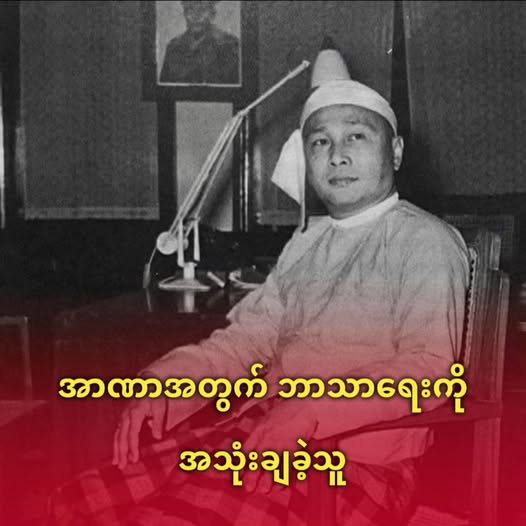
U Nu stands as a singular figure in Burmese political history — one of the first post-independence leaders to systematically deploy religion as a tool of statecraft. While his personal Buddhist piety was widely regarded as genuine, the manner in which he intertwined faith with political power left a complicated and lasting legacy for the Union of Burma.
To understand U Nu’s choices, one must appreciate the severity of the crisis facing Burma in the early 1950s. The years from 1949 to 1954 brought the country to the brink of total collapse: a Communist insurgency, the Karen armed uprising, economic deterioration, and — particularly alarming — the incursion of Kuomintang (KMT) remnant forces from China into Shan State. Burma had achieved independence from Britain in January 1948, yet by 1949 the government controlled little more than the capital, Rangoon. (See: Hugh Tinker, The Union of Burma, 1957; Robert H. Taylor, The State in Myanmar, 2009)
It was against this backdrop that U Nu commissioned two of his most ambitious religious projects: the Kaba Aye (World Peace) Pagoda and the enormous Maha Pasana Cave (a replica of the cave in India where the First Buddhist Council was held). The total cost was approximately £1 million sterling — equivalent at the time to around 13–15 million Kyats — a staggering sum for an impoverished, war-torn nation.
To put this in perspective: that same sum could have funded the construction of a city’s basic infrastructure, irrigated thousands of acres of farmland, and built dozens of hospitals and schools. Contemporary political opponents and educated critics were scathing. They argued, not unreasonably, that national reconstruction and industrial investment should take absolute priority over religious monuments — especially when the country was simultaneously fighting multiple insurgencies.
U Nu’s rationale, however, was partly strategic. Confronting what scholars call a “nation-building legitimacy crisis” — the challenge of forging a cohesive national identity in a multi-ethnic, multi-religious state — he chose Theravada Buddhism, the faith of the ethnic Burman majority, as the binding national symbol. He also appears to have calculated that promoting Buddhism would serve as an ideological bulwark against Communist ideology, which was openly atheist. (See: Maung Maung, Burma and General Ne Win, 1969; Josef Silverstein, Burma: Military Rule and the Politics of Stagnation, 1977)
U Nu’s most consequential act of religious politicisation came during the 1960 general election campaign, when he made an explicit pledge: if elected, he would enshrine Buddhism as the state religion of Burma. The promise proved electorally decisive. U Nu’s Clean AFPFL faction swept the polls on the strength of Buddhist majority support.
True to his word, in 1961 the parliament passed a constitutional amendment making Buddhism the official state religion of the Union of Burma.
The fallout was swift and serious. Among the predominantly Christian ethnic minorities — particularly the Kachin and Chin peoples — alarm and resentment spread rapidly. For communities that had accepted membership in the Union partly on the assurance of religious equality, the establishment of a Buddhist state religion felt like a betrayal of the founding compact.
Historians and analysts identify the 1961 amendment as one of the contributing factors behind the formation of the Kachin Independence Army (KIA) in 1961, launching a conflict that would persist, with intervals, for decades. (See: Bertil Lintner, Burma in Revolt: Opium and Insurgency Since 1948, 1994; Martin Smith, Burma: Insurgency and the Politics of Ethnicity, 1991)
U Nu himself was removed from power by General Ne Win’s military coup in March 1962 — partly justified, ironically, as a response to the ethnic and religious tensions his own policies had helped ignite. But the pattern he established did not die with his government.
Successive rulers of Burma — military or otherwise — repeatedly returned to the same playbook: mobilising Buddhist sentiment as a source of legitimacy whenever facing political pressure or public discontent. This dynamic is visible across the decades that followed, from the SLORC/SPDC military junta’s patronage of prominent monks and pagoda-building campaigns in the 1990s and 2000s, to the complex interplay of Buddhist nationalism and political violence in the 2010s.
The deeper tragedy of U Nu’s approach lies in its cumulative damage to the concept of a genuinely plural Union. Burma was — and Myanmar remains — an extraordinarily diverse country, encompassing over 130 recognised ethnic groups and significant religious minorities. The federation envisioned at the time of independence rested, at least in principle, on the idea of shared citizenship transcending ethnicity and faith.
By making Buddhism a political instrument — first implicitly, through the Kaba Aye project, and then explicitly, through the state religion amendment — U Nu helped establish a template in which the majority faith became synonymous with the national identity, leaving minorities structurally marginalised within their own country.
As former U.S. President Barack Obama observed more broadly:
“When you bring religion into politics, there can no longer be any compromise. Politics without compromise destroys democracy.”
This observation captures precisely the dilemma U Nu’s legacy presents: well-intentioned or not, the fusion of religious authority and political power tends to harden divisions, narrow the space for pluralist accommodation, and bequeath to future generations conflicts that prove extraordinarily difficult to resolve.
References:
- Tinker, Hugh. The Union of Burma (1957)
- Taylor, Robert H. The State in Myanmar (2009)
- Silverstein, Josef. Burma: Military Rule and the Politics of Stagnation (1977)
- Smith, Martin. Burma: Insurgency and the Politics of Ethnicity (1991)
- Lintner, Bertil. Burma in Revolt: Opium and Insurgency Since 1948 (1994)
- Maung Maung. Burma and General Ne Win (1969)
Wisdom Heart Official
rospdteoSn3aatlha1P:1ha tM18a4uuy1670c9t 9mmm101m2Mf31c90m ·
ဦးနုဟာ မြန်မာ့နိုင်ငံရေးသမိုင်းမှာ
ဘာသာရေးကို နိုင်ငံရေးလက်နက်တစ်ခုအဖြစ်
အသုံးပြုခဲ့တဲ့ သူတစ်ယောက်ပဲ ဖြစ်ပါတယ်။
သူ့ရဲ့ လုပ်ဆောင်ချက်တွေဟာ
ထိုစဥ်က မဲဆန္ဒရှင်အများစုဖြစ်တဲ့ ဗုဒ္ဓဘာသာဝင်တွေရဲ့
ထောက်ခံမှုကို တစ်ခဲနက်ရရှိခဲ့ပေမယ့်… ရေရှည်မှာတော့
တိုင်းပြည်အနာဂတ်အတွက် ဆိုးရွားတဲ့ အကျိုးသက်ရောက်မှုတွေကို
ဖြစ်ပေါ်စေခဲ့ပါတယ်။
ဥပမာ အနေနဲ့ ပြောရရင် ၁၉၅၄ ခုနှစ် ဝန်းကျင်ဟာ
လွတ်လပ်ရေးရပြီးစ မြန်မာပြည်အတွက် ပြည်တွင်းစစ် ၊
စီးပွားရေးချွတ်ခြုံကျမှု ၊ နိုင်ငံရေးမတည်ငြိမ်မှု နဲ့ တရုတ်ကူမင်တန်တပ်တွေ ရှမ်းပြည်နယ်အတွင်း ဝင်ရောက်မှု စတဲ့ ပြသာနာပေါင်းစုံနဲ့ ရုန်းကန်နေရတဲ့ အချိန်ပဲ ဖြစ်ပါတယ်။ အထူးသဖြင့် ၁၉၄၉ – ၁၉၅၄ ကာလဟာ
နိုင်ငံတော်ပြိုကျလုနီးပါး အခြေအနေအထိ ရောက်ရှိနေတဲ့ အချိန်ကာလပဲ
ဖြစ်ပါတယ်။
အဲဒီလိုအခြေအနေမှာပဲ ဦးနုဟာ
ကမ္ဘာအေးစေတီတော်ကြီးနဲ့ မဟာပါသဏ လှိုဏ်ဂူကြီးကို
စတာလင်ပေါင် ၁ သန်း ( ထိုခေတ် မြန်မာကျပ်ငွေ – ၁၃ သန်း မှ ၁၅ သန်း ဝန်းကျင်) အကုန်အကျခံကာ တည်ဆောက်ခဲ့ပါတယ်။
ထိုခေတ်က စတာလင်ပေါင် ၁ သန်းဟာ
မြို့တစ်မြို့ရဲ့ အခြေခံအဆောက်အအုံတွေ ၊ လယ်ယာမြေ စီမံကိန်းကြီးတွေ
ဆေးရုံနဲ့ စာသင်ကျောင်းများစွာကို တည်ဆောက်ပေးနိုင်တဲ့ ပမာဏပဲ ဖြစ်ပါတယ်။
ဒါကြောင့် ထိုစဥ်က အတိုက်အခံ နိုင်ငံရေးသမားတွေနဲ့
ခေတ်ပညာတတ် တချို့က တိုင်းပြည်ပြန်လည်ထူထောင်ရေးနဲ့
စက်မှုလုပ်ငန်းတွေမှာ ရင်းနှီးမြှုပ်နှံရမယ့် တိုင်းပြည်ဘဏ္ဍာငွေတွေကို
ဘာသာရေးအဆောက်အအုံတွေအပေါ် အများအပြားသုံးစွဲခဲ့တာတွေနဲ့
ပက်သက်ပြီး ပြင်းပြင်းထန်ထန် ဝေဖန်ခဲ့ကြပါတယ်။
တကယ်တော့ ဦးနုဟာ “နိုင်ငံတည်ဆောက်ရေး အကြပ်အတည်း” ကို
ဖြေရှင်းဖို့အတွက် နိုင်ငံသားအများစု ကိုးကွယ်တဲ့ ဗုဒ္ဓဘာသာကို
အမျိုးသားဘုံလက္ခဏာအဖြစ် သတ်မှတ်ပေးလိုက်ခြင်းဖြစ်သလို
ကွန်မြူနစ်ဝါဒီတွေရဲ့ လှုပ်ရှားမှုကို တန်ပြန်ဖို့အတွက် ဗုဒ္ဓဘာသာကို
အယူဝါဒဆိုင်ရာ ချိန်ညှိမှုအဖြစ် အသုံးချခြင်းလည်း ဖြစ်ပါတယ်။
နောက်ထပ် ဦးနုရဲ့ ဘာသာရေးကို ခုတုံးလုပ်ပြီး
နိုင်ငံရေးအတွက် အသုံးချမှုတစ်ခုကတော့
၁၉၆၀ ခုနှစ် ရွေးကောက်ပွဲအတွက် မဲဆွယ်ရာမှာ
သူအနိုင်ရခဲ့ရင် ဗုဒ္ဓဘာသာကို နိုင်ငံတော်ဘာသာအဖြစ်
ပြဌာန်းပေးမယ်ဆိုတဲ့ ကတိနဲ့ မဲဆွယ်ခဲ့မှုပဲ ဖြစ်ပါတယ်။
ဒါကြောင့် ဦးနုဟာ ဗုဒ္ဓဘာသာဝင် အများစုရဲ့ ထောက်ခံမဲနဲ့
ရွေးကောက်ပွဲမှာ အနိုင်ရရှိခဲ့ပါတယ်။
အဲဒီနောက် ၁၉၆၁ ခုနှစ်မှာ ဖွဲ့စည်းပုံအခြေခံဥပဒေ သီးခြားပြင်ဆင်ချက်နဲ့ ဗုဒ္ဓဘာသာကို နိုင်ငံတော် ဘာသာအဖြစ် ပြဌာန်းလိုက်ပါတယ်။
အကျိုးဆက်ကတော့ ခရစ်ယာန်ဘာသာဝင် အများစုဖြစ်ကြတဲ့
ကချင်လူမျိုးတွေနဲ့ ချင်းလူမျိုးတွေကို ဘာသာရေးနဲ့ပက်သက်ပြီး စိုးရိမ်မှုတွေ မြင့်တက်လာစေပါတယ်။
ဒါဟာ ကချင်လွတ်လပ်ရေး တပ်မတော် (KIA)
ပေါ်ပေါက်လာရခြင်း အကြောင်းရင်းတွေထဲက တစ်ခုလည်း ဖြစ်ပါတယ်။
ဦးနုဟာ ပုဂ္ဂိုလ်ရေးအရ ဘာသာရေး ကိုင်းရှိုင်းသူတစ်ယောက်
ဖြစ်နိုင်ပေမဲ့…. သူ့ရဲ့ နိုင်ငံရေးအာဏာအတွက် ဘာသာရေးကို အသုံးချခဲ့ခြင်းဟာ မြန်မာနိုင်ငံရဲ့ “လူမျိုးစုံ၊ ဘာသာစုံ စုပေါင်းနေထိုင်ရေး” ဆိုတဲ့ ပြည်ထောင်စုစိတ်ဓာတ်ကို အကြီးအကျယ် ပျက်ပြားစေခဲ့ပါတယ်။
ပြီးတော့ နောက်ပိုင်း တက်လာတဲ့ အုပ်ချုပ်သူအဆက်ဆက်ဟာလည်း အကျပ်အတည်းကြုံတိုင်း ဒါမှမဟုတ် ပြည်သူထောက်ခံမှုလိုတိုင်း
ဘာသာရေးကို အသုံးချတဲ့ ဦးနုရဲ့ နည်းလမ်းဟောင်းကိုပဲ အတုယူ သုံးစွဲလာကြတာဟာ ယနေ့ထက်တိုင်ပဲ ဖြစ်ပါတယ်။
“ဘာသာရေးကို နိုင်ငံရေးထဲ ဆွဲသွင်းလာတဲ့အခါ ဘယ်လိုမှ အပေးအယူလုပ်လို့မရနိုင်တော့ဘူး။ အပေးအယူလုပ်လို့မရနိုင်တဲ့ နိုင်ငံရေးဟာ ဒီမိုကရေစီကို
ပျက်စီးစေတာပဲ… ” (ဘားရက် အိုဘားမား)