Photo credit A Rohingya Refugee’s Search for Safety, Freedom, and Justice | Human Rights Watch
By Ngein Chan Aye in Myanmar Now Burmese | May 9, 2026
Decades of fascist military propaganda have left Myanmar with a dangerous legacy: language that strips minorities of their humanity. Even today, words and jokes that demean Rohingya people circulate widely, normalizing prejudice and embedding it into everyday discourse.
A recent viral post on social media mocked Rohingya as “lowly” and “ugly.” Such ridicule is not harmless humor; it reflects a deeper societal problem. In 2009, Ye Myint Aung, then Myanmar’s Consul in Hong Kong, officially declared that Rohingya were “as ugly as ogres,” while claiming that “true Burmese” were fair-skinned and beautiful. His remarks echoed Nazi racial ideology, which exalted Aryan traits of blond hair and blue eyes as superior.
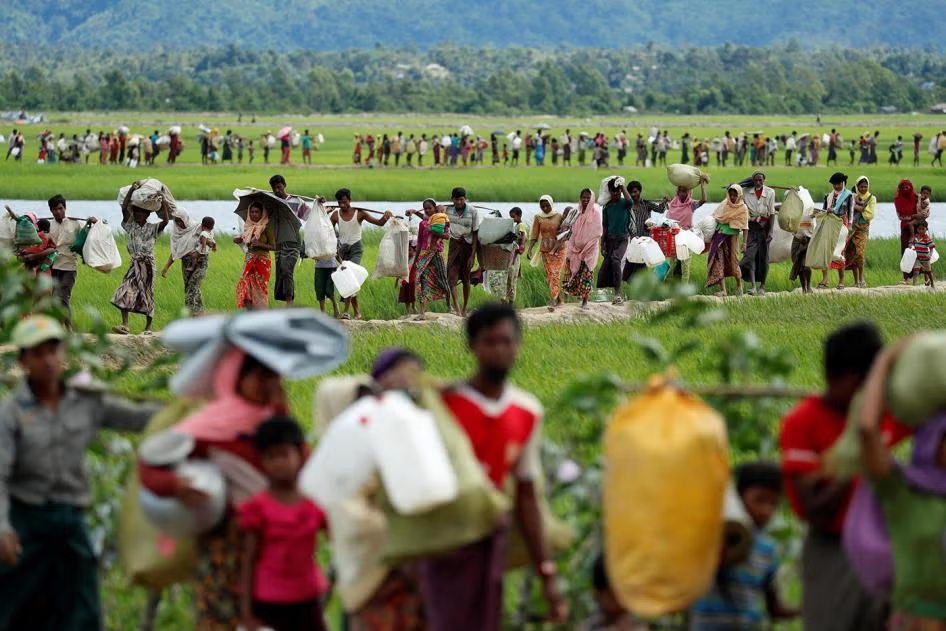
This rhetoric is not trivial. Dehumanization — portraying people as beasts or monsters — is the first step toward atrocity. Genocide begins not with bullets but with words. In 2017, during military operations in northern Rakhine, slogans such as “Sing the national anthem or be shot” spread across social media. International investigations later concluded that Facebook posts inciting hatred against Rohingya helped ignite mass violence, leading to lawsuits against the platform itself.
Influential voices have also played a role. In September 2017, Sitagu Sayadaw (Ashin Nyanissara) delivered a sermon citing a Jātaka tale to argue that killing millions was less serious if they were not “true humans.” His words — “Millions may be killed, but only a fraction are real people” — were widely condemned as providing moral cover for violence. Such interpretations distort Buddhist teachings, which emphasize compassion for all beings.
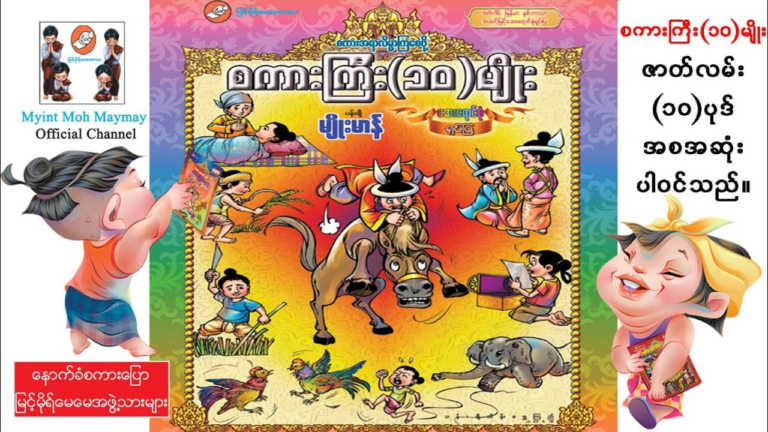
The authoritarian education system reinforced these prejudices. For decades, students were denied the chance to study Myanmar’s classical literature in its full aesthetic and philosophical depth. Instead, texts were reduced to rote memorization, leaving only simplistic associations: “white = pure/superior, dark = dirty/inferior.”
In the Saddan Sin Min tale, the Bodhisatta elephant king is described as “radiantly white,” while the ogre is depicted with grotesque, dark features. In the Mahosadha Jātaka, ogres are portrayed with red eyes and monstrous traits. These are literary devices — allegories of virtue and vice — but when taught without context, they implant racialized thinking in young minds. Generations grew up equating physical appearance with moral worth.
Against this backdrop, the Rohingya issue became even more toxic. Politically charged, it provoked hostility not only from ordinary citizens but also from elites. Even progressive voices who embrace universal human rights sometimes falter when it comes to Rohingya. Despite the Buddha’s teaching that beings are defined not by race or gender but by aggregates of body and mind, Rohingya are often excluded from the circle of compassion.
Yet there is hope. During the 2021 anti-coup Spring Revolution, Generation Z youth — raised in the internet age — began to embrace diversity more openly. Their resistance to dictatorship also challenged entrenched prejudices. Over the past five years, voices questioning discrimination against Rohingya, women, and minorities have grown louder. This is one of the revolution’s most important side benefits.
As historian David Steinberg wrote in Burma: The State of Myanmar (2001), “Only by looking back at the past can we understand the future.” Myanmar must study its history — both the good and the bad — and learn lessons. Among the most urgent is the Rohingya crisis, which has drawn genocide allegations. Addressing ethnic and religious extremism is essential for building a just and inclusive nation.
ရိုဟင်ဂျာနဲ့ လူသားဖြစ်တည်မှုကို ခြိမ်းခြောက်တဲ့ စကားလုံးများ
ရိုဟင်ဂျာနဲ့ လူသားဖြစ်တည်မှုကို ခြိမ်းခြောက်တဲ့ စကားလုံးများ
ဖက်ဆစ်စစ်တပ်ရဲ့ မှိုင်းတိုက်မှုနဲ့ အမုန်းစွဲတွေ ဆယ်စုနှစ်များစွာ အမြစ်တွယ်ခဲ့အပြီးမှာ မတူကွဲပြားသူတွေကို လူအဖြစ်ကနေ တဆင့်လျှော့ချတဲ့ စကားလုံးတွေ၊ ဟောပြောချက်တွေ၊ အတွေးအခေါ်တွေ ဆက်လက်ရှင်သန်လာပါတယ်။
ငြိမ်းချမ်းအေးMay 9, 2026
ဆိုရှယ်မီဒီယာပေါ်မှာ ကျော်ကြားသူ တစ်ယောက်ရဲ့ ဟာသသဘော ရေးဟန်တူတဲ့ ပို့စ်တစ်ခုမှာ ရိုဟင်ဂျာတွေကို အဆင့်နိမ့်သူ၊ ရုပ်ဆိုးသူအဖြစ် ပုံဖော်ထားတာ လတ်တလော လူပြောများလာတော့ ရိုဟင်ဂျာနဲ့ အသားအရောင်ခွဲခြားမှု ပြဿနာက နိုင်ငံနဲ့ လူ့အဖွဲ့အစည်းကြီး တစ်ခုလုံးကို သက်ရောက်တဲ့အထိ အမှုကြီးစေတယ်လို့ တွေးမိပါတယ်။
ရိုဟင်ဂျာတွေက ဘီလူးသဘက်လို ရုပ်ဆိုးပြီး (ugly as ogres)၊ မြန်မာဆိုတာက သူ့လို ဖြူဖွေးတဲ့ အသားအရေနဲ့ ချောမောလှပသူတွေဖြစ်ကြောင်း မရှက်မကြောက် တရားဝင် စပြောဖူးသူက ၂၀၀၉ ဝန်းကျင်လောက်က ဗိုလ်သန်းရွှေခေတ် ဟောင်ကောင် ကောင်စစ်ဝန် စစ်ဗိုလ် ရဲမြင့်အောင်လို့ ဆိုရပါမယ်။ လှေစီးပြေး ဒုက္ခသည်တွေ နိုင်ငံတကာ သတင်းတွေမှာ စပြီး ဟိုးလေးတကျော် ဖြစ်လာချိန်မှာ အဲဒီ စစ်ဗိုလ်က တရားဝင် စာထုတ်ပြီး ပြောခဲ့ဖူးတာပါ။
ဒါမျိုး အသားအရောင်ပေါ် အခြေခံပြီး အလှတရားကို ပုံဖော်တာ၊ လူမျိုးနဲ့ နိုင်ငံသားဖြစ်မှုကို အသားအရောင်အပေါ် အခြေခံပြီး သတ်မှတ်တာတို့ကို နာဇီဖက်ဆစ်စနစ်မှာလည်း တွေ့ရတယ်။ လူမျိုး၊ သွေးသား၊ အသားအရောင်အခြေခံပြီး နိုင်ငံသား၊ လူမျိုးနဲ့ လူ့အဖွဲ့အစည်းရဲ့ အထက်အောက် အလွှာခွဲခြားတဲ့ အတွေးအခေါ်မျိုးပါ။ နာဇီတို့ရဲ့ စံပြ အာရီယန်လူမျိုးရုပ်ပုံထဲမှာ မျက်လုံးပြာ၊ ဆံပင်ရွှေရောင်၊ ဖြူစင်တဲ့ သွင်ပြင်မျိုးကို မြင့်မြတ်တဲ့ လူမျိုးလက္ခဏာအဖြစ် တင်မြှောက်ခဲ့တာမျိုးပါပဲ။
ဖက်ဆစ် အမွေခံ စစ်တပ်မှာ အဲဒီလို ဖက်ဆစ် အတွေး၊ ဖက်ဆစ် အကျင့်အကြံနဲ့ ဖက်ဆစ် လုပ်ရပ် အပြည့်ရှိပါတယ်။ စစ်တပ်က ရာစုနှစ်ဝက်ကျော် ဖိနှိပ် မှိုင်းတိုက်ခဲ့တာကြောင့်လည်း သူသူ၊ ငါငါ လူအများမှာလည်း ဒီလို စိတ်၊ ဒီလို အတွေးအမြင် အနည်းအများ ရှိတတ်ကြတာ မဆန်းပါဘူး။
ဒီလို လူ့အသိုက်အဝန်းမှာ အသားအရောင်ကို မူတည်ပြီး ပြောဆို နောက်ပြောင်တာကိုလည်း ပုံမှန်ဖြစ်စဉ်လို Normalized လုပ်လေ့ရှိတယ်။ ဒီလို အလွယ်တကူ လက်သင့်ခံတာမျိုးက ကျယ်ပြန့်လာပြီ ဆိုရင် အန္တရာယ်သိပ်ကြီးပါတယ်။
ဥပမာ ဆိုရရင် အသားအရောင်နဲ့ သွင်ပြင်ပေါ်မူတည်ပြီး လူသားကို ဘီလူးသဘက်လို ပုံဖော်တာမျိုးက လူကို လူ့အဖြစ်ကနေ ပုံဖျက်ချတာ၊ Dehumanize လုပ်တာလို့ ခေါ်ပါတယ်။ လူ့အဖြစ်ကနေ ယုတ်လျော့အောင် လုပ်တာပါ။ ကာစီနို လောင်းကစားဝိုင်းမှာ လောင်းသူကို ငွေကြေးပိုက်ဆံကိုင် ထိုးနေရတယ်လို့ မမြင်စေချင်တော့ စိတ္တဗေဒ သဘောအရ တိုကင်လေးတွေ လဲယူပြီး စိတ်တိုင်းကျ လောင်းကစားစေသလိုပါပဲ။ လူကိုလည်း လူလို့ မမြင်စေအောင် ပုံဖော် ရည်ညွှန်း သုံးနှုန်းနေပြီ ဆိုရင် အဲဒီ ပုံဖော်ခံ လူအုပ်စုအပေါ်မှာ လူမဆန်တဲ့ လုပ်ရပ်တွေ စိတ်တိုင်းကျ၊ ထင်တိုင်းကြဲ လုပ်စေပါတယ်။
လူမျိုးသုဉ်းသတ်ဖြတ်မှုဆိုတာ သေနတ်သံနဲ့မှ စတာမဟုတ်ပါဘူး။ စကားလုံးတွေထဲမှာ၊ တရားတွေထဲမှာ လူကို လူ အဖြစ်ကနေ ယုတ်လျော့အောင် သတ်လိုက်တာကနေ စတာပါ။ ဒီလို လူအဖြစ်ကနေ တဆင့်ချတဲ့ အတွေးအခေါ် တွေကြောင့် ၂၀၁၇ တုန်းက ရခိုင်မြောက်ပိုင်းမှာ စစ်တပ်က စစ်ဆင်ရေး လုပ်နေတုန်းမှာ “နိုင်ငံတော်သီချင်းဆိုခိုင်းပြီး မရရင် အကုန်ပစ်သတ်ကွာ” ဆိုတဲ့ ကြွေးကြော်သံမျိုးတွေ လူမှုကွန်ရက်တွေပေါ်မှာ ရှေ့ရောက်ခဲ့တာ ဖြစ်ပါတယ်။ နောက်ဆုံး လူမျိုးသုဉ်း သတ်ဖြတ်မှု စွပ်စွဲချက်နဲ့ နိုင်ငံတကာမှာ ရုံးတင်ခံရတဲ့အထိ ဖြစ်ကြတော့တာပါပဲ။
နိုင်ငံတကာ အဖွဲ့တွေရဲ့ လေ့လာချက်တွေထဲမှာ လူမျိုးသုဉ်းသတ်ဖြတ်မှုအဖြစ် စွပ်စွဲခံနေရတဲ့ ၂၀၁၇ ရခိုင်မြောက်ပိုင်း ဖြစ်စဉ် မတိုင်ခင် Facebook ပေါ်မှာ ရိုဟင်ဂျာတွေကို အမုန်း၊ အကြမ်းဖက်မှု၊ ခွဲခြားမှုတွေနဲ့ တိုက်ခိုက်တဲ့ ပို့စ်တွေက မီးလောင်ရာ လေပင့် အစပျိုး ဖြစ်စေခဲ့တယ် ဆိုပြီး သုံးသပ်ကြဖူးပါတယ်။ ဒါကို ထိထိရောက်ရောက် မထိန်းချုပ်နိုင်လို့ Facebook ကိုတောင် တရားစွဲမှုတွေ ဖြစ်ခဲ့ပါတယ်။
နောက်တစ်ခုကတော့ သြဇာကြီးမားသူတွေရဲ့ ဟောပြောချက်ပါ။ အသားအရောင်၊ အသွင်အပြင်၊ ကိုးကွယ်ယုံကြည်ချက်၊ ဖြစ်တည်မှု တစ်ခုခု အပေါ်မူတည်ပြီး လူအဖြစ်ကနေ နိမ့်ကျပြီဆိုတဲ့ သဘောထားတွေ အထင်ကရ ပုဂ္ဂိုလ်ကြီးတွေက ပြောတာမျိုးပါ။ လူမျိုးသုဉ်း သတ်ဖြတ်မှု တရားခွင်မှာ ဥပမာ ပေးခံရတဲ့အထဲမှာ ပါတဲ့ သီတဂူ ဆရာတော်ရဲ့ “ဂျီနိုဆိုက်တရားတော်” ဆိုပြီး လူတွေဝေဖန်ခံရတဲ့ ဟောပြောချက်မျိုးက ထင်ရှားတဲ့ ဥပမာပါ။ “လူသတ်လိုက်တာ သန်းပေါင်းများစွာ ဖြစ်ပေမယ့် လူစင်စစ်က တစ်ယောက်နဲ့တစ်ပိုင်းပဲပါတယ်။*”ဆိုတဲ့ ဟောကြားချက်မျိုးပါ။ (*တပ်ရင်းတစ်ခုမှာ ဟောကြားတဲ့ ရွှေကျင် သာသနာပိုင် အရှင်ဉာဏိဿရရဲ့ ၂၀၁၇ ခုနှစ် စက်တင်ဘာလ ၁၁ ရက် တရားတော် မူရင်း အတိုင်း ဖော်ပြတာပါ။)
လူသတ်တာ အပြစ်မရှိဘူး၊ ဘာသာဝင် ယုံကြည်မှု တူသူ မဟုတ်ဘူး ဆိုတော့ လူ အစစ်မဟုတ်ဘူး၊ အကုသိုလ်နည်းနည်းလေးပဲရမယ် ဆိုတဲ့အထိ ဆိုးရွားလှတဲ့ လမ်းညွှန်မှု အကျင့်အကြံတွေ ဖြစ်ပါတယ်။ ဒါမျိုးတွေက အပြင်မှာ လက်တွေ့ဖြစ်ဖို့ တွန်းအားပေးစေပါတယ်။
ဒီလို အတွေးအခေါ်မျိုးကို တွန်းအားပေးစေတဲ့ နောက်တစ်ချက်က စစ်ကျွန်ပညာရေးစနစ်နဲ့လည်း ဆိုင်ပါတယ်။ ရှေးမြန်မာဂန္ထဝင်စာပေတွေကို ရသစာပေ၊ အလင်္ကာ၊ ခေတ်နောက်ခံ အခြေအနေတွေပါ ထည့်တွက်ပြီး ကျိုးကြောင်းဆက်စပ် တွေးခေါ်နိုင်စွမ်း မရှိအောင် စနစ်ဆိုးက ရာစုဝက်ကျော် ပိတ်ဆို့ထားခဲ့ပါတယ်။ စာသင်ခန်းတွေထဲမှာ ရုပ်ရည် လက္ခဏာ၊ အသားအရေ၊ လူမျိုး၊ ဘာသာစတဲ့ မတူကွဲပြားမှုတွေကို လူ့စရိုက်၊ လူ့အကျင့်၊ လူကောင်း၊ လူဆိုးအဖြစ် ပုံစံချသတ်မှတ်စေပါတယ်။ လူငယ် ကလေးတွေရဲ့ စိတ်ထဲ စိမ့်ဝင်အောင် မသိမသာ ရိုက်သွင်းခံရပါတယ်။
စစ်စနစ်ဆိုးဒဏ်ခံ သားကောင် ဆရာ၊ ဆရာမတွေနဲ့ ကျောင်းသူ၊ ကျောင်းသားတွေဟာ စနစ်တကျ လေ့လာထိုက်တဲ့ ရှေးမြန်မာ စာကောင်းပေမွန်တွေကို ရသစာပေလေ့လာခြင်း ခေါင်းစဉ်နဲ့ စနစ်တကျ သင်ကြားခွင့်၊ သင်ယူ လေ့လာခွင့် မရခဲ့ကြပါဘူး။ စာပိုဒ်ထဲက စကားလုံးကို လုံးကောက်အဓိပ္ပာယ်ဖွင့်၊ အလွတ်ကျက်၊ စာမေးပွဲဖြေ ဒီလောက်နဲ့ ပြီးသွားတဲ့အခါ စာပေရဲ့ အလှတရားမကျန်ဘဲ ရုပ်ရည်၊ အသားအရောင်၊ ခန္ဓာလက္ခဏာနဲ့ လူ့စရိုက်ကို တတန်းတည်းချိတ်ဆက်ယူတဲ့ အတွေးတိမ်၊ အမြင်တိမ်လေးပဲ စိတ်ထဲကျန်ခဲ့ပါတယ်။
ဥပမာ – အင်အားကြီးမားမှု၊ ကြမ်းတမ်းခက်ထန်မှုကို ဖွဲ့ဆိုတဲ့ သောနုတ္တရမုဆိုးကို ပုံဖော်တဲ့ အရေးအသားမျိုး၊ မဟောသဓာ ဇာတ်တော်ပါ ဘီလူးမကို ပုံဖော်တာမျိုးတွေကို ဆိုလိုတာပါ။
ဆဒ္ဒန်ဆင်မင်းဝတ္ထုမှာ ဘုရားလောင်းဆင်မင်းကို “ကိုယ်လုံးလည်း ဆွတ်ဆွတ်ဖြူတော်မူ၏” လို့ ဖြူစင်မြင့်မြတ်တဲ့ အဆင်းနဲ့ ပုံဖော်ထားပြီး၊ သောနုတ္တရမုဆိုးကိုတော့ “ဝက်မှင်၊ မဲခင် ကြွက်သိုက်၊ တံမြက်ချေးမှိုက်ကဲ့သို့၊ ဘုတ်သိုက်ထူပျစ်၊ ကောက်ကျစ်လိမ်ရှုပ်သော၊ မုတ်ဆိတ်ပါးမုန်း လည်းရှိသည်။” ဆိုပြီး မည်းညစ်၊ ရွံစရာ လူယုတ်၊ လူကြမ်းရုပ်အဖြစ် ပုံဖော်ထားတာမျိုးပါ။ မဟောသဓာဇာတ်မှာလည်း “မျက်တောင်လည်းမခတ်၊ မျက်ထောင့်လည်း နီ၏။” ဆိုတဲ့ ခန္ဓာလက္ခဏာနဲ့ ဘီလူးမကို လူမဟုတ်သူအဖြစ် ခွဲပြထားတာမျိုးတွေကို ဆိုလိုတာပါ။
ဒါတွေက စာပေသဘောတရားမှာ အလင်္ကာနဲ့ ဇာတ်ရုပ်တည်ဆောက်မှုပါ။ ဒါပေမဲ့ ကျိုးကြောင်း ချိတ်ဆက် ဖြန့်ထွက် တွေးခေါ်တဲ့ စာဖတ်စွမ်းရည် မရှိဘဲ အလွတ်ကျက်လာရတဲ့ စနစ်ထဲမှာတော့ “ဖြူ = သန့်ရှင်း/မြင့်မြတ်၊ မည်းညစ် = ရွံစရာ/လူယုတ်” ဆိုတဲ့ အသားအရောင်အခြေခံ အတွေးအခေါ်တွေ စိတ်ထဲ မသိမသာ စိမ့်ဝင်ကျန်ခဲ့စေပါတယ်။
ဒီလိုမျိုးတွေ သင်ကြားပြီး စာမေးပွဲတွေ အောင်လာချိန်မှာ စိတ်နှလုံးထဲ စွဲထင်ကျန်ရစ်တာက အလင်္ကာမြောက်တဲ့ မြန်မာစာရေးဖွဲ့မှု၊ ရသစိတ် အကြည်ဓာတ်ခံလေး မဟုတ်တော့ပါဘူး။ စစ်ပဒေသရာဇ် စနစ်ဆိုးကြောင့် ကိုယ်နဲ့မတူကွဲပြားသူကို အသားအရောင် သွင်ပြင် လက္ခဏာပေါ်တည်မှီပြီး စိုးရွံ့ကြောက်လန့်တဲ့ စိတ်အခံ၊ နောက်တဆင့်တက်ရင် မုန်းတီးတဲ့ စိတ်အခံနဲ့ ကြီးပြင်းလာကြရတာ များပါတယ်။ ဒီလိုနဲ့ လူအများဟာ စနစ်ဆိုးထဲမှာ လူမှု စီးပွားဘဝတွေလည်း မပြည့်စုံ၊ ရုန်းရင်းကန်ရင်း ခွေးတိုးဝက်ဝင် ဘဝတွေမို့ ဂန္ထဝင် စာပေတွေဘာတွေလည်း မခံစားနိုင်၊ အလေးအနက် မထားနိုင်ဘဲ အသားမည်း ရုပ်ဆိုးရင် နိမ့်ကျတယ်၊ ယုတ်ညံ့တယ်လောက်နဲ့ ပြီးသွားတာပါပဲ။
အဲဒီလို ဖက်ဆစ်နိုင်ငံ၊ တစ်ဖက်ကန်း ပညာရေးစနစ်မှာ အတတ်ပညာနဲ့ ဘွဲ့တွေဘာတွေရချင် ရမယ်၊ ဟိုနိုင်ငံ၊ ဒီနိုင်ငံ နိုင်ငံတကာမှာ လူဝင်ဆန့်ကာ အလုပ်လေးဘာလေး လုပ်ချင် လုပ်မယ်၊ နဂိုစိတ်အခံကတော့ အသားအရောင်ခွဲခြားသူ၊ မနှစ်လိုသူ၊ အမုန်းစိတ်အခံ၊ မုန်းစွဲလေးနဲ့ လူတွေများပါတယ်။
ရိုဟင်ဂျာကိစ္စမှာ ဆိုရင် ပိုဆိုးပါတယ်။ နိုင်ငံရေးအရပါ အငြင်းပွားဖွယ်တွေ ဖြစ်ကြတော့ သာမန်လူမဆိုထားနဲ့ အရင့်အမာကြီးတွေလည်း ရိုဟင်ဂျာ “ဆား” နဲ့ တို့ရင် “တီ” ကောင်တွေလို တွန့်ပါတယ်။ ရိုဟင်ဂျာ ဘာသာရပ်နဲ့ တိုက်စစ်ရင် အကုန်နီးပါး စာမေးပွဲကျပါတယ်။ ငါ၊ သူတပါး၊ ယောက်ျား၊ မိန်းမ မရှိ၊ ရုပ်နဲ့ နာမ်သာ ရှိကြောင်း ဗုဒ္ဓဘုရားဟောခဲ့လည်း ရိုဟင်ဂျာဆိုရင်တော့ နည်းနည်းဖြစ် မနှစ်မြို့ချင်ပါဘူး။ “လုံးစုံများစွာ သတ္တဝါ” မှာ ရိုဟင်ဂျာတော့ မပါချင်ကြပါဘူး။ ယုတ်စွအဆုံး နိုင်ငံမရှိ၊ နယ်နိမိတ် အကန့်အသတ်မဲ့ ခံယူကာ ဖိနှိပ်သူ၊ အဖိနှိပ်ခံ လူတန်းစားပဲရှိတဲ့ ကမ္ဘာ့နိုင်ငံသား အတွေးအခေါ်နဲ့ လက်ဝဲ အတွေးအခေါ်ရှိသူတွေလည်း မြန်မာပြည်မှာဆိုရင်တော့ ရိုဟင်ဂျာဆိုရင် နည်းနည်း မျက်စိစပ်တတ်ကြပါတယ်။
ဒါပေမဲ့ အကောင်း မျှော်လင့်စရာကတော့ ၂၀၂၁ ခုနှစ် စစ်အာဏာသိမ်းမှု ဆန့်ကျင်ရေး အဖြစ် Gen Z လူငယ်တွေက ဦးဆောင်ချိန်မှာ ပိုမိုပွင့်လင်းလာတဲ့ အင်တာနက်ခေတ် ကြီးပြင်းခဲ့သူတွေပီပီ အတွေးအခေါ်တွေ လွတ်လပ်ပြီး မတူကွဲပြားမှုတွေကို ပိုလက်သင့်ခံလာနိုင်ကြတာကို တွေ့ရပါတယ်။ ဒါကြောင့်နွေဦးတော်လှန်ရေးဟာ အာဏာရှင်စနစ်နဲ့အတူ စနစ်ဆိုး၊ အကျင့်ဆိုးတွေ အားလုံး မြေမြှုပ်သင်္ဂြိုဟ်ဖို့ သန္နိဋ္ဌာန်ချခဲ့ကြတာ အားရစရာပါ။ ဒီအပြောင်းအလဲကြောင့် တော်လှန်ရေး ငါးနှစ်တာ ကာလအတွင်းမှာ ရိုဟင်ဂျာအရေး အပါအဝင် လူမျိုး၊ ဘာသာ၊ ကျား-မ ခွဲခြားမှုတွေကို ပြန်မေးခွန်းထုတ်ရဲတဲ့ အသံတွေ ပိုကြားလာခဲ့ရတာဟာ တော်လှန်ရေးရဲ့ အရေးကြီးတဲ့ ဘေးထွက်အကျိုးကျေးဇူးတစ်ခု ဖြစ်ခဲ့ပါတယ်။
တစ်ဖက်မှာလည်း အထက်မှာ ဆိုခဲ့တဲ့ အကြောင်းတွေကြောင့် အကျိုးဆက်အဖြစ် ပုံစံခွက်ထဲမှာ အရိုးရင့်ပြီး မျိုးဆက်ဟောင်းတွေမှာတော့ လူမျိုးရေး၊ ဘာသာရေး အစွန်းရောက်မှုတွေ တချို့တလေ တွေ့နေရဦးမှာဖြစ်ပါတယ်။ ပိုမိုကောင်းမွန်တဲ့ အနာဂတ်တိုင်းပြည် တည်ထောင်ချင်ရင်တော့ ဒါမျိုးတွေကို သတိပြုရပါမယ်။
မြန်မာပြည်အကြောင်း စာအုပ်တွေ အများကြီး ရေးခဲ့တဲ့ ပါမောက္ခ ဒေးဗစ်စတိုင်းဘတ်က သူ့ရဲ့ Burma: The State of Myanmar (2001) စာအုပ်အဖွင့်မှာ အတိတ်ကို ပြန်ကြည့်မှ အနာဂတ်ကို နားလည်နိုင်မယ့်သဘောကို ဂရိစကားပုံတစ်ခုနဲ့ ချိတ်ပြီး ရေးခဲ့ဖူးပါတယ်။ မမြင်နိုင်တဲ့ အနာဂတ်ကို လျှောက်လှမ်းတဲ့အခါ ထင်ထင်ရှားရှား မြင်ခဲ့ရပြီး ဖြစ်တဲ့ အတိတ်သမိုင်းကိုပဲ သေချာပြန်ကြည့်ပြီး သင်ခန်းစာယူရမယ်လို့ ဆိုချင်တာပါ။
မြန်မာ့အနာဂတ် ကောင်းမွန်ရေး အတွက် အတိတ်သမိုင်းက အကောင်း အဆိုးတွေကို လေ့လာ သင်ခန်းစာယူပြီး ပြုပြင်ပြောင်းလဲယူရမှာ ဖြစ်ပါတယ်။ ဒီလို ပြောင်းလဲယူရမယ့်ထဲမှာ လူမျိုးသုဉ်းသတ်ဖြတ်မှု ဆိုပြီး စွပ်စွဲခံရတဲ့ အထိ ဖြစ်နေတဲ့ ရိုဟင်ဂျာ အရေး၊ လူမျိုးရေး၊ ဘာသာရေး အစွန်းရောက်မှုတွေ ရှေ့ဆုံးက ပါနေပါတယ်။