The Rohingya crisis is no longer merely a humanitarian issue.
It has become:
- a geopolitical battleground,
- a moral theater for international actors,
- and increasingly, a struggle over who gets to define “reality” in Rakhine State.
Recent remarks by Tun Myat Naing have once again exposed the deep contradictions surrounding the Rohingya question. But the reactions to his statements also reveal another uncomfortable truth:
The Rohingya today are trapped not only between armies, but between competing narratives, external agendas, and elite-controlled politics far removed from the realities of survival on the ground.
The Crisis of Representation: Who Speaks for the Rohingya?
One of the most painful contradictions in the Rohingya struggle is this:
Many of the loudest voices claiming to represent Rohingya rights are geographically, socially, and politically distant from the daily realities inside Rakhine.
Diaspora activism has undeniably played an important role:
- bringing international attention,
- lobbying foreign governments,
- supporting legal efforts at the International Court of Justice and International Criminal Court,
- and preserving global awareness of atrocities.
These contributions must not be dismissed.
But another reality also exists.
A growing number of local Rohingya youths and grassroots communities feel increasingly sidelined by:
- foreign-funded advocacy structures,
- tokenized representation,
- and elite diaspora gatekeeping.
Some diaspora-linked organizations appear more capable of:
- organizing conferences,
- securing grants,
- and appearing on international panels
than building real negotiating capacity for Rohingya communities trapped inside conflict zones.
The Danger of “Human Rights Colonialism”
Several analysts have warned about what may be called:
“Neo-colonialism through human rights advocacy.”
The criticism is harsh but deserves reflection.
Too often, international policy toward Myanmar has been shaped by:
- emotional idealism,
- simplistic morality,
- and outsider narratives disconnected from local complexity.
In Burmese Haze, Erin Murphy argued that Western governments frequently misunderstood Myanmar’s internal political constraints and ethnic dynamics.
Rather than carefully understanding:
- the constitutional limitations of the civilian government,
- the military’s entrenched autonomy,
- and the complexities of ethnic conflict,
many Western actors reduced the Rohingya tragedy into a simplified morality play.
This led to sanctions-heavy policies that often:
- punished ordinary civilians,
- hardened nationalist narratives,
- and deepened polarization on the ground.
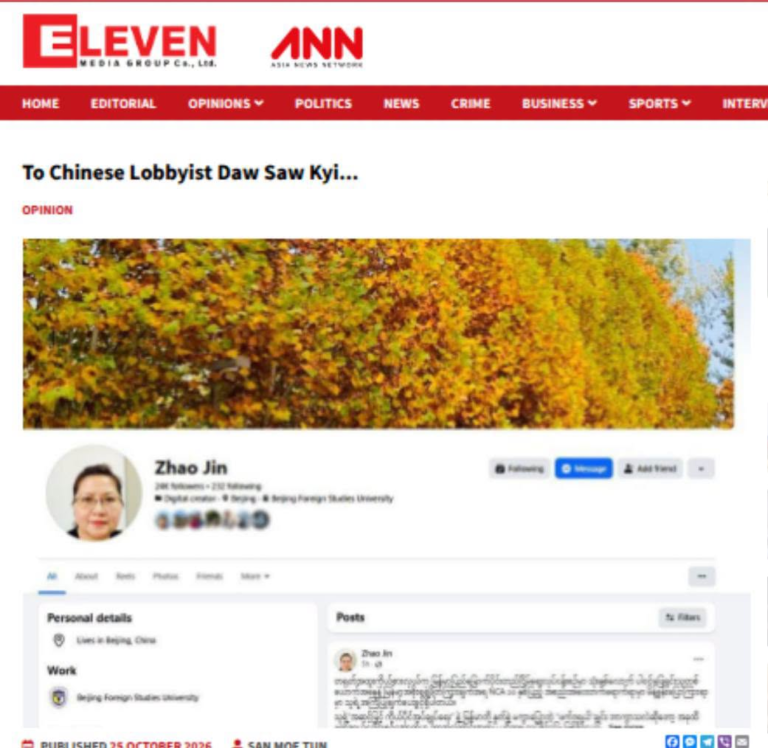
The Convenient Villain: Daw Aung San Suu Kyi
One major criticism concerns the international treatment of Aung San Suu Kyi.
There is no doubt that many Rohingya felt abandoned and betrayed during the NLD years.
Yet critics argue that Western discourse often ignored structural realities:
- under the 2008 Constitution,
- the civilian government did not control:
- the military,
- border affairs,
- or internal security.
Nevertheless, international outrage became overwhelmingly personalized around Suu Kyi herself.
This does not absolve her morally or politically.
But it raises a legitimate question:
Why are civilian politicians judged more harshly than armed actors holding actual coercive power?
The Silence Surrounding AA’s Contradictions
This question becomes even more uncomfortable when examining the current international response toward the Arakan Army.
Critics argue that many international actors who fiercely condemned the NLD government now appear strangely cautious when confronting:
- anti-Rohingya rhetoric,
- demographic engineering,
- racial segregation,
- and discriminatory behavior emerging under AA-controlled territories.
Several local observers accuse the AA of:
- selectively tolerating certain Rohingya communities,
- pushing others out,
- and reshaping demographic realities in northern Rakhine.
Whether fully accurate or not, these allegations are serious and deserve scrutiny.
Yet international silence often persists.
Why?
Perhaps because armed actors with territorial control are treated differently from weak civilian governments.
Or perhaps because many foreign observers now see the AA primarily as:
- an anti-junta force,
- a “pragmatic stabilizer,”
- or a future governing authority.
But anti-junta credentials alone cannot become a moral shield against criticism.
Tun Myat Naing and the Problem of Ethnic Nationalism
The sharpest criticism against Tun Myat Naing emerged after his public mockery of Rohingya forcibly conscripted into the Myanmar military.
This deeply disturbed even some long-time supporters of the Rakhine resistance.
One commentator noted:
“Even ordinary soldiers should not humiliate prisoners of war. For a commander to publicly mock vulnerable conscripts reveals dangerous ethnic chauvinism.”
This criticism matters precisely because it comes not from junta supporters, but from people who previously supported the AA struggle against military oppression.
The moral question is unavoidable:
Can an oppressed movement avoid becoming oppressive once power shifts in its favor?
History repeatedly shows how quickly liberation movements can reproduce the same structures of exclusion they once resisted.
The Rohingya Reality on the Ground
For ordinary Rohingya civilians, the reality is brutally simple.
They do not live inside NGO reports or conference halls.
They live under whoever controls territory.
Today, in many areas, that authority is no longer the Myanmar military alone — but increasingly the AA.
This creates a painful dilemma:
- some diaspora activists demand sanctions and international isolation,
- while local communities often need immediate coexistence, negotiation, and survival arrangements.
For villagers trapped between armed actors, politics becomes less ideological and more existential:
“Who can we negotiate with today so our families survive tomorrow?”
This is not surrender.
It is survival politics.
The Failure to Build Genuine Rohingya Political Capacity
Perhaps the greatest tragedy is that neither international actors nor Rohingya elite networks have sufficiently built:
- grassroots leadership,
- local negotiating power,
- or sustainable political institutions inside Rohingya communities themselves.
Too often:
- resources remain concentrated abroad,
- symbolic activism dominates,
- while local voices remain underdeveloped and underprotected.
The result is dangerous:
- diaspora narratives become detached from reality,
- while local Rohingya communities remain politically weak before armed powers.
AA’s Own Internal Contradictions
Critics also warn against romanticizing the AA itself.
Behind carefully managed public messaging, reports increasingly describe:
- corruption,
- authoritarian behavior,
- internal patronage networks,
- and intolerance toward dissent.
Some observers even argue that a personality cult is emerging around Tun Myat Naing, resembling patterns long associated with Myanmar’s military establishment itself.
If true, this would represent one of Myanmar’s oldest tragedies:
Revolutionary movements defeating authoritarianism — only to unconsciously imitate it.
Conclusion: Beyond Performance, Beyond Hatred
The Rohingya crisis will not be solved through:
- performative sanctions,
- emotional slogans,
- or ethnic triumphalism.
Nor will it be solved by replacing one system of domination with another.
A sustainable future requires:
- grounded political dialogue,
- local leadership development,
- genuine minority protections,
- and moral consistency from all sides.
The Rohingya must not remain:
- symbols for foreign advocacy,
- bargaining chips in geopolitics,
- or demographic threats in ethnic state-building projects.
They are human beings.
And unless every actor — diaspora leaders, international NGOs, AA authorities, Bangladesh, Myanmar forces, and global powers alike — confronts their own contradictions honestly,
then the cycle of fear, displacement, and mutual hatred will simply continue under new flags and new slogans.
Final MMNN Reflection
The greatest danger in Myanmar today may not simply be dictatorship.
It may be the normalization of selective morality:
- Human rights only for allies
- Justice only for preferred victims
- And silence whenever armed power becomes politically convenient
That road never ends in liberation.
Only in another version of the same prison.
The Most Difficult Truth: Rohingya Armed Groups, Criminality, and the Trap of Collective Punishment
Any honest discussion of the Rohingya crisis must confront another painful and uncomfortable reality:
Not all violence surrounding the Rohingya issue came from only one side.
Over the years, multiple armed Rohingya groups operating in both Bangladesh refugee camps and northern Rakhine State have been accused of:
- assassinations of independent Rohingya leaders,
- intimidation and torture,
- ransom kidnappings,
- forced recruitment of youths,
- narcotics trafficking,
- cross-border smuggling,
- and collaboration with various armed actors.
Among the groups most frequently accused are:
- Arakan Rohingya Salvation Army
- Rohingya Solidarity Organization
Numerous Rohingya refugees themselves have spoken publicly about fear inside the camps:
- fear of armed factions,
- fear of extortion,
- and fear of retaliation against dissenters.
This reality must not be denied merely because it is politically inconvenient.
The 2017 Police Station Raids: The Questions That Never Disappeared
One of the most controversial episodes remains the coordinated attacks on around 30 police posts in northern Rakhine in 2017.
The Myanmar military immediately used those attacks as justification for what later became internationally recognized as a campaign with genocidal characteristics against Rohingya civilians.
Yet many observers continue asking difficult questions:
How could heavily restricted Rohingya villagers—who often could not even travel freely between villages—suddenly organize complex multi-site attacks across a vast area?
Even after:
- decades of civil war,
- numerous ethnic armed organizations,
- and years of the Spring Revolution,
few armed groups in Myanmar’s history have conducted operations of that scale against so many targets simultaneously.
This has fueled long-standing suspicions that:
- elements within the Myanmar military may have infiltrated,
- manipulated,
- tolerated,
- or strategically exploited the attacks for political purposes.
Some allegations even connect narcotics routes and military-linked criminal economies to instability in the region.
Definitive proof remains contested.
But what is undeniable is this:
The attacks became the perfect pretext for catastrophic collective punishment against an entire civilian population.
The Rohingya Caught Between Two Armed Powers
Today, many Rohingya communities remain trapped between:
- the Myanmar Armed Forces,
- and the Arakan Army.
In areas still influenced by the Myanmar military, reports indicate:
- forced recruitment,
- militarization of Rohingya youths,
- and use of Rohingya armed elements against the AA.
In AA-controlled territories, the situation appears more mixed and inconsistent.
Some Rohingya have reportedly:
- worked within local administrative structures,
- usually in subordinate positions,
- or maintained limited coexistence arrangements with AA authorities.
At the same time, there are also repeated allegations of:
- forced labor,
- intimidation,
- movement restrictions,
- arbitrary violence,
- and the use of civilians as logistical support or human shields.
Importantly, such accusations are not limited to Rohingya communities alone.
Reports increasingly describe abuses affecting:
- Chin people,
- Mro people,
- Maramagyi people,
- Thet people,
- and even poor ethnic Rakhines themselves.
This highlights an uncomfortable but important reality:
Armed ethnonationalist projects often begin by promising liberation, but can gradually centralize power in ways that marginalize weaker communities—including their own people.
The Danger of Collective Blame
Acknowledging abuses by Rohingya armed groups is necessary.
But another danger must also be resisted:
Collective criminalization of an entire ethnic population.
The vast majority of Rohingya civilians were:
- not armed militants,
- not drug traffickers,
- and not participants in attacks.
Many were simply poor villagers caught between:
- military manipulation,
- armed opportunism,
- statelessness,
- and regional geopolitics.
The tragedy of Myanmar is that entire communities are repeatedly judged by:
- the actions of extremists,
- the crimes of armed factions,
- or the propaganda of powerful actors.
That cycle has devastated not only Rohingyas,
but also Kachins, Karens, Chins, Rakhines, and many others across the country.
Final Reflection
The Rohingya crisis cannot be honestly understood through simplistic binaries:
- innocent versus evil,
- terrorist versus victim,
- or liberation versus oppression.
The reality is far more painful.
There were:
- genuine Rohingya victims,
- genuine Rohingya criminals,
- genuine Myanmar military atrocities,
- genuine manipulation by armed actors,
- and genuine fears among multiple ethnic communities.
Recognizing these complexities does not weaken the case for justice.
It strengthens it.
Because true justice requires moral consistency:
- condemning atrocities regardless of who commits them,
- protecting civilians regardless of ethnicity,
- and refusing to turn any suffering population into permanent political tools.
Only then can Myanmar escape the endless cycle where every oppressed group eventually risks becoming the next oppressor.
Phyo Win Latt
မြေပြင်အရှိတရားနှင့် ကင်းကွာနေသော နိုင်ငံတကာလူ့အခွင့်အရေး ဇာတ်ခုံနှင့် ရခိုင်ပြည်နယ်၏ ပထဝီနိုင်ငံရေးအကျပ်အတည်း
မူရင်း Post တွင် ထောက်ပြထားသည့် ရိုဟင်ဂျာအရေးနှင့် ပတ်သက်၍ ပြည်ပရောက် တက်ကြွလှုပ်ရှားသူများ (Diaspora) ၏ လွှမ်းမိုးချုပ်ကိုင်မှုနှင့် မြေပြင်အရှိတရား ကွာဟနေမှုအပေါ် သုံးသပ်ချက်သည် အလွန်လေးနက်ပြီး လက်တွေ့ကျလှပါသည်။ ဤကိစ္စရပ်ကို အရပ်ဘက်-စစ်ဘက် ဆက်ဆံရေး (Civil-Military Relations)၊ နိုင်ငံတကာ မူဝါဒများ၏ စံနှုန်းနှစ်မျိုး (Double Standards) နှင့် ခေတ်သစ်ကိုလိုနီပြုခြင်း (Neo-colonialism in Human Rights Advocacy) ရှုထောင့်များမှ ဘက်စုံနှိုင်းယှဉ် ဆန်းစစ် (Comparative Analysis) ကြည့်ရန် လိုအပ်ပါသည်။
၁။ ရိုဟင်ဂျာအရေးအပေါ် မူဝါဒဆိုင်ရာ မညီညွတ်မှုများ (Policy Inconsistencies)
“Burmese Haze” စာအုပ်တွင် Erin Murphy က အမေရိကန်နှင့် အနောက်နိုင်ငံများ၏ မြန်မာနိုင်ငံအပေါ်ထားရှိသော မူဝါဒများသည် မြေပြင်အခြေအနေကို နက်နက်ရှိုင်းရှိုင်း နားလည်မှုမရှိဘဲ ခံစားချက်နှင့် စံပြဝါဒ (Idealism) ပေါ်တွင်သာ အခြေခံလွန်းကြောင်း ထောက်ပြထားပါသည်။ ရိုဟင်ဂျာအရေး ပေါ်ပေါက်လာသောအခါ အနောက်နိုင်ငံများသည် ပဋိပက္ခ၏ သမိုင်းကြောင်း၊ လူမျိုးရေးရှုပ်ထွေးမှုနှင့် နိုင်ငံရေးအရ အကဲဆတ်မှုများကို အဖြေရှာရန်ထက်၊ ပြည်ပရောက် (Diaspora) အုပ်စုများ၏ အသံကိုသာ နားယောင်ပြီး လက်တွေ့မြေပြင်နှင့် မကိုက်ညီသော အရေးယူပိတ်ဆို့မှု (Sanctions) မူဝါဒများကိုသာ အလွယ်တကူ ကျင့်သုံးခဲ့ကြသည်။ ဤသည်မှာ ပြဿနာကို ပြေလည်စေမည့်အစား မြေပြင်ရှိ လူထုကို ပိုမိုအကျပ်ရိုက်စေသော မူဝါဒဆိုင်ရာ မညီညွတ်မှု (Policy Inconsistency) ပင် ဖြစ်သည်။
၂။ အနောက်နိုင်ငံအခြေစိုက် တက်ကြွလှုပ်ရှားသူများ၏ စံနှုန်းနှစ်မျိုးနှင့် ဟန်ဆောင်မှု (Double Standards and Hypocrisy)
မူရင်း Post တွင် ထောက်ပြထားသကဲ့သို့ အနောက်နိုင်ငံအခြေစိုက် INGO များနှင့် Diaspora ခေါင်းဆောင်များသည် ရိုဟင်ဂျာအရေးကို “မွေးစား” ကာ (Colonized by Western Advocacy) ၎င်းတို့၏ ရပ်တည်မှု၊ ရန်ပုံငွေနှင့် နိုင်ငံတကာ စင်မြင့်များအတွက် အသုံးချနေကြသည်။ ၎င်းတို့သည် မြေပြင်မှ ဒေသခံ ရိုဟင်ဂျာလူငယ်များကို Tokenized (ဟန်ပြအဖြစ် အသုံးချ) လုပ်ရုံသာ လုပ်ပြီး၊ တကယ့်လက်တွေ့ နိုင်ငံရေးဆွေးနွေးမှု စွမ်းရည် (Negotiation skills) နှင့် လုပ်ပိုင်ခွင့်များ ရရှိလာအောင် ပံ့ပိုးပေးခြင်း မရှိပေ။ မြေပြင်ရှိ လူထုမှာ အသက်ရှင်သန်ရေး အတွက် AA ကဲ့သို့သော လက်နက်ကိုင်များနှင့် နေ့စဉ် ထိတွေ့ဆက်ဆံနေရသော်လည်း၊ ပြည်ပ ရောက်များကမူ လက်တွေ့နှင့်ကင်းကွာစွာ “Sanction ချရန်” သာ အော်ဟစ်နေကြခြင်းသည် ကြီးမားလှသော ဟန်ဆောင်မှု (Hypocrisy) ပင်ဖြစ်သည်။
၃။ ဒေါ်အောင်ဆန်းစုကြည်အပေါ် “လွယ်ကူသော အပြစ်တင်ခြင်း” (Simplistic Blame Attribution)
NLD အစိုးရလက်ထက် ရိုဟင်ဂျာအရေးတွင် အနောက်နိုင်ငံများ၏ အဆိုးရွားဆုံး ချို့ယွင်းချက်မှာ မြန်မာနိုင်ငံ၏ ဖွဲ့စည်းပုံအခြေခံဥပဒေနှင့် အာဏာခွဲဝေမှုစနစ် (Structural Constraints) ကို မျက်ကွယ်ပြုခဲ့ခြင်းဖြစ်သည်။ ၂၀၀၈ ဖွဲ့စည်းပုံအခြေခံဥပဒေအရ ဒေါ်အောင်ဆန်းစုကြည်၏ အရပ်သားအစိုးရသည် ကာကွယ်ရေး၊ ပြည်ထဲရေးနှင့် နယ်စပ်ရေးရာ ဝန်ကြီးဌာနများကို လုံးဝ (လုံးဝ) ထိန်းချုပ်နိုင်စွမ်း မရှိခဲ့ပါ။ သို့သော် Western Human Rights Organizations များသည် စစ်တပ်၏ လူ့အခွင့်အရေးချိုးဖောက်မှုများအတွက် ဒေါ်အောင်ဆန်းစုကြည်အပေါ်သို့သာ “လွယ်ကူသော အပြစ်တင်ခြင်း” (Simplistic Blame Attribution) ကို ပြုလုပ်ခဲ့ကြသည်။ သူမ၏ နိုင်ငံရေးအရ ကန့်သတ်ချက်များအတွင်းမှ သတိထား လျှောက်လှမ်းနေရသည့် အခြေအနေ (Pragmatic political maneuvering) ကို နားလည်ပေးရန် ပျက်ကွက်ခဲ့ကြသည်။
၄။ Arakan Army (AA) အပေါ် နိုင်ငံတကာ၏ တိတ်ဆိတ်မှုနှင့် စံနှုန်းနှစ်မျိုး (Comparative Reasoning)
ဤနေရာတွင် အထင်ရှားဆုံးသော Double Standard ကို တွေ့ရမည်ဖြစ်သည်။ ကိုမိုဃ်းသွေး၏ Post တွင် ထောက်ပြထားသည့်အတိုင်း လက်ရှိ မြေပြင်ကို စိုးမိုးထားသော AA နှင့် ၎င်း၏ ခေါင်းဆောင် ဗိုလ်ချုပ်ထွန်းမြတ်နိုင်သည် စစ်ကောင်စီ၏ အတင်းအကျပ် စစ်သားစုဆောင်း ခံရသည့် ရိုဟင်ဂျာများအပေါ် ဂုဏ်သိက္ခာညှိုးနွမ်းစေရန် လှောင်ပြောင်ခြင်း၊ လူမျိုးရေးခွဲခြားခြင်း (Fascism & Racism) များကို ပြောင်ပြောင်တင်းတင်း ပြုလုပ်နေပါသည်။ ထို့အပြင် မူရင်း Post ပါ အချက်အလက်များအရ AA သည် ရခိုင်ပြည်နယ်အတွင်း လူဦးရေအချိုးအစားကို ပြောင်းလဲရန် (Demographic engineering) နှင့် လူမျိုးစုအလိုက် သီးခြားခွဲထုတ်ရန် (Racial segregation) များကို လက်တွေ့ လုပ်ဆောင်နေပါသည်။ သို့သော် ဒေါ်အောင်ဆန်းစုကြည်ကို အလွန်အမင်း ပြစ်တင်ရှုတ်ချခဲ့သော အနောက်နိုင်ငံများနှင့် လူ့အခွင့်အရေးအဖွဲ့အစည်းများသည်၊ ယခုအခါ လက်နက်ကိုင် အကြမ်းဖက်မှုနှင့် မြေပြင်အာဏာစက်ရှိသော AA ၏ လူ့အခွင့်အရေး ချိုးဖောက်မှု များအပေါ်တွင်မူ ထူးဆန်းစွာ နှုတ်ဆိတ်နေကြပါသည်။ ဤသည်မှာ နိုင်ငံတကာ၏ လူ့အခွင့်အရေး ဆိုသည်မှာ “အင်အားရှိသူ (သို့မဟုတ်) သေနတ်ကိုင်ထားသူ” ကို ရှောင်ကွင်း၍၊ အကျပ်အတည်း ကြားမှ အရပ်သားနိုင်ငံရေးသမားများကိုသာ ပစ်မှတ်ထားလေ့ရှိကြောင်း သက်သေပြနေပါသည်။
နိဂုံးချုပ်နှင့် သတိချပ်ရမည့် ဝေဖန်သုံးသပ်ချက် (Critical Cautions)
မူရင်း Post ၏ အဓိက အာဘော်ဖြစ်သော “ပြည်ပရောက်များ၏ လွှမ်းမိုးမှုကို လျှော့ချ၍ မြေပြင်မှ ရိုဟင်ဂျာများကိုယ်တိုင် အာဏာရှိသူများ (ယခုအခါ AA) နှင့် နိုင်ငံရေးစားပွဲဝိုင်းတွင် ညှိနှိုင်းနိုင်ရေး ပံ့ပိုးပေးရမည်” ဆိုသည့် အချက်ကို လုံးဝ ထောက်ခံပါသည်။ သို့သော် ဤကိစ္စကို သုံးသပ်ရာတွင် အလွန်ရိုးရှင်းသည့် ရှင်းလင်းချက်များ (Oversimplifications) ထဲသို့ မကျရောက်စေရန် အထူးသတိပြုရပါမည်။
၁။ ပြည်ပရောက်များ (Diaspora) အားလုံးကို အပြစ်တင်ခြင်းမှ ရှောင်ကြဉ်ရန်
ပြည်ပရောက် တက်ကြွလှုပ်ရှားသူများ၏ နိုင်ငံတကာ ဖိအားပေးမှုသည် အချို့သော အတိုင်းအတာအထိ နိုင်ငံတကာ ရာဇဝတ်မှုတရားရုံး (ICJ/ICC) ယန္တရားများအတွက် အရေးပါခဲ့သည်ကို အသိအမှတ်ပြုရပါမည်။ ၎င်းတို့အားလုံးကို “အကျိုးစီးပွားရှာသူများ” ဟု လုံးခဲ၍ အပြစ်တင်ခြင်းသည် ဘက်လိုက်မှု (Bias) ဖြစ်စေနိုင်သည်။
၂။ AA နှင့် ညှိနှိုင်းခြင်း၏ အန္တရာယ်
မြေပြင်မှ ရိုဟင်ဂျာများအနေဖြင့် AA နှင့် ညှိနှိုင်းရန်မှာ လက်တွေ့ကျသော လိုအပ်ချက် ဖြစ်သော် လည်း၊ AA ၏ လူမျိုးရေးအခြေခံ နိုင်ငံတော်တည်ဆောက်ရေး (Ethno-nationalist state-building) ပရောဂျက်သည် လူနည်းစုများအတွက် မွေးရာပါ အန္တရာယ်ရှိနေကြောင်းကို မျက်ကွယ်ပြု၍ မရပါ။ စစ်တပ်၏ ဖိနှိပ်မှုကို AA ဖြင့် အစားထိုးခြင်းသည် ရိုဟင်ဂျာများအတွက် စစ်မှန်သော နိုင်ငံရေး အာမခံချက် ရရှိမည်ဟု ရိုးစင်းစွာ မယုံကြည်သင့်ပါ။
အချုပ်အားဖြင့်ဆိုရသော် ရိုဟင်ဂျာအကျပ်အတည်းကို ဖြေရှင်းရာတွင် အနောက်တိုင်း၏ စံပြဝါဒနှင့် ဟန်ပြနိုင်ငံရေး (Performative Politics) ကို ဖယ်ခွာ၍၊ နိုင်ငံရေး၊ ပထဝီဝင်နှင့် လူမှုအသိုင်းအဝိုင်းများကြားမှ ရှုပ်ထွေးသော အင်အားချိန်ခွင်လျှာများကို လက်တွေ့ကျကျ (Pragmatic approach) နားလည်လက်ခံပြီး မြေပြင်ရှိ လူထုကို စစ်မှန်သော နိုင်ငံရေးစွမ်းဆောင်ရည် မြှင့်တင်ပေးခြင်းဖြင့်သာ ရေရှည်တည်တံ့သော အဖြေကို ရှာဖွေနိုင်မည် ဖြစ်ပါသည်။
သောက်ပိုတေ အာရုံနောက်တယ်
ရိုဟင်ဂျာ diaspora တွေထဲက တစ်ယောက်နှစ်ယောက်ကို အတင်းတွန်းပေး ပွဲထုတ် tokenized လုပ်ပြီး နောက်ကျ အဲ့လိုမြေပြင်လက်တွေ့အရှိတရားနဲ့ ဝေးကွာနေသူတွေက ပြည်တွင်းဥပဒေရေးရာမှာ ဝင်ပါတာက ပြသနာရှိတယ်လို့ မြင်လို့ diaspora က အပြင်ကနေ အော်တာက အော်တာပဲ။ အထဲက အရေးမှာ အထဲကို ပြန်လာရမယ့် Bengaldesh က လူထုနဲ့ ပြည်တွင်းက ရိုတွေကပဲ organize လုပ်ပြီး နိုင်ငံရေးကနေ အဖြေဝင်ရှာရမယိ။ ဒီလူတွေထဲကိုပဲ နေရာပေး ဆွေးနွေးခိူင်းရမယ် လို့မြင်တယ်။ ခုလက်ရှိအနေအထားမှာ အထဲက လူငယ်ခေါင်းဆောင်တွေက နိူင်ငံကြီးက လူတွေရဲ့ နောက်လိုက်ဖြစ်ဖို့၊ သူတို့လျောက်တဲ့လမ်းအတိူင်း တော်ကောက်ခံရဖို့ဆိုတဲ့ လမ်းထက်ပိုတဲ့ ပံပိုးမှုတွေ ရမနေကြဘူး။ သူတိူ့ရဲ့ စုစည်းမှုတွေဟာ လက်ဝေခံထက်ပိုတဲ့ ငွေကြေးအထောက်အပံ၊ နိူင်ငံရေးနဲ့ ဆွေးနွေးညှီနှိုင်းနိုင်မှု skill တွေ ရမနေကြဘူး။ ပြောရရင် လူထုထဲမှာ ခေါင်းဆောင်နိူင်သူတွေကို ဆွဲထုတ်ပံပိုးကြရမယ့်အချိန်ဖြစ်တယ်။
တဖက်မှာ အပြင်လူထုက အရမ်းပေါက်ရောက်တာမို့ လူ့အခွင့်အရေးအရ ကျယ်ကျယ်လောင်လောင် အော်တာ၊ ပြည်ပမှာ ဒုက္ခသည်တွေအတွက် ကြိုးပမ်းတာ regional နဲ့ international မှာ ဝင်စည်းရုံးတာ ပေါ်လစီကို လွမ်းမိုးတာတွေ လုပ်ရမယ်ဆိုတာမျိုး အမြဲ ပြောဖြစ်တယ်။
ခက်တာ ကိုယ်တွေအရေးမှာလည်း ပြည်ပကိုပဲ အားကိုးနေရတော့ ကိုလိုနိုက်ဇ်လုပ်ခံကြရတယ်။ ဉပမာ ဘယ်နိူင်ငံရောက် ရိုဆိုတာမျိုး၊ နောက်မှာ ခေါင်းကိုင်မိခင်ကြီးက ဘယ်သူဆိုတာမျိုးတွေနဲ့ ရိုအရေးကိုယ်စားပြုသည်ဆိုသော်ငြား မွေးစားခံဘဝနဲ့ လှုပ်ရှားကြရတယ်။ အဲ့တော့ကျ ပြည်ပက ခေါင်းကိုင်မခံရ မွေးစားမခံရတဲ့ မြေပြင်ကရိုလူငယ်တွေမှာ ပေါ်လစီလယ်ဗယ်တက်လာခွင့်မရကြဘူး။ အဲ့လို ကိုလိုနိုက်ဇ်လုပ်ခံထားရခြင်းကို အေအေက ကောင်းကောင်းကြီး အသုံးချနိူင်သွားတယ်။
အေအေက ပြီးခဲ့တဲ့သုံးနှစ်တာမှာ လူစစ်ထုတ်တယ်။ သူတို့ပေါ်လစီက ပြည်ပရိုလော်ဘီအားလုံးကို လက်တွေ့နဲ့ ကင်းကွာနေတဲ့လူတွေလို ပုံဖော်တယ်။ အပြင်က အုပ်စုကို ပတ်သက်စရာမလိုဘူးလို့ သဘောထားတယ်။ တဖက်မှာ အထဲက သူတိူ့နဲ့အနီးကပ်ဆုံး သူတို့သိမ်းသွင်းနိူင်မယ့်အုပ်စုကို ကောင်းကောင်းဆက်ဆံပြီး ကိုင်တွယ်ရခက်မယ့်သူတွေကို မောင်းထုတ်တယ်။ ထွက်လို့ရအောင် လမ်းဖွင့်ပေးတယ်။ သူ့လူနဲ့သူ လူကုန်ကူးတာကို သေချာလုပ်နိူင်အောင် ပံပိုးတယ်။ အဲ့မှာ စစ်အတွင်း လူစစ်ထုတ်လို့ရသွားတယ်။ နောက်တစ်ခုက ရိုလူထုရဲ့ တည်နေရာဟာ ပထဝီနိုင်ငံရေးအရ အနာဂတ်မှာရော လက်တွေ့မှာပါ ရခိုင်နိုင်ငံရေးအတွက် ပြသနာရှိမှန်းသိတော့ အတွင်းစည်းက လူတွေကို ဆက်ထားပြီး မြောက်ပိုင်းက လူထုကို အမှည့်ခြွေဖို့ ကြိုးစားတယ်။ လူတွေရဲ့ demoghraphy ကို ပြောင်းလဲဖို့ လုပ်တယ်။ ဉပဒေနဲ့ လုပ်တာမဟုတ်သော်လည်း လုပ်ငန်းဆိူင်ရာ သဘောတရားအရ လုပ်တယ်။ မလုပ်ရင် ရခိူင်ပြည်ဟာ လူမျိုးစုံနေဖိုလည်း ခက်နေအုန်းမယ်လို့ သူတို့မြင်တယ်။ စင်ကာပူလို နည်းလမ်းမျိုး သုံးပြီး racial segregation ကို လျော့အောင်လုပ်တယ်ပေါ့။ ထားပါတော့ အထဲမှာ အဲ့လိုမြေ၊ လူမျိုးစု အနေအထား၊ ပထဝီဝင်နဲ့ မြေယာပိုင်ဆိုင်မှု ပြောင်းလဲကန့်သတ်တဲ့ ပရော်ဂျက်က statebuilding ရဲ့ အဓိက အစိတ်အပိုင်းပဲ။
ဒီနေရာမှာ ဝမ်းနည်းစရာကောင်းတာက ပြင်ပက ရိုတွေက လူ့အခွင့်အရေးလမ်းကြောင်းထက်ပိုပြီး သူတိူ့ဝင်ပါလို့ရတဲ့ လမ်းကို မတည်ဆောက်နိုင်ကြသလို၊ အထဲက လူတွေကလည်း ဝင်ပါနိူင်တဲ့ အခွင့်အရေးမရကြဘူး။ တဖက်မှာ ရိုdiaspora ကို အသုံးချနေမေယ့် ရိုနဲ့ အေအေကြား တံတားဖြစ်ရမယ့် နုကြည်ကလည်း ရိုအရေးမှာ တာဝန်မကျေသလို သူတို့ကလည်း အေအေနဲ့ တတားမဖြတ်ချင်တော့ ရိုဘက်လိုက်တယ်ဆိုတဲ့အမြင်ကိုတောင် လက်တွေ့အရှိတရားမှာ ကျားကန်ထားကြပုံရတယ်။ အဲ့လို လက်တွေ့နိူင်ငံရေးမှာ ခက်တာက ပြည်ပကနေ အေအေကို sanction ပါဆို အော်ကြတဲ့ရိုတွေရယ်၊ လက်ရှိအခြေအနေကို တင်ပြတဲ့ ကိုယ့်လိုလူကိုတောင် အေအေနဲ့ အဆင်ပြေချင်သူလို့ ပုံဖော်တာမျိုးကလည်း ပြသနာရှိတယ်။ တကယ်တမ်းကျ စစ်တပ်နဲ့အေအေပဲ ရွေးစရာရှိတဲ့ အခြေအနေမှာ အောက်ခြေက ရိုတွေက ဘယ်သူ့နဲ့ပိုညှိနိုင်မလဲကြည့်ပြီး ကစားကြရမှာပဲ။
အောက်ကလူတွေက အသက်ရှူတဲ့ စက္ကန့်တိူင်း အုပ်ချုပ်သူအသစ်လက်အောက်နေရတာ။ အဲ့အုပ်ချုပ်သူမှ မရှိရင်လည်း ကျန်တာ သူခိုးဓမြနဲ့ မူးယစ်ရာဇာတွေပဲ ရှိတယ်။ ဆိုတော့ ခုန ပြည်ပက ရိုအရေးကို ကိုလိုနိုက်ဇ်လုပ်နေကြတဲ့ အနောက်တိုင်းအဖွဲ့အစည်းနဲ့ ေခါင်းကိုင်မိခင်ကြီး ဖခင်ကြီးတွေကိုယ်တိုင်ကလည်း ရိုတွေကို လမ်းမှန်ပြနေရဲ့လားလို့ သံသယဖြစ်မိတယ်။ သူတိူ့သာ တကယ်ကူညီချင်ရင် ရိုခေါင်းဆောင်တွေဟာ ခုနေမှာ အေအေနဲ့ စားပွဲဝိုင်းပေါ်ရောက်နေကြရမှာ။ ပွဲတကာပတ်တက် sanction ပါဆို အော်နေတာက ပါဖော်မန့်ထက်ပိုတဲ့ ဖြေရှင်းနည်းဆီကို မရောက်သလို၊ ရောက်ခဲ့ရင်လည်း အကောင်းထက် အဆိုးကိုသာ ဉီးတည်လာစရာ ရှိတာပဲ။
အေအေကိုယ်တိုင်ဟာလည်း ခုနေမှာ အမုန်းတရားကြီးစိုးနေတဲ့ သူ့လူမျိုးကိုတောင် သူထိန်းနိူင်မယ့် အနေအထားမဟုတ်သလို၊ အတွင်းသတင်းတွေအရ သူတိူ့ကိုယ်တိူင် ထွန်းမြတ်နိုင်ဟာ ပါဖော်မန့်သက်သက် အတွက် ဒေါ်စုလို နတ်နေကိုင်းရုပ်ပုံဖန်တီးထားရုံဖြစ်ပြီး လက်တွေ့ဖွဲ့စည်းမှု လုပ်ကိုင်မှုမှာ သူ့အသိုင်းအဝိုင်းကိုယ်တိုင်က စကစဆန်တာ အကျင့်ပျက်ချစားတာတွေလည်း ဖုံးဖိမရ ဖြစ်နေတာမို့ ဒါကိုလည်း မြင်အောင် ကြည့်နိုင်ရမယ်။
ပြောချင်တာက ရိုတွေအနေနဲ့ နိုင်ငံရေးအထောက်ပံတွေ အောက်ခြေရောက်နိူင်အောင် အောက်ခြေက လူထုကို organize လုပ်ပေးရမှာ၊ social capital တွေနဲ့ ခုန ခေါင်းကိုင်တွေကို အသုံးချပြီး အောက်မှာ လူထုကိုယ်စားပြုတွေ အုပ်ချုပ်သူအသစ်တွေနဲ့ စကားပြောနိူင်အောင် ငြှိနိုင်အောင် လုပ်ပေးကြရမှာဆိုတာကို ပြောချင်တာ။ ရှိသမျှ resource က အပြင်မှာပဲ အသုံးချ၊ ပါဖော်မန့်နိုင်ငံရေးက မတက်ကြသေးရင်တော့ ရိုလူထုဟာ ဒီအနေအထားကနေ တက်လာနိူင်စရာ မမြင်တော့ဘူးရယ်။
Moe Thway
“ဖက်ဆစ်ဝါဒ တိုက်ဖျက်ကြ”
ခေတ်မီတဲ့အမြင်ရှိတယ်လို့
အထင်ကြီးလေးစားခဲ့ရတဲ့ ထွန်းမြတ်နိုင်ဟာ
လူမျိုးရေးသူငယ်နာမစင်တဲ့ ဗီဇအငုံ့စိတ်
ပြင်းပြင်းထန်ထန်ရှိတာပေါ်လာတယ်…
AAဟာ စစ်တပ်ရဲ့ သုံ့ပန်းတွေကို
နည်းမျိုးစုံနဲ့ဖမ်းဆီးနိုင်ခဲ့တာ
၂၀၁၉လောက်ကတည်းကပဲ…
အဲ့တုန်းက မီဒီယာတွေမှာ AAဆေးတပ်က
ရန်သူ့စစ်သားတွေကို ကုသပေးတာတွေ
ဖော်ပြခဲ့ဖူးတာအမှတ်ရမိတယ်…
အခုလိုမျိုး စစ်ကောင်စီက
စစ်မှုမထမ်းမနေရဥပဒေထုတ်
လူမျိုးဘာသာပေါင်းစုံ လူငယ်တွေကို
မတရားစစ်သားစုဆောင်းပြီး
ရှေ့တန်းအတင်းပို့နေတဲ့အချိန်ကျမှ
ရိုဟင်ဂျာတွေ စစ်တပ်ထဲပါလာတာကို
စစ်သုံ့ပန်း ဥပဒေနဲ့မညီ
ဂုဏ်သိက္ခာနှိမ့်ချ လှောင်ပြောင်တယ်…
ဒါဟာ
စစ်ခေါင်းဆောင်ကောင်းတယောက်မပြောနဲ့
သာမန်စစ်သားတယောက်ကတောင်
မလုပ်သင့်မလုပ်အပ်တဲ့ကိစ္စ
ထွန်းမြတ်နိုင်လို ဗိုလ်ချုပ်တယောက်က
ရယ်စရာမဟုတ်ဘဲ
လှောင်ပြောင်ကဲ့ရဲ့တာဟာ
အတော့်ကို သဘောထားသေးသိမ်မှုကိုပြတယ်…
ကျနော်ဟာ ၂၀၁၈နဲ့
၂၀၁၉ရခိုင်ပြည်စစ်ပွဲကာလတွေတည်းက
ထွန်းမြတ်နိုင်နဲ့ AAရဲ့ မွေးနေ့တွေမှာ
မွေးနေ့ဆုတောင်းတွေရေးပြီး
AAတပ်တော်ကိုလည်း ထောက်ခံကြောင်း
ဗြောင်ကျကျထုတ်ဖော် ပြောခဲ့သူဖြစ်တယ်…
အဲ့ဒီအချိန်ကာလဟာ
စစ်တပ်က ၁၇/၁နဲ့ ဖမ်းချင်ရင်
ဖမ်းခံရနိုင်တာသိပေမယ့်
အဖိနှိပ်ခံရခိုင်လူမျိုးတွေရဲ့တော်လှန်ရေးကို
သွေးစည်းညီညွတ်မှု ရဲရဲပြခဲ့တာဖြစ်တယ်…
အခုလိုမျိုး ကိုယ်ကအရေးသာလာချိန်မှာ
ကိုယ့်လိုတင်မက ကိုယ်ကပါ
တနည်းနည်းနဲ့ဖိနှိပ်ထားသူတွေအပေါ်
လူမျိုးရေးခွဲခြားမှုနဲ့ ခေါ်ဝေါ်နှိမ်ချမှုတွေဟာ
အဆိုးကျော့သံသရာကို အဖန်ဖန်လည်ဖို့
ခြေလှမ်းတွေစနေတာဖြစ်တယ်…
ဒီလို စိတ်ဓါတ်နဲ့ လုပ်ရပ်တွေကိုတော့
ဘယ်သူကလုပ်ပစေ
ပြတ်ပြတ်သားသား ရှုတ်ချမှာဖြစ်တယ်…
အာရ်ကန်ပြည်နဲ့ အာရ်ကန်လူထု
ဖိနှိပ်မှုအပေါင်းကနေ လွတ်မြောက်ပါစေ…
ဖက်ဆစ်ဝါဒနဲ့လူမျိုးဘာသာခွဲခြားမှု
ကျဆုံးပါစေ…
မိုဃ်းသွေး