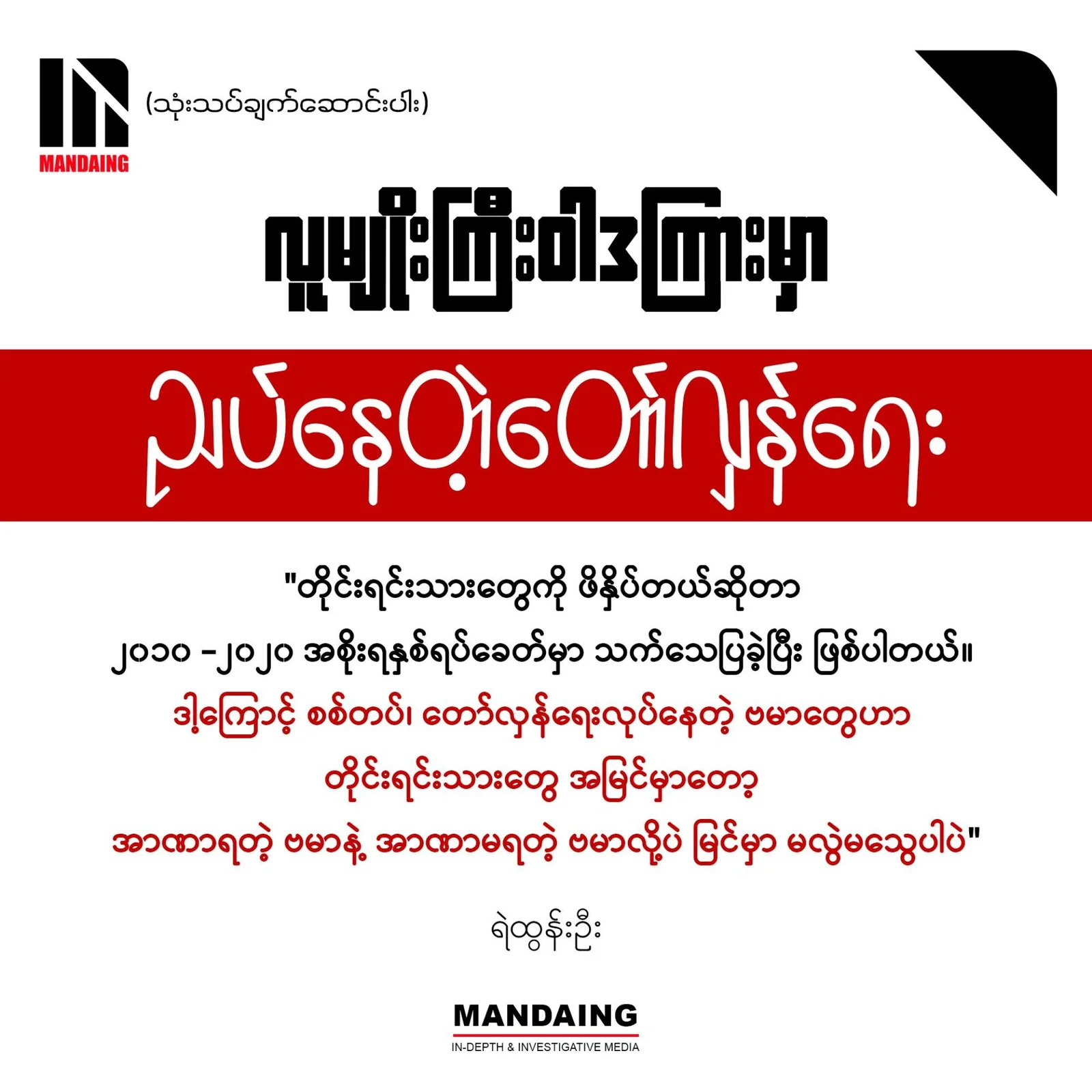
A recent Burmese article titled “The Revolution Is Trapped Between Majoritarian Nationalism” raises uncomfortable but necessary questions about Myanmar’s armed resistance, ethnic politics, and the failure to build genuine federalism.
The author argues that Myanmar’s revolution against military dictatorship is beginning to show signs of fragmentation: revolutionary groups fighting each other, territorial disputes, declining momentum, defections, and growing mistrust between ethnic armed organizations (EAOs) and Bamar-majority political forces.
At the heart of the problem is an old wound that has never healed since independence in 1948: the tension between centralized Bamar domination and the ethnic nationalities’ demand for equality and self-determination.
Ethnic Armed Organizations and the Federal Dream
Ethnic revolutionary organizations such as the Karen National Liberation Army (KNLA), Kachin Independence Organization (KIO/KIA), Arakan Army (AA), Myanmar National Democratic Alliance Army (MNDAA), and Ta’ang National Liberation Army (TNLA) did not begin their struggles merely because of the 2021 coup.
Their rebellions long predate it. They emerged from decades of broken promises after the Panglong Agreement, forced “Burmanization,” denial of autonomy, and unequal power-sharing under successive military and civilian governments.
The article correctly notes that many EAOs today no longer seek outright secession. Instead, most demand meaningful federalism and self-determination — in some cases approaching confederation-level autonomy with strong local control over administration, security, and resources.
Yet many ethnic leaders remain skeptical of Bamar-led democratic movements because history has repeatedly shown that once power is obtained, federal promises are diluted or forgotten.
Distrust Toward the Bamar Political Center
The author criticizes successive Bamar-dominated governments, including the National League for Democracy (NLD), for failing to address ethnic grievances seriously.
Incidents such as the General Aung San statue controversies in ethnic states, the Chaungzon Bridge naming dispute in Mon State, and the centralization tendencies during the 2015–2020 NLD administration deepened ethnic mistrust.
Many ethnic communities concluded that the difference between the military establishment and some civilian Bamar elites was often not ideological, but merely a struggle over who controls the Union.
This explains why several EAOs prioritize securing their own territories rather than marching deep into central Myanmar to overthrow the junta entirely. They fear sacrificing thousands of lives without any credible political guarantee afterward.
The Demographic Reality Often Ignored
One of the most sensitive but important points raised is demography.
Myanmar’s politics has long revolved around the assumption that the Bamar Buddhist majority forms the overwhelming core of the nation. However, religious and ethnic realities are more complex than official statistics suggest.
Official censuses historically reported Muslims as only around 2–4% of the population. Yet many researchers, activists, and Muslim community leaders argue that the true figure is significantly higher because:
- Many Muslims were denied citizenship or national registration cards.
- Some concealed their Muslim identity to avoid discrimination.
- Others registered as Bamar or under ethnic minority categories for survival, education, employment, or military promotion.
- Rohingya populations were systematically excluded from official recognition.
Some unofficial estimates place the total Muslim population — including Rohingya, Indian-descended Muslims, Zerbadees, Panthays, and mixed communities — at over 10 million people.
This demographic anxiety has played a major role in Myanmar’s Islamophobia.
Population Imbalance and the Fear of Majoritarian Domination
Another uncomfortable reality in Myanmar is the huge demographic imbalance between the Bamar majority and most ethnic minorities.
According to the 2014 census and various demographic estimates, Bamar Buddhists constitute roughly 65–70% of Myanmar’s total population. In contrast, many ethnic minorities individually represent only small percentages of the country:
- Kachin: around 1.5%
- Kayah (Karenni): below 1%
- Chin: around 2%
- Mon: around 2%
- Rakhine: around 4%
- Karen/Kayin: around 6–7%
- Shan: around 8–9%
- Ta’ang/Palaung: around 1%
- Kokang: far below 1%
Even within several ethnic states, demographic realities have changed significantly over decades due to migration, military expansion, administrative policies, and settlement patterns.
For example, large numbers of Bamar Buddhist settlers now live in Kachin State, Mon State, and Karenni (Kayah) State. Similar demographic shifts also exist in Shan State and parts of Rakhine State. In many towns, the military, civil service structures, and commercial sectors became increasingly dominated by Bamar-speaking populations under successive central governments.
As a result, many ethnic minorities fear that even under a future democratic system, they could still be politically overwhelmed by sheer population numbers unless strong constitutional guarantees for federalism and self-rule are established.
This demographic imbalance also explains why many ethnic armed organizations prioritize territorial control and autonomous administration over purely symbolic participation in a centralized Union parliament.
From their perspective, “one person, one vote” without meaningful federal safeguards may simply reproduce permanent Bamar-majority domination under a democratic label.
The Muslim question intersects with this issue as well. If Muslims — whose real population may be substantially higher than official figures suggest — were fully recognized politically and demographically, Myanmar’s national balance would look very different from the simplified “Bamar versus ethnic minorities” narrative often presented by both the military and nationalist groups.
In reality, Myanmar is not a simple two-sided country. It is a deeply plural society of ethnic, linguistic, and religious communities whose coexistence requires genuine equality, not merely majority rule.
Ne Win, Fear Politics, and Islamophobia
The roots of anti-Muslim sentiment in Myanmar are often traced to colonial-era anti-Indian riots, economic competition, the 1978 Operation Nagamin campaign, and the discriminatory 1982 Myanmar Citizenship Law.
But another lesser-discussed factor was fear of demographic change.
According to claims published by Myanmar Muslim News, an internal BSPP-era demographic assessment allegedly warned General Ne Win that Muslim population growth could become politically significant in future decades.
Whether every detail of such reports can be independently verified or not, demographic fear clearly became embedded within military and ultra-nationalist narratives. Over time, Muslims — especially Rohingyas — were increasingly portrayed not as citizens, but as a demographic and cultural threat.
That fear politics later evolved into systematic discrimination, apartheid-like restrictions, mass displacement, and eventually the Rohingya catastrophe widely described internationally as ethnic cleansing or genocide.
The Revolution Cannot Ignore Muslims
One weakness of many discussions on federal democracy in Myanmar is that Muslims are still treated as outsiders rather than as one of the country’s largest communities.
In reality, Muslims are present across nearly every ethnic group:
- Bamar Muslims
- Rohingya Muslims
- Kaman Muslims
- Panthay Chinese Muslims
- Indian-descended Muslims
- Karen Muslims
- Shan Muslims
- Mon Muslims
- Mixed-heritage Muslims registered under other ethnic identities
Ignoring this reality only strengthens ultra-nationalist narratives.
If a future federal Myanmar is to survive, it cannot merely become a power-sharing arrangement between Bamar elites and armed ethnic organizations while excluding Muslims from equal citizenship and political legitimacy.
A Revolution at a Crossroads
The article ultimately argues that Myanmar’s revolution will fail unless it achieves a genuine democratic federal agreement acceptable to all nationalities.
Ethnic minorities want:
- Equality at the Union level
- Real self-determination in their own regions
- Protection from future central domination
Muslims additionally seek:
- Citizenship
- Security
- Equal legal recognition
- Freedom from institutionalized discrimination
Without these guarantees, distrust will continue.
Myanmar has already lost generations to civil war, military rule, refugee crises, brain drain, and economic collapse. Millions have become migrant workers, refugees, or internally displaced persons. Education and healthcare standards have fallen behind much of ASEAN.
The revolution therefore faces a historic choice:
Either build an inclusive federal democracy that recognizes all peoples — including Muslims and Rohingyas — as legitimate stakeholders in the Union,
or repeat the same cycle of centralized nationalism, exclusion, and conflict under new rulers.
The military dictatorship is not the only obstacle Myanmar must overcome.
The deeper challenge is whether the country can finally abandon ethnoreligious supremacy and accept true pluralism as the foundation of a future Union.
The Overlooked Dimension: Religious Minorities as Political Minorities
One major weakness in most analyses of Myanmar politics is that “minority” is usually understood only in ethnic terms.
In reality, minorities in Myanmar are not only ethnic minorities. They are also religious minorities.
This distinction is crucial because Muslims in Myanmar are spread across almost all ethnic communities rather than concentrated in one single state. As a result, they are politically fragmented and statistically diluted.
Many observers discuss the “Bamar versus ethnic minorities” problem, but overlook another reality:
Myanmar’s political structure has also long been shaped by the dominance of Bamar Buddhist nationalism over both ethnic and religious minorities.
This is why Islamophobia became deeply intertwined with state-building, citizenship policies, military propaganda, and demographic engineering.
Another overlooked issue is demographic transformation inside ethnic states themselves.
Over many decades, central governments encouraged administrative expansion, military settlement, migration, and economic relocation into ethnic minority regions. As a result, in several ethnic states, indigenous populations increasingly became minorities or near-minorities in major towns and strategic areas.
Examples often discussed include:
- Pyin Oo Lwin (formerly Maymyo) and Mogok, historically linked to Shan areas but later incorporated into Mandalay Region administration.
- Some Chin-inhabited and Rakhine-related frontier areas absorbed into Sagaing and Ayeyarwady administrative structures.
- Expansion of Bamar-majority settlement patterns into Kachin, Mon, Karenni, and Shan States.
In many ethnic states, military bases, civil service institutions, universities, and commercial centers became dominated by Bamar-speaking Buddhist populations under successive centralized governments.
To many ethnic communities, this was not viewed as natural migration alone, but as part of a long-term state-centralization process that weakened local identities, cultures, languages, and political autonomy.
This explains why many ethnic revolutionary organizations insist not merely on elections, but on strong constitutional guarantees for federalism, territorial authority, and self-rule.
Without such guarantees, many minorities fear that democracy alone could simply legitimize permanent majority domination through population numbers.
The Muslim experience parallels this fear.
Muslims across Myanmar — including Rohingya, Indian-descended Muslims, Panthays, Zerbadees, and mixed communities — often faced pressures to conceal identity, assimilate, or accept second-class citizenship in order to survive socially and economically.
Thus, the Myanmar crisis is not only a struggle against military dictatorship.
It is also a struggle over whether the future Union will genuinely accept pluralism:
- ethnic pluralism,
- religious pluralism,
- linguistic pluralism,
- and equal citizenship for all communities.
Until this deeper issue is honestly addressed, the cycle of mistrust, civil war, and fragmentation may continue regardless of who controls Naypyidaw.
The Hidden Glass Ceiling for Religious Minorities
Another rarely discussed issue in Myanmar is the informal but deeply entrenched discrimination against religious minorities within the military, civil service, and state institutions.
Publicly, successive governments claimed that all citizens had equal opportunities regardless of religion. In practice, however, many Christians and Muslims privately described the existence of an invisible “glass ceiling.”
Muslims were affected most severely. In modern Myanmar history, Muslims have been almost entirely excluded from senior command positions in the military. Even highly qualified Muslim officers reportedly faced barriers in promotion, intelligence access, sensitive appointments, and leadership roles. Over time, many Muslim families concluded that military or high-level government careers were effectively closed to them unless they concealed or diluted their religious identity.
But Christians also experienced quieter forms of institutional discrimination.
Some retired Christian diplomats and civil servants privately described themselves bitterly as being viewed inside the system as “C-virus carriers” — where “C” referred not to disease, but to “Christian.”
According to these accounts, Christians could sometimes rise to mid-level positions in the bureaucracy or diplomatic corps, especially if they avoided overt political involvement. However, beyond a certain point, promotion often stopped regardless of seniority, competence, or disciplinary record.
Several experienced diplomats reportedly believed they should naturally have advanced to ambassadorial leadership, deputy ministerial, or ministerial ranks based on merit and years of service. Instead, many were quietly diverted sideways into overseas diplomatic postings, advisory roles, or ceremonial positions without real authority.
Some described this process as being “kicked upstairs”:
given respectable titles but denied meaningful power.
After retirement from foreign postings, they were often assigned temporary consultant or advisor roles for a short period before disappearing entirely from influence within the state structure.
This pattern reinforced the perception among many minorities that Myanmar’s system was never fully secular or meritocratic, but functioned through an unspoken hierarchy shaped by:
- ethnicity,
- religion,
- military loyalty,
- and proximity to Bamar Buddhist nationalism.
Such experiences help explain why many minorities — including Christians and Muslims — remain skeptical when central governments promise equality without structural reform.
For many of them, the issue is not simply legal discrimination written into laws. It is the existence of an unwritten culture of exclusion operating quietly inside institutions for decades.
Until Myanmar openly confronts these realities, distrust toward centralized state power is likely to persist even after military rule eventually ends.
အနီရောင်တုတ်ချောင်း၊ အစိမ်းရောင်တုတ်ချောင်းနှင့် တော်လှန်ရေး၏ အကျပ်အတည်း
ဆောင်းပါးရှင် ရဲထွန်းဦး ထောက်ပြသွားတဲ့အထဲမှာ အနှစ်သာရအရှိဆုံးနဲ့ ကျွန်တော်တို့ ဗမာတွေဘက်က အလေးအနက်ဆုံး ပြန်လည်သုံးသပ်ရမယ့် အချက်ကတော့ NLD အစိုးရလက်ထက် (၂၀၁၆-၂၀၂၀) က တိုင်းရင်းသားတွေအပေါ် ဆက်ဆံခဲ့တဲ့ ပုံစံတွေပဲ ဖြစ်ပါတယ်။ ဒီမိုကရေစီအစိုးရ၊ ပြည်သူ့အစိုးရလို့ ကြွေးကြော်ခဲ့ပေမယ့် လက်တွေ့မြေပြင်မှာတော့ မွန်ပြည်နယ်က ချောင်းဆုံတံတား နာမည်ပေးတဲ့ကိစ္စ၊ ကယား(ကရင်နီ) ပြည်နယ်နဲ့ တခြားတိုင်းရင်းသားဒေသတွေမှာ ဒေသခံတွေ ကန့်ကွက်နေတဲ့ကြားက ဗိုလ်ချုပ်အောင်ဆန်း ကြေးရုပ်တွေ အတင်းအဓမ္မ စိုက်ထူခဲ့တဲ့ကိစ္စ၊ မြောက်ဦးမှာ စာပေဟောပြောပွဲလုပ်တဲ့ ပြည်သူတွေကို ပစ်ခတ်နှိမ်နင်းခဲ့တဲ့ လူသတ်မှုကိစ္စတွေဟာ တိုင်းရင်းသားတွေရဲ့ ယုံကြည်မှုကို အကြီးအကျယ် ရိုက်ချိုးခဲ့ပါတယ်။
ဒီအခြေအနေနဲ့ ပတ်သက်လို့ တိုင်းရင်းသားတွေရဲ့ နိုင်ငံရေးခံစားချက်ကို အထိမိဆုံးနဲ့ အရှင်းလင်းဆုံး ပုံဖော်ပြခဲ့တာကတော့ ၂၀၂၀ ခုနှစ်က ရက္ခိုင့်တပ်တော် (AA) စစ်ဦးစီးချုပ် ဗိုလ်ချုပ်ထွန်းမြတ်နိုင် ဖြေကြားခဲ့တဲ့ အင်တာဗျူးပဲ ဖြစ်ပါတယ်။ အဲဒီအင်တာဗျူးမှာ ဗိုလ်ချုပ်ထွန်းမြတ်နိုင်က “တိုင်းရင်းသားတွေအတွက်တော့ အနီရောင်တုတ်ချောင်းကြီးနဲ့ အစိမ်းရောင်တုတ်ချောင်းကြီးပဲ။ အနီရောင်တုတ်ချောင်းနဲ့ရိုက်ရင်လဲ နာတာပဲ၊ အစိမ်းရောင်တုတ်ချောင်းနဲ့ရိုက်ရင်လည်း နာတာပဲ။” လို့ ပြတ်ပြတ်သားသား ဝေဖန်ခဲ့ပါတယ်။ ဒါဟာ တိုင်းရင်းသားတွေရဲ့ အမြင်မှာ စစ်အာဏာရှင် (အစိမ်းရောင်) ကပဲ အုပ်ချုပ်အုပ်ချုပ်၊ ဒီမိုကရေစီ အရပ်သားအစိုးရ (အနီရောင်) ကပဲ အာဏာရရ.. “ဗမာလူမျိုးကြီးဝါဒ” ကို အခြေခံပြီး တိုင်းရင်းသားတွေရဲ့ ကိုယ်ပိုင်ပြဋ္ဌာန်းခွင့်ကို လျစ်လျူရှု ဖိနှိပ်တာချင်းကတော့ အတူတူပဲ၊ အရိုက်ခံရရင် နှစ်ခုစလုံး နာတာပဲဆိုတဲ့ ခါးသီးတဲ့ အမှန်တရားကို ဖွင့်ချလိုက်တာပါ။
ဒီနေ့ နွေဦးတော်လှန်ရေး အရှိန်အဟုန် ကျဆင်းလာရခြင်းရဲ့ အဓိက အကြောင်းရင်းကလည်း ဒီအတိတ်က အမာရွတ်တွေကြောင့် ဖြစ်ပေါ်လာတဲ့ “ယုံကြည်မှု ကင်းမဲ့ခြင်း (Trust Deficit)” ပါပဲ။ NUG လို နိုင်ငံရေးဦးဆောင် အဖွဲ့အစည်းတွေအနေနဲ့ “ဖက်ဒရယ်” လို့ ပါးစပ်ကသာ ပြောနေပြီး၊ လက်တွေ့မှာ တန်းတူညီမျှမှုရဲ့ အခြေခံအကျဆုံးဖြစ်တဲ့ “ဗမာပြည်နယ် ဖွဲ့စည်းရေး” ကို ရေငုံနှုတ်ပိတ်နေတာ၊ အာဏာချုပ်ကိုင်မှုတွေကို မစွန့်လွှတ်နိုင်တာတွေက ဗမာခေါင်းဆောင်တွေအပေါ် တိုင်းရင်းသားတွေရဲ့ သံသယကို ပိုကြီးစေပါတယ်။ အခုဆိုရင် တိုင်းရင်းသား လက်နက်ကိုင်တွေ (EAOs) ဟာ ဗဟိုကနေ နိုင်ငံရေးအာမခံချက် မရှိတဲ့အတွက် တစ်နိုင်ငံလုံး လွတ်မြောက်ရေးထက် “မိမိဒေသ လွတ်မြောက်ရေးနဲ့ ကိုယ်ပိုင်ပြဋ္ဌာန်းခွင့်” (Confederation / “Wa” Status) ကိုသာ ဦးစားပေး လုပ်ဆောင်လာကြပါပြီ။ တော်လှန်ရေးခေါင်းဆောင်တွေ၊ နိုင်ငံရေးသမားတွေနဲ့ ဗမာလူထုအနေနဲ့ “အနီရောင်တုတ်ချောင်း” လည်း မလုပ်ချင်တော့ပါဘူးဆိုတဲ့ ခိုင်မာတဲ့ နိုင်ငံရေး ကတိကဝတ်၊ တန်းတူညီမျှခွင့်နဲ့ “လူမျိုးကြီးဝါဒကို စွန့်လွှတ်ကြောင်း” လက်တွေ့ကျကျ သက်သေမပြနိုင်သရွေ့တော့ ဒီတော်လှန်ရေးဟာ အင်မတန် ခရီးကြန့်ကြာနေဦးမှာဖြစ်ကြောင်း ဆောင်းပါးရှင်ရဲ့ အမြင်ကို ထပ်ဆင့်ထောက်ခံ မျှဝေလိုက်ပါတယ်။
ရဲထွန်းဦး ရေးသားသည်။
မဏ္ဍိုင်၊ ဧပြီ ၁၉၊ ၂၀၂၆။
“တော်လှန်ရေးဟာ လူမျိုးကြီးဝါဒကြားမှာ ညပ်နေတာလား” ဆိုတဲ့ မေးခွန်းက နွေဦးတော်လှန်ရေးအတွင်း ပြန်လည်သုံးသပ်ဖို့ ကောင်းတဲ့ အခြေအနေတစ်ခုပါ။
ဘာကြောင့်ဆို စစ်အာဏာရှင်ကို လက်နက်ကိုင်တော်လှန်နေတဲ့အဖွဲ့တွေအများအပြား ရှိနေတဲ့ အခြေအနေမှာ တော်လှန်ရေးဆုတ်ယုတ်လာတဲ့ လက္ခဏာတွေ မြင်တွေ့နေရလို့ပါပဲ။
အဆုံးအဖြတ်တိုက်ပွဲကြီးတွေ မဖေါ်ဆောင်နိုင်တော့တာ။ ထိန်းချုပ်နယ်မြေတွေ လက်လွှတ်ရတာ။ တော်လှန်ရေး အဖွဲ့တွေထဲ ပွတ်တိုက်မှုတွေဖြစ်လာတာ၊ တော်လှန်ရေးအဖွဲ့တွေကြား တိုက်ခိုက်မှုတွေ၊ ဖမ်းဆီးမှုတွေ ဖြစ်လာတာ၊ တပ်နဲ့ကင်းကွာသူတွေများပြားလာတာနဲ့ လက်နက်ချသူတွေ များပြားလာတာက တော်လှန်ရေးဆုတ်ယုတ်လာတဲ့ လက္ခဏာလို့ ဆိုနိုင်ပါတယ်။
ဒီလိုအခြေအနေ ဖြစ်ပေါ်လာရတာကလည်း နိုင်ငံရေးရည်မှန်းချက်တွေ မတူညီမှုကနေ စတင်လာတယ်လို့ ဆိုရမှာ ဖြစ်ပါတယ်။
တိုင်းရင်းသားတော်လှန်ရေးအဖွဲ့တွေဟာ ပင်လုံစာချုပ်ပါ ကတိကဝတ်တွေ ဆုံးရှုံးရမှု၊ ဗမာမှု ပြုခံရမှု၊ မိမိကြမ္မာ မိမိ ဖန်တီးနိုင်ခြင်းမရှိမှု၊ ကိုယ်ပိုင်အုပ်ချုပ်ရေး မရရှိမှု၊ ပြည်ထောင်စုသားအခွင့်အရေးဆုံးရှုံးမှုတို့ကြောင့် တော်လှန်ပုန်ကန် နေခြင်းဖြစ်ပါတယ်။
တိုင်းရင်းသားလက်နက်ကိုင်အဖွဲ့တွေဟာ တော်လှန်ရေးစတင်ချိန်မှာ ခွဲထွက်ရေးကို ကိုင်စွဲထားကြတာဖြစ်ပြီး ပြောင်းလဲလာတဲ့ခေတ် အခြေအနေအရ ဗဟိုအစိုးရက စွက်ဖက်မှုနည်းပြီး အုပ်ချုပ်ရေးနဲ့ စီမံပိုင်ခွင့် အပြည့်အဝရှိတဲ့ ကိုယ်ပိုင်ပြဌာန်းခွင့်ကို ပြောင်းလဲလာတာလည်း ဖြစ်ပါတယ်။ ဒါပေမဲ့ ကိုယ်ပိုင်ငွေကြေး၊ ကိုယ်ပိုင်နိုင်ငံခြားဆက်ဆံရေးကို ကိုင်တွယ်ဆုံးဖြတ်နိုင်တဲ့ ကွန်ဖက်ဒရေးရှင်း အဆင့်လောက်အထိ ရည်မှန်းချက်ထားရှိထားကြပါတယ်။
ပြည်မသား ဗမာတွေကတော့ သူတို့ရဲ့ အကျိုးစီးပွားတစ်ခုခုအတွက် စစ်တပ်နဲ့ ပွတ်တိုက်မှုဖြစ်လာရင် လက်နက်ကိုင် တော်လှန်ကြပါတယ်။ ရည်မှန်းချက်က အာဏာရရှိရေးပါ။ အာဏာရရှိရေးကို အဓိက တိုက်ခိုက်ရတဲ့ ရန်ဘက် အာဏာချုပ်ကိုင်ထားသူ စစ်အာဏာရှင်ကျဆုံးရေးနဲ့ ဖုံးကွယ်ထားပါတယ်။
ဗမာတွေဟာ စစ်ပညာ၊ လက်နက်၊ တိုက်ခိုက်ရေးတပ် ထူထောင်ဖို့၊ လွတ်မြောက်နယ်မြေမှာ အခြေချနိုင်ဖို့ တိုင်းရင်းသား တော်လှန်ရေးတပ်တွေကို မှီခိုရတဲ့အချိန်မှာ “ဘုံရန်သူ” အဖြစ် စစ်တပ်ကို ပုံဖော်ပြီး “တော်လှန်ရေးအကျိုးစီးပွား” အတွက် “ကိုယ်ပိုင်ပြဌာန်းခွင့်(ဖယ်ဒရယ်)”နဲ့ စွဲဆောင်ပါတယ်။
ဗမာတော်လှန်ရေးလို့ ဆိုရရင် ဗမာပြည်ကွန်မြူနစ်ပါတီ(CPB)နဲ့ လက်နက်ကိုင်တပ်ဖြစ်တဲ့ PLA၊ နောက်ပိုင်း PA။ ပြည်သူရဲဘော်(PVO)။ နောက် ဦးနုရဲ့ ပါလီမန်ဒီမိုကရေစီပါတီ(PDP)နဲ့ လက်နက်ကိုင်တပ်ဖြစ်တဲ့ ပြည်ချစ်လွတ်မြောက်ရေး တပ်မတော်(PLA)။ နောက် ကျောင်းသားတပ်မတော်(ABSDF)။ အမျိုးသားညီညွှတ်ရေးအစိုးရ(NUG)နဲ့ လက်နက်ကိုင်တပ်ဖြစ်တဲ့ PDF။ အခြားသော BNRA၊ BPLA နဲ့ LPDF လိုတပ်တွေကို တွေ့မြင်ရမှာ ဖြစ်ပါတယ်။
ဒီထဲမှာ ခေတ်ခါအလိုက် အင်အားအကြီးဆုံးအဖွဲ့တွေဖြစ်တဲ့ CBP/PLA (သို့မဟုတ်) PA ဆိုရင် နိုင်ငံရေးအယူအဆ မတူညီမှုနဲ့ နိုင်ငံရေးအာဏာ ရရှိဖို့အတွက် လက်နက်ကိုင်တော်လှန်တာ ဖြစ်ပါတယ်။ PDP/PLA ဆိုရင်လည်း ဒီမိုကရေစီ ပြန်လည်ဖော်ဆောင်ဖို့နဲ့ နိုင်ငံရေးအာဏာ ရရှိဖို့အတွက်ပဲ ဖြစ်ပါတယ်။ ၁၉၉၀ မှာ ရွေးကောက်ပွဲ အနိုင်ရအမတ်တွေနဲ့ ဖွဲ့စည်းထားတဲ့ NCGUB ဟာ ဆိုရင်လည်း ဝန်ကြီးဌာနတွေ ဖွဲ့စည်းပြီး နိုင်ငံရေးအာဏာ ရယူဖို့ ရည်ရွယ်ပါတယ်။ လက်နက်ကိုင်တပ်မရှိပေမယ့် ABSDF အပါအဝင် တိုင်းရင်းသားတော်လှန်ရေးတပ်တွေ၊ တိုင်းရင်းသား ခေါင်းဆောင်အချို့ပါဝင်ဖွဲ့စည်းထားတဲ့ NCUB တို့နဲ့ နိုင်ငံရေးအရ ပူးပေါင်းလှုပ်ရှားတာတွေ ရှိပါတယ်။ ABSDF မှာတော့ နိုင်ငံရေးအာဏာရယူဖို့ကို မတွေ့ရှိရပါဘူး။
၂၀၂၀ ရွေးကောက်ပွဲအနိုင်ရကိုယ်စားလှယ်တွေအများစု ပါဝင်တဲ့ NUG ကတော့ နိုင်ငံရေးအာဏာ ရယူဖို့ ရည်ရွယ်ထားပြီး ဝန်ကြီးဌာနတွေနဲ့အတူ အစိုးရဖွဲ့ထားပါတယ်။ NUG ဟာ ဆိုရင် ဖယ်ဒရယ်ပြည်ထောင်စုတည်ထောင်မယ်လို့ ဆိုထားပြီး တော်လှန်ရေး ၅ နှစ်ကျော်လာပေမယ့် ဖယ်ဒရယ်ပြည်ထောင်စုတည်ထောင်မယ့် လက္ခဏာ တစ်စွန်းတစ်စ မတွေ့မြင်ရ သေးပါဘူး။ ၂၀၂၀ ရွေးကောက်ပွဲအနိုင်ရ ကိုယ်စားလှယ်တွေနဲ့ ဖွဲ့စည်းထားတဲ့ CRPH ဟာ ၂၀၀၈ ဖွဲ့စည်းပုံအခြေပုံဥပဒေကို ဖျက်သိမ်းထားပြီး ဖယ်ဒရယ်ဖွဲ့စည်းပုံအခြေခံဥပဒေကို ရေးဆွဲမယ်လို့လည်း ဆိုထားပါတယ်။ ဖွဲ့စည်းပုံအခြေခံဥပဒေ ရေးဆွဲရေးကိုလည်း NUCC က တာဝန်ယူရေးဆွဲနေပေမယ့် အခုချိန်ထိတော့ မတွေ့ရသေးပါဘူး။
ဘာကြောင့် အခြေခံဥပဒေကို ထည့်ပြောနေရလဲဆိုတော့ အခြေခံဥပဒေဆိုတာက နိုင်ငံကိုဘယ်လို အုပ်ချုပ်ကြ မလဲဆိုတာကို အထင်ရှားဆုံးပြနေတဲ့ ကတိကဝတ်ဖြစ်နေလို့ပါပဲ။ အထူးသဖြင့် မြန်မာနိုင်ငံလို လူမျိုးပေါင်းစုံ၊ ယဉ်ကျေးမှုပေါင်းစုံရှိပြီး အဲဒီယဉ်ကျေးမှု ပေါင်းစုံကိုယ်ပိုင်ဝိသေသ လက္ခဏာပေါင်းစုံ ဖျောက်ဖျက်ခံနေရတဲ့ နိုင်ငံမျိုးမှာ ရှင်းလင်းပြတ်သားတဲ့ ကတိကဝတ်နဲ့ အဲဒီကတိကဝတ်ကို ဘယ်လို ဖော်ဆောင်မလဲဆိုတာ ရှင်းရှင်းလင်းလင်း သိရဖို့ အရေးပါလွန်းပါတယ်။
မြင်သာအောင် ဥပမာပေးရရင် တိုင်းရင်းသားတွေက ဖွဲ့စည်းပုံအခြေခံဥပဒေမှာ တန်းတူညီမျှရေးအတွက် ဗမာပြည်နယ် ဖွဲ့စည်းစေချင်ကြပါတယ်။ ဒါက ခေတ်အဆက်ဆက်တောင်းဆိုလာတဲ့ တန်းတူညီမျှရေး မျှခြေတခုပါ။ ဒါပေမဲ့ ဘယ် ဗမာဦးဆောင်သူမှ ဗမာပြည်ဖွဲ့စည်းရေးကို စိတ်မဝင်စားကြပါဘူး။ လက်ရှိ ဖယ်ဒရယ်ယူနစ်တွေ အများအပြား ပေါ်ပေါက်လာခြင်းဟာလည်း တိုင်းရင်းသားလက်နက်ကိုင်တွေလိုလားတဲ့ တန်းတူညီမျှရေးကို ဘယ်လိုမှ အာမခံချက်ပေးနိုင်မှာ မဟုတ်ပါဘူး။
အနီးစပ်ဆုံးအတိတ်ကို ပြန်ကြည့်ရင်လည်း ပြည်သူကိုမျက်နှာမူတယ်ဆိုတဲ့ NLD အစိုးရလက်ထက်မှာ တိုင်းရင်းသားတွေနဲ့ အဖုအထစ်တွေ ကြီးမားခဲ့ပါတယ်။ မြောက်ဦးလူသတ်မှုနဲ့ ရခိုင်ပြည်က တိုက်ပွဲတွေ၊ ရှမ်းပြည်က တိုက်ပွဲတွေနဲ့ စစ်ဘေးရှောင်ပြဿနာတွေ၊ ဗိုလ်ချုပ်အောင်ဆန်းကြေးရုပ်ပြဿနာတွေနဲ့ ချောင်းဆုံတံတားကိစ္စတွေဟာ တိုင်းရင်းသား တွေရဲ့ ယုံကြည်မှုကို ထိခိုက်စေပါတယ်။
ဒါ့ကြောင့် တိုင်းရင်းသားတွေရဲ့အမြင်မှာ စစ်အာဏာရှင်မဟုတ်တဲ့ ဗမာတွေ အာဏာရတော့ရော တိုင်းရင်းသားတွေအတွက် ဘာထူးခြားလာတာ ရှိသလဲဆိုတဲ့ အမြင်မျိုးတွေ ဖြစ်ပေါ်လာပါတယ်။
နွေဦးတော်လှန်ရေးကာလမှာ ဗမာလူမျိုးအများအပြားဟာ လက်နက်ကိုင်တော်လှန်ရေးထဲ ဝင်ရောက် လာကြပါတယ်။ သူတို့ဟာ KNLA၊ KIA၊ TNLA၊ MNDAA နဲ့ AA တို့ထံမှာ စစ်ပညာ သင်ယူခဲ့ကြပါတယ်။ ယေဘုယျအားဖြင့်ဆိုရရင် မြန်မာပြည်အောက်ပိုင်းဒေသနဲ့ မြေလတ်ဒေသသားတွေဟာ KNLA၊ မြေလတ်အထက်ပိုင်းနဲ့ အညာဒေသသားတွေဟာ KIA ထံမှာ အဓိကစစ်ပညာသင်ကြားခဲ့ရတာ ဖြစ်ပါတယ်။ TNLA၊ MNDAA နဲ့ AAထံမှာ စစ်ပညာသင်ယူခဲ့တာတွေကလည်း အညာသားတွေ များပါတယ်။
၂၀၁၄ သန်းကောင်စာရင်းအရ ဗမာလူဦးရေဟာ နိုင်ငံတစ်ခုလုံးရဲ့ ၆၈ ရာခိုင်နူန်းရှိတယ်လို့ သိရပါတယ်။ လူဦးရေနဲ့ တွက်ရင် ၃၅ သန်းနီးပါးပါ။ စစ်အာဏာမသိမ်းခင် ဗမာစစ်တပ်လို့ခေါ်တဲ့ မြန်မာ့တပ်မတော်မှာ တာဝန်ထမ်းဆောင်နေသူ အများစုဟာ ဗမာလူမျိုး ၈၅% ရှိနေတယ်လို့ ခန့်မှန်းချက်တွေ ရှိပါတယ်။ အဲဒီ ၈၅ ရာခိုင်နူန်းမှာမှ အများစုဟာ မြန်မာနိုင်ငံ အလယ်ပိုင်းဒေသက ဖြစ်ပါတယ်။ ယေဘုယျတွက်မယ်ဆိုရင် မြန်မာ့တပ်မတော်မှာ ဗမာလူမျိုး ၂ သိန်းခွဲကျော်ရှိနိုင်ပြီး ဗမာလူမျိုး ၁,၀၀၀ မှာ ၇ ဦးက စစ်သား ဖြစ်နေပါတယ်။ (ဒါဟာ ပြည်သူ့စစ်မှုထမ်းဥပဒေအရ စုဆောင်းထားတဲ့ စစ်သားဦးရေကို ထည့်တွက် မထားသေးပါဘူး)
ကချင်လူမျိုးဆိုရင် ၂၀၁၄ သန်းခေါင်စာရင်းအရ ၁ ဒသမ ၅ ရာခိုင်နူန်း လူဦးရေအားဖြင့် ၈ သိန်းကျော်။ ကရင်က ၇ ရာခိုင်နူန်း လူဦးရေအားဖြင့် ၃ သန်းခွဲ။ ရခိုင်က ၄ ရာခိုင်နူန်း လူဦးရေအားဖြင့် ၂ သန်းကျော်။ တအာဝ်းကတော့ ၁ဒသမ ၀ ရာခိုင်နှုန်း မှ ၁ ဒသမ ၄ ရာခိုင်နူန်းခန့် လူဦးရေအားဖြင့် ၅ သိန်းမှ ၇ သိန်းခွဲခန့်။ ကိုးကန့်က ၀ ဒသမ ၂ ရာခိုင်နှုန်းမှ ၀ ဒသမ ၄ ရာခိုင်နှုန်း၊ လူဦးရေအားဖြင့် ၁ သိန်းမှ ၂ သိန်းအထိပဲ ရှိပါတယ်။ တနည်းအားဖြင့် တအာဝ်းက တစ်နိုင်ငံလုံး လူဦးရေရဲ့ ၁ရာခိုင်နှုန်းကျော်ရှိပြီး ကိုးကန့်ကတော့ ၁ ရာခိုင်နှုန်းအောက်သာ ရှိပါတယ်။
အဲဒီအခြေအနေမှာ KNLA၊ KIA ၊ TNLA၊ AA၊ MNDAA တို့လို တပ်ဖွဲ့ဝင်တွေရဲ့အင်အား ဘယ်လောက်ပဲ ရှိနေမယ်ဆိုတာ တွေးဆကြည့်လို့ ရပါတယ်။ ကိုယ်စားပြုမဟုတ်တဲ့ တိုင်းရင်းသားတွေတော့ ချွင်းချက်ပေါ့။
တိုင်းရင်းသားတွေမှာ မိမိတို့ရဲ့ နိုင်ငံရေးရည်ရွယ်ချက်ကိုဖော်ဆောင်ဖို့တောင်မှ လူဦးရေက အခက်အခဲဖြစ်နေပါတယ်။ မြင်သာအောင် ယေဘုယျပြောရရင် စစ်တပ်တစ်ခုလုံးဟာ ကိုးကန့် လူဦးရေအားလုံးနဲ့ အတူတူနီးပါးဖြစ်နေတာပါ။
တဖက်မှာကလည်း လက်နက်ကိုင်တော်လှန်ရေးမဟုတ်တဲ့ ပါတီ နိုင်ငံရေးအရလုပ်ကိုင်မယ်ဆိုရင်လည်း လွှတ်တော်ထဲကို သတ်မှတ်နေရာအားလုံးမှာ အနိုင်ရပါဝင်မယ်ဆိုရင်တောင် တိုင်း ၇ တိုင်းဖွဲ့စည်းပုံကြောင့် အလုပ်ဖြစ်မှာ မဟုတ်ပါဘူး။ ယေဘုယျအားဖြင့်ဆိုရင် ဗမာ ၇ ဦး လွှတ်တော်ထဲ ရောက်ရှိချိန်မှာ တိုင်းရင်းသားတစ်မျိုးက တစ် ဦးပဲ ရောက်ရှိတဲ့ မမျှတမှု ဖြစ်နေတာပါ။
စစ်အာဏာရှင်ကို နှစ်၂၀ ကျော် အကြမ်းမဖက်တဲ့နည်းနဲ့ ဆန့်ကျင်ခဲ့တဲ့ NLD မှာ အစိုးရလည်း ဖွဲ့နိုင်ရော စစ်တပ်နဲ့ နီးကပ်သွားခဲ့ပြီး တိုင်းရင်းသားတွေရဲ့ လိုလားချက်တွေကို ဥပေက္ခာပြုခဲ့တယ်။ ၂၀၀၈ ဖွဲ့စည်းပုံအခြေခံ ဥပဒေကြောင့်ပဲ ဆိုဆို၊ ရင်ကြားစေ့ရေးကြောင့်ပဲပြောပြော အဲဒီအကြောင်းပြချက်တွေနဲ့မဆိုင်တဲ့ ချောင်းဆုံတံတား ကိစ္စနဲ့ ဗိုလ်ချုပ် ကြေးရုပ်ကိစ္စတို့ဟာ ဗမာမှု ပြုမှုတွေပါပဲ။
၂၀၂၁ မှာ စစ်တပ်အာဏာသိမ်းတယ်။ စစ်တပ်အာဏာသိမ်းပြီးတဲ့နောက်မှာ ဗမာတွေဟာ လက်နက်ကိုင်တော်လှန်ရေး လုပ်လာကြတယ်။ NLD ပါတီက ရွေးကောက်ပွဲအနိုင်ရပုဂ္ဂိုလ်တွေက အစိုးရဖွဲ့တယ်။ ဒါပေမဲ့ တိုင်းရင်းသား တော်လှန်ရေးတပ်တွေနဲ့ တန်းတူညီမျှစွာ မဟာမိတ်မဖွဲ့နိုင်သလို ဟန်ချက်ညီတဲ့ စစ်ဆင်ရေးကိုလည်း အကောင်အထည် မဖော်နိုင်ဘူး။ အမြင်အတိုင်းပြောရရင် တိုင်းရင်းသားတွေအတွက် ယုံကြည်လက်ခံနိုင်ပြီး လေးစားထိုက်တဲ့ ပုဂ္ဂိုလ်တစ်ဦးတစ်ယောက်မှ NUG အစိုးရအဖွဲ့ထဲမှာရော၊ CRPH မှာရော NUCC (တော်လှန်ရေးတပ်ဖွဲ့တချို့ ပါဝင်မှု ယာယီရပ်ဆိုင်းတဲ့နောက်)မှာပါ ရှိမနေပါဘူး။
KIA က ကွပ်ကဲတယ်ဆိုတဲ့ စစ်ကိုင်းအထက်ပိုင်းကလည်း အမိန့်ပေးစနစ်ပဲရှိပါတယ်။ တိုက်ခိုက်ရေးသမား၊ ခဲယမ်း၊ လက်နက်စတာတွေ KIA ဆီက စီးဆင်းမှုက PDF တွေအတွက် အကျိုးအမြတ်နဲ့စာရင် နည်းပါးလွန်းပါတယ်။ ဒါပေမဲ့ အဲဒီကွပ်ကဲမှုဟာ KIA အတွက်တော့ အကျိုးအမြတ် ကြီးမားလွန်းပါတယ်။ ဒါကြောင့် ကချင်ပြည်နယ် အထက်ပိုင်းကို KIA က ကောင်းစွာ ထိန်းချုပ်နိုင်ခဲ့သလို ထိန်းချုပ်ထားတဲ့ နယ်မြေတွေကိုလည်း လုံခြူံစေခဲ့ပါတယ်။
၁၀၂၇ စစ်ဆင်ရေးမှာလည်း အညာဒေသက PDF တွေအင်အားနဲ့ မန္တလေးတိုင်းက မြို့တချို့နဲ့ ရှမ်းပြည်မြောက်ပိုင်းကို MNDAA နဲ့ TNLA က ထိန်းချုပ်နိုင်ခဲ့ပါတယ်။ ဒါပေမဲ့ ရှမ်းမြောက်က မြို့တချို့ မဆိုထားနဲ့၊ မန္တလေးတိုင်းထဲက သပိတ်ကျင်းလိုနေရာမျိုးမှာတောင် PDF တွေအနေနဲ့ အုပ်ချုပ်ရေး လုပ်နိုင်ဖို့ ပဋိပက္ခတွေ ရှိခဲ့ပါတယ်။
ရခိုင်မှာလည်း ထိုနည်းတူပါပဲ။ ရခိုင်မှာ ကျောက်ဖြူ၊ မာန်အောင်၊ စစ်တွေ မြို့ ၃ မြို့ ကျန်တဲ့အထိ PDF တွေက ဝင်ရောက် တိုက်ခိုက်ပေးခဲ့ပါတယ်။
ဆိုခဲ့တဲ့ အဲဒီတိုက်ပွဲတွေမှာ တိုင်းရင်းသားလက်နက်ကိုင်တွေဟာ သူတို့ နယ်မြေထက်ကျော်လွန်ပြီး တိုက်ခိုက် လာလိမ့်မယ်။ ကိုယ်ပိုင်ပြဌာန်းခွင့်ထက် စစ်အာဏာရှင် ကျဆုံးရေးကို ဦးတည်လာလိမ့်မယ်လို့ NUG ထောက်ခံသူတွေက အလွန်အကျွံ ဝါဒဖြန့်လာကြပါတယ်။ တစ်ဖက်မှာလည်း တစ်နိုင်ငံလုံး လွှတ်မြောက်ရေးအတွက် တိုင်းရင်းသားတော်လှန်ရေး ခေါင်းဆောင်တွေကို အမျိုးသားရေးခေါင်းဆောင်အဖြစ် ဝါဒဖြန့်တင်မြှောက်ကာ မျှော်လင့်ချက်အမှားတွေ ပေးခဲ့ကြ ပါတယ်။ ၁၀၂၇ တော်လှန်ရေး အရှိန်ကောင်းစဉ်မှာ ဗိုလ်ချုပ်တာဘုန်းကျော်။ မကွေး၊ ပဲခူးနဲ့ ဧရာဝတီတိုင်းနယ်စပ်ကို ULA/AA ဦးဆောင်တဲ့ တပ်တွေ ထိုးစစ်ဆင်လာချိန်မှာ ဗိုလ်ချုပ်ထွန်းမြတ်နိုင်။ စစ်ကိုင်းတိုင်းမှာ စစ်ရေးအမြင့် ရောက်လာရင် ဗိုလ်ချုပ်ဂွမ်မော်တို့ကို တစ်နိုင်ငံလုံးကို စစ်ကျွန်ဘဝက လွတ်အောင် ဦးဆောင်မယ့် အမျိုးသားရေး ခေါင်းဆောင်တွေအဖြစ် ဝါဒဖြန့်ခဲ့တာတွေကို မြင်တွေ့ခဲ့ရမှာပါ။
ဒါပေမဲ့ တိုင်းရင်းသားတော်လှန်ရေးတပ်တွေမှာ အင်အားက စပြီး စီးပွားရေးအထိ ရင်းမြစ်က ကန့်သတ်ချက်တွေ ရှိပါတယ်။
နောက်တခုက စစ်အာဏာရှင်အလွန် နိုင်ငံရေးမှာ သူတို့အတွက် ပါဝင်ခွင့်နဲ့ အာမခံချက် ဘယ်လိုရှိမှာလဲဆိုတဲ့ ကတိကဝတ် ဖြစ်ပါတယ်။ ပင်လုံစာချုပ်ကနေစပြီး ၂၀၁၅-၂၀၂၀ လွှတ်တော်အထိ တိုင်းရင်းသားတွေမှာ ဘာအာမခံချက်မှ ရှိမနေဘူး ဆိုတာ သူတို့အနေနဲ့ သိရှိ ခံစားရပြီးဖြစ်ပါတယ်။
ထို့အတူ လက်ရှိတော်လှန်ရေးကာလမှာတောင် တော်လှန်ရေးအလွန်အတွက် ပါဝင်ခွင့်နဲ့ အာမခံချက် ကတိကဝတ်ရှိ မနေတဲ့အတွက် တိုင်းရင်းသားတပ်တွေအနေနဲ့ ပြည်မအထိ လာတိုက်ပြီး စစ်အာဏာရှင်ကို ဖြုတ်ချမယ်ဆိုတဲ့ မျှော်လင့်မှုဟာ စိတ်ကူးယဉ်မှုထက်(တနည်း)မျှော်လင့်ချက်အမှားထက် ပိုမလာပါဘူး။
ဗမာတွေ ညီညွတ်ရင် တိုင်းရင်းသားတွေကို ဖိနှိပ်တယ်ဆိုတာ ၂၀၁၀-၂၀၂၀ အစိုးရ နှစ်ရပ် ခေတ်မှာ သက်သေပြခဲ့ပြီး ဖြစ်ပါတယ်။ ဒါ့ကြောင့် စစ်တပ်၊ တော်လှန်ရေးလုပ်နေတဲ့ ဗမာတွေဟာ တိုင်းရင်းသားတွေ အမြင်မှာတော့ အာဏာရတဲ့ ဗမာနဲ့ အာဏာမရတဲ့ ဗမာလို့ပဲ မြင်မှာ မလွဲမသွေပါပဲ။
မြန်မာနိုင်ငံရဲ့ တိုင်းရင်းသားတော်လှန်ရေးတပ်ဖွဲ့တွေထဲမှာ ကိုယ်ပိုင်အုပ်ချုပ်ခွင့်အတွက် ပုံသဏ္ဍာန်နှစ်မျိုး ပေါ်ထွက် လာပါတယ်။ ၁၉၈၉ ဗကပ ပြိုကွဲပြီးတဲ့နောက် ထွက်ပေါ်လာတဲ့ ပုံသဏ္ဍာန်တွေလို့ ဆိုနိုင်ပါတယ်။ ပုံသဏ္ဍာန်တစ်ခုကို သီးခြားဖော်ဆောင်နိုင်ခဲ့တာက UWSO ဖြစ်ပါတယ်။ UWSO ရဲ့ နိုင်ငံရေးရည်မှန်းချက်က တိတိကျကျပြောဖို့ ခက်ပါတယ်။ ဘာကြောင့်လဲဆိုရင် ဝ အမျိုးသားရေးအတွက် လက်နက်ကိုင်တော်လှန်ခဲ့တဲ့ WNO ကို ဝါးမျိုခဲ့ပြီး မြန်မာစစ်တပ်နဲ့ နီးကပ်တဲ့ ဆက်ဆံရေးရှိလို့ပါပဲ။
လက်ရှိအချိန်မှာတော့ UWSO ဟာ ဝပြည်နယ်ရရှိရေးလို့ကြွေးကြော်နေပေမယ့် ဖယ်ဒရေးရှင်းအဆင့်အတန်းကို တရားမဝင် ရရှိထားပါတယ်။ ကိုယ်ပိုင်အချုပ်အခြာ၊ ကိုယ်ပိုင်နိုင်ငံခြားဆက်ဆံရေးကို ပိုင်ဆိုင်ထားပြီး မူးယစ်ဆေး ပြဿနာနဲ့ နာမည်ထွက်နေတာလည်း ရှိပါတယ်။
UWSO ဟာ လက်ရှိ နိုင်ငံရေးအဆင့်အတန်းမှာ ရပ်တည်နိုင်ဖို့နဲ့ ထိုင်းနယ်စပ်မှာ အခြေချနိုင်ဖို့ ၁၉၉၉ ထိုင်း-မြန်မာနယ်စပ် ပဋိပက္ခမှာ မြန်မာစစ်တပ်ဘက်က ကူတိုက်ပေးခဲ့သလို ထိုင်းနဲ့ နီးစပ်တဲ့ RCSS ကိုလည်း တိုက်ခိုက်ပေးခဲ့ရပါတယ်။ ထို့အတူ အင်အားကြီးမားတဲ့ ရှမ်းပြည်က စဝ်ခွန်ဆာ ဦးဆောင်တဲ့ Mong Tai Army(MTA)ကိုလည်း တိုက်ခိုက်ခဲ့ရပါတယ်။ အဓိကအားဖြင့် စစ်တပ်နဲ့ ရှမ်းပြည်က တော်လှန်ရေးတပ်တွေကြားမှာ ကြားခံဇုန်တစ်ခုအနေနဲ့ ရပ်တည်ခဲ့ပြီး တရုတ်နိုင်ငံရဲ့နောက်ခံနဲ့ ဖယ်ဒရေးရှင်းအဆင့်အတန်းမှာ တရားမဝင် ရပ်တည်နေတာပါ။
၂၀၁၁၊ ဖေဖော်ဝါရီ ၁၆ ရက်မှာ ဖွဲ့စည်းခဲ့တဲ့ ညီညွတ်သော တိုင်းရင်းသားလူမျိုးများ ဖက်ဒရယ်ကောင်စီ(UNFC)ကို နိုင်ငံရေးအရ ဖြိုခွဲဖို့ UWSA ဦးဆောင်ပြီး ပြည်ထောင်စုနိုင်ငံရေးဆွေးနွေးညှိနှိုင်းရေး ကော်မတီ(FPNCC) ဖွဲ့စည်းခဲ့တာလို့ နိုင်ငံရေးလေ့လာသူအချို့က သုံးသပ်မှုတွေ ရှိခဲ့ပါတယ်။ ဒါပေမဲ့ အင်အားကြီးအဖွဲ့တခုဖြစ်တဲ့ KNU ဟာ NCA လက်မှတ်ထိုးခဲ့ပြီး UNFC မှ နှုတ်ထွက်သွားသလို အင်အားကြီးအဖွဲ့တစ်ခုဖြစ်တဲ့ KIO ကလည်း ၂၀၁၇ မှာ နှုတ်ထွက် သွားခဲ့တာကြောင့် UNFC ဟာ အင်အားချိနဲ့သွားခဲ့တာတော့ အမှန်ပါပဲ။ UNFC အဖွဲ့ဝင် ၁၁ ဖွဲ့ဟာ ဖယ်ဒရယ်ပြည်ထောင်စု တပ်မတော်(FUA) အဖြစ် စစ်ရေးအရပါ ပေါင်းစပ်ဖွဲ့စည်းနိုင်ခဲ့ပါတယ်။
UNFC ဖွဲ့စည်းလိုက်တည်းက FPNCC ဟာ ဖွဲ့စည်းဖို့ ကြိုးပမ်းနေတာလည်း ဖြစ်ပါတယ်။ FPNCC ဟာ တရုတ်အစိုးရနဲ့ တရားဝင်ဆက်ဆံရေးရှိပြီး FPNCC ဟာလည်း တရုတ်ထံ အကူအညီ တောင်းခံမှုတွေ ရှိခဲ့ပါတယ်။ ပြီးတော့ FPNCC အဖွဲ့ဝင်အများစုဟာ တရုတ်နယ်စပ်နဲ့ ထိစပ်နေတဲ့ နယ်စပ်တွေမှာ လှုပ်ရှားတဲ့ တော်လှန်ရေးအဖွဲ့တွေ အများဆုံး ပါဝင်နေပါတယ်။
ဆိုခဲ့တဲ့ ကိုယ်ပိုင်အုပ်ချုပ်ခွင့် နှစ်မျိုးမှာ “ဝ”ပုံစံဖယ်ဒရေးရှင်းဟာ အခြားသော တိုင်းရင်းသားတွေ အားကျရတဲ့ ပုံသဏ္ဍာန် ဖြစ်ပါတယ်။ အဓိကအားဖြင့် ULA ဟာ အဲဒီ “ဝ” ပုံစံဖယ်ဒရေးရှင်းကို မျှော်မှန်းထားပါတယ်။
ဒါပေမဲ့ စစ်အာဏာသိမ်းပြီးနောက် ကျားဖြန့်နှိမ်နှင်းရေးခေါင်းစဉ်တပ်ထားတဲ့ ၁၀၂၇ စစ်ဆင်ရေးနဲ့ စစ်ဆင်ရေး အပြီးကာလမှာတော့ “ဝ” ပုံစံဖယ်ဒရေးရှင်းကို ရလာနိုင်တာက MNTJP/MNDAA ဖြစ်ပါတယ်။ MNTJP ဟာ တရုတ်နောက်ခံနဲ့ “ဝ”လို စစ်တပ်နဲ့ တိုင်းရင်းသားတော်လှန်ရေးတပ်တွေကြားမှာ ကြားခံနယ်မြေအဖြစ် ရယူပြီး ရှမ်းပြည်နယ်အထူးဒေသ-၁ ကို “ဝ”ပုံစံဖယ်ဒရေးရှင်း လုပ်ဆောင်လာနိုင်တာပါ။ ဒါကို ပြီးခဲ့တဲ့ လက ဖြစ်ပွားခဲ့တဲ့ ကွတ်ခိုင်တိုက်ပွဲမှာ မြင်တွေ့နိုင် ပါတယ်။ တရုတ်-မြန်မာ ကုန်သွယ်ရေးလမ်းကြောင်းပွင့်ဖို့ MNDAA ကိုယ်တိုင် လမ်းရှင်းပေးပြီး အဲဒီလမ်းကို ထိန်းချုပ်ထားခဲ့တာပါ။
နောက် ပုံသဏ္ဍာန်တစ်ခုကတော့ စစ်တပ်နဲ့ အပစ်အခတ်ရပ်စဲရေးလုပ်ဆောင်ပြီးတဲ့နောက် မိမိဒေသကို အုပ်ချုပ်ကာ စီးပွားရေးဇောက်ချလုပ်ပြီး အင်အားမွေးမြူတဲ့ ပုံစံမျိုးပါပဲ။ ဒီ ပုံသဏ္ဍာန်မှာ အမျိုးသားဒီမိုကရက်တစ် မဟာမိတ် တပ်မတော်(NDAA-မိုင်းလား) က အထင်ရှားဆုံးပါပဲ။ အထူးဒေသတွေ၊ RCSS အပါအဝင် NCA အပစ်ရပ်အဖွဲ့တွေ၊ နောက်ဆုံး အခုလက်ရှိ စစ်တိုက်နေဆဲဖြစ်တဲ့ KIO ပါ ပါဝင်ပါတယ်။ နောက် နယ်ခြားစောင့်တပ်တွေလည်း ဒီပုံစံမှာ ပါဝင်ပါတယ်။
ဆိုခဲ့တဲ့အခြေအနေအရ မြန်မာတစ်နိုင်ငံလုံး လက်နက်ကိုင် တော်လှန်ရေးဖြစ်ပေါ်လာချိန်မှာ တိုင်းရင်းသားတွေဟာ သူတို့ရဲ့ လွတ်လပ်ရေးကို ဦးစားပေးလာတာ မလွဲမသွေပါပဲ။ သူတို့အနေနဲ့ နယ်မြေရနိုင်သမျှ ရအောင်ယူမယ်။ နောက် အဲဒီနယ်မြေကို အလွယ်တကူ မဆုံးရအောင် ကာကွယ်မယ်။ နောက် စစ်တပ်နဲ့ အပစ်ရပ်ပြီး အုပ်ချုပ်ရေး၊ ဒေသဖွံ့ဖြိုးရေး၊ စီးပွားရေးနဲ့ အင်အားတောင့်တင့်အောင်လုပ်ဆောင်မယ်။
ဒီအဆင့်မှာ နယ်မြေ အလွယ်တကူ မဆုံးရအောင် ကာကွယ်မယ်ဆိုတာမှာ ကျယ်ပြန့်လှပါတယ်။ အနည်းဆုံးတော့ မိမိရည်မှန်းထားတဲ့ နယ်မြေထက် ပိုမိုသိမ်းပိုက်ထားမှ ဆွေးနွေးတဲ့အခါ မိမိရည်မှန်းနယ်မြေကို ရမှာပါ။ ဒါ့အပြင် ဆွေးနွေးပွဲမဖြစ်ရင်တောင်မှ မိမိရည်မှန်းနယ်မြေထက် ပိုသိမ်းထားတဲ့နယ်မြေဟာ မိမိရည်မှန်းနယ်မြေကို အလွယ်တကူ မဆုံးရှုံးအောင် ကာကွယ်ထားပါတယ်။ ထို့အတူ စစ်ပွဲနယ်မြေကိုလည်း မိမိရည်မှန်းနယ်မြေအပြင်ကို ရွေ့ရာလည်း ရောက်ပါတယ်။ ဒါကို KIO က သက်သေပြနေပါတယ်။ စစ်ကိုင်းတိုင်းထဲကနေ ကချင်ပြည်နယ်ကိုဝင်တဲ့ ဝင်ပေါက်အားလုံးကို ပိတ်ဆို့ထားပြီး တိုက်ပွဲတွေကို စစ်ကိုင်းတိုင်းထဲ ရွေ့လိုက်ပါတယ်။ ၁၀၂၇ စစ်ဆင်ရေးစတဲ့ အချိန်မှာတော့ ကချင်အထူးဒေသ(၁) အပါအဝင် ကချင်ပြည်အထက်ပိုင်းကို တိုက်ခိုက်ထိန်းချူပ်လိုက်ပါတယ်။ နောက် ဗန်းမော်ကို တိုက်ခိုက်ပါတယ်။
ULA/AA ဆိုရင်လည်း ရခိုင်ပြည်ဝင်ပေါက်တွေဖြစ်တဲ့ ဧရာဝတီတိုင်း၊ ပဲခူးတိုင်းနဲ့ မကွေးတိုင်းအစပ်တွေကို တိုက်ခိုက်ပြီး နယ်မြေစိုးမိုးမှု ရယူထားပါတယ်။ ဒါပေမဲ့ ကာကွယ်ရေးပစ္စည်းထုတ် စက်ရုံအများစုရှိတဲ့ ဧရာဝတီမြစ်အနောက် ဘက်ကမ်းကိုတော့ စိုးမိုးထားဖို့ စိတ်မပါမှုကို မြင်တွေ့နေရပါတယ်။
တိုင်းရင်းသားတွေဟာ ဘာကြောင့် မိမိနယ်မြေပြင်ပကို ဆက်လက်တိုက်ခိုက်လာခြင်းမရှိတာလဲဆိုရင် အရှင်းလင်းဆုံးအဖြေက မိမိဒေသလွတ်မြောက်ရေးကိုပဲ ရည်မှန်းထားလို့ပါ။ နောက် စစ်ရေးအရ ထောက်/ပို့ လမ်းကြောင်း ရှည်လျားလာမှာ ဖြစ်တာရယ်၊ လူဦးရေနှုန်းအရ တိုက်ခိုက်ရေးသမားရင်းမြစ် ရှားပါးလာတာရယ်။ အဓိကကတော့ နိုင်ငံရေးအာမခံချက် မရှိတာရယ်ကြောင့်ပါ။
လက်ရှိ ရခိုင်ပြည်လွတ်မြောက်ရေးတိုက်ပွဲတွေမှာရော၊ ရခိုင်ပြည်ပြင်ပက တိုက်ပွဲတွေရော၊ ကချင်ပြည်က တိုက်ပွဲတွေမှာရော၊ ကရင်ပြည်က တိုက်ပွဲတွေမှာရော၊ ၁၀၂၇ စစ်ဆက်ရေးမှာပါ ဗမာလူမျိုး တိုက်ခိုက်ရေးသမား အများအပြား ပါဝင်တိုက်ခိုက်ခဲ့တယ်ဆိုတာ အားလုံး အသိပါပဲ။ အဲဒီထဲမှာမှ ကရင်ပြည်က တိုက်ပွဲတွေကလွဲရင် ကျန်တဲ့ တိုက်ခိုက်မှုတွေမှာ ပါဝင်ခဲ့တဲ့ တိုက်ခိုက်ရေးသမားတွေဟာ အညာသားတွေပါပဲ။
မြန်မာနိုင်ငံရဲ့ ပြည်တွင်းစစ်ဟာ အိုင်ဒီယာလော်ဂျီပြဿနာနဲ့ ကိုယ်ကိုယ်ပြဌာန်းခွင့်ကို အခြေခံပြီး ဖြစ်ပွားခဲ့တာပါ။ ကံကောင်းထောက်မစွာပဲ အိုင်ဒီယိုလော်ဂျီပြဿနာကတော့ ပြေလည်သွားခဲ့ပါပြီ။ ဒါပေမဲ့ ကံမကောင်းစွာနဲ့ပဲ အိုင်ဒီယိုလော်ဂျီပြဿနာနဲ့ ကိုယ်ပိုင်ပြဌာန်းခွင့်ကိုဖြေရှင်းရင်း စစ်ဘက်-အရပ်ဘက် ဆက်ဆံရေးပြဿနာတစ်ခု ထပ်ပေါ်ထွက်လာခဲ့ပါတယ်။
ကိုယ်ပိုင်ပြဌာန်းခွင့်ပြဿနာကို ဖြေရှင်းဖို့ ဖယ်ဒရယ်ဆိုတဲ့ အဖြေလည်းတွေ့နေပါပြီ။ ဒါပေမဲ့ လူများစုဖြစ်တဲ့ ဗမာတွေက ကိုယ်ပိုင်ပြဌာန်းခွင့်ပြဿနာကို ဖြေရှင်းဖို့ စိတ်မပါတာကို မြင်တွေ့နေရပါတယ်။ လူမျိုးကြီးဝါဒကိုပဲ မစွန့်နိုင်တာဘဲ ပြောရမလား၊ တစ်ပြည်ထောင်စနစ်ကို မက်မောဖက်တွယ်တာပဲဆိုရမလား၊ အာဏာမက်မောတာပဲ ယူဆရမလားတော့ မသိပါဘူး။
ခွဲခြမ်းစိတ်ဖြာရရင် ကိုယ်ပိုင်ပြဌာန်းခွင့်ပြဿနာနဲ့ပတ်သက်ပြီး ဗမာခေါင်းဆောင်တချို့နဲ့ စစ်တပ် ခေါင်းဆောင်တွေက သဘောထားအတူတူပါပဲဆိုရမှာပါပဲ။ ဗမာခေါင်းဆောင်တချို့ဟာ အာဏာမရှိချိန်သာ တိုင်းရင်းသားတွေအတွက် ကိုယ်ပိုင်ပြဌာန်းခွင့်ဆိုတာကို ပြောလာကြတာပါ။ အာဏာရသွားချိန်ကြတော့လည်း ကိုယ်ပိုင်ပြဌာန်းခွင့်အတွက် သဘောထားက စစ်တပ်ခေါင်းဆောင်တွေနဲ့အတူတူပါပဲ။
လက်ရှိတော်လှန်ရေး အီလာနေတာကလည်း ဒီပြဿနာကို အခြေခံတယ်လို့ သုံးသပ်မိပါတယ်။ NLD အစိုးရ လက်ထက် ကိုယ်ပိုင်ပြဌာန်းခွင့်အတွက် တိုးတက်မှု ရှိမလာတာဟာ ၂၀၀၈ ဖွဲ့စည်းပုံအခြေခံ ဥပဒေကြောင့်လို့ ဆိုခဲ့ကြပေမယ့် ၂၀၀၈ ဖွဲ့စည်းပုံအခြေခံ ဥပဒေဖျက်သိမ်းလိုက်တဲ့ လက်နက်ကိုင်တော်လှန်ရေးကာလမှာလည်း ဖွဲ့စည်းပုံဖျက်သိမ်းပြီး ၅နှစ်ကျော်လာတဲ့အထိ ဖယ်ဒရယ်ချာတာဆိုတဲ့ စာလုံးက လွဲလို့ ဘာမှ မမြင်ရသေးပါဘူး။
ဖယ်ဒရယ်ဖွဲ့စည်းပုံရေးဆွဲရေးမှာလည်း ဖယ်ဒရယ်ဆိုတဲ့ စကားကို အသုံးပြုပြီး ယူနစ်ဆိုတဲ့ အသုံးအနှုန်း ထပ်ပေါင်းလိုက်တဲ့အခါမှာ ဖယ်ဒရယ်ယူနစ်တွေ အများအပြားထွက်ပေါ်လာပါတယ်။ ယေဘုယျဆိုရရင် ဗမာအများစုကြီးစိုးရာ ၁၉၇၄ ဖွဲ့စည်းပုံ နဲ့ ၂၀၀၈ ဖွဲ့စည်းပုံပါ တိုင်း ၇ တိုင်းဟာ ဖယ်ဒရယ်ယူနစ် ၇ ခုထက်မနည်း ပေါ်ထွက်လာဖို့ရာ ရှိပါတယ်။ အဲဒီမှာလည်း တနင်္သာရီအမျိုးသားပြည်နယ်နဲ့ ထားဝယ်အမျိုးသားများ ဖယ်ဒရယ်ပြည်နယ်တို့က မူကြမ်းအကြမ်းနဲ့ မူအခြေခံတွေ ရှိနေပြီး အဲဒီနှစ်ခုကလည်း မဖြေရှင်းရသေးတဲ့ မတူညီမှုအဖြစ်ရှိနေပါတယ်။
ထို့အတူ မကွေးဖယ်ဒရယ်ယူနစ်နဲ့ စစ်ကိုင်းဖယ်ဒရယ်ယူနစ်မှာလည်း အလားတူ ပြဿနာတွေ ရှိလာနိုင်ပါတယ်။
ဒီနေရာမှာ လူမျိုးအခြေပြု ပြည်နယ်အသစ်တွေ ပေါ်ထွက်ထာက ပြဿနာ မဟုတ်ပေမယ့် ပြည်နယ်အသစ်တွေနဲ့ ယခင်ရှိပြီးသားပြည်နယ်တွေ၊ အခု ဖယ်ဒရယ်ယူနစ်တွေ ဖြစ်လာနိုင်တဲ့ တိုင်းတွေနဲ့ ပွတ်တိုက်မှု ရှိလာနိုင်တာက ပြဿနာပါ။ နောက်တစ်ခုက သက်ဆိုင်ရာ တော်လှန်ရေးတပ်ဖွဲ့တွေမှာ သက်ဆိုင်ရာ ဖွဲ့စည်းပုံမူကြမ်းတွေ ရှိကြပါတယ်။ အဲဒီမူကြမ်းမှာပဲ နယ်မြေဆိုင်ရာ သတ်မှတ်ချက်တွေ ထပ်နေတာတွေ ရှိပါတယ်။
ဒါတွေအတွက် ဗမာအပါအဝင် သက်ဆိုင်ရာ အဖွဲ့တွေအနေနဲ့ လူမျိုးကြီးဝါဒကို ဈေးလျော့ပေးဖို့ လိုအပ်ပါတယ်။ အရေးကြီးအချက်က ဗမာပြည်နယ်ဖွဲ့စည်းဖို့ ဗမာတွေ စိတ်ပါရဲ့လားဆိုတာနဲ့ ဘယ်ဒေသတွေကို ဗမာပြည်နယ် ဖွဲ့စည်းမလဲဆိုတာတွေက တော်လှန်ရေးကို တိုက်ရိုက် သက်ရောက်နေပါတယ်။
ဒီလိုမှ မဟုတ်ဘဲ တော်လှန်ရေးကြန့်ကြာအားနည်းလာခဲ့မယ်ဆိုရင် ဆိုခဲ့တဲ့ မိမိဒေသလွတ်မြောက်ရေးကို ဦးစားပေးတဲ့ အဖြစ်အပျက်တွေကြောင့် အောက်ခြေမှာ ဗမာလူမျိုးကြီး ဝါဒ ပြန်လည်ခေါင်းထောင်လာမယ် ဆိုရင် နိုင်ငံရေးထဲကြီးစိုးနေတဲ့ စစ်တပ်ကို ဖယ်ရှားဖို့ဟာ ရင်းနှီးထားသမျှဟာ ဆုံးရှုံးသွားရပါလိမ့်မယ်။
ဒါကြောင့် တော်လှန်ရေးကို ဦးဆောင်နေတဲ့ ဗမာခေါင်းဆောင်တွေအနေနဲ့ လူမျိုးကြီးဝါဒနဲ့ ၂၀၀၈ ဖွဲ့စည်းပုံ ရွေးကောက်ပွဲက ပေးထားချက်ကို မေ့ပစ်မှ ရပါမယ်။ ၂၀၂၀ရွေးကောက်ပွဲက အနိုင်ရ တိုင်းလွှတ်တော်ကိုယ်စားလှယ်တွေရဲ့ အနိုင်ရရှိမှုကိုလည်း ဖယ်ဒရယ်ဖွဲ့စည်းပုံထဲကို ယူမလာဖို့ လိုအပ်ပါတယ်။
နောက်ဆုံးချုပ်ရရင် တိုင်းရင်းသားတွေ လိုလားတာက ပြည်ထောင်စုအဆင့်မှာ တန်းတူညီမျှရေးနဲ့ မိမိဒေသမှာက ကိုယ်ပိုင်ပြဌာန်းခွင့်ပါ။ တန်းတူညီမျှရေးနဲ့ ကိုယ်ပိုင်ပြဌာန်းခွင့်ကို အာမခံနိုင်တာက ဒီမိုကရေစီစနစ်ပါပဲ။ စစ်တပ် ကြီးစိုးဦးဆောင်တဲ့ နိုင်ငံရေးမှာတော့ ကိုယ်ပိုင်အုပ်ချုပ်ရေးရော၊ တန်းတူညီမျှမှုရောက ရေရာနိုင်မှာ မဟုတ်ပါဘူး။
ဒါ့ကြောင့် သက်ဆိုင်ရာ လူမျိုးကြီးဝါဒတွေကို ပြန်လည် ဆန်းစစ်ဖို့လည်း လိုပါတယ်။ သက်ဆိုင်ရာ ပါဝင်သူတွေ အနေနဲ့လည်း မိမိတို့ရည်မှန်းချက်ကို မကွယ်မဝှက် အသိပေးဖို့လိုပါတယ်။ စစ်တပ်ဦးဆောင်မှု ကင်းစင်တဲ့ အနာဂတ် ပြည်ထောင်စုမှာ အားလုံးပါဝင်နိုင်ဖို့ ကတိကဝတ်တွေ ခိုင်မာဖို့ လိုပါတယ်။ အားလုံးပါဝင်ရေး လမ်းကြောင်းကိုလည်း သက်ဆိုင်ရာအစုအဖွဲ့တွေ ရှင်းရှင်းလင်းလင်း သိထားဖို့လည်း လိုပါတယ်။
နိုင်ငံရေးဆိုင်ရာ စုပေါင်းခေါင်းဆောင်မှုအောက်မှာ ညီညွတ်တဲ့ စစ်ရေးဖော်ဆောင်မှုတွေ စဉ်ဆက်မပြတ် လုပ်ဆောင်နိုင်ဖို့က မဖြစ်မနေ လိုနေပါပြီ။
အသက်ပေါင်းများစွာ၊ အိုးအိမ်စည်းစိမ်ပေါင်းများစွာ စတေးထားရတဲ့ တော်လှန်ရေးဟာ အောင်မြင်ဖို့ ဒီမိုကရေစီဖယ်ဒရယ် သဘောတူညီချက်အစိတ်အပိုင်းပဲ အမှန်တကယ် လိုအပ်နေတာပါ။
၁၉၄၈ လွတ်လပ်ရေးရပြီးတည်းက စခဲ့တဲ့ ပြည်တွင်းစစ်မှာ အသက်ပေါင်းများစွာ ပေးဆပ်ခဲ့ပြီးပါပြီ။ စစ်ဘေးဒုက္ခသည် များစွာ မွေးထုတ်ခဲ့ပြီးပါပြီ။ လူစွမ်းအား အရင်းအမြစ်တွေ ဆုံးရှုံးပြီးပါပြီ။ အိမ်အကူနဲ့ ရွေ့ပြောင်းလုပ်သား ထုတ်လုပ်တဲ့ နိုင်ငံလည်း ဖြစ်နေပါပြီ။ ပညာရေး၊ ကျန်းမာရေးမှာလည်း ဒေသတွင်းအာဆီယံမှာတောင် အနိမ့်ကျဆုံး နိုင်ငံအဖြစ် ရှိနေပါပြီ။
စစ်တပ်နဲ့ စစ်တပ် ထွက်တွေ၊ စစ်တပ်အသွင်ပြောင်းတွေ ဆက်လက်ကြီးစိုးနေရင်တော့ နိုင်ငံက ဆိုခဲ့တဲ့အတိုင်းပဲ ဆက်ဖြစ်နေမှာပါပဲ။ ဒါ့ကြောင့် အရှိန်အဟုန်ကောင်းနေတဲ့ လက်ရှိတော်လှန်ရေးဟာ အောင်မြင်ဖို့ မဖြစ်မနေ လိုအပ်ပါတယ်။ တော်လှန်ရေးအောင်မြင်ဖို့အတွက်လည်း သက်ဆိုင်ရာ လူမျိုးကြီးဝါဒတွေ ဘေးဖယ်ထားဖို့ လိုသလို အားလုံးပါဝင်တဲ့ ဒီမိုကရေစီဖယ်ဒရယ် သဘောတူညီချက် အမှန်တကယ်ကို လိုအပ်နေပါတယ်။