The Kingdom of Yèbàn (夜半国 / ရဲ့ပန့်နိုင်ငံ)
A Historical Geography of Early Burma from Chinese Chronicles
Original Post by Augustus Linn (Facebook)
English translation & historical commentary: Claude AI (Anthropic)
Cross-referenced with: Xin Tang Shu (新唐書), Manshu (蠻書), Britannica, EBSCO Historical Sources
PART ONE: Original Burmese Post ( မူရင်းမြန်မာဘာသာ ဆောင်းပါး)
| The following is the original post by Augustus Linn, reproduced in full. Burmese script requires the Pyidaungsu or Myanmar3 font to display correctly. |
” ရဲ့ပန့် နိုင်ငံ ( 夜半国 ) “
■ တန်မင်းဆက်သမိုင်းသစ်ပါ ပျူအုပ်ချုပ်ရေးစီရင်စု ၃၂ နယ်မြေစာရင်းမှာကော , မန်ရှုကျမ်းမှာပါ တွေ့ရတဲ့ အမည်တခုက ” 夜半国 ” ဖြစ်ပါ၏။ ရဲ့ပန့် ( သို့ ) ယာပွန် ဟု အသံထွက်တယ်။
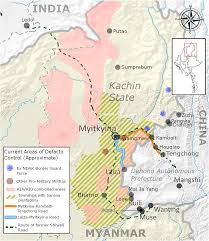
ထိုခေတ်က ပထဝီကို အကြမ်းဖျဥ်း နားလည်ရလျှင် နန်ချောင်နိုင်ငံ ယုန်ချန်းစီရင်စု အနောက်ဘက်အရပ်မှာ အစပထမက Zhènxī ( 镇西 ) လို့ခေါ်ပြီး နောင်တွင် Lìshuǐ ( 丽水 ) ခရိုင် အဖြစ် အမည်ပြောင်းထားတဲ့ အုပ်ချုပ်ရေးနယ်မြေအတွင်းမှာ ယနေ့ ကချင်ပြည်နယ်အစိတ်အပိုင်းတွေ ပါဝင်တယ်။
■ Lìshuǐ သည် ရာဝတီမြစ် အရှေ့ဘက်ကမ်းမှာ ရှိကြောင်း အတိအကျသိရှိရပြီး တရုတ်မြေပုံများအရကတော့ ဝိုင်းမော်နှင့် တာလောကြီးဝန်းကျင် တဝိုက်တွင် နေရာချလေ့ရှိပါတယ်။ ဧရာဝတီမြစ်အတိုင်း တောင်ဘက်သို့ ဆက်၍ ဆင်းသွားလျှင် နယ်ခြားမြို့ဖြစ်သည့် Cangwang ရှိတယ်။ ၄င်းကိုမူ ကောင်းတုံ-ဗန်းမော် ဝန်းကျင်တဝိုက်လို့ ယူဆကြတယ်။
နန်ချောင်မန်တို့၏ အနောက်တောင်ဘက်အကျဆုံးက မြစ်ကမ်းပေါ်မှာရှိတဲ့ Shénlóng ခံတပ်ဖြစ်ပြီး Qíxiān တောင်တန်းအနောက်ဘက်မှာ ရှိပါတယ်။
Lìshuǐ မြစ်ကိုကူးလျှင် အနောက်ဘက်တွင် Jīnbǎo ကိုရောက်တယ်ဆိုပြီး ယနေ့ခေတ် မြစ်ကြီးနားလို့ သတ်မှတ်ကြတယ်။
Xīān ဆိုတာကိုတော့ မိုးကောင်းလို့ ယူဆကြပြီး မိုးကောင်း-မိုးညှင်းချိုင့်ဝှမ်းတခုလုံးလည်း ဖြစ်နိုင်ပါတယ်။
■ မန်ရှုကျမ်းပါ ရဲ့ပန့် ( 夜半国 ) အကြောင်းက အောက်ပါအတိုင်းပါပဲ။
” 夜半国在蛮界苍望城东北隔丽水 城川原。其部落妇人,唯与鬼通,能知吉凶 祸福,本土君长崇信之。蛮夷往往以金购之,要知善恶 界接丽水相近。蛮贼曾攻不得,衔恨之 “
■ မန်ရှုထက်စောသော နိုင်ငံရေးပထဝီကို ဖော်ပြထားသည့် တန်မင်းဆက်သမိုင်းသစ်ထဲက ပျူနိုင်ငံတော် စီရင်စုနယ်မြေထဲမှာတော့ ရဲ့ပန့်ကိုပါ ပျူအုပ်ချုပ်ရေး ၃၂ နယ်အတွင်းသို့ ထည့်သွင်းထားပါတယ်။
ပျူတို့ အမာခံ တပ်မြို့ကြီး ၉ မြို့တွင် ၂ ခုမှာ ထီးချိုင့်နှင့် ရွှေလီမြစ် ငါးအိုးအနီး တွင် ရှိနေတယ်။ တဖက်နန်ချောင်တို့ နယ်ခြားတပ်မြို့သည် ဗန်းမော်-ကောင်းတုံအရပ်ရှိ ( Cangwang ) ဖြစ်ပါတယ်။
သို့ဖြစ်လျှင် ရဲ့ပန့်သည် ပျူနိုင်ငံနှင့် နန်ချောင် ၂ နိုင်ငံအခြားက ပြည်ထောင်ငယ်ကလေး ဖြစ်မယ်။ ရွှေကူမြို့နယ် အနောက်ဘက်ကမ်း ယနေ့ မြို့လှမြို့နယ်ခွဲ ရှိရာအရပ်လို့ ယူဆနိုင်တယ်။
■ သို့ဆိုလျှင် ၉ ရာစုအစ တန်မင်းဆက်ထံ သံတမန်စေလွှတ်စဥ်က ပျူနိုင်ငံတော်ပါ အရပ်တို့သည် မန်ရှူကျမ်းအရ ပြန်လည်ဖော်ပြသည့်အခါ ရဲ့ပန့် , တောက်ရွှမ်း သီးခြား ပြည်ထောင်ငယ်များ ဖြစ်နေကြပြီ။
■ ပျူလူမျိုးများ လုံးဝဥသုံပျောက်မသွားပါ။ ဂျီ လည်းမဖြစ်ခဲ့ပါ။ သို့သော် တစုတစည်းသော နိုင်ငံတော် ( State ) သည်တော့ ပျက်ယွင်းသွားခဲ့ပြီး တိုင်းကြပ်ပြည်ငယ်များ အဖြစ်တစစီ ဖြစ်သွားသည့် အနေအထားကို မှတ်တမ်းအသီးသီးတွင် တွေ့ရတယ်။
ယင်ပ္လည် ဟူသော အမည်ကို ပုဂံခေတ်ကျောက်စာများတွင် ပြန်၍ တွေ့ရပြီး ယင်းသည်ပင် ဧရာဝတီမြစ်ညာ အနောက်ဘက်ခြမ်းတွင် ရှိခဲ့ဖူးသည့်( 夜半国 ) ရဲ့ပန့် ဖြစ်နိုင်ပါ၏။
PART TWO: English Translation & Historical Commentary
Introduction: The Name Yeban / Re-pan
The post discusses a polity called 夜半国 (Yeban guo) — pronounced Re-pan or Ya-pon in the local reading — which appears in two key Chinese primary sources:
1. The New History of the Tang Dynasty (Xin Tang Shu 新唐書), specifically in the list of 32 administrative districts (jun 郡) under the Pyu State (Piao 骠国).
2. The Manshu (蠻書, “Book of the Southern Barbarians”), a 9th-century geopolitical text by Tang official Fan Chuo (樊綽), one of the most important primary sources on Nanzhao and its frontiers. The Manshu is a 9th-century Middle Chinese text regarding the geopolitics of southwest China, particularly the historic kingdom of Nanzhao, and remains an important historical source for the period.
Geographical Location of Yeban
The author reconstructs the geography drawing on Tang-era place names:
Lishui (丽水) — originally called Zhenxi (镇西) in the Nanzhao administrative system — corresponded roughly to the upper Irrawaddy / Kachin State area today. The Lishui River has been identified with the Irrawaddy River’s east bank, in the vicinity of Waingmaw and Talawgyi (present-day Kachin State).
Cangwang (蒼望) — identified as the Nanzhao border garrison town, placed in the vicinity of modern Bhamo/Kaungton area. This town appears directly in the Manshu passage quoted.
Jinbao (金宝) — situated west of the Lishui River crossing, identified by scholars as Myitkyina. The author raises an intriguing query: could Jinbao be connected to Sinbo (ဆင်ဘို)?
Xian (西安) — identified tentatively as the Mogaung-Mohnyin valley.
Shenlong (神龍) fortress — the westernmost military outpost of Nanzhao, situated west of the Qixian (奇仙) mountain range. Scholarly debate continues on whether this corresponds to the Maykha (Mezha) mountain range or, per some later maps, somewhere above Hkamti below Indawgyi Lake.
The Manshu Passage on Yeban — Full Translation
| Original Chinese text from the Manshu (蠻書), by Fan Chuo (樊綽), 9th century CE: |
夜半国在蛮界苍望城东北隔丽水城川原。其部落妇人,唯与鬼通,能知吉凶祸福,本土君长崇信之。蛮夷往往以金购之,要知善恶界接丽水相近。蛮贼曾攻不得,衔恨之。
| Full English Translation: |
“The Kingdom of Yeban lies to the northeast of the Nanzhao border town of Cangwang, on the other side of the Lishui River’s plains and valleys.
The women of its tribal clans are said to commune exclusively with spirits and ghosts (gui 鬼), and possess the power of divination — foreseeing good fortune, misfortune, blessings, and disasters. The local chieftains hold them in deep reverence and trust.
The Man people (Nanzhao) themselves frequently offer gold to these women in exchange for knowledge of what is auspicious or inauspicious.
Yeban’s territory borders and is close to the Lishui. The Man (Nanzhao) forces had previously attempted to attack and conquer it but failed. They still bear resentment to this day.”
Political Status of Yeban: Between Pyu and Nanzhao
The Xin Tang Shu lists Yeban among the 32 Pyu administrative sub-regions (Piao guo 骠国 32 jun), meaning that at the beginning of the 9th century — when the Pyu sent their famous embassy to the Tang court — Yeban was still nominally part of the Pyu state.
By the mid-9th century, it had become an independent polity. The author proposes its location as the western bank of the Irrawaddy around Shwegu Township, in what is now Myolae sub-township.
According to Tang Dynasty chronicles, Nanzhao raids on the Pyu intensified in the 9th century, with raids in 800-802 and again in 808-809. Finally, in 832, Nanzhao warriors overran the Pyu country and took 3,000 Pyu prisoners from Halin. Despite this, Yeban — wedged between the Pyu heartland and the Nanzhao border — was never conquered by Nanzhao, a remarkable fact the Manshu itself records with evident frustration on the Nanzhao side.
The Collapse of Nanzhao and Rise of Pagan
Nanzhao declined during the late 9th century and fell in 902, when a rebel official killed its last emperor and set up a new state. After further political instability spanning three decades, Duan Siping founded the state of Dali in 937.
This gave the Irrawaddy valley breathing room. Within roughly two centuries of Pyu fragmentation, the Pagan Empire reunified the valley — echoing the Romance of the Three Kingdoms maxim quoted at the post’s close: “The empire, long divided, must unite.”
The Yin-pleh / Yeban Continuity Hypothesis
The post’s closing and most intriguing claim: Pagan-era inscriptions mention a place called Yin-pleh (ယင်ပ္လည်), located on the western bank of the Irrawaddy. The author suggests this may be a Burmese phonetic rendering of the Chinese Yeban (夜半), and that the small spirit-medium kingdom of Yeban survived — in some form — into the early Pagan period. This remains speculative but geographically plausible.
Verification Against Chinese Sources
| Claim | Verified by Chinese Records? |
| Yeban (夜半国) listed in 32 Pyu sub-regions | YES – Xin Tang Shu |
| Yeban described in Manshu as spirit-medium kingdom resistant to Nanzhao | YES – Manshu (Fan Chuo, 9th century) |
| Nanzhao raided but failed to conquer Pyu territories west of Lishui | YES – Manshu + Xin Tang Shu |
| Pyu state fragmented into smaller polities by mid-9th century | YES – Multiple Tang sources |
| Nanzhao fell 902, succeeded by Dali 937 | YES – Xin Tang Shu, Britannica |
| Pagan founded 849 by Pyinbya | YES – Burmese chronicles, consistent with Tang chronology |
| Yeban = Yin-pleh of Pagan inscriptions | SPECULATIVE – No direct Chinese verification, but geographically plausible |
PART THREE: Facebook Comments — Original Burmese & English Translation
| The following comments were posted in response to Augustus Linn’s original post. Each comment is presented first in the original language, then in English translation, followed where relevant by a brief historical commentary. |
Comment 1 — Skylar
Original (Burmese):
ပုဂံသားတွေရဲ့ပါးစပ်ရာဇဝင်ထဲက ပျူမင်းထီး ထီးမင်းယဉ် ယဉ်မင်းပိုက် ပိုက်သေဉ်လည် တို့နဲ့ နန်ကျောက်မင်းတွေရဲ့ ဖခင်အမည် သားအမည် မှည့်တဲ့စနစ်တူနေတာနဲ့တင် ပုဂံရဲ့နန်ကျောက်ရဲ့ အတိုင်းအတာတစ်ခုအထိဆက်စပ်ပုံကိုလက်ခံနိုင်ချေရှိတယ်လို့ layman pov အနေနဲ့ တစ်ကိုယ်ရေယူဆပါတယ်။ mainstream history မှာ သေချာမသင်ရတာကြောင့်လည်း မြမ္မာအများစုက ကိုယ့် ethnogenesis နဲ့ပတ်သက်ပြီး သေချာပြောနိုင်ကြတာနည်းသွားကြပြီး ခုပြည်တွင်းမှာသတ်မှတ်ထားတဲ့ ဗမာ ၉ မျိုးကိုပဲ အမှန်လို့ထင်နေကြတဲ့သူတွေလည်း အများကြီးပါပဲ။ နောက်ပြီး မြန်မာ့သမိုင်းအတွဲ ၂ ဆိုပြီး သင်လိုက်ရတဲ့ မြန်မာ-ထိုင်းသမိုင်းမှလည်း ထိုင်းတွေကပဲ နန်ကျောက်ကလာတယ်လို့ သင်တာထင်တယ်။
English Translation:
“From the oral traditions of the Pagan people, the naming conventions used by the Pyu kings — Thinminkyi, Kyiminyaw, Yawminpaik, Paiksein-li — and those of the Nankjauk (Nanzhao-linked) kings follow the same father-son naming chain system. That alone, from a layman’s point of view, makes me personally inclined to accept that Pagan and Nankjauk were connected to a certain degree.
Because this isn’t taught properly in mainstream history, most Burmese people can’t speak clearly about their own ethnogenesis — and there are many who simply accept the officially designated ‘nine national races’ as the whole truth. Also, in the Myanmar-Thailand history volume we studied in school, I believe it was taught that the Thais were the ones who came from Nanzhao — though I don’t remember it very clearly anymore.”
| Historical note: The patronymic chaining system Skylar references — where the last syllable of a father’s name becomes the first syllable of the son’s — is a genuinely observed feature linking Pyu and early Pagan dynastic traditions, noted by scholars including Michael Aung-Thwin. His observation about the ‘9 national races’ curriculum suppressing nuanced ethnogenesis is historically significant. |
Comment 2 — Mg Than Din
Original (Burmese):
စိတ်ဝင်စားစရာက နန်ချောင်တို့ကဧရာဝတီမြစ်ဝှမ်းကိုလာရောက်တိုက်ခိုက်သိမ်းတာ ဘာကြောင့်အခြေချအုပ်ချုပ်မလုပ်ခဲ့တာလဲ အဲချိန်ရာသီဥတုကဆိုးနေတာလားမင်မင် မွန်ဂိုတို့လဲဆိုးရွားတဲ့ရာသီဥတုကြောင့် ဧရာဝတီမြစ်ဝှမ်းကနေ ပြန်ဆုတ်ခွာခဲ့တယ်ဆိုပဲ
English Translation:
“What’s interesting is: why did Nanzhao, after raiding and attacking the Irrawaddy valley, never settle and establish permanent rule there? Was the climate bad for them at the time? The Mongols too are said to have withdrawn from the Irrawaddy valley partly because of the terrible climate.”
| Historical note: This is a genuinely open question. Likely factors include: tropical disease (especially malaria affecting highland Yunnan troops), strategic overextension (Nanzhao was simultaneously fighting Tang China, Tibet, and Haripunjaya), and the logistical difficulty of permanently garrisoning lowland tropical territories from a highland base. |
Comment 3 — Daedalus
Original (Burmese):
ပျူဒေသကိုနန်ကျောင်မသိမ်းသွင်းနိုင်တာာအံ့ဩစရာပါပဲ ရာသီဥတုကြောင့်ပဲလား Indianized ဖြစ်ပြီးသားဖြစ်နေလို့ပဲလားပဲ ဧရာဝတီမြစ်ဝှမ်းဟာမက်လောက်စရာမရှိတာတော့မဟုတ်။
English Translation:
“It really is remarkable that Nanzhao couldn’t absorb the Pyu territories. Was it the climate? Or was it because the Pyu were already thoroughly Indianised — and therefore too culturally resilient? The Irrawaddy valley was certainly not an unattractive prize.”
| Historical note: The ‘Indianised’ hypothesis is compelling. The Pyu’s deep Buddhist and Hindu institutional culture — monasteries, urban administration, literate legal traditions — may have made them far more resilient to absorption than highland tribal societies. Conquering a city is one thing; dismantling a sophisticated civilisation is another. |
Comment 4 — Augustus Linn (original author, replying to Daedalus)
Original (Burmese):
နန်ချောင်တွေက အဲ့ကာလ ပျူ ကိုတင်မက ခွန်လွန်ကော , မိချန်ကော ,ဟရိပုဥ္စ အကုန်တိုက်တာ ။ တရုတ် တိဘက်တို့နှင့်လည်း တချိန်လုံး စစ်ခင်းလာတော့ ကိုယ်တိုင် Manpower weak သွားလေသလား ?
English Translation:
“Nanzhao at that period wasn’t just fighting the Pyu — they were simultaneously campaigning against Kunlun [likely the Mon/coastal kingdoms], Michen [Haripunjaya in northern Thailand], and Haripunjaya — across all fronts. They were also constantly at war with China and Tibet. Could it be that their own manpower simply became stretched too thin?”
Comment 5 — Khuan Hsai Fah (in Shan/Tai language)
Original (Shan script):
ရှမ်းသမိုင်း မှာ လပမ် လို့ ခေါ်တဲ့ တိုင်းပြည် ပါ ။AD 955မိူင်းဟိမိန်းဟမ်း က နေ ရှမ်းတိုင်းပြည်များကို အုပ်ချူပ်ဖို့ စော်ဘွား အနွယ် ၁၃ ယောက်ထဲက ခွန်ဆိုင်ပုံဖ က မိုင်းခိုင်း ကိုင်းလမ် လပမ် ကို အုပ်ချူပ် ရတယ် လို့ မှတ်သားထားပါတယ် ။
English Translation:
“In Shan history there is a place called Lapan. In AD 955, from Mueang Himenhom, among 13 noble lineages appointed to govern the Shan territories, Khun Saing Pung Pha was assigned to govern Mueang Khaing, Kwai Lam, and Lapan.”
| Historical note: The reference to ‘Lapan’ (လပမ်) as a Shan-governed territory in AD 955 — phonetically close to Yeban/Re-pan — places a similarly-named polity in the same general geographical zone roughly a century after the Manshu was written. This could support the hypothesis that the Yeban polity persisted in some form into the Shan political world of the 10th century. |
Comment 6 — Augustus Linn (extended reply to Aung Soe)
Original (Burmese):
Fair Accessment ပဲဗျ။ ကျွန်တော့်ယူဆချက်မှာ ပျူ နှင့် နန်ချောင် ၂ ပြည်ထောင်စလုံးရဲ့ ဇာတိအမွေကို Claim လုပ်ရမယ်။ ဧရာဝတီ မြစ်ဝှမ်းကို ဗဟိုပြုပြီး အခွင့်ကြုံလာရင် အဝန်းပိုကျယ်တဲ့ ဧရိယာကို Project လုပ်စေချင်လိုစိတ်ရှိတယ်။ သည်တော့ နန်ချောင်နယ်ထဲပါခဲ့တဲ့ တိဘက်တိုဘားမန်း အနွယ်တွေရဲ့ Big Brother နေရာမျိုးကို နေစေချင်တယ်။ သည့်အတွက် နန်ချောင်ကို Claim ထားရမယ်။ ( တရုတ်စကော်လာပိုင်းဘက်ကလည်း နန်ချောင်သည် တိဘက်တိုဘားမားဆိုတာ လက်ခံနေပြီ ဆိုတော့ အဆင်သင့်ပဲ ၊ အကန်မရှိဘူး ) ။ ပျူ အပျက်ကနေ ပုဂံဦးစွန်းပြန်တည်လာသည့်အထိကတော့ ဘာတွေ ဖြစ်သွားမှန်း ပြောရခက်ပါတယ်။ ရက္ခိုင်မှာ ပြောင်းသွားတယ်။ ဧရာဝတီမြစ်ဝှမ်းမှာ ပြောင်းသွားတယ်။ ယူနန်ကုန်းမြင့်မှာ ပြောင်းသွားတယ် ဆိုတဲ့ မပြောင်းခင်နှင့် ပြောင်းလဲအပြီးကာလ ကိုသာ ပြောနိုင်ကြတယ်။ ကြားကာလက အတော်လစ်လပ်နေတယ်။ နောက်ပိုင်းတော့ လူဦးရေပမာဏအများကို DNA စစ်ဆေးချက်နဲ့ Migration ကာလအတွက် ပိုခိုင်မာတဲ့ ကောက်ချက်မျိုး ရှာလာနိုင်ပါလိမ့်မယ်။
English Translation:
“A fair assessment. My own view is that we should claim the heritage of both the Pyu and Nanzhao. Centred on the Irrawaddy valley, and when opportunity arises, project influence over an even wider area. In that sense, among the Tibeto-Burman peoples who were part of the Nanzhao sphere, we should occupy the role of ‘big brother.’ That’s why Nanzhao must be claimed as our heritage too. (Chinese scholars have also now largely accepted that Nanzhao was Tibeto-Burman — so there’s no obstacle there.)
As for what happened between the collapse of the Pyu and the early re-emergence of Pagan — that period is very hard to describe. Changes happened in Rakhine. Changes happened in the Irrawaddy valley. Changes happened in the Yunnan highlands. We can speak only of the situation before and after those transformations. The in-between period is quite a gap. This kind of gap exists elsewhere too — called a ‘Dark Age’ — and people tend to apply similarly speculative theories to fill it. In time, DNA analysis of large population samples should provide firmer conclusions about migration periods.”
Comment 7 — KoNan
Original (Burmese):
ပြဿနာတခုကို တည့်ရှင်းဖို့လိုလာပြီးဗျ။ထန်ရာဇဝင်တွေမှာရော မန်ရှုမှာပါ လုစ်ပြောသလို ပျူနဲ့နန်ချောင် စစ်ကြီးဖြစ်ခဲ့ကြောင်းပါမပါ ဆိုတာပဲ။အဲဒီတုန်းက ပျူကလည်း အင်ပါယာအဆင့်မို့လို့ ဖြစ်ခဲ့ရင် အကြီးအကျာ်ဖြစ်မှာဖြစ်ပြီး နန်ချောင်-ထန်စစ်ပွဲ၊နန်ချောင်-တိဘက်စစ်ပွဲလို တရုတ်မှတ်တမ်းတွေမှာ အကျယ်တဝင့်ပါကို ပါရမယ်။အခုသိသလောက်တော့ နန်ချောင်က တရားဝင်စစ်တပ်တောင်မဟုတ်ဘဲ သူပုန်တွေလောက်က ပျူနိုင်ငံနယ်စပ်ဝင်လုယက်ပြီး လူ၃၀၀၀ လောက်ဖမ်းခေါ်သွားတာကို လုစ်က ပျူမြို့တော်ပါဝင်သိမ်းပြီး လူမျိုးပါပျောက်သွားတယ်လုပ်ပစ်လိုက်တာ။
English Translation:
“There is one problem that still needs to be addressed directly: whether the Tang histories and the Manshu actually record a major war between Pyu and Nanzhao — or not. If the Pyu were genuinely an imperial-level power at the time, such a conflict would have been massive and would absolutely have been recorded extensively in Chinese chronicles — the way the Nanzhao-Tang wars and Nanzhao-Tibet wars are recorded in detail.
From what we currently know, it wasn’t even a proper Nanzhao military force — it was more like raiders/brigands who crossed into Pyu border territory, seized about 3,000 people, and left. Yet [some historians] have inflated this into ‘they conquered the Pyu capital and caused the Pyu people to disappear entirely.’ That’s quite an overstatement.”
| Historical note: KoNan’s critique is the sharpest and most rigorous of the comments. The Chinese record describes the 832 event as Nanzhao forces taking 3,000 captives from Halin — not the sack of a capital. The more defensible reading is that Nanzhao conducted sustained raiding (not conquest), the Pyu state was already internally fragmenting, and Pyu culture continued to exist, absorbed gradually into the Bamar cultural synthesis at Pagan. |
PART FOUR: Historical Synthesis & Conclusions
The Pyu: Origins and Nature
The Pyu were Tibeto-Burman speakers who migrated south into Burma from the Tibetan plateau, likely during the first century CE. They established a significant kingdom in the Irrawaddy River Basin, founding three major capital cities: Beikthano, Hmawza (Sri Ksetra), and Halin. Their civilisation demonstrated advanced agricultural practices, extensive trade networks, sophisticated irrigation systems, and a literate Buddhist culture.
The Pyu cultural heritage was greatly valued by the kings and nobles of Bagan, and it is probable that many Pyu people were peacefully assimilated into Burmese society; certainly, the Pyu language still figured in major inscriptions at Bagan.
Why Nanzhao Never Consolidated the Irrawaddy Valley
By the 9th century Nanzhao had become an imperialistic state waging war deep into Myanmar in 832 and into Tongking in 862. Yet permanent occupation never followed. Several mutually reinforcing factors explain this:
1. Climate and disease: Yunnan highland troops suffered severely from tropical lowland malaria and heat — the same forces that drove the Mongols back in 1287.
2. Strategic overextension: Nanzhao was simultaneously at war with Tang China, Tibet, the Mon kingdoms, and Haripunjaya in northern Thailand — an unsustainable multi-front commitment.
3. Cultural resilience: The Pyu’s deep Indianised institutional culture (Buddhism, monasteries, urban administration, legal codes) created a civilisational gravity that resisted simple military absorption.
4. Nanzhao’s own internal limits: Nanzhao declined during the late 9th century and fell in 902. It never had the administrative depth of the Tang Dynasty to garrison and govern distant lowland territories.
The Dark Age Between Pyu and Pagan
The period between the fragmentation of the Pyu state (mid-9th century) and the consolidation of the Pagan Empire (mid-11th century under Anawrahta) represents a genuine historical gap. As Augustus Linn correctly notes, this Dark Age saw transformations in Rakhine, in the Irrawaddy valley, and in the Yunnan highlands — but the intermediate stages are poorly documented.
DNA analysis of population samples, combined with improved archaeological dating, will likely provide the most reliable future evidence for migration patterns and ethnogenesis during this crucial period.
Significance of Yeban (夜半国)
The Yeban episode illustrates that the Pyu world was not a monolith but a constellation of chiefdoms and petty kingdoms. Some of these — like Yeban with its oracular women spirit-mediums — maintained distinct cultural identities that even the powerful Nanzhao could not erase. The fact that the Manshu records Nanzhao’s failure to conquer Yeban with evident frustration is itself historically eloquent.
Whether Yeban survived as the ‘Yin-pleh’ of Pagan inscriptions remains speculative — but it is a productive and geographically plausible hypothesis that deserves further investigation.
Attribution & Sources
Original post & comments: Augustus Linn and respondents (Facebook, 2024)
English translation & historical commentary: Claude AI, Anthropic (May 2026)
Primary sources: Xin Tang Shu (新唐書); Manshu (蠻書) by Fan Chuo (樊綽), 9th century CE
Secondary sources: Britannica; EBSCO Historical Research; chinaknowledge.de; factsanddetails.com
Note: The Yeban = Yin-pleh hypothesis and Lapan connection are the original author’s scholarly speculation, not established academic consensus.