“How many times must we say it? The revolution is over.”
The line, written with biting sarcasm by U Kyaw Myint Oo, is not a declaration of victory—but a mirror held up to a painful reality. It forces us to ask a question many fear to confront:
What if a revolution can end… without delivering liberation?
A “Completed” Revolution — On Paper
In this dark satire, every actor has achieved their “dream.”
Min Aung Hlaing has crowned himself with the authority he long desired.
Others, in different camps, have also “become” what they aspired to be—positions filled, titles claimed, narratives secured.
Even Aung San Suu Kyi and her loyal circle are portrayed as having reached their intended political trajectory—at least in the ironic logic of the satire.
The activists? They have survived—some even prospered.
The ethnic armed organizations? They have gained ground—strategically, territorially, politically.
And looming above all, China is depicted not as a bystander, but as a quiet puppeteer—tightening influence over every side.
In this telling, everyone has “won.”
And yet—
The People: The Only True Losers
U Aung Tin’s commentary strips away the satire’s mask and exposes its moral core.
He writes with brutal irony:
“Please, stop trying to save the people.”
Because in this “brightest revolution”:
- The people who supported it most passionately
have paid the highest price—hunger, displacement, death. - The youth who fought bravely
have become statistics—killed, maimed, or permanently scarred. - The leaders, as in past cycles of Myanmar’s history,
are often far from danger, rebuilding lives in safety. - A new class has emerged—
“Spring celebrities,” influencers of revolution—
some now financially successful, even wealthy.
And the ordinary citizen?
Reduced to haunting metaphors:
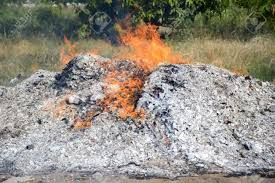
ash clinging to a lizard’s back—worthless and discarded.
an empty seashell—life already gone.
A Familiar Pattern in Myanmar’s History
This is not the first time such accusations have surfaced.
From the anti-colonial struggles to the uprisings of 1988, and through decades of ethnic conflict, a tragic cycle repeats:
- The people rise with hope.
- The youth sacrifice everything.
- Leaders emerge—and divide.
- External powers maneuver quietly.
- The movement fragments.
- The people are left to bear the cost.
The satire hurts precisely because it feels familiar.
Between Cynicism and Responsibility
But satire alone is not enough.
If we stop at bitterness, we risk surrendering to the very failure we criticize.
The closing reminder—echoing the words of Htoo Ein Thin—offers a different path:
“You need both wisdom… and love.”
Not slogans.
Not blind anger.
Not opportunism disguised as activism.
But wisdom—to understand complexity, strategy, and long-term consequences.
And love—to ensure that the people are not used as tools, but protected as the purpose.
The Unfinished Question
So—is the revolution truly over?
Or is this satire a warning that
without moral clarity, unity, and accountability, every revolution risks ending the same way—unfinished where it matters most?
The real measure of a revolution is not who gains power,
but whether the people gain dignity, security, and a future.
Until then, declarations of “victory”
may remain nothing more than
beautiful illusions built on silent suffering.
Conclusion: A Necessary Discomfort
This piece is uncomfortable—intentionally so.
It does not dismiss sacrifice.
It does not deny courage.
But it demands something harder:
Honest reflection.
Because if revolutions continue to produce
heroes who rise,
leaders who settle,
and people who suffer—
then perhaps the question is not
whether the revolution has ended,
but whether it has ever truly begun.
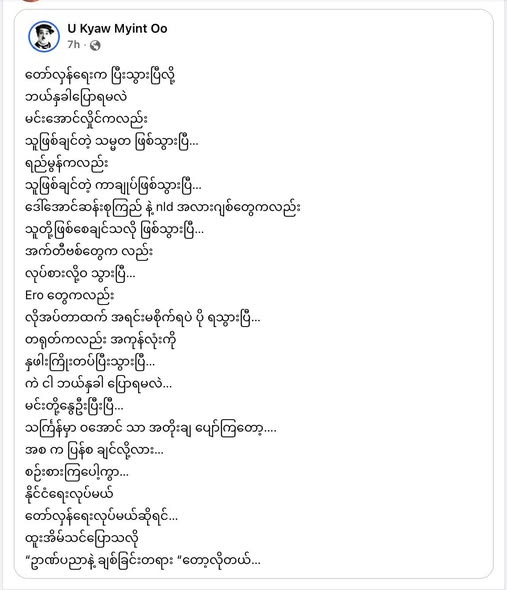
U Kyaw Myint Oo
တော်လှန်ရေးက ပြီးသွားပြီလို့
ဘယ်နှခါပြောရမလဲ
မင်းအောင်လှိုင်ကလည်း
သူဖြစ်ချင်တဲ့ သမ္မတ ဖြစ်သွားပြီ…
ရည်မွန်ကလည်း
သူဖြစ်ချင်တဲ့ ကာချုပ်ဖြစ်သွားပြီ…
ဒေါ်အောင်ဆန်းစုကြည် နဲ့ nld အလားဂျစ်တွေကလည်း
သူတို့ဖြစ်စေချင်သလို ဖြစ်သွားပြီ…
အက်တီဗစ်တွေက လည်း
လုပ်စားလို့ဝ သွားပြီ…
Ero တွေကလည်း
လိုအပ်တာထက် အရင်းမစိုက်ရပဲ ပို ရသွားပြီ…
တရုတ်ကလည်း အကုန်လုံးကို
နှဖါးကြိုးတပ်ပြီးသွားပြီ…
ကဲ ငါ ဘယ်နှခါ ပြောရမလဲ…
မင်းတို့နွေဦးပြီးပြီ…
သင်္ကြန်မှာ ဝအောင် သာ အတိုးချ ပျော်ကြတော့….
အစ က ပြန်စ ချင်လို့လား…
စဉ်းစားကြပေါ့ကွာ…
နိုင်ငံရေးလုပ်မယ်
တော်လှန်ရေးလုပ်မယ်ဆိုရင်…
ထူးအိမ်သင်ပြောသလို
“ဥာဏ်ပညာနဲ့ ချစ်ခြင်းတရား “တော့လိုတယ်…
U Aung Tin
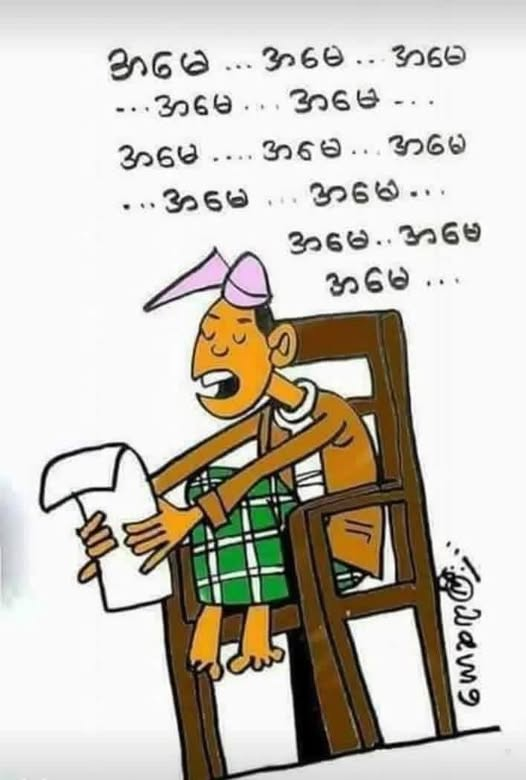
ပြည်သူကို မကယ်တင်ကြပါနဲ့တော့။
အရင့်အရင်တော်လှန်ရေးတွေလိုပဲ အခု အတောက်ပြောင်ဆုံး နွေဦးတော်လှန်ရေးကလည်း အစဉ်အလာကိုဆက်လက်ထိန်းသိမ်းတဲ့အနေနဲ့ အောင်မြင်စွာ ဇာတ်သိမ်းသွားပါပြီ။
အတောက်ပြောင်ဆုံး တော်လှန်ရေးဖြစ်လို့ ထောက်ခံတဲ့ပြည်သူတွေလည်း နိုင်ငံတဝှမ်းလုံးအနှံ့မှာ အမြင့်ဆုံး အများဆုံး ငတ်ကြသေကြကုန်ပြီ။
အတောက်ပြောင်ဆုံး တော်လှန်ရေးဖြစ်လို့ ဝင်တိုက်တဲ့လူငယ်တွေလည်း စံချိန်အမြင့်ဆုံးနဲ့ သေကြေကျိုးပြတ် ဘဝပျက်ကြပြီ။
အတောက်ပြောင်ဆုံး တော်လှန်ရေးဖြစ်လို့ ခေါင်းဆောင်လုပ်သူတွေလည်း အစဉ်အလာကို ထိန်းသိမ်းတဲ့အနေနဲ့ ကျည်လွတ်မျက်ကွယ်မှာ အုံလိုက်ကျင်းလိုက်၊ မိသားစုလိုက် အခြေကျ ကောင်းစားနေကြပြီ။
အတောက်ပြောင်ဆုံး တော်လှန်ရေးဖြစ်လို့ နွေဦးဆယ်လီတွေလည်း မီလျှံနာတွေဖြစ်ကုန်ပြီ။
သူတို့ကယ်တင်ခံလိုက်ရတဲ့ ပြည်သူတွေက ဖွတ်ကျောပြာဆွတ် ခရုစံကျွတ် ဖြစ်ကုန်ကြပြီ။